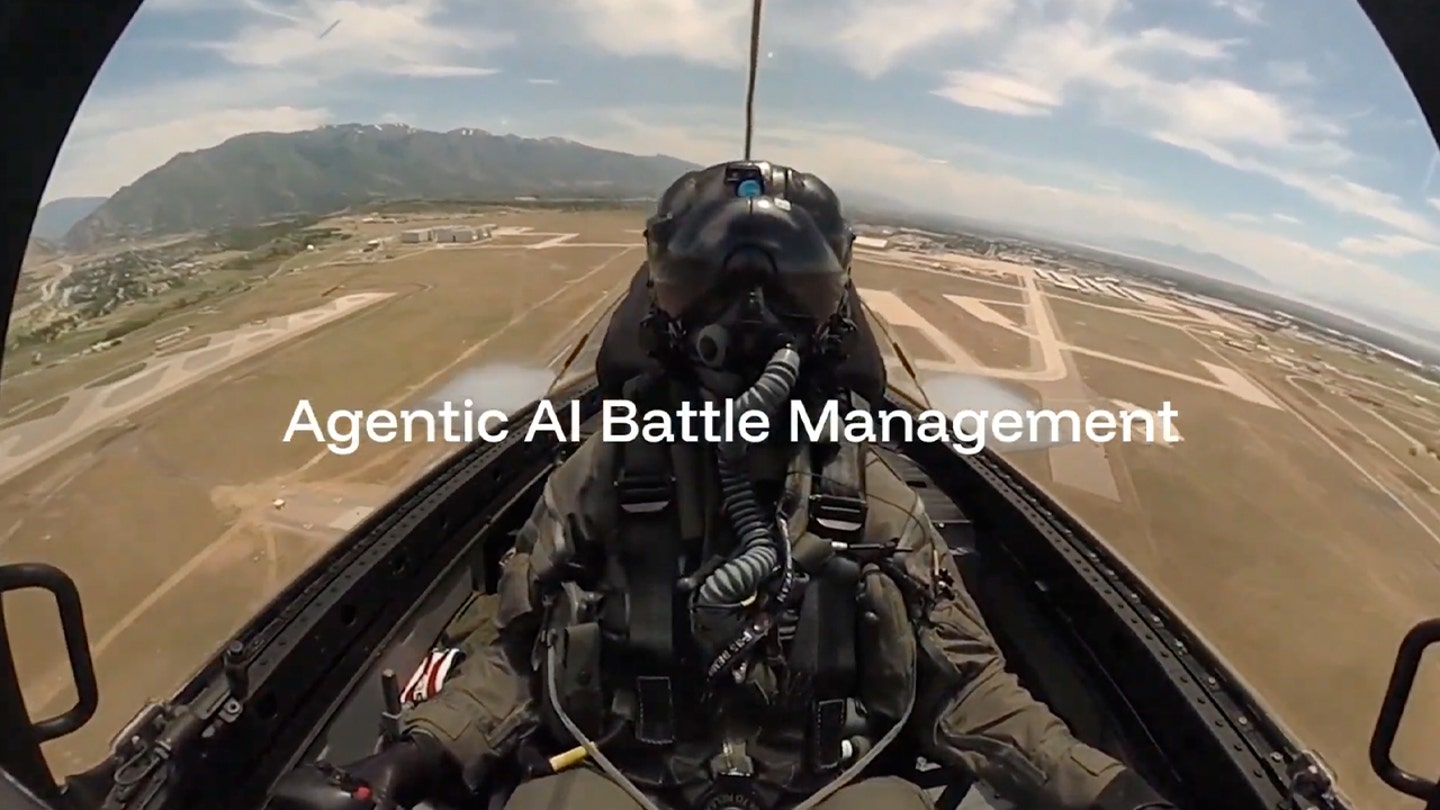
Fighter pilots take directions from AI in Pentagon’s groundbreaking test
Entities mentioned:
- U.S. Fighter Pilots: Duty, Professional pride, Security
- Pentagon: Security, Competitive spirit, Influence
- Air Force: Security, Professional pride, Competitive spirit
- Navy: Security, Professional pride, Competitive spirit
- Raft AI: Ambition, Innovation, Recognition
- Shubhi Mishra: Ambition, Recognition, Influence
- Federal Aviation Administration (FAA): Security, Duty, Professional pride
- National Transportation Safety Board: Duty, Security, Professional pride
Article Assessment:
Credibility Score: 75/100
Bias Rating: 55/100 (Center)
Sentiment Score: 65/100
Authoritarianism Risk: 35/100 (Generally Democratic)
Bias Analysis:
The article presents a balanced view of the AI technology, discussing both its potential benefits and ethical concerns. While it leans slightly towards emphasizing the positive aspects, it also includes cautionary notes about human involvement in critical decisions.
Key metric: Military Technological Advantage
As a social scientist, I analyze that this article highlights a significant advancement in military technology, specifically in air combat management. The integration of AI into fighter pilot operations represents a potential paradigm shift in warfare strategy. This development could dramatically enhance the U.S. military's decision-making speed and accuracy in air combat scenarios, potentially providing a substantial edge over adversaries. However, it also raises ethical questions about the role of AI in life-or-death decisions and the future of human involvement in combat operations. The test's success suggests a trend towards increased AI integration in military operations, which could have far-reaching implications for national defense strategies, international military dynamics, and the nature of future conflicts. The emphasis on maintaining human oversight indicates a cautious approach to this technological integration, balancing innovation with ethical considerations.
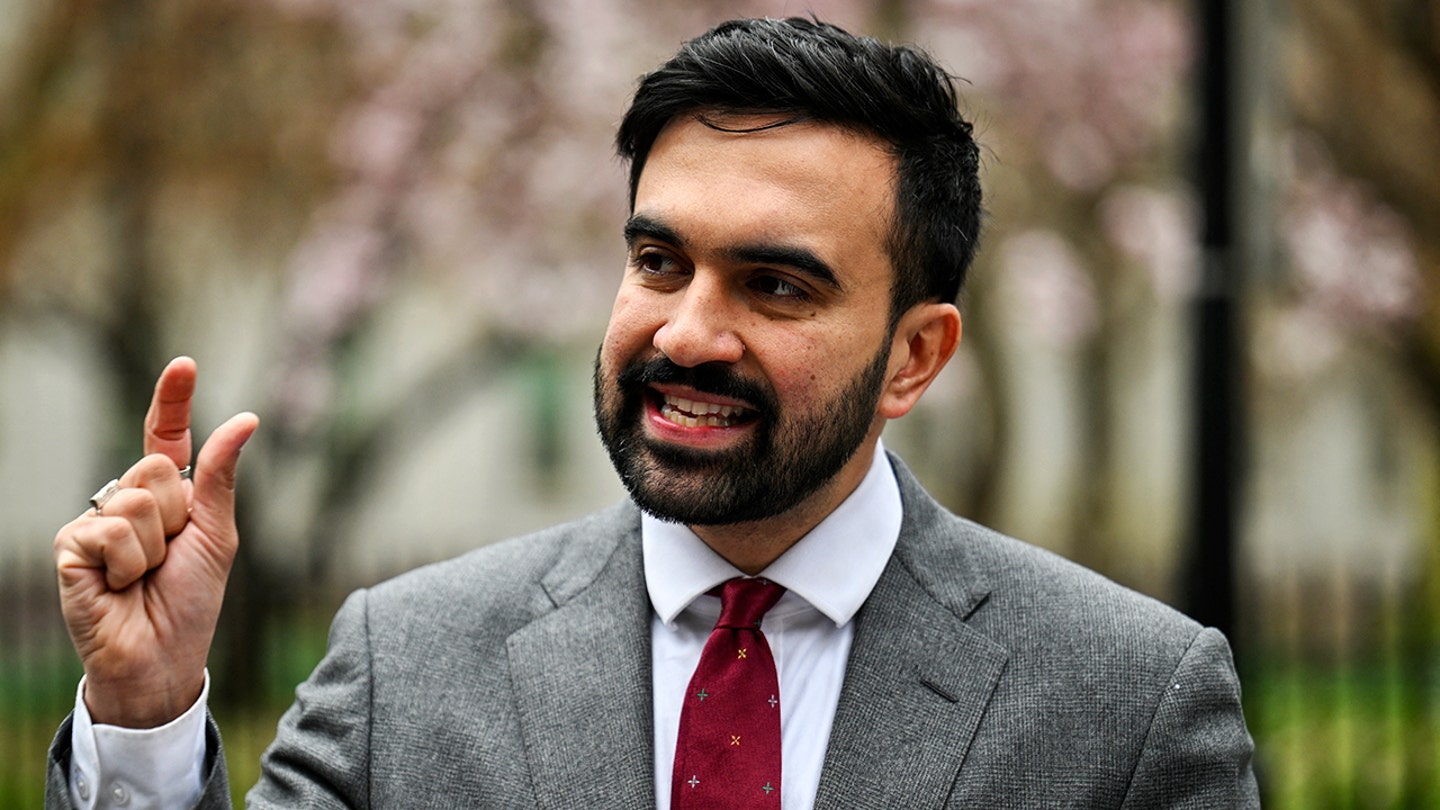
Zohran Mamdani's $1M fundraising haul fueled by out-of-state donors, data reveals
Entities mentioned:
- Zohran Mamdani: Ambition, Recognition, Influence
- Andrew Cuomo: Competitive spirit, Power, Legacy
- Curtis Sliwa: Duty, Loyalty, Competitive spirit
- Eric Adams: Power, Self-preservation, Control
- Dora Pekec: Professional pride, Loyalty, Enthusiasm
Article Assessment:
Credibility Score: 70/100
Bias Rating: 55/100 (Center)
Sentiment Score: 45/100
Authoritarianism Risk: 30/100 (Generally Democratic)
Bias Analysis:
The article presents a relatively balanced view, including data from multiple candidates. However, there's a slight emphasis on Mamdani's out-of-state funding, which could be interpreted as mildly critical.
Key metric: Political Polarization
As a social scientist, I analyze that this article highlights the growing influence of out-of-state donors in local elections, potentially exacerbating political polarization. Mamdani's significant out-of-state fundraising suggests a nationalization of local politics, which could lead to increased ideological divisions and reduced focus on local issues. The contrast between Mamdani's 'socialist' support and Cuomo's appeal to moderates further emphasizes this divide. This trend may result in candidates being more beholden to national interests rather than local constituents, potentially impacting the effectiveness of local governance and increasing political polarization within the city.