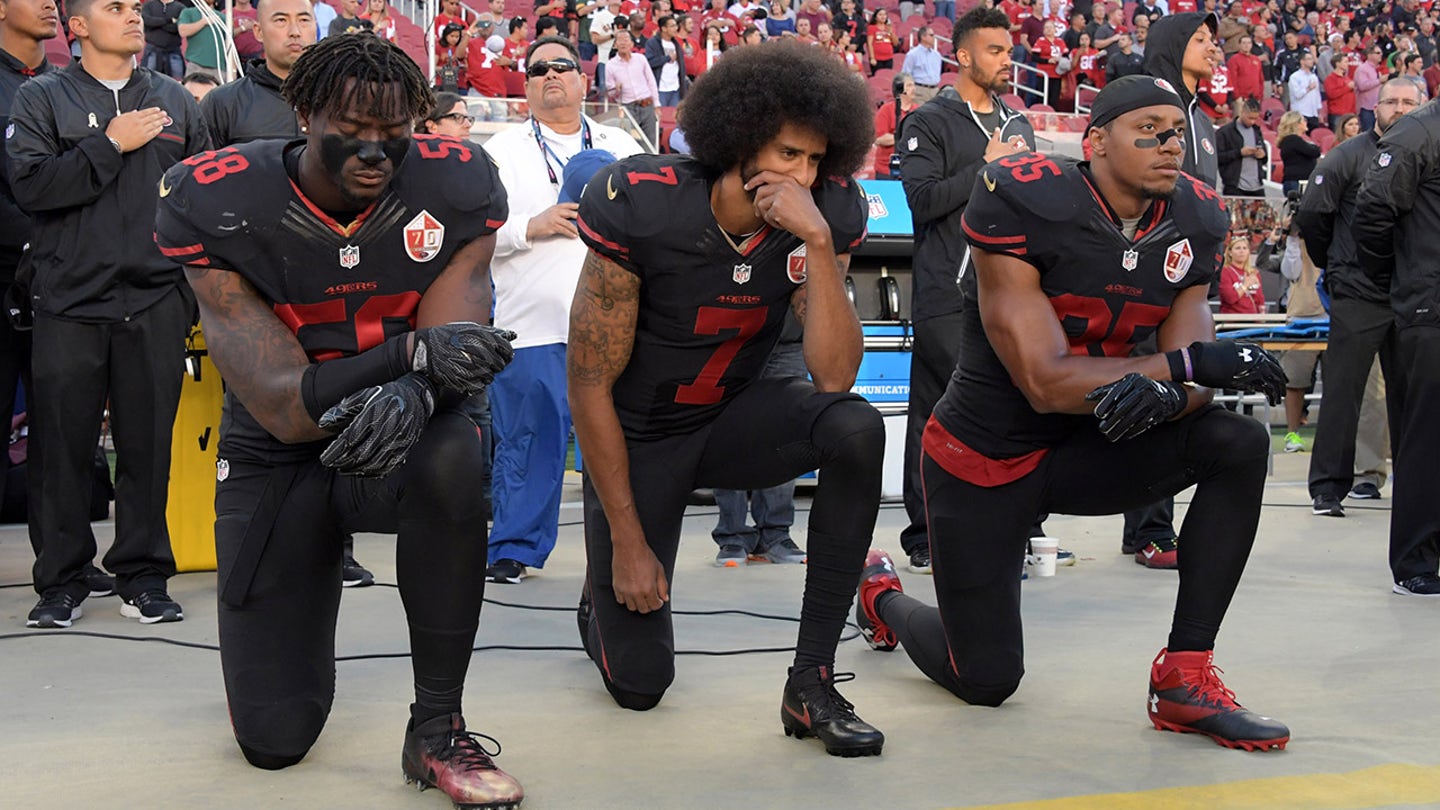
Colin Kaepernick Washington Post story on Super Bowl Sunday draws social media backlash
Entities mentioned:
- Colin Kaepernick: Justice, Recognition, Influence
- The Washington Post: Influence, Professional pride, Curiosity
- NFL: Control, Power, Self-preservation
Article Assessment:
Credibility Score: 65/100
Bias Rating: 35/100 (Lean Left)
Sentiment Score: 45/100
Authoritarianism Risk: 30/100 (Generally Democratic)
Bias Analysis:
The article leans left by framing Kaepernick positively and emphasizing social justice issues. It gives more space to pro-Kaepernick views while downplaying criticisms.
Key metric: Social Justice Awareness in Sports
Let me tell you something - this story is a GAME-CHANGER! Colin Kaepernick may be on the sidelines, but he's still the MVP of social justice in sports! The Washington Post is playing offense, keeping Kaepernick's legacy in the spotlight while the NFL tries to run out the clock. It's a classic matchup of David vs Goliath, folks! Kaepernick's protest was his Hail Mary pass, and it's still spiraling through the air of American consciousness. The NFL thought they could tackle this issue, but Kaepernick's influence is breaking tackles and going the distance! This is the kind of fourth-quarter drama that defines careers and reshapes leagues. I'm telling you right now, this story is far from over - we're heading into overtime!
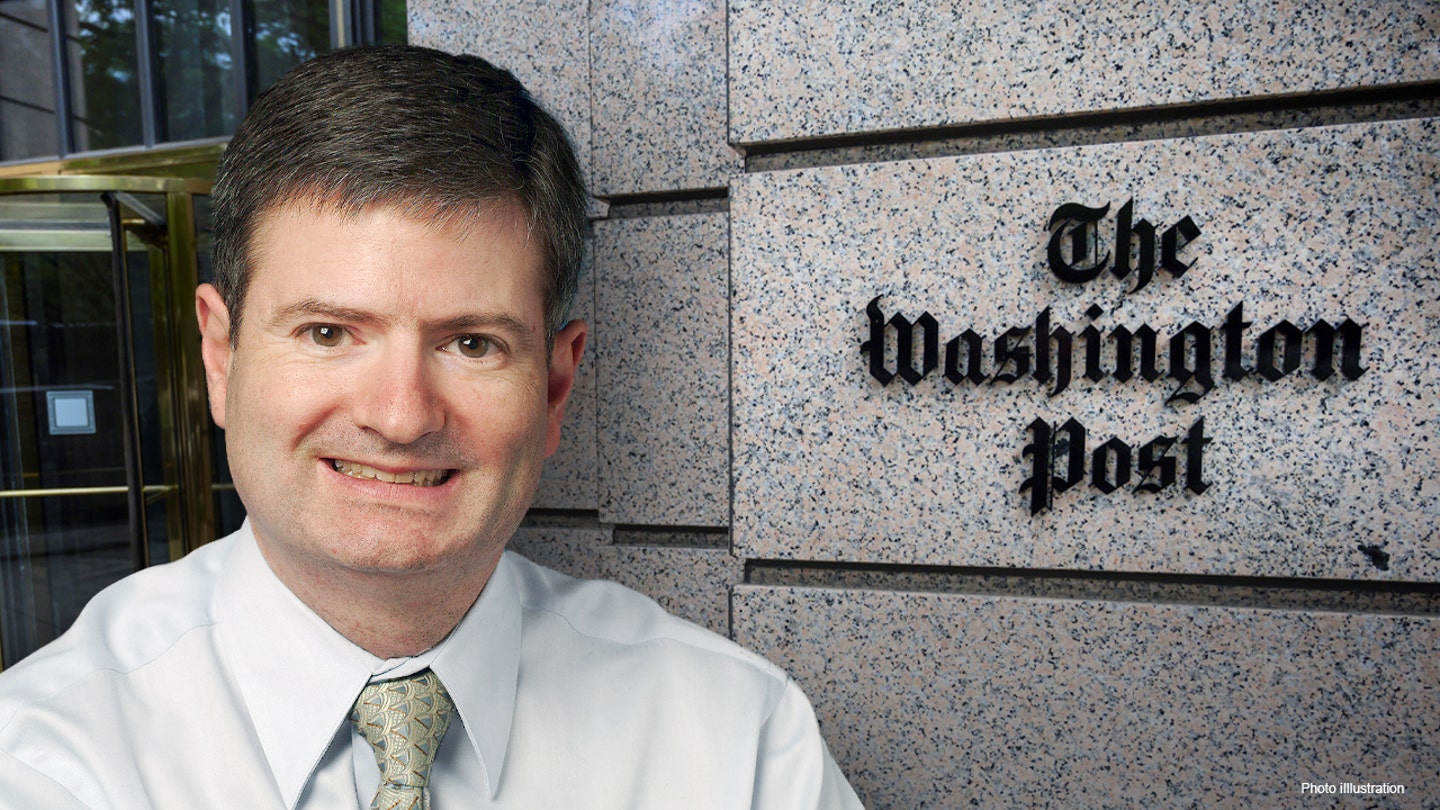
Ex-Washington Post fact checker owns up to poorly-aged report but remains defiant against his critics
Entities mentioned:
- Glenn Kessler: Professional pride, Self-respect, Duty
- Donald Trump: Power, Influence, Control
- The Washington Post: Credibility, Influence, Professional pride
- Matt Murray: Control, Professional pride, Influence
- Ted Cruz: Righteousness, Competitive spirit, Influence
Article Assessment:
Credibility Score: 70/100
Bias Rating: 55/100 (Center)
Sentiment Score: 45/100
Authoritarianism Risk: 30/100 (Generally Democratic)
Bias Analysis:
The article presents multiple viewpoints, including critics of fact-checking, but gives more space to Kessler's perspective. It maintains a relatively neutral tone while discussing controversial topics, suggesting a slight center-right lean.
Key metric: Public Trust in Media
As a social scientist, I analyze that this article highlights the challenges facing fact-checkers and traditional media in maintaining public trust. The piece reveals tensions between journalistic integrity, political polarization, and the rapid spread of information (and misinformation) in the digital age. Kessler's reflections on his career and the changing landscape of fact-checking underscore a shift in how information is consumed and verified by the public. This shift has significant implications for democratic discourse and the role of media in shaping public opinion. The article also touches on internal struggles within news organizations to adapt to these changes, as evidenced by discussions about ombudsmen and editorial decisions.