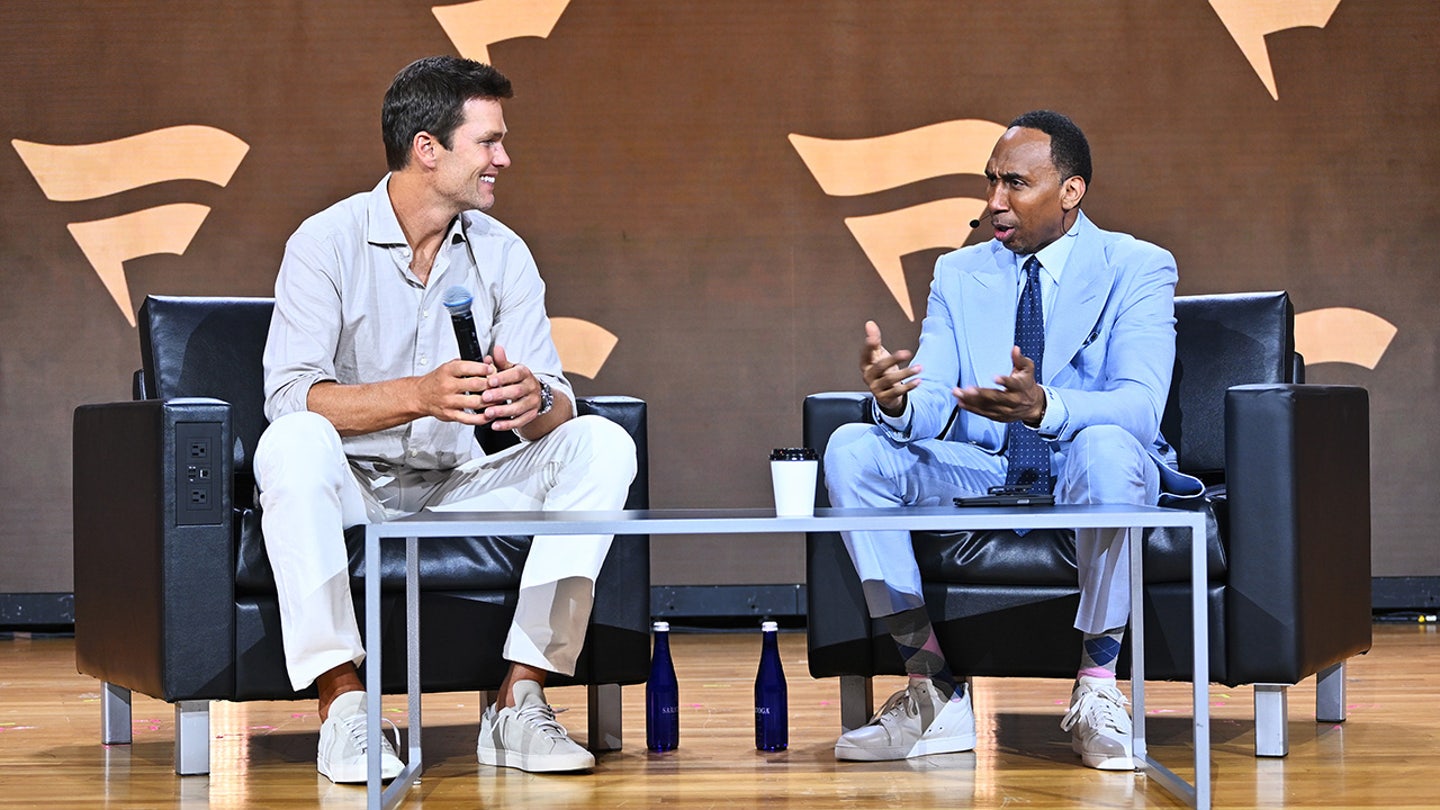
Stephen A Smith warns Hall of Fame if Tom Brady is denied first-ballot: ‘Burn down the building’
Entities mentioned:
- Stephen A. Smith: Moral outrage, Righteousness, Indignation
- Tom Brady: Legacy, Recognition, Competitive spirit
- Bill Belichick: Legacy, Recognition, Professional pride
- Robert Kraft: Legacy, Recognition, Pride
- Pro Football Hall of Fame: Credibility, Legacy, Influence
Article Assessment:
Credibility Score: 65/100
Bias Rating: 50/100 (Center)
Sentiment Score: 30/100
Authoritarianism Risk: 20/100 (Strongly Democratic)
Bias Analysis:
The article presents multiple viewpoints, including criticism of the Hall of Fame process. It relies heavily on Stephen A. Smith's opinions but balances this with factual information about Brady, Belichick, and Kraft's careers.
Key metric: NFL Legacy Recognition
Let me tell you something - this story is RIDICULOUS! We're in the fourth quarter of these legends' careers, and the Hall of Fame is dropping the ball like a rookie wide receiver! Tom Brady, the GOAT, the Michael Jordan of football, might not be a first-ballot Hall of Famer? Are you kidding me?! This is like denying Usain Bolt a gold medal for being too fast! The Pro Football Hall of Fame needs to step up to the plate and recognize greatness when it's staring them in the face. Belichick and Kraft have been coaching this Patriots dynasty from the sidelines for decades, and now they're getting benched by the very institution that should be enshrining them! It's time for the Hall to show some championship mentality and give these titans of the gridiron their due. If they fumble Brady's induction, they might as well forfeit their credibility entirely!
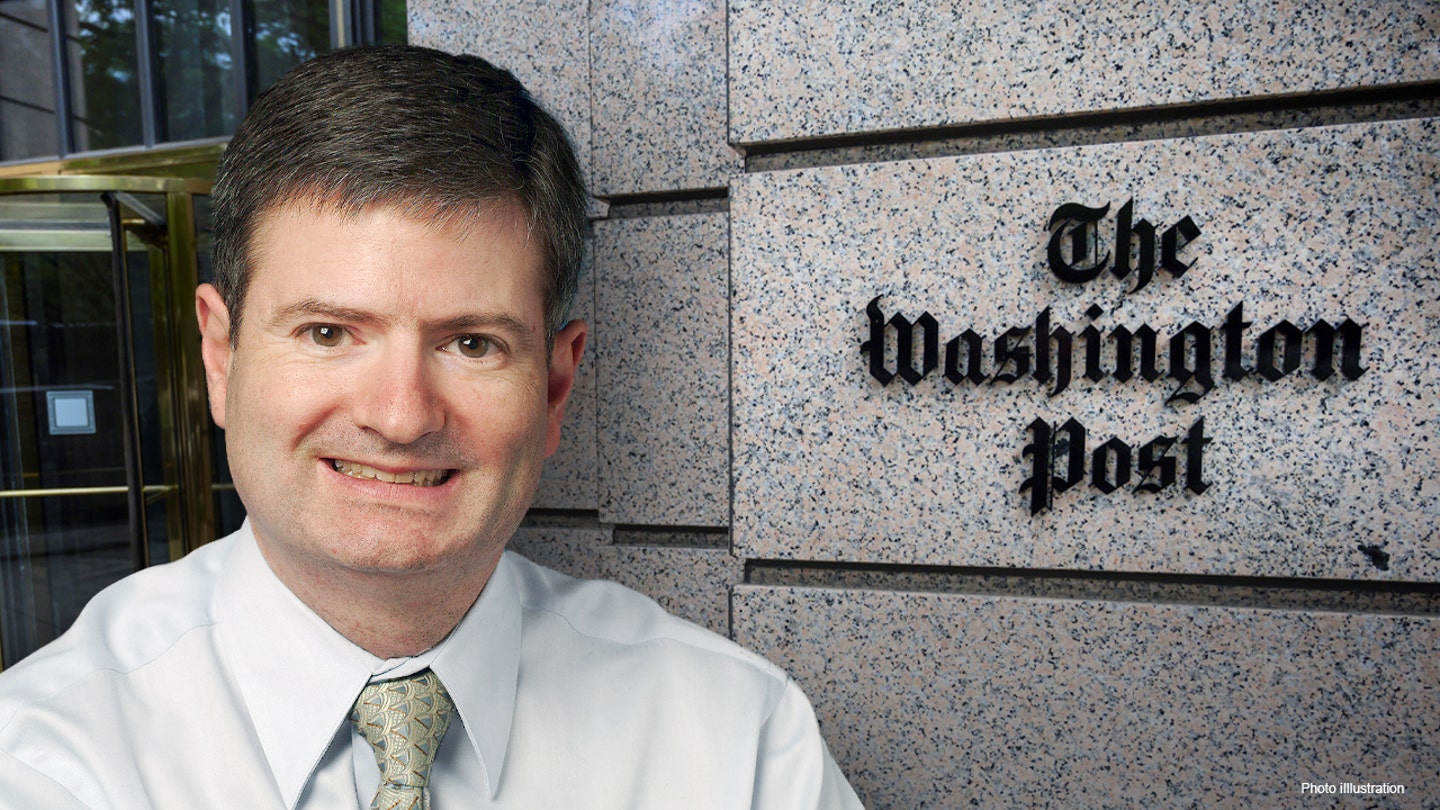
Ex-Washington Post fact checker owns up to poorly-aged report but remains defiant against his critics
Entities mentioned:
- Glenn Kessler: Professional pride, Self-respect, Duty
- Donald Trump: Power, Influence, Control
- The Washington Post: Credibility, Influence, Professional pride
- Matt Murray: Control, Professional pride, Influence
- Ted Cruz: Righteousness, Competitive spirit, Influence
Article Assessment:
Credibility Score: 70/100
Bias Rating: 55/100 (Center)
Sentiment Score: 45/100
Authoritarianism Risk: 30/100 (Generally Democratic)
Bias Analysis:
The article presents multiple viewpoints, including critics of fact-checking, but gives more space to Kessler's perspective. It maintains a relatively neutral tone while discussing controversial topics, suggesting a slight center-right lean.
Key metric: Public Trust in Media
As a social scientist, I analyze that this article highlights the challenges facing fact-checkers and traditional media in maintaining public trust. The piece reveals tensions between journalistic integrity, political polarization, and the rapid spread of information (and misinformation) in the digital age. Kessler's reflections on his career and the changing landscape of fact-checking underscore a shift in how information is consumed and verified by the public. This shift has significant implications for democratic discourse and the role of media in shaping public opinion. The article also touches on internal struggles within news organizations to adapt to these changes, as evidenced by discussions about ombudsmen and editorial decisions.
US medical journal rejects call from RFK Jr to retract vaccine study
Entities mentioned:
- RFK Jr: Righteousness, Influence, Moral outrage
- US medical journal: Professional pride, Duty, Credibility
- Trump administration: Power, Control, Influence
- National Guard: Duty, Security, Obligation
- Democrats: Opposition, Justice, Moral outrage
- Mamdani: Ambition, Competitive spirit, Influence
- Cuomo: Power, Competitive spirit, Influence
Article Assessment:
Credibility Score: 65/100
Bias Rating: 35/100 (Lean Left)
Sentiment Score: 25/100
Authoritarianism Risk: 70/100 (Authoritarian Tendencies)
Bias Analysis:
The article leans left in its framing, focusing more on criticisms of the Trump administration and giving voice to opposition figures. While it includes factual information, the selection and presentation of topics suggest a critical stance towards the current administration.
Key metric: Political Stability Index
As a social scientist, I analyze that this article reflects significant political tension and potential instability in the United States. The Trump administration's actions, including revoking Biden's order, taking control of DC police, and reviewing Smithsonian museums for 'patriotic' content, suggest a consolidation of power and potential erosion of democratic norms. The deployment of the National Guard in Washington DC further indicates escalating tensions. The article also highlights growing opposition from Democrats and other political figures, as well as concerns about healthcare and human rights. These factors collectively point to a decrease in political stability and an increase in social division, which could have long-term implications for governance and civil society in the US.
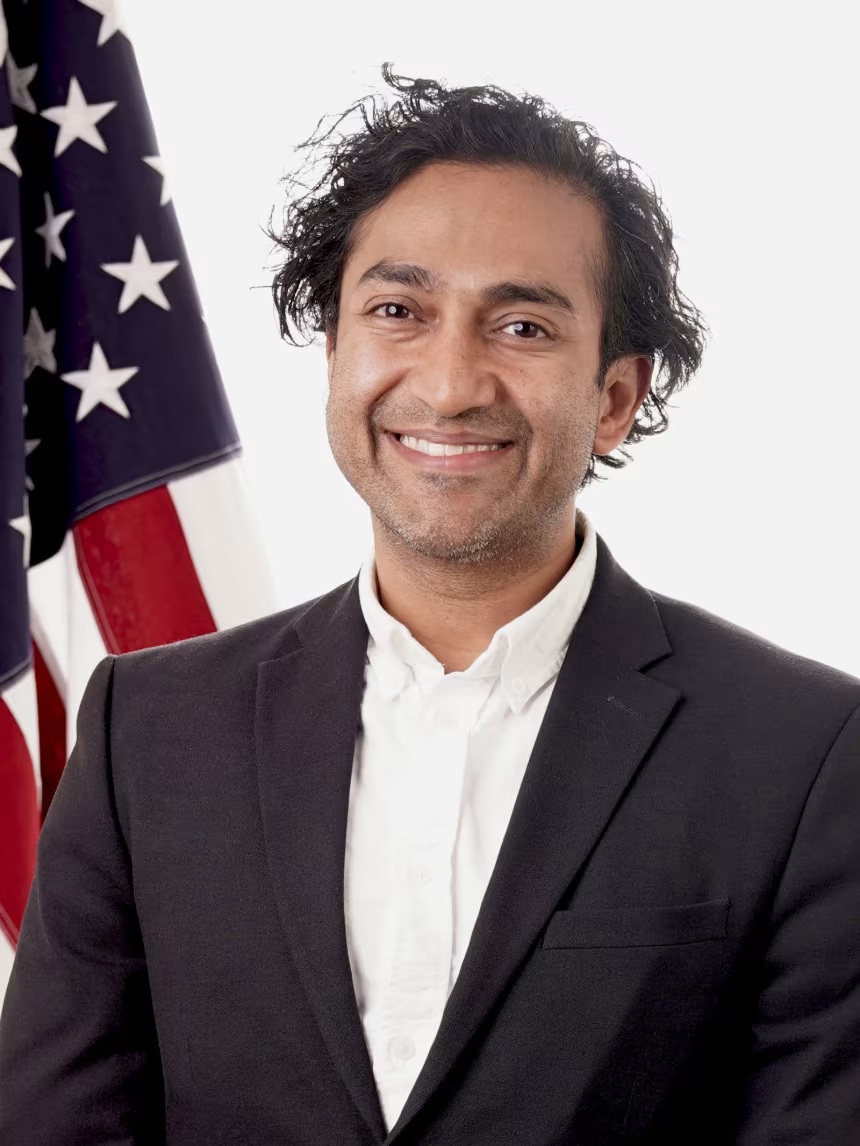
FDA official returns to agency after Loomer-led ouster
Entities mentioned:
- Dr. Vinay Prasad: Professional pride, Duty, Recognition
- US Food and Drug Administration (FDA): Duty, Public safety, Credibility
- Laura Loomer: Moral outrage, Influence, Righteousness
- White House: Control, Power, Influence
- President Donald Trump: Power, Legacy, Control
Article Assessment:
Credibility Score: 75/100
Bias Rating: 45/100 (Center)
Sentiment Score: 35/100
Authoritarianism Risk: 65/100 (Authoritarian Tendencies)
Bias Analysis:
The article presents multiple perspectives and cites various sources, including official statements and anonymous insiders. While it gives voice to critics of Dr. Prasad, it also provides context for his previous work and controversies, maintaining a relatively balanced approach.
Key metric: Public Trust in Government Institutions
As a social scientist, I analyze that this article highlights the complex interplay between politics, public health, and institutional integrity. Dr. Prasad's return to the FDA after a politically-motivated ouster demonstrates the tension between scientific expertise and political pressure. This situation potentially undermines public trust in the FDA's decision-making process and independence. The involvement of activist Laura Loomer and the White House in personnel decisions at a scientific agency raises concerns about the politicization of public health institutions. This event may have long-lasting effects on how the public perceives the FDA's ability to make unbiased, science-based decisions, particularly in critical areas such as vaccine approvals and drug regulations.