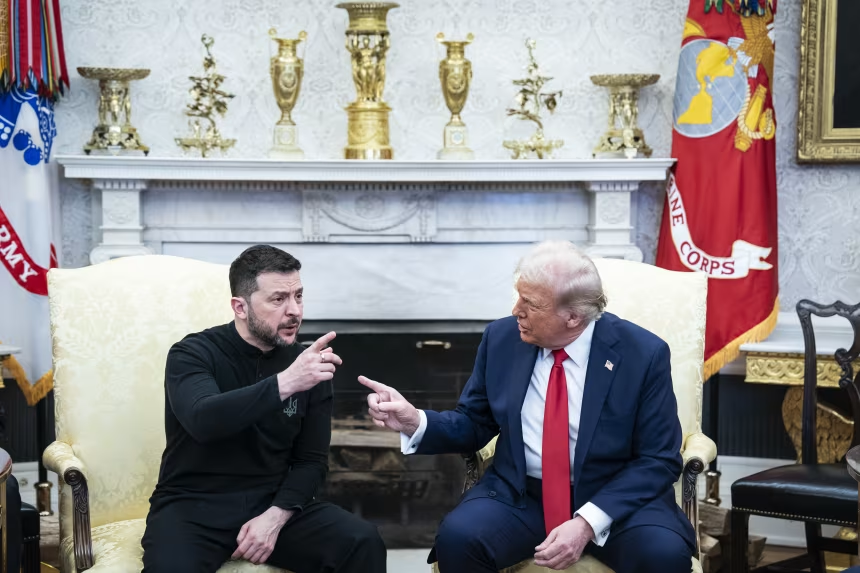
How Trump and Zelensky’s relationship has evolved since remarkable Oval Office shouting match in February
Entities mentioned:
- Donald Trump: Power, Control, Legacy
- Volodymyr Zelensky: Self-preservation, Determination, Unity
- Vladimir Putin: Power, Control, Influence
- European Leaders: Unity, Security, Influence
- JD Vance: Loyalty, Righteousness, Recognition
Article Assessment:
Credibility Score: 75/100
Bias Rating: 45/100 (Center)
Sentiment Score: 35/100
Authoritarianism Risk: 55/100 (Mixed/Neutral)
Bias Analysis:
The article presents multiple perspectives and includes details from various sources, maintaining a relatively balanced view. However, there's a slight lean towards framing Trump's actions as potentially problematic for US-Europe relations.
Key metric: US International Diplomatic Influence
As a social scientist, I analyze that this article highlights a significant shift in US-Ukraine relations and the broader geopolitical landscape. Trump's evolving approach to the Ukraine conflict, from confrontational to seemingly more conciliatory, suggests a potential realignment of US foreign policy priorities. The contrast between Trump's treatment of Putin and Zelensky indicates a complex balancing act that could impact US credibility among allies. The involvement of multiple European leaders in the upcoming talks underscores the international community's concern and desire to influence the outcome. This situation could significantly affect US diplomatic influence, potentially weakening traditional alliances while opening new avenues for negotiation with adversaries.
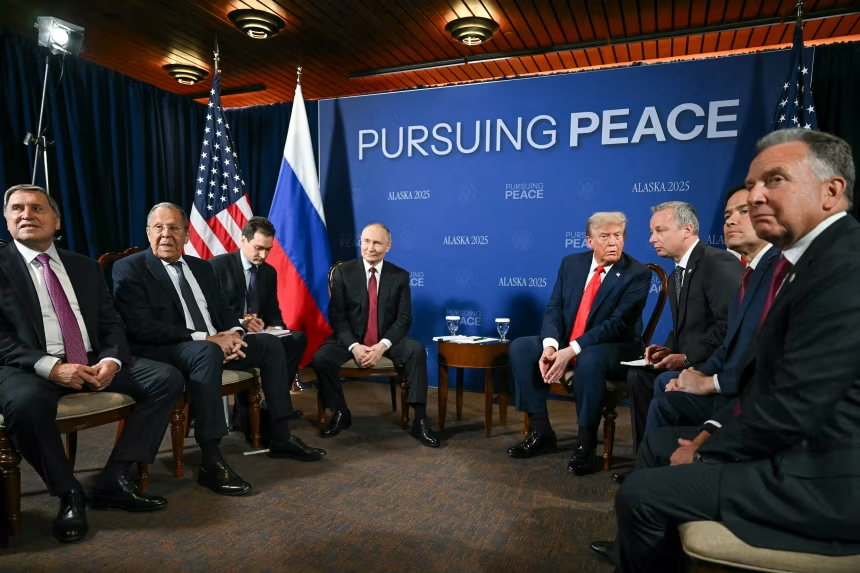
White House signals strong momentum toward peace in Ukraine but many questions linger
Entities mentioned:
- Donald Trump: Power, Influence, Legacy
- Steve Witkoff: Duty, Influence, Professional pride
- Vladimir Putin: Power, Control, Self-preservation
- Volodymyr Zelensky: Self-preservation, Unity, Security
- Marco Rubio: Professional pride, Duty, Wariness
- Russia: Power, Control, Self-preservation
- Ukraine: Self-preservation, Security, Freedom
- United States: Influence, Power, Security
- European leaders: Security, Unity, Influence
- NATO: Security, Unity, Deterrence
Article Assessment:
Credibility Score: 65/100
Bias Rating: 55/100 (Center)
Sentiment Score: 55/100
Authoritarianism Risk: 35/100 (Generally Democratic)
Bias Analysis:
The article presents multiple perspectives and quotes from various sources, indicating an attempt at balanced reporting. However, there's a slight emphasis on Trump's role and statements, which could suggest a minor center-right lean.
Key metric: International Conflict Resolution Index
As a social scientist, I analyze that this article highlights a complex diplomatic situation involving multiple stakeholders with competing interests. The potential for a peace agreement in Ukraine appears to be gaining momentum, but significant challenges remain. The US, under Trump's leadership, is attempting to broker a deal between Russia and Ukraine, with European allies involved. The article suggests progress in security guarantees and potential land concessions, but also reveals tensions between immediate ceasefire goals and broader peace agreement ambitions. The credibility of Russian commitments and the willingness of Ukraine to accept certain conditions are key factors that could impact the success of these negotiations. This situation could significantly affect global stability and the International Conflict Resolution Index, as a successful resolution could set a precedent for diplomatic solutions to similar conflicts, while failure could exacerbate tensions and potentially lead to further military escalation.
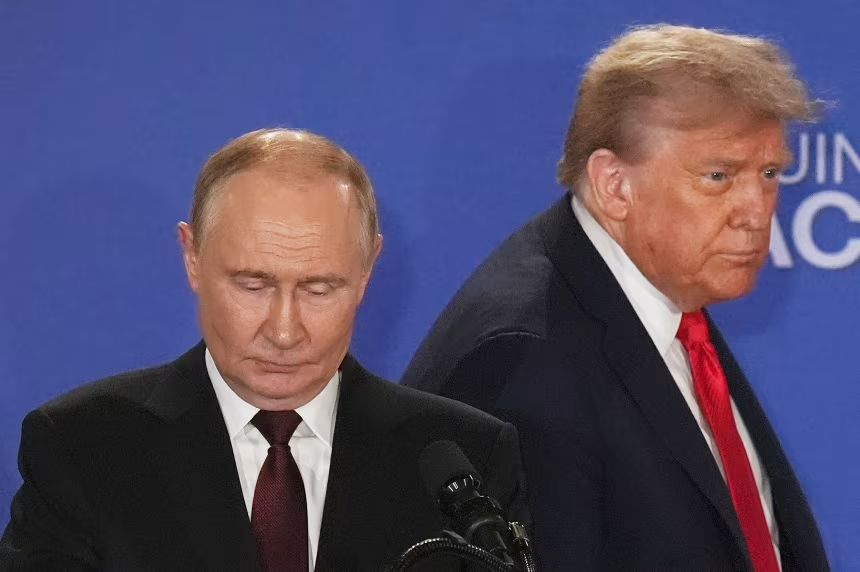
Trump’s empty threats on Russia sanctions
Entities mentioned:
- Donald Trump: Power, Control, Recognition
- Vladimir Putin: Power, Control, Self-preservation
- Volodymyr Zelensky: Unity, Self-preservation, Determination
- Barack Obama: Legacy, Influence, Justice
- Marco Rubio: Influence, Professional pride, Duty
- Lindsey Graham: Influence, Competitive spirit, Duty
- Mike Pence: Ambition, Loyalty, Influence
Article Assessment:
Credibility Score: 75/100
Bias Rating: 45/100 (Center)
Sentiment Score: 35/100
Authoritarianism Risk: 25/100 (Generally Democratic)
Bias Analysis:
The article presents a balanced view, including multiple perspectives and factual information. While critical of Trump's actions, it also provides context and explanations for potential strategy changes, maintaining a relatively centrist approach.
Key metric: Foreign Policy Effectiveness
As a social scientist, I analyze that this article highlights a significant shift in Trump's foreign policy approach towards Russia, particularly regarding sanctions. The repeated threats of sanctions without follow-through undermines U.S. credibility on the international stage. This inconsistency between rhetoric and action could weaken the U.S.'s negotiating position and its ability to influence global events, especially concerning the ongoing conflict in Ukraine. The article suggests that Trump's current stance may be giving Putin more time and leverage, potentially prolonging the conflict. This situation could lead to a decrease in the perceived effectiveness of U.S. foreign policy, as allies and adversaries may question the reliability of U.S. commitments and threats.
- Read more about Trump’s empty threats on Russia sanctions
- Log in to post comments
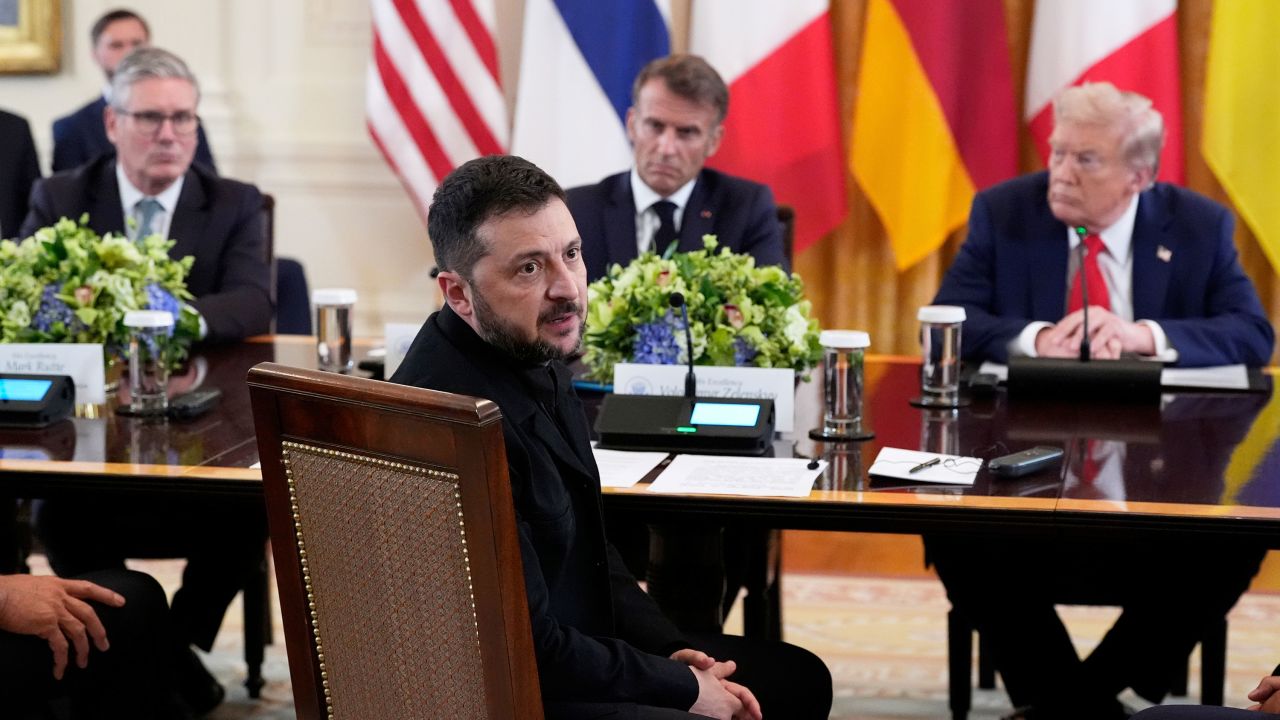
Trump changes his tone in latest meeting with Zelensky
Entities mentioned:
- Donald Trump: Power, Recognition, Control
- Volodymyr Zelensky: Duty, Unity, Self-preservation
- White House: Influence, Power, Control
Article Assessment:
Credibility Score: 65/100
Bias Rating: 50/100 (Center)
Sentiment Score: 60/100
Authoritarianism Risk: 35/100 (Generally Democratic)
Bias Analysis:
The article presents a neutral stance, focusing on the change in tone without explicit political leaning. The lack of detailed context or commentary maintains a centrist position, avoiding partisan framing.
Key metric: International Relations and Diplomacy
As a social scientist, I analyze that this meeting between Trump and Zelensky represents a shift in diplomatic tone, potentially signaling an attempt to improve US-Ukraine relations. The change from a 'contentious' February meeting to a more positive interaction suggests a strategic realignment, possibly influenced by domestic or international pressures. This shift could impact US foreign policy, particularly concerning Eastern Europe and Russia. The article's brevity limits comprehensive analysis, but the emphasis on tone change implies potential policy or strategic adjustments in the US-Ukraine relationship.
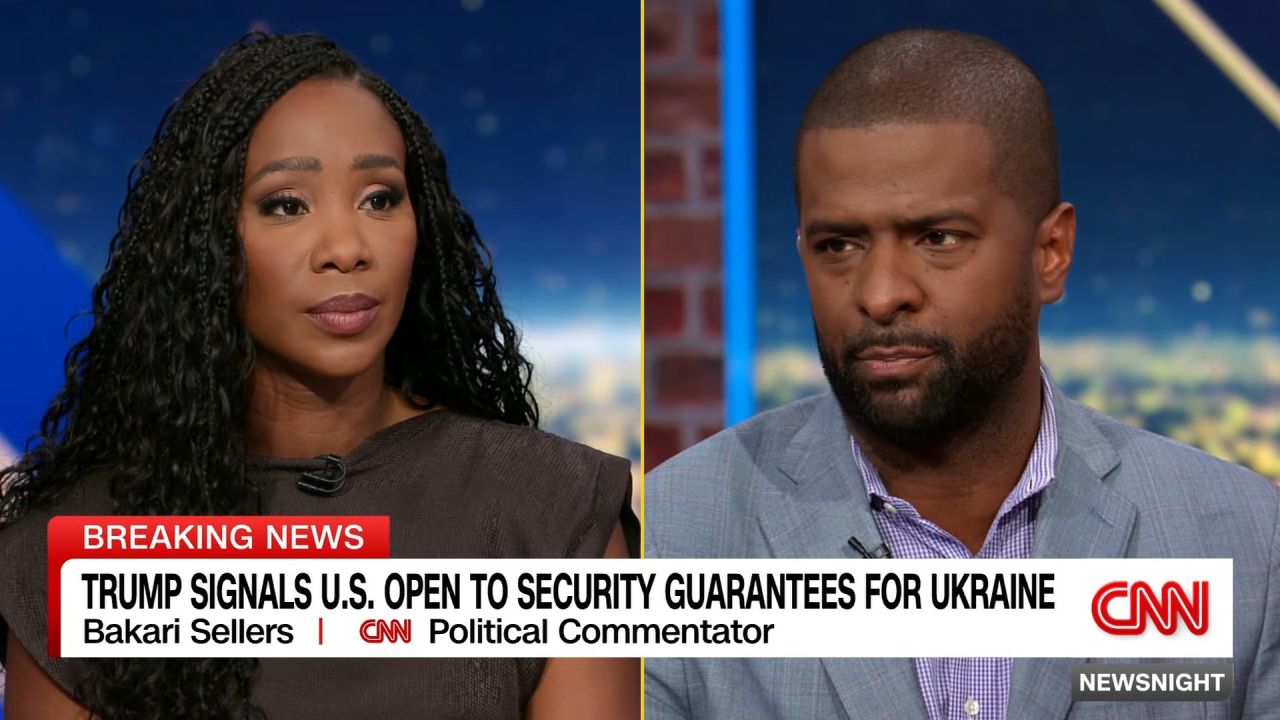
Bakari Sellers to Republican: Name one threat Trump’s followed through on against Putin
Entities mentioned:
- Donald Trump: Power, Influence, Legacy
- Volodymyr Zelensky: Security, Duty, Unity
- Bakari Sellers: Moral outrage, Justice, Indignation
- MAGA supporters: Loyalty, Pride, Fear
Article Assessment:
Credibility Score: 65/100
Bias Rating: 35/100 (Lean Left)
Sentiment Score: 45/100
Authoritarianism Risk: 30/100 (Generally Democratic)
Bias Analysis:
The article leans slightly left, evidenced by its focus on criticism of Trump and MAGA supporters from a CNN commentator. However, it does present factual information about Trump's meeting with Zelensky, balancing the bias somewhat.
Key metric: US Foreign Policy Effectiveness
As a social scientist, I analyze that this article highlights the shifting dynamics in US foreign policy towards Ukraine and Russia. Trump's apparent openness to using US troops for Ukraine's security marks a potential departure from his previous stance, which could impact US-Russia relations and America's role in Eastern European conflicts. The criticism from Bakari Sellers points to perceived inconsistencies in the MAGA base's foreign policy views, suggesting potential political polarization on international intervention issues. This shift could affect the US's global standing and its ability to form consistent, long-term foreign policy strategies.
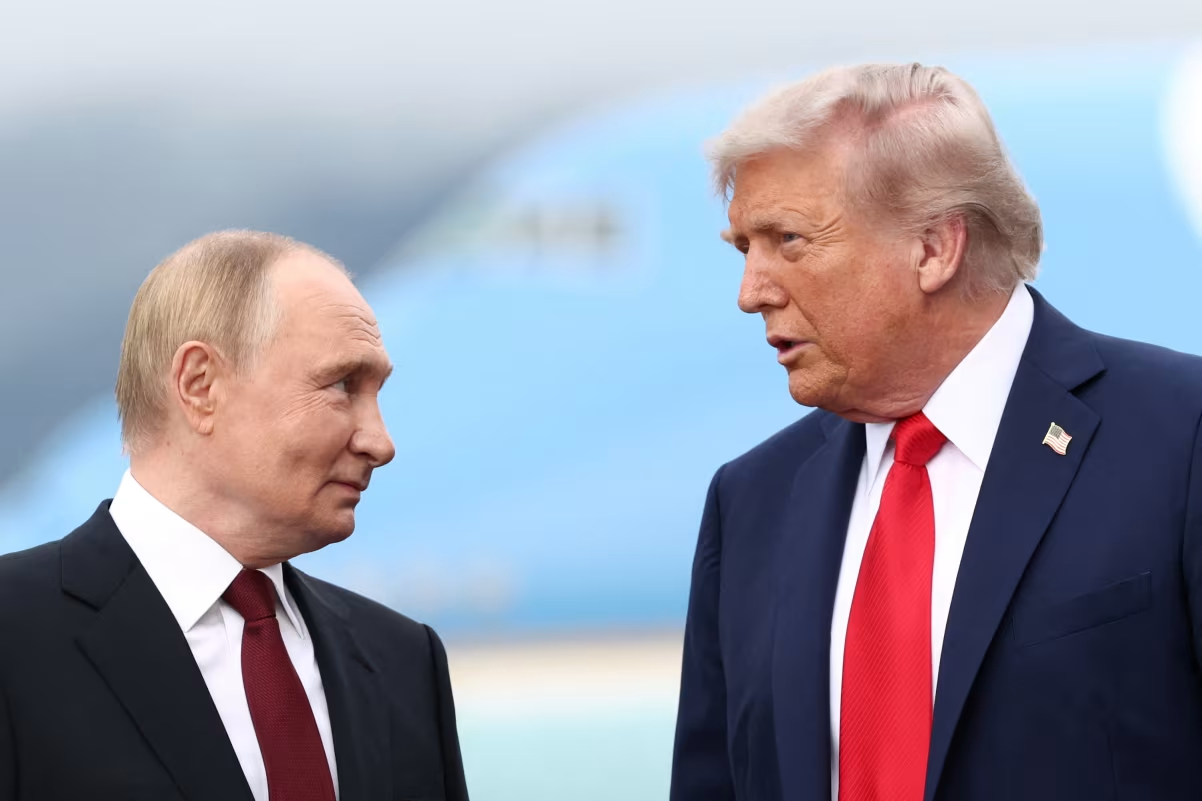
Putin’s wins leave Trump with hard choices
Entities mentioned:
- Vladimir Putin: Power, Control, Influence
- Donald Trump: Recognition, Legacy, Ambition
- Ukraine: Self-preservation, Freedom, Security
- Russia: Power, Control, Influence
- Volodymyr Zelensky: Duty, Self-preservation, Unity
- European leaders: Security, Unity, Wariness
Article Assessment:
Credibility Score: 75/100
Bias Rating: 40/100 (Lean Left)
Sentiment Score: 35/100
Authoritarianism Risk: 45/100 (Mixed/Neutral)
Bias Analysis:
The article leans slightly left, evident in its critical tone towards Trump's actions and motivations. However, it attempts to provide balanced reporting by including multiple perspectives and acknowledging some positive aspects of Trump's diplomacy efforts.
Key metric: US Global Leadership Index
As a social scientist, I analyze that this article highlights a significant shift in US foreign policy approach towards the Russia-Ukraine conflict. Trump's meeting with Putin in Alaska appears to have yielded more benefits for Russia than for the US or Ukraine. The article suggests that Trump's desire for a quick, high-profile diplomatic win may have led him to make concessions without securing tangible gains. This approach could potentially weaken the US position in global affairs and its ability to influence outcomes in major international conflicts. The article also raises concerns about Trump's susceptibility to flattery from authoritarian leaders, which could impact US strategic interests and relationships with allies. The potential implications for Ukraine's security and territorial integrity are significant, as are the possible effects on US credibility among its NATO allies and other partners.
- Read more about Putin’s wins leave Trump with hard choices
- Log in to post comments
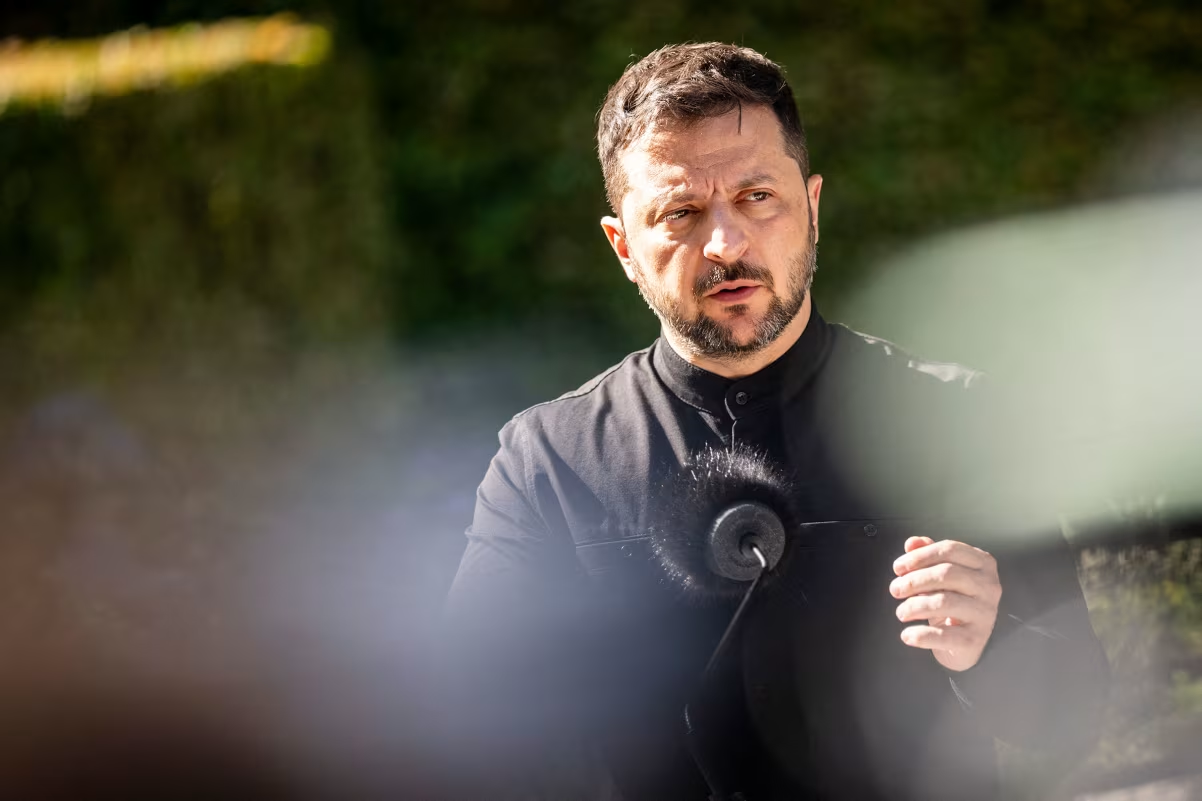
Trump cranks up pressure on Zelensky ahead of his high-stakes White House return
Entities mentioned:
- Donald Trump: Power, Legacy, Recognition
- Vladimir Putin: Power, Control, Influence
- Volodymyr Zelensky: Self-preservation, Duty, Determination
- Steve Witkoff: Loyalty, Duty, Influence
- European leaders: Security, Unity, Wariness
Article Assessment:
Credibility Score: 75/100
Bias Rating: 45/100 (Center)
Sentiment Score: 35/100
Authoritarianism Risk: 55/100 (Mixed/Neutral)
Bias Analysis:
The article presents multiple perspectives and voices, including critics and supporters of Trump's approach. However, there's a slight lean towards skepticism of Trump's methods, balanced by inclusion of administration claims.
Key metric: International Relations and Diplomacy
As a social scientist, I analyze that this article highlights a complex diplomatic situation surrounding the Russia-Ukraine conflict, with Trump playing a central role in negotiations. The article suggests a potential shift in U.S. policy towards favoring Russian interests, which could significantly impact global alliances and the balance of power in Eastern Europe. Trump's approach, characterized by personal diplomacy and unconventional tactics, is creating tension between the U.S., Ukraine, and European allies. This situation could lead to a realignment of international relationships and potentially alter the trajectory of the conflict, with far-reaching implications for global security and diplomatic norms.
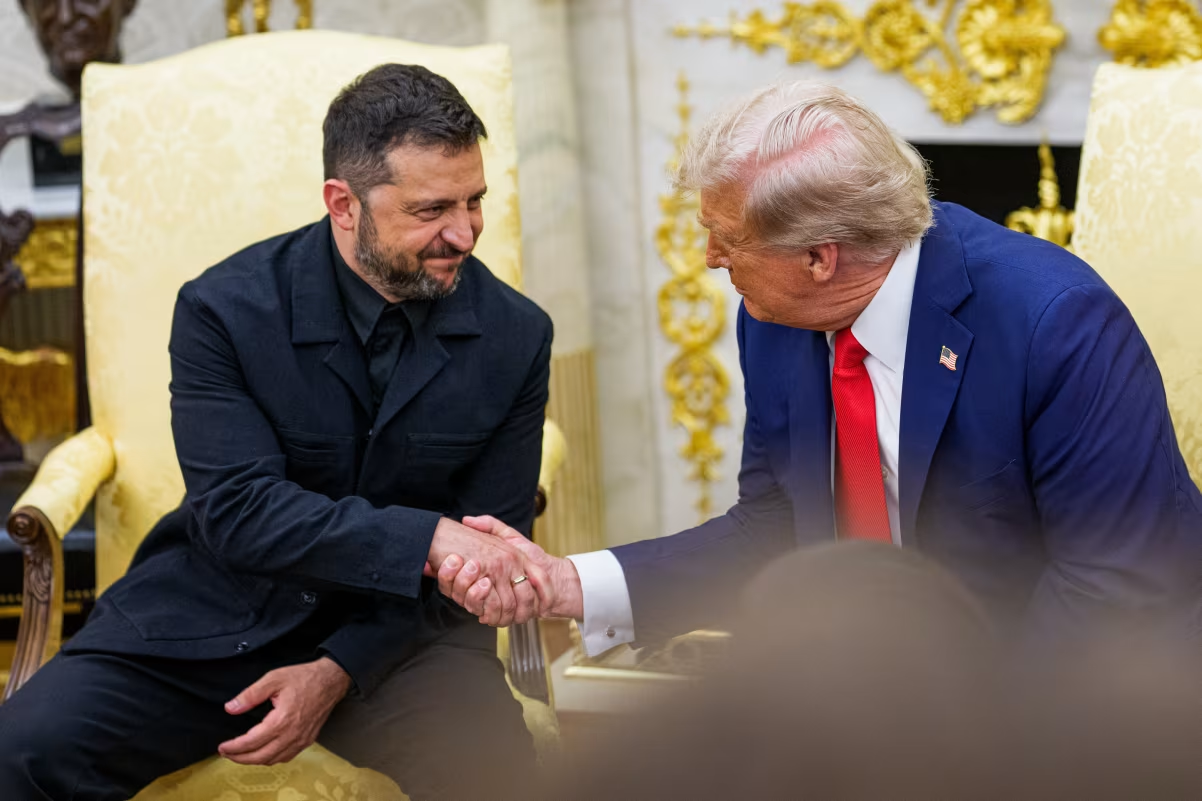
Why Trump deserves credit for his Ukraine push — and why it may all fall apart
Entities mentioned:
- Donald Trump: Power, Recognition, Legacy
- Volodymyr Zelensky: Self-preservation, Unity, Determination
- Vladimir Putin: Power, Control, Influence
- European Leaders: Unity, Security, Influence
- Ukraine: Self-preservation, Freedom, Unity
- Russia: Power, Control, Influence
Article Assessment:
Credibility Score: 65/100
Bias Rating: 55/100 (Center)
Sentiment Score: 45/100
Authoritarianism Risk: 35/100 (Generally Democratic)
Bias Analysis:
The article presents a relatively balanced view, offering both praise and criticism of Trump's efforts. While it leans slightly towards skepticism of Trump's approach, it also acknowledges potential positive outcomes.
Key metric: International Relations and Diplomacy
As a social scientist, I analyze that this article presents a complex situation regarding Trump's efforts to broker peace between Ukraine and Russia. The article highlights the potential for diplomatic progress while also emphasizing the significant challenges and contradictions in Trump's approach. It suggests that while Trump's unconventional methods may have led to some positive developments, there are substantial obstacles to overcome, including territorial disputes, security guarantees, and conflicting interests among the involved parties. The analysis also points out the delicate balance Trump must maintain between appeasing various stakeholders, which may prove unsustainable in the long run. The article raises questions about Trump's true motivations and understanding of the situation, particularly in his interactions with Putin.
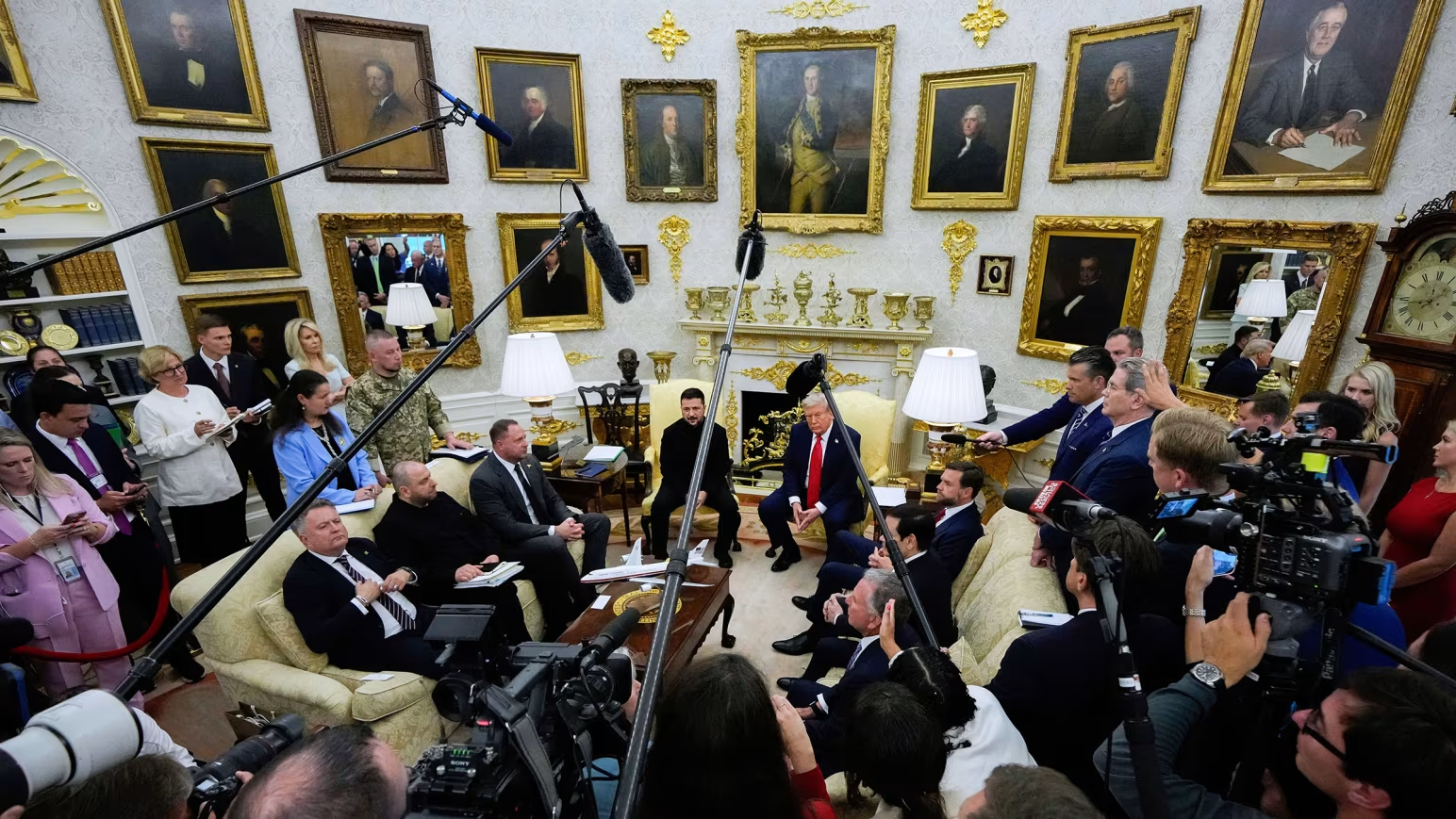
Takeaways from Trump’s meetings with Zelensky and European leaders
Entities mentioned:
- Donald Trump: Power, Influence, Legacy
- Volodymyr Zelensky: Security, Determination, Unity
- Vladimir Putin: Power, Control, Influence
- Emmanuel Macron: Unity, Influence, Security
- Friedrich Merz: Unity, Security, Duty
- JD Vance: Loyalty, Duty, Influence
- Marco Rubio: Duty, Influence, Ambition
- Steve Witkoff: Duty, Loyalty, Influence
Article Assessment:
Credibility Score: 75/100
Bias Rating: 55/100 (Center)
Sentiment Score: 55/100
Authoritarianism Risk: 40/100 (Generally Democratic)
Bias Analysis:
The article presents a relatively balanced view of the events, including multiple perspectives from different leaders. While it focuses heavily on Trump's actions and statements, it also includes European viewpoints and Ukrainian reactions.
Key metric: Diplomatic Influence
As a social scientist, I analyze that this article highlights a significant shift in U.S. foreign policy approach towards the Russia-Ukraine conflict. Trump's willingness to consider U.S. troop involvement in security guarantees for Ukraine marks a departure from his previous isolationist stance. This change could potentially increase U.S. diplomatic influence in Europe and alter the dynamics of peace negotiations. The hastily arranged meetings with European leaders and Zelensky demonstrate the urgency of the situation and the central role the U.S. is playing in peace efforts. However, Trump's reversal on the need for an immediate ceasefire indicates a potential misalignment with European allies, which could impact the cohesiveness of the Western response to the conflict. The article also reveals the delicate balance of personal diplomacy, as evidenced by the improved atmosphere in the Zelensky-Trump meeting compared to their previous encounter.
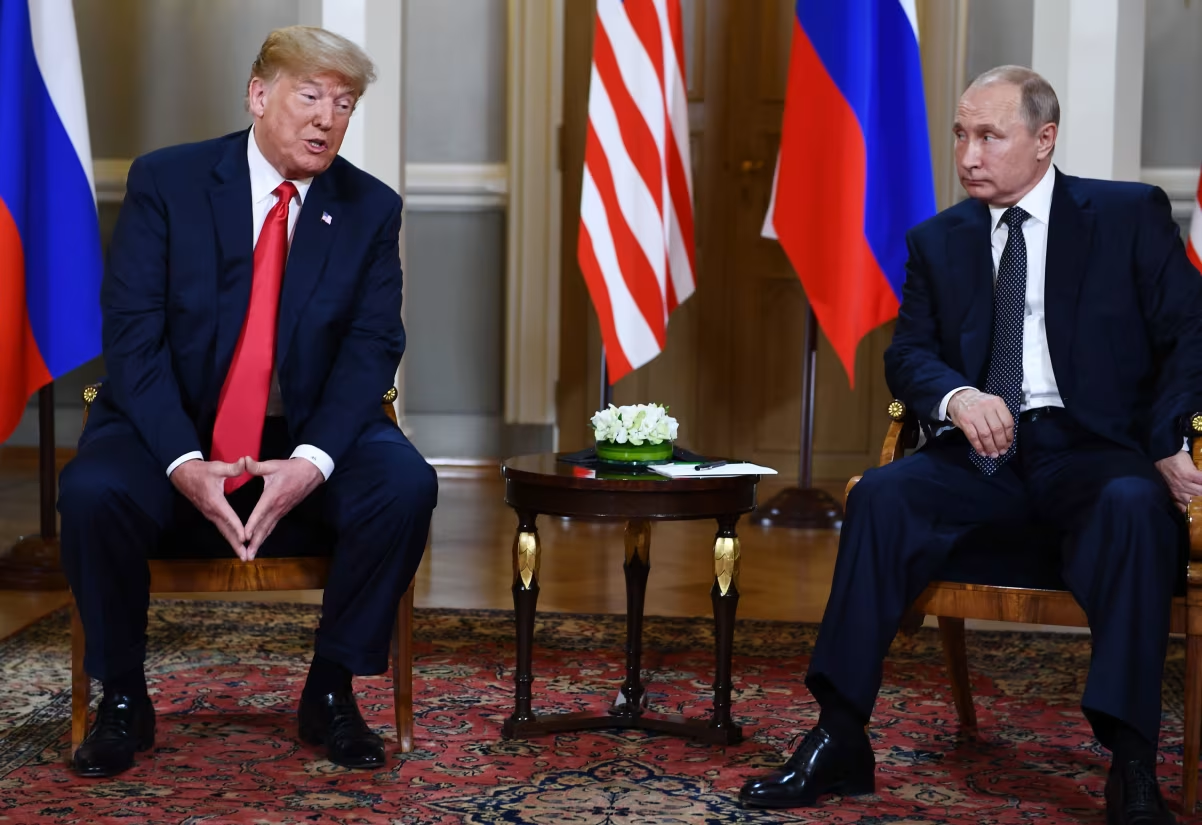
Fooled by Putin again? Trump’s rhetoric suggests he could be
Entities mentioned:
- Donald Trump: Power, Recognition, Legacy
- Vladimir Putin: Control, Power, Influence
- Karoline Leavitt: Duty, Loyalty, Professional pride
- Marco Rubio: Duty, Professional pride, Influence
- Volodymyr Zelensky: Self-preservation, Unity, Justice
- Melania Trump: Loyalty, Self-preservation, Wariness
Article Assessment:
Credibility Score: 75/100
Bias Rating: 35/100 (Lean Left)
Sentiment Score: 30/100
Authoritarianism Risk: 25/100 (Generally Democratic)
Bias Analysis:
The article leans slightly left, evidenced by its critical tone towards Trump's handling of Putin and Russia. While it presents factual information, the framing and language choices suggest a skeptical view of Trump's diplomatic abilities.
Key metric: International Relations and Diplomacy
As a social scientist, I analyze that this article highlights the complex dynamics of US-Russia relations, particularly focusing on President Trump's approach to diplomacy with Vladimir Putin. The article suggests that Trump's rhetoric and actions regarding Putin have been inconsistent and potentially naive, raising concerns about his ability to negotiate effectively. The frequent shifts in Trump's stance on Putin, from warm praise to criticism, indicate a lack of a coherent strategy in dealing with Russia. This inconsistency could potentially weaken the US position in international diplomacy and affect its relationships with allies. The article also points to a disconnect between Trump's public statements and the realities of the situation in Ukraine, which could undermine US credibility on the global stage. The low public confidence in Trump's ability to make wise decisions about the Ukraine war further compounds these concerns, potentially affecting the US's soft power and diplomatic influence.