
Some Texas Democrats rip up agreements to leave House floor under police escort and will spend night in chamber in protest
Entities mentioned:
- Texas state House Democrats: Righteousness, Justice, Determination
- Texas House Republicans: Control, Power, Loyalty
- Nicole Collier: Determination, Righteousness, Self-respect
- Dustin Burrows: Control, Duty, Power
- Kamala Harris: Influence, Unity, Encouragement
- Donald Trump: Power, Control, Influence
Article Assessment:
Credibility Score: 75/100
Bias Rating: 45/100 (Center)
Sentiment Score: 35/100
Authoritarianism Risk: 55/100 (Mixed/Neutral)
Bias Analysis:
The article presents perspectives from both Democrats and Republicans, though it gives more space to Democratic voices. The language used is generally neutral, with some emotive terms balanced between parties.
Key metric: Political Polarization Index
As a social scientist, I analyze that this article highlights the intensifying political polarization in Texas, which reflects broader national trends. The Democrats' protest against the redistricting plan, including their dramatic actions of tearing up agreements and spending the night in the chamber, demonstrates the depth of the divide. This conflict over redistricting, with its potential to significantly alter political representation, exemplifies how structural issues in the political system are exacerbating partisan tensions. The involvement of national figures like former Vice President Harris and the connection to Trump's influence further emphasizes how state-level conflicts are intertwined with national political dynamics. This event is likely to contribute to increased political polarization, potentially reducing bipartisan cooperation and further entrenching partisan identities among voters.
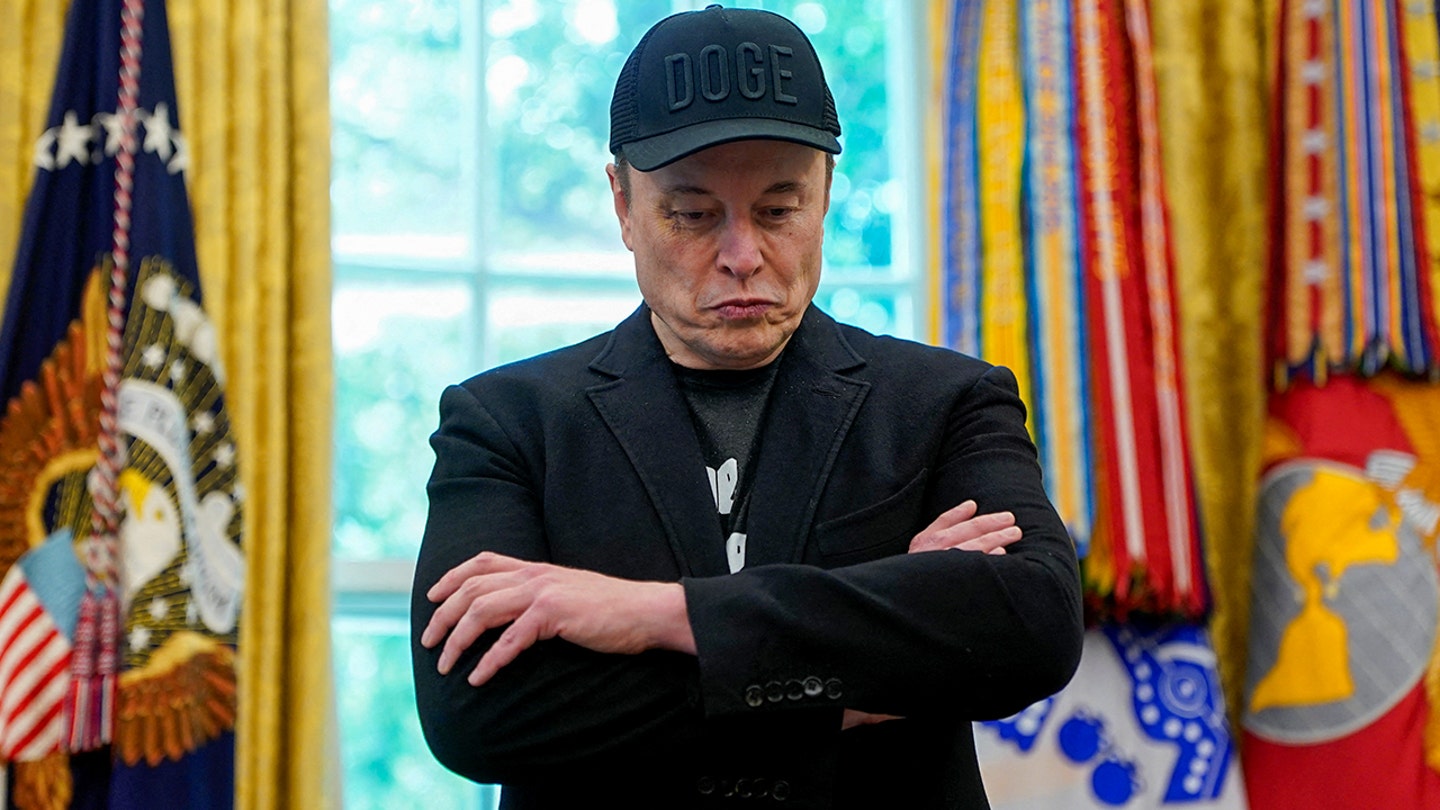
Elon Musk halts plans for new political party, prioritizing business instead: report
Entities mentioned:
- Elon Musk: Ambition, Influence, Self-preservation
- America Party: Unity, Freedom, Change
- Republican Party (GOP): Power, Control, Self-preservation
- JD Vance: Ambition, Power, Loyalty
- Donald Trump: Power, Control, Revenge
- Department of Government Efficiency: Duty, Professional pride, Control
Article Assessment:
Credibility Score: 65/100
Bias Rating: 55/100 (Center)
Sentiment Score: 45/100
Authoritarianism Risk: 35/100 (Generally Democratic)
Bias Analysis:
The article presents a relatively balanced view, incorporating multiple perspectives and sources. However, there's a slight lean towards emphasizing the drama and personal conflicts, which is typical of center-right reporting on political figures.
Key metric: Political Polarization Index
As a social scientist, I analyze that this article highlights the complex interplay between business interests and political ambitions in the American political landscape. Musk's reported decision to halt plans for a new political party reflects the challenges of disrupting the established two-party system. The apparent reconciliation between Musk and Trump, after a period of public conflict, suggests a strategic realignment that could impact political discourse and voter sentiment. This development may contribute to maintaining the status quo in terms of political polarization, as the potential for a significant third-party option seems to have diminished. The article also underscores the influence of high-profile individuals in shaping public opinion and political narratives through social media platforms.

Filmmakers claim the late 'Superman' actor Christopher Reeve would have opposed Donald Trump
Entities mentioned:
- Christopher Reeve: Justice, Righteousness, Influence
- Donald Trump: Ambition, Power, Control
- Peter Ettedgui: Professional pride, Recognition, Influence
- Ian Bonhôte: Professional pride, Recognition, Influence
- Jeff Daniels: Recognition, Loyalty, Influence
- Bill Clinton: Power, Legacy, Influence
- Al Gore: Power, Legacy, Influence
- Ronald Reagan: Power, Legacy, Influence
- George W. Bush: Power, Legacy, Control
Article Assessment:
Credibility Score: 65/100
Bias Rating: 35/100 (Lean Left)
Sentiment Score: 45/100
Authoritarianism Risk: 30/100 (Generally Democratic)
Bias Analysis:
The article leans left due to its focus on criticism of Trump and positive portrayal of Democratic figures. It presents speculative views about Reeve's potential actions without counterbalancing perspectives.
Key metric: Political Polarization Index
As a social scientist, I analyze that this article potentially impacts the Political Polarization Index by framing Christopher Reeve's hypothetical political stance in opposition to Donald Trump. The filmmakers' assertions about Reeve's potential actions and opinions, if he were alive today, contribute to the ongoing narrative of division between political ideologies. This retrospective politicization of a deceased public figure could further entrench existing political divides, as it encourages viewers to align themselves with or against these projected stances. The article's focus on Reeve's past criticisms of Trump and support for Democratic candidates reinforces partisan narratives, potentially increasing political polarization among readers.
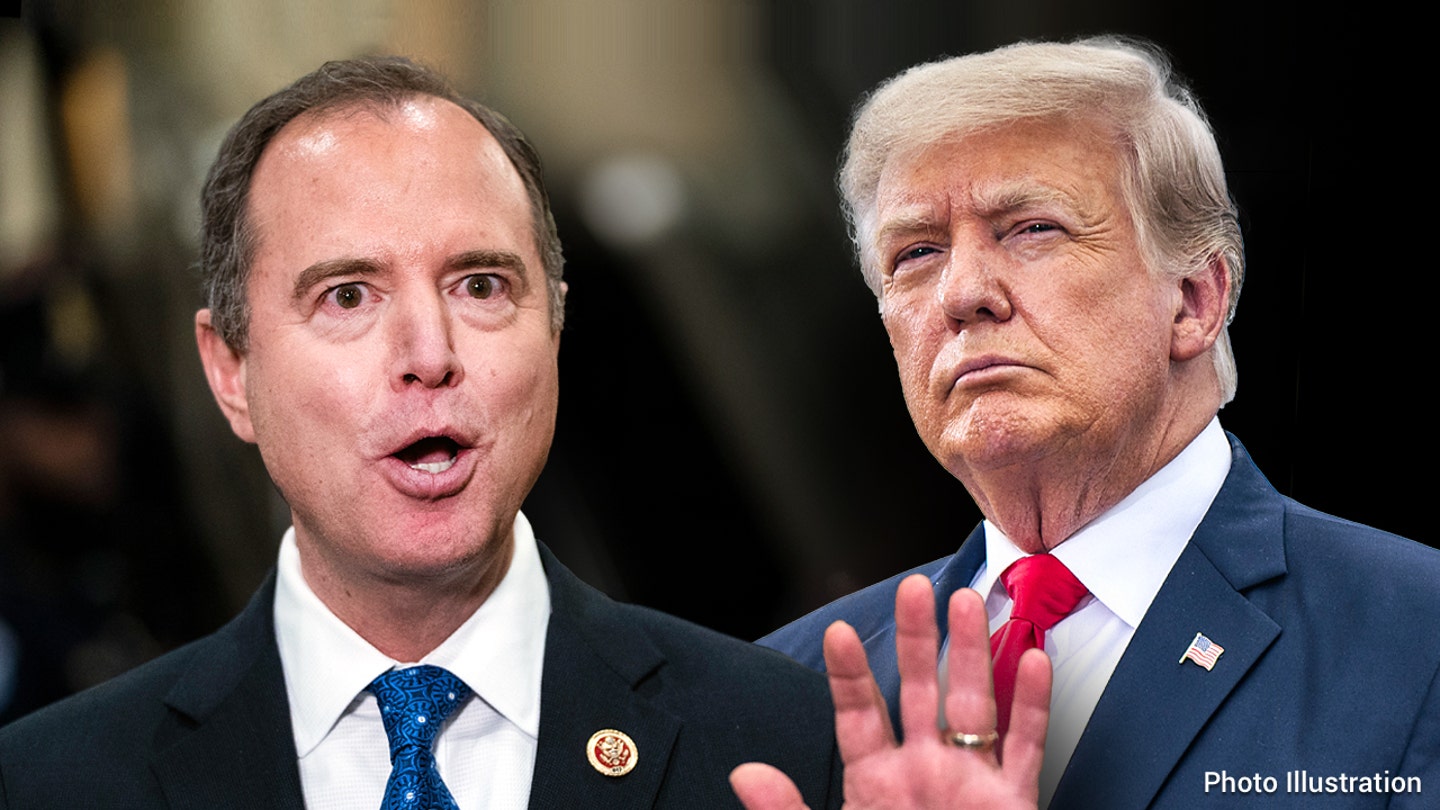
New Schiff leak claim from whistleblower echoes years of similar accusations
Entities mentioned:
- Adam Schiff: Righteousness, Power, Self-preservation
- Donald Trump: Revenge, Power, Self-preservation
- FBI: Duty, Professional pride, Control
- Kash Patel: Loyalty, Justice, Influence
- White House: Control, Influence, Power
- Democratic Party: Power, Control, Self-preservation
- Republican Party: Power, Control, Revenge
Article Assessment:
Credibility Score: 55/100
Bias Rating: 70/100 (Lean Right)
Sentiment Score: 30/100
Authoritarianism Risk: 45/100 (Mixed/Neutral)
Bias Analysis:
The article leans right, primarily due to its heavy reliance on Fox News sources and the framing of allegations against Schiff. While it includes some counterpoints, the overall tone and selection of quotes favor a conservative perspective.
Key metric: Political Polarization Index
As a social scientist, I analyze that this article highlights the ongoing political polarization in the United States, particularly surrounding the allegations against Senator Adam Schiff. The accusations of leaking classified information, if true, could significantly impact public trust in government institutions and elected officials. The back-and-forth nature of the allegations and denials between political parties further exacerbates the divide. This situation may lead to increased skepticism among the public regarding the integrity of political figures and the intelligence community, potentially affecting voter turnout and overall civic engagement. The establishment of a legal defense fund for Schiff also indicates the escalating nature of political conflicts and the financial resources being allocated to these disputes.
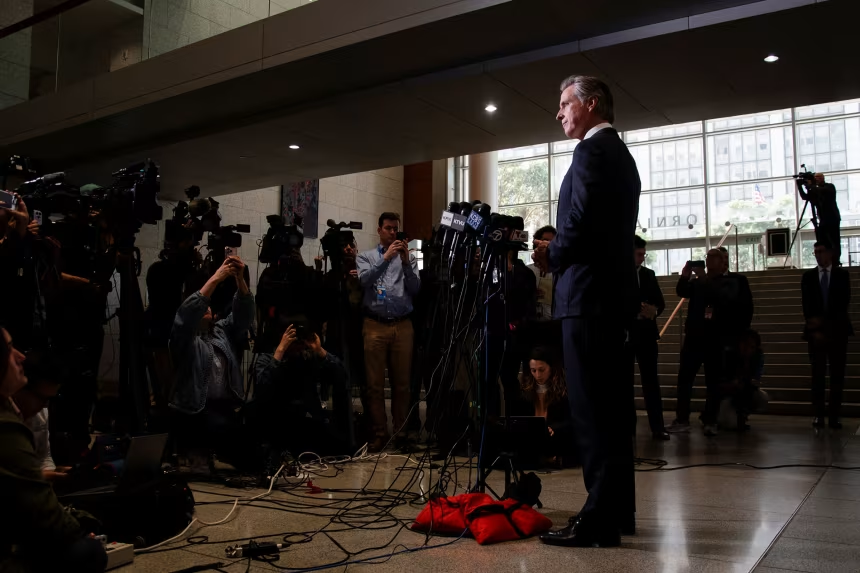
Gavin Newsom is owning the MAGAs. How far can he take it?
Entities mentioned:
- Gavin Newsom: Ambition, Competitive spirit, Power
- Democratic Party: Unity, Self-preservation, Power
- Donald Trump: Power, Control, Influence
- Republican Party: Power, Control, Competitive spirit
Article Assessment:
Credibility Score: 70/100
Bias Rating: 40/100 (Lean Left)
Sentiment Score: 55/100
Authoritarianism Risk: 35/100 (Generally Democratic)
Bias Analysis:
The article leans slightly left, focusing more on Democratic perspectives and Newsom's potential. While it includes some criticism of Newsom, it generally frames his actions in a positive light compared to Republican strategies.
Key metric: Political Polarization Index
As a social scientist, I analyze that this article highlights the increasing political polarization in the United States, with Gavin Newsom emerging as a potential counterforce to MAGA rhetoric. The focus on redistricting battles and Newsom's confrontational approach towards Trump and Republicans suggests a deepening divide between the two major parties. This polarization could significantly impact voter engagement and governance effectiveness. Newsom's rising profile within the Democratic Party, despite mixed public opinion, indicates a shift towards more combative political strategies. This trend may further entrench partisan divisions and potentially alienate moderate voters, affecting the overall political landscape and policy-making processes.
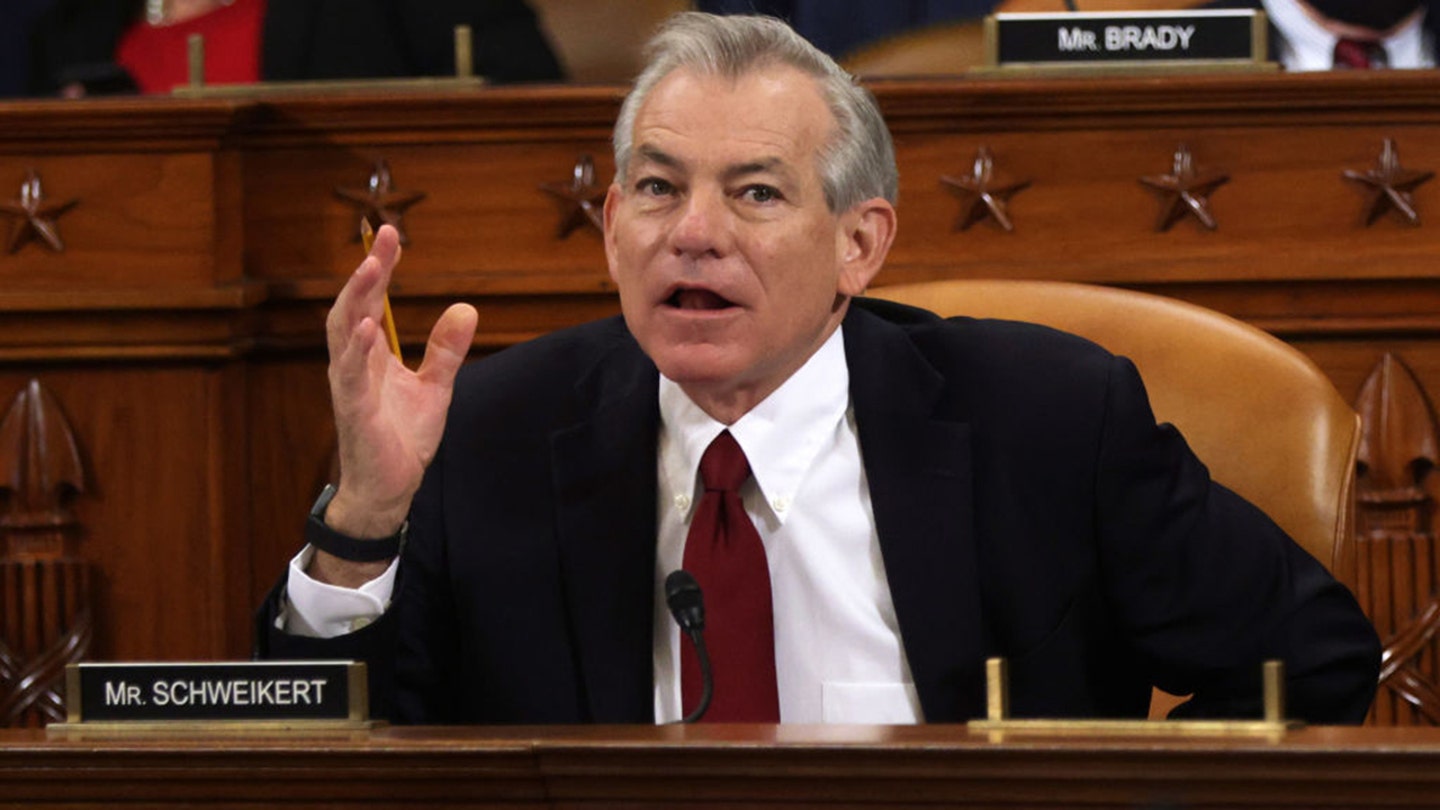
Top House Republican could shake up major border state gubernatorial race
Entities mentioned:
- David Schweikert: Ambition, Power, Influence
- Andy Biggs: Ambition, Power, Competitive spirit
- Karrin Taylor Robson: Ambition, Power, Determination
- Katie Hobbs: Power, Influence, Self-preservation
- Donald Trump: Influence, Legacy, Power
- Democratic Governors Association: Power, Influence, Competitive spirit
Article Assessment:
Credibility Score: 70/100
Bias Rating: 55/100 (Center)
Sentiment Score: 45/100
Authoritarianism Risk: 35/100 (Generally Democratic)
Bias Analysis:
The article presents multiple perspectives, including statements from various political actors. However, it gives slightly more space to Republican viewpoints and candidates, balancing this with a critical statement from the Democratic side.
Key metric: Political Polarization Index
As a social scientist, I analyze that this article highlights the intensifying political competition in Arizona, particularly for the gubernatorial race. The potential entry of Rep. David Schweikert into an already crowded Republican primary field suggests increasing polarization and intra-party competition. The involvement of former President Trump through endorsements further emphasizes the national significance of this state-level race. The contrasting statements from the Republican candidates and the Democratic Governors Association underscore the stark ideological differences between parties, likely contributing to greater political polarization. This competitive and potentially divisive primary could impact the general election dynamics, potentially affecting governance and policy implementation in Arizona, a key swing state.
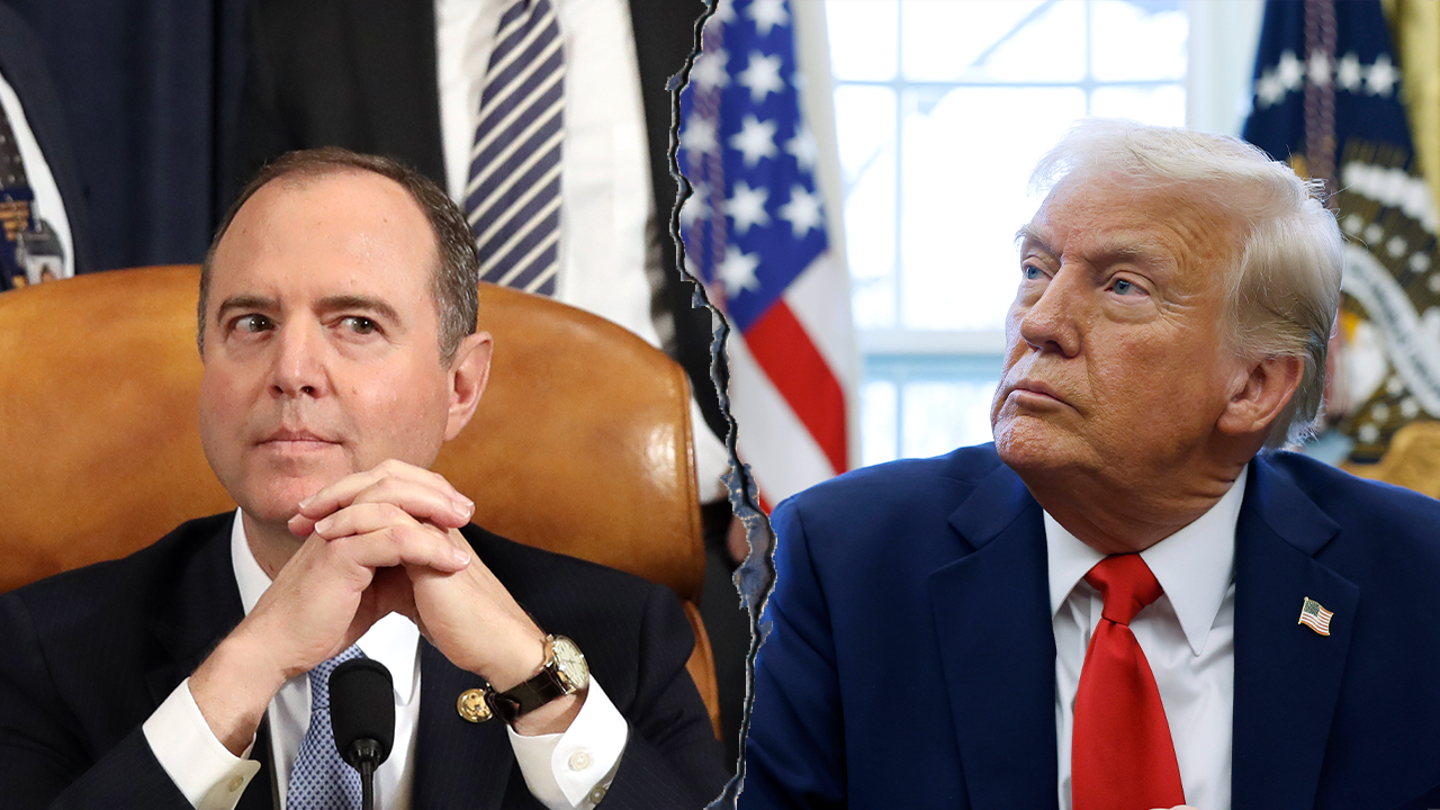
Schiff launches legal defense fund in response to claims Trump is 'weaponizing' justice system
Entities mentioned:
- Adam Schiff: Self-preservation, Justice, Professional pride
- Donald Trump: Revenge, Power, Influence
- White House: Control, Influence, Power
- FBI: Duty, Justice, Security
- Joe Biden: Power, Control, Legacy
Article Assessment:
Credibility Score: 65/100
Bias Rating: 65/100 (Lean Right)
Sentiment Score: 30/100
Authoritarianism Risk: 45/100 (Mixed/Neutral)
Bias Analysis:
The article leans right, evidenced by its heavy reliance on Trump and White House statements criticizing Schiff. While it includes Schiff's perspective, the framing and choice of details emphasize allegations against him.
Key metric: Political Polarization Index
As a social scientist, I analyze that this article highlights the ongoing political polarization in the United States. The establishment of Schiff's legal defense fund in response to alleged 'weaponization' of the justice system by Trump and his allies indicates a deepening divide between political factions. This situation likely contributes to increased distrust in governmental institutions and the justice system, potentially eroding public confidence in democratic processes. The article's focus on accusations and counter-accusations between high-profile political figures may further entrench partisan attitudes among the public, making bipartisan cooperation more challenging and potentially impacting governance effectiveness.
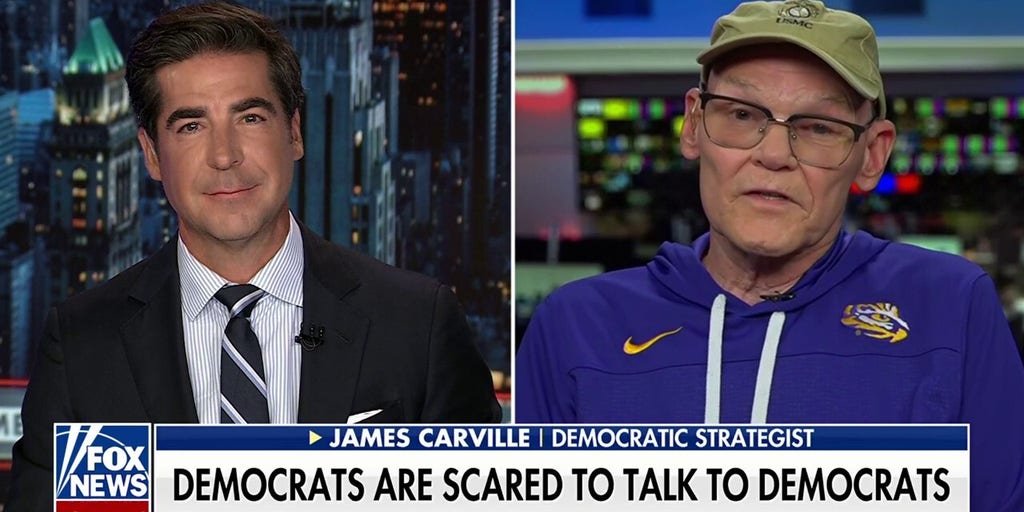
James Carville: Dems need a presidential nominee
Entities mentioned:
- James Carville: Influence, Recognition, Duty
- Democrats: Ambition, Power, Anxiety
- Bill Maher: Influence, Recognition, Freedom
- Donald Trump: Power, Control, Righteousness
- Jesse Watters: Influence, Recognition, Competitive spirit
Article Assessment:
Credibility Score: 55/100
Bias Rating: 65/100 (Lean Right)
Sentiment Score: 35/100
Authoritarianism Risk: 55/100 (Mixed/Neutral)
Bias Analysis:
The article leans right due to its framing on a Fox News program and focus on Democratic party weaknesses. The presentation of Carville's criticism of Democrats and the emphasis on Trump's actions suggest a right-leaning perspective.
Key metric: Political Polarization Index
As a social scientist, I analyze that this article highlights the growing political divide and communication challenges within the Democratic party. Carville's criticism of Democrats' reluctance to engage with media figures like Bill Maher suggests internal party tensions and strategic disagreements. The mention of Trump's federal takeover of D.C. police further emphasizes the polarization between parties and concerns over executive power. This discourse likely contributes to increased political polarization, as it underscores the lack of unified messaging within the Democratic party and the ongoing conflicts with the Republican administration.
Transgender Democrat accuses Trump of 'all-out assault' against 'American democracy'
Entities mentioned:
- Sarah McBride: Righteousness, Moral outrage, Justice
- Donald Trump: Power, Control, Influence
- Democratic Party: Power, Influence, Justice
- Republican Party: Power, Control, Competitive spirit
Article Assessment:
Credibility Score: 65/100
Bias Rating: 70/100 (Lean Right)
Sentiment Score: 30/100
Authoritarianism Risk: 45/100 (Mixed/Neutral)
Bias Analysis:
The article leans right, evidenced by more coverage of Republican viewpoints and critiques of Democratic policies. The framing of issues, particularly around immigration and election integrity, aligns more closely with conservative talking points.
Key metric: Political Polarization Index
As a social scientist, I analyze that this article highlights the growing political polarization in the United States. The accusation by Rep. Sarah McBride, a transgender Democrat, that Trump is waging an 'all-out assault' on American democracy exemplifies the extreme rhetoric used by both sides of the political spectrum. This type of language further deepens the divide between Democrats and Republicans, potentially increasing distrust in democratic institutions and processes. The article's presentation of various political conflicts, from local town halls to state legislatures and federal issues, demonstrates how this polarization permeates all levels of government. This heightened tension could lead to decreased cooperation across party lines and may impact the functionality of democratic processes.

Texas Republicans call new special session for redistricting, this time with Democrats expected back
Entities mentioned:
- Greg Abbott: Power, Control, Determination
- Texas House Democrats: Righteousness, Justice, Influence
- Texas Republicans: Power, Control, Competitive spirit
- California legislature: Competitive spirit, Influence, Power
- Dustin Burrows: Duty, Control, Professional pride
- Ann Johnson: Moral outrage, Justice, Righteousness
Article Assessment:
Credibility Score: 75/100
Bias Rating: 55/100 (Center)
Sentiment Score: 35/100
Authoritarianism Risk: 65/100 (Authoritarian Tendencies)
Bias Analysis:
The article presents perspectives from both Republican and Democratic sides, quoting multiple sources. However, there's slightly more space given to Republican viewpoints and actions, which nudges it just right of center.
Key metric: Political Polarization Index
As a social scientist, I analyze that this article highlights the intense partisan struggle over redistricting in Texas, which has significant implications for the balance of power in the U.S. House of Representatives. The actions of both Republicans and Democrats demonstrate a high level of political polarization, with each side employing tactical maneuvers to gain advantage. The involvement of California in offsetting potential Republican gains in Texas further emphasizes the nationalization of local redistricting efforts. This escalation of partisan redistricting battles is likely to increase political polarization, potentially undermining democratic norms and increasing public cynicism towards the political process. The addition of other conservative priorities to the special session agenda also indicates an attempt to consolidate power and push through a broader ideological agenda, which could further exacerbate political divisions.