
DC Mayor Bowser changes her tone on Trump as crackdown ramps up
Entities mentioned:
- Mayor Muriel Bowser: Self-preservation, Duty, Control
- Donald Trump: Power, Control, Influence
- DC Council: Duty, Self-preservation, Unity
- House Minority Leader Hakeem Jeffries: Moral outrage, Opposition, Justice
- Mayor Karen Bass: Criticism, Justice, Duty
- Christina Henderson: Empathy, Duty, Unity
- Free DC project: Justice, Freedom, Moral outrage
Article Assessment:
Credibility Score: 75/100
Bias Rating: 45/100 (Center)
Sentiment Score: 35/100
Authoritarianism Risk: 55/100 (Mixed/Neutral)
Bias Analysis:
The article presents multiple perspectives, including those of Mayor Bowser, other Democrats, and local activists. While it leans slightly critical of Trump's actions, it also highlights Bowser's pragmatic approach, maintaining a relatively balanced view.
Key metric: Political Polarization
As a social scientist, I analyze that this article highlights the complex dynamics between local and federal governance in Washington, DC, particularly in the context of law enforcement. The tension between Mayor Bowser's measured responses and the more outspoken criticism from other Democrats and activist groups illustrates the delicate balance required in navigating federal intervention in local affairs. This situation exacerbates political polarization by pitting local autonomy against federal authority, potentially deepening divides between different levels of government and political ideologies. The article also underscores the unique challenges faced by DC due to its lack of statehood, which limits its ability to resist federal overreach and may further fuel debates about DC's status and representation.
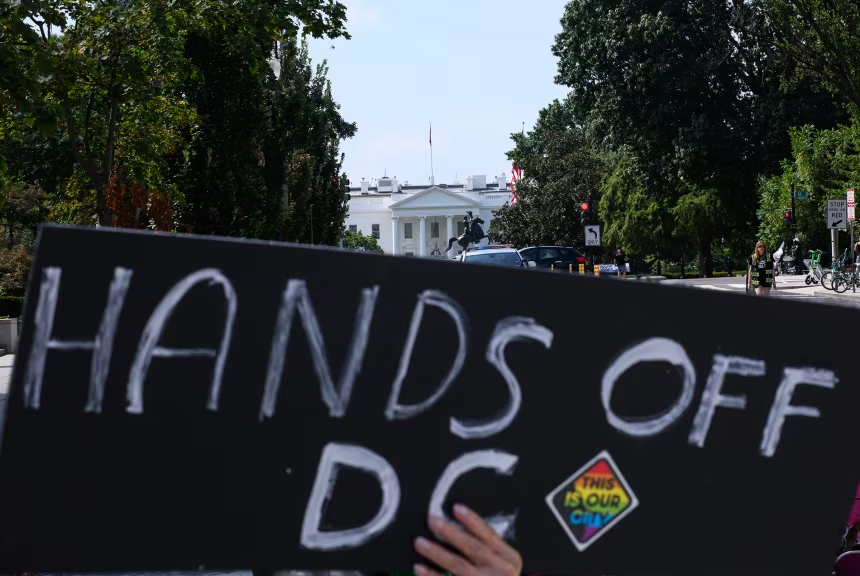
Trump’s DC police takeover was fueled by attack on former DOGE staffer and his own observations of homelessness, allies say
Entities mentioned:
- Donald Trump: Control, Power, Legacy
- Muriel Bowser: Self-preservation, Duty, Unity
- Metropolitan Police Department: Duty, Professional pride, Security
- National Guard: Duty, Security, Obligation
- Pam Bondi: Loyalty, Control, Professional pride
- Brian Schwalb: Justice, Indignation, Duty
- Pamela Smith: Professional pride, Duty, Security
- Jeanine Pirro: Loyalty, Control, Justice
- Chuck Schumer: Political opposition, Moral outrage, Justice
- Gavin Newsom: Political opposition, Moral outrage, Freedom
Article Assessment:
Credibility Score: 65/100
Bias Rating: 55/100 (Center)
Sentiment Score: 30/100
Authoritarianism Risk: 75/100 (Authoritarian Tendencies)
Bias Analysis:
The article presents multiple viewpoints, including those of the Trump administration and local DC officials. While it leans slightly towards skepticism of the federal takeover, it provides context and attempts to balance the narrative.
Key metric: Rule of Law Index
As a social scientist, I analyze that this unprecedented federal takeover of a local police force significantly impacts the Rule of Law Index for the United States. The action raises serious questions about the separation of powers, local autonomy, and the appropriate use of federal authority. While the stated goal is to address crime and homelessness, the unilateral nature of the decision and the apparent lack of a clear emergency situation suggest potential overreach. This move could lead to a deterioration in the perception of checks and balances within the US government system, potentially lowering the country's score on measures of government powers and fundamental rights within the Rule of Law Index. The conflicting narratives between federal and local officials regarding crime statistics and the necessity of the intervention further complicate the situation, potentially eroding public trust in both levels of government.

DNC chair takes steps to restrict corporate and dark money in 2028 primaries
Entities mentioned:
- Ken Martin: Righteousness, Reform, Influence
- Democratic National Committee (DNC): Unity, Control, Reform
- Bernie Sanders: Moral outrage, Justice, Influence
- AIPAC: Influence, Power, Loyalty
- Chuck Schumer: Power, Unity, Duty
- Jaime Harrison: Skepticism, Pragmatism, Duty
Article Assessment:
Credibility Score: 75/100
Bias Rating: 45/100 (Center)
Sentiment Score: 55/100
Authoritarianism Risk: 20/100 (Strongly Democratic)
Bias Analysis:
The article presents multiple viewpoints, including both proponents and critics of the proposed changes, indicating a relatively balanced approach. However, there's a slight lean towards emphasizing the progressive stance, which may reflect a center-left perspective.
Key metric: Campaign Finance Reform Progress
As a social scientist, I analyze that this article highlights a significant shift in the Democratic Party's approach to campaign finance reform. The DNC's consideration of restricting corporate and dark money in primaries indicates a growing influence of progressive ideas within the party. This move could potentially reshape the landscape of primary elections, affecting candidate strategies and donor behaviors. However, the practical implementation of such restrictions faces considerable challenges, including legal constraints and potential competitive disadvantages. The debate within the party reflects broader tensions between idealistic reform goals and pragmatic political considerations. This initiative, if pursued, could have far-reaching implications for political fundraising, campaign strategies, and the overall democratic process in the United States.
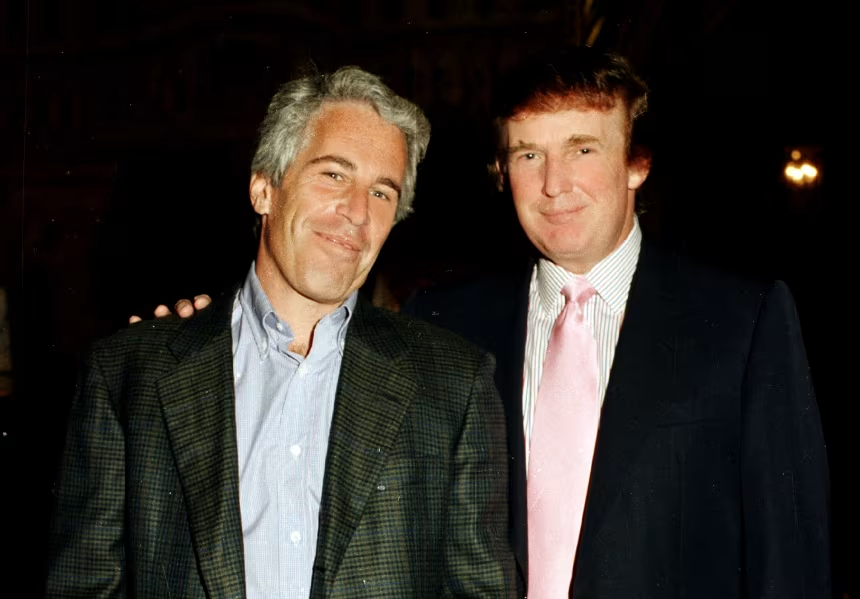
A judge’s brutal rebuke of Trump’s Epstein gambit
Entities mentioned:
- Trump administration: Control, Self-preservation, Influence
- Judge Paul Engelmayer: Justice, Duty, Righteousness
- Jeffrey Epstein: Power, Control, Self-preservation
- Ghislaine Maxwell: Self-preservation, Loyalty, Fear
- Donald Trump: Power, Self-preservation, Control
- Department of Justice: Control, Duty, Self-preservation
- Epstein's victims: Justice, Moral outrage, Indignation
Article Assessment:
Credibility Score: 75/100
Bias Rating: 40/100 (Lean Left)
Sentiment Score: 30/100
Authoritarianism Risk: 65/100 (Authoritarian Tendencies)
Bias Analysis:
The article leans slightly left, evidenced by its critical tone towards the Trump administration. While it presents factual information, the framing and language choices suggest skepticism of the administration's motives.
Key metric: Government Transparency and Accountability
As a social scientist, I analyze that this article highlights a significant issue in government transparency and accountability. The Trump administration's actions regarding the Epstein files appear to be a calculated attempt to create an illusion of transparency while actually withholding meaningful information. This behavior undermines public trust in government institutions and the justice system. The judge's rebuke exposes the administration's strategy as potentially deceptive, which could further erode confidence in the government's handling of high-profile cases. This situation also demonstrates the crucial role of the judiciary in maintaining checks and balances, as Judge Engelmayer's ruling serves as a counterweight to executive branch actions. The administration's reluctance to provide substantive information about the Epstein case, despite public interest and pressure, suggests a conflict between political self-interest and the public's right to information. This case may have long-lasting implications for how government transparency is perceived and demanded by the public, potentially leading to calls for stricter disclosure requirements and oversight mechanisms.
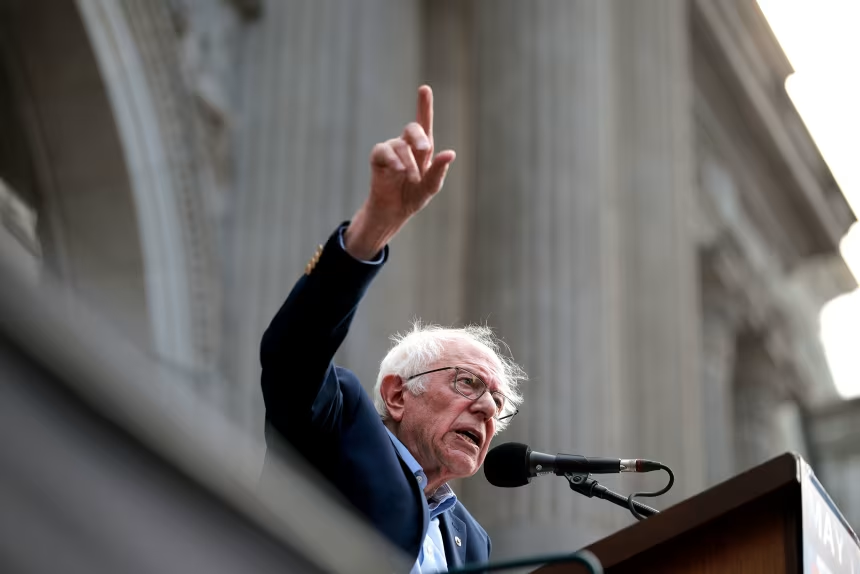
Bernie Sanders thinks Democrats have turned on their base. Now it’s time to fight back
Entities mentioned:
- Bernie Sanders: Justice, Moral outrage, Influence
- Democratic Party: Power, Control, Self-preservation
- Republican Party: Power, Control, Competitive spirit
- Donald Trump: Power, Control, Ambition
- Kamala Harris: Ambition, Power, Influence
- Israel: Self-preservation, Security, Control
- Vladimir Putin: Power, Control, Greed
Article Assessment:
Credibility Score: 75/100
Bias Rating: 40/100 (Lean Left)
Sentiment Score: 35/100
Authoritarianism Risk: 45/100 (Mixed/Neutral)
Bias Analysis:
The article leans slightly left, giving more prominence to Sanders' progressive views and critiques of both parties. While it includes some opposing viewpoints, the framing tends to emphasize Sanders' perspective on various issues.
Key metric: Political Polarization Index
As a social scientist, I analyze that this article highlights the increasing political polarization in the United States, particularly in relation to redistricting efforts and party strategies. Bernie Sanders' criticism of both Republican tactics and Democratic responses indicates a deepening divide between parties and within the Democratic Party itself. The discussion of gerrymandering and retaliatory redistricting suggests a deterioration of democratic norms, which could further erode public trust in the electoral system. Sanders' comments on the Democratic Party's perceived abandonment of its working-class base reflect growing tensions within the party and could impact voter alignment. The article also touches on international issues, including the Israel-Gaza conflict and US-Russia relations, which may influence domestic political discourse and foreign policy positions. Overall, the content suggests an intensification of ideological rifts and a potential shift in political alliances, which could significantly affect the Political Polarization Index in the coming years.
Federal appeals court halts criminal contempt proceedings against Trump officials in immigration case
Entities mentioned:
- Judge James Boasberg: Justice, Duty, Righteousness
- Trump administration officials: Power, Control, Self-preservation
- US DC Circuit Court of Appeals: Duty, Justice, Professional pride
- ACLU: Justice, Righteousness, Moral outrage
- Judge Greg Katsas: Duty, Professional pride, Loyalty
- Judge Neomi Rao: Duty, Professional pride, Loyalty
- Judge Nina Pillard: Justice, Righteousness, Professional pride
- Attorney General Pam Bondi: Loyalty, Power, Influence
Article Assessment:
Credibility Score: 75/100
Bias Rating: 55/100 (Center)
Sentiment Score: 35/100
Authoritarianism Risk: 65/100 (Authoritarian Tendencies)
Bias Analysis:
The article presents multiple viewpoints, including dissenting opinions, which suggests an attempt at balance. However, there's slightly more emphasis on the Trump-appointed judges' reasoning, potentially indicating a subtle center-right lean.
Key metric: Rule of Law Index
As a social scientist, I analyze that this ruling significantly impacts the Rule of Law Index for the United States. The appeals court's decision to halt criminal contempt proceedings against Trump administration officials weakens judicial oversight of executive actions, potentially undermining the checks and balances system. This could lead to a decrease in government accountability and adherence to court orders, which are key components of the Rule of Law Index. The split decision along partisan lines (Trump-appointed judges vs. Obama-appointed judge) also raises concerns about the politicization of the judiciary, further eroding public trust in the legal system. The ruling's emphasis on executive power over judicial authority in matters of immigration and foreign policy may set a precedent that could have long-term implications for the separation of powers and the ability of courts to check executive overreach.

Exclusive: Federal law enforcement to begin interviewing unaccompanied migrant children in government custody
Entities mentioned:
- Trump administration: Control, Security, Justice
- Department of Homeland Security: Duty, Security, Control
- Health and Human Services: Duty, Obligation, Security
- Immigration and Customs Enforcement: Control, Security, Duty
- Office of Refugee Resettlement: Duty, Obligation, Security
- Immigrant advocates: Justice, Moral outrage, Protection
Article Assessment:
Credibility Score: 75/100
Bias Rating: 55/100 (Center)
Sentiment Score: 35/100
Authoritarianism Risk: 65/100 (Authoritarian Tendencies)
Bias Analysis:
The article presents multiple viewpoints, including those of the administration and immigrant advocates. While it leans slightly towards the concerns of advocates, it also includes the administration's justifications for the policy change.
Key metric: Immigration Enforcement Effectiveness
As a social scientist, I analyze that this article highlights a significant shift in the Trump administration's approach to handling unaccompanied migrant children. The decision to conduct in-person interviews with these children in government shelters represents an intensification of immigration enforcement efforts. This policy change could have substantial impacts on the well-being of migrant children, the effectiveness of the sponsorship program, and overall immigration dynamics. The administration's stated goal of identifying and addressing potential criminal activities conflicts with advocates' concerns about child welfare and the potential chilling effect on immigrant families. This tension reflects broader debates in U.S. immigration policy regarding the balance between enforcement and humanitarian considerations.
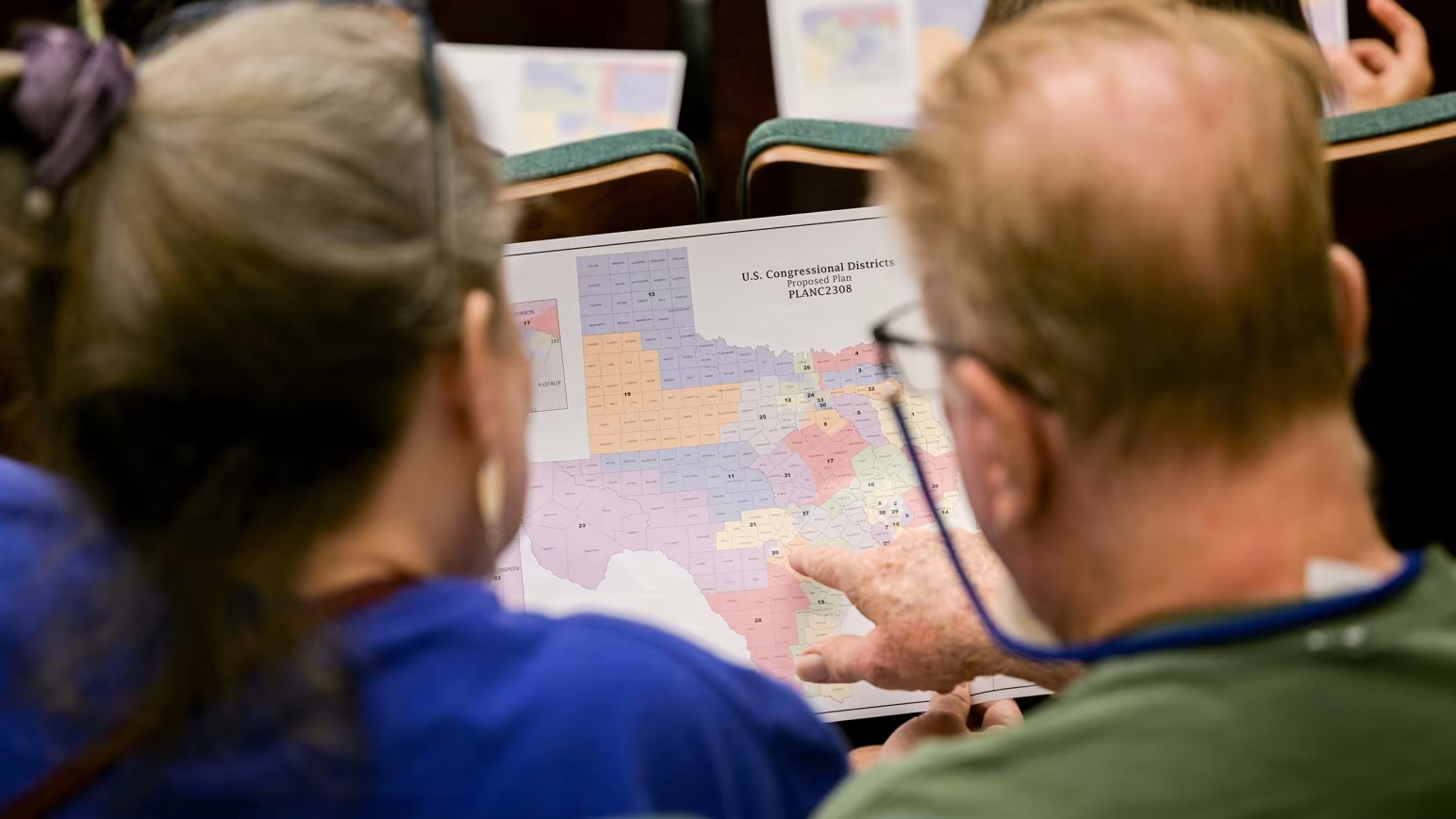
Democrats delay Texas redistricting again, escalating a standoff with GOP leaders
Entities mentioned:
- Texas Democrats: Justice, Determination, Moral outrage
- Texas Republicans: Power, Control, Ambition
- Gov. Greg Abbott: Power, Determination, Control
- House Speaker Dustin Burrows: Power, Control, Duty
- Attorney General Ken Paxton: Power, Ambition, Control
- Sen. John Cornyn: Power, Ambition, Loyalty
- Beto O'Rourke: Justice, Influence, Moral outrage
- Gov. Gavin Newsom: Competitive spirit, Power, Justice
- Gov. JB Pritzker: Justice, Moral outrage, Unity
Article Assessment:
Credibility Score: 75/100
Bias Rating: 55/100 (Center)
Sentiment Score: 30/100
Authoritarianism Risk: 65/100 (Authoritarian Tendencies)
Bias Analysis:
The article presents perspectives from both Democrats and Republicans, quoting multiple sources from each side. While it gives slightly more space to Democratic viewpoints, it also includes Republican justifications and actions, maintaining a relatively balanced approach.
Key metric: Voting Rights and Electoral Integrity
As a social scientist, I analyze that this article highlights a significant political conflict in Texas over redistricting, which has broader implications for national electoral politics. The standoff between Democrats and Republicans demonstrates the high stakes of redistricting in determining future political control. The Democrats' decision to deny quorum by leaving the state reflects the intensity of the conflict and their limited options within the legislative process. The Republicans' aggressive response, including threats of arrest and financial penalties, indicates the importance they place on passing their preferred maps. This conflict is part of a larger national trend of partisan redistricting battles, with potential ripple effects in other states. The involvement of federal officials and out-of-state governors further emphasizes the national significance of this state-level dispute. The conflict raises concerns about the fairness of the redistricting process and its impact on democratic representation, potentially eroding public trust in electoral systems and exacerbating political polarization.
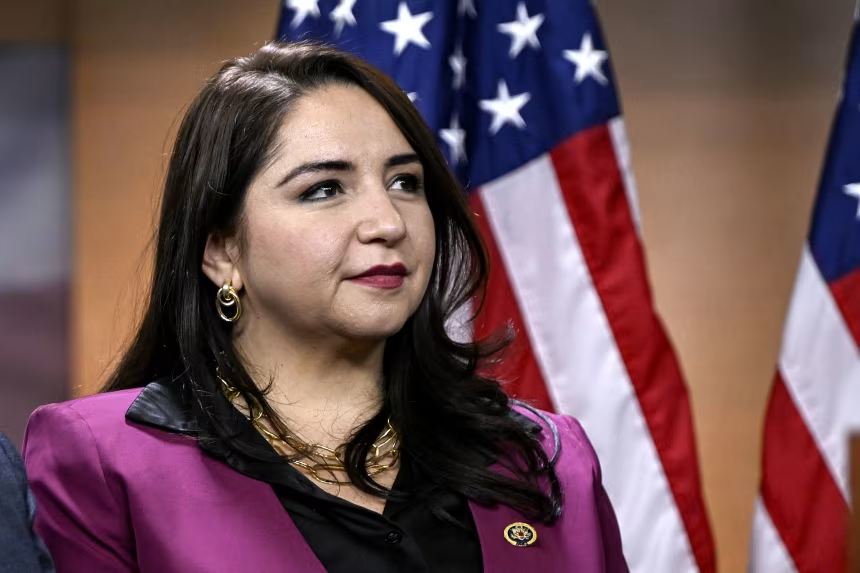
GOP lawmaker pushes to strip Democrat of committee assignment after saying she’s ‘a proud Guatemalan before I am an American’
Entities mentioned:
- Carlos Gimenez: Righteousness, Patriotism, Duty
- Delia Ramirez: Pride, Self-respect, Justice
- Republican Party: Control, Power, Loyalty
- Democratic Party: Unity, Justice, Influence
- House Homeland Security Committee: Security, Control, Duty
- Clay Higgins: Righteousness, Control, Duty
- LaMonica McIver: Justice, Moral outrage, Duty
Article Assessment:
Credibility Score: 75/100
Bias Rating: 55/100 (Center)
Sentiment Score: 30/100
Authoritarianism Risk: 55/100 (Mixed/Neutral)
Bias Analysis:
The article presents multiple viewpoints and includes direct quotes from both sides. However, there's slightly more space given to the Republican perspective, which may suggest a subtle lean towards center-right.
Key metric: Political Polarization Index
As a social scientist, I analyze that this article highlights increasing political polarization in the United States, particularly around issues of immigration and national identity. The attempt to remove Rep. Ramirez from her committee assignment based on her comments about her heritage demonstrates a growing tension between multicultural identities and perceived loyalty to the nation. This incident may exacerbate existing divisions and potentially impact legislative effectiveness on homeland security issues. The parallel situation with Rep. McIver further illustrates the intensifying partisan conflicts within government institutions. These actions could lead to decreased cooperation between parties and potentially undermine the functioning of important committees. The debate also reflects broader societal discussions about what it means to be American in a diverse nation, and how cultural heritage intersects with national identity and loyalty.

Trump administration seeking $1 billion settlement from UCLA
Entities mentioned:
- Trump administration: Control, Power, Influence
- University of California, Los Angeles (UCLA): Self-preservation, Professional pride, Freedom
- Julio Frenk: Duty, Concern, Professional pride
- James B. Milliken: Duty, Self-preservation, Righteousness
- Department of Justice: Control, Power, Justice
- Donald Trump: Power, Control, Influence
- Scott Wiener: Moral outrage, Righteousness, Unity
Article Assessment:
Credibility Score: 75/100
Bias Rating: 45/100 (Center)
Sentiment Score: 30/100
Authoritarianism Risk: 65/100 (Authoritarian Tendencies)
Bias Analysis:
The article presents multiple viewpoints, including those of the Trump administration, UCLA officials, and state representatives. While it leans slightly critical of the administration's actions, it provides context and balanced reporting on the situation.
Key metric: Higher Education Funding and Policy
As a social scientist, I analyze that this article highlights a significant conflict between the Trump administration and UCLA, representing a broader clash over higher education policies and funding. The administration's aggressive approach, including funding freezes and demands for substantial settlements, appears to be part of a larger strategy to reshape higher education policies, particularly around issues of diversity, protests, and gender-related matters. This conflict has potential far-reaching implications for academic freedom, research funding, and the autonomy of public universities. The scale of the proposed settlement and the specific policy changes demanded suggest an attempt to exert federal control over university operations and policies, which could set a precedent for other institutions. The resistance from UCLA and California state officials indicates a strong pushback against what they perceive as federal overreach, highlighting tensions between state and federal governance in education.