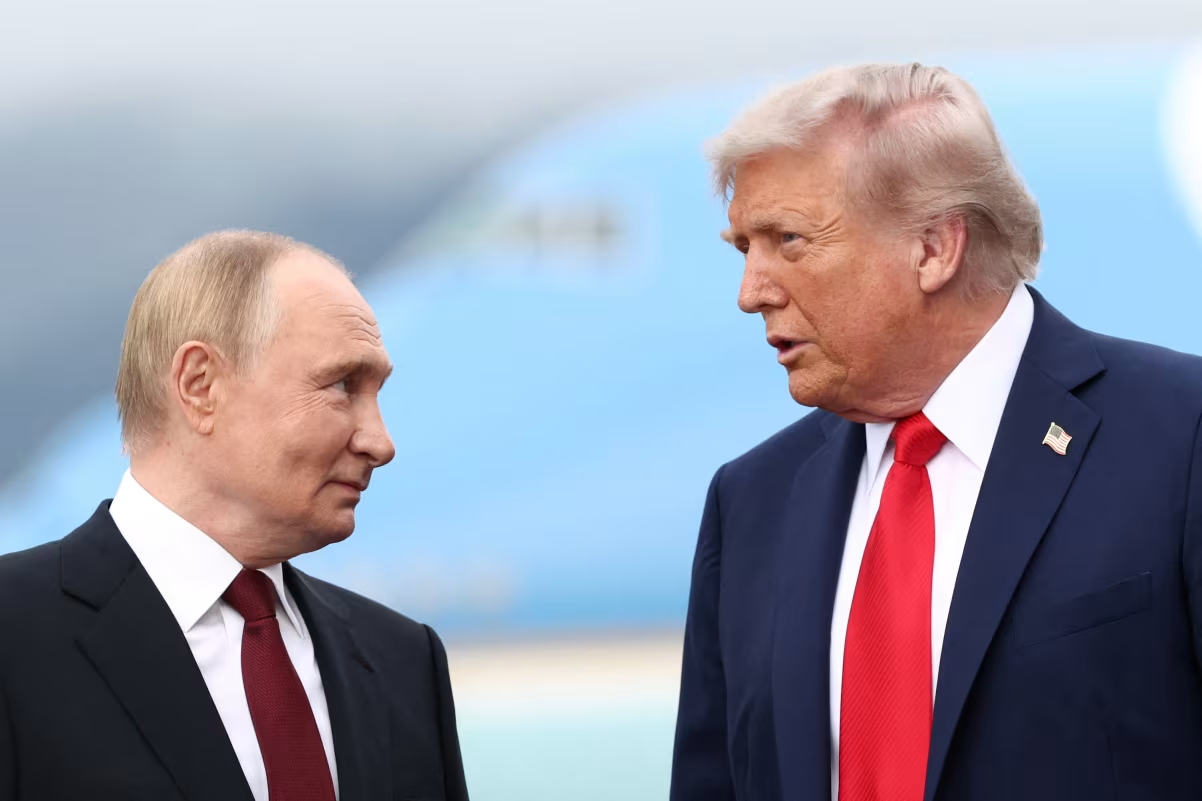
Putin’s wins leave Trump with hard choices
Entities mentioned:
- Vladimir Putin: Power, Control, Influence
- Donald Trump: Recognition, Legacy, Ambition
- Ukraine: Self-preservation, Freedom, Security
- Russia: Power, Control, Influence
- Volodymyr Zelensky: Duty, Self-preservation, Unity
- European leaders: Security, Unity, Wariness
Article Assessment:
Credibility Score: 75/100
Bias Rating: 40/100 (Lean Left)
Sentiment Score: 35/100
Authoritarianism Risk: 45/100 (Mixed/Neutral)
Bias Analysis:
The article leans slightly left, evident in its critical tone towards Trump's actions and motivations. However, it attempts to provide balanced reporting by including multiple perspectives and acknowledging some positive aspects of Trump's diplomacy efforts.
Key metric: US Global Leadership Index
As a social scientist, I analyze that this article highlights a significant shift in US foreign policy approach towards the Russia-Ukraine conflict. Trump's meeting with Putin in Alaska appears to have yielded more benefits for Russia than for the US or Ukraine. The article suggests that Trump's desire for a quick, high-profile diplomatic win may have led him to make concessions without securing tangible gains. This approach could potentially weaken the US position in global affairs and its ability to influence outcomes in major international conflicts. The article also raises concerns about Trump's susceptibility to flattery from authoritarian leaders, which could impact US strategic interests and relationships with allies. The potential implications for Ukraine's security and territorial integrity are significant, as are the possible effects on US credibility among its NATO allies and other partners.
- Read more about Putin’s wins leave Trump with hard choices
- Log in to post comments
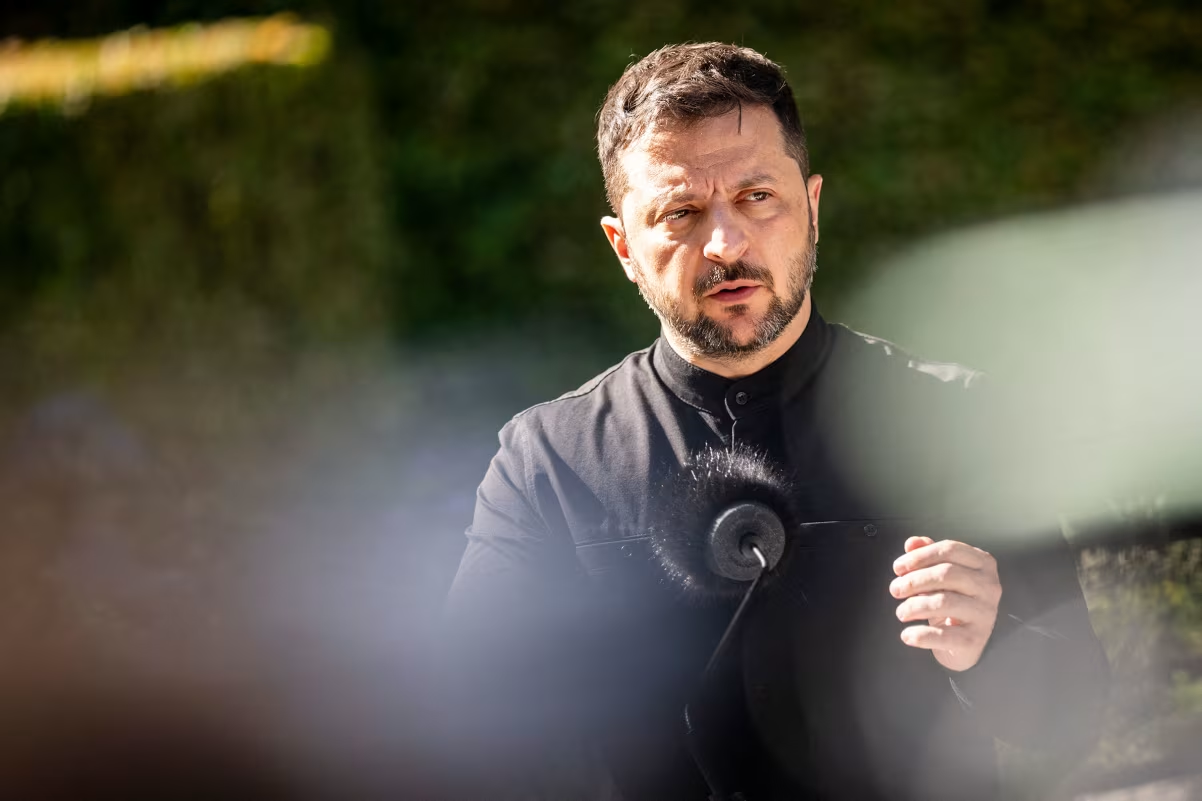
Trump cranks up pressure on Zelensky ahead of his high-stakes White House return
Entities mentioned:
- Donald Trump: Power, Legacy, Recognition
- Vladimir Putin: Power, Control, Influence
- Volodymyr Zelensky: Self-preservation, Duty, Determination
- Steve Witkoff: Loyalty, Duty, Influence
- European leaders: Security, Unity, Wariness
Article Assessment:
Credibility Score: 75/100
Bias Rating: 45/100 (Center)
Sentiment Score: 35/100
Authoritarianism Risk: 55/100 (Mixed/Neutral)
Bias Analysis:
The article presents multiple perspectives and voices, including critics and supporters of Trump's approach. However, there's a slight lean towards skepticism of Trump's methods, balanced by inclusion of administration claims.
Key metric: International Relations and Diplomacy
As a social scientist, I analyze that this article highlights a complex diplomatic situation surrounding the Russia-Ukraine conflict, with Trump playing a central role in negotiations. The article suggests a potential shift in U.S. policy towards favoring Russian interests, which could significantly impact global alliances and the balance of power in Eastern Europe. Trump's approach, characterized by personal diplomacy and unconventional tactics, is creating tension between the U.S., Ukraine, and European allies. This situation could lead to a realignment of international relationships and potentially alter the trajectory of the conflict, with far-reaching implications for global security and diplomatic norms.
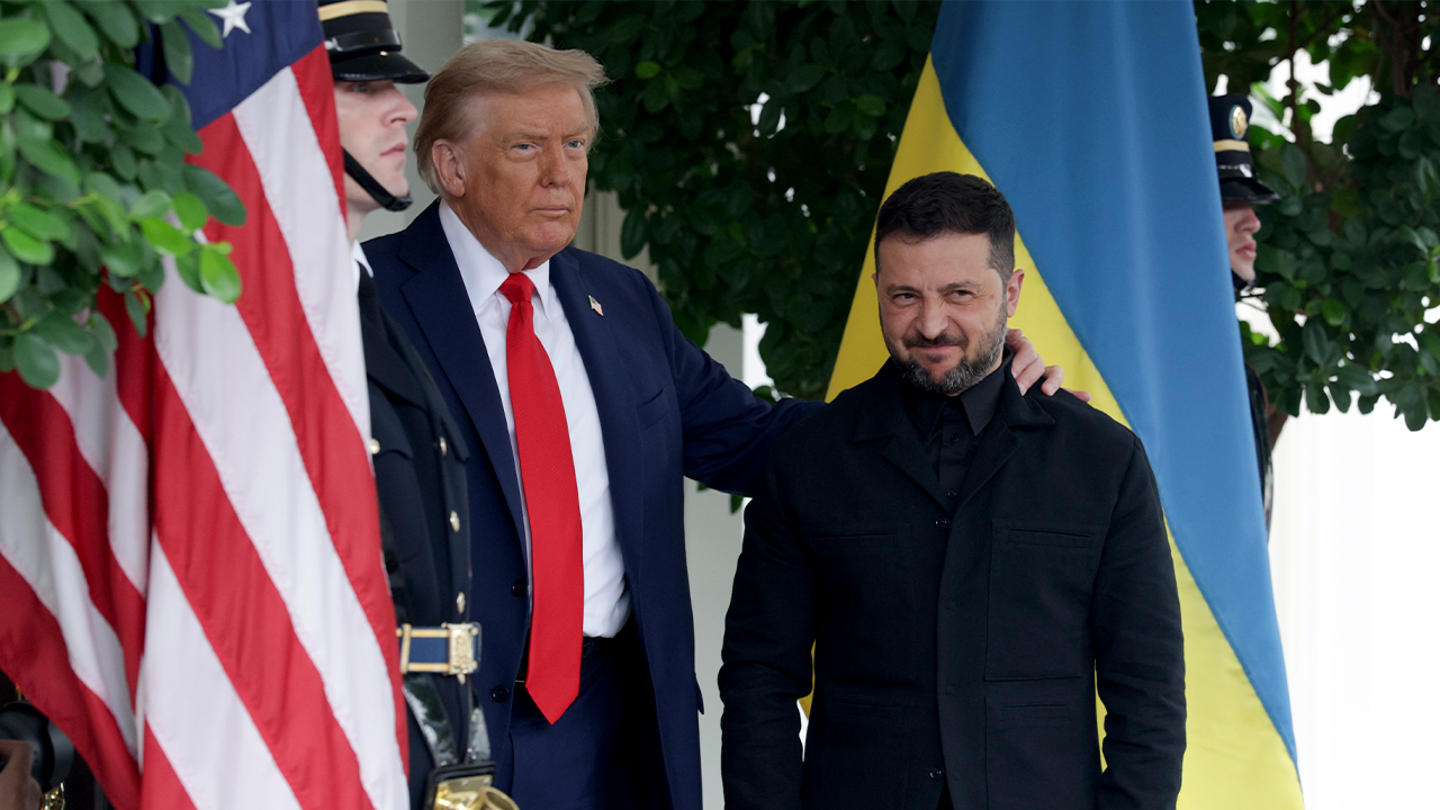
Senate signals readiness to hit Russia with hard sanctions if peace deal fails
Entities mentioned:
- President Donald Trump: Power, Influence, Legacy
- Ukrainian President Volodymyr Zelenskyy: Self-preservation, Duty, Unity
- Russian President Vladimir Putin: Power, Control, Influence
- Senate Republicans: Loyalty, Determination, Security
- Senate Democrats: Moral outrage, Justice, Wariness
- Congress: Control, Influence, Duty
Article Assessment:
Credibility Score: 70/100
Bias Rating: 55/100 (Center)
Sentiment Score: 45/100
Authoritarianism Risk: 35/100 (Generally Democratic)
Bias Analysis:
The article presents views from both Republican and Democratic senators, providing a relatively balanced perspective. However, there's a slight emphasis on Republican viewpoints, with more detailed quotes and positive framing of Trump's actions.
Key metric: International Relations and Diplomacy
As a social scientist, I analyze that this article highlights the complex interplay between domestic politics and international diplomacy in the context of the Russia-Ukraine conflict. The Senate's readiness to impose sanctions on Russia reflects a bipartisan consensus on the need for a strong U.S. response, should diplomatic efforts fail. This stance potentially strengthens the U.S. negotiating position but also risks escalating tensions. The divergent views between Republicans and Democrats on Trump's approach underscore the polarized nature of U.S. politics, even in foreign policy matters. This internal division could potentially weaken the U.S.'s ability to present a unified front in international negotiations. The article also reveals the delicate balance between pursuing diplomatic solutions and maintaining a credible threat of economic penalties, showcasing the multifaceted nature of modern international relations.

Alec Baldwin slams Trump's 'insane' DC takeover, warns he may target other cities and sports leagues next
Entities mentioned:
- Alec Baldwin: Moral outrage, Indignation, Wariness
- Donald Trump: Power, Control, Deflection
- Washington D.C. Police: Duty, Professional pride, Security
Article Assessment:
Credibility Score: 55/100
Bias Rating: 30/100 (Lean Left)
Sentiment Score: 25/100
Authoritarianism Risk: 45/100 (Mixed/Neutral)
Bias Analysis:
The article leans left, primarily presenting Baldwin's anti-Trump perspective with minimal counterbalancing viewpoints. The framing of Trump's actions as a 'takeover' and the emphasis on Baldwin's warnings suggest a left-leaning editorial stance.
Key metric: Public Trust in Government Institutions
As a social scientist, I analyze that this article highlights growing tensions between celebrity political commentators and the executive branch, potentially impacting public trust in government institutions. Baldwin's alarmist rhetoric about federal overreach in local law enforcement could contribute to increased anxiety and skepticism among citizens regarding the balance of power between federal and local authorities. The invocation of potential federal control over major cities and even sports leagues suggests a narrative of creeping authoritarianism, which may resonate with audiences already wary of centralized power. However, the credibility of these claims is questionable, given Baldwin's history of hyperbolic statements about Trump. This discourse may further polarize public opinion and erode confidence in the democratic process and institutions.
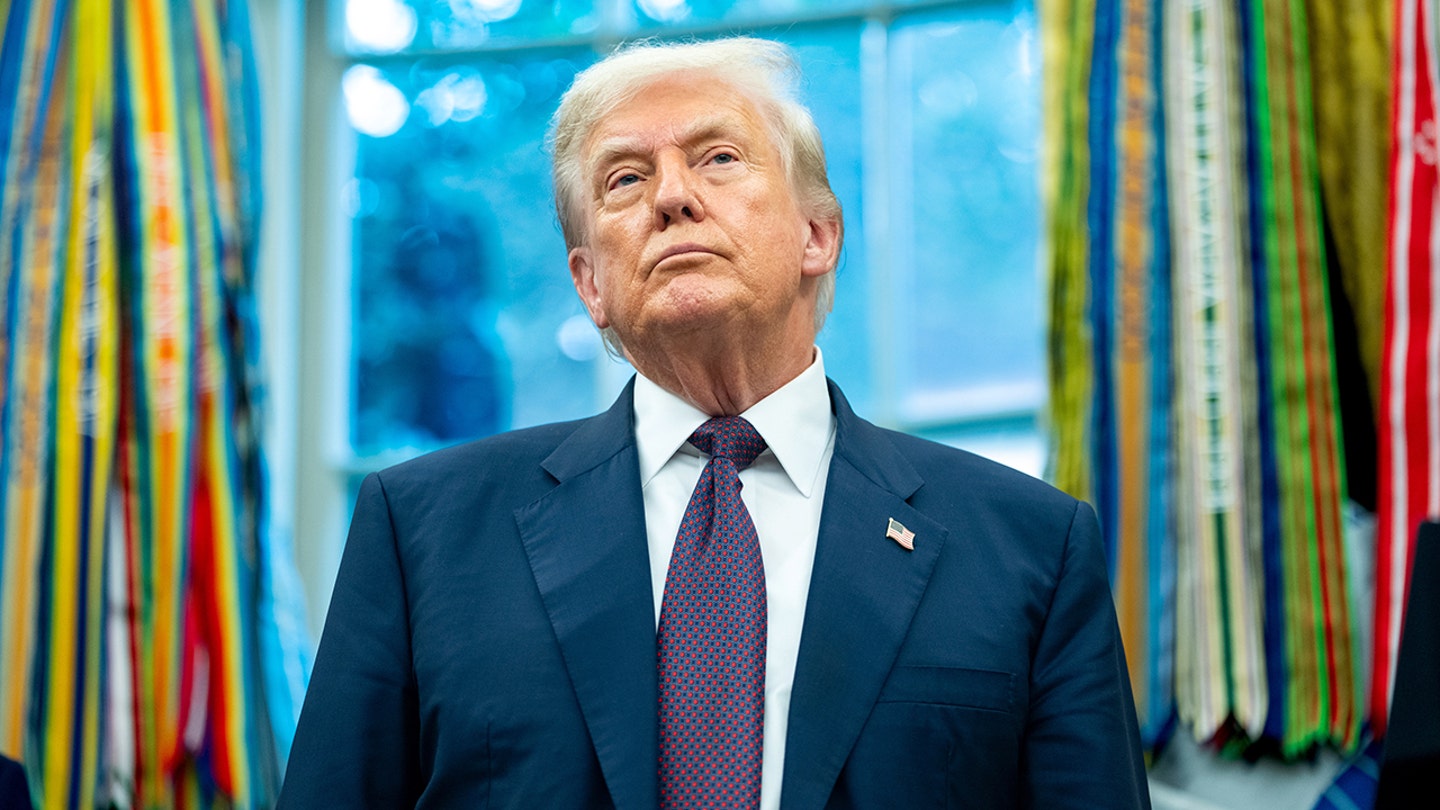
Democrats doubt Trump will secure Ukraine cease-fire in Alaska summit with Putin
Entities mentioned:
- Congressional Democrats: Wariness, Skepticism, Duty
- President Donald Trump: Ambition, Legacy, Power
- Russian President Vladimir Putin: Power, Control, Self-preservation
- Sen. Mark Warner: Wariness, Duty, Security
- House Minority Leader Hakeem Jeffries: Wariness, Duty, Justice
- Sen. Jeanne Shaheen: Skepticism, Duty, Wariness
- Sen. Lindsey Graham: Righteousness, Duty, Justice
- Sen. Richard Blumenthal: Justice, Security, Wariness
Article Assessment:
Credibility Score: 75/100
Bias Rating: 45/100 (Center)
Sentiment Score: 35/100
Authoritarianism Risk: 25/100 (Generally Democratic)
Bias Analysis:
The article presents views from multiple Democratic sources, but also includes Trump's perspective. It maintains a relatively balanced tone, presenting different viewpoints without overtly favoring one side.
Key metric: US Diplomatic Influence
As a social scientist, I analyze that this article highlights the complex dynamics surrounding US-Russia relations and the ongoing conflict in Ukraine. The skepticism expressed by Congressional Democrats regarding Trump's ability to secure a ceasefire reflects a broader concern about the effectiveness of US diplomacy in this high-stakes situation. The article suggests a potential shift in Trump's approach to Putin, which could impact US diplomatic influence. However, the Democrats' wariness indicates a lack of trust in the administration's ability to negotiate effectively with Russia. The proposed sanctions package and the emphasis on not making concessions without Ukraine's involvement demonstrate a desire to maintain a strong stance against Russian aggression. This situation has significant implications for US diplomatic influence, as the outcome of the summit could either strengthen or weaken America's position on the global stage, particularly in relation to dealing with authoritarian regimes and supporting democratic allies.
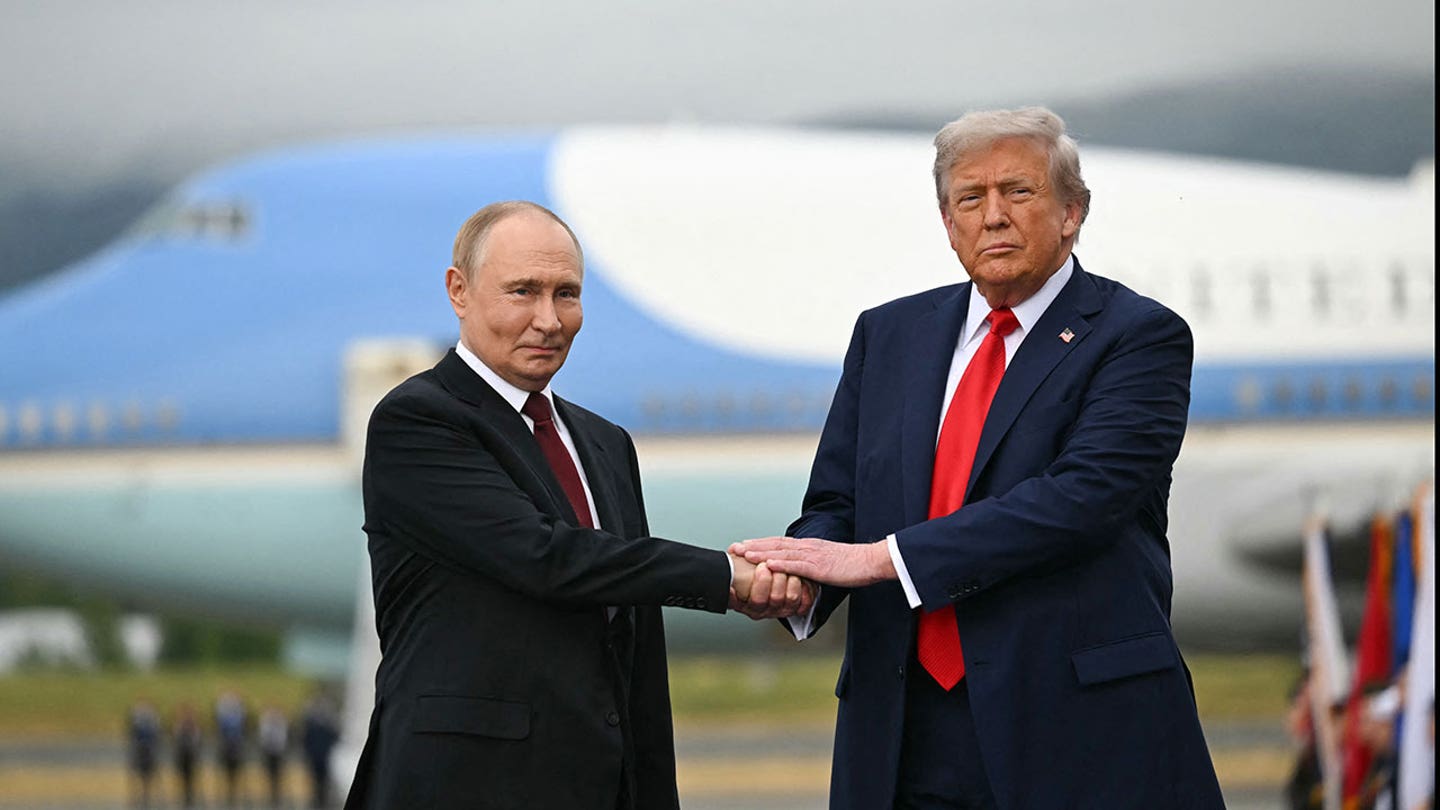
ROBERT MAGINNIS: What comes next for US, Russia and Ukraine after Alaska summit
Entities mentioned:
- Donald Trump: Power, Recognition, Legacy
- Vladimir Putin: Control, Power, Self-preservation
- Volodymyr Zelenskyy: Determination, Justice, Unity
- United States: Influence, Security, Power
- Russia: Control, Power, Self-preservation
- Ukraine: Self-preservation, Freedom, Justice
- NATO: Unity, Security, Influence
- China: Power, Influence, Wariness
Article Assessment:
Credibility Score: 75/100
Bias Rating: 55/100 (Center)
Sentiment Score: 45/100
Authoritarianism Risk: 30/100 (Generally Democratic)
Bias Analysis:
The article presents a balanced view of the summit, offering perspectives from multiple sides. While it leans slightly towards a Western viewpoint, it attempts to provide objective analysis of all parties' motivations and potential outcomes.
Key metric: International Diplomatic Influence
As a social scientist, I analyze that this summit represents a critical juncture in U.S.-Russia relations and the ongoing Ukraine conflict. The meeting, while not producing concrete agreements, establishes a foundation for potential future negotiations. The careful choreography and symbolism of the event underscore its significance in global diplomacy. The article highlights the delicate balance between pursuing peace and maintaining a strong negotiating position, particularly for the U.S. and Ukraine. The emphasis on sanctions as a key leverage point suggests that economic pressure remains a primary tool in international conflict resolution. The involvement of multiple stakeholders, including NATO and European allies, indicates the complex, interconnected nature of this geopolitical situation. The article also points to the broader implications of these negotiations, particularly in terms of global power dynamics and the potential impact on other international actors like China. The analysis provides a nuanced view of the challenges ahead, emphasizing the need for rigorous verification mechanisms and sustained diplomatic efforts.

DC police to share information with federal immigration officers
Entities mentioned:
- Pamela Smith (DC Police Chief): Duty, Obligation, Security
- Donald Trump: Control, Power, Security
- ICE: Duty, Security, Control
- Muriel Bowser (DC Mayor): Self-preservation, Security, Wariness
- Karoline Leavitt (White House Press Secretary): Duty, Loyalty, Control
- Kristi Noem (DHS Secretary): Security, Control, Righteousness
Article Assessment:
Credibility Score: 70/100
Bias Rating: 55/100 (Center)
Sentiment Score: 40/100
Authoritarianism Risk: 65/100 (Authoritarian Tendencies)
Bias Analysis:
The article presents multiple viewpoints, including those of local and federal officials. However, there's slightly more emphasis on perspectives supporting the policy change, suggesting a slight lean towards the center-right.
Key metric: Immigration Enforcement Effectiveness
As a social scientist, I analyze that this executive order represents a significant shift in DC's approach to immigration enforcement cooperation. The policy change aligns local law enforcement more closely with federal immigration efforts, potentially increasing deportations and altering the city's previous sanctuary status. This could lead to increased tensions between local communities and law enforcement, potentially impacting public safety and community trust. The move also highlights the growing federal influence over local policing in DC, raising questions about local autonomy and the balance of power between federal and municipal authorities. The change may result in more effective immigration enforcement from a federal perspective, but could also lead to unintended consequences such as decreased crime reporting from immigrant communities and potential civil rights concerns.
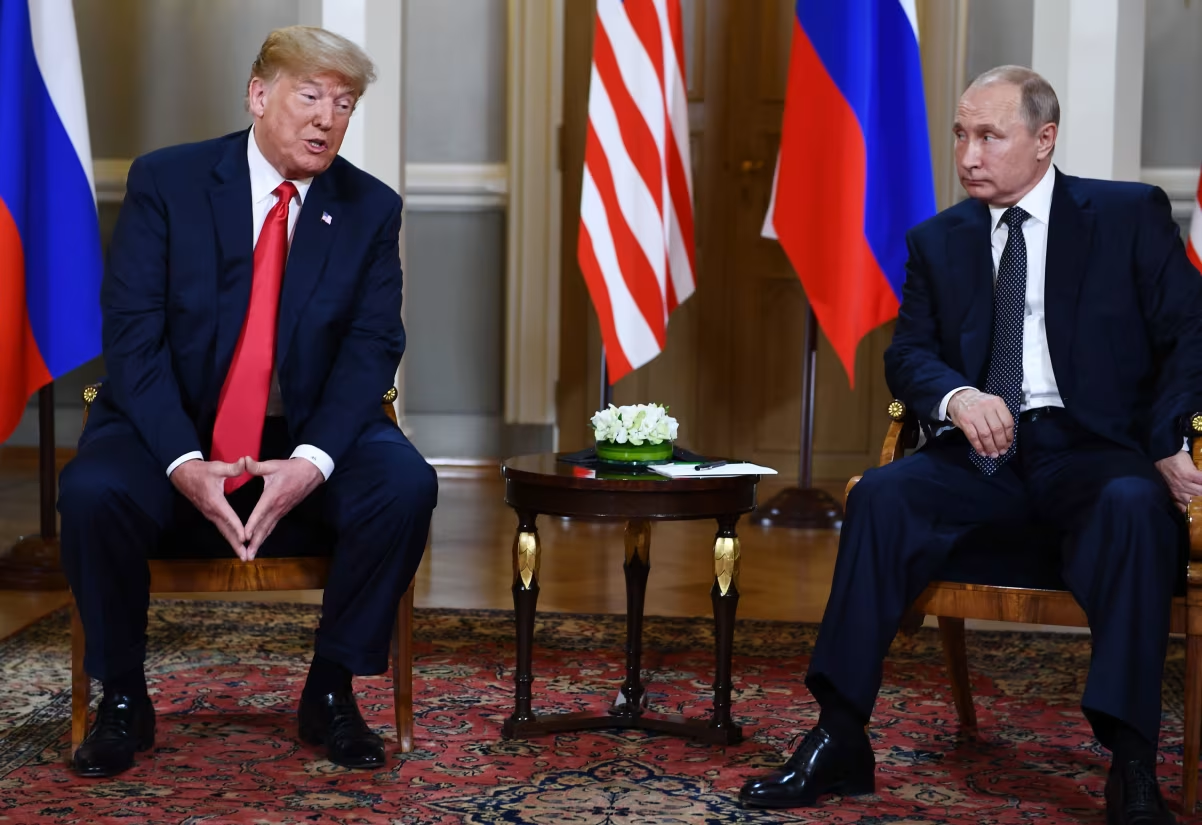
Fooled by Putin again? Trump’s rhetoric suggests he could be
Entities mentioned:
- Donald Trump: Power, Recognition, Legacy
- Vladimir Putin: Control, Power, Influence
- Karoline Leavitt: Duty, Loyalty, Professional pride
- Marco Rubio: Duty, Professional pride, Influence
- Volodymyr Zelensky: Self-preservation, Unity, Justice
- Melania Trump: Loyalty, Self-preservation, Wariness
Article Assessment:
Credibility Score: 75/100
Bias Rating: 35/100 (Lean Left)
Sentiment Score: 30/100
Authoritarianism Risk: 25/100 (Generally Democratic)
Bias Analysis:
The article leans slightly left, evidenced by its critical tone towards Trump's handling of Putin and Russia. While it presents factual information, the framing and language choices suggest a skeptical view of Trump's diplomatic abilities.
Key metric: International Relations and Diplomacy
As a social scientist, I analyze that this article highlights the complex dynamics of US-Russia relations, particularly focusing on President Trump's approach to diplomacy with Vladimir Putin. The article suggests that Trump's rhetoric and actions regarding Putin have been inconsistent and potentially naive, raising concerns about his ability to negotiate effectively. The frequent shifts in Trump's stance on Putin, from warm praise to criticism, indicate a lack of a coherent strategy in dealing with Russia. This inconsistency could potentially weaken the US position in international diplomacy and affect its relationships with allies. The article also points to a disconnect between Trump's public statements and the realities of the situation in Ukraine, which could undermine US credibility on the global stage. The low public confidence in Trump's ability to make wise decisions about the Ukraine war further compounds these concerns, potentially affecting the US's soft power and diplomatic influence.

What polls show ahead of Friday’s Trump-Putin meeting
Entities mentioned:
- Donald Trump: Power, Influence, Legacy
- Vladimir Putin: Power, Control, Influence
- Americans: Security, Justice, Freedom
- Republicans: Loyalty, Security, Wariness
Article Assessment:
Credibility Score: 75/100
Bias Rating: 45/100 (Center)
Sentiment Score: 35/100
Authoritarianism Risk: 25/100 (Generally Democratic)
Bias Analysis:
The article presents data from multiple reputable polling sources and offers balanced commentary. While it focuses more on Republican shifts, it also provides overall American sentiment, maintaining a relatively centrist perspective.
Key metric: US Foreign Policy Effectiveness
As a social scientist, I analyze that this article highlights a significant shift in American public opinion, particularly among Republicans, regarding the Ukraine-Russia conflict. The data from multiple polls suggests an increasing hawkish stance towards Russia and greater support for Ukraine. This shift poses challenges for Trump's historically softer approach to Putin, potentially impacting US foreign policy effectiveness. The article indicates that Trump's recent criticism of Putin has somewhat aligned him with the changing Republican sentiment, but there remains skepticism about his ability to effectively manage the relationship with Russia. This evolving public opinion could pressure the administration to adopt a firmer stance against Russia, potentially influencing diplomatic strategies and international alliances.
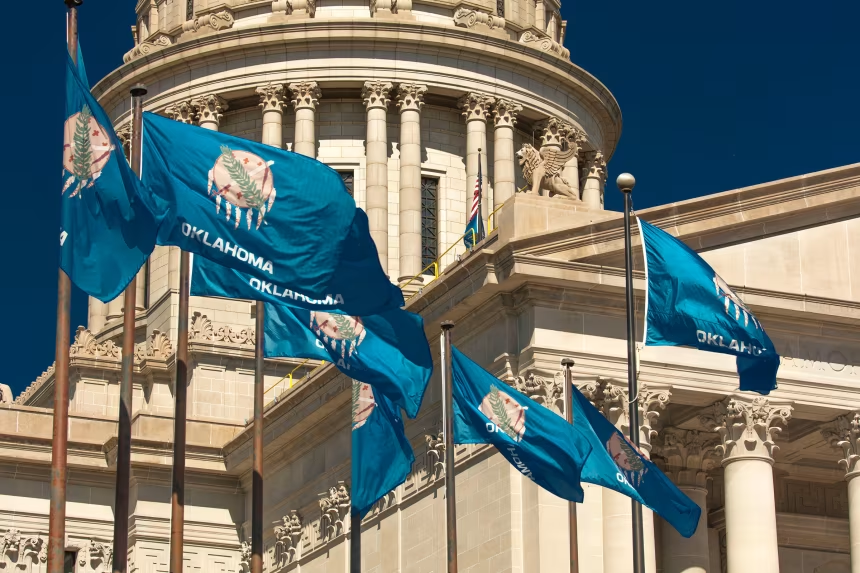
Exclusive: Oklahoma to begin controversial test to weed out ‘woke’ teacher applicants today
Entities mentioned:
- Ryan Walters: Control, Righteousness, Moral outrage
- PragerU: Influence, Righteousness, Power
- Oklahoma State Department of Education: Control, Loyalty, Righteousness
- Jonathan Zimmerman: Professional pride, Wariness, Curiosity
- Marissa Streit: Influence, Righteousness, Professional pride
- John Waldron: Indignation, Professional pride, Duty
- Donald Trump: Power, Influence, Recognition
Article Assessment:
Credibility Score: 65/100
Bias Rating: 55/100 (Center)
Sentiment Score: 30/100
Authoritarianism Risk: 70/100 (Authoritarian Tendencies)
Bias Analysis:
The article presents multiple viewpoints, including critics of the assessment, but gives more space to Walters' perspective. The framing suggests skepticism towards the assessment, but attempts to maintain a balanced approach.
Key metric: Education Quality and Teacher Retention
As a social scientist, I analyze that this controversial assessment for teacher applicants in Oklahoma represents a significant shift in the politicization of education. The use of PragerU, a conservative media company, to develop this assessment raises concerns about the objectivity and educational validity of the test. This move could potentially impact teacher recruitment and retention, especially for those from more liberal states, potentially exacerbating Oklahoma's existing teacher shortage. The assessment's focus on ideological alignment rather than pedagogical skills or subject matter expertise may have long-term implications for the quality of education in the state. Furthermore, this development signifies a broader trend of injecting partisan politics into educational policy, which could lead to increased polarization in the education system and potentially limit diverse perspectives in classrooms.