
Watchdog Group Downgrades U.S. From Democracy To Whatever Political System Lobsters Have
Entities mentioned:
- Freedom House: Duty, Justice, Influence
- Alan Beaumont: Professional pride, Wariness, Influence
- United States: Power, Control, Freedom
- El Salvador: Control, Power, Self-preservation
Article Assessment:
Credibility Score: 45/100
Bias Rating: 30/100 (Lean Left)
Sentiment Score: 25/100
Authoritarianism Risk: 20/100 (Strongly Democratic)
Bias Analysis:
The article leans left, critiquing perceived failures in American democracy. It uses exaggerated comparisons and focuses on negative aspects of governance, suggesting a liberal perspective critical of current political trends.
Key metric: Democracy Index
As a social scientist, I analyze that this satirical article uses absurdist humor to critique the perceived decline of American democracy. The comparison to lobster and crustacean political systems serves as a metaphor for chaos and regression in governance. The article implies a significant deterioration in democratic processes, civil liberties, and the balance of power in the U.S. government. While humorous, it reflects genuine concerns about democratic backsliding and the health of American political institutions. The mention of El Salvador suggests a broader trend of declining democracy globally. This satire may impact public perception of American democracy and potentially influence political engagement and trust in institutions.

Trump law will cut food stamps for 2.4 million people as work rules widen
Entities mentioned:
- Donald Trump: Power, Control, Influence
- Republican lawmakers: Righteousness, Fiscal responsibility, Control
- Congressional Budget Office (CBO): Duty, Professional pride, Objectivity
- Food Research & Action Center: Justice, Moral outrage, Advocacy
- Robert F Kennedy Jr: Righteousness, Public health, Control
Article Assessment:
Credibility Score: 75/100
Bias Rating: 40/100 (Lean Left)
Sentiment Score: 30/100
Authoritarianism Risk: 45/100 (Mixed/Neutral)
Bias Analysis:
The article leans slightly left in its framing, emphasizing the negative impacts of the policy on vulnerable populations. While it includes data from the non-partisan CBO, the selection of quotes and perspectives tends to be critical of the policy changes.
Key metric: Poverty Rate
As a social scientist, I analyze that this policy change will likely increase the poverty rate in the United States. The expansion of work requirements for SNAP benefits to include parents, older adults, and veterans will result in 2.4 million fewer Americans receiving food assistance. This reduction in benefits disproportionately affects lower-income households, potentially pushing more families into food insecurity and poverty. The CBO's estimate that resources will decrease for households at the bottom of the income distribution while increasing for middle and higher-income households suggests a widening of income inequality. This policy shift may lead to increased strain on local food banks and other social services, potentially offsetting any federal savings with increased costs at the state and local levels. The long-term consequences could include negative impacts on public health, child development, and economic mobility for affected families.

‘It felt like a scene from The Handmaid’s Tale’: US comics on the dangers of political satire
Entities mentioned:
- Jena Friedman: Freedom, Justice, Professional pride
- Michelle Wolf: Professional pride, Freedom, Determination
- Sam Jay: Curiosity, Unity, Professional pride
- Donald Trump: Power, Control, Recognition
- US Immigration and Customs Enforcement: Control, Security, Duty
- Stephen Colbert: Justice, Professional pride, Freedom
- Jon Stewart: Justice, Freedom, Professional pride
Article Assessment:
Credibility Score: 75/100
Bias Rating: 35/100 (Lean Left)
Sentiment Score: 35/100
Authoritarianism Risk: 25/100 (Generally Democratic)
Bias Analysis:
The article leans left, presenting perspectives critical of the Trump administration and conservative policies. It primarily features liberal-leaning comedians and their concerns, with limited counterbalancing viewpoints.
Key metric: Freedom of Speech Index
As a social scientist, I analyze that this article highlights growing concerns about freedom of speech and political satire in the United States, particularly in the context of comedy. The experiences of comedians like Jena Friedman, Michelle Wolf, and Sam Jay reflect a perceived 'chill' in the industry regarding political comedy. Their encounters with border control, decisions to live abroad, and careful considerations about content suggest a climate of wariness and self-censorship. The cancellation of Stephen Colbert's show and Jon Stewart's comments further underscore industry-wide concerns about the suppression of critical voices. This situation potentially impacts the Freedom of Speech Index by indicating a trend towards self-censorship and institutional pressure on political commentary, which could lead to a decline in open discourse and satirical expression in the United States.

US court says Trump’s Doge team can access social security numbers and other sensitive data
Entities mentioned:
- Trump administration: Control, Power, Efficiency
- Department of Government Efficiency (Doge): Efficiency, Control, Power
- Unions: Self-preservation, Security, Privacy
- US appeals court: Duty, Justice, Obligation
- Donald Trump: Power, Control, Efficiency
- Elon Musk: Ambition, Influence, Efficiency
Article Assessment:
Credibility Score: 75/100
Bias Rating: 45/100 (Center)
Sentiment Score: 35/100
Authoritarianism Risk: 65/100 (Authoritarian Tendencies)
Bias Analysis:
The article presents a relatively balanced view, including perspectives from both sides of the issue. However, there's a slight lean towards emphasizing the concerns of the unions and potential privacy issues, which may indicate a subtle center-left bias.
Key metric: Government Efficiency and Transparency
As a social scientist, I analyze that this court decision represents a significant shift in the balance between government efficiency efforts and individual privacy concerns. The ruling allows the Trump administration's Doge team to access sensitive personal data, potentially impacting millions of Americans. This move towards centralized data access could lead to increased government efficiency, but it also raises serious privacy and security concerns. The court's decision suggests a prioritization of administrative streamlining over potential privacy risks, which could have long-term implications for how personal data is handled in government systems. The conflict between unions and the administration highlights the tension between workforce protection and government downsizing initiatives. This case also demonstrates the ongoing debate about the appropriate scope and power of unofficial government teams like Doge in accessing and utilizing sensitive information.
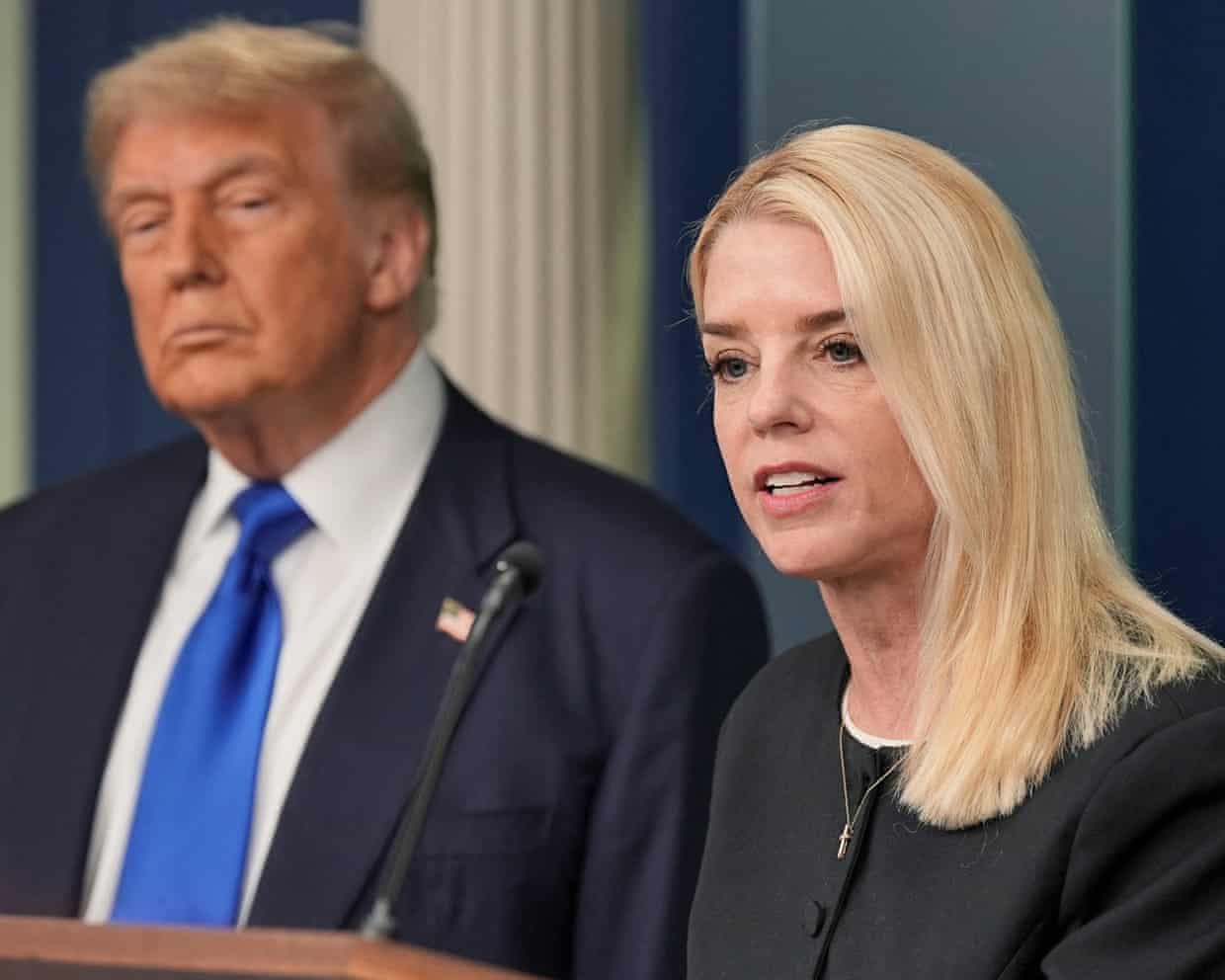
Trump officials move to punish lawyer who tried to block client’s deportation
Entities mentioned:
- Joshua Schroeder: Justice, Duty, Professional pride
- US Department of Justice: Control, Power, Righteousness
- Trump administration: Control, Power, Righteousness
- Donald Trump: Power, Control, Ambition
Article Assessment:
Credibility Score: 75/100
Bias Rating: 35/100 (Lean Left)
Sentiment Score: 25/100
Authoritarianism Risk: 70/100 (Authoritarian Tendencies)
Bias Analysis:
The article leans left in its framing, portraying the government's actions negatively and emphasizing potential threats to legal representation. While it includes some government perspective, the overall tone is sympathetic to Schroeder and critical of the administration's approach.
Key metric: Rule of Law Index
As a social scientist, I analyze that this case demonstrates a potential erosion of the Rule of Law Index in the United States. The Trump administration's attempt to sanction an attorney for defending his client's rights could have a chilling effect on legal representation in immigration cases. This action may discourage lawyers from vigorously defending their clients, potentially undermining due process and access to justice. The use of government power to target individual attorneys who challenge deportation orders could be seen as an attempt to consolidate executive power over the judicial system, particularly in immigration matters. This trend, if continued, could significantly impact the independence of the legal profession and the overall strength of the rule of law in the country.

US judge orders Trump administration to restore part of UCLA’s frozen funding
Entities mentioned:
- Trump administration: Control, Power, Influence
- UCLA: Self-preservation, Freedom, Justice
- US judge: Justice, Duty, Professional pride
Article Assessment:
Credibility Score: 70/100
Bias Rating: 35/100 (Lean Left)
Sentiment Score: 45/100
Authoritarianism Risk: 35/100 (Generally Democratic)
Bias Analysis:
The article leans slightly left, evident in the framing of Trump administration actions as contentious. However, it reports on a factual court decision without overtly partisan language.
Key metric: Rule of Law Index
As a social scientist, I analyze that this article highlights a tension between executive power and judicial oversight. The Trump administration's attempt to freeze UCLA's funding, likely for political reasons, was partially reversed by a federal judge. This judicial intervention demonstrates the checks and balances system at work, but also indicates potential executive overreach. The case impacts the Rule of Law Index by showcasing the judiciary's role in limiting executive actions that may be politically motivated or legally questionable. It underscores the importance of an independent judiciary in maintaining democratic norms and protecting institutions from political interference.
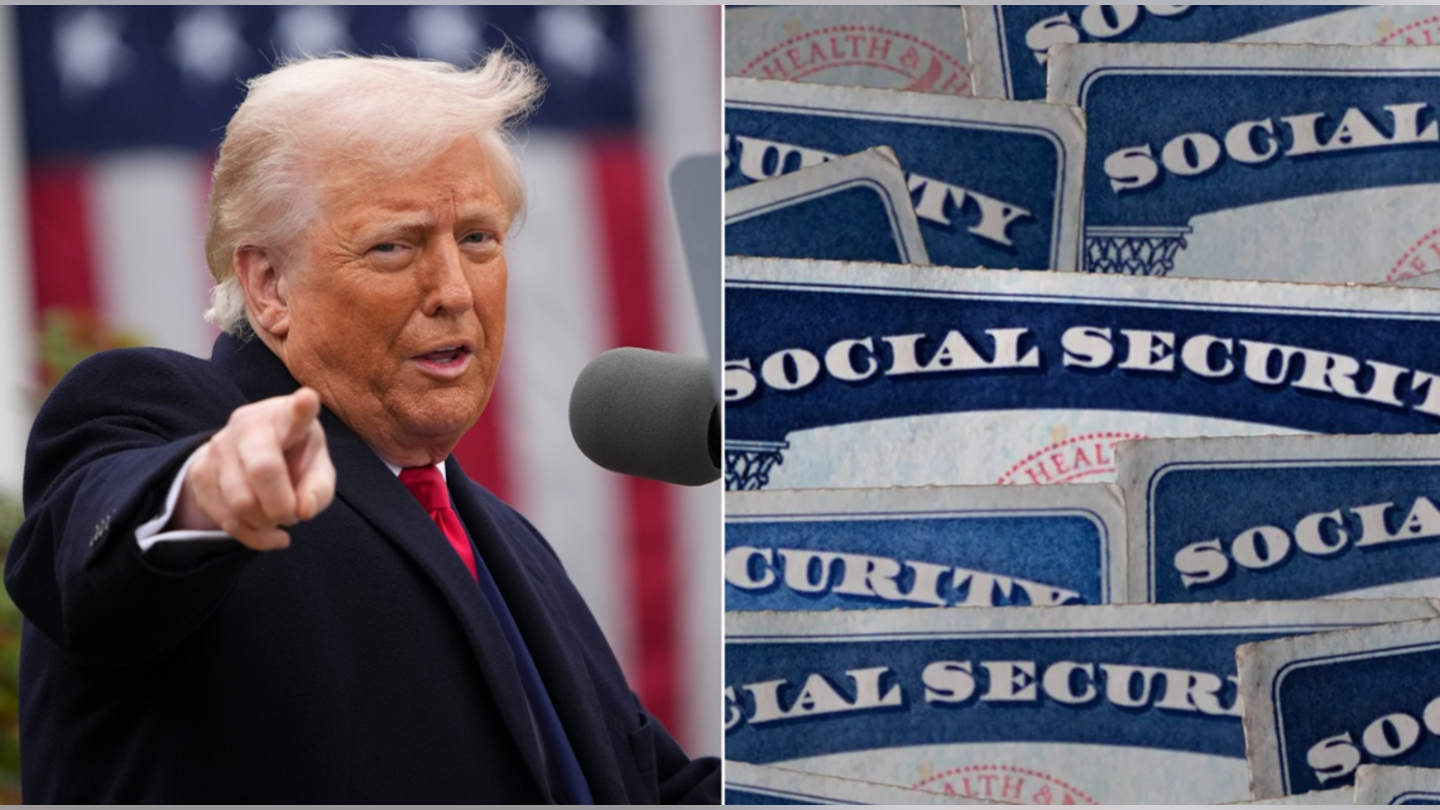
EXCLUSIVE: Trump touts 'zero tax' benefits for majority of seniors on social security’s 90th anniversary
Entities mentioned:
- Donald Trump: Legacy, Influence, Recognition
- Franklin D. Roosevelt: Legacy, Justice, Unity
- Social Security Administration: Duty, Professional pride, Security
- Democrats: Moral outrage, Justice, Security
- Republicans: Competitive spirit, Loyalty, Control
- Liz Huston: Loyalty, Duty, Influence
Article Assessment:
Credibility Score: 55/100
Bias Rating: 75/100 (Lean Right)
Sentiment Score: 70/100
Authoritarianism Risk: 35/100 (Generally Democratic)
Bias Analysis:
The article heavily relies on Trump administration sources and presents their claims without significant counterbalance. It frames criticisms as 'Democrats flail and peddle lies,' indicating a clear right-leaning perspective.
Key metric: Social Security Program Effectiveness
As a social scientist, I analyze that this article presents a complex interplay between political messaging and social policy. The Trump administration is framing its actions as strengthening Social Security, emphasizing reduced wait times, technological improvements, and tax benefits for seniors. This narrative aims to counter Democratic criticisms and position Trump as a protector of the program. The focus on the 90th anniversary serves as a rhetorical device to connect current policies with the program's historical significance. However, the article primarily presents the administration's perspective, lacking a balanced presentation of opposing viewpoints or independent analysis of the claims made. The emphasis on 'zero tax' benefits and service improvements suggests a strategy to appeal to older voters, a crucial demographic in elections. The article's reliance on administration sources and lack of external expert opinions limits its comprehensive analysis of the actual impact on Social Security's long-term sustainability.
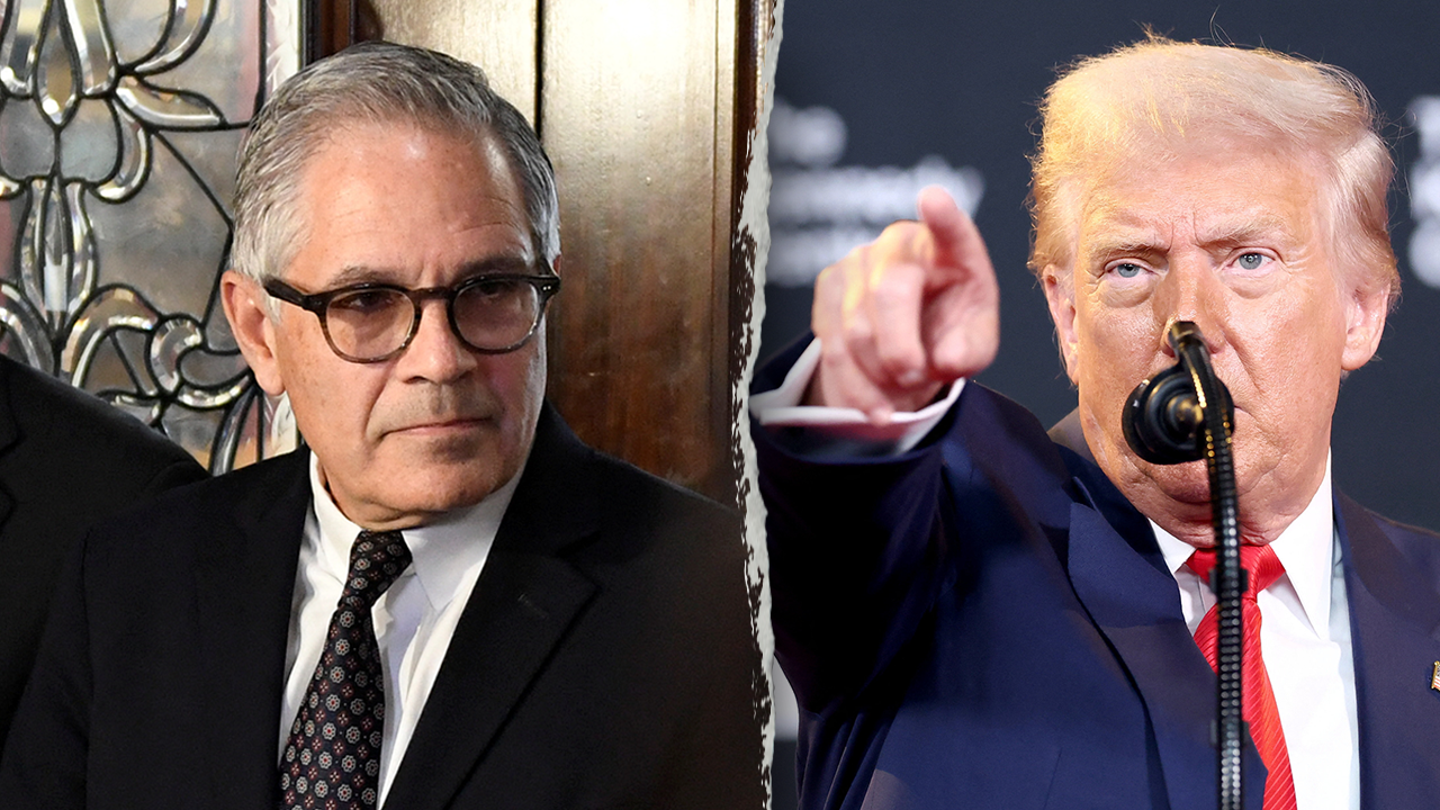
White House blasts far-left DA's warning that Trump 'better not try' DC-style takeover 'in Philly
Entities mentioned:
- White House: Control, Justice, Security
- Larry Krasner: Moral outrage, Righteousness, Justice
- Donald Trump: Power, Control, Influence
- Abigail Jackson: Loyalty, Professional pride, Duty
- George Soros: Influence, Ideology, Power
- Patrick Dugan: Justice, Ambition, Duty
- Bob Brady: Loyalty, Control, Unity
Article Assessment:
Credibility Score: 65/100
Bias Rating: 70/100 (Lean Right)
Sentiment Score: 30/100
Authoritarianism Risk: 45/100 (Mixed/Neutral)
Bias Analysis:
The article leans right, evidenced by its framing of the DA as 'far-left' and 'Soros-backed', terms often used critically by conservative media. It gives more space to White House criticism of Krasner than to Krasner's own statements, suggesting a rightward slant.
Key metric: Crime Rate
As a social scientist, I analyze that this article highlights the tension between federal and local approaches to crime management. The conflict between the White House and Philadelphia's DA represents a broader ideological divide on criminal justice reform. This impacts the crime rate metric by potentially influencing law enforcement strategies and resource allocation. The contrasting claims about Philadelphia's crime statistics underscore the politicization of crime data and its use in shaping public perception and policy. The article also touches on themes of democratic values and the balance of power between different levels of government, which could have long-term implications for crime management approaches.

‘Living laboratory’: Trump admin urged to look to South America for lessons on fighting migrant gangs
Entities mentioned:
- José Gustavo Arocha: Professional pride, Security, Influence
- Trump administration: Security, Control, Righteousness
- Kristi Noem: Ambition, Security, Duty
- Biden administration: Unity, Obligation, Justice
- Tren de Aragua: Power, Greed, Control
- Nicolás Maduro: Power, Control, Greed
- Chilean government: Security, Justice, Control
- Ecuadorian government: Security, Justice, Control
- Colombian government: Unity, Obligation, Wariness
Article Assessment:
Credibility Score: 65/100
Bias Rating: 70/100 (Lean Right)
Sentiment Score: 30/100
Authoritarianism Risk: 55/100 (Mixed/Neutral)
Bias Analysis:
The article leans right, evidenced by its favorable portrayal of Trump-era policies and critical stance on the Biden administration's approach to immigration. The primary source is a former military officer advocating for stricter border control, which aligns with conservative viewpoints.
Key metric: National Security Index
As a social scientist, I analyze that this article highlights the complex interplay between immigration policies, transnational crime, and national security. The focus on South American countries' responses to migrant gangs, particularly Tren de Aragua, serves as a comparative case study for potential U.S. strategies. The article emphasizes the importance of swift, coordinated action across government agencies, as demonstrated by Chile and Ecuador's approaches. It also warns against open border policies without proper vetting and enforcement mechanisms, using Colombia as a cautionary example. The framing of these issues suggests that a more aggressive, security-focused approach to immigration and border control is necessary to combat transnational crime effectively. This perspective aligns with the Trump administration's stance on immigration and security, potentially influencing public opinion and policy decisions regarding border control and law enforcement strategies in the United States.

Beto O'Rourke compares 2025 America to 1933 Germany and 'can only imagine the history books'
Entities mentioned:
- Beto O'Rourke: Moral outrage, Righteousness, Fear
- Gavin Newsom: Influence, Ambition, Unity
- Ken Paxton: Justice, Control, Duty
- Texas Democrats: Determination, Righteousness, Self-preservation
- Republicans: Power, Control, Loyalty
- Donald Trump: Power, Control, Recognition
- John Cornyn: Justice, Duty, Loyalty
Article Assessment:
Credibility Score: 65/100
Bias Rating: 65/100 (Lean Right)
Sentiment Score: 25/100
Authoritarianism Risk: 40/100 (Generally Democratic)
Bias Analysis:
The article leans right, focusing more on O'Rourke's controversial statements and including criticism from Republican sources. While it presents O'Rourke's views, it does not provide balancing perspectives or context for his comparisons.
Key metric: Political Polarization Index
As a social scientist, I analyze that this article highlights the increasing political polarization in the United States. O'Rourke's comparison of contemporary America to 1933 Germany demonstrates an extreme view of the political opposition, which can further deepen divisions. The invocation of Nazi Germany in modern political discourse is a sign of heightened tensions and a breakdown in civil political dialogue. This rhetoric, coming from a prominent political figure, may contribute to a more adversarial and less cooperative political environment, potentially impacting governance and social cohesion. The article also illustrates the ongoing debate about the state of American democracy and the perceived threats to it, which is a significant concern affecting political discourse and public trust in institutions.