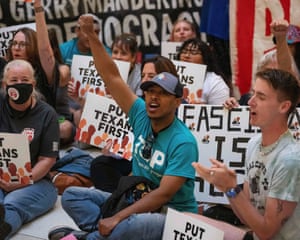
Grand jury declines to indict alleged Washington DC sandwich thrower
Entities mentioned:
- NAACP: Justice, Righteousness, Influence
- Donald Trump: Power, Control, Revenge
- Harvard University: Self-preservation, Professional pride, Legacy
- Federal Reserve: Independence, Professional pride, Duty
- Lisa Cook: Self-preservation, Professional pride, Justice
- Elon Musk: Influence, Power, Recognition
- Gavin Newsom: Ambition, Competitive spirit, Influence
Article Assessment:
Credibility Score: 70/100
Bias Rating: 35/100 (Lean Left)
Sentiment Score: 30/100
Authoritarianism Risk: 55/100 (Mixed/Neutral)
Bias Analysis:
The article leans slightly left in its framing, giving more space to criticisms of Trump and Republican actions. While it covers various topics, there's a noticeable emphasis on Trump's controversial moves and Democratic responses.
Key metric: Political Polarization Index
As a social scientist, I analyze that this article highlights increasing political tensions and polarization in the United States. The multiple lawsuits, conflicts between the Trump administration and various entities (including the Federal Reserve), and the racial redistricting issues all point to deepening divides in American politics. The attempts to influence key institutions like the Federal Reserve and redraw congressional maps suggest a struggle for power and control over democratic processes. This heightened conflict and the undermining of institutional independence could lead to increased political polarization, potentially affecting governance, policy-making, and public trust in democratic institutions.
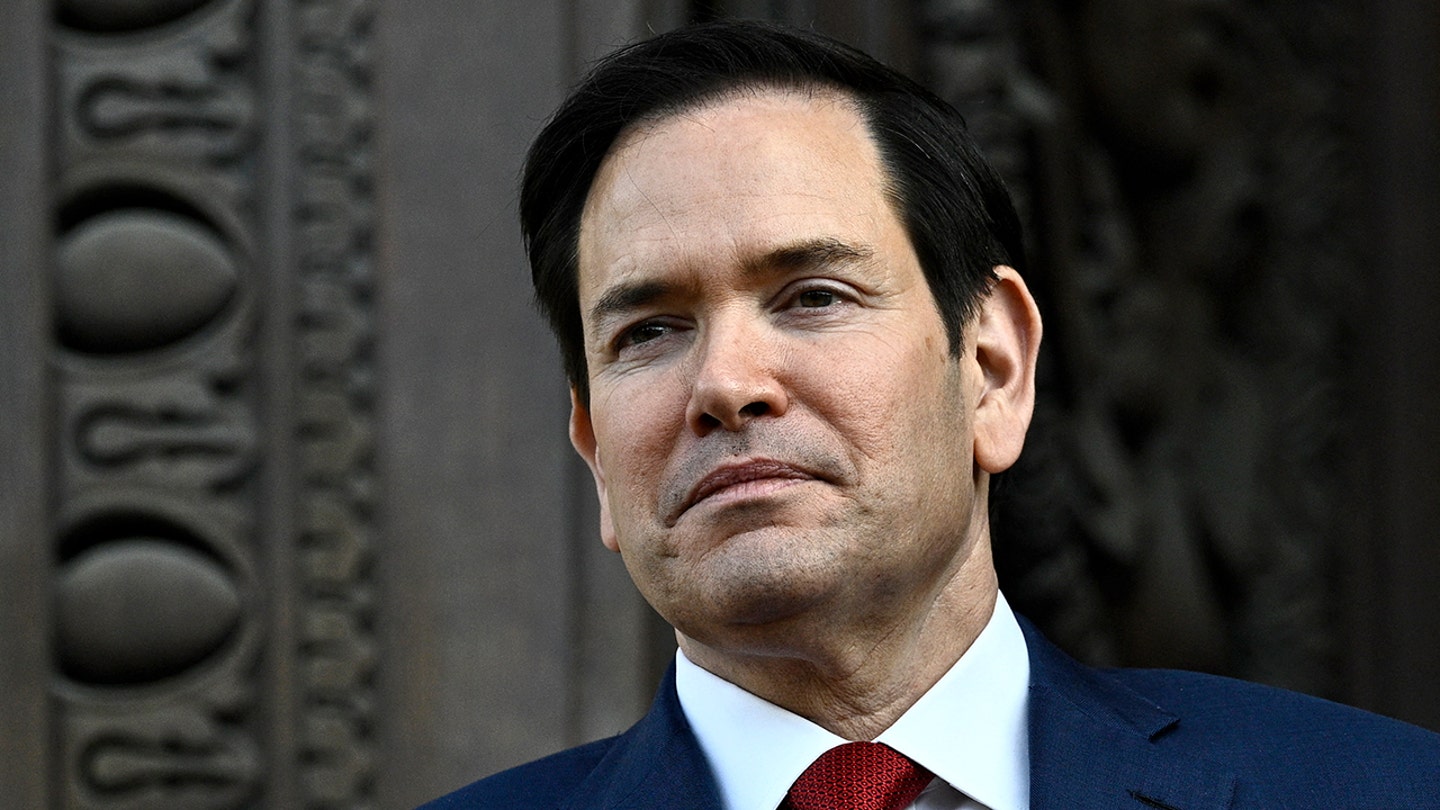
House Democrats call on Rubio to allow injured children from Gaza into US following visa halt
Entities mentioned:
- House Democrats: Moral outrage, Justice, Compassion
- Trump administration: Security, Control, Wariness
- Marco Rubio: Security, Duty, Wariness
- State Department: Security, Control, Duty
- Hamas: Power, Control, Influence
- Israeli government: Security, Control, Self-preservation
Article Assessment:
Credibility Score: 75/100
Bias Rating: 40/100 (Lean Left)
Sentiment Score: 35/100
Authoritarianism Risk: 45/100 (Mixed/Neutral)
Bias Analysis:
The article leans slightly left, giving more space to Democratic concerns and humanitarian arguments. While it includes Rubio's perspective, it frames the visa halt more critically and emphasizes the potential negative impact on children needing medical care.
Key metric: US Foreign Policy Effectiveness
As a social scientist, I analyze that this article highlights a conflict between humanitarian concerns and national security interests in US foreign policy. The decision to halt visas for Gaza residents, including children needing medical care, demonstrates a prioritization of security concerns over humanitarian aid. This policy shift could impact the US's global image and its ability to balance hard and soft power in international relations. The congressional pushback indicates internal disagreement on the appropriate balance between security and humanitarian considerations, which could lead to policy adjustments. The situation also underscores the complex interplay between domestic politics, international relations, and humanitarian issues in US foreign policy decision-making.

81% of Americans see crime as a 'major problem' in big cities, new poll shows
Entities mentioned:
- Donald Trump: Power, Control, Recognition
- American Public: Security, Fear, Justice
- Pam Bondi: Duty, Professional pride, Control
- Iris Tao: Security, Self-preservation, Recognition
- Anna Giaritelli: Justice, Security, Moral outrage
- Gregg Pemberton: Professional pride, Security, Control
Article Assessment:
Credibility Score: 65/100
Bias Rating: 75/100 (Lean Right)
Sentiment Score: 30/100
Authoritarianism Risk: 70/100 (Authoritarian Tendencies)
Bias Analysis:
The article leans right, evidenced by its focus on Trump's actions and positive framing of his crime policies. It predominantly features perspectives supporting Trump's approach, with limited counterbalancing views.
Key metric: Crime Rate
As a social scientist, I analyze that this article highlights a significant public concern over crime rates in major US cities, with a strong emphasis on the Trump administration's approach to law enforcement. The poll data suggests widespread anxiety about crime across political affiliations, though with varying levels of support for Trump's methods. The personal anecdotes and support from law enforcement officials reinforce the narrative of a crime crisis, potentially influencing public perception and policy decisions. The federalization of local police forces represents a significant shift in crime-fighting strategy, which could have far-reaching implications for federal-state relations and civil liberties.
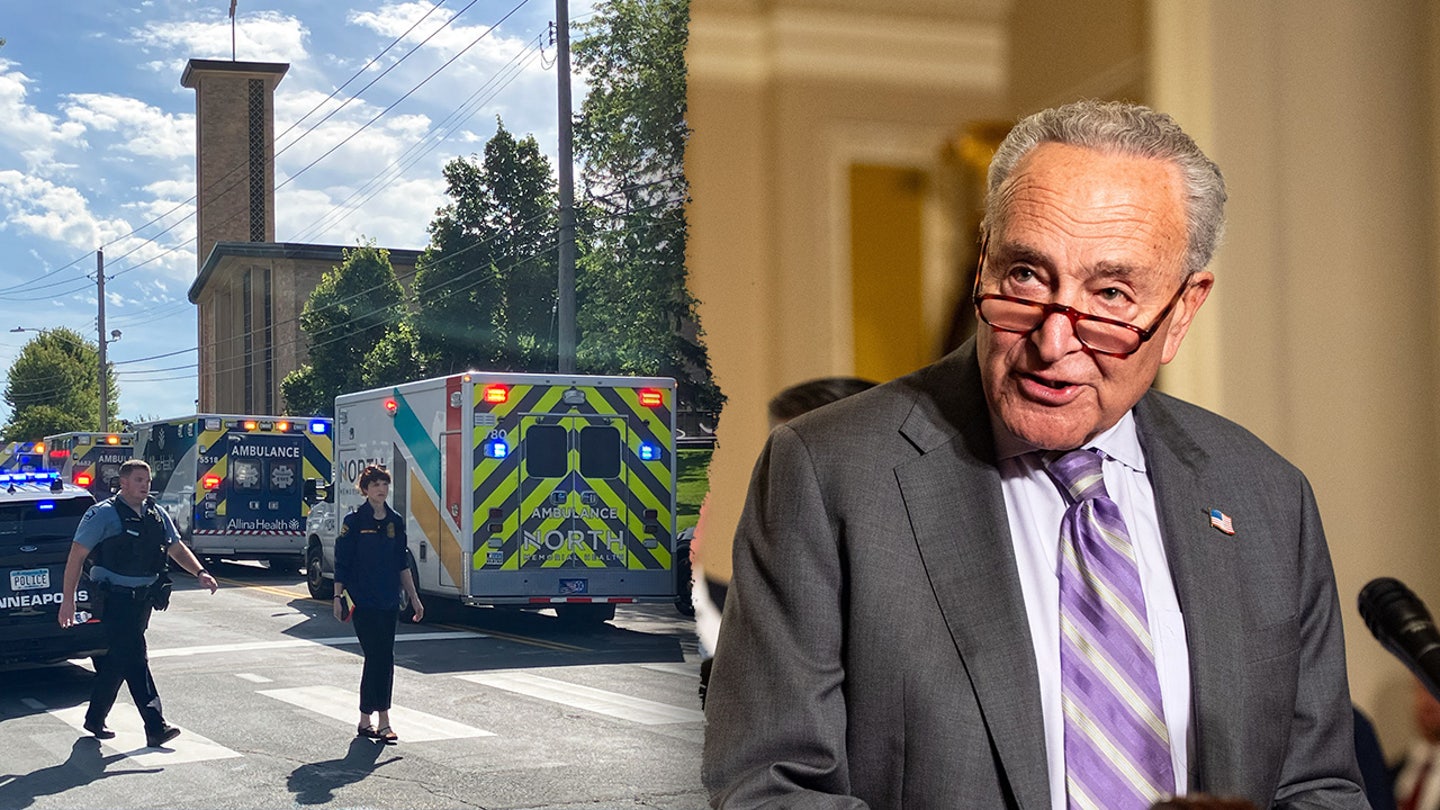
'Weapons of war': Dem lawmakers call for gun control after Minneapolis school shooting
Entities mentioned:
- Chuck Schumer: Moral outrage, Justice, Security
- Hakeem Jeffries: Moral outrage, Security, Justice
- Shri Thanedar: Moral outrage, Justice, Security
- Brian O'Hara: Duty, Security, Professional pride
- Tom Emmer: Duty, Empathy, Security
- Tina Smith: Moral outrage, Security, Empathy
- Amy Klobuchar: Justice, Security, Moral outrage
Article Assessment:
Credibility Score: 75/100
Bias Rating: 45/100 (Center)
Sentiment Score: 25/100
Authoritarianism Risk: 30/100 (Generally Democratic)
Bias Analysis:
The article presents statements from both Democratic and Republican lawmakers, providing a somewhat balanced view. However, there is more emphasis on Democratic calls for gun control, which slightly tilts the perspective.
Key metric: Gun Violence Incidence Rate
As a social scientist, I analyze that this article highlights the immediate political response to a school shooting incident, specifically focusing on calls for gun control from Democratic lawmakers. The shooting at Annunciation Catholic School in Minneapolis has reignited the debate on gun violence and school safety. Democratic leaders are using this tragedy to push for stricter gun control measures, framing it as a public safety and child protection issue. The responses from Republican representatives are more restrained, offering prayers without mentioning policy changes. This polarization reflects the ongoing partisan divide on gun control issues in the United States. The incident's impact on the Gun Violence Incidence Rate is likely to be significant, as school shootings tend to intensify public discourse and potentially influence policy decisions regarding gun control and school safety measures.
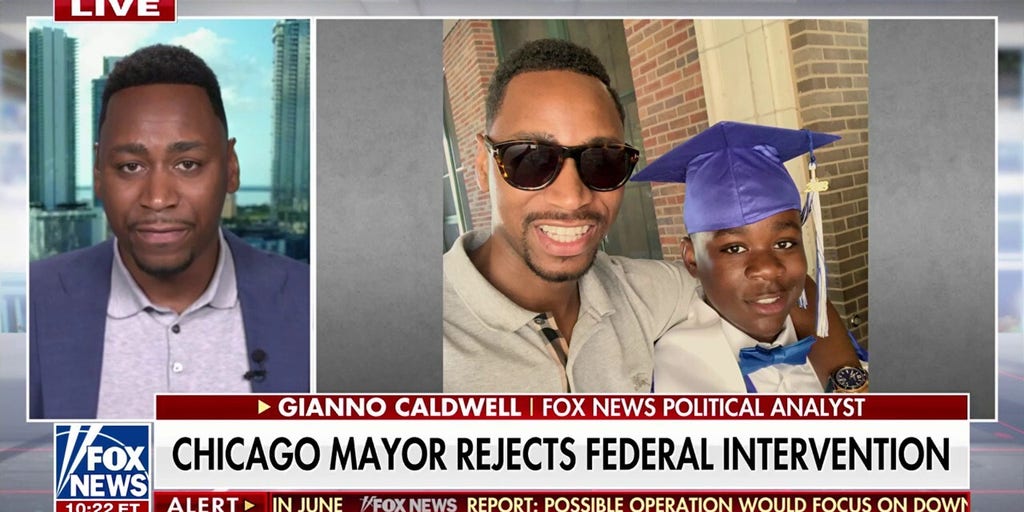
Chicago leaders ‘have a problem with the truth’ about crime: Gianno Caldwell
Entities mentioned:
- Gianno Caldwell: Justice, Moral outrage, Influence
- Jackie Guider: Justice, Moral outrage, Grief
- Chicago leaders: Control, Power, Self-preservation
- Fox News: Influence, Competitive spirit, Recognition
Article Assessment:
Credibility Score: 55/100
Bias Rating: 70/100 (Lean Right)
Sentiment Score: 30/100
Authoritarianism Risk: 35/100 (Generally Democratic)
Bias Analysis:
The article leans right due to its presentation on Fox News and the framing that criticizes city leadership. The use of emotive language and personal stories suggests a narrative that aligns with conservative critiques of urban governance.
Key metric: Violent Crime Rate
As a social scientist, I analyze that this article highlights ongoing concerns about crime in Chicago and suggests a disconnect between official narratives and public perception. The involvement of a political analyst and a victim's mother indicates a push for accountability and change in the city's approach to crime prevention and reporting. The suggestion of potential federal intervention implies a lack of confidence in local leadership's ability to address the issue effectively. This focus on Chicago's crime problem could impact national perceptions of urban safety and governance.
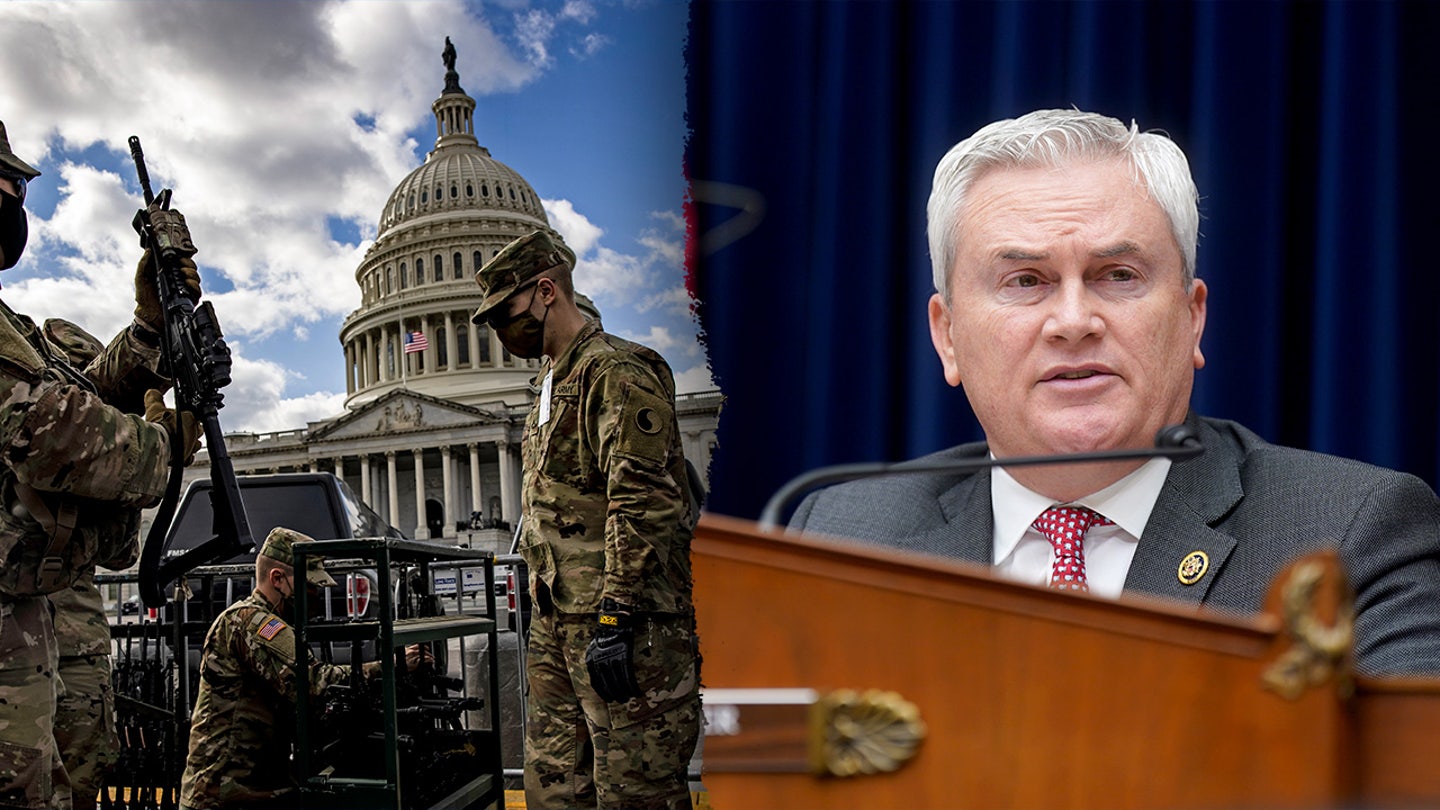
SCOOP: House Republicans ready slew of DC crime bills as Trump promises end to city violence
Entities mentioned:
- House Oversight Committee: Control, Justice, Duty
- President Donald Trump: Power, Control, Legacy
- House Republicans: Loyalty, Control, Security
- D.C. Mayor Muriel Bowser: Self-preservation, Duty, Security
- James Comer: Loyalty, Ambition, Control
- Byron Donalds: Justice, Ambition, Control
Article Assessment:
Credibility Score: 65/100
Bias Rating: 75/100 (Lean Right)
Sentiment Score: 55/100
Authoritarianism Risk: 70/100 (Authoritarian Tendencies)
Bias Analysis:
The article leans right, evidenced by its exclusive focus on Republican perspectives and actions, and its uncritical presentation of Trump's claims. The source (Fox News) and the 'FIRST ON FOX' label further indicate a right-leaning bias.
Key metric: Crime Rate
As a social scientist, I analyze that this article highlights a significant shift in federal involvement in local D.C. governance, particularly focusing on crime control. The House Oversight Committee's planned legislation and Trump's actions represent a centralization of power and a challenge to local autonomy. This approach may have immediate effects on crime rates but raises questions about long-term sustainability and the balance of federal-local power. The emphasis on juvenile crime and changes to the justice system could have far-reaching implications for youth in D.C. and potentially set precedents for federal intervention in other cities. The article suggests a coordinated effort between the executive and legislative branches to address crime, which could lead to swift policy changes but may also bypass traditional checks and balances.
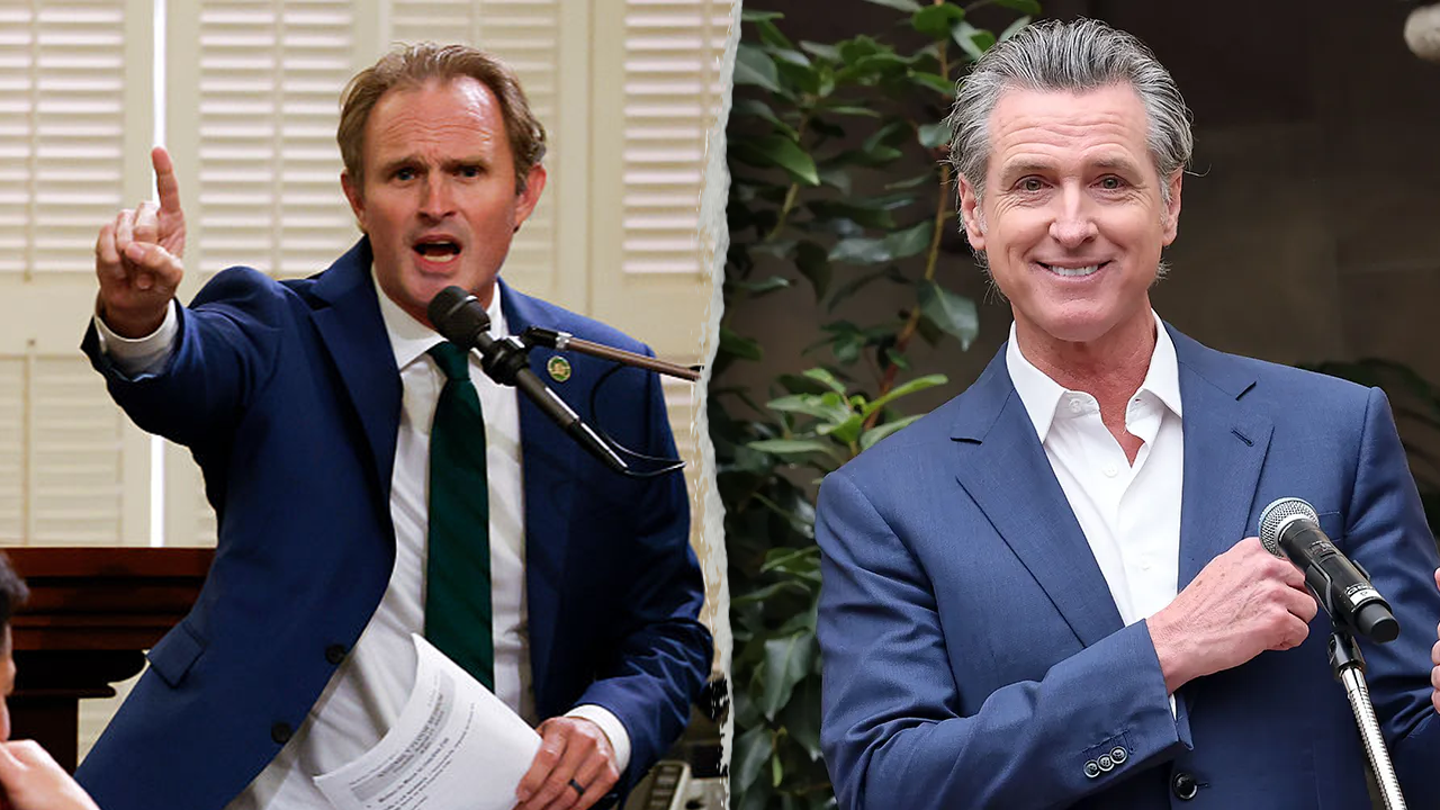
Top California Republican drops ‘two-state solution’ to combat Newsom’s redistricting
Entities mentioned:
- James Gallagher: Justice, Competitive spirit, Righteousness
- Gavin Newsom: Power, Control, Ambition
- Brian Jones: Duty, Indignation, Righteousness
- Roger Niello: Justice, Indignation, Professional pride
- California Democratic Party: Power, Control, Self-preservation
- California Republican Party: Justice, Self-preservation, Competitive spirit
Article Assessment:
Credibility Score: 65/100
Bias Rating: 70/100 (Lean Right)
Sentiment Score: 35/100
Authoritarianism Risk: 45/100 (Mixed/Neutral)
Bias Analysis:
The article leans right, evidenced by its focus on Republican perspectives and criticism of Democratic actions. While it includes some opposing viewpoints, the narrative predominantly favors the Republican stance on the redistricting issue.
Key metric: Electoral Competitiveness
As a social scientist, I analyze that this proposal to split California into two states is a reaction to perceived unfair redistricting practices. The plan would significantly alter the political landscape of California and the United States. It highlights the growing rural-urban divide and the intensifying political polarization in the state. This drastic measure underscores the deep frustration among Republicans with their diminishing influence in California politics. However, the feasibility of such a proposal is extremely low, given the complex legal and constitutional hurdles it would face. The article reveals the escalating tensions between California's Democratic leadership and Republican opposition, showcasing how redistricting has become a flashpoint in the broader struggle for political power and representation.

White House demands all Gaza hostages return home 'this week' amid stalled talks
Entities mentioned:
- Steve Witkoff: Duty, Determination, Influence
- Hamas: Power, Control, Self-preservation
- Israel: Security, Justice, Self-preservation
- Hostages and Missing Families Forum: Determination, Justice, Anxiety
- Benjamin Netanyahu: Power, Security, Self-preservation
- Donald Trump: Influence, Recognition, Ambition
Article Assessment:
Credibility Score: 75/100
Bias Rating: 55/100 (Center)
Sentiment Score: 35/100
Authoritarianism Risk: 40/100 (Generally Democratic)
Bias Analysis:
The article presents multiple viewpoints, including US, Israeli, and Hamas perspectives, as well as those of hostage families. While it leans slightly towards the US and Israeli positions, it also includes critical views of the Israeli government's approach.
Key metric: International Conflict Resolution Index
As a social scientist, I analyze that this article highlights the complex negotiations and tensions surrounding the hostage situation in Gaza. The involvement of multiple parties with diverging interests complicates the resolution process. The US, represented by Witkoff, is pushing for an immediate release of all hostages, while Hamas appears to be using the hostages as leverage. Israel's stance on complete destruction of Hamas creates an additional obstacle. The large-scale protests in Israel indicate growing public pressure on the government to prioritize hostage return over military objectives. This situation impacts the International Conflict Resolution Index by showcasing the challenges in balancing security concerns, humanitarian issues, and diplomatic negotiations in a long-standing conflict zone.

Federal judge blocks Abrego Garcia deportation, extending court fight
Entities mentioned:
- Judge Paula Xinis: Justice, Duty, Obligation
- Trump administration: Control, Power, Security
- Kilmar Abrego Garcia: Self-preservation, Freedom, Security
- Immigration and Customs Enforcement (ICE): Duty, Control, Security
- Drew Ensign: Duty, Professional pride, Loyalty
Article Assessment:
Credibility Score: 75/100
Bias Rating: 45/100 (Center)
Sentiment Score: 40/100
Authoritarianism Risk: 35/100 (Generally Democratic)
Bias Analysis:
The article presents a balanced account of the legal proceedings, including perspectives from both the judge and the Justice Department. While it provides more detail on the arguments against deportation, it also includes the administration's position, maintaining a relatively neutral stance.
Key metric: Immigration Enforcement Effectiveness
As a social scientist, I analyze that this case highlights the ongoing tension between the Trump administration's aggressive immigration enforcement policies and the judicial system's role in ensuring due process. The judge's decision to block the deportation reflects a concern for proper legal procedures and potential human rights issues. This case may impact the administration's ability to quickly deport individuals to third countries, potentially affecting overall deportation rates and the perceived effectiveness of immigration enforcement policies. The involvement of Uganda as a potential deportation destination introduces new complexities to U.S. immigration practices, potentially setting precedents for future cases.
Dem lawmakers call for gun control after Minneapolis school shooting
Entities mentioned:
- Chuck Schumer: Moral outrage, Justice, Security
- Hakeem Jeffries: Moral outrage, Security, Justice
- Shri Thanedar: Moral outrage, Justice, Security
- Brian O'Hara: Duty, Security, Professional pride
- Tom Emmer: Duty, Empathy, Unity
- Tina Smith: Security, Moral outrage, Justice
- Amy Klobuchar: Justice, Security, Moral outrage
Article Assessment:
Credibility Score: 75/100
Bias Rating: 55/100 (Center)
Sentiment Score: 25/100
Authoritarianism Risk: 30/100 (Generally Democratic)
Bias Analysis:
The article presents views from both Democratic and Republican lawmakers, though it gives more space to Democratic perspectives on gun control. It maintains a factual tone while reporting on a sensitive issue, balancing political commentary with factual details about the incident.
Key metric: Gun Violence Incidents
As a social scientist, I analyze that this article highlights the immediate political response to a school shooting incident, particularly from Democratic lawmakers pushing for stricter gun control measures. The incident has reignited the ongoing debate about gun violence in America, especially in schools. Democratic leaders are using this tragedy to emphasize the need for legislative action, framing it as a matter of public safety and child protection. The Republican response, represented by Tom Emmer, focuses on offering prayers and support without mentioning gun control, illustrating the partisan divide on this issue. The article also shows how such incidents can quickly become politicized, with lawmakers using them to reinforce their policy positions. The impact on gun violence incidents as a metric is likely to be short-term increased attention to the issue, potentially leading to renewed calls for policy changes, but without immediate concrete effects on the metric itself.