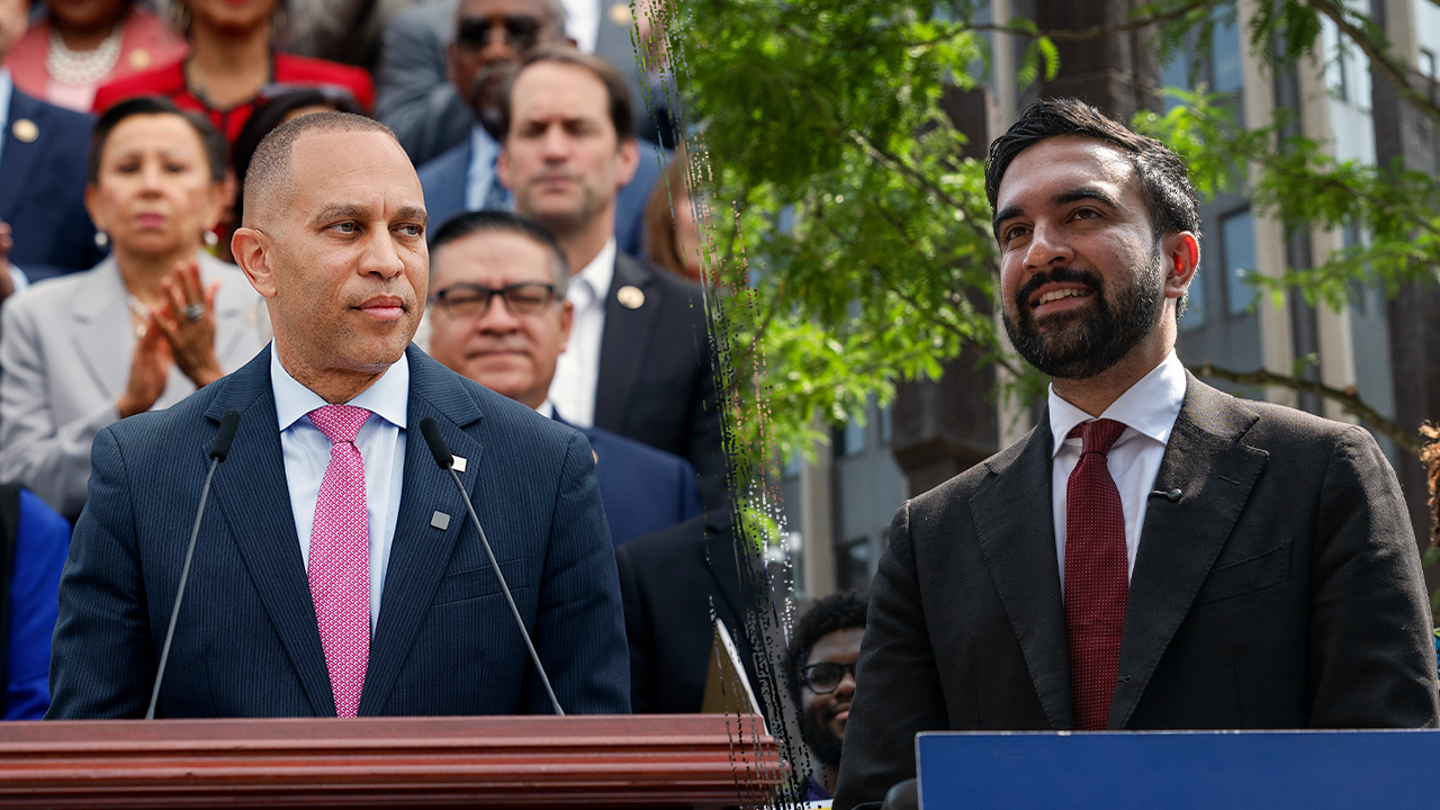
Vulnerable Democrats hammered with scathing ad handcuffing them to Mamdani, Jeffries
Entities mentioned:
- National Republican Congressional Committee (NRCC): Competitive spirit, Power, Influence
- Democratic Party: Power, Influence, Unity
- Zohran Mamdani: Righteousness, Ambition, Influence
- Hakeem Jeffries: Ambition, Power, Influence
- Donald Trump: Power, Self-preservation, Influence
- Alexandria Ocasio-Cortez: Righteousness, Influence, Justice
- House Republicans: Competitive spirit, Power, Control
Article Assessment:
Credibility Score: 55/100
Bias Rating: 75/100 (Lean Right)
Sentiment Score: 25/100
Authoritarianism Risk: 45/100 (Mixed/Neutral)
Bias Analysis:
The article leans right, primarily presenting the Republican perspective with limited Democratic rebuttal. It heavily quotes Republican sources and frames Democratic policies negatively, while giving less space to Democratic responses.
Key metric: Political Polarization Index
As a social scientist, I analyze that this article highlights the increasing political polarization in the United States. The NRCC's ad campaign targeting vulnerable Democrats by associating them with more extreme left-wing positions demonstrates a strategy of amplifying ideological differences. This approach likely contributes to further division and reduced bipartisanship, potentially impacting governance effectiveness. The focus on controversial topics such as impeachment, immigration, and socialism suggests an attempt to mobilize the Republican base and sway moderate voters by painting Democrats as radical. This messaging strategy could influence voter perceptions and potentially impact future electoral outcomes, particularly in swing districts.
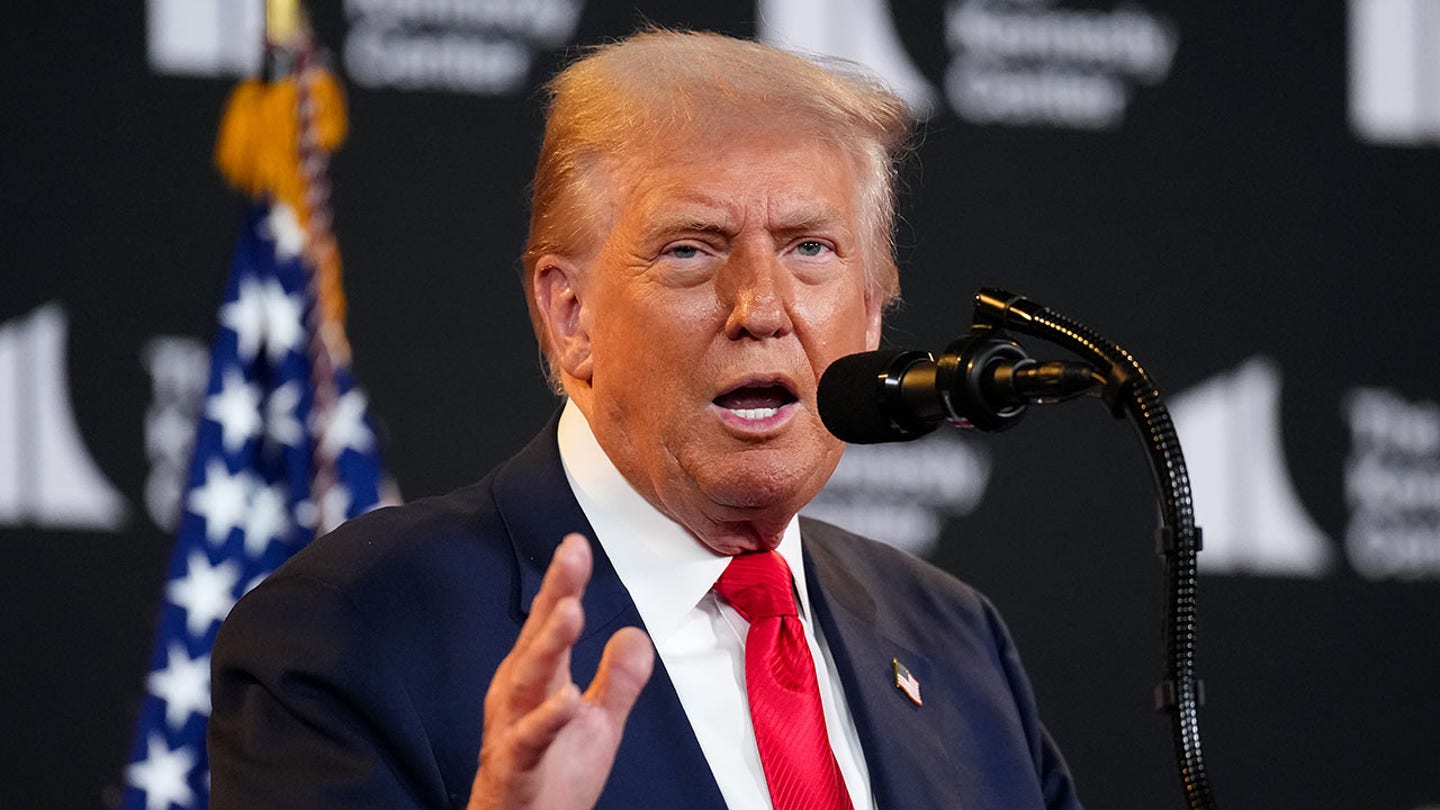
Trump predicts little progress in potential shutdown talks with 'crazy' Schumer, Jeffries
Entities mentioned:
- Donald Trump: Power, Control, Self-preservation
- Chuck Schumer: Opposition, Duty, Influence
- Hakeem Jeffries: Opposition, Duty, Influence
- John Thune: Duty, Professional pride, Unity
- Congressional Democrats: Opposition, Justice, Influence
- Congressional Republicans: Control, Power, Competitive spirit
Article Assessment:
Credibility Score: 70/100
Bias Rating: 55/100 (Center)
Sentiment Score: 30/100
Authoritarianism Risk: 40/100 (Generally Democratic)
Bias Analysis:
The article presents views from both Republican and Democratic perspectives, including direct quotes. However, it gives slightly more prominence to Trump's comments and Republican actions, while Democratic responses are somewhat less emphasized.
Key metric: Government Stability and Functionality
As a social scientist, I analyze that this article highlights the deep political divide and dysfunction in the U.S. government, particularly concerning budget negotiations. The looming threat of a government shutdown underscores the inability of both parties to work together effectively. Trump's dismissive attitude towards negotiations with Democratic leaders suggests a breakdown in bipartisan cooperation. This situation negatively impacts government stability and functionality by creating uncertainty, potentially leading to disruptions in government services and damaging public trust in political institutions. The partisan nature of recent budget decisions, such as the Republican-led clawback package, has further strained relations between the parties, making future negotiations more difficult. This cycle of mistrust and partisan maneuvering threatens the government's ability to operate efficiently and serve the public interest.
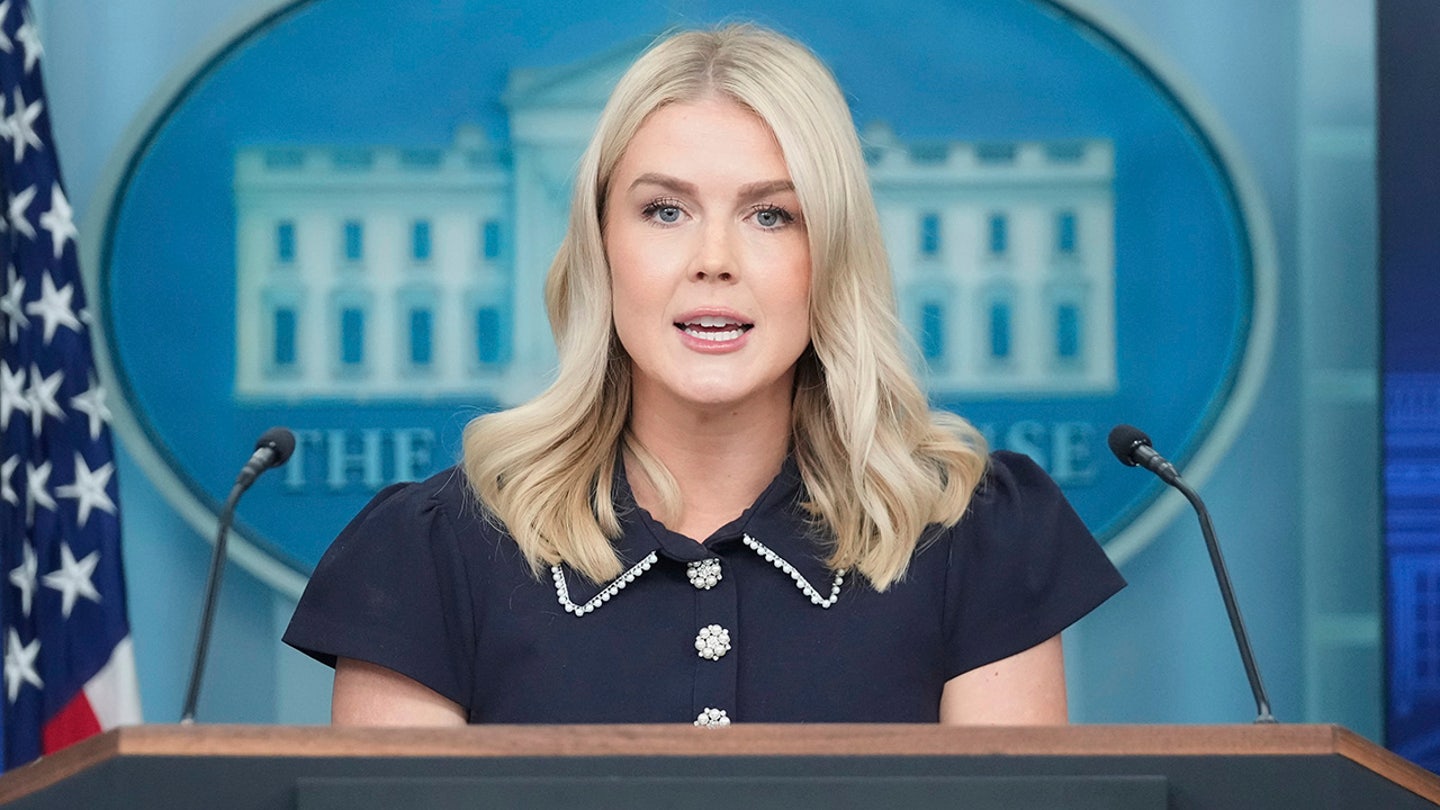
Homeless people in DC have 2 choices as Trump admin cracks down
Entities mentioned:
- White House: Control, Power, Security
- Karoline Leavitt: Duty, Loyalty, Professional pride
- Donald Trump: Power, Control, Recognition
- U.S. Park Police: Duty, Control, Security
- Metropolitan Police Department: Duty, Security, Control
- National Park Service: Duty, Control, Security
- Edward Coristine: Self-preservation, Security, Justice
Article Assessment:
Credibility Score: 65/100
Bias Rating: 75/100 (Lean Right)
Sentiment Score: 30/100
Authoritarianism Risk: 75/100 (Authoritarian Tendencies)
Bias Analysis:
The article leans right, evidenced by its focus on Trump's actions and use of sources like Fox News. The framing of homelessness as primarily a criminal issue rather than a social problem indicates a conservative perspective.
Key metric: Urban Crime Rate
As a social scientist, I analyze that this article highlights a significant shift in approach to homelessness and crime in Washington D.C., driven by the Trump administration. The forceful removal of homeless encampments and the binary choice offered to homeless individuals (shelter or jail) represents a hardline stance on urban management. This approach may temporarily reduce visible homelessness but fails to address root causes. The emphasis on crime and safety, particularly referencing violent incidents involving federal employees, suggests a prioritization of perceived security over long-term solutions for homelessness and poverty. This policy shift could potentially impact urban crime rates in the short term, but may also lead to increased incarceration rates and strain on the criminal justice system, while potentially violating civil liberties of homeless individuals.
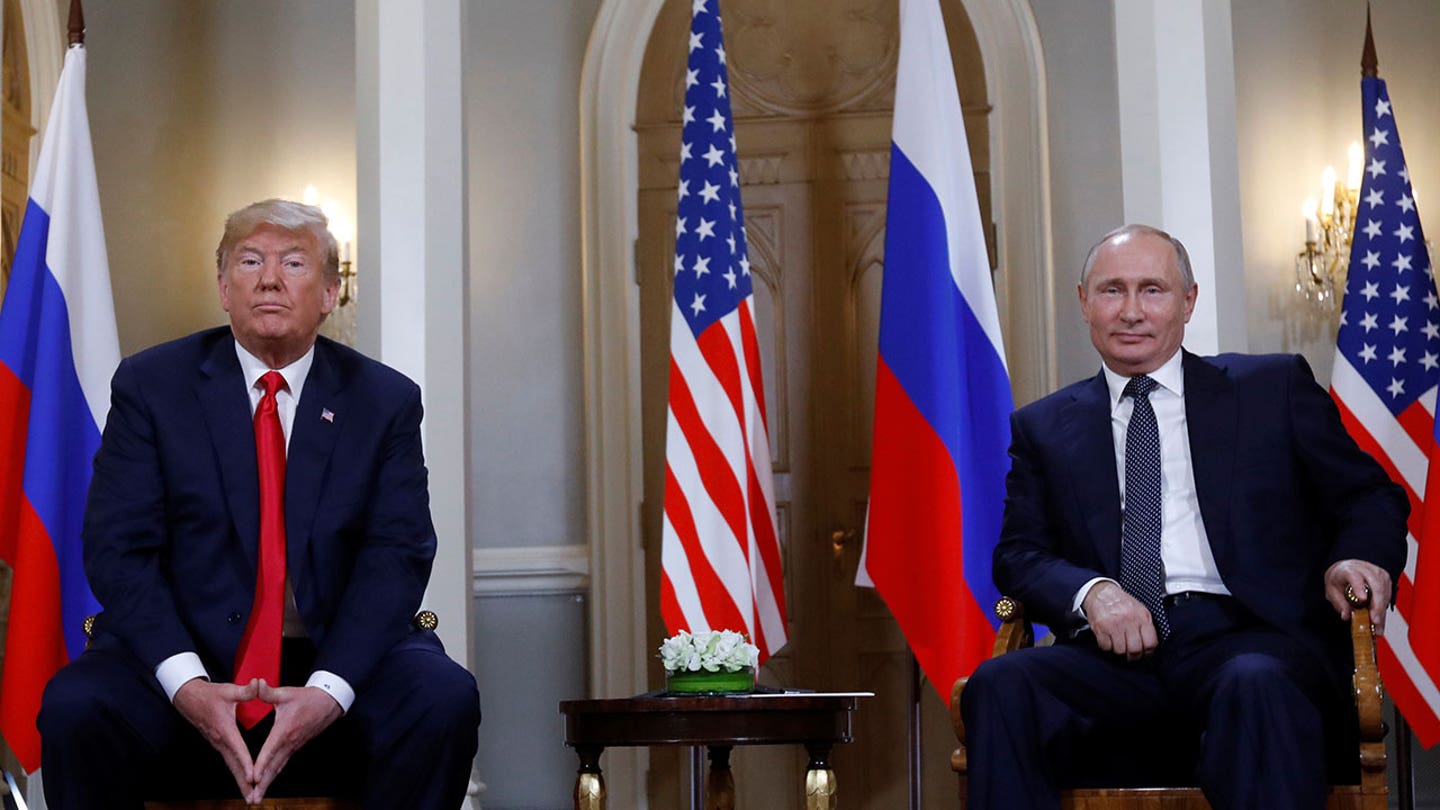
What we know about Trump’s meeting with Vladimir Putin in Alaska
Entities mentioned:
- Donald Trump: Ambition, Legacy, Power
- Vladimir Putin: Power, Control, Influence
- Volodymyr Zelenskyy: Determination, Righteousness, Self-preservation
- Karoline Leavitt: Duty, Loyalty, Professional pride
- Kaja Kallas: Security, Unity, Justice
- Dan Hoffman: Professional pride, Wariness, Curiosity
- Kirill Dmitriev: Influence, Loyalty, Pride
- Recep Tayyip Erdoğan: Influence, Recognition, Power
Article Assessment:
Credibility Score: 75/100
Bias Rating: 55/100 (Center)
Sentiment Score: 45/100
Authoritarianism Risk: 35/100 (Generally Democratic)
Bias Analysis:
The article presents multiple perspectives and quotes from various sources, indicating an attempt at balanced reporting. However, there's a slight lean towards emphasizing Western viewpoints and concerns, particularly those of Ukraine and its allies.
Key metric: International Relations and Diplomacy
As a social scientist, I analyze that this article highlights a significant diplomatic event with potential far-reaching consequences for international relations, particularly regarding the ongoing conflict in Ukraine. The proposed meeting between Trump and Putin in Alaska represents a high-stakes attempt at conflict resolution, bypassing traditional diplomatic channels and raising questions about the roles of other key stakeholders, especially Ukraine and European allies. The article underscores the complexities of international negotiations, the delicate balance of power dynamics, and the potential risks and opportunities in direct leader-to-leader diplomacy. It also reflects the ongoing tensions between national interests, territorial integrity, and the challenges of achieving lasting peace in a complex geopolitical landscape.

Vance to visit US troops during high-stakes UK trip ahead of Trump's Putin meeting
Entities mentioned:
- JD Vance: Duty, Influence, Professional pride
- Donald Trump: Power, Legacy, Control
- Vladimir Putin: Power, Control, Influence
- David Lammy: Duty, Influence, Unity
- U.S. Military: Duty, Security, Professional pride
- European allies: Security, Unity, Self-preservation
- Ukraine: Self-preservation, Freedom, Justice
Article Assessment:
Credibility Score: 75/100
Bias Rating: 55/100 (Center)
Sentiment Score: 45/100
Authoritarianism Risk: 35/100 (Generally Democratic)
Bias Analysis:
The article presents multiple viewpoints and sources, including both U.S. and European perspectives. However, there's a slight lean towards emphasizing the U.S. stance and actions, particularly those of Trump and Vance.
Key metric: U.S. Global Leadership
As a social scientist, I analyze that this article highlights a shift in U.S. foreign policy approach towards the Ukraine conflict. Vice President Vance's trip to the UK and his meetings with European leaders suggest a strategic move to redefine the U.S. role in the conflict. The emphasis on European allies taking greater responsibility indicates a potential reduction in U.S. financial commitment. This, coupled with Trump's upcoming meeting with Putin, signals a possible realignment of U.S. global leadership strategy. The article suggests a more transactional approach to international relations, which could impact the U.S.'s perceived role as a global leader. The mention of 'land swapping' in potential peace negotiations also indicates a pragmatic, rather than idealistic, approach to conflict resolution, which could have significant implications for U.S. foreign policy and global influence.
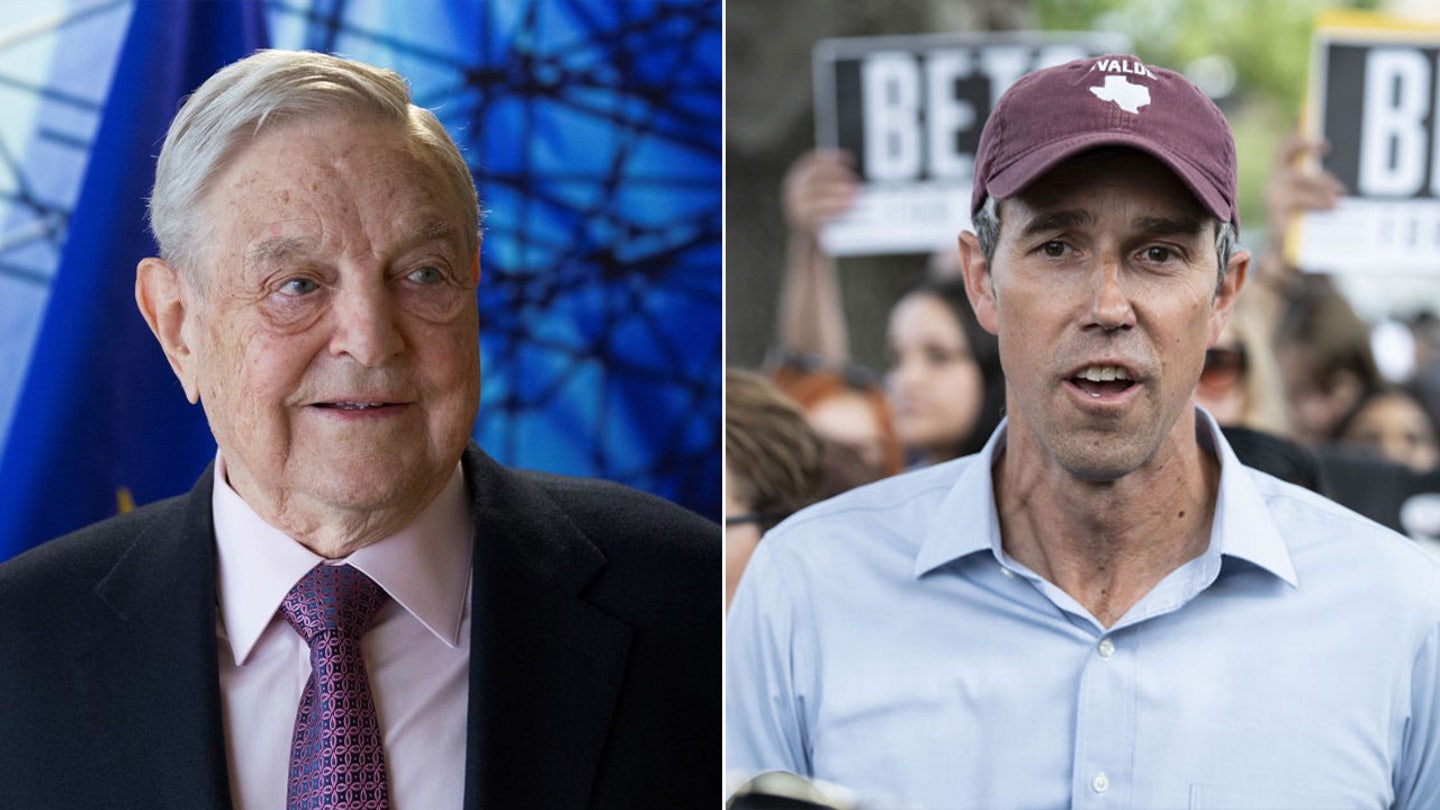
O'Rourke, Soros-linked groups face call for DOJ probe over alleged funding of Texas Dem walkout
Entities mentioned:
- John Cornyn: Justice, Duty, Righteousness
- Beto O'Rourke: Influence, Power, Unity
- George Soros: Influence, Power, Legacy
- Texas Democrats: Determination, Righteousness, Moral outrage
- Greg Abbott: Control, Power, Duty
- Ken Paxton: Ambition, Justice, Competitive spirit
- Department of Justice: Justice, Duty, Control
Article Assessment:
Credibility Score: 65/100
Bias Rating: 75/100 (Lean Right)
Sentiment Score: 30/100
Authoritarianism Risk: 55/100 (Mixed/Neutral)
Bias Analysis:
The article leans right, evidenced by its 'FIRST ON FOX' claim and focus on Republican perspectives. It presents Democratic actions negatively while highlighting Republican efforts to investigate and stop them.
Key metric: Political Polarization Index
As a social scientist, I analyze that this article highlights increasing political polarization in Texas and nationally. The conflict over redistricting and the dramatic actions taken by Texas Democrats to prevent it demonstrate deep partisan divides. The involvement of high-profile political figures and PACs in funding and supporting these actions further intensifies the polarization. The calls for federal investigation into the funding of the Democrats' exodus suggest a potential escalation of the conflict beyond state borders, which could contribute to broader national political tensions. This situation may lead to decreased trust in democratic processes and institutions, potentially impacting voter turnout and civic engagement in future elections.

2.4 million people expected to lose food stamps after Trump agenda law broadened work requirements, CBO says
Entities mentioned:
- Republican lawmakers: Righteousness, Fiscal responsibility, Control
- President Donald Trump: Power, Legacy, Influence
- Congressional Budget Office: Duty, Professional pride, Obligation
- Food Research & Action Center: Justice, Moral outrage, Advocacy
- Justin Wolfers: Professional pride, Influence, Obligation
Article Assessment:
Credibility Score: 75/100
Bias Rating: 40/100 (Lean Left)
Sentiment Score: 30/100
Authoritarianism Risk: 45/100 (Mixed/Neutral)
Bias Analysis:
The article leans slightly left, emphasizing the negative impacts on low-income groups and quoting left-leaning sources. However, it also includes factual data from the CBO and presents some counterarguments, maintaining a degree of balance.
Key metric: Poverty Rate
As a social scientist, I analyze that this article highlights significant changes to social welfare programs, particularly SNAP (food stamps) and Medicaid, due to new work requirements. These changes are projected to reduce the number of beneficiaries and potentially increase poverty and food insecurity among vulnerable populations. The CBO's analysis suggests that while the law aims to promote work, it may disproportionately impact low-income families, potentially exacerbating income inequality. The projected increase in uninsured Americans and reduction in food assistance could lead to poorer health outcomes and increased economic stress for affected households, potentially increasing the poverty rate.
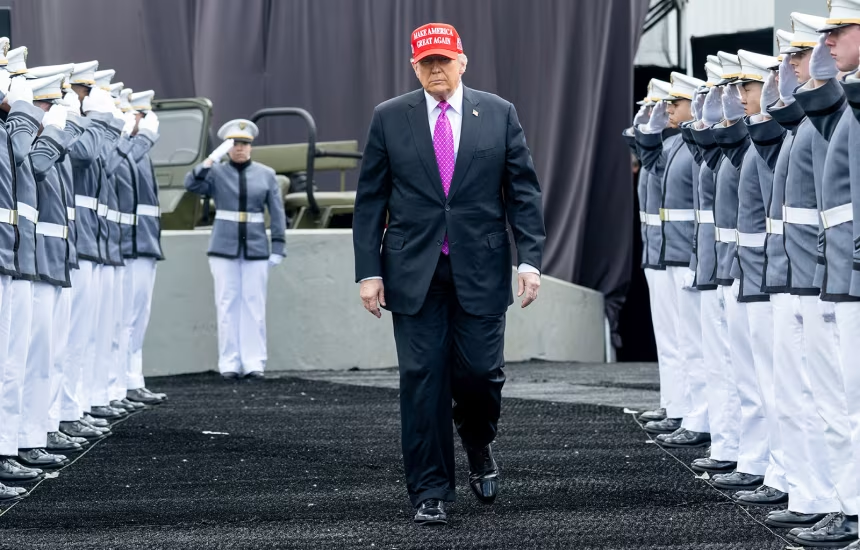
Anti-affirmative action group drops lawsuits against West Point and Air Force Academy after policy changes
Entities mentioned:
- Students for Fair Admissions (SFFA): Justice, Righteousness, Competitive spirit
- Donald Trump: Power, Control, Influence
- West Point: Duty, Professional pride, Obligation
- Air Force Academy: Duty, Professional pride, Obligation
- Pam Bondi: Righteousness, Influence, Control
- Edward Blum: Justice, Righteousness, Determination
- Supreme Court: Justice, Duty, Influence
- Biden administration: Unity, Influence, Duty
- Elizabeth Prelogar: Duty, Professional pride, Security
Article Assessment:
Credibility Score: 75/100
Bias Rating: 55/100 (Center)
Sentiment Score: 45/100
Authoritarianism Risk: 35/100 (Generally Democratic)
Bias Analysis:
The article presents multiple perspectives on the issue, including views from both sides of the affirmative action debate. While it gives slightly more space to the anti-affirmative action stance, it also includes counterarguments, maintaining a relatively balanced approach.
Key metric: Military Readiness and Diversity
As a social scientist, I analyze that this article highlights a significant shift in military academy admissions policies, moving away from considering race as a factor. This change, driven by the Trump administration and supported by anti-affirmative action groups, could potentially impact the diversity of the officer corps in the U.S. military. The dropping of lawsuits by Students for Fair Admissions (SFFA) suggests a victory for those opposing race-conscious admissions policies. However, this shift raises concerns about the military's ability to maintain a diverse officer corps that reflects the enlisted ranks and the broader population. The article presents competing viewpoints on the importance of diversity in military leadership, with the Biden administration previously arguing for its critical role in national security. This policy change may have long-term implications for military cohesion, leadership representation, and overall effectiveness, potentially affecting the key metric of Military Readiness and Diversity.
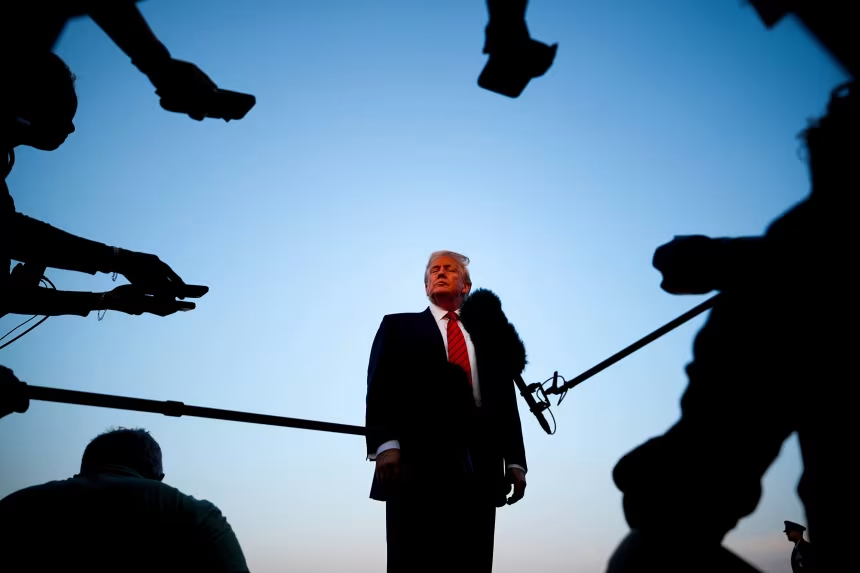
Trump has been on a roll for the ages — but blowback could be looming
Entities mentioned:
- Donald Trump: Power, Control, Legacy
- Robert Kennedy Jr.: Ambition, Influence, Professional pride
- Vladimir Putin: Power, Control, Influence
- Mark Kelly: Duty, Justice, Security
Article Assessment:
Credibility Score: 65/100
Bias Rating: 35/100 (Lean Left)
Sentiment Score: 30/100
Authoritarianism Risk: 65/100 (Authoritarian Tendencies)
Bias Analysis:
The article leans left in its framing, emphasizing potential negative consequences of Trump's policies and using language that is often critical of the administration. While it includes some factual information, the tone and selection of points suggest a skeptical view of Trump's presidency.
Key metric: Presidential Approval Rating
As a social scientist, I analyze that this article portrays a presidency marked by aggressive policy implementation and consolidation of power. Trump's actions across trade, immigration, and domestic policy are described as far-reaching and potentially risky. The article suggests that while Trump has achieved significant policy wins, there may be looming consequences that could impact his approval ratings and political standing. The piece highlights concerns about economic repercussions from tariffs, humanitarian issues in immigration enforcement, and potential backlash against legislative actions. It also touches on Trump's foreign policy approach, particularly with Russia, and its possible implications for global politics and U.S. alliances. The article implies that Trump's governance style, characterized by personal will and leverage, may be approaching a critical juncture where political and policy outcomes could shift public opinion.
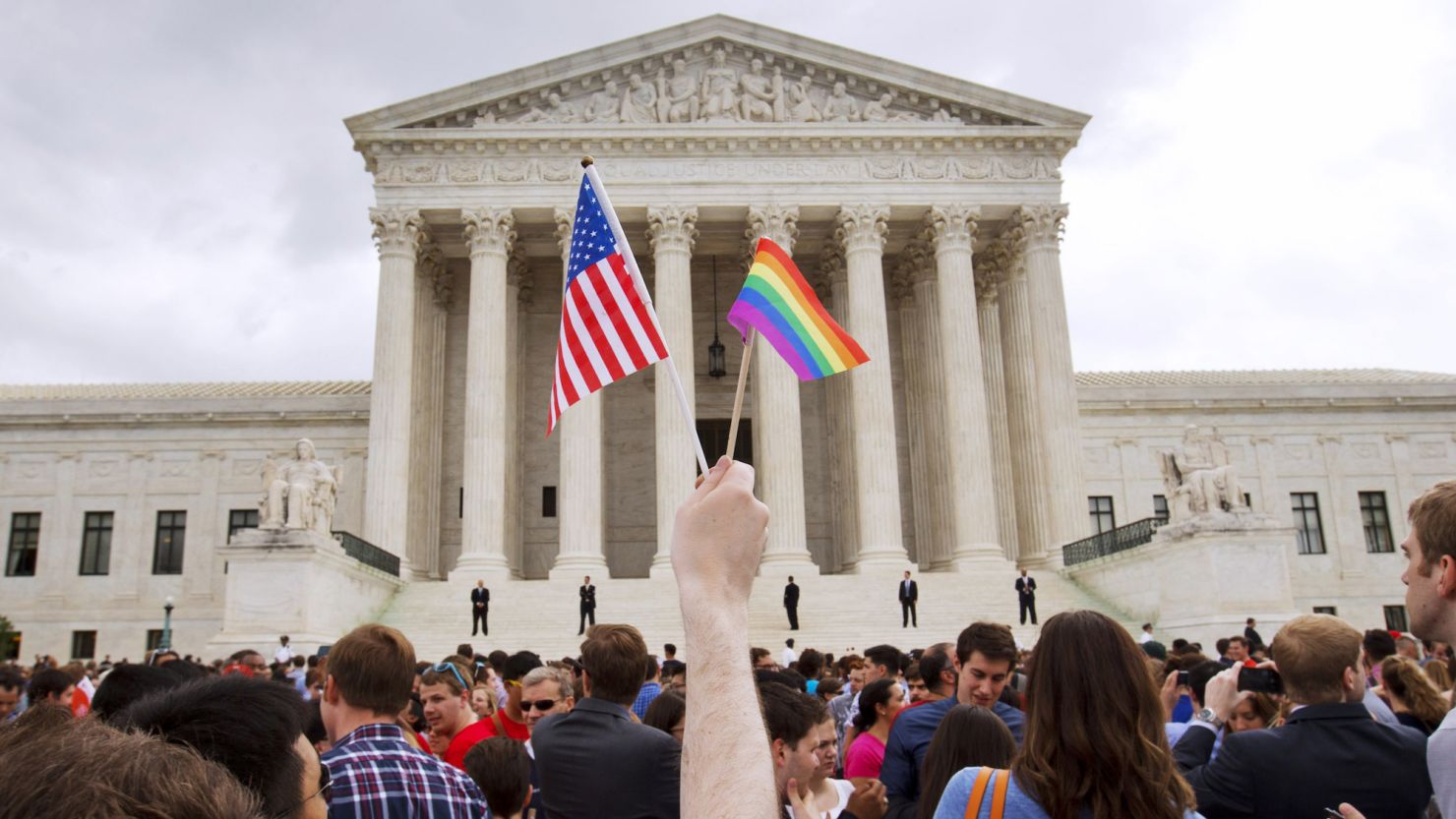
The Supreme Court blessed same-sex marriage 10 years ago. Is a backlash brewing?
Entities mentioned:
- Supreme Court: Justice, Power, Legacy
- Kim Davis: Righteousness, Moral outrage, Loyalty
- Mary Bonauto: Justice, Determination, Professional pride
- Donald Trump: Power, Influence, Self-preservation
- Southern Baptists: Righteousness, Moral outrage, Unity
- Justice Clarence Thomas: Justice, Control, Legacy
- Justice Samuel Alito: Justice, Control, Legacy
- Justice Neil Gorsuch: Justice, Duty, Professional pride
- Chief Justice John Roberts: Duty, Legacy, Wariness
- Kristen Soltis Anderson: Professional pride, Curiosity, Influence
Article Assessment:
Credibility Score: 75/100
Bias Rating: 45/100 (Center)
Sentiment Score: 55/100
Authoritarianism Risk: 30/100 (Generally Democratic)
Bias Analysis:
The article presents a balanced view, incorporating perspectives from both supporters and opponents of same-sex marriage. It relies on reputable sources and polling data, but slightly leans towards a pro-LGBTQ+ rights stance in its framing.
Key metric: LGBTQ+ Rights and Equality Index
As a social scientist, I analyze that this article highlights the significant progress made in LGBTQ+ rights, particularly same-sex marriage, over the past decade. However, it also points to emerging signs of potential backlash, especially from religious conservatives and certain Supreme Court justices. The article suggests a complex interplay between legal decisions, public opinion, and political maneuvering. While same-sex marriage has become widely accepted, there are efforts to challenge this progress, particularly through religious liberty arguments. The shifting focus to trans rights issues indicates an evolving landscape of LGBTQ+ rights debates. The potential for the Supreme Court to revisit the Obergefell decision, given its more conservative composition, presents a significant risk to the current status of marriage equality. This situation underscores the ongoing tension between progressive social change and conservative resistance, highlighting the fragility of civil rights gains and the importance of continued advocacy and vigilance in maintaining and expanding LGBTQ+ rights.