
Hegseth orders National Guard troops in DC to carry weapons
Entities mentioned:
- Pete Hegseth: Control, Security, Duty
- National Guard: Duty, Security, Obligation
- Donald Trump: Power, Control, Legacy
- Pentagon: Security, Control, Professional pride
- Joint Task Force - DC: Security, Duty, Control
Article Assessment:
Credibility Score: 70/100
Bias Rating: 55/100 (Center)
Sentiment Score: 35/100
Authoritarianism Risk: 65/100 (Authoritarian Tendencies)
Bias Analysis:
The article presents factual information from official sources but lacks diverse perspectives on the implications of this decision. While it doesn't overtly endorse the move, the framing subtly emphasizes the administration's security narrative without significant critical analysis.
Key metric: Domestic Security and Public Safety
As a social scientist, I analyze that this decision to arm National Guard troops in Washington, DC represents a significant escalation in the federal government's approach to domestic security. This move suggests an intensification of the administration's 'law and order' stance, potentially impacting civil liberties and the balance between security and individual freedoms. The involvement of multiple states' National Guard units indicates a nationalization of what is ostensibly a local law enforcement matter, raising questions about federalism and the appropriate use of military personnel in civilian policing roles. This development may lead to increased tensions between protesters and authorities, potentially exacerbating rather than alleviating social unrest.

READ: Transcript of the Justice Department’s interview with Ghislaine Maxwell
Entities mentioned:
- Department of Justice: Justice, Duty, Transparency
- Todd Blanche: Professional pride, Duty, Curiosity
- Ghislaine Maxwell: Self-preservation, Obligation, Wariness
- Jeffrey Epstein: Power, Greed, Control
- Donald Trump: Power, Influence, Recognition
Article Assessment:
Credibility Score: 75/100
Bias Rating: 50/100 (Center)
Sentiment Score: 45/100
Authoritarianism Risk: 25/100 (Generally Democratic)
Bias Analysis:
The article presents factual information without apparent partisan slant. It neutrally reports on the release of the transcript and the circumstances surrounding the interview, avoiding inflammatory language or political commentary.
Key metric: Public Trust in Government Institutions
As a social scientist, I analyze that this release of the interview transcript with Ghislaine Maxwell by the Department of Justice is likely to have a significant impact on public trust in government institutions. The transparency shown by releasing this document may help to improve public perception of the DOJ's commitment to accountability. However, the limited immunity granted to Maxwell and her subsequent transfer to a minimum-security prison may be viewed skeptically by some, potentially undermining trust. The involvement of a former Trump lawyer in the interview adds a political dimension that could further complicate public perception, depending on how it's interpreted across the political spectrum.
Inside the Trump team’s debate on what to release from the Epstein files
Entities mentioned:
- Trump administration: Control, Self-preservation, Influence
- Jeffrey Epstein: Power, Greed, Control
- Todd Blanche: Duty, Professional pride, Justice
- Ghislaine Maxwell: Self-preservation, Loyalty, Influence
- Department of Justice: Duty, Justice, Obligation
- House Oversight Committee: Justice, Duty, Righteousness
- Donald Trump: Control, Self-preservation, Influence
- John Bolton: Revenge, Recognition, Influence
Article Assessment:
Credibility Score: 75/100
Bias Rating: 45/100 (Center)
Sentiment Score: 35/100
Authoritarianism Risk: 40/100 (Generally Democratic)
Bias Analysis:
The article presents multiple perspectives and cites various sources within the administration, suggesting a balanced approach. While it focuses on Trump administration decision-making, it also includes critical viewpoints and mentions potential controversies, maintaining a relatively neutral stance.
Key metric: Public Trust in Government
As a social scientist, I analyze that this article reveals the complex interplay between political strategy, public perception, and the handling of sensitive information in a high-profile case. The Trump administration's deliberations over releasing Epstein-related materials demonstrate a calculated approach to controlling the narrative and managing potential fallout. This strategic maneuvering impacts public trust in government, as it highlights the tension between transparency and potential cover-ups. The administration's focus on 'taking control of the narrative' suggests a prioritization of image management over full disclosure, which could erode public confidence. However, the eventual decision to release some materials, coupled with Trump's call for openness, may partially mitigate this effect. The ongoing involvement of the House Oversight Committee adds a layer of checks and balances, potentially boosting public trust in the process of accountability.
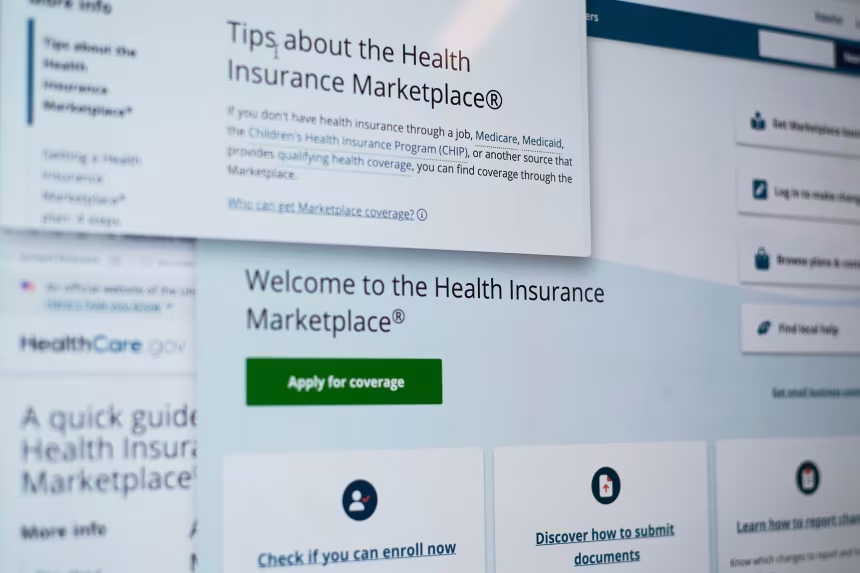
Judge halts implementation of some Trump administration changes that would chip away at Obamacare
Entities mentioned:
- Judge Brendan Hurson: Justice, Duty, Righteousness
- Trump administration: Control, Power, Influence
- Centers for Medicare and Medicaid Services: Control, Professional pride, Duty
- Democratic-led cities: Justice, Moral outrage, Obligation
- Skye Perryman: Justice, Determination, Moral outrage
Article Assessment:
Credibility Score: 75/100
Bias Rating: 55/100 (Center)
Sentiment Score: 45/100
Authoritarianism Risk: 25/100 (Generally Democratic)
Bias Analysis:
The article presents a balanced view of the court decision, including perspectives from both sides. While it gives more space to arguments supporting the judge's decision, it also includes the Trump administration's stated goals for the changes.
Key metric: Healthcare Coverage Rate
As a social scientist, I analyze that this judicial decision has significant implications for the Healthcare Coverage Rate in the United States. The judge's ruling blocks several Trump administration changes to the Affordable Care Act (ACA) that could have led to an estimated 1.8 million Americans losing health insurance. This decision maintains the status quo for key aspects of the ACA, preventing potential disruptions in coverage and access to healthcare. The ruling emphasizes the importance of affordable healthcare coverage and its impact on public health and city budgets. This legal intervention highlights the ongoing tension between efforts to modify the ACA and the goal of maintaining widespread health insurance coverage. The case also underscores the role of the judiciary in shaping healthcare policy and the complex interplay between federal regulations and existing laws.
Trump administration wins Supreme Court fight to slash NIH medical research grants tied to DEI, LGBTQ studies
Entities mentioned:
- Trump administration: Power, Control, Righteousness
- Supreme Court: Duty, Justice, Influence
- National Institutes of Health (NIH): Professional pride, Duty, Obligation
- Judge Angel Kelley: Justice, Duty, Moral outrage
- Justice Department: Duty, Loyalty, Control
- American Public Health Association: Moral outrage, Professional pride, Righteousness
- Democrat-led states: Moral outrage, Justice, Competitive spirit
- Association of American Universities: Professional pride, Wariness, Freedom
Article Assessment:
Credibility Score: 75/100
Bias Rating: 55/100 (Center)
Sentiment Score: 30/100
Authoritarianism Risk: 65/100 (Authoritarian Tendencies)
Bias Analysis:
The article presents multiple viewpoints, including those of the administration, opponents, and neutral parties like news outlets. However, there's slightly more space given to concerns about the cuts, which could suggest a slight lean towards the opposition's perspective.
Key metric: Federal Research Funding
As a social scientist, I analyze that this Supreme Court decision significantly impacts federal research funding, particularly in areas related to diversity, equity, inclusion, and LGBTQ studies. The ruling allows the Trump administration to cut $783 million in NIH grants, which could have far-reaching effects on biomedical research and scientific progress. This decision reflects a broader ideological conflict over the role of DEI initiatives in government-funded research. The potential chilling effect on research into politically sensitive topics could alter the landscape of scientific inquiry in the US, possibly slowing advancements in critical areas like cancer and Alzheimer's research. The split decision (5-4) also highlights the political divisiveness of the issue and the significant role the Supreme Court plays in shaping research priorities and funding allocation.
Minnesota attorney general brags about lawsuit against Trump admin to keep trans athletes in girls' sports
Entities mentioned:
- Keith Ellison: Righteousness, Moral outrage, Recognition
- Donald Trump: Control, Loyalty, Power
- Pam Bondi: Duty, Loyalty, Control
- Harrison Fields: Loyalty, Duty, Indignation
- Anonymous softball player: Justice, Competitive spirit, Self-respect
- Minnesota State Legislature: Control, Wariness, Obligation
Article Assessment:
Credibility Score: 65/100
Bias Rating: 70/100 (Lean Right)
Sentiment Score: 30/100
Authoritarianism Risk: 45/100 (Mixed/Neutral)
Bias Analysis:
The article leans right in its framing, giving more space to critics of transgender inclusion in sports. It emphasizes potential unfairness to cisgender female athletes and uses language that subtly reinforces traditional gender distinctions.
Key metric: Gender Equality in Sports
As a social scientist, I analyze that this article highlights a contentious issue at the intersection of gender identity, sports, and civil rights. The lawsuit filed by Keith Ellison against the Trump administration represents a clash between progressive policies supporting transgender rights and conservative efforts to maintain traditional gender divisions in sports. This conflict has significant implications for gender equality in sports, as it challenges the long-standing separation of male and female athletic competitions. The article presents both sides of the argument, with proponents of transgender inclusion citing the importance of inclusivity and opponents raising concerns about fairness and competitive advantage. The controversy surrounding the trans softball pitcher's success further illustrates the practical implications of these policies. This debate reflects broader societal tensions regarding gender identity and equal rights, and its outcome could have far-reaching effects on how gender is approached in competitive sports at various levels.
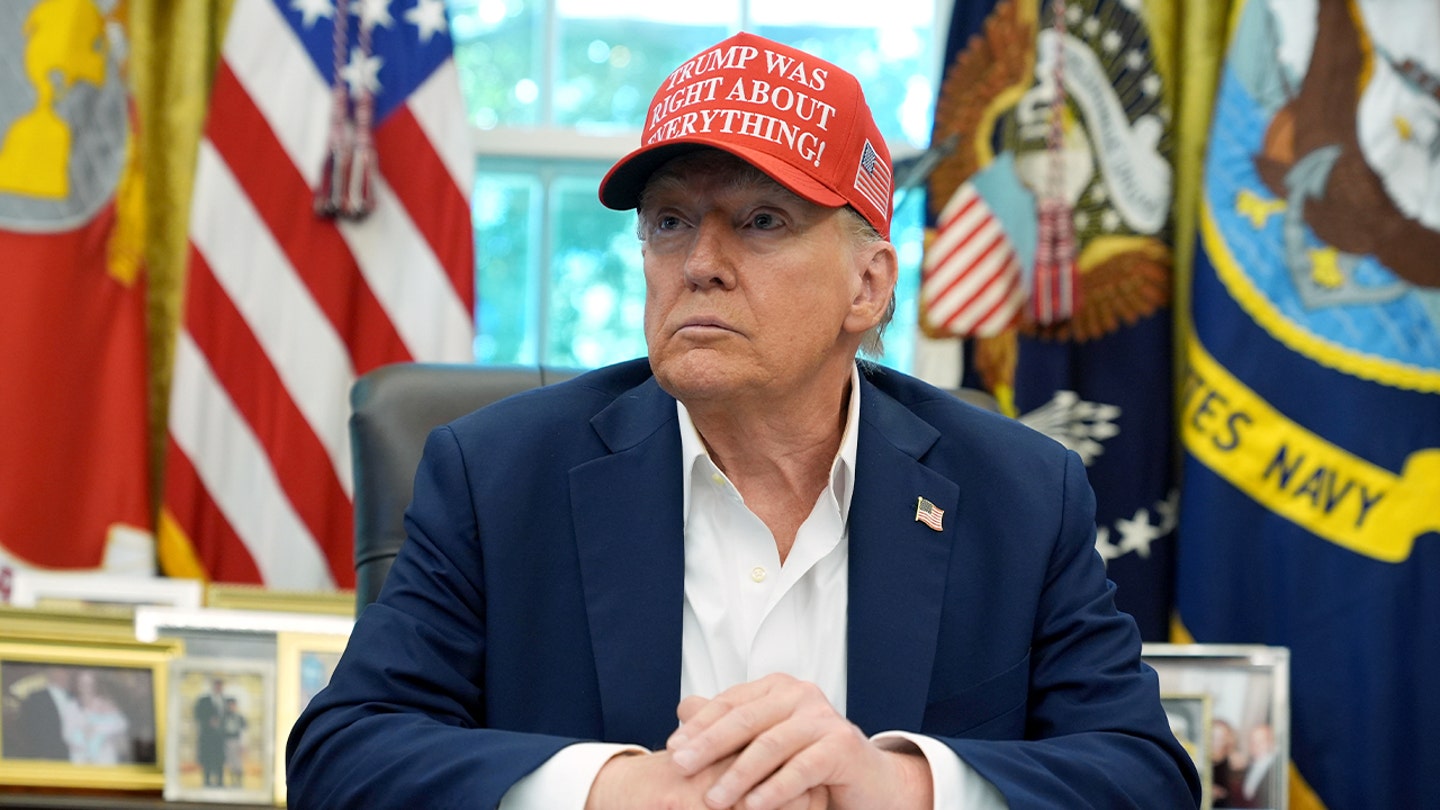
Trump hints at federal crackdown in Chicago amid anti-crime push in DC
Entities mentioned:
- Donald Trump: Power, Control, Righteousness
- Brandon Johnson: Obligation, Self-preservation
- Metropolitan Police Department: Duty, Professional pride
- Department of Government Efficiency: Duty, Security
Article Assessment:
Credibility Score: 65/100
Bias Rating: 70/100 (Lean Right)
Sentiment Score: 55/100
Authoritarianism Risk: 75/100 (Authoritarian Tendencies)
Bias Analysis:
The article leans right, presenting Trump's actions in a largely positive light without significant counterarguments. It relies heavily on Trump's statements and claims of success without substantial independent verification.
Key metric: Violent Crime Rate
As a social scientist, I analyze that this article highlights Trump's aggressive stance on crime reduction, particularly in urban areas. The federal intervention in Washington D.C. is presented as a successful model, with plans to expand to other cities like Chicago and New York. This approach represents a significant shift in federal-local relations regarding law enforcement, potentially impacting violent crime rates. However, the long-term effects and constitutionality of such interventions remain questionable. The article suggests a top-down, authoritarian approach to crime reduction, which may have immediate effects but could also lead to tensions between federal and local authorities.
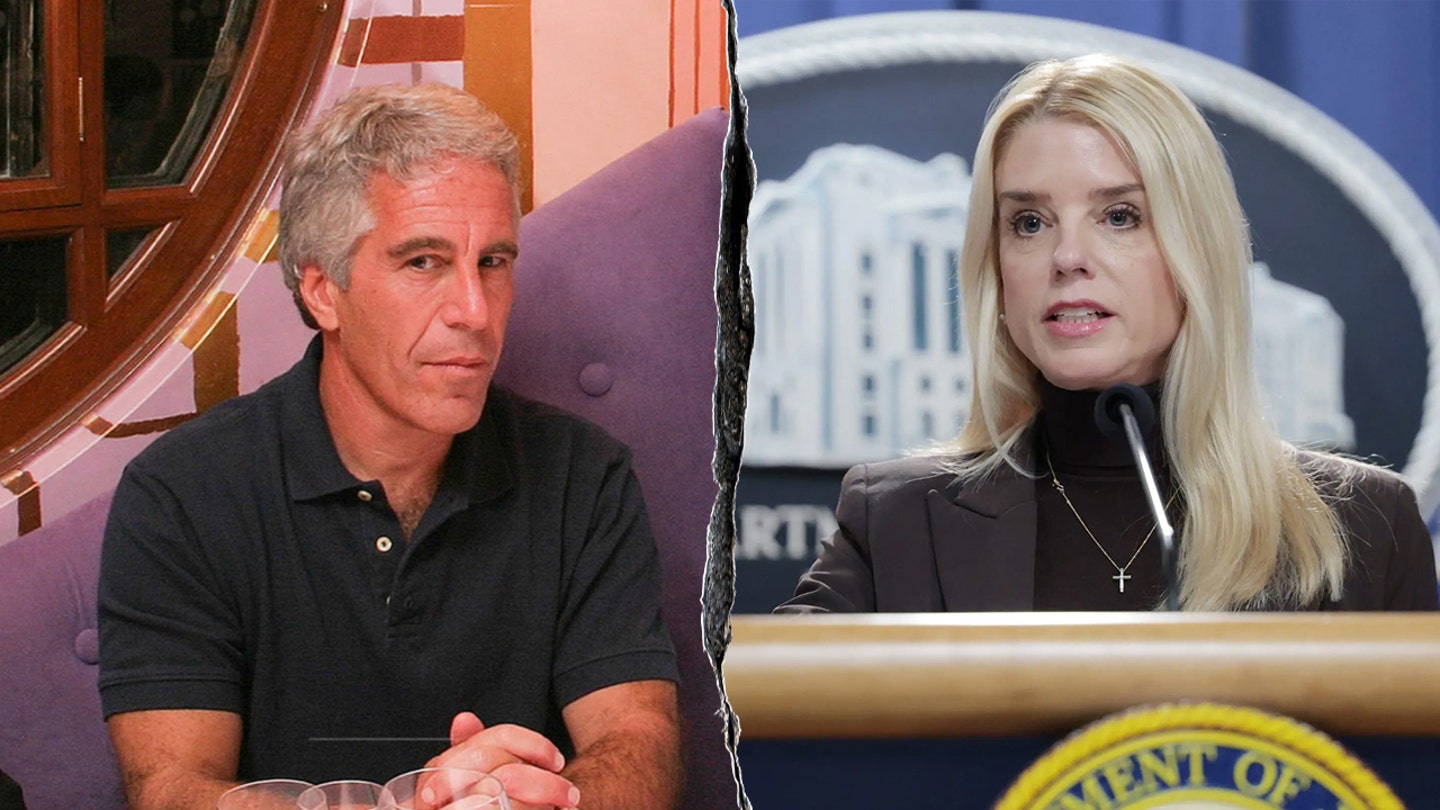
Trump DOJ releases 'thousands' of Epstein files to House Oversight Committee
Entities mentioned:
- Trump administration: Transparency, Obligation, Control
- House Oversight Committee: Justice, Duty, Righteousness
- James Comer: Determination, Duty, Transparency
- Department of Justice: Obligation, Control, Professional pride
- Jeffrey Epstein: Power, Greed, Self-preservation
- Ghislaine Maxwell: Self-preservation, Loyalty, Power
- Bill and Hillary Clinton: Self-preservation, Legacy, Influence
- Bill Barr: Duty, Professional pride, Self-preservation
- Pam Bondi: Duty, Justice, Professional pride
- Todd Blanche: Duty, Professional pride, Obligation
Article Assessment:
Credibility Score: 75/100
Bias Rating: 55/100 (Center)
Sentiment Score: 45/100
Authoritarianism Risk: 30/100 (Generally Democratic)
Bias Analysis:
The article presents a relatively balanced view, including perspectives from both Republican officials and the DOJ. While it leans slightly right by focusing more on Republican-led efforts, it maintains a generally neutral tone in reporting the facts.
Key metric: Government Transparency and Accountability
As a social scientist, I analyze that this article highlights a significant development in the ongoing investigation of Jeffrey Epstein's case, potentially impacting government transparency and accountability. The Trump administration's willingness to release documents to the House Oversight Committee suggests a move towards greater transparency, albeit under pressure. This action may increase public trust in governmental processes, particularly regarding high-profile cases involving influential individuals. However, the delayed release and potential redactions indicate ongoing tensions between transparency and privacy/security concerns. The bipartisan nature of the investigation, involving both current and former administration officials, as well as prominent political figures, underscores the case's complexity and far-reaching implications. This development could lead to increased scrutiny of how high-profile cases are handled by the justice system and potentially influence future policies regarding prosecutorial decisions and plea agreements.
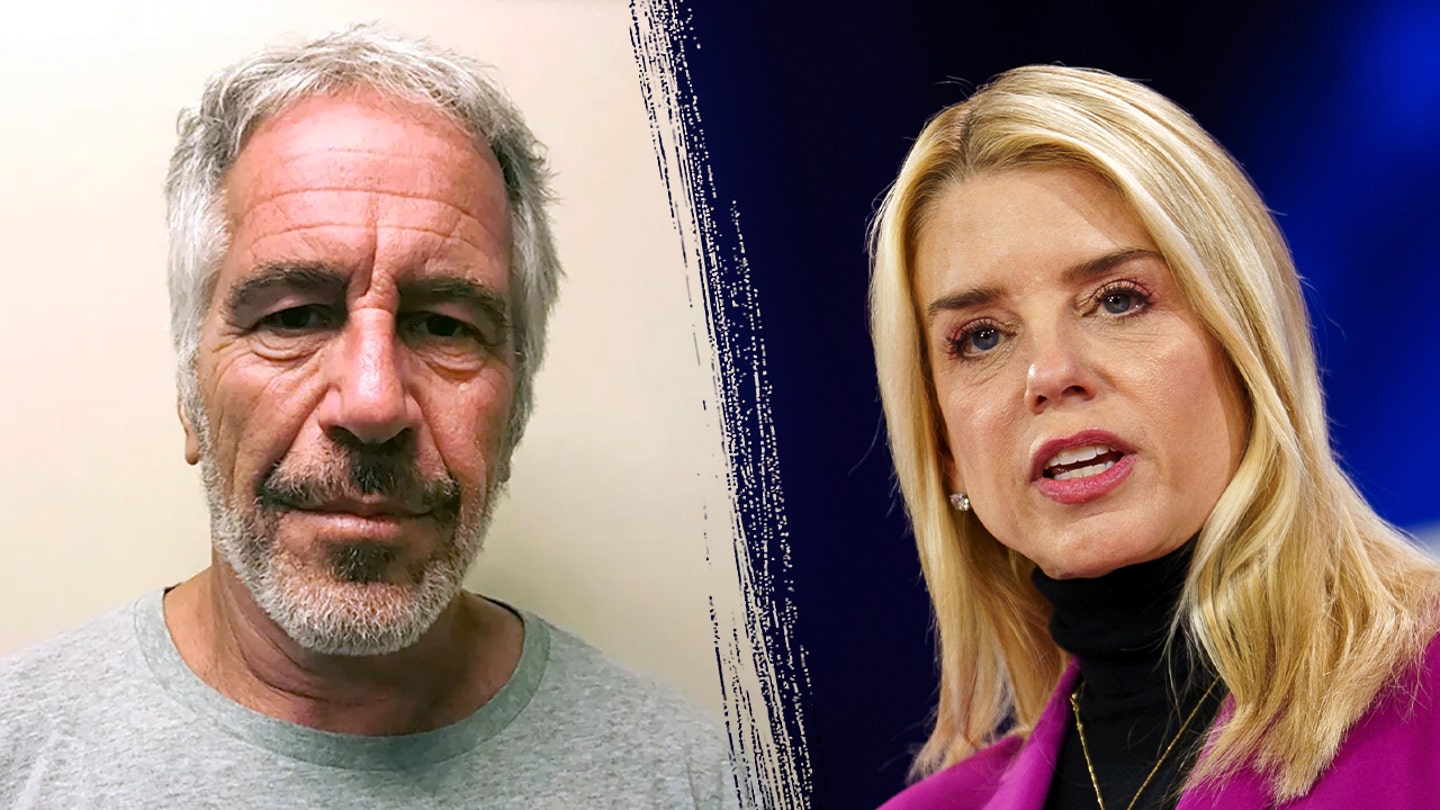
Maxwell says she never saw Trump do anything inappropriate, new DOJ docs reveal
Entities mentioned:
- Ghislaine Maxwell: Self-preservation, Loyalty, Influence
- Donald Trump: Power, Self-preservation, Influence
- Jeffrey Epstein: Power, Control, Greed
- Department of Justice: Justice, Duty, Obligation
- Todd Blanche: Duty, Professional pride, Curiosity
Article Assessment:
Credibility Score: 65/100
Bias Rating: 55/100 (Center)
Sentiment Score: 40/100
Authoritarianism Risk: 35/100 (Generally Democratic)
Bias Analysis:
The article presents multiple viewpoints, including Maxwell's statements and Trump's responses, showing an attempt at balance. However, the inclusion of Trump's defensive statements and criticism of Democrats suggests a slight lean towards a conservative perspective.
Key metric: Public Trust in Government Institutions
As a social scientist, I analyze that this article impacts public trust in government institutions by presenting conflicting narratives about the Epstein case and its connections to high-profile figures. Maxwell's statements defending Trump could be seen as an attempt to distance him from the scandal, potentially influencing public perception. The DOJ's involvement and the release of interview transcripts suggest a move towards transparency, but the ongoing controversy and calls for more information indicate a level of distrust in official accounts. This situation highlights the complex interplay between political figures, law enforcement, and public opinion in high-profile cases.

National Guard troops from GOP-led states begin arriving in DC as part of Trump’s crime crackdown
Entities mentioned:
- Donald Trump: Power, Control, Influence
- Republican Governors: Loyalty, Security, Duty
- Muriel Bowser: Wariness, Self-preservation, Indignation
- National Guard: Duty, Security, Obligation
- Democratic Governors: Moral outrage, Justice, Unity
Article Assessment:
Credibility Score: 75/100
Bias Rating: 45/100 (Center)
Sentiment Score: 35/100
Authoritarianism Risk: 65/100 (Authoritarian Tendencies)
Bias Analysis:
The article presents multiple viewpoints, including those of Trump administration officials and opposing Democratic leaders. While it leans slightly towards skepticism of the federal intervention, it maintains a relatively balanced approach by including facts and statements from various sources.
Key metric: Crime Rate
As a social scientist, I analyze that this article highlights a growing tension between federal and local authorities regarding crime control in Washington, DC. The deployment of National Guard troops from GOP-led states, at President Trump's request, represents an escalation of federal involvement in local law enforcement. This action impacts the crime rate metric by potentially altering policing strategies and resources in the capital. However, the article notes that overall crime numbers are lower than the previous year, suggesting a disconnect between the stated justification for the action and the actual crime situation. This discrepancy raises questions about the motivations behind the deployment and its potential effects on local governance, federal-state relations, and public perception of safety.