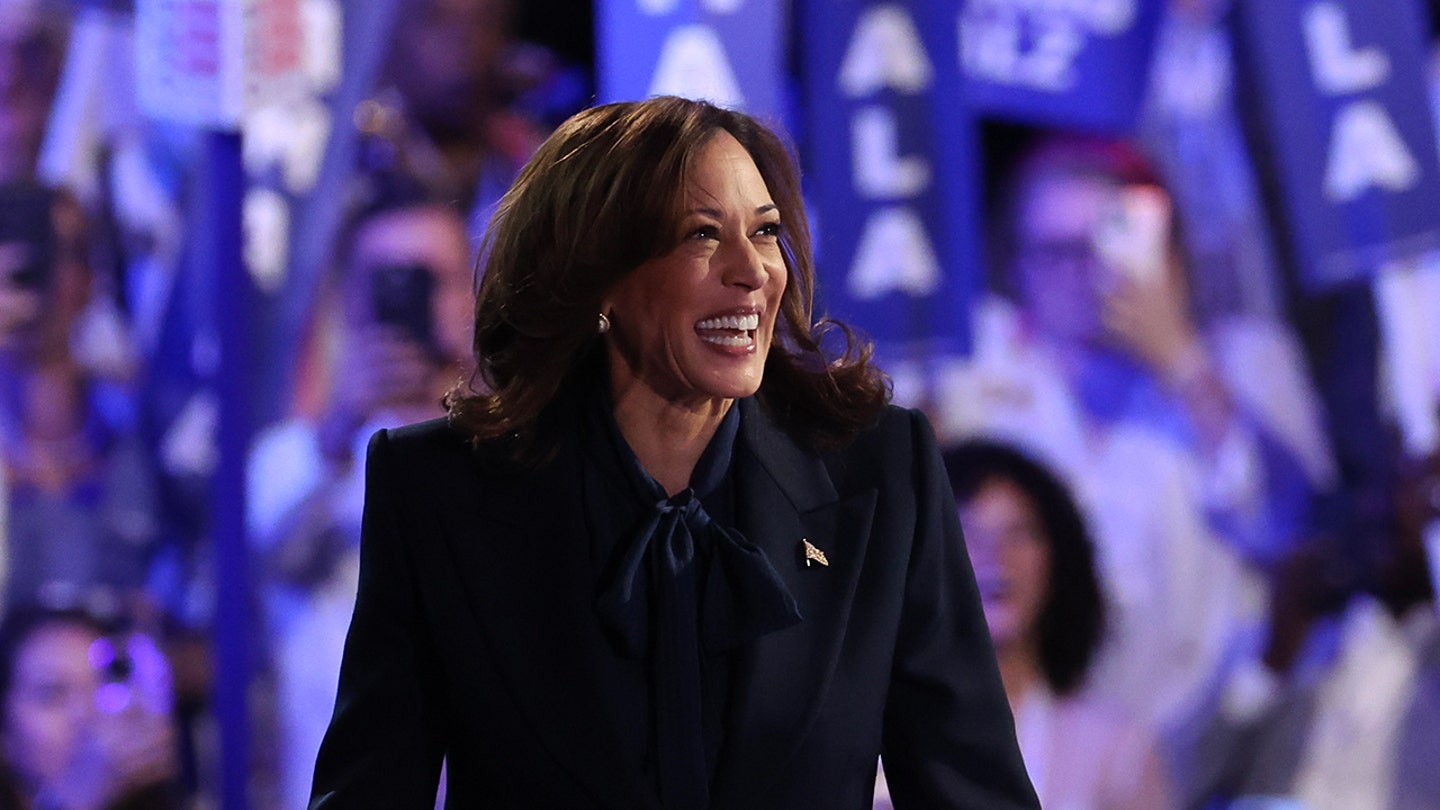
Kamala Harris fundraising events have been a flop to help raise money for DNC: Report
Entities mentioned:
- Kamala Harris: Ambition, Power, Legacy
- Democratic National Committee (DNC): Self-preservation, Unity, Influence
- Donald Trump: Power, Competitive spirit, Ambition
- Jen O'Malley Dillon: Loyalty, Professional pride, Duty
- Ken Martin: Duty, Obligation, Professional pride
Article Assessment:
Credibility Score: 65/100
Bias Rating: 55/100 (Center)
Sentiment Score: 30/100
Authoritarianism Risk: 20/100 (Strongly Democratic)
Bias Analysis:
The article presents information from multiple sources, including both Harris' allies and critics. While it leans slightly towards criticism of Harris and the DNC, it also includes defensive statements, maintaining a relatively balanced perspective.
Key metric: Political Fundraising Effectiveness
As a social scientist, I analyze that this article highlights significant challenges in the Democratic Party's fundraising efforts, particularly those associated with former Vice President Kamala Harris. The reported disappointing results from Harris' fundraising events, coupled with the DNC's ongoing payments of her campaign debts, suggest a strain on the party's financial resources. This situation could potentially impact the Democrats' ability to compete effectively in future elections, especially the upcoming midterms. The article also reveals internal tensions within the party, with some members expressing frustration over campaign spending and others criticizing the current DNC leadership. These factors combined indicate a period of financial and strategic difficulty for the Democratic Party, which could have broader implications for their political influence and electoral prospects.

Federal judge blocks Abrego Garcia deportation, extending court fight
Entities mentioned:
- Judge Paula Xinis: Justice, Duty, Obligation
- Trump administration: Control, Power, Security
- Kilmar Abrego Garcia: Self-preservation, Freedom, Security
- Immigration and Customs Enforcement (ICE): Duty, Control, Security
- Drew Ensign: Duty, Professional pride, Loyalty
Article Assessment:
Credibility Score: 75/100
Bias Rating: 45/100 (Center)
Sentiment Score: 40/100
Authoritarianism Risk: 35/100 (Generally Democratic)
Bias Analysis:
The article presents a balanced account of the legal proceedings, including perspectives from both the judge and the Justice Department. While it provides more detail on the arguments against deportation, it also includes the administration's position, maintaining a relatively neutral stance.
Key metric: Immigration Enforcement Effectiveness
As a social scientist, I analyze that this case highlights the ongoing tension between the Trump administration's aggressive immigration enforcement policies and the judicial system's role in ensuring due process. The judge's decision to block the deportation reflects a concern for proper legal procedures and potential human rights issues. This case may impact the administration's ability to quickly deport individuals to third countries, potentially affecting overall deportation rates and the perceived effectiveness of immigration enforcement policies. The involvement of Uganda as a potential deportation destination introduces new complexities to U.S. immigration practices, potentially setting precedents for future cases.

Trump Angry Not A Single Visiting European Leader Wearing Lederhosen, Tiny Hat
Entities mentioned:
- Donald Trump: Indignation, Control, Power
- Ursula von der Leyen: Duty, Unity, Obligation
- Volodymyr Zelensky: Determination, Justice, Unity
- Keir Starmer: Duty, Obligation, Professional pride
- European leaders: Unity, Duty, Obligation
Article Assessment:
Credibility Score: 30/100
Bias Rating: 30/100 (Lean Left)
Sentiment Score: 25/100
Authoritarianism Risk: 45/100 (Mixed/Neutral)
Bias Analysis:
The article leans left, evident in its satirical portrayal of Trump as culturally insensitive and dismissive of serious diplomatic matters. The framing mocks Trump's leadership style and understanding of international relations.
Key metric: International Relations and Diplomacy
As a social scientist, I analyze that this satirical article highlights the potential for cultural misunderstandings and stereotyping in international diplomacy. It portrays Trump as having a simplistic, caricatured view of European culture, which could negatively impact US-European relations. The article's absurd depiction of Trump's expectations for European leaders' attire serves to critique his approach to diplomacy and his perceived lack of cultural sensitivity. This satirical piece may reflect broader concerns about the state of US foreign policy and its potential effects on international cooperation, particularly in addressing serious issues like the Ukraine conflict.
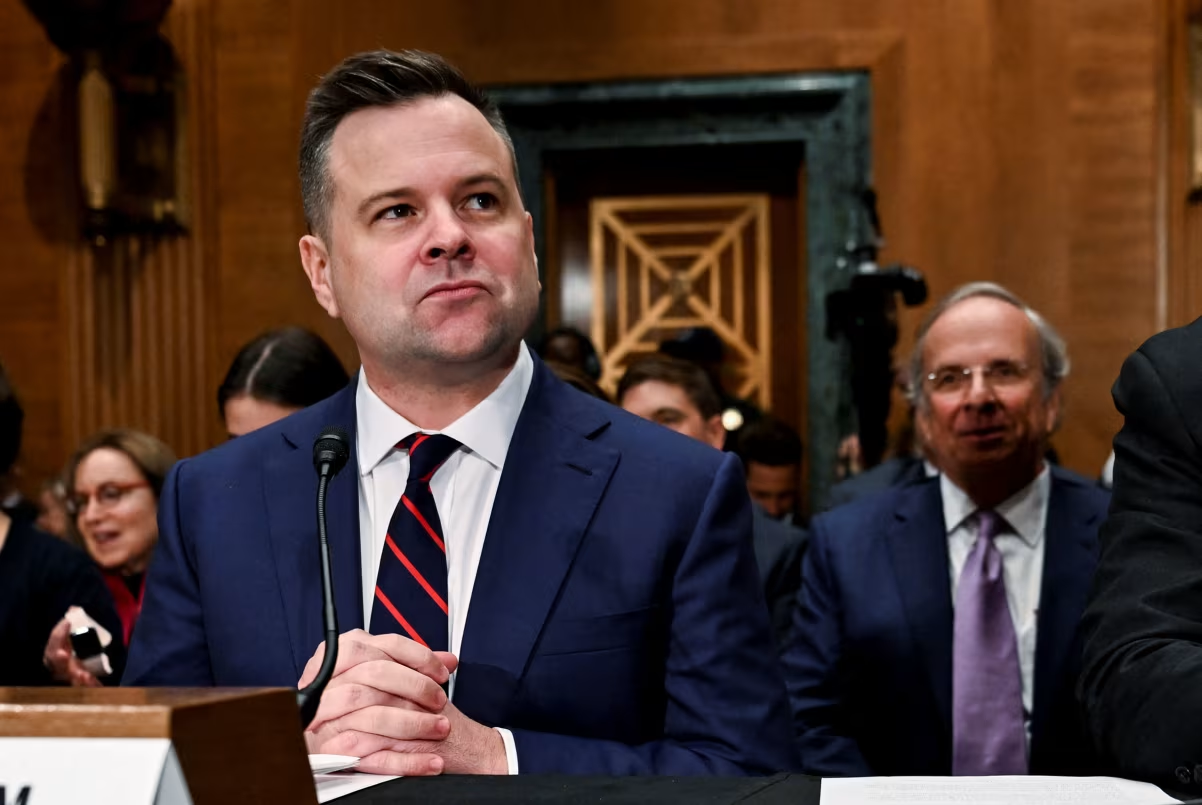
How an obscure housing director launched Trump’s firing of Fed governor Lisa Cook
Entities mentioned:
- Bill Pulte: Ambition, Power, Influence
- Donald Trump: Power, Control, Revenge
- Jerome Powell: Professional pride, Duty, Self-preservation
- Lisa Cook: Self-preservation, Professional pride, Indignation
- Justice Department: Duty, Obligation, Control
- Federal Reserve: Professional pride, Duty, Independence
Article Assessment:
Credibility Score: 75/100
Bias Rating: 45/100 (Center)
Sentiment Score: 35/100
Authoritarianism Risk: 65/100 (Authoritarian Tendencies)
Bias Analysis:
The article presents multiple viewpoints and includes critiques from both sides of the political spectrum. While it details Trump and Pulte's actions more extensively, it also includes their justifications and counterarguments from other parties.
Key metric: Federal Reserve Independence
As a social scientist, I analyze that this article highlights a significant challenge to the independence of the Federal Reserve, a crucial institution for U.S. economic stability. Bill Pulte's actions, seemingly endorsed by President Trump, represent an unprecedented level of political interference in Fed operations. The attempt to remove Governor Lisa Cook based on allegations from a housing official outside the Fed's purview suggests a breakdown in the traditional separation between political and monetary policy. This situation could potentially undermine public trust in the Fed's ability to make objective economic decisions, free from political pressure. The use of social media and public accusations to influence Fed personnel decisions also represents a departure from established norms, potentially setting a dangerous precedent for future administrations. The involvement of the Justice Department in investigating Fed officials based on referrals from a politically appointed housing director further blurs the lines between independent institutions and political agendas. This erosion of institutional boundaries could have long-term implications for the stability and credibility of U.S. economic policy-making.

‘Debilitating consequences’ in Uganda after USAID cuts – photo essay
Entities mentioned:
- Democrats: Complacency, Self-preservation, Obligation
- Maine oysterman: Moral outrage, Determination, Duty
- California governor: Competitive spirit, Righteousness, Indignation
- Donald Trump: Power, Self-preservation, Revenge
- Kilmar Ábrego García: Self-preservation, Security, Freedom
- US Government: Control, Security, Power
Article Assessment:
Credibility Score: 70/100
Bias Rating: 40/100 (Lean Left)
Sentiment Score: 30/100
Authoritarianism Risk: 55/100 (Mixed/Neutral)
Bias Analysis:
The headlines lean slightly left, critiquing Trump and highlighting opposition to his policies. However, they also present diverse viewpoints, including criticism of Democrats, which adds some balance.
Key metric: Immigration and Population Growth
As a social scientist, I analyze that this collection of headlines reflects a complex political landscape centered around immigration policy and its broader implications for US demographics and politics. The decline in immigrant population growth after 50 years of increase signifies a major shift in US population dynamics, likely influenced by stricter immigration policies. This change could have far-reaching effects on the economy, social fabric, and political balance of the country. The headlines also highlight the polarization in American politics, with different actors taking strong stances on immigration and related issues. The involvement of figures from various levels of government (local, state, federal) in these debates underscores the multi-faceted nature of the immigration issue in the US political system.

Trump is crowing about his tariffs reducing the debt by $4 trillion. But there are some caveats
Entities mentioned:
- Donald Trump: Pride, Power, Legacy
- Congressional Budget Office: Duty, Professional pride, Obligation
- China: Competitive spirit, Self-preservation, Power
- Scott Bessent: Duty, Professional pride
- Marc Goldwein: Professional pride, Obligation, Wariness
Article Assessment:
Credibility Score: 75/100
Bias Rating: 55/100 (Center)
Sentiment Score: 45/100
Authoritarianism Risk: 35/100 (Generally Democratic)
Bias Analysis:
The article presents multiple perspectives, including Trump's claims and counterarguments, showing an attempt at balance. However, there's a slight lean towards skepticism of Trump's assertions, which places it just right of center.
Key metric: Federal Debt to GDP Ratio
As a social scientist, I analyze that this article highlights the complex interplay between tariff policies, federal debt reduction, and economic impact. Trump's emphasis on the CBO report showing a $4 trillion debt reduction from tariffs demonstrates his attempt to justify his controversial trade policies. However, the article raises important caveats, including potential economic drawbacks and the offsetting effect of Trump's domestic policy agenda. The frequent changes in tariff rates and their application to various countries and sectors underscore the volatility of this approach. The potential for economic consequences, such as increased inflation and weakened growth, suggests that the long-term impact on the federal debt may be less straightforward than presented. This situation reflects the challenges of balancing trade policy, economic growth, and fiscal responsibility in a globalized economy.
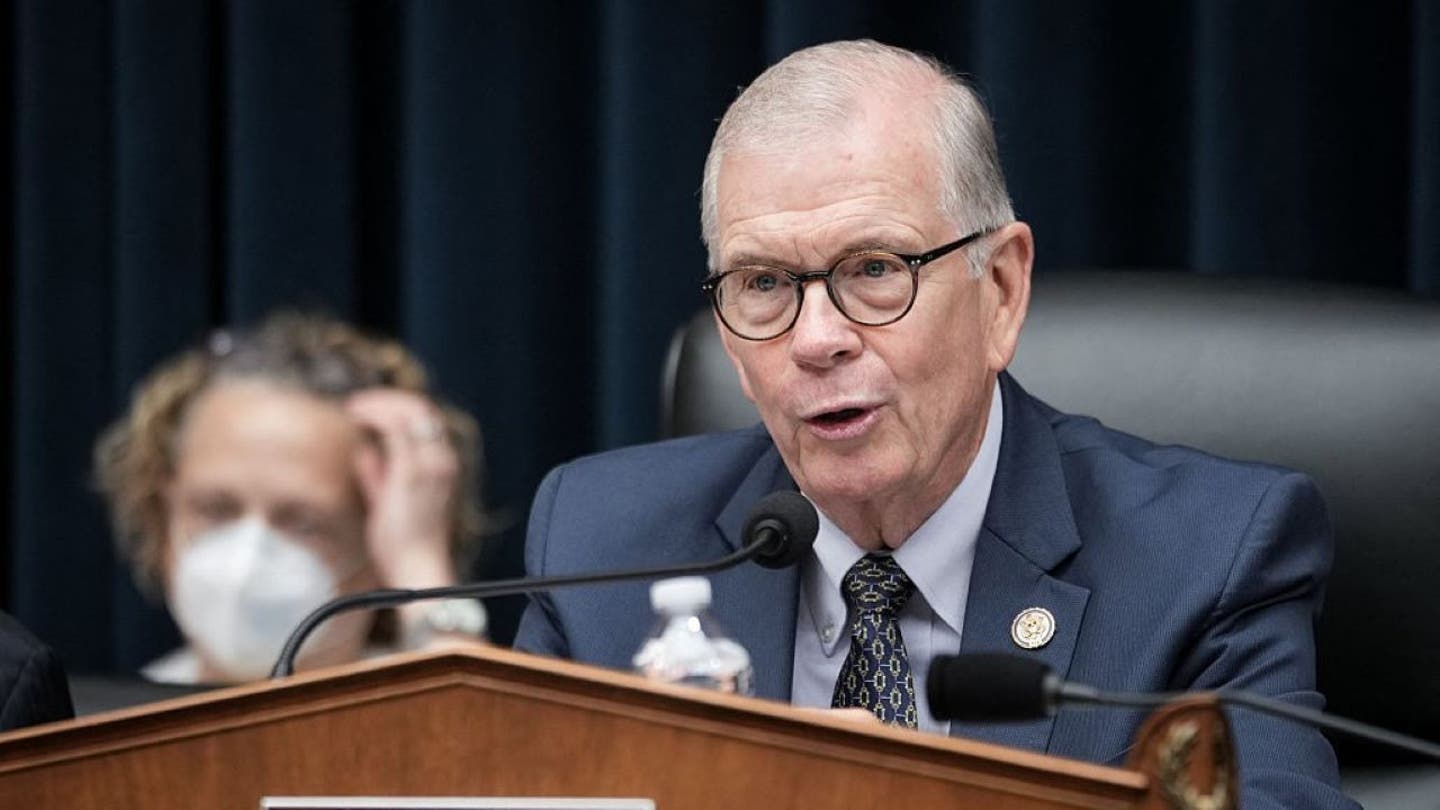
House Republicans give California medical schools two-week deadline in antisemitism probe
Entities mentioned:
- House Republicans: Justice, Power, Control
- Tim Walberg: Righteousness, Duty, Control
- University of California Los Angeles: Self-preservation, Obligation, Professional pride
- UC San Francisco: Self-preservation, Obligation, Professional pride
- University of Illinois College of Medicine: Self-preservation, Obligation, Professional pride
- Trump administration: Justice, Power, Control
- Department of Justice: Justice, Duty, Control
Article Assessment:
Credibility Score: 75/100
Bias Rating: 55/100 (Center)
Sentiment Score: 30/100
Authoritarianism Risk: 35/100 (Generally Democratic)
Bias Analysis:
The article presents multiple viewpoints, including those of Republican lawmakers, university administrators, and affected students. While it gives more space to the Republican perspective, it also includes university responses, suggesting a relatively balanced approach.
Key metric: Civil Rights Enforcement
As a social scientist, I analyze that this article highlights a growing concern over antisemitism in higher education institutions, particularly in medical schools. The involvement of House Republicans and the Trump administration in investigating and penalizing universities suggests a heightened federal focus on civil rights enforcement, specifically regarding discrimination against Jewish students. This increased scrutiny and potential financial penalties could lead to more rigorous anti-discrimination policies and practices in universities, affecting the overall climate for minority students and the enforcement of civil rights laws in educational settings. The demand for extensive documentation and the substantial financial penalties proposed indicate a shift towards more aggressive federal intervention in university affairs related to discrimination issues.

Rep. Greene raises red flag after Trump indicates US will accept 600,000 Chinese students
Entities mentioned:
- Donald Trump: Power, Influence, Legacy
- Marjorie Taylor Greene: Nationalism, Security, Wariness
- Howard Lutnick: Duty, Professional pride, Obligation
- Laura Ingraham: Righteousness, Competitive spirit, Wariness
- Marco Rubio: Security, Nationalism, Competitive spirit
Article Assessment:
Credibility Score: 70/100
Bias Rating: 65/100 (Lean Right)
Sentiment Score: 35/100
Authoritarianism Risk: 45/100 (Mixed/Neutral)
Bias Analysis:
The article leans slightly right, evidenced by its focus on conservative voices and concerns about Chinese influence. While it presents multiple perspectives, it gives more weight to skeptical views of Chinese student enrollment.
Key metric: International Student Enrollment
As a social scientist, I analyze that this article highlights a potential shift in US policy regarding Chinese students studying in American universities. The debate centers on national security concerns versus economic benefits to US higher education institutions. Trump's apparent openness to maintaining Chinese student enrollment contrasts with previous hardline stances, suggesting a possible recalibration of US-China relations. This issue intersects with broader themes of international education, economic competitiveness, and national security, reflecting complex geopolitical dynamics between the US and China.
Federal judge orders closure of Trump’s ‘Alligator Alcatraz’ immigration jail
Entities mentioned:
- Donald Trump: Power, Control, Legacy
- Federal judge: Justice, Duty, Righteousness
- Immigration and Customs Enforcement (ICE): Control, Security, Duty
- Trump administration: Power, Control, Influence
- US military: Duty, Security, Obligation
- Pentagon: Security, Duty, Control
- ACLU: Justice, Freedom, Moral outrage
Article Assessment:
Credibility Score: 65/100
Bias Rating: 35/100 (Lean Left)
Sentiment Score: 30/100
Authoritarianism Risk: 65/100 (Authoritarian Tendencies)
Bias Analysis:
The article leans left in its framing, focusing on challenges to Trump administration policies and highlighting opposition. While it presents factual information, the selection of stories and language used suggests a critical stance towards the administration's actions.
Key metric: Immigration Enforcement Effectiveness
As a social scientist, I analyze that this article highlights significant tensions between the Trump administration's aggressive immigration policies and judicial oversight. The closure of the 'Alligator Alcatraz' immigration jail by a federal judge suggests a pushback against what may be perceived as overly harsh or potentially unconstitutional detention practices. This decision, along with other reported actions such as cutting California's sex-education funds over gender identity references and the military identifying 'hotels to avoid' due to protests, indicates a pattern of resistance to the administration's policies from various sectors including the judiciary, state governments, and civil society. The involvement of the Pentagon in asking civilian employees to aid ICE deportations further underscores the administration's commitment to its immigration agenda, potentially blurring lines between civilian and military roles in domestic law enforcement. This could have significant implications for the effectiveness and public perception of immigration enforcement efforts, potentially leading to increased polarization and legal challenges.

Trump targets Chicago and New York as Hegseth orders weapons for DC troops
Entities mentioned:
- Donald Trump: Power, Control, Influence
- Pete Hegseth: Loyalty, Duty, Security
- Pentagon: Control, Security, Obligation
- Ukraine: Self-preservation, Justice, Freedom
- Zohran Mamdani: Ambition, Recognition, Influence
- Marjorie Taylor Greene: Moral outrage, Righteousness, Influence
- Bernie Sanders: Justice, Moral outrage, Influence
- Kilmar Ábrego García: Self-preservation, Fear, Security
- Gavin Newsom: Competitive spirit, Ambition, Recognition
- Arnold Schwarzenegger: Justice, Legacy, Influence
- Ghislaine Maxwell: Self-preservation, Loyalty, Fear
Article Assessment:
Credibility Score: 70/100
Bias Rating: 40/100 (Lean Left)
Sentiment Score: 35/100
Authoritarianism Risk: 45/100 (Mixed/Neutral)
Bias Analysis:
The article leans slightly left, evidenced by more coverage of Democratic figures and initiatives. While it includes some Republican perspectives, the framing tends to be more critical of conservative positions.
Key metric: Political Polarization Index
As a social scientist, I analyze that this article highlights increasing political polarization in the United States. The content spans various political issues, from immigration and foreign policy to electoral politics and social issues. Trump's continued influence on Republican politics is evident, while Democratic figures are positioning themselves in opposition. The mention of partisan redistricting, sanctuary city policies, and contrasting approaches to issues like the Gaza conflict and offshore wind farms underscore deep divisions along party lines. This polarization is likely to impact governance, policy-making, and social cohesion, potentially leading to increased gridlock and decreased ability to address national challenges effectively.