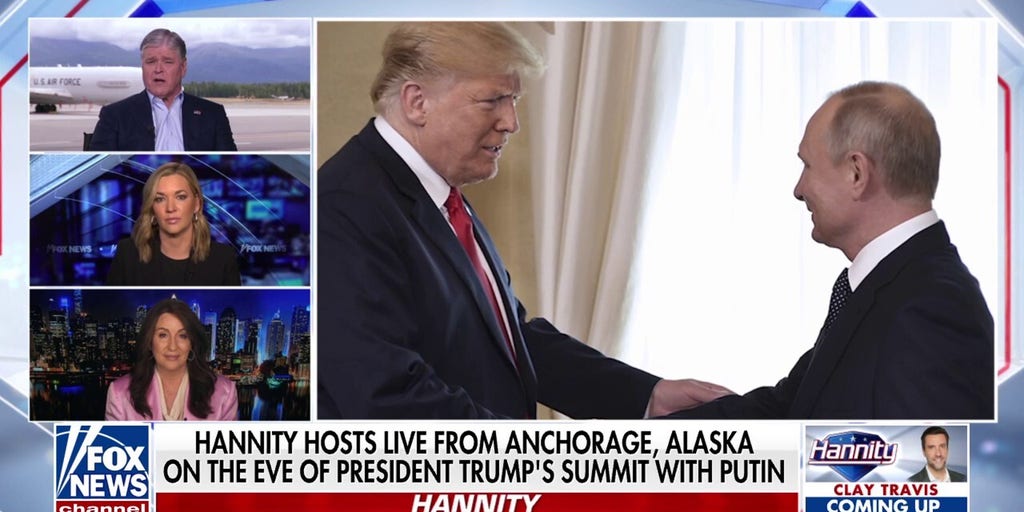
There's a reason why Putin decided to invade Ukraine under Joe Biden's presidency, says Katie Pavlich
Entities mentioned:
- Vladimir Putin: Power, Control, Ambition
- Joe Biden: Duty, Influence, Security
- Katie Pavlich: Influence, Recognition, Competitive spirit
- Miranda Devine: Influence, Recognition, Competitive spirit
- Donald Trump: Power, Recognition, Influence
- Fox News: Influence, Competitive spirit, Recognition
Article Assessment:
Credibility Score: 45/100
Bias Rating: 75/100 (Lean Right)
Sentiment Score: 35/100
Authoritarianism Risk: 40/100 (Generally Democratic)
Bias Analysis:
The article leans right due to its source (Fox News) and framing that favors Trump's approach over Biden's. The commentary from conservative contributors without balancing perspectives indicates a right-leaning bias.
Key metric: International Relations and Diplomacy
As a social scientist, I analyze that this article suggests a perceived shift in international power dynamics and diplomatic approach between the Trump and Biden administrations, particularly concerning Russia. The commentary implies that Putin's decision to invade Ukraine during Biden's presidency is not coincidental, hinting at a perceived weakness or change in U.S. foreign policy. The suggestion that Trump could end the war indicates a belief in his different approach to international relations. This framing may influence public perception of U.S. leadership and its global standing, potentially impacting diplomatic efforts and alliances.
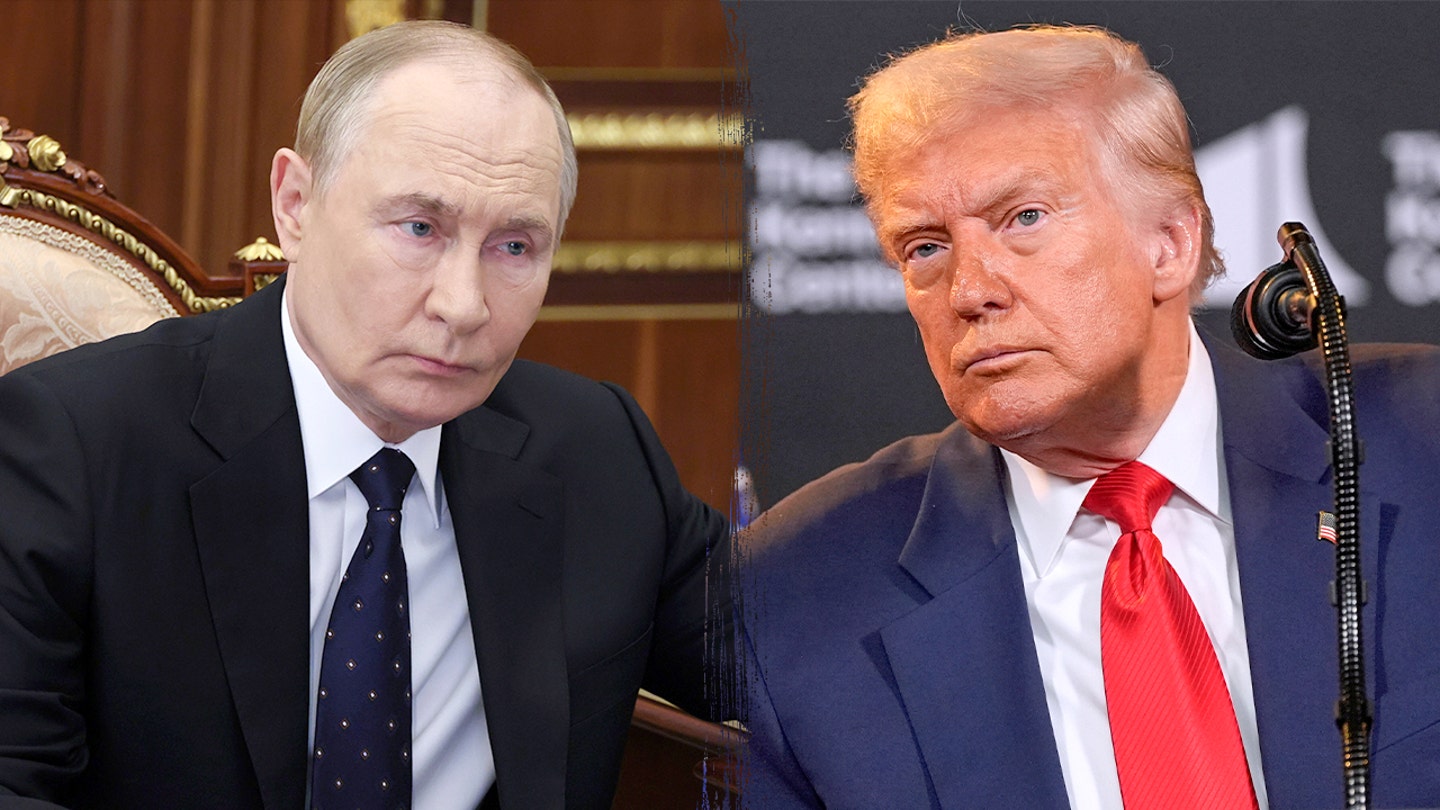
Putin praises Trump’s ‘sincere’ peace efforts, signals possible US-Russia nuclear deal
Entities mentioned:
- Vladimir Putin: Power, Influence, Control
- Donald Trump: Legacy, Recognition, Ambition
- Volodymyr Zelenskyy: Self-preservation, Unity, Determination
- Keir Starmer: Duty, Influence, Unity
- Friedrich Merz: Duty, Influence, Unity
- Emmanuel Macron: Influence, Unity, Leadership
- JD Vance: Duty, Influence, Professional pride
- Gen. Keith Kellogg: Duty, Professional pride, Security
Article Assessment:
Credibility Score: 75/100
Bias Rating: 45/100 (Center)
Sentiment Score: 55/100
Authoritarianism Risk: 35/100 (Generally Democratic)
Bias Analysis:
The article presents multiple perspectives, including those of Russia, the US, and Ukraine, indicating an attempt at balanced reporting. However, there's a slight emphasis on Western viewpoints and actions, which may suggest a subtle Western-centric framing.
Key metric: International Relations and Diplomacy
As a social scientist, I analyze that this article highlights a potential shift in US-Russia relations, centered around nuclear arms control and the ongoing conflict in Ukraine. The upcoming summit between Trump and Putin represents a critical juncture in international diplomacy, with potential ramifications for global security. Putin's praise of US efforts and hints at a possible nuclear deal suggest a strategic positioning ahead of the talks. However, Zelenskyy's skepticism indicates ongoing tensions and complexities in resolving the Ukraine conflict. The involvement of other world leaders and the 'Coalition of the Willing' underscores the global significance of these negotiations. The article suggests a delicate balance of power dynamics, with both Trump and Putin potentially seeking diplomatic victories for domestic and international gain.