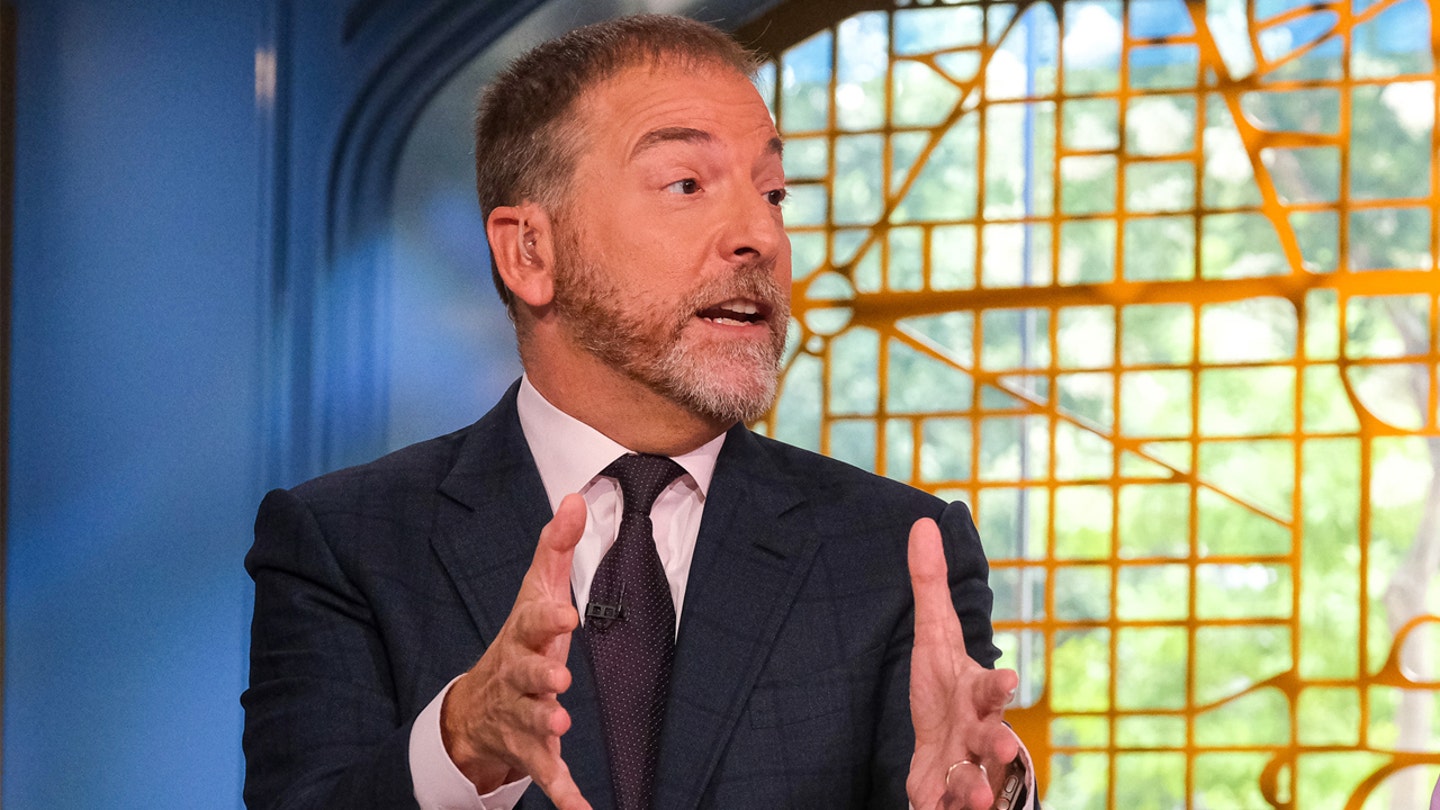
Chuck Todd says Biden's presidency was so 'weak and ineffective' it made people go back to Trump
Entities mentioned:
- Chuck Todd: Professional pride, Influence, Recognition
- Joe Biden: Legacy, Power, Duty
- Donald Trump: Power, Revenge, Recognition
- NBC News: Influence, Professional pride, Recognition
Article Assessment:
Credibility Score: 65/100
Bias Rating: 65/100 (Lean Right)
Sentiment Score: 30/100
Authoritarianism Risk: 45/100 (Mixed/Neutral)
Bias Analysis:
The article leans right due to its focus on criticizing Biden and implicitly favoring Trump's return. While it presents Todd's critique, it doesn't offer counterbalancing perspectives or fact-checking, suggesting a rightward slant in its framing.
Key metric: Political Stability and Absence of Violence/Terrorism
As a social scientist, I analyze that this article highlights a significant shift in American political dynamics, potentially impacting the country's political stability. Chuck Todd's critique of Biden's presidency as 'weak and ineffective' suggests a failure to consolidate democratic norms and address societal divisions post-Trump. The unprecedented return of a former president after a single term out of office indicates volatility in voter preferences and potential dissatisfaction with the current administration's performance. This instability could lead to increased political polarization and potentially affect the country's global standing and internal governance structures.
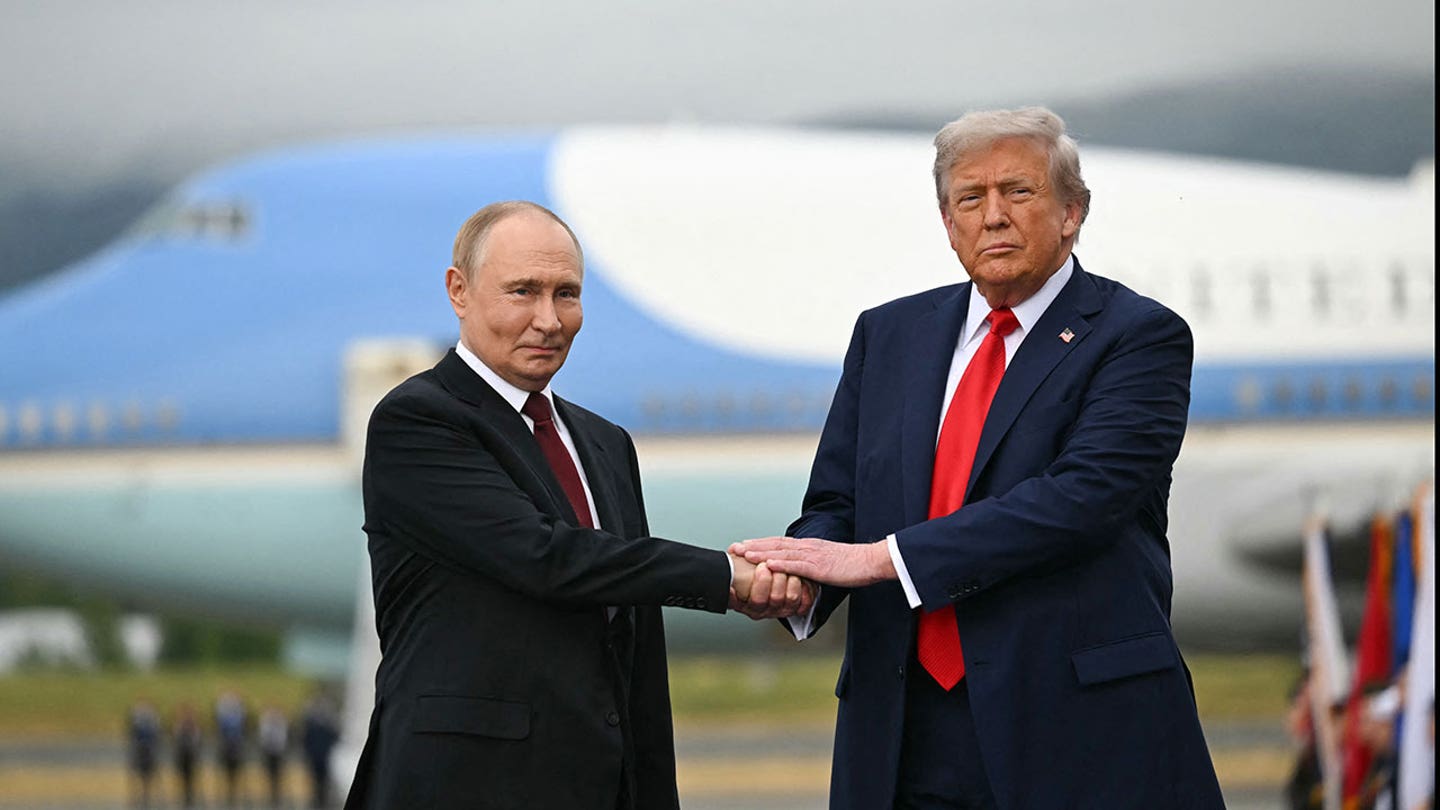
ROBERT MAGINNIS: What comes next for US, Russia and Ukraine after Alaska summit
Entities mentioned:
- Donald Trump: Power, Recognition, Legacy
- Vladimir Putin: Control, Power, Self-preservation
- Volodymyr Zelenskyy: Determination, Justice, Unity
- United States: Influence, Security, Power
- Russia: Control, Power, Self-preservation
- Ukraine: Self-preservation, Freedom, Justice
- NATO: Unity, Security, Influence
- China: Power, Influence, Wariness
Article Assessment:
Credibility Score: 75/100
Bias Rating: 55/100 (Center)
Sentiment Score: 45/100
Authoritarianism Risk: 30/100 (Generally Democratic)
Bias Analysis:
The article presents a balanced view of the summit, offering perspectives from multiple sides. While it leans slightly towards a Western viewpoint, it attempts to provide objective analysis of all parties' motivations and potential outcomes.
Key metric: International Diplomatic Influence
As a social scientist, I analyze that this summit represents a critical juncture in U.S.-Russia relations and the ongoing Ukraine conflict. The meeting, while not producing concrete agreements, establishes a foundation for potential future negotiations. The careful choreography and symbolism of the event underscore its significance in global diplomacy. The article highlights the delicate balance between pursuing peace and maintaining a strong negotiating position, particularly for the U.S. and Ukraine. The emphasis on sanctions as a key leverage point suggests that economic pressure remains a primary tool in international conflict resolution. The involvement of multiple stakeholders, including NATO and European allies, indicates the complex, interconnected nature of this geopolitical situation. The article also points to the broader implications of these negotiations, particularly in terms of global power dynamics and the potential impact on other international actors like China. The analysis provides a nuanced view of the challenges ahead, emphasizing the need for rigorous verification mechanisms and sustained diplomatic efforts.