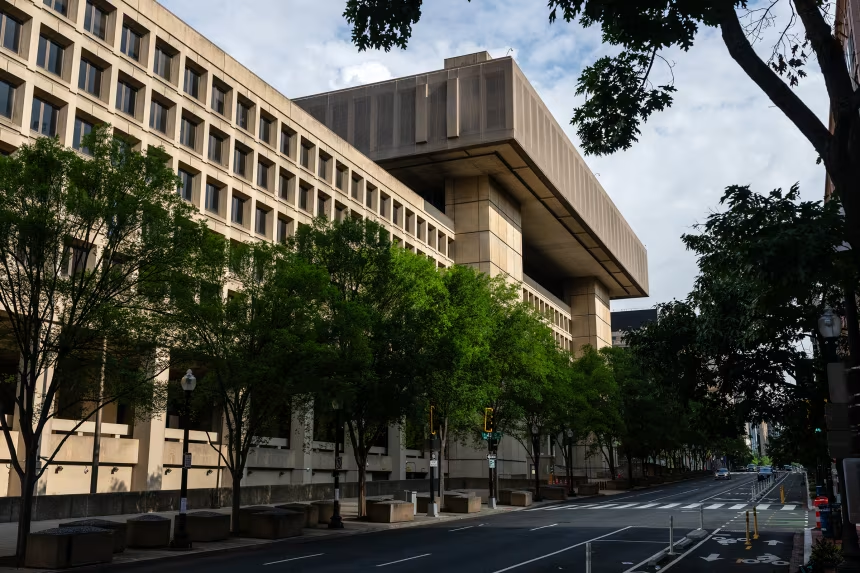
FBI firing senior officials at odds with Trump administration
Entities mentioned:
- FBI: Duty, Professional pride, Justice
- Trump administration: Control, Power, Revenge
- Brian Driscoll: Duty, Loyalty, Professional pride
- Steve Jensen: Duty, Professionalism, Loyalty
- Kash Patel: Power, Loyalty, Control
- Emil Bove: Control, Power, Loyalty
- Dan Bongino: Loyalty, Ambition, Power
- FBI Agents Association: Justice, Duty, Professional pride
- Jeanine Pirro: Loyalty, Duty, Professionalism
Article Assessment:
Credibility Score: 75/100
Bias Rating: 45/100 (Center)
Sentiment Score: 30/100
Authoritarianism Risk: 70/100 (Authoritarian Tendencies)
Bias Analysis:
The article presents multiple perspectives, including those of the administration and concerned FBI officials. While it leans slightly towards portraying the firings negatively, it maintains a relatively balanced tone by including administration viewpoints.
Key metric: Rule of Law Index
As a social scientist, I analyze that this article portrays a significant disruption in the leadership and operations of the FBI, a key law enforcement agency in the United States. The mass firings of senior officials, particularly those who were perceived to be opposed to the Trump administration or involved in investigations related to January 6th, suggest a politicization of law enforcement. This could potentially undermine the FBI's independence and ability to conduct impartial investigations. The demand for names of agents involved in January 6th cases and subsequent personnel actions indicate a possible attempt to influence or obstruct ongoing investigations. These actions could significantly impact the Rule of Law Index, as they suggest a weakening of checks and balances and potential executive overreach into law enforcement matters. The resistance from within the FBI and the FBI Agents Association's concerns highlight the tension between political influence and the professional integrity of law enforcement institutions. This situation could lead to a decrease in public trust in law enforcement and the overall justice system, potentially lowering the U.S. score on the Rule of Law Index.
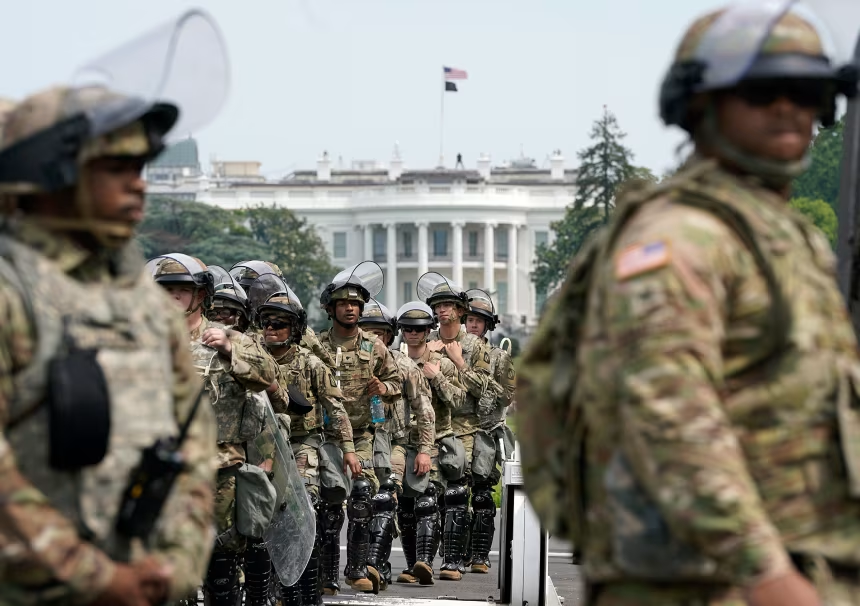
Here’s what could happen if Trump brings the National Guard to DC
Entities mentioned:
- Donald Trump: Control, Power, Influence
- DC Police Department: Duty, Security, Professional pride
- National Guard: Duty, Security, Obligation
- US Congress: Control, Duty, Power
- DC Mayor and City Council: Self-preservation, Control, Duty
- Federal Law Enforcement Agencies: Duty, Control, Security
Article Assessment:
Credibility Score: 75/100
Bias Rating: 45/100 (Center)
Sentiment Score: 35/100
Authoritarianism Risk: 65/100 (Authoritarian Tendencies)
Bias Analysis:
The article presents multiple perspectives, including Trump's statements, expert opinions, and factual context. While it leans slightly critical of Trump's proposals, it maintains a generally balanced approach by providing legal and historical context.
Key metric: Civil Liberties and Democratic Governance
As a social scientist, I analyze that this article highlights a potential conflict between federal and local governance in Washington, DC, with implications for civil liberties and democratic norms. Trump's threat to federalize DC's police force and deploy the National Guard represents a significant escalation in federal intervention in local affairs. This move could undermine the principles of Home Rule and local autonomy, potentially setting a precedent for increased federal control over municipal governance. The article suggests that such actions may not be justified by current crime rates, raising questions about the motivations behind these threats. The potential deployment of federal forces, reminiscent of the 2020 protests response, could lead to increased tensions between residents and law enforcement, potentially infringing on civil liberties and First Amendment rights. This situation underscores the unique and complex status of Washington, DC in the American federal system and highlights the delicate balance between federal oversight and local governance.