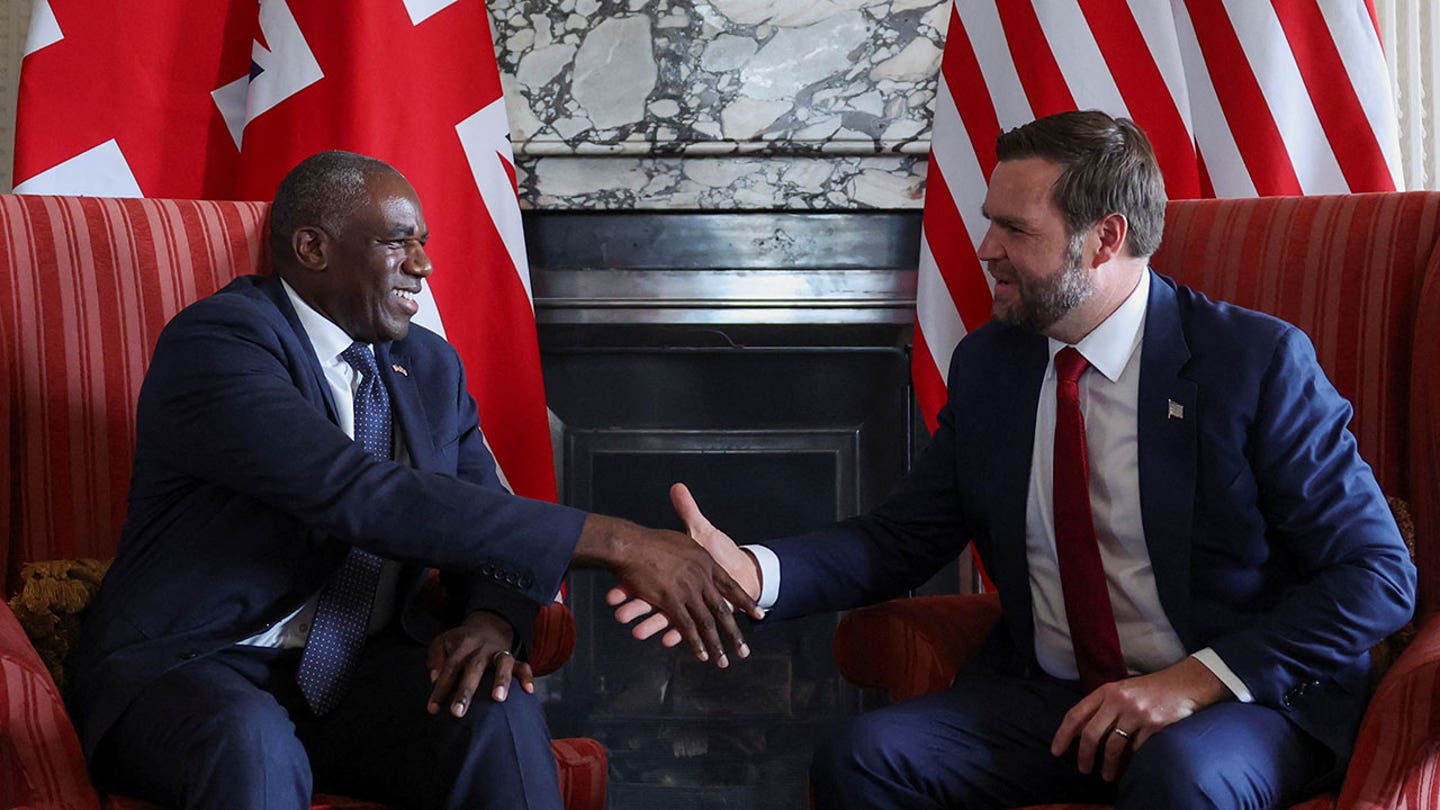
Vance: Adversaries are ‘afraid’ of US military, and that makes tough talks like Putin possible
Entities mentioned:
- JD Vance: Influence, Righteousness, Power
- Donald Trump: Power, Recognition, Control
- Vladimir Putin: Power, Control, Self-preservation
- U.S. Military: Duty, Professional pride, Deterrence
- European leaders: Security, Unity, Self-preservation
- Volodymyr Zelenskyy: Determination, Self-preservation, Unity
Article Assessment:
Credibility Score: 70/100
Bias Rating: 65/100 (Lean Right)
Sentiment Score: 55/100
Authoritarianism Risk: 45/100 (Mixed/Neutral)
Bias Analysis:
The article leans right, focusing heavily on the Trump administration's perspective and Vance's militaristic rhetoric. It presents a unilateral view of negotiations and U.S. strength, with limited counterbalancing viewpoints or critical analysis of the approach.
Key metric: U.S. Global Military Influence
As a social scientist, I analyze that this article emphasizes the perceived strength of the U.S. military as a key factor in international negotiations, particularly regarding the Russia-Ukraine conflict. Vice President Vance's rhetoric suggests a shift towards a more assertive foreign policy stance, leveraging military prowess as a negotiation tool. The administration's approach appears to be recalibrating U.S. involvement in the Ukraine conflict, pushing for greater European responsibility. This stance could potentially impact U.S. global military influence by altering the dynamics of NATO alliances and the perception of U.S. commitment to European security. The emphasis on bilateral talks between Trump and Putin, bypassing multilateral frameworks, indicates a potential realignment of diplomatic strategies that could have far-reaching consequences for U.S. global military positioning and influence.
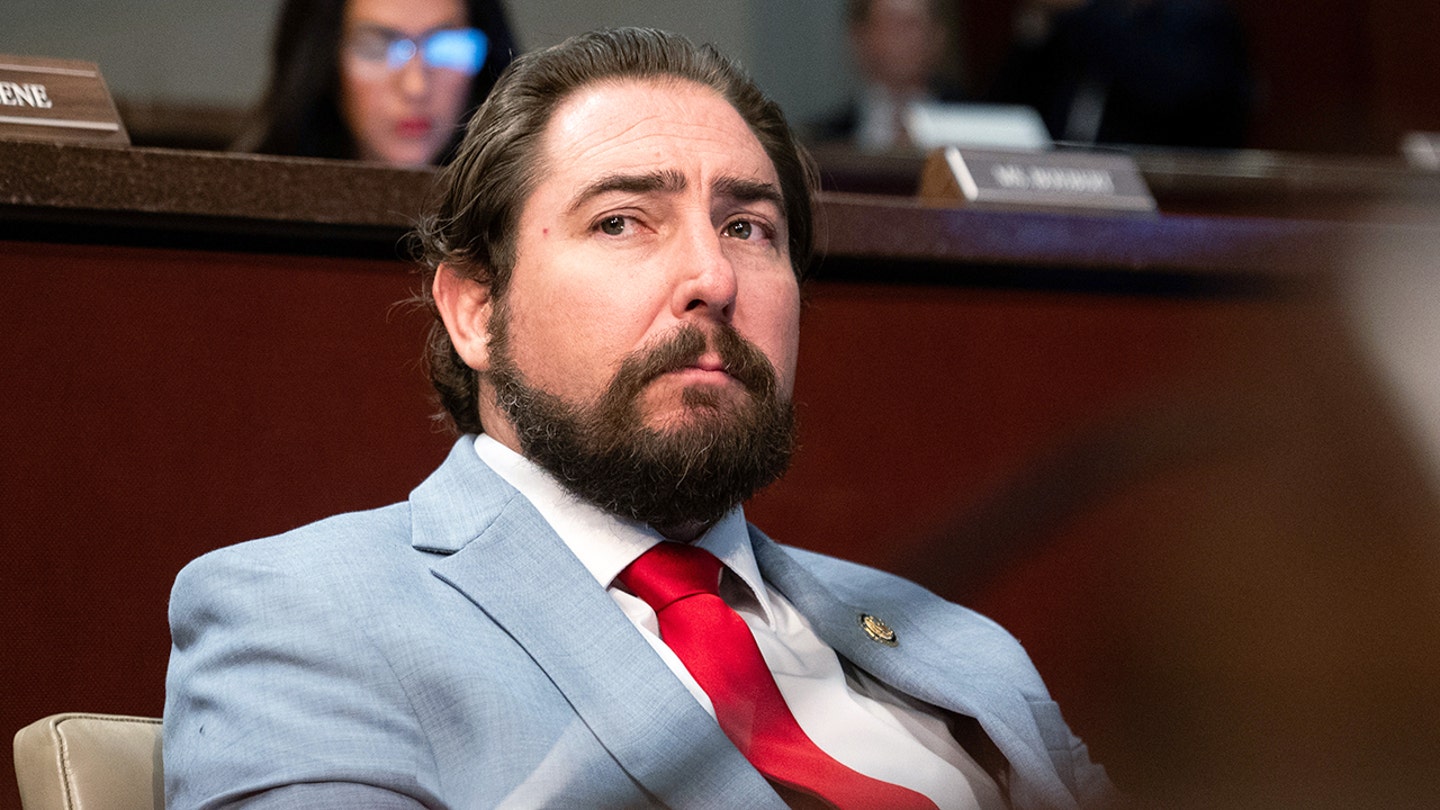
Former Navy SEAL Rep. Eli Crane fires off message for ex-President Obama: 'Probably best to sit this one out'
Entities mentioned:
- Eli Crane: Righteousness, Loyalty, Duty
- Barack Obama: Legacy, Influence, Justice
- Mike Lee: Competitive spirit, Righteousness, Duty
- Scott Walker: Righteousness, Professional pride, Influence
- Kush Desai: Loyalty, Duty, Competitive spirit
- Donald Trump: Competitive spirit, Power, Legacy
Article Assessment:
Credibility Score: 70/100
Bias Rating: 65/100 (Lean Right)
Sentiment Score: 35/100
Authoritarianism Risk: 30/100 (Generally Democratic)
Bias Analysis:
The article leans right, giving more space to Republican critiques of the ACA. While it includes Obama's perspective, it provides multiple opposing viewpoints, including a critical White House statement, suggesting a slight conservative bias.
Key metric: Healthcare Affordability Index
As a social scientist, I analyze that this article highlights ongoing political tensions surrounding the Affordable Care Act (ACA). The debate centers on the efficacy and impact of the healthcare law, with Republicans criticizing its effects on affordability and Democrats defending its benefits. The involvement of various political figures, including a former president, current lawmakers, and administration officials, underscores the continued significance of healthcare policy in American politics. This discourse may influence public perception of healthcare accessibility and affordability, potentially impacting voter behavior and policy decisions.