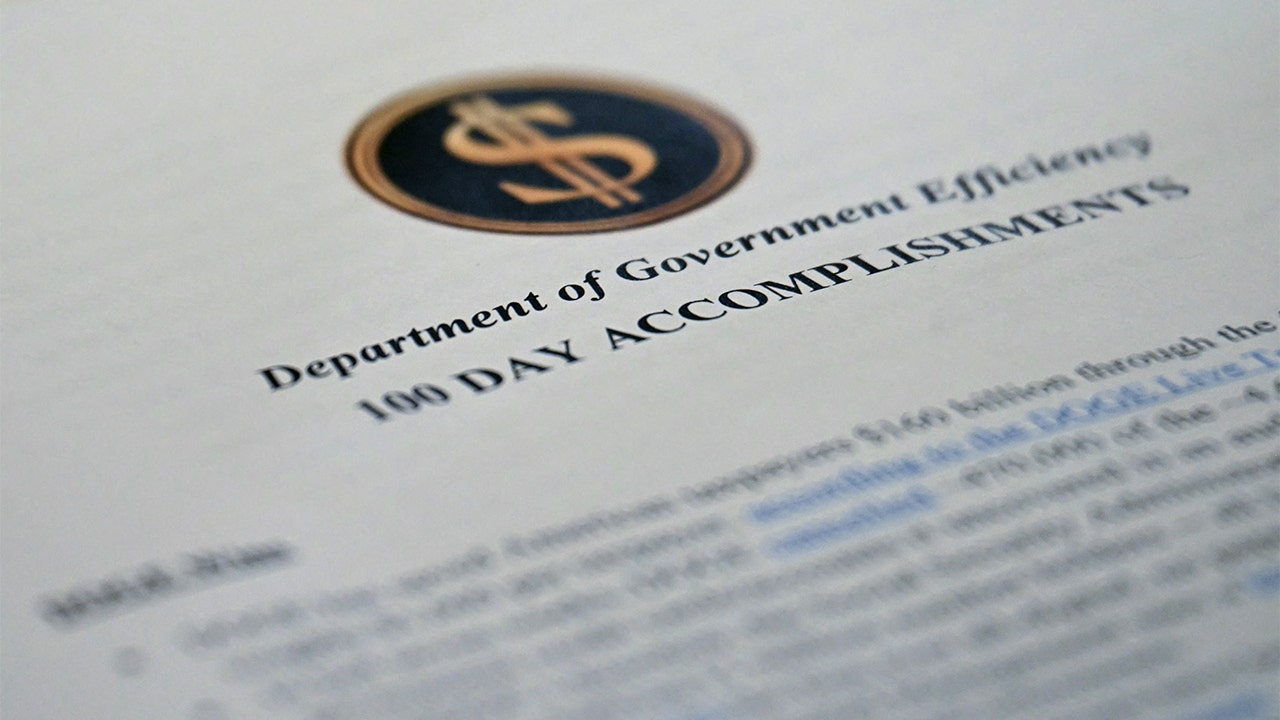
DOGE scores win on appeal as court rejects labor union challenge
Entities mentioned:
- Department of Government Efficiency (DOGE): Control, Power, Influence
- Labor Unions: Justice, Security, Moral outrage
- Trump Administration: Power, Control, Ambition
- Fourth Circuit Court of Appeals: Duty, Justice, Professional pride
Article Assessment:
Credibility Score: 70/100
Bias Rating: 55/100 (Center)
Sentiment Score: 40/100
Authoritarianism Risk: 65/100 (Authoritarian Tendencies)
Bias Analysis:
The article presents a relatively balanced view of the court decision, including perspectives from both sides. However, there's a slight lean towards emphasizing the Trump administration's victory, which may suggest a subtle center-right bias.
Key metric: Government Transparency and Accountability
As a social scientist, I analyze that this ruling has significant implications for government transparency and accountability. The court's decision to allow DOGE access to sensitive user data from multiple agencies raises concerns about privacy and data protection. This could potentially lead to increased government surveillance and control over citizen information, which may impact public trust in government institutions. The labor unions' challenge reflects growing tensions between government efficiency efforts and privacy rights. The split decision (2-1) in the appeals court suggests that this issue remains contentious and may face further legal scrutiny.

Benny Johnson scolds White House reporters who 'lie' about D.C. being safe during press briefing
Entities mentioned:
- Benny Johnson: Righteousness, Moral outrage, Influence
- Karoline Leavitt: Loyalty, Duty, Professional pride
- Donald Trump: Power, Control, Legacy
- Nancy Pelosi: Opposition, Power, Influence
- Hillary Clinton: Opposition, Influence, Legacy
- Democratic Party: Opposition, Power, Control
Article Assessment:
Credibility Score: 55/100
Bias Rating: 75/100 (Lean Right)
Sentiment Score: 30/100
Authoritarianism Risk: 65/100 (Authoritarian Tendencies)
Bias Analysis:
The article leans right, evidenced by its favorable portrayal of Trump administration actions and critical stance towards Democrats. It primarily presents conservative viewpoints and anecdotes, with limited counterbalancing perspectives.
Key metric: Crime Rate in Major Cities
As a social scientist, I analyze that this article highlights the politicization of crime and safety in Washington D.C., using personal anecdotes to challenge media narratives. The focus on Trump's actions to address crime suggests a shift in federal involvement in local law enforcement, which could have significant implications for crime rates and perceptions of safety in major cities. The article frames the issue as a success for the Trump administration, potentially influencing public opinion on crime policies and federal intervention. The confrontational tone towards other media outlets and opposition party members indicates a polarized discourse on urban crime and safety.