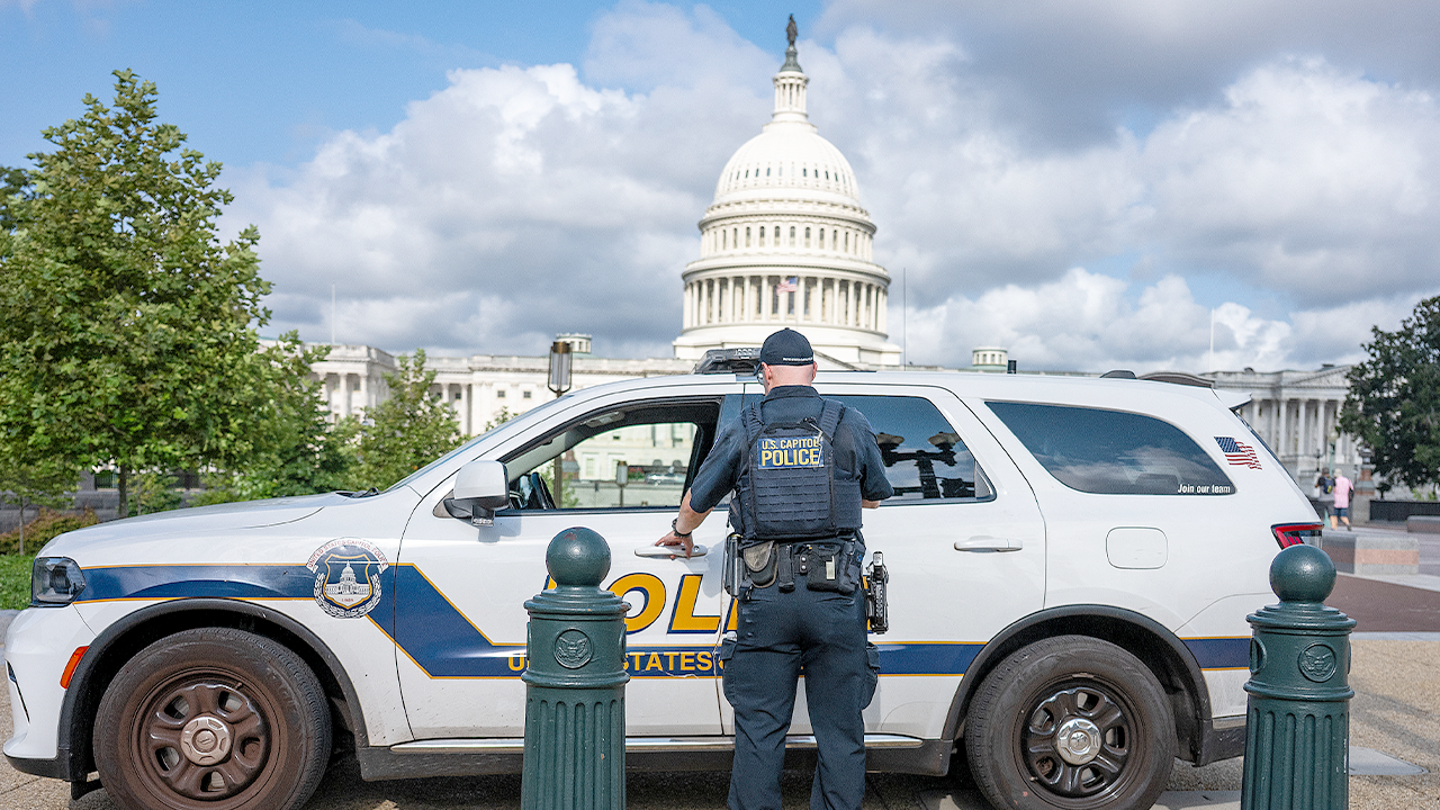
DC violence has grown far more deadly, despite Dems claiming 30-year low
Entities mentioned:
- John Jay adjunct lecturer Jillian Snider: Professional pride, Duty, Righteousness
- Council on Criminal Justice: Justice, Duty, Curiosity
- President Donald Trump: Power, Control, Security
- Democratic lawmakers: Indignation, Loyalty, Self-preservation
- House Minority Leader Hakeem Jeffries: Indignation, Loyalty, Power
- Hillary Clinton: Indignation, Influence, Loyalty
- Metropolitan Police Department: Duty, Security, Professional pride
- Council on Criminal Justice senior researcher Ernesto Lopez: Curiosity, Professional pride, Duty
- Council on Criminal Justice President and CEO Adam Gelb: Professional pride, Duty, Influence
Article Assessment:
Credibility Score: 75/100
Bias Rating: 55/100 (Center)
Sentiment Score: 35/100
Authoritarianism Risk: 55/100 (Mixed/Neutral)
Bias Analysis:
The article presents multiple viewpoints and cites credible sources, including academic research and official crime statistics. However, it gives more prominence to perspectives critical of Democratic claims, suggesting a slight center-right lean.
Key metric: Violent Crime Lethality Rate
As a social scientist, I analyze that this article presents a complex picture of crime trends in Washington D.C., highlighting a significant increase in the lethality of violent crimes despite an overall decrease in violent crime rates. The data shows a 341% increase in lethality from 2012 to 2024, with 57 homicides per 1,000 serious violent crimes in 2024 compared to 13 in 2012. This trend contradicts some political narratives that crime is at a 30-year low, illustrating the importance of nuanced analysis in crime statistics. The article suggests multiple factors contributing to increased lethality, including gang activity, firearms availability, and potentially slower emergency response times. The conflict between federal intervention and local policing autonomy is also highlighted, raising questions about effective crime management strategies. This situation underscores the need for comprehensive approaches to public safety that address both crime frequency and severity.

The number of ICE flights is skyrocketing — but the planes are harder than ever to track
Entities mentioned:
- Immigration and Customs Enforcement (ICE): Control, Duty, Security
- Trump administration: Control, Security, Power
- Witness at the Border: Justice, Transparency, Moral outrage
- ACLU National Prison Project: Justice, Transparency, Freedom
- La Resistencia: Justice, Transparency, Moral outrage
- CSI Aviation: Greed, Professional pride, Loyalty
- Allen Weh (CSI Aviation CEO): Loyalty, Power, Influence
Article Assessment:
Credibility Score: 75/100
Bias Rating: 40/100 (Lean Left)
Sentiment Score: 30/100
Authoritarianism Risk: 65/100 (Authoritarian Tendencies)
Bias Analysis:
The article leans slightly left, focusing on transparency concerns and the impact on detainees and their families. While it presents factual information, the framing emphasizes potential negative consequences of the increased deportation efforts.
Key metric: Immigration Enforcement Effectiveness
As a social scientist, I analyze that this article highlights a significant increase in ICE deportation and detainee transfer flights under the Trump administration, indicating a more aggressive approach to immigration enforcement. The efforts to obscure flight tracking information raise concerns about transparency and accountability in the deportation process. The involvement of private contractors and their political affiliations suggests a potential conflict of interest. This intensified deportation strategy likely impacts the overall effectiveness of immigration enforcement, but may also lead to human rights concerns and reduced public trust in the system. The difficulty in tracking these flights affects families of detainees and limits public oversight, potentially allowing for unchecked practices in the detention and deportation process.