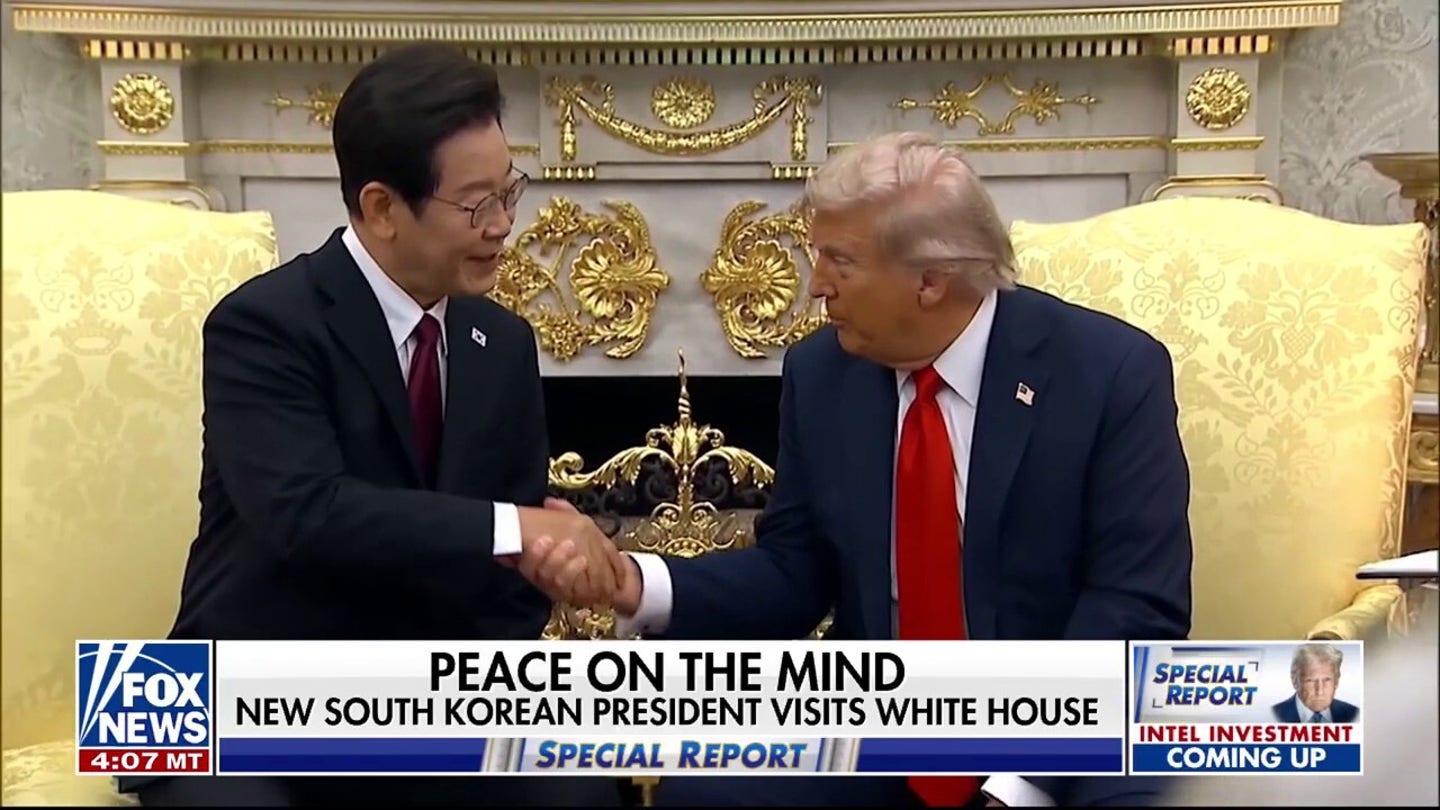
Dems remain 'completely culturally disconnected,' says former Democratic advisor
Entities mentioned:
- Democratic Party: Control, Influence, Recognition
- Former Democratic advisor: Professional pride, Influence, Duty
Article Assessment:
Credibility Score: 45/100
Bias Rating: 65/100 (Lean Right)
Sentiment Score: 30/100
Authoritarianism Risk: 25/100 (Generally Democratic)
Bias Analysis:
The article presents a critical view of Democrats from a former insider, suggesting a right-leaning bias. The lack of counterarguments or context leans away from a balanced presentation.
Key metric: Party affiliation/voter registration
As a social scientist, I analyze that this brief article suggests the Democratic Party is struggling to connect culturally with parts of the electorate, according to a former advisor. This implies potential challenges for Democrats in maintaining or growing party affiliation and voter registration. The advisor's willingness to publicly criticize their own party indicates a level of internal concern about the party's messaging and electoral prospects. However, without more context or details, it's difficult to assess the full implications or validity of this claim.
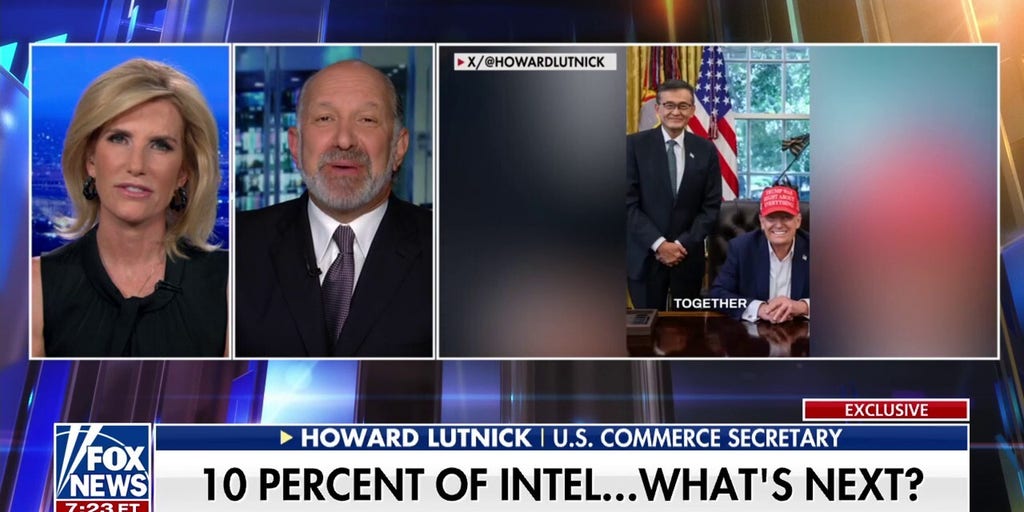
'We're going to bring it home': Trump commerce secretary shares what's next after Intel deal
Entities mentioned:
- Howard Lutnick: Professional pride, Duty, Influence
- Donald Trump: Ambition, Legacy, Power
- Intel: Competitive spirit, Greed, Recognition
- China: Power, Competitive spirit, Security
Article Assessment:
Credibility Score: 55/100
Bias Rating: 65/100 (Lean Right)
Sentiment Score: 70/100
Authoritarianism Risk: 35/100 (Generally Democratic)
Bias Analysis:
The article leans right due to its positive framing of Trump administration policies and its presentation on a typically conservative-leaning program. The language used, such as 'bring it home', appeals to nationalist sentiments often associated with right-wing politics.
Key metric: US Economic Competitiveness
As a social scientist, I analyze that this article suggests a strategic move by the Trump administration to bolster US economic competitiveness, particularly in the tech sector. The deal with Intel, a major US semiconductor company, appears to be part of a broader strategy to strengthen domestic technology production and reduce dependence on foreign suppliers, especially China. This move could potentially impact US economic competitiveness by fostering innovation, creating high-skilled jobs, and securing critical supply chains. However, the limited information provided makes it difficult to assess the full scope and potential effectiveness of these initiatives.