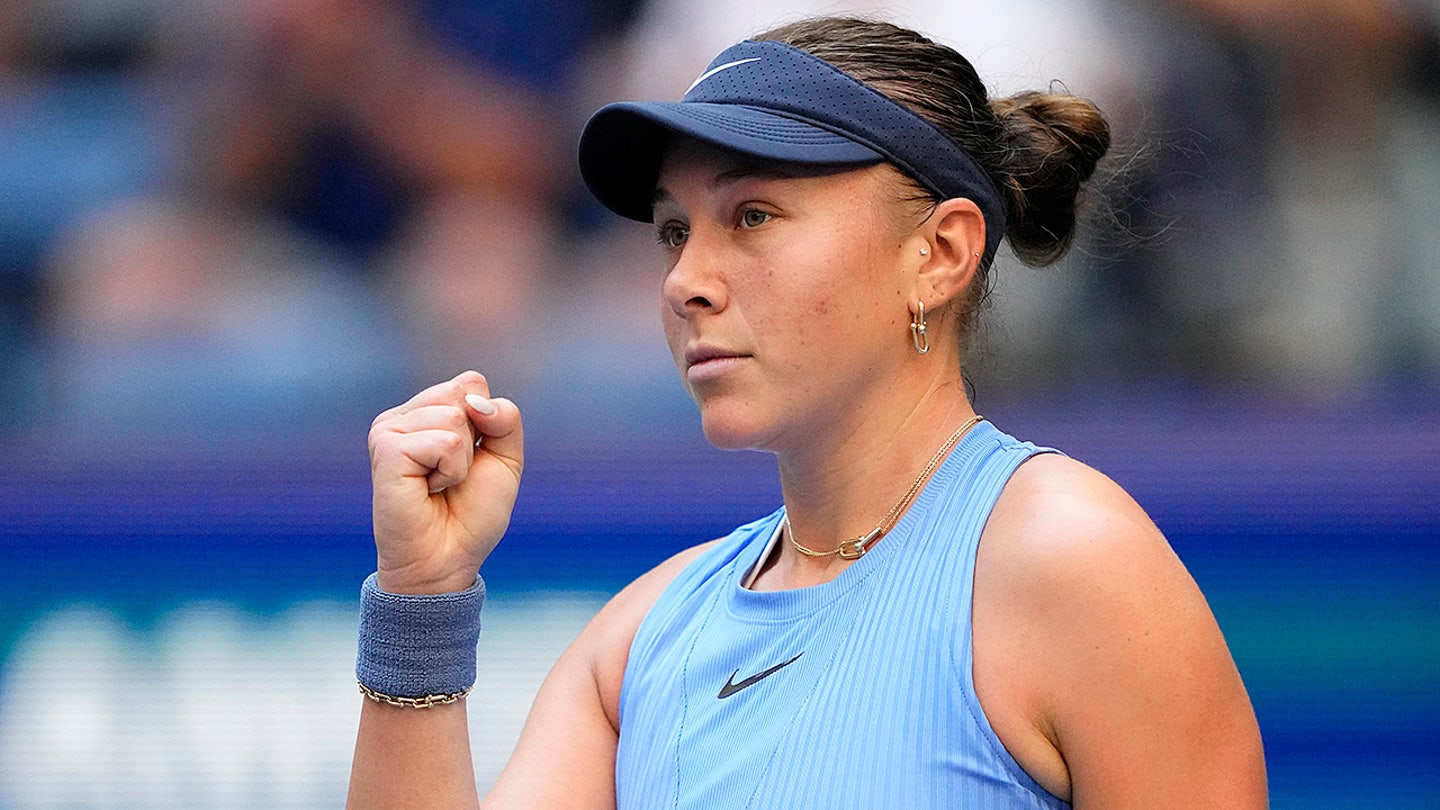
Who is Amanda Anisimova? American tennis star closing in on US Open final
Entities mentioned:
- Amanda Anisimova: Ambition, Determination, Competitive spirit
- Iga Swiatek: Competitive spirit, Professional pride
- Konstantin Anisimova: Duty, Ambition
- Olga Anisimova: Support, Duty
- Naomi Osaka: Competitive spirit, Ambition
Article Assessment:
Credibility Score: 75/100
Bias Rating: 45/100 (Center)
Sentiment Score: 65/100
Authoritarianism Risk: 20/100 (Strongly Democratic)
Bias Analysis:
The article presents a balanced view of Anisimova's career, including both successes and challenges. While it focuses on an American athlete, it does not overtly favor any political stance or ideology.
Key metric: International Sporting Success
As a social scientist, I analyze that this article highlights the resilience and determination of American tennis player Amanda Anisimova. Her journey from early success as a teenage prodigy to overcoming personal tragedy and mental health challenges demonstrates the complex psychological factors at play in professional sports. Anisimova's comeback and recent victory over a top-ranked player suggest a potential boost to American tennis prestige on the international stage. This could have positive implications for national morale and soft power influence through sports diplomacy. The article also touches on broader themes of immigrant success stories and the mental health challenges faced by young athletes, which are relevant to ongoing societal discussions.
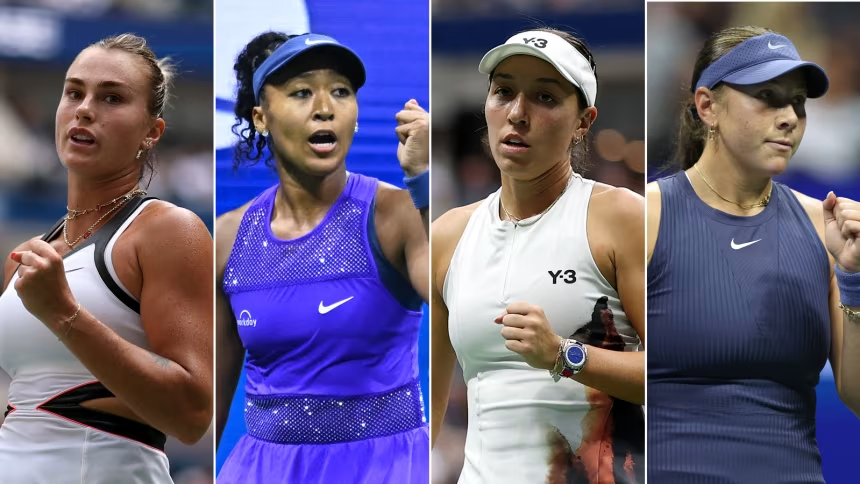
US Open women’s semifinals preview: Two Americans and two grand slam winners battle for spot in final
Entities mentioned:
- Aryna Sabalenka: Ambition, Competitive spirit, Pride
- Jessica Pegula: Determination, Recognition, Professional pride
- Naomi Osaka: Ambition, Self-respect, Enthusiasm
- Amanda Anisimova: Determination, Competitive spirit, Self-respect
Article Assessment:
Credibility Score: 85/100
Bias Rating: 45/100 (Center)
Sentiment Score: 65/100
Authoritarianism Risk: 15/100 (Strongly Democratic)
Bias Analysis:
The article presents a balanced view of all players, giving equal attention to both American and international athletes. It provides factual information about past performances and quotes from players without showing favoritism.
Key metric: International Sports Competitiveness
As a social scientist, I analyze that this article highlights the competitiveness of American tennis players on the global stage, particularly in Grand Slam tournaments. The presence of two Americans (Pegula and Anisimova) in the semifinals of the US Open, competing against established international stars, demonstrates the strength of US tennis. This could positively impact the US's international sports competitiveness metric by showcasing the nation's ability to produce and nurture top-tier athletes in a globally popular sport. The success of these players may inspire younger generations, potentially leading to sustained competitiveness in the future. Additionally, the article's focus on personal growth, resilience, and the challenges faced by players like Osaka adds depth to the narrative of athletic achievement, emphasizing the psychological aspects of high-level competition.
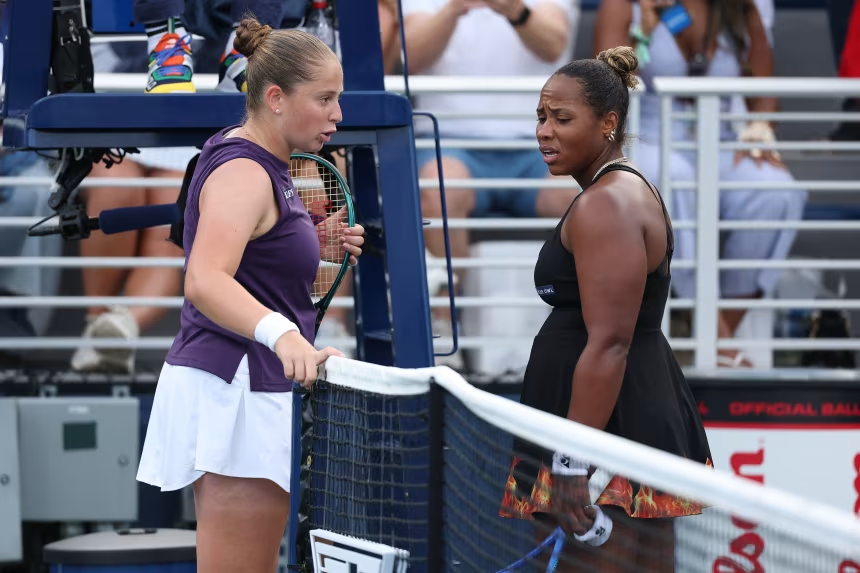
Why the missing of a common act of tennis sportsmanship led to heated on-court argument at the US Open
Entities mentioned:
- Taylor Townsend: Competitive spirit, Pride, Self-preservation
- Jelena Ostapenko: Moral outrage, Indignation, Professional pride
- Svetlana Kuznetsova: Duty, Professional pride
- Aryna Sabalenka: Indignation, Competitive spirit
- Amanda Anisimova: Competitive spirit, Determination
- Rafael Nadal: Professional pride, Righteousness
- Robin Söderling: Pride, Self-respect
Article Assessment:
Credibility Score: 75/100
Bias Rating: 50/100 (Center)
Sentiment Score: 40/100
Authoritarianism Risk: 25/100 (Generally Democratic)
Bias Analysis:
The article presents a balanced view, including perspectives from multiple players and historical context. It doesn't appear to favor either side of the debate, presenting both the importance of sportsmanship and the competitive nature of professional tennis.
Key metric: Social Cohesion
As a social scientist, I analyze that this article highlights the tension between unwritten social norms and competitive drive in professional sports. The incident at the US Open between Townsend and Ostapenko underscores how cultural expectations of sportsmanship can conflict with individual players' focus on winning. This clash of values potentially impacts social cohesion within the tennis community and beyond, as it raises questions about the importance of courtesy versus competitive advantage. The article's exploration of similar incidents in tennis history suggests this is a recurring issue that challenges the sport's etiquette and potentially influences public perception of athletes' character and the sport's values.