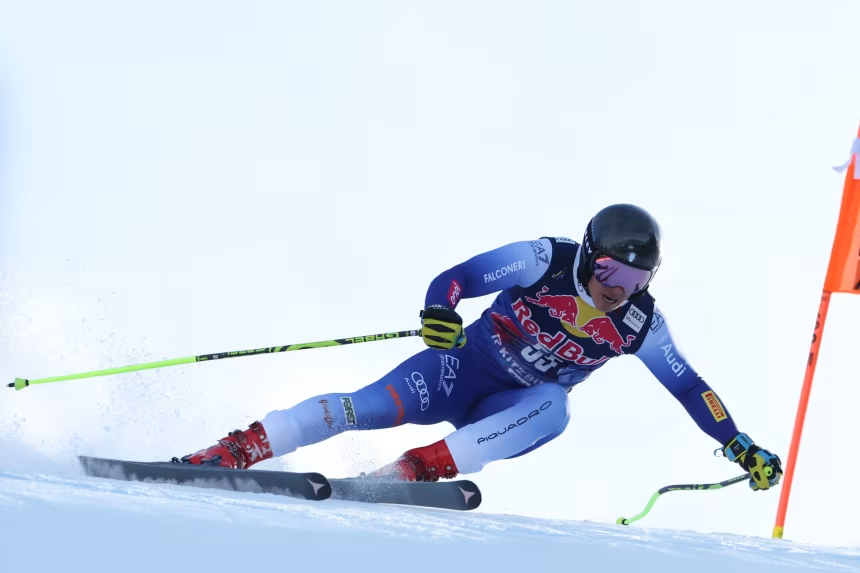
Italian skier Matteo Franzoso, 25, dies after crash during training session
Entities mentioned:
- Matteo Franzoso: Competitive spirit, Ambition, Professional pride
- International Ski and Snowboard Federation (FIS): Duty, Unity, Professional pride
- Johan Eliasch: Duty, Unity, Obligation
- Italian Winter Sports Federation (FISI): Unity, Duty, Obligation
- Flavio Roda: Duty, Unity, Obligation
- Lindsey Vonn: Unity, Empathy, Professional pride
Article Assessment:
Credibility Score: 85/100
Bias Rating: 50/100 (Center)
Sentiment Score: 20/100
Authoritarianism Risk: 20/100 (Strongly Democratic)
Bias Analysis:
The article presents a balanced account of the tragic event, including statements from various officials and athletes. It doesn't lean towards any particular political stance, focusing on factual reporting of the incident and reactions.
Key metric: Athlete Safety in Competitive Skiing
Let me tell you something, folks - this is a DEVASTATING loss for the skiing world! Matteo Franzoso was a young gun with championship potential, taken from us far too soon in a tragic training accident. This is the kind of setback that can shake a team to its core! The skiing community is like one big locker room right now, coming together to mourn one of their own. But mark my words - this isn't just about grief, it's about ACCOUNTABILITY. The powers that be in skiing need to step up to the plate and take a hard look at athlete safety. We're talking fourth quarter, game on the line type decisions that could save lives! The FIS and FISI are the coaches here, and they need to draw up a new gameplan to protect these athletes who are pushing the limits every time they hit the slopes. This is a wake-up call, folks - it's time for a full-court press on safety measures before we lose any more rising stars!
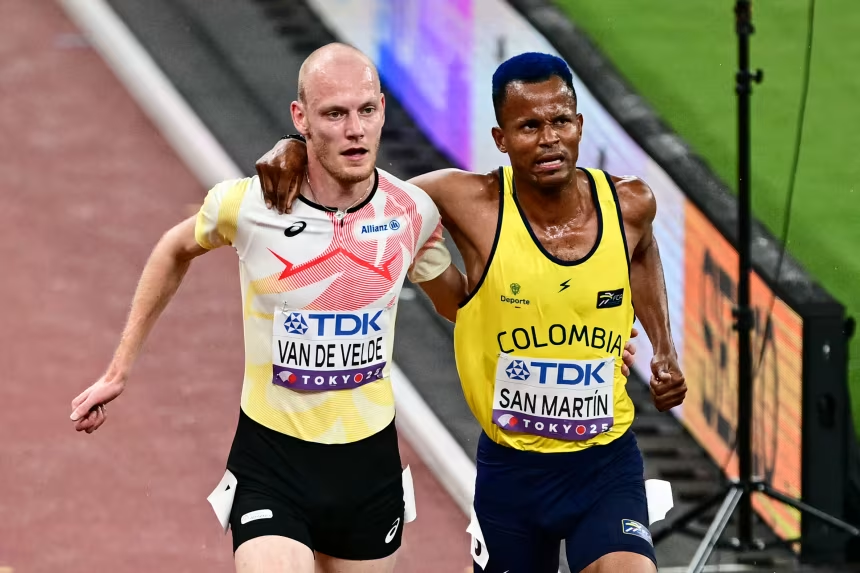
Steeplechaser turns around during world championship race to help injured competitor reach finish line
Entities mentioned:
- Tim Van de Velde: Sportsmanship, Competitive spirit, Empathy
- Carlos San Martín: Determination, Competitive spirit, Pride
- Soufiane El Bakkali: Ambition, Competitive spirit, Legacy
- Lamecha Girma: Competitive spirit, Pride, Recognition
Article Assessment:
Credibility Score: 85/100
Bias Rating: 50/100 (Center)
Sentiment Score: 75/100
Authoritarianism Risk: 10/100 (Strongly Democratic)
Bias Analysis:
The article presents a balanced view of the event, focusing on the act of sportsmanship while also providing context about the race results. It includes quotes from the main subject and factual race information.
Key metric: Olympic Spirit and Sportsmanship
Let me tell you something - this race was an ABSOLUTE GAME-CHANGER! We're talking about a championship-caliber move that wasn't about crossing the finish line first, but about the heart of a true competitor. Van de Velde, folks, he's not just running a race, he's changing the game! This Belgian steeplechaser showed us what it means to have a championship mentality when he turned around in the homestretch to help a fallen comrade. I'm telling you right now, this is the kind of teamwork you see in the greatest moments in sports history! San Martín and Van de Velde, two fierce competitors, suddenly on the same team in the final seconds, pushing through adversity like it's the fourth quarter of the biggest game of their lives. This, ladies and gentlemen, is what the spirit of athletics is all about - stepping up to the plate when it matters most, even if it means sacrificing your own glory. El Bakkali may have won the heat, but Van de Velde won the hearts of sports fans everywhere with this clutch play of sportsmanship!
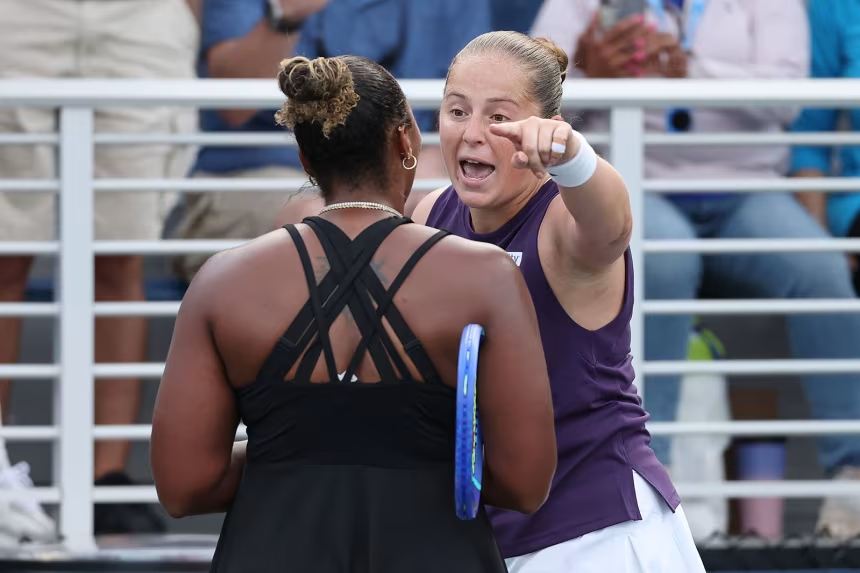
Naomi Osaka on Ostapenko’s comments to Townsend: ‘One of the worst things you can say to a Black tennis player’
Entities mentioned:
- Naomi Osaka: Justice, Unity, Moral outrage
- Taylor Townsend: Professional pride, Self-respect, Determination
- Jelena Ostapenko: Indignation, Pride, Competitive spirit
- Aryna Sabalenka: Unity, Empathy, Professional pride
Article Assessment:
Credibility Score: 75/100
Bias Rating: 45/100 (Center)
Sentiment Score: 35/100
Authoritarianism Risk: 25/100 (Generally Democratic)
Bias Analysis:
The article presents multiple perspectives, including those of Osaka, Sabalenka, and Ostapenko's explanation. It maintains a relatively neutral tone, reporting statements without overtly favoring any side.
Key metric: Racial Equality in Sports
As a social scientist, I analyze that this incident highlights ongoing racial tensions in professional tennis. Ostapenko's comments to Townsend, perceived as racially insensitive, have sparked a broader conversation about race relations in a predominantly white sport. Osaka's response underscores the impact of such language on Black athletes, while Sabalenka's attempt to mediate shows a desire for unity within the tennis community. This event may lead to increased scrutiny of player conduct and potentially drive initiatives for greater racial sensitivity and inclusion in professional tennis.
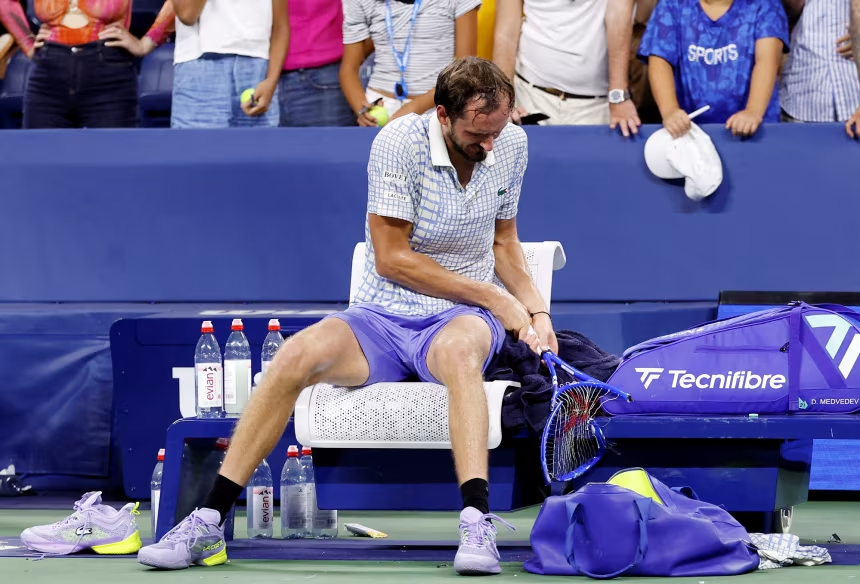
Daniil Medvedev fined $42,500 for unsportsmanlike misconduct and racket abuse after outburst at US Open
Entities mentioned:
- Daniil Medvedev: Self-respect, Pride, Frustration
- Benjamin Bonzi: Competitive spirit, Justice, Professional pride
- Greg Allensworth: Duty, Professional pride, Control
- United States Tennis Association: Control, Professional pride, Justice
- Andrey Rublev: Loyalty, Concern, Unity
- Frances Tiafoe: Empathy, Professional pride, Competitive spirit
Article Assessment:
Credibility Score: 85/100
Bias Rating: 50/100 (Center)
Sentiment Score: 30/100
Authoritarianism Risk: 20/100 (Strongly Democratic)
Bias Analysis:
The article presents a balanced view of the incident, including multiple perspectives from different players and officials. It provides factual information about the fines and sequence of events without apparent bias towards or against Medvedev.
Key metric: International Sporting Relations
As a social scientist, I analyze that this incident highlights the intense pressures and emotional volatility in professional tennis. Medvedev's outburst, resulting in significant fines, demonstrates the potential for high-stakes competition to negatively impact sportsmanship and international relations. The reaction from fellow players, particularly Rublev and Tiafoe, suggests a complex dynamic of competition and camaraderie within the sport. This event may influence perceptions of Russian athletes in international competitions, potentially affecting diplomatic sporting relations, especially given current geopolitical tensions. The USTA's swift action in revoking the photographer's credentials also underscores the importance of maintaining order and professionalism in major sporting events.
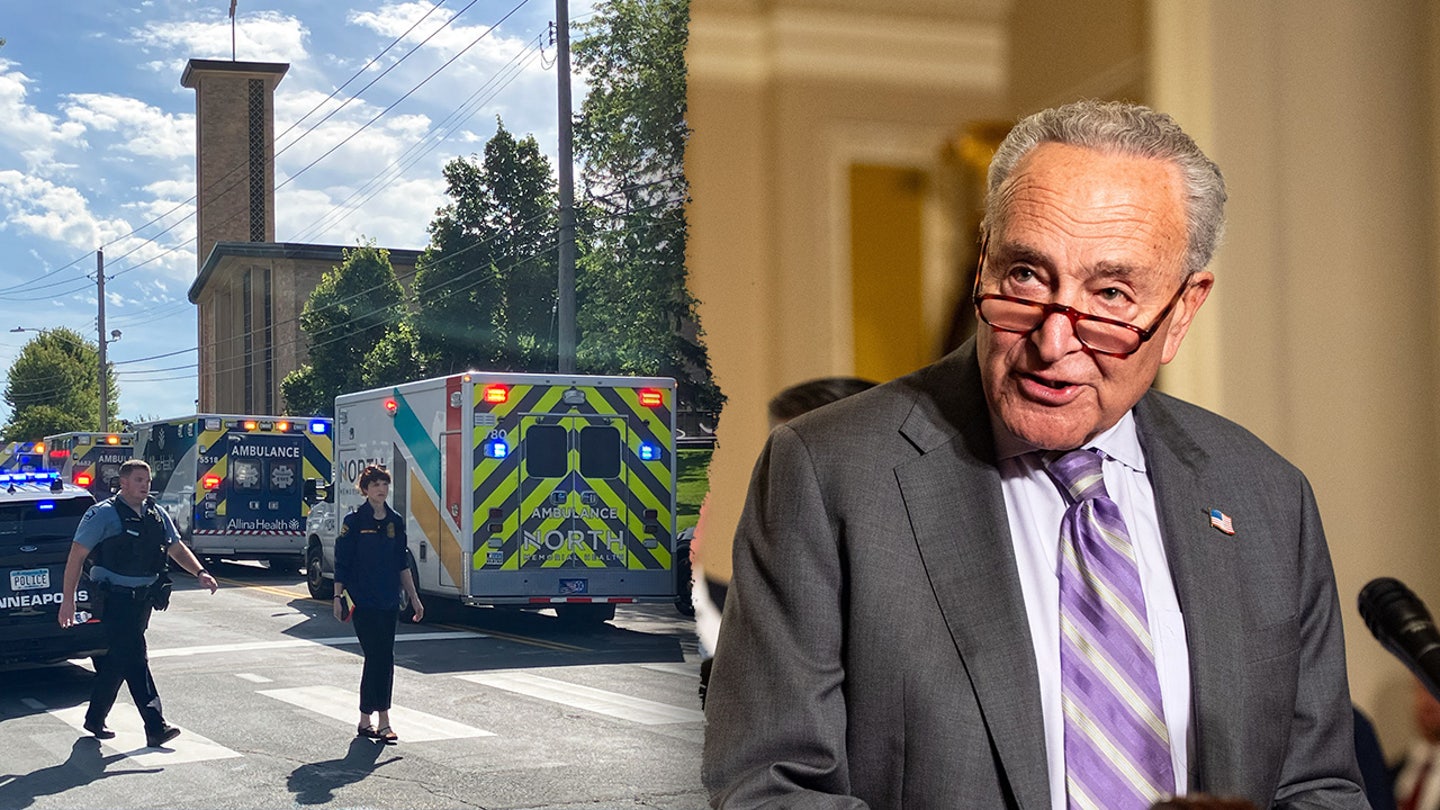
'Weapons of war': Dem lawmakers call for gun control after Minneapolis school shooting
Entities mentioned:
- Chuck Schumer: Moral outrage, Justice, Security
- Hakeem Jeffries: Moral outrage, Security, Justice
- Shri Thanedar: Moral outrage, Justice, Security
- Brian O'Hara: Duty, Security, Professional pride
- Tom Emmer: Duty, Empathy, Security
- Tina Smith: Moral outrage, Security, Empathy
- Amy Klobuchar: Justice, Security, Moral outrage
Article Assessment:
Credibility Score: 75/100
Bias Rating: 45/100 (Center)
Sentiment Score: 25/100
Authoritarianism Risk: 30/100 (Generally Democratic)
Bias Analysis:
The article presents statements from both Democratic and Republican lawmakers, providing a somewhat balanced view. However, there is more emphasis on Democratic calls for gun control, which slightly tilts the perspective.
Key metric: Gun Violence Incidence Rate
As a social scientist, I analyze that this article highlights the immediate political response to a school shooting incident, specifically focusing on calls for gun control from Democratic lawmakers. The shooting at Annunciation Catholic School in Minneapolis has reignited the debate on gun violence and school safety. Democratic leaders are using this tragedy to push for stricter gun control measures, framing it as a public safety and child protection issue. The responses from Republican representatives are more restrained, offering prayers without mentioning policy changes. This polarization reflects the ongoing partisan divide on gun control issues in the United States. The incident's impact on the Gun Violence Incidence Rate is likely to be significant, as school shootings tend to intensify public discourse and potentially influence policy decisions regarding gun control and school safety measures.
Dem lawmakers call for gun control after Minneapolis school shooting
Entities mentioned:
- Chuck Schumer: Moral outrage, Justice, Security
- Hakeem Jeffries: Moral outrage, Security, Justice
- Shri Thanedar: Moral outrage, Justice, Security
- Brian O'Hara: Duty, Security, Professional pride
- Tom Emmer: Duty, Empathy, Unity
- Tina Smith: Security, Moral outrage, Justice
- Amy Klobuchar: Justice, Security, Moral outrage
Article Assessment:
Credibility Score: 75/100
Bias Rating: 55/100 (Center)
Sentiment Score: 25/100
Authoritarianism Risk: 30/100 (Generally Democratic)
Bias Analysis:
The article presents views from both Democratic and Republican lawmakers, though it gives more space to Democratic perspectives on gun control. It maintains a factual tone while reporting on a sensitive issue, balancing political commentary with factual details about the incident.
Key metric: Gun Violence Incidents
As a social scientist, I analyze that this article highlights the immediate political response to a school shooting incident, particularly from Democratic lawmakers pushing for stricter gun control measures. The incident has reignited the ongoing debate about gun violence in America, especially in schools. Democratic leaders are using this tragedy to emphasize the need for legislative action, framing it as a matter of public safety and child protection. The Republican response, represented by Tom Emmer, focuses on offering prayers and support without mentioning gun control, illustrating the partisan divide on this issue. The article also shows how such incidents can quickly become politicized, with lawmakers using them to reinforce their policy positions. The impact on gun violence incidents as a metric is likely to be short-term increased attention to the issue, potentially leading to renewed calls for policy changes, but without immediate concrete effects on the metric itself.

DC Mayor Bowser changes her tone on Trump as crackdown ramps up
Entities mentioned:
- Mayor Muriel Bowser: Self-preservation, Duty, Control
- Donald Trump: Power, Control, Influence
- DC Council: Duty, Self-preservation, Unity
- House Minority Leader Hakeem Jeffries: Moral outrage, Opposition, Justice
- Mayor Karen Bass: Criticism, Justice, Duty
- Christina Henderson: Empathy, Duty, Unity
- Free DC project: Justice, Freedom, Moral outrage
Article Assessment:
Credibility Score: 75/100
Bias Rating: 45/100 (Center)
Sentiment Score: 35/100
Authoritarianism Risk: 55/100 (Mixed/Neutral)
Bias Analysis:
The article presents multiple perspectives, including those of Mayor Bowser, other Democrats, and local activists. While it leans slightly critical of Trump's actions, it also highlights Bowser's pragmatic approach, maintaining a relatively balanced view.
Key metric: Political Polarization
As a social scientist, I analyze that this article highlights the complex dynamics between local and federal governance in Washington, DC, particularly in the context of law enforcement. The tension between Mayor Bowser's measured responses and the more outspoken criticism from other Democrats and activist groups illustrates the delicate balance required in navigating federal intervention in local affairs. This situation exacerbates political polarization by pitting local autonomy against federal authority, potentially deepening divides between different levels of government and political ideologies. The article also underscores the unique challenges faced by DC due to its lack of statehood, which limits its ability to resist federal overreach and may further fuel debates about DC's status and representation.
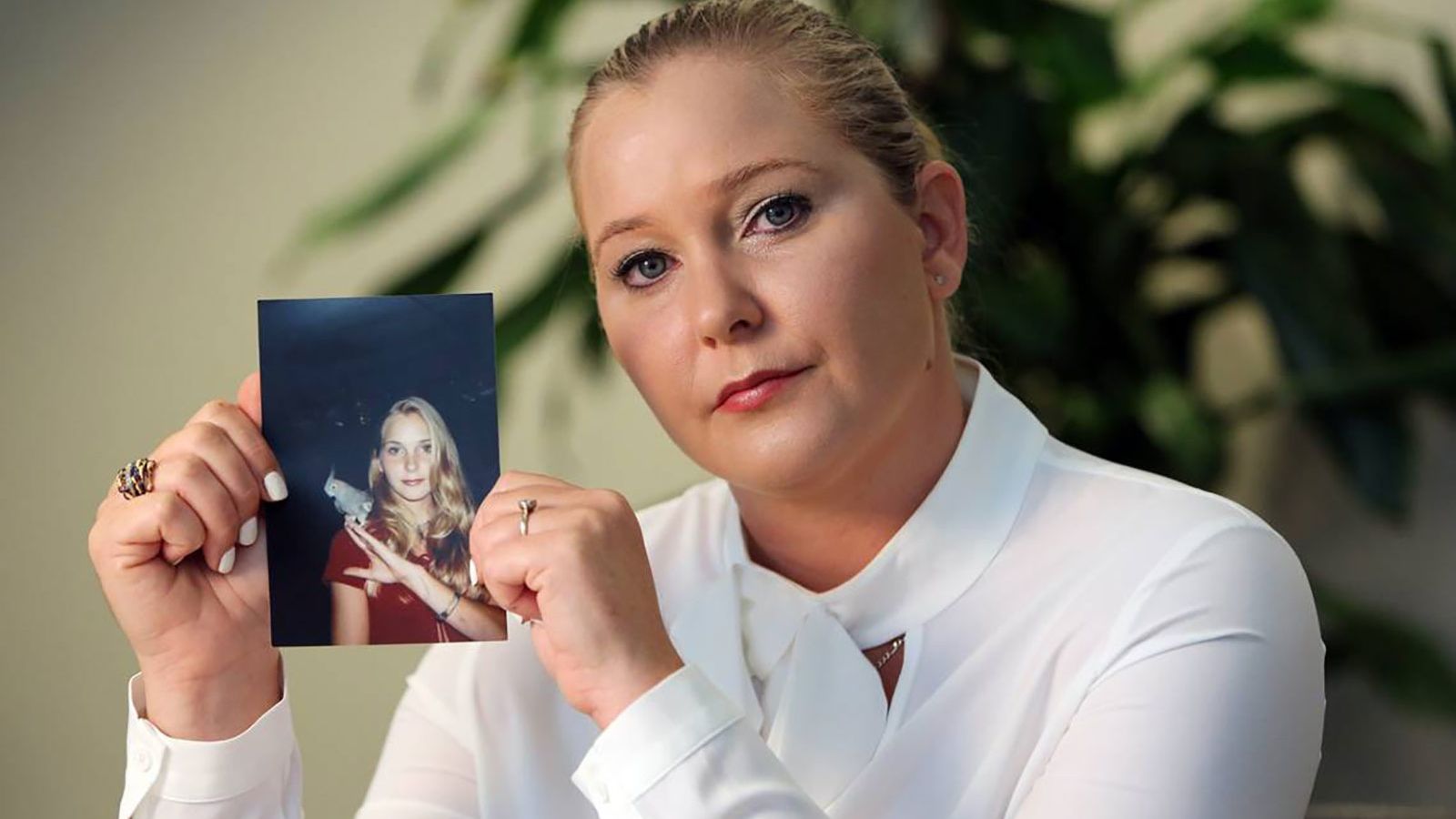
In the Epstein scandal, like other Washington storms, the victims are an afterthought
Entities mentioned:
- Virginia Giuffre: Justice, Self-preservation, Recognition
- Jeffrey Epstein: Power, Control, Greed
- Ghislaine Maxwell: Power, Greed, Control
- Donald Trump: Self-preservation, Power, Control
- Prince Andrew: Self-preservation, Reputation, Denial
- Randee Kogan: Professional pride, Duty, Empathy
- Todd Blanche: Duty, Professional pride, Loyalty
Article Assessment:
Credibility Score: 75/100
Bias Rating: 40/100 (Lean Left)
Sentiment Score: 25/100
Authoritarianism Risk: 30/100 (Generally Democratic)
Bias Analysis:
The article leans slightly left, critiquing Trump and right-wing conspiracy theories more than other political actors. However, it maintains a focus on victims and includes multiple perspectives, balancing its overall presentation.
Key metric: Public Trust in Government Institutions
As a social scientist, I analyze that this article highlights the complex interplay between political power, media coverage, and the impact on victims in high-profile scandals. The Epstein case and its connections to influential figures like Trump and Prince Andrew demonstrate how victims' experiences can be overshadowed by political maneuvering and media sensationalism. This dynamic erodes public trust in government institutions, as it suggests that powerful individuals may escape scrutiny or consequences for their actions. The article's focus on the re-traumatization of victims and the dehumanizing effect of media coverage points to systemic issues in how society handles such cases, potentially leading to decreased faith in the justice system and political leadership.