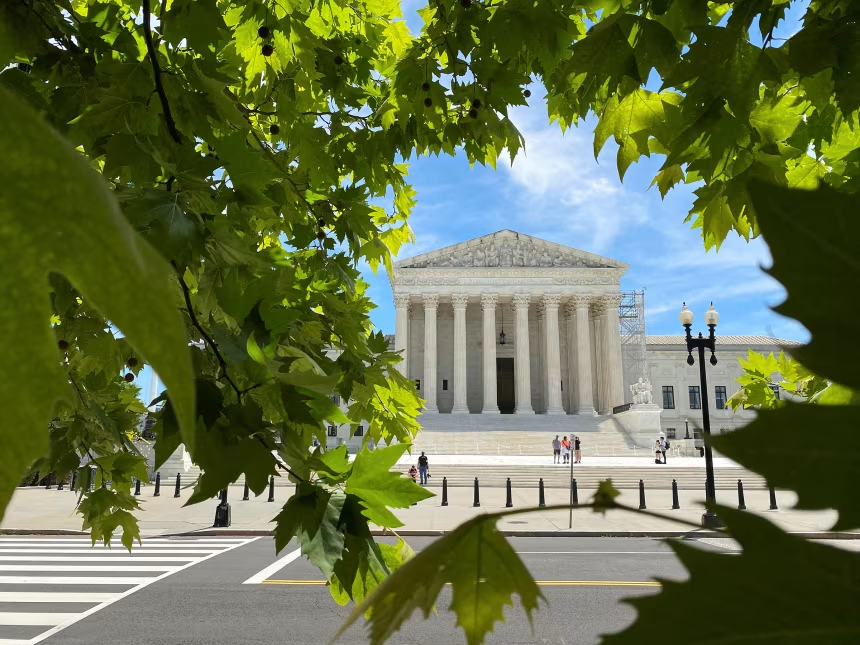
Mississippi may require age verification, parental consent for social media, Supreme Court says
Entities mentioned:
- Supreme Court: Justice, Duty, Influence
- Mississippi: Protection, Control, Moral outrage
- Social Media Companies: Self-preservation, Freedom, Influence
- Justice Brett Kavanaugh: Duty, Wariness, Professional pride
- Electronic Frontier Foundation: Freedom, Justice, Protection
- LGBTQ advocacy groups: Protection, Freedom, Justice
Article Assessment:
Credibility Score: 75/100
Bias Rating: 45/100 (Center)
Sentiment Score: 40/100
Authoritarianism Risk: 55/100 (Mixed/Neutral)
Bias Analysis:
The article presents multiple viewpoints, including those of the state, tech companies, and advocacy groups. It provides context and background, showing a relatively balanced approach to reporting the issue.
Key metric: Online Privacy and Child Safety
As a social scientist, I analyze that this case represents a significant clash between state efforts to protect minors online and concerns over First Amendment rights and internet freedom. The Supreme Court's decision to allow Mississippi to enforce its age verification law for social media platforms marks a potential shift in how online spaces are regulated, particularly concerning minors. This could have far-reaching implications for internet usage, privacy, and the autonomy of young people online. The case highlights the ongoing struggle to balance child safety with free speech and access to information, especially for vulnerable groups like LGBTQ youth. The court's decision, while temporary, may encourage other states to pursue similar legislation, potentially leading to a patchwork of regulations across the country and challenges for both users and tech companies in compliance.

Exclusive: Federal law enforcement to begin interviewing unaccompanied migrant children in government custody
Entities mentioned:
- Trump administration: Control, Security, Justice
- Department of Homeland Security: Duty, Security, Control
- Health and Human Services: Duty, Obligation, Security
- Immigration and Customs Enforcement: Control, Security, Duty
- Office of Refugee Resettlement: Duty, Obligation, Security
- Immigrant advocates: Justice, Moral outrage, Protection
Article Assessment:
Credibility Score: 75/100
Bias Rating: 55/100 (Center)
Sentiment Score: 35/100
Authoritarianism Risk: 65/100 (Authoritarian Tendencies)
Bias Analysis:
The article presents multiple viewpoints, including those of the administration and immigrant advocates. While it leans slightly towards the concerns of advocates, it also includes the administration's justifications for the policy change.
Key metric: Immigration Enforcement Effectiveness
As a social scientist, I analyze that this article highlights a significant shift in the Trump administration's approach to handling unaccompanied migrant children. The decision to conduct in-person interviews with these children in government shelters represents an intensification of immigration enforcement efforts. This policy change could have substantial impacts on the well-being of migrant children, the effectiveness of the sponsorship program, and overall immigration dynamics. The administration's stated goal of identifying and addressing potential criminal activities conflicts with advocates' concerns about child welfare and the potential chilling effect on immigrant families. This tension reflects broader debates in U.S. immigration policy regarding the balance between enforcement and humanitarian considerations.