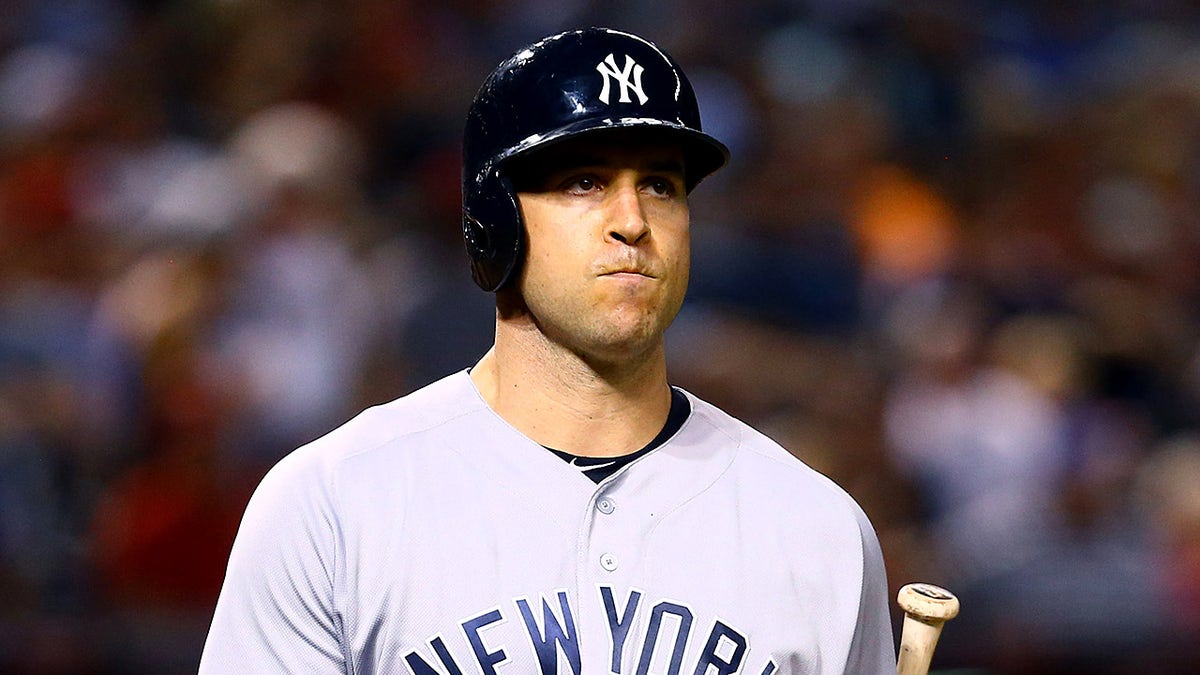
Mark Teixeira discusses political divide, says he can’t talk to people that believe ‘men can get pregnant'
Entities mentioned:
- Mark Teixeira: Righteousness, Duty, Ambition
- Democratic Party: Control, Influence, Unity
- Republican Party: Loyalty, Determination, Freedom
- Dan Dakich: Professional pride, Curiosity, Influence
- Chip Roy: Ambition, Power, Influence
Article Assessment:
Credibility Score: 65/100
Bias Rating: 75/100 (Lean Right)
Sentiment Score: 40/100
Authoritarianism Risk: 35/100 (Generally Democratic)
Bias Analysis:
The article leans right, presenting Teixeira's conservative views without significant counterbalance. It sources from Fox News and OutKick, known for conservative leanings, and frames progressive ideas in a dismissive manner.
Key metric: Political Polarization Index
As a social scientist, I analyze that this article highlights the growing political polarization in the United States, as exemplified by Mark Teixeira's comments. His inability to engage in dialogue with those holding certain progressive views indicates a breakdown in communication between ideological groups. This polarization is likely to impact political discourse, policy-making, and social cohesion. Teixeira's transition from sports to politics represents a trend of non-traditional candidates entering the political arena, often appealing to populist sentiments. His emphasis on 'America First' and traditional values suggests a conservative platform that may resonate with his target constituency but could further entrench existing divides.
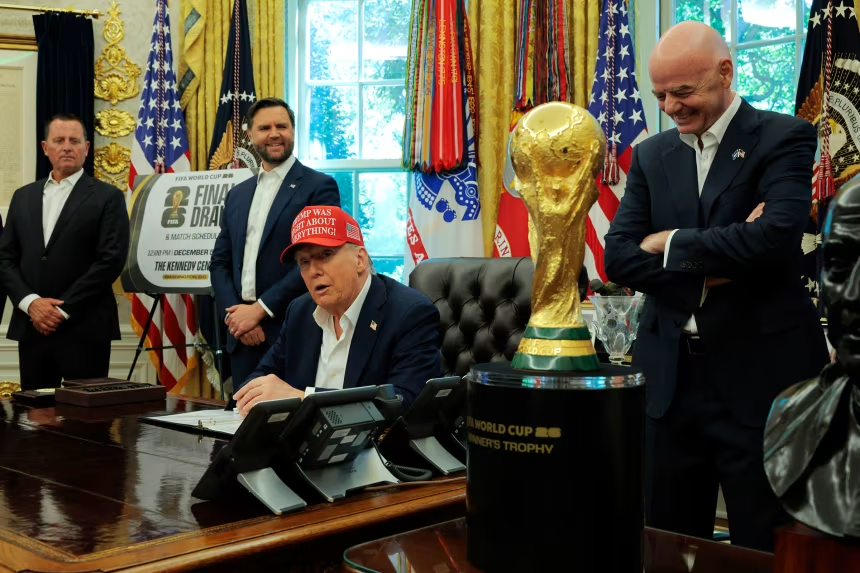
Trump announces the World Cup draw will be held at DC’s Kennedy Center as he brings together two second-term priorities
Entities mentioned:
- Donald Trump: Power, Control, Legacy
- FIFA: Influence, Recognition, Professional pride
- Kennedy Center: Legacy, Influence, Recognition
- Gianni Infantino: Influence, Recognition, Professional pride
- Democrats: Indignation, Moral outrage, Justice
- Republican Party: Loyalty, Power, Control
Article Assessment:
Credibility Score: 70/100
Bias Rating: 55/100 (Center)
Sentiment Score: 45/100
Authoritarianism Risk: 65/100 (Authoritarian Tendencies)
Bias Analysis:
The article presents multiple viewpoints, including Trump's actions and Democratic criticisms. However, it leans slightly towards emphasizing Trump's control and changes, potentially suggesting a slight center-right bias.
Key metric: Political Polarization Index
As a social scientist, I analyze that this article highlights the increasing politicization of cultural institutions in the United States. Trump's takeover of the Kennedy Center, traditionally non-partisan, and its use for a major international sporting event demonstrates a blending of politics, culture, and sports. This action likely increases political polarization by turning a cultural landmark into a point of political contention. The reprogramming of the Kennedy Center and the reactions from artists and Democrats indicate a deepening divide in how different political factions view the role of cultural institutions. This event may contribute to further erosion of shared national symbols and experiences, potentially exacerbating existing political and cultural divides in American society.
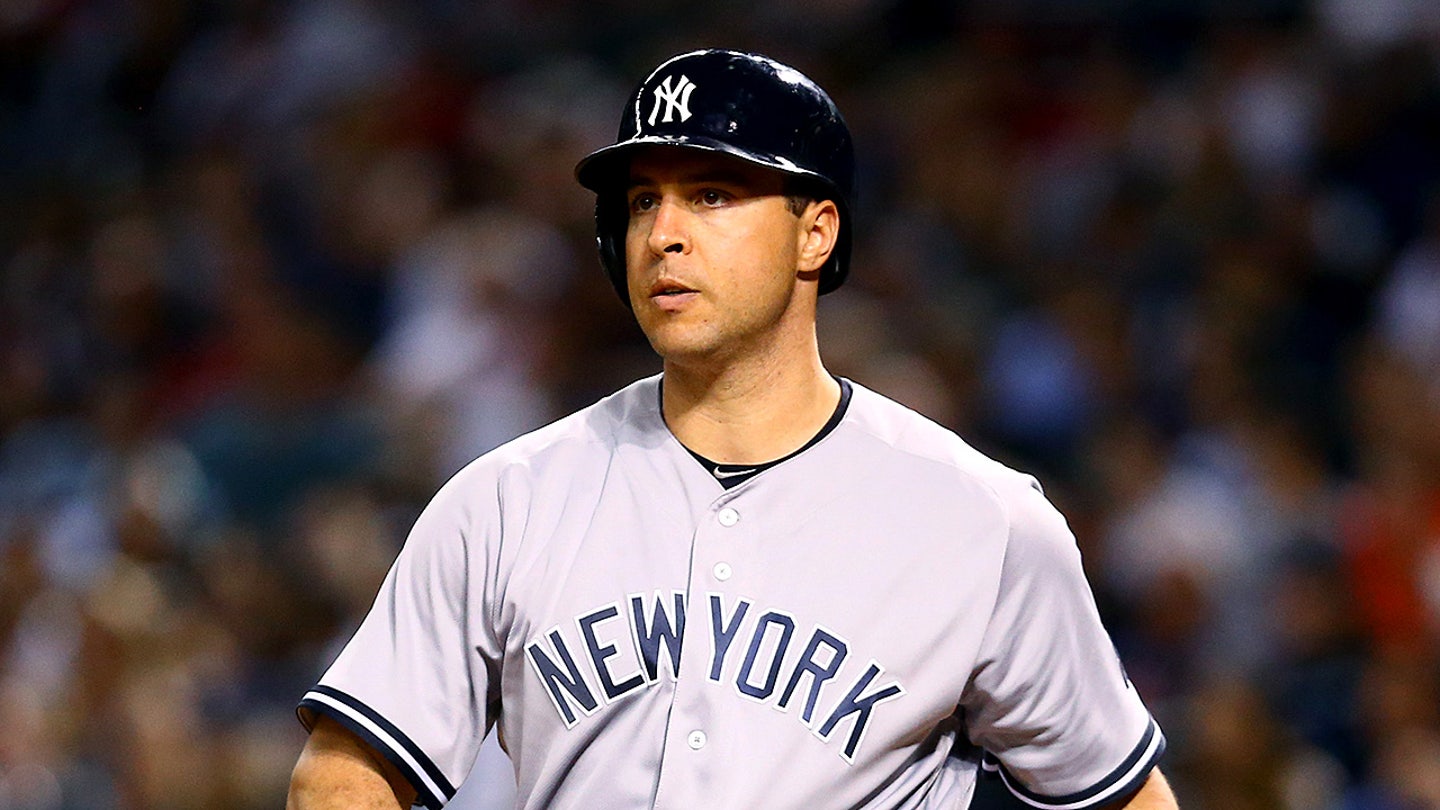
Mark Teixeira has a message for Texas Dems after redistricting: 'Have better policies'
Entities mentioned:
- Mark Teixeira: Ambition, Competitive spirit, Righteousness
- Greg Abbott: Power, Control, Loyalty
- Donald Trump: Power, Influence, Legacy
- Texas Democrats: Indignation, Justice, Self-preservation
- Republicans: Power, Control, Loyalty
Article Assessment:
Credibility Score: 65/100
Bias Rating: 75/100 (Lean Right)
Sentiment Score: 55/100
Authoritarianism Risk: 45/100 (Mixed/Neutral)
Bias Analysis:
The article leans right, primarily showcasing Republican viewpoints and Teixeira's conservative platform. There's limited representation of Democratic perspectives, and the framing of issues aligns with conservative talking points.
Key metric: Political Polarization Index
As a social scientist, I analyze that this article highlights the increasing political polarization in Texas and the broader United States. The redistricting effort led by Republicans, coupled with Teixeira's strong conservative messaging, indicates a deepening divide between political parties. This polarization is likely to impact voter engagement, policy-making, and inter-party cooperation. Teixeira's transition from sports to politics also exemplifies the growing trend of celebrities entering the political arena, potentially influencing public opinion and voter behavior.

World Series champion Mark Teixeira announces congressional campaign in Texas
Entities mentioned:
- Mark Teixeira: Ambition, Patriotism, Influence
- Donald Trump: Power, Influence, Legacy
- Chip Roy: Ambition, Patriotism, Influence
- Republican Party: Power, Control, Influence
Article Assessment:
Credibility Score: 70/100
Bias Rating: 65/100 (Lean Right)
Sentiment Score: 60/100
Authoritarianism Risk: 35/100 (Generally Democratic)
Bias Analysis:
The article leans right due to its uncritical presentation of conservative talking points and emphasis on Trump's agenda. While it presents factual information, the framing and language choices indicate a slight right-leaning bias.
Key metric: Political Polarization Index
As a social scientist, I analyze that this article highlights the increasing trend of celebrities entering politics, potentially impacting the Political Polarization Index. Teixeira's entry into politics, emphasizing his support for Trump's 'America First' agenda, indicates a continuation of polarized political discourse. His transition from sports to politics may attract a new demographic of voters, potentially increasing political engagement but also possibly deepening existing ideological divides. The emphasis on 'conservative' values and 'defending' certain agendas suggests a combative political approach, which could further contribute to political polarization.
Grand jury declines to indict alleged Washington DC sandwich thrower
Entities mentioned:
- NAACP: Justice, Righteousness, Influence
- Donald Trump: Power, Control, Revenge
- Harvard University: Self-preservation, Professional pride, Legacy
- Federal Reserve: Independence, Professional pride, Duty
- Lisa Cook: Self-preservation, Professional pride, Justice
- Elon Musk: Influence, Power, Recognition
- Gavin Newsom: Ambition, Competitive spirit, Influence
Article Assessment:
Credibility Score: 70/100
Bias Rating: 35/100 (Lean Left)
Sentiment Score: 30/100
Authoritarianism Risk: 55/100 (Mixed/Neutral)
Bias Analysis:
The article leans slightly left in its framing, giving more space to criticisms of Trump and Republican actions. While it covers various topics, there's a noticeable emphasis on Trump's controversial moves and Democratic responses.
Key metric: Political Polarization Index
As a social scientist, I analyze that this article highlights increasing political tensions and polarization in the United States. The multiple lawsuits, conflicts between the Trump administration and various entities (including the Federal Reserve), and the racial redistricting issues all point to deepening divides in American politics. The attempts to influence key institutions like the Federal Reserve and redraw congressional maps suggest a struggle for power and control over democratic processes. This heightened conflict and the undermining of institutional independence could lead to increased political polarization, potentially affecting governance, policy-making, and public trust in democratic institutions.
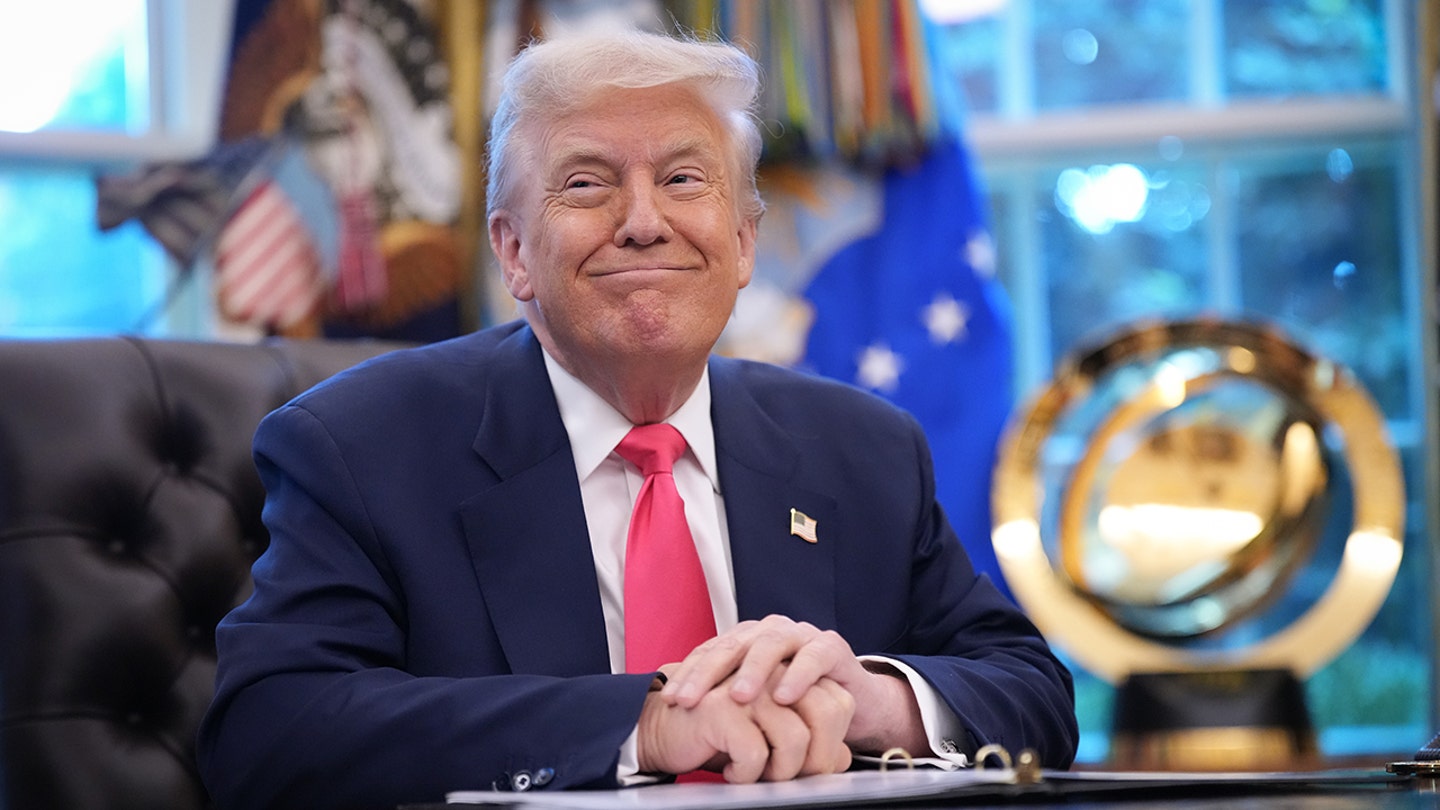
Trump touts massive fundraising haul since winning 2024 election: 'MAKE AMERICA GREAT AGAIN!!!'
Entities mentioned:
- Donald Trump: Power, Influence, Legacy
- Republican Party: Control, Power, Self-preservation
- Republican National Committee: Loyalty, Power, Control
Article Assessment:
Credibility Score: 55/100
Bias Rating: 65/100 (Lean Right)
Sentiment Score: 70/100
Authoritarianism Risk: 55/100 (Mixed/Neutral)
Bias Analysis:
The article leans right due to its uncritical presentation of Trump's claims and focus on Republican power. It lacks balanced perspectives or fact-checking of the fundraising claims, presenting them at face value.
Key metric: Political Polarization Index
As a social scientist, I analyze that this article highlights the continued influence of Donald Trump in American politics even after his hypothetical second term. The massive fundraising haul of $1.5 billion demonstrates Trump's enduring popularity and power within the Republican Party, despite being constitutionally barred from seeking a third term. This level of financial support for a term-limited president is unprecedented and suggests a high degree of political polarization. The focus on fundraising and maintaining GOP control of Congress indicates a strong emphasis on partisan power dynamics rather than policy initiatives. This situation could potentially exacerbate existing political divisions and impact governance in the lead-up to the 2026 midterms.
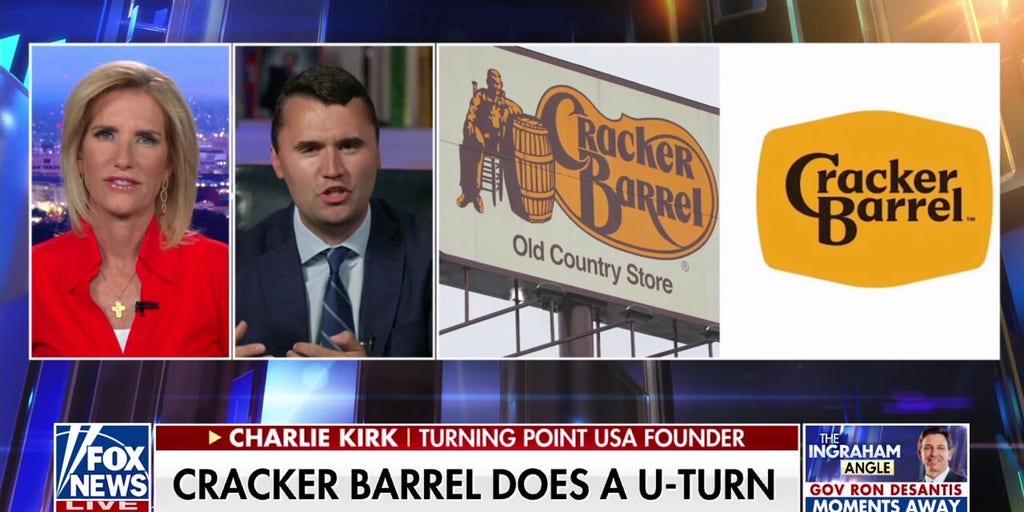
'HOT AS A PISTOL': Charlie Kirk touts state of GOP after Cracker Barrel 'cracks'
Entities mentioned:
- Charlie Kirk: Influence, Recognition, Competitive spirit
- Turning Point USA: Influence, Righteousness, Unity
- Cracker Barrel: Self-preservation, Recognition, Anxiety
- Democrats: Power, Control, Unity
- Republican Party (GOP): Power, Competitive spirit, Unity
Article Assessment:
Credibility Score: 45/100
Bias Rating: 75/100 (Lean Right)
Sentiment Score: 70/100
Authoritarianism Risk: 55/100 (Mixed/Neutral)
Bias Analysis:
The article leans right due to its framing of a corporate decision as a political victory for conservatives. The use of provocative language ('HOT AS A PISTOL') and the platform given to a known conservative figure without balancing perspectives indicate a right-leaning bias.
Key metric: Political Polarization Index
As a social scientist, I analyze that this article potentially impacts the Political Polarization Index by framing a business decision (Cracker Barrel's logo change) as a political issue. By drawing parallels between a restaurant chain and a political party, the commentary may contribute to increased polarization by encouraging viewers to see everyday corporate decisions through a partisan lens. This approach could further entrench political identities into consumer behaviors, potentially widening the divide between different political groups in various aspects of daily life.
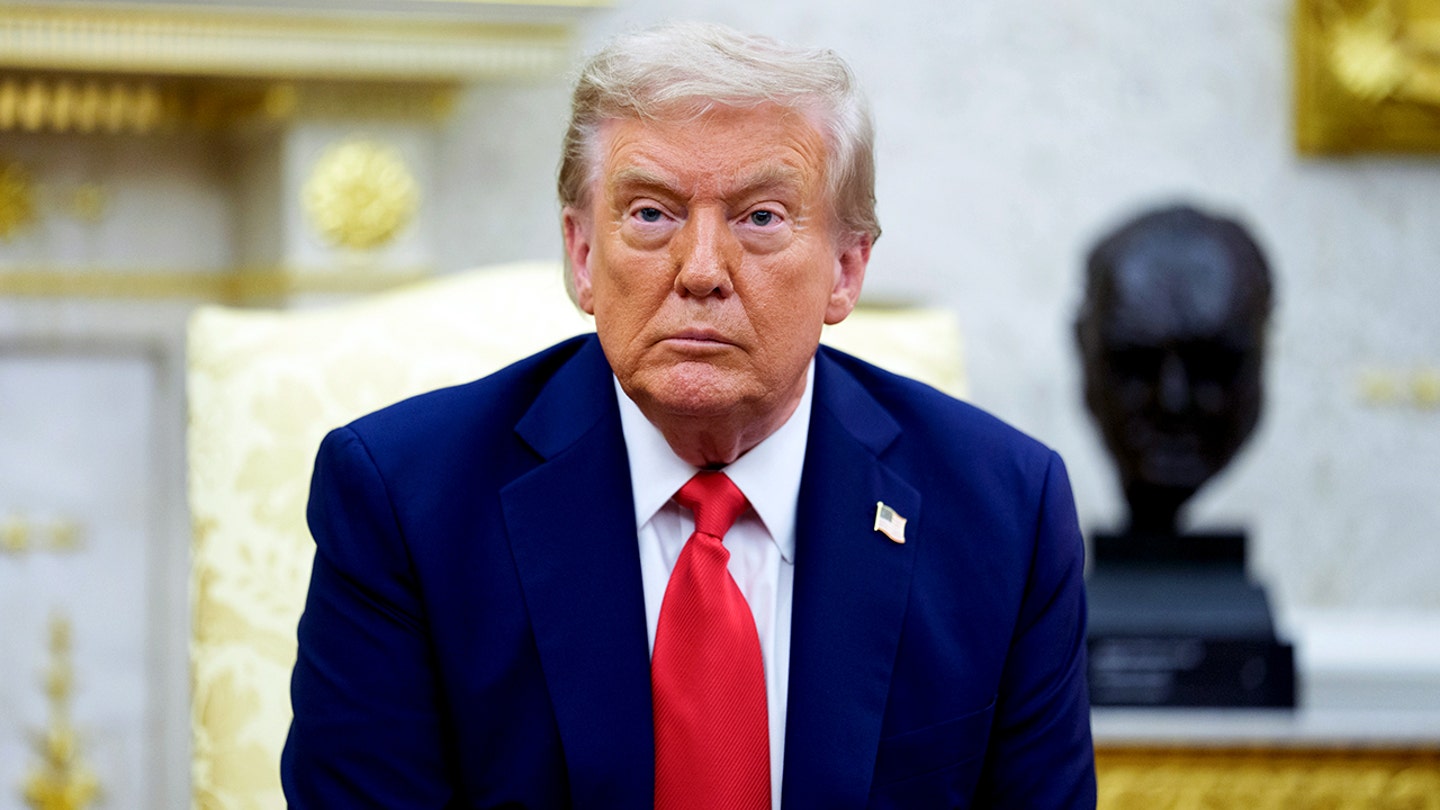
Trump battles John Bolton, Chris Christie and threatens to pull funds from Wes Moore’s Maryland
Entities mentioned:
- Donald Trump: Revenge, Power, Self-preservation
- John Bolton: Self-preservation, Professional pride, Influence
- Chris Christie: Ambition, Revenge, Recognition
- Wes Moore: Duty, Pride, Justice
- Letitia James: Justice, Ambition, Righteousness
Article Assessment:
Credibility Score: 65/100
Bias Rating: 55/100 (Center)
Sentiment Score: 30/100
Authoritarianism Risk: 65/100 (Authoritarian Tendencies)
Bias Analysis:
The article presents multiple viewpoints and criticizes both Trump and his opponents, indicating an attempt at balance. However, there's a slight lean towards critiquing Trump's actions more heavily, though it also acknowledges some of his grievances as valid.
Key metric: Political Polarization Index
As a social scientist, I analyze that this article highlights the increasing political polarization in the United States, particularly centered around Donald Trump. The former president's confrontational approach towards both political opponents and allies who criticize him is likely to exacerbate existing divisions. His threats to withhold funding from Maryland over a personal dispute with its governor exemplify a concerning trend of using governmental power for personal vendettas. This behavior, if continued or escalated, could significantly impact public trust in institutions and the integrity of democratic processes. The article also touches on the cyclical nature of political retaliation, suggesting a potential long-term degradation of political norms and cooperation across party lines.
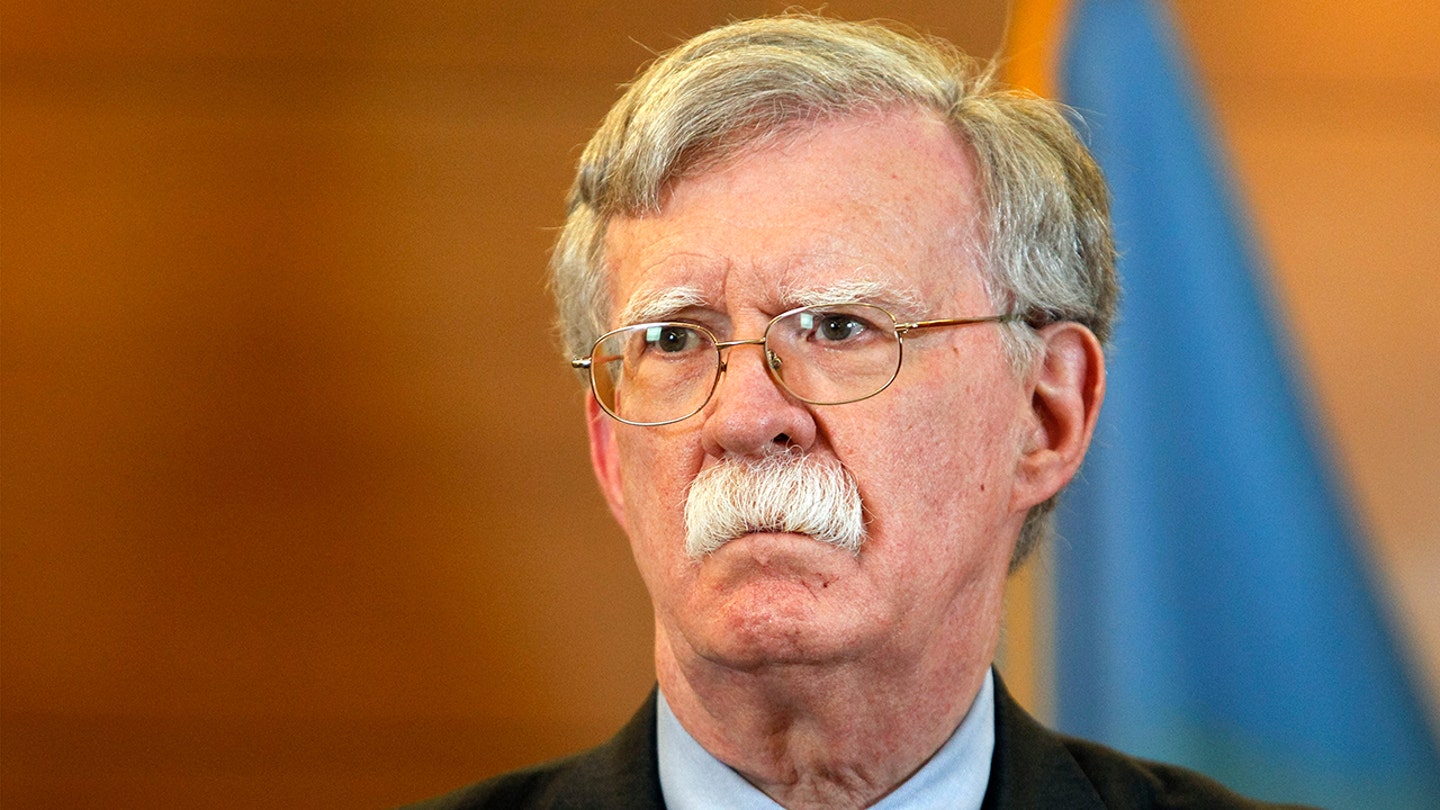
Democrats opposed John Bolton for years — until they sought him as an ally against Trump
Entities mentioned:
- John Bolton: Power, Influence, Professional pride
- Democrats: Political advantage, Justice, Moral outrage
- Donald Trump: Power, Control, Self-preservation
- Joe Biden: Duty, Justice, Competitive spirit
- George W. Bush: Power, Legacy, Security
- Adam Schiff: Justice, Duty, Competitive spirit
Article Assessment:
Credibility Score: 75/100
Bias Rating: 55/100 (Center)
Sentiment Score: 40/100
Authoritarianism Risk: 35/100 (Generally Democratic)
Bias Analysis:
The article presents multiple perspectives and historical context, showing a relatively balanced approach. However, there's a slight lean towards framing Democrats' actions as opportunistic, which could be interpreted as a center-right perspective.
Key metric: Political Polarization Index
As a social scientist, I analyze that this article highlights the complex and shifting nature of political alliances in the United States. The Democrats' evolving stance on John Bolton demonstrates how political motivations can override ideological consistency. This case study in political polarization shows how figures can be vilified or embraced based on their utility in opposing a common adversary, in this case, Donald Trump. The article underscores how the impeachment process and subsequent events have deepened partisan divides, with both sides willing to realign their allegiances for political gain. This flexibility in political positioning, while potentially pragmatic, may contribute to public cynicism about political consistency and principle, potentially eroding trust in democratic institutions.
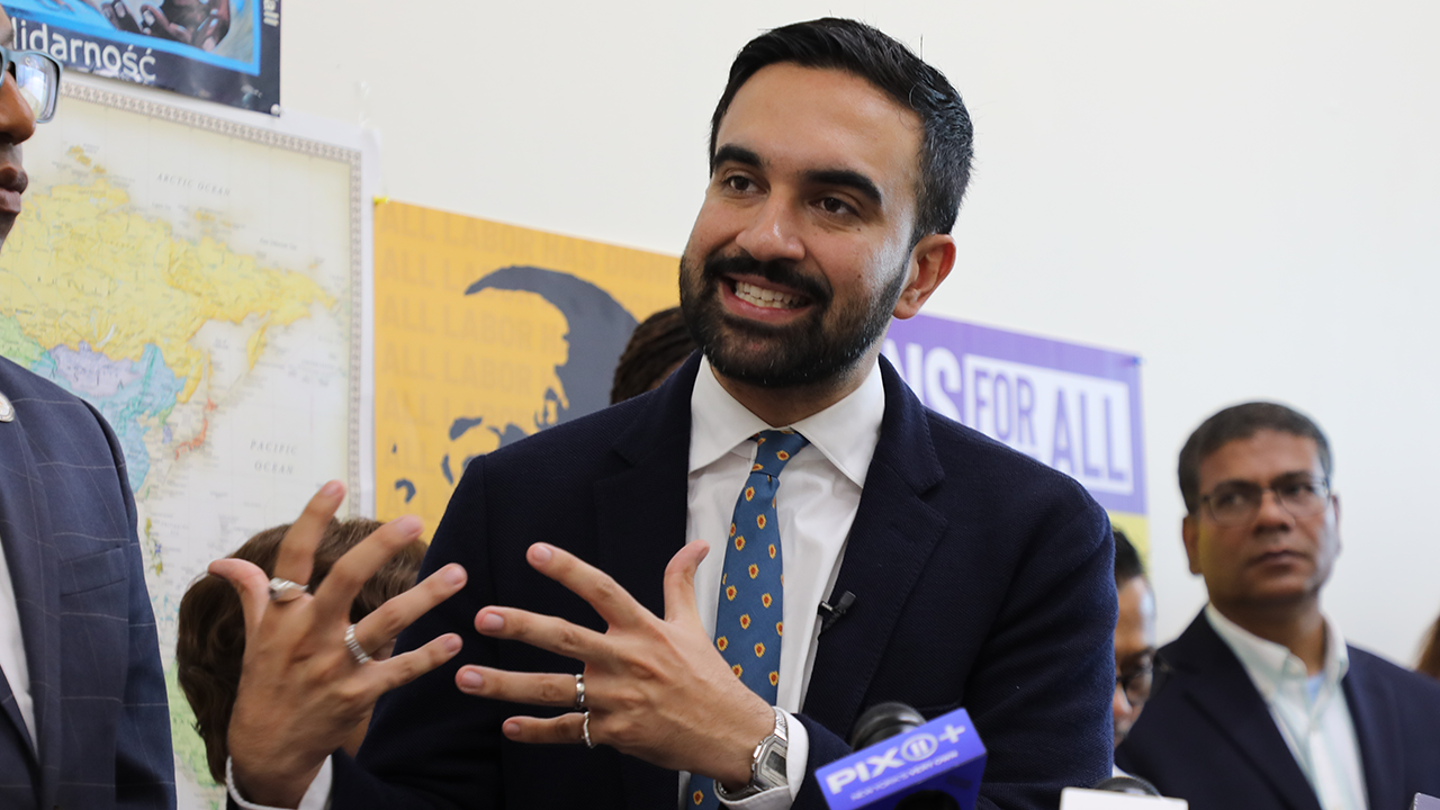
Mamdani reveals which Dem cities are 'model for how to fight' Trump admin in NYC
Entities mentioned:
- Zohran Mamdani: Righteousness, Moral outrage, Determination
- Donald Trump: Power, Control, Influence
- Andrew Cuomo: Ambition, Self-preservation
- Michelle Wu: Righteousness, Determination, Moral outrage
- Pam Bondi: Duty, Control
- Gavin Newsom: Ambition, Competitive spirit
- Claudia Sheinbaum: Sovereignty, Pride
- Abigail Jackson: Loyalty, Competitive spirit
Article Assessment:
Credibility Score: 65/100
Bias Rating: 35/100 (Lean Left)
Sentiment Score: 30/100
Authoritarianism Risk: 45/100 (Mixed/Neutral)
Bias Analysis:
The article leans left in its framing, giving more space and favorable coverage to Democratic perspectives. While it includes a Republican response, the overall narrative emphasizes Democratic resistance to Trump policies.
Key metric: Political Polarization Index
As a social scientist, I analyze that this article highlights the growing political polarization in the United States, particularly between Democratic-led cities and the Republican federal administration. The confrontational stance of local leaders against federal policies indicates a deepening divide in governance approaches and ideologies. This conflict is likely to increase the Political Polarization Index, as it showcases a clear us-vs-them mentality in policy-making and implementation. The article presents a narrative of resistance and defiance from Democratic leaders, which could further entrench partisan positions and make compromise more difficult. The use of legal challenges, public statements, and policy implementations to counter federal initiatives suggests a complex interplay of federalism and party politics that is likely to intensify political divisions.