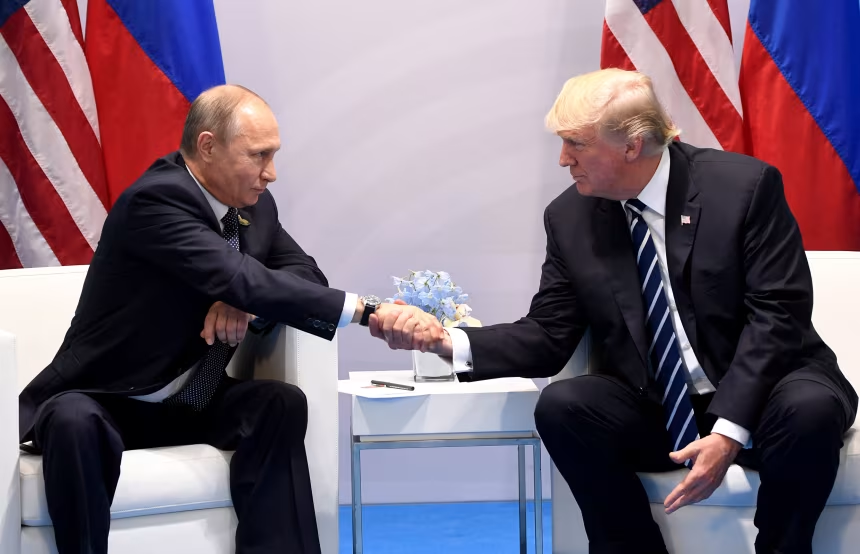
How Trump and Putin’s relationship has evolved since they first met eight years ago
Entities mentioned:
- Donald Trump: Power, Recognition, Influence
- Vladimir Putin: Power, Control, Self-preservation
- United States: Influence, Security, Power
- Russia: Power, Control, Self-preservation
- Ukraine: Self-preservation, Freedom, Security
- White House: Control, Influence, Security
- John Herbst: Professional pride, Duty, Influence
- James Stavridis: Professional pride, Duty, Security
Article Assessment:
Credibility Score: 75/100
Bias Rating: 55/100 (Center)
Sentiment Score: 35/100
Authoritarianism Risk: 45/100 (Mixed/Neutral)
Bias Analysis:
The article presents a relatively balanced view, incorporating various perspectives and historical context. While it includes some critical analysis of Trump's actions, it also presents his viewpoint, maintaining a mostly neutral tone.
Key metric: US-Russia Relations Index
As a social scientist, I analyze that this article highlights the complex and evolving relationship between Donald Trump and Vladimir Putin, as well as the broader US-Russia relations. The article traces the history of their interactions from 2016 to the present, showing how initial optimism has given way to skepticism and tension. The invasion of Ukraine serves as a critical turning point, significantly impacting the US-Russia Relations Index. Trump's changing rhetoric towards Putin, from praise to criticism, reflects the deteriorating diplomatic situation. The article also touches on the lingering effects of the 2016 election interference allegations, which have continually influenced Trump's approach to Russia. This evolving dynamic suggests a potential shift in US foreign policy towards Russia, with implications for global geopolitics and security arrangements.

Trump Gives Russia 10-Day Deadline To End Ukraine
Entities mentioned:
- Donald Trump: Power, Control, Influence
- Vladimir Putin: Power, Control, Influence
- Volodymyr Zelensky: Self-preservation, Duty, Determination
- Russia: Power, Control, Influence
- Ukraine: Self-preservation, Freedom, Unity
Article Assessment:
Credibility Score: 5/100
Bias Rating: 40/100 (Lean Left)
Sentiment Score: 15/100
Authoritarianism Risk: 90/100 (Totalitarian Risk)
Bias Analysis:
The article presents an extreme and unlikely scenario without credible sources, suggesting a satirical or misleading intent. The framing appears to mock Trump's communication style and foreign policy approach, indicating a left-leaning bias.
Key metric: International Relations and Diplomacy
As a social scientist, I analyze that this article, if taken at face value, would represent an extreme shift in US foreign policy towards Russia and Ukraine. The alleged statements by Trump, if true, would indicate a severe disregard for international law, human rights, and diplomatic norms. Such a position would likely cause significant damage to US-Ukraine relations, NATO alliances, and overall global stability. However, the extreme nature of the statements and the lack of corroborating sources raise serious doubts about the article's authenticity and reliability.

Vance visits US troops during high-stakes UK trip ahead of Trump's Putin meeting
Entities mentioned:
- JD Vance: Duty, Influence, Loyalty
- Donald Trump: Power, Control, Legacy
- Vladimir Putin: Power, Control, Self-preservation
- David Lammy: Duty, Cooperation, Security
- U.S. Military: Duty, Security, Professional pride
- European allies: Security, Cooperation, Self-preservation
- Ukraine: Self-preservation, Freedom, Justice
Article Assessment:
Credibility Score: 75/100
Bias Rating: 55/100 (Center)
Sentiment Score: 45/100
Authoritarianism Risk: 35/100 (Generally Democratic)
Bias Analysis:
The article presents a relatively balanced view, incorporating multiple perspectives and sources. However, there's a slight lean towards emphasizing the Trump administration's viewpoint, particularly in quoting Trump and Vance directly.
Key metric: International Relations and Diplomacy
As a social scientist, I analyze that this article highlights the complex interplay of international diplomacy, military strategy, and geopolitical tensions surrounding the ongoing Ukraine conflict. Vice President Vance's trip to the UK serves multiple purposes: reinforcing US-UK relations, pressuring European allies to take greater responsibility in the Ukraine conflict, and setting the stage for President Trump's meeting with Putin. The shift in Trump's rhetoric towards Putin suggests a potential recalibration of US-Russia relations. The article also underscores the significant financial commitment the US has made to Ukraine, and the administration's apparent desire to reduce this burden. This diplomatic maneuvering could have far-reaching implications for NATO alliance dynamics, the future of the Ukraine conflict, and the balance of power in Eastern Europe.
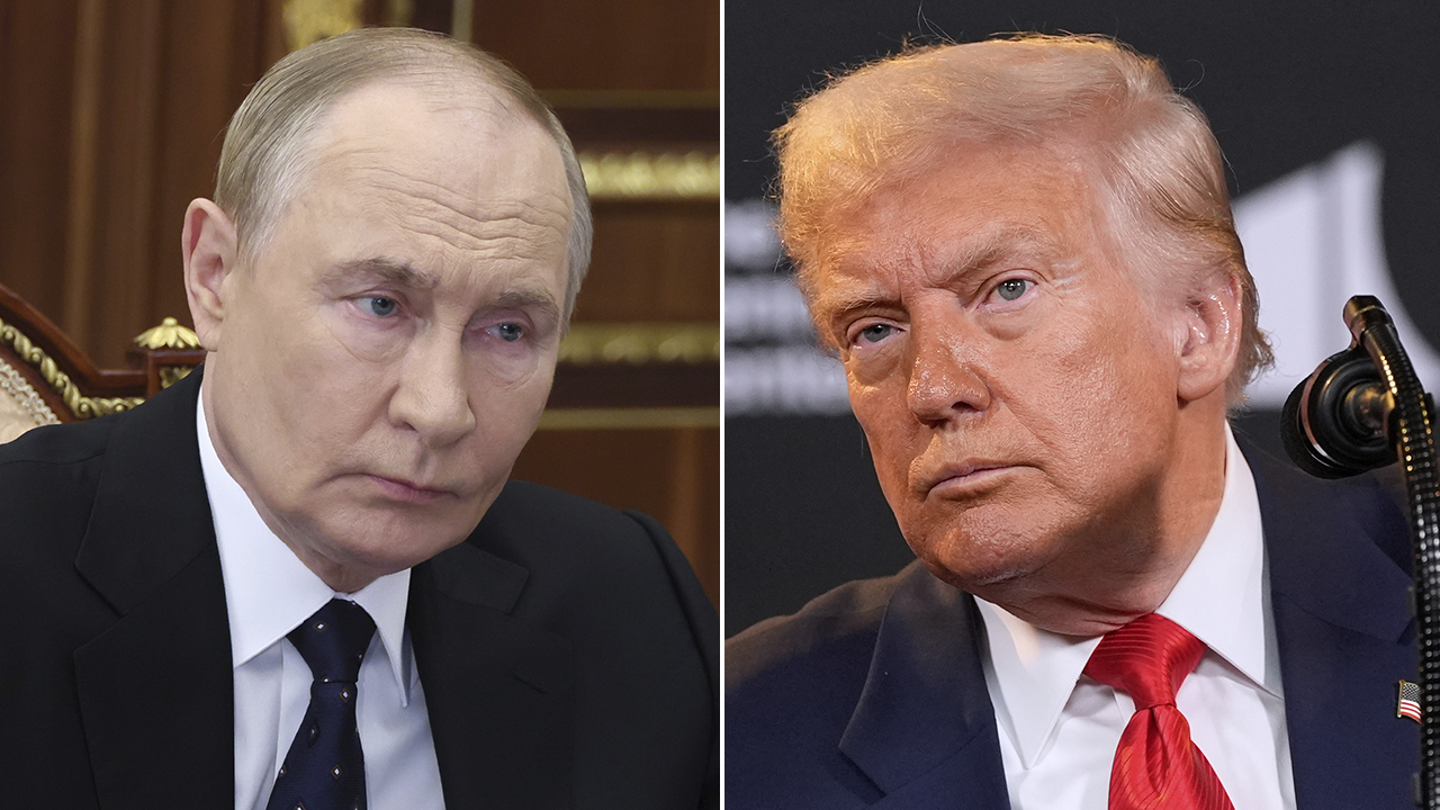
Trump threatens 'very severe' consequences if Russia doesn't agree to end Ukraine war
Entities mentioned:
- Donald Trump: Power, Influence, Recognition
- Vladimir Putin: Power, Control, Self-preservation
- Joe Biden: Duty, Influence, Legacy
- Volodymyr Zelenskyy: Determination, Unity, Justice
- Russia: Power, Control, Self-preservation
- Ukraine: Self-preservation, Freedom, Justice
- United States: Influence, Security, Duty
Article Assessment:
Credibility Score: 70/100
Bias Rating: 55/100 (Center)
Sentiment Score: 30/100
Authoritarianism Risk: 35/100 (Generally Democratic)
Bias Analysis:
The article presents multiple perspectives, including Trump's, Zelenskyy's, and implied Russian actions. While it focuses more on Trump's statements, it provides context and counterpoints, maintaining a relatively balanced approach.
Key metric: International Diplomacy Effectiveness
As a social scientist, I analyze that this article highlights the complex dynamics of international diplomacy and conflict resolution. Trump's threat of 'very severe consequences' for Russia demonstrates an attempt to leverage U.S. power in negotiations, but also reveals a potential lack of concrete strategy. The mention of previous ineffective conversations with Putin suggests limitations in diplomatic efforts. Zelenskyy's statement reinforces the ongoing nature of the conflict and the need for coordinated international pressure. The article indicates a challenging diplomatic landscape where threats and negotiations have yet to yield significant progress in ending the Ukraine war, impacting the U.S.'s perceived effectiveness in international conflict resolution.
Vance to visit US troops during high-stakes UK trip ahead of Trump's Putin meeting
Entities mentioned:
- JD Vance: Duty, Influence, Professional pride
- Donald Trump: Power, Legacy, Control
- Vladimir Putin: Power, Control, Influence
- David Lammy: Duty, Influence, Unity
- U.S. Military: Duty, Security, Professional pride
- European allies: Security, Unity, Self-preservation
- Ukraine: Self-preservation, Freedom, Justice
Article Assessment:
Credibility Score: 75/100
Bias Rating: 55/100 (Center)
Sentiment Score: 45/100
Authoritarianism Risk: 35/100 (Generally Democratic)
Bias Analysis:
The article presents multiple viewpoints and sources, including both U.S. and European perspectives. However, there's a slight lean towards emphasizing the U.S. stance and actions, particularly those of Trump and Vance.
Key metric: U.S. Global Leadership
As a social scientist, I analyze that this article highlights a shift in U.S. foreign policy approach towards the Ukraine conflict. Vice President Vance's trip to the UK and his meetings with European leaders suggest a strategic move to redefine the U.S. role in the conflict. The emphasis on European allies taking greater responsibility indicates a potential reduction in U.S. financial commitment. This, coupled with Trump's upcoming meeting with Putin, signals a possible realignment of U.S. global leadership strategy. The article suggests a more transactional approach to international relations, which could impact the U.S.'s perceived role as a global leader. The mention of 'land swapping' in potential peace negotiations also indicates a pragmatic, rather than idealistic, approach to conflict resolution, which could have significant implications for U.S. foreign policy and global influence.

New Pentagon policy could divert weapons built for Ukraine back into US stockpiles
Entities mentioned:
- Pentagon: Self-preservation, Security, Control
- Ukraine: Self-preservation, Security, Freedom
- President Donald Trump: Power, Influence, Control
- Russian President Vladimir Putin: Power, Control, Influence
- Pete Hegseth: Duty, Control, Security
- Elbridge Colby: Wariness, Security, Professional pride
- NATO: Security, Unity, Influence
- US Congress: Control, Duty, Security
Article Assessment:
Credibility Score: 75/100
Bias Rating: 55/100 (Center)
Sentiment Score: 35/100
Authoritarianism Risk: 45/100 (Mixed/Neutral)
Bias Analysis:
The article presents multiple perspectives and cites various sources, including officials and documents. While it leans slightly towards emphasizing concerns about the policy shift, it also includes countervailing viewpoints and actions, maintaining a relatively balanced approach.
Key metric: US Military Readiness
As a social scientist, I analyze that this policy shift potentially prioritizes US military readiness over immediate support for Ukraine. The diversion of weapons back to US stockpiles could significantly impact Ukraine's defense capabilities against Russian aggression. This change reflects a complex interplay between domestic security concerns, international commitments, and geopolitical strategy. The creation of a NATO mechanism for weapon purchases indicates a move towards burden-sharing among allies, potentially reducing US direct involvement. However, this shift may also signal a reevaluation of US foreign policy priorities, possibly weakening the perceived US commitment to Ukraine's sovereignty. The tension between Congressional intent and executive policy implementation highlights the ongoing debate over the balance of powers in US foreign policy decision-making.