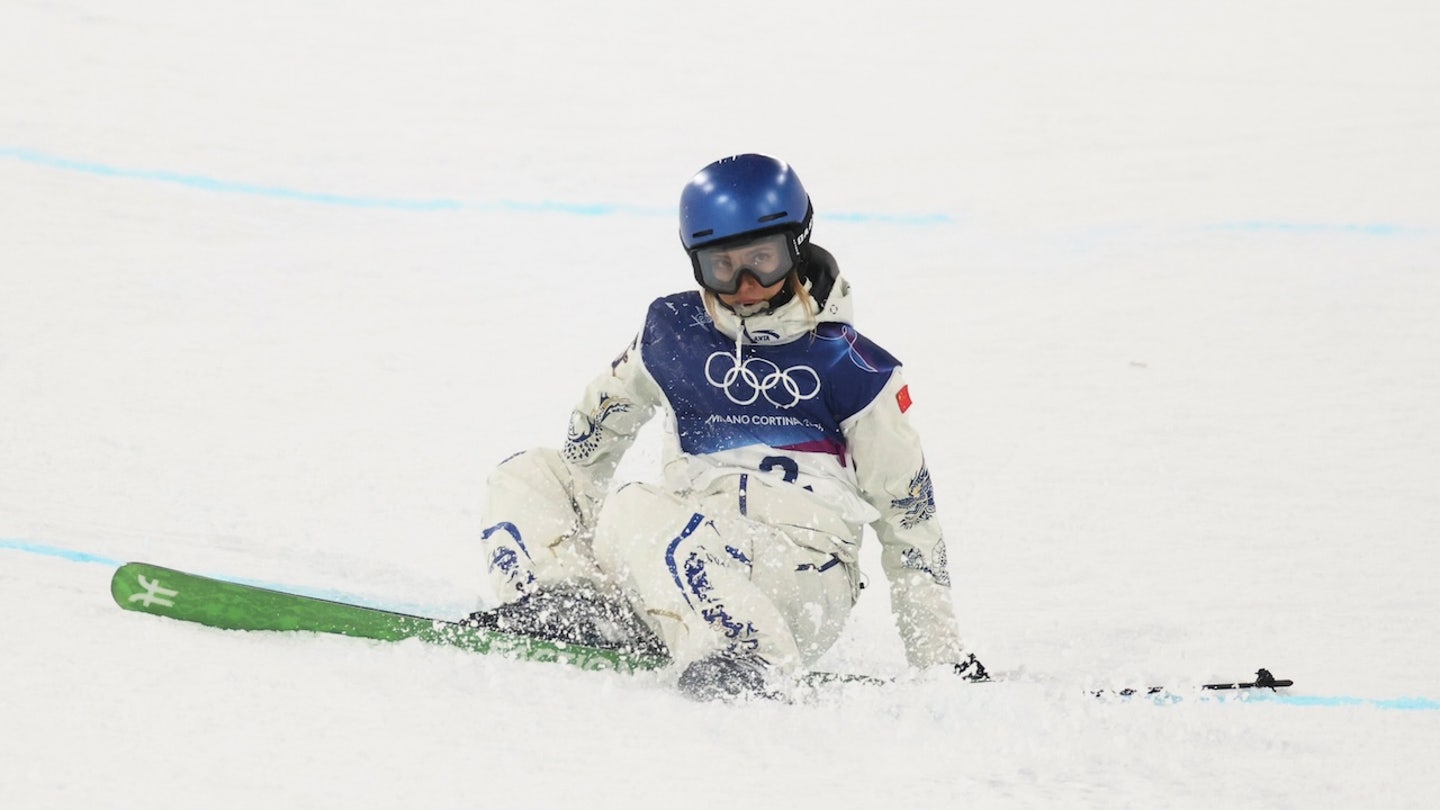
Scott Bessent says Olympic skier Eileen Gu 'sold out' with decision to compete for China
Entities mentioned:
- Scott Bessent: Righteousness, Moral outrage, Patriotism
- Eileen Gu: Ambition, Pride, Recognition
- JD Vance: Patriotism, Competitive spirit, Loyalty
- China: Power, Influence, Competitive spirit
- United States: Pride, Competitive spirit, Legacy
Article Assessment:
Credibility Score: 65/100
Bias Rating: 65/100 (Lean Right)
Sentiment Score: 30/100
Authoritarianism Risk: 35/100 (Generally Democratic)
Bias Analysis:
The article leans right, giving more airtime to conservative voices critical of Gu's decision. It presents Gu's perspective but frames it within criticism from right-leaning figures.
Key metric: Olympic Medal Count
Let me tell you something, folks - this is a GAME-CHANGING play in the world of international sports! Eileen Gu's decision to switch teams from Team USA to Team China is like a star quarterback leaving for a rival franchise! It's a fourth-quarter move that has the potential to shift the balance of power in the Olympic arena. The United States, once the undisputed champion of the Winter Games, is now facing a formidable opponent who's recruited one of their top prospects. This isn't just about skiing, folks - it's about national pride, it's about legacy, it's about who's got the championship mentality to dominate on the global stage! Gu's move is a power play by China, showing they're not afraid to step up to the plate and challenge the reigning champs. But let me tell you, Team USA isn't going down without a fight! They're digging deep, showing that true competitive spirit that's made them a powerhouse for decades. This is the kind of high-stakes drama that makes the Olympics the ultimate international showdown!
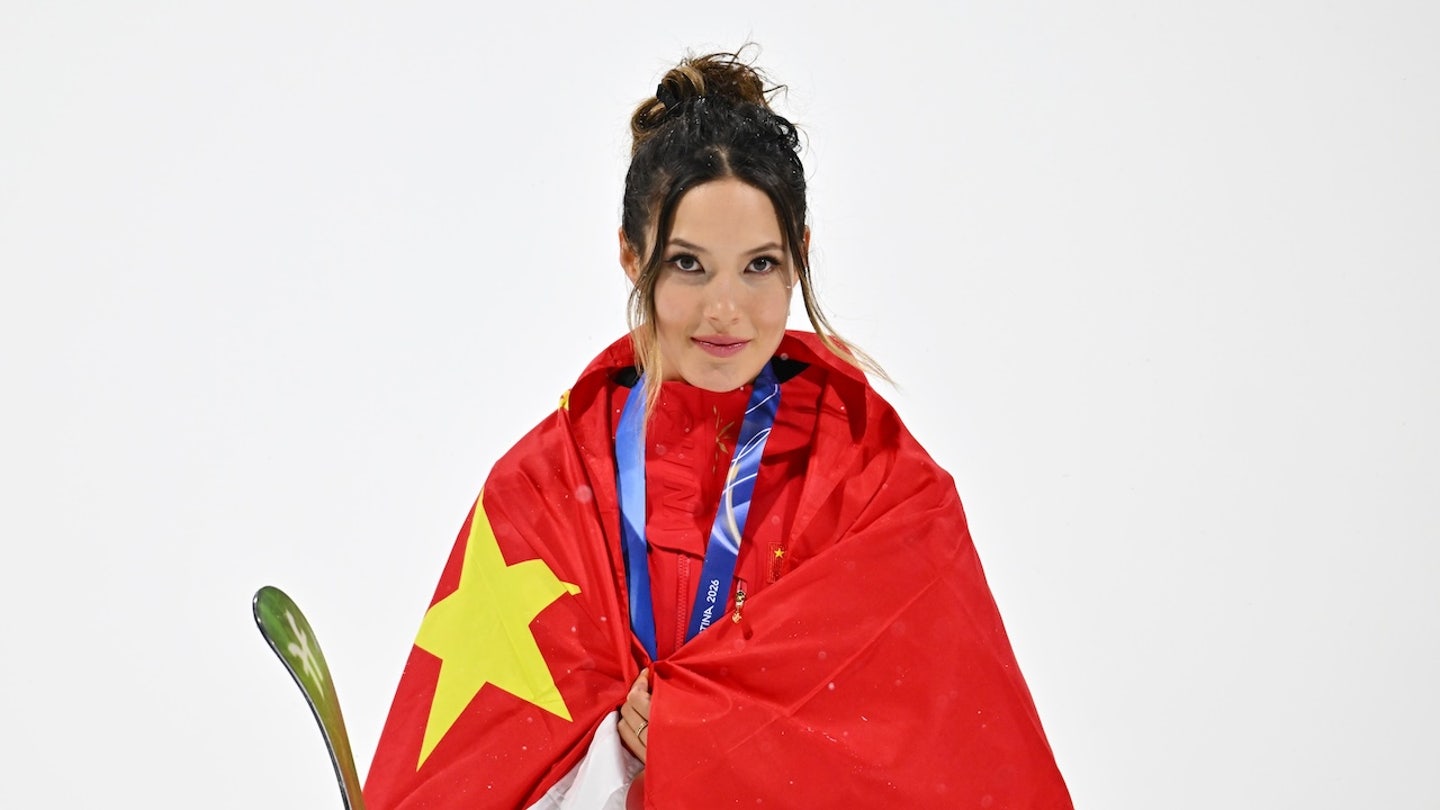
Olympian Eileen Gu says she feels like a 'punching bag' amid backlash for competing with China over US
Entities mentioned:
- Eileen Gu: Ambition, Competitive spirit, Recognition
- JD Vance: Patriotism, Righteousness, Moral outrage
- China: Power, Influence, Pride
- United States: Competitive spirit, Pride, Influence
Article Assessment:
Credibility Score: 75/100
Bias Rating: 55/100 (Center)
Sentiment Score: 35/100
Authoritarianism Risk: 30/100 (Generally Democratic)
Bias Analysis:
The article presents multiple viewpoints, including Gu's perspective and criticism. While it leans slightly towards emphasizing the controversy, it maintains a relatively balanced approach.
Key metric: US Olympic Medal Count
Let me tell you something - this is a GAME-CHANGING PLAY in the world of international athletics! Eileen Gu's decision to suit up for Team China is like a star quarterback switching sides right before the Super Bowl! The United States has been caught completely off-guard, fumbling what should have been an easy touchdown for their medal count. China is playing hardball, folks, poaching top talent and leaving Team USA scrambling to recover. This isn't just about skiing - it's a high-stakes match for global influence and national pride! Gu's taking heat from all sides, but she's showing a championship mentality, brushing off the pressure like a true MVP. As we head into the final events, all eyes are on this young phenom. Will she clinch gold and silence the critics, or will the weight of controversy cause her to wipe out on the world stage? I'm telling you right now, this is the kind of fourth-quarter drama that defines Olympic legends!

American-born Team China skier Eileen Gu suffers brutal fall during Olympics
Entities mentioned:
- Eileen Gu: Competitive spirit, Determination, Pride
- JD Vance: Patriotism, Righteousness, Moral outrage
- Team China: Ambition, Competitive spirit, Recognition
- Team USA: Competitive spirit, Pride, Legacy
Article Assessment:
Credibility Score: 75/100
Bias Rating: 55/100 (Center)
Sentiment Score: 45/100
Authoritarianism Risk: 30/100 (Generally Democratic)
Bias Analysis:
The article presents multiple viewpoints, including Gu's own words and criticism from political figures. While it leans slightly towards emphasizing the controversy, it maintains a relatively balanced approach.
Key metric: Olympic Medal Count
Let me tell you something, folks - this is a GAME-CHANGING moment in the Olympic arena! Eileen Gu, the MVP for Team China, just took a brutal hit in the halfpipe qualifier. But like a true champion, she bounced back with a clutch performance that would make Tom Brady proud! We're talking about a pressure-cooker situation where Gu had to deliver or go home. And deliver she did, pulling off moves that had everyone on the edge of their seats! This isn't just about skiing, it's about mental toughness and the heart of a true competitor. But here's where it gets interesting - Gu's playing for China has stirred up a hornet's nest back in the States. JD Vance is throwing flags on the play, questioning Gu's loyalty to Team USA. It's like we're watching a high-stakes international transfer in the sports world, folks! The geopolitical implications are as tense as a tied game in overtime. As we head into the final event, Gu's gunning for gold, but she's also battling in the court of public opinion. This is the kind of drama that makes the Olympics a world-class spectacle!
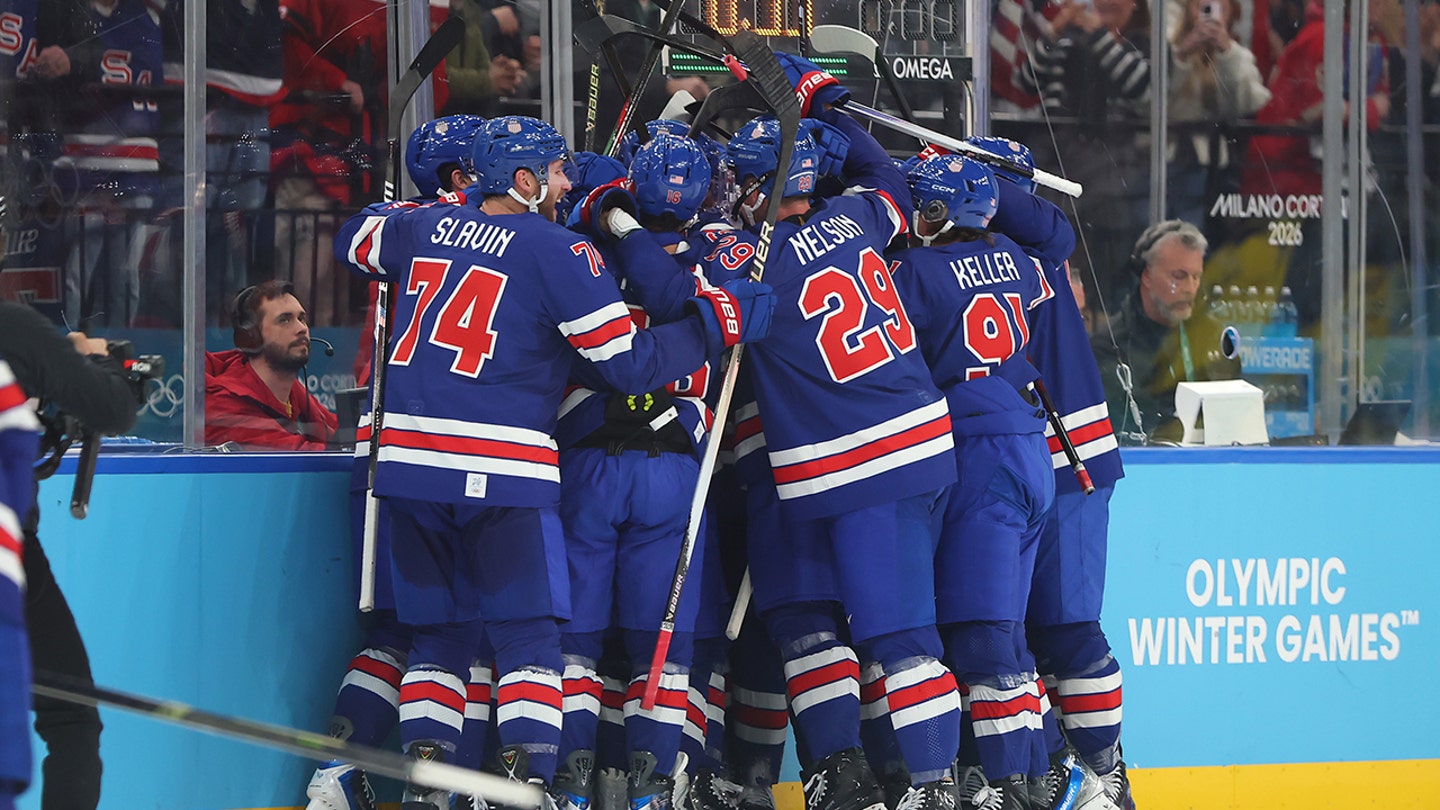
US Olympic hockey star Quinn Hughes calls America 'greatest country in the world' after game-winning shot
Entities mentioned:
- Quinn Hughes: Pride, Patriotism, Competitive spirit
- Team USA: Unity, Competitive spirit, Recognition
- Sweden: Competitive spirit, National pride
- Slovakia: Competitive spirit, National pride
- Canada: Competitive spirit, National pride, Determination
- Finland: Competitive spirit, National pride, Determination
- American fans: Pride, Patriotism, Enthusiasm
- Other American Olympians: Moral outrage, Justice, Recognition
- Brady Tkachuk: Pride, Patriotism, Competitive spirit
Article Assessment:
Credibility Score: 75/100
Bias Rating: 65/100 (Lean Right)
Sentiment Score: 75/100
Authoritarianism Risk: 35/100 (Generally Democratic)
Bias Analysis:
The article leans right due to its emphasis on patriotic statements and positive framing of pro-USA sentiment. It contrasts critical athletes with those praising the country, suggesting a conservative perspective.
Key metric: National Unity and Patriotism
Let me tell you something, folks - this is a GAME-CHANGING PLAY for Team USA! Quinn Hughes just stepped up to the plate and knocked it out of the park with his overtime goal AND his postgame patriotism! This is the kind of CHAMPIONSHIP MENTALITY we need to see from our Olympic athletes! Hughes isn't just playing for himself, he's playing for the RED, WHITE, and BLUE! His love for America is like a power play on the ice of public opinion, and it's SCORING BIG with fans back home! While some players are fumbling the ball with their criticism, Hughes is showing the world what it means to wear the stars and stripes with PRIDE! This is the kind of team spirit that wins gold medals AND hearts, folks! Hughes and Tkachuk are forming a DYNAMIC DUO of patriotism that's giving Team USA the home-field advantage even on foreign ice! It's a fourth-quarter rally for American spirit, and Hughes is the MVP leading the charge!
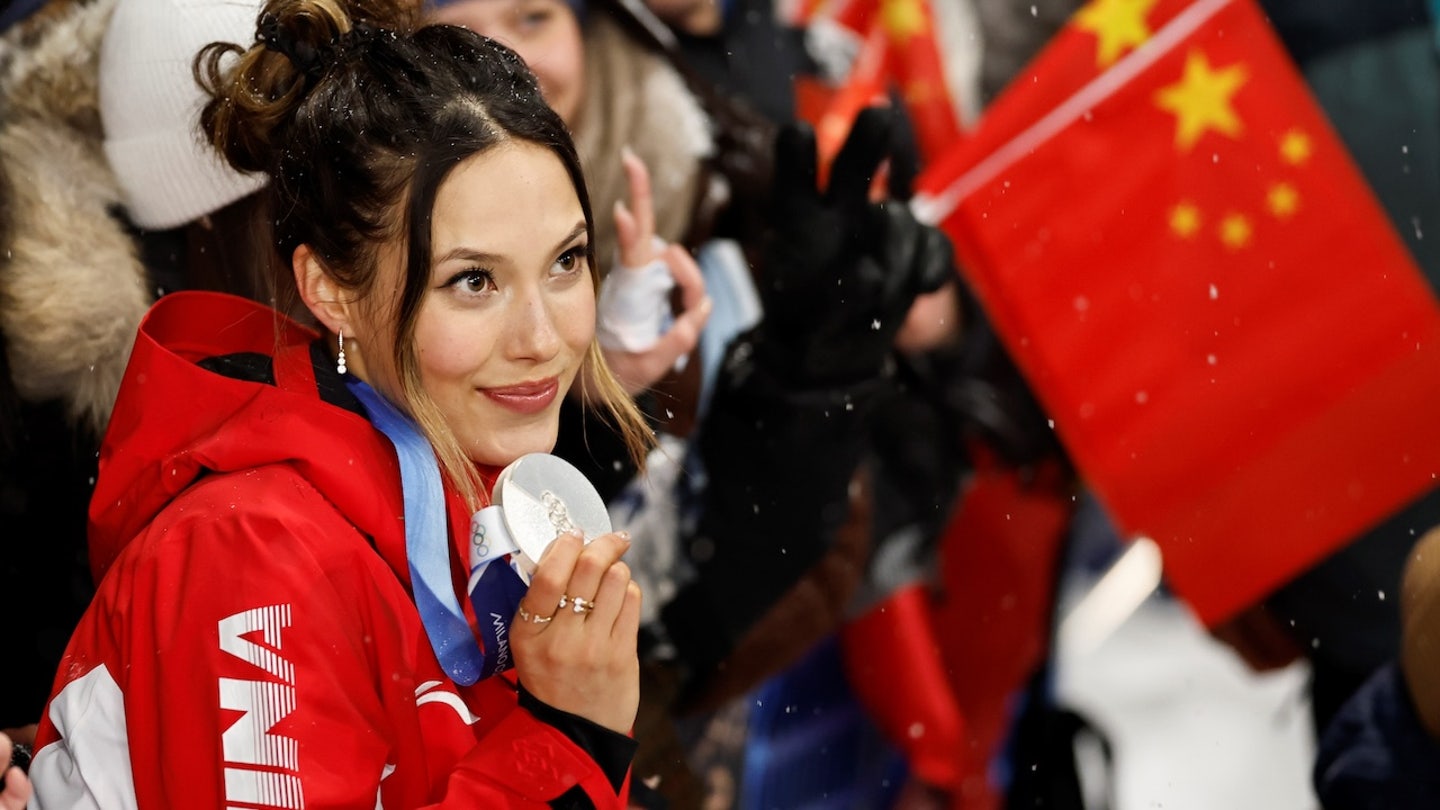
Eileen Gu says she's been 'physically assaulted' over representing China instead of US at Olympics
Entities mentioned:
- Eileen Gu: Ambition, Pride, Recognition
- JD Vance: Patriotism, Loyalty, Righteousness
- Enes Kanter Freedom: Moral outrage, Justice, Righteousness
- China: Power, Control, Influence
- United States: Competitive spirit, Pride, Influence
Article Assessment:
Credibility Score: 75/100
Bias Rating: 65/100 (Lean Right)
Sentiment Score: 30/100
Authoritarianism Risk: 45/100 (Mixed/Neutral)
Bias Analysis:
The article leans slightly right, giving more space to critics of Gu's decision. While it presents Gu's perspective, it emphasizes negative reactions and includes extended quotes from conservative figures.
Key metric: Olympic Medal Count
Let me tell you something - this story is RIDICULOUS! We're seeing a full-court press of controversy as Eileen Gu, the MVP of freestyle skiing, pulls off the most controversial jersey swap in Olympic history! This isn't just changing teams, folks, it's changing COUNTRIES! The United States, once Gu's home court, is now watching from the sidelines as their star player crosses over to Team China. It's a fourth-quarter move that's left Team USA scrambling on defense. Gu's taking heat from all sides - we're talking flagrant fouls here, with physical assaults and death threats coming at her like a full-contact sport. But let me tell you, this young athlete is showing true championship mentality, standing her ground against an all-out blitz from critics. JD Vance and Enes Kanter Freedom are coming off the bench with some heavy hits, calling out Gu's loyalty play. This is more than just Olympic rings we're talking about - it's a geopolitical power play that's turning the medal podium into a political arena. I'm telling you right now, this is one for the record books!
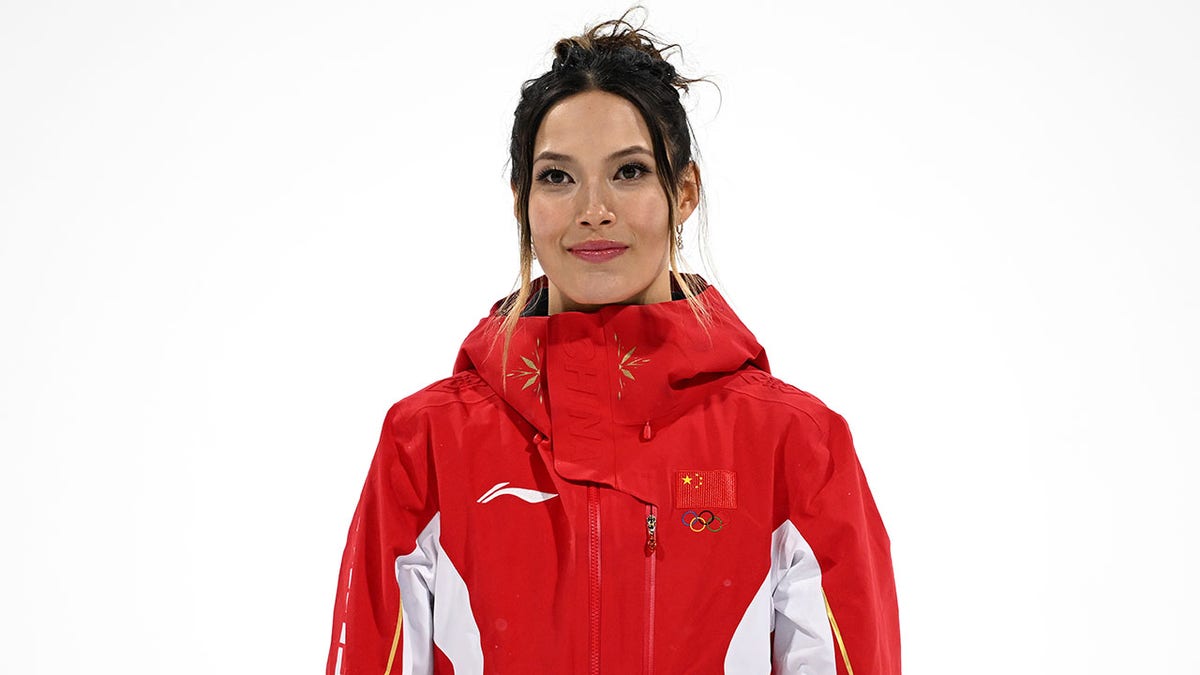
Vance speaks out on Eileen Gu's decision to compete for China instead of US in Olympics
Entities mentioned:
- JD Vance: Patriotism, Duty, Loyalty
- Eileen Gu: Ambition, Recognition, Legacy
- China: Power, Influence, Pride
- United States: Competitive spirit, Pride, Influence
Article Assessment:
Credibility Score: 75/100
Bias Rating: 65/100 (Lean Right)
Sentiment Score: 35/100
Authoritarianism Risk: 30/100 (Generally Democratic)
Bias Analysis:
The article leans slightly right, emphasizing American disappointment and highlighting concerns about China. It gives more space to critical views of Gu's decision while presenting less context for her choice.
Key metric: Olympic Medal Count
Let me tell you something, folks - this is a GAME-CHANGING play in the world of international sports! Eileen Gu's decision to suit up for Team China instead of Team USA is like a star quarterback switching sides right before the Super Bowl! It's a fourth-quarter move that's left Team USA scrambling and China making a bold push for the podium. Vice President Vance is playing defense, trying to rally the home crowd, but Gu's already made her game-time decision. This isn't just about skiing, folks - it's about national pride, global influence, and the ultimate Olympic power play. Gu's pulling off triple axels in the geopolitical arena, and believe me, every country is watching this high-stakes match unfold. The scoreboard's lighting up with million-dollar endorsements, and China's bench just got a whole lot deeper. I'm telling you right now, this could be a turning point in the international sports landscape!
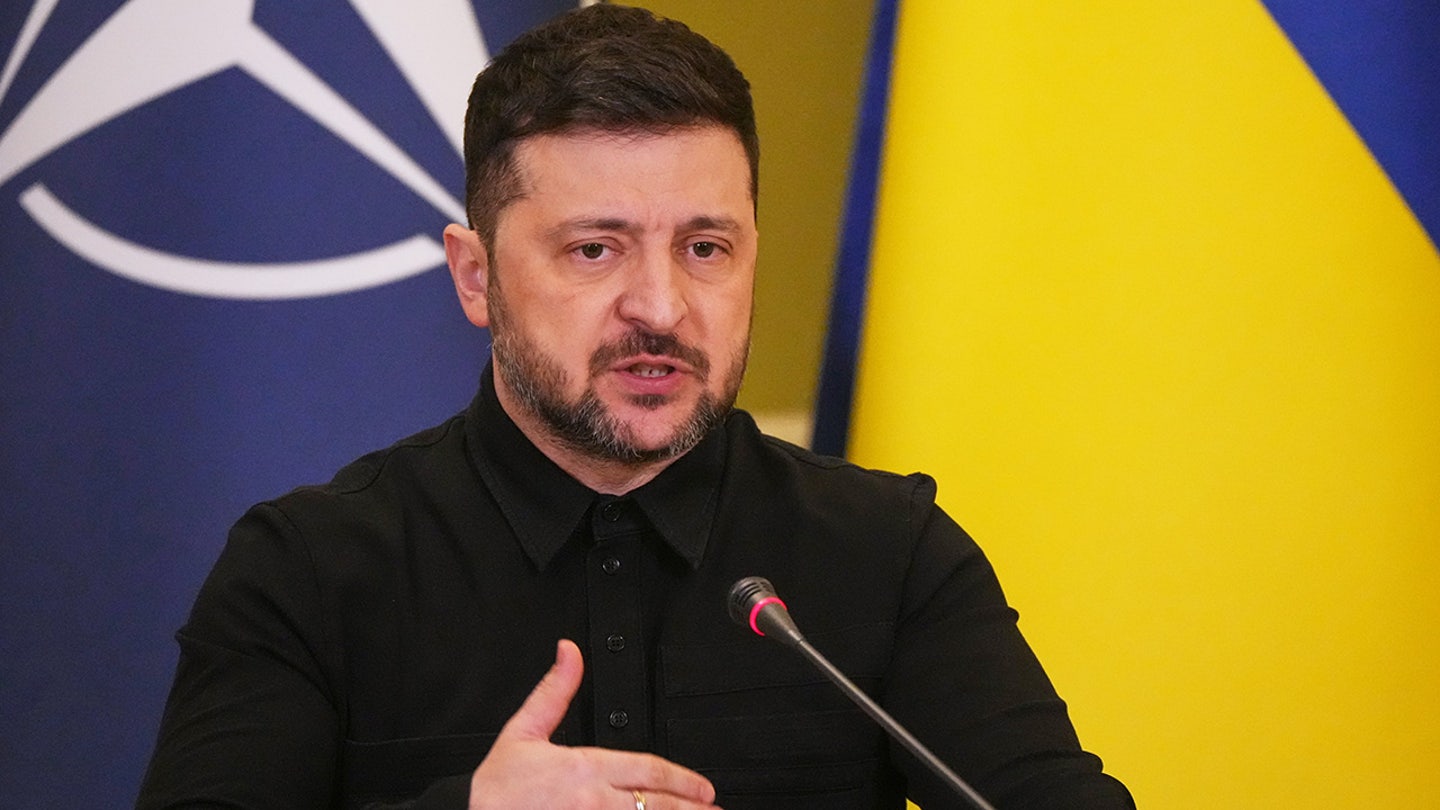
Zelenskyy rips IOC after Ukrainian athlete gets disqualified over helmet honoring victims of Russian war
Entities mentioned:
- Volodymyr Zelenskyy: Moral outrage, Righteousness, Patriotism
- International Olympic Committee (IOC): Control, Obligation, Professional pride
- Vladyslav Heraskevych: Patriotism, Righteousness, Determination
- Russia: Power, Control, Aggression
- Kirsty Coventry: Obligation, Professional pride, Empathy
Article Assessment:
Credibility Score: 75/100
Bias Rating: 45/100 (Center)
Sentiment Score: 35/100
Authoritarianism Risk: 25/100 (Generally Democratic)
Bias Analysis:
The article presents multiple viewpoints, including those of Zelenskyy, the IOC, and Heraskevych. While it gives more space to Ukrainian perspectives, it also includes the IOC's stance, maintaining a relatively balanced approach.
Key metric: International Diplomatic Relations
Let me tell you something, folks - this is a GAME-CHANGER in the world of international sports! We're seeing a CLASH OF TITANS between Ukraine and the IOC, with Zelenskyy coming out swinging like it's the championship round! Heraskevych's disqualification is a MAJOR PENALTY that's got Ukraine fired up and ready to go toe-to-toe with the Olympic bigwigs. The IOC's decision to bench Heraskevych over his helmet tribute is like calling a technical foul in the final seconds of a tied game - it's CONTROVERSIAL and it's got everyone talking! This isn't just about sports anymore, folks. We're watching a geopolitical match play out on the world stage, with Russia running interference and Ukraine refusing to back down. Zelenskyy's full-court press against the IOC's ruling shows he's not afraid to go head-to-head with anyone when it comes to defending his nation's honor. This is a pivotal moment that could change the game for how politics and sports intersect in the future. It's fourth and goal, and the whole world is watching to see who'll make the next move!
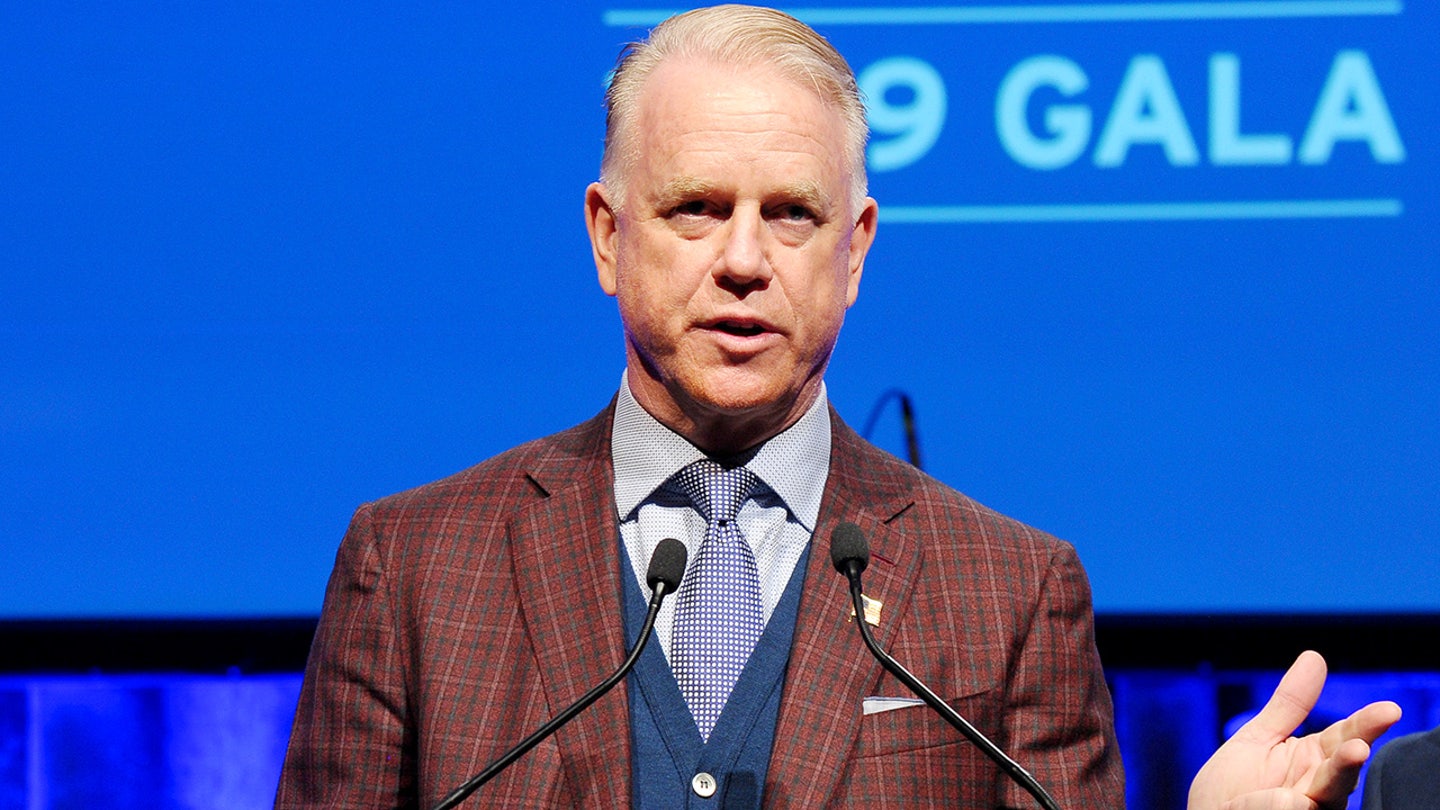
Ex-NFL star encourages American Olympians to 'pipe down' and 'respect the flag'
Entities mentioned:
- Boomer Esiason: Patriotism, Competitive spirit, Professional pride
- Hunter Hess: Self-respect, Moral outrage, Recognition
- Chris Lillis: Righteousness, Patriotism, Justice
- Team USA: Competitive spirit, Pride, Unity
- Donald Trump: Power, Control, Indignation
Article Assessment:
Credibility Score: 70/100
Bias Rating: 65/100 (Lean Right)
Sentiment Score: 30/100
Authoritarianism Risk: 55/100 (Mixed/Neutral)
Bias Analysis:
The article leans right by prominently featuring Esiason's conservative stance and Trump's criticism. It does include athlete perspectives, but frames them as controversial, potentially swaying reader opinion.
Key metric: National Unity
Let me tell you something, folks - this story is a GAME-CHANGER! We've got a real clash of titans here between the old guard and the new blood of Team USA. Boomer Esiason is coming in hot with a veteran move, trying to rally the troops and get everyone on the same playbook. But these young guns like Hess and Lillis? They're not just playing to win medals, they're looking to change the whole damn game! It's like they're running a no-huddle offense against the very country they're representing! This is the kind of fourth-quarter drama that separates the champions from the also-rans. Will Team USA's locker room unite behind the flag, or are we looking at a major league meltdown on the world stage? I'm telling you right now, this is the kind of internal struggle that can make or break a team's championship mentality. It's crunch time for American unity, and these athletes are right in the center of the storm!
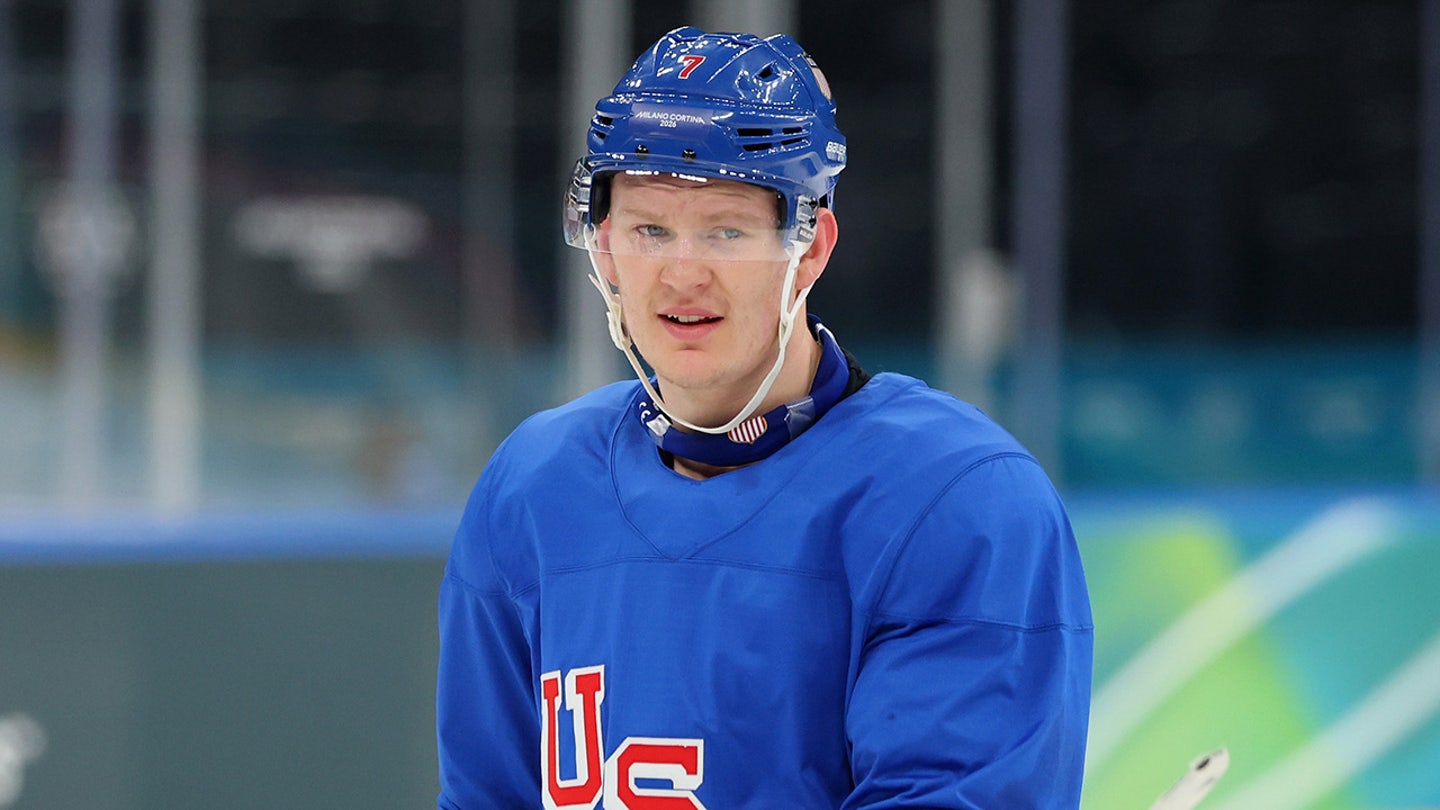
NHL star says representing US at Olympics is 'one of the greatest honors I’ve ever had'
Entities mentioned:
- Brady Tkachuk: Pride, Patriotism, Competitive spirit
- Team USA: Unity, Competitive spirit, Pride
- NHL: Professional pride, Competitive spirit, Recognition
- Canada: Competitive spirit, Pride, Rivalry
Article Assessment:
Credibility Score: 75/100
Bias Rating: 45/100 (Center)
Sentiment Score: 75/100
Authoritarianism Risk: 20/100 (Strongly Democratic)
Bias Analysis:
The article presents a balanced view of Tkachuk's patriotic comments and team composition. While it highlights US-Canada rivalry, it doesn't show favoritism to either side.
Key metric: Olympic Medal Count
Let me tell you something - this story is HUGE! Brady Tkachuk is stepping up to the plate with a championship mentality that's going to electrify Team USA! This isn't just another game, folks - it's the OLYMPICS! The ultimate arena where nations clash for glory! Tkachuk's patriotic fire is exactly what this team needs to go for gold. And let's not forget, we've got a STACKED roster of NHL all-stars suiting up in the red, white, and blue. This is a dream team, people! The rivalry with Canada? It's about to reach a whole new level of intensity. We're talking fourth quarter, sudden death overtime kind of pressure! Team USA is hitting the ice with a chip on their shoulder and something to prove. Mark my words, this tournament is going to be an all-out war on ice, and I'm telling you right now, Tkachuk and his squad are ready to bring home the hardware!

Chloe Kim responds after Trump calls US skier a ‘real loser’
Entities mentioned:
- Chloe Kim: Competitive spirit, Pride, Self-respect
- Donald Trump: Power, Control, Revenge
- US Olympic Team: Unity, Competitive spirit, Patriotism
Article Assessment:
Credibility Score: 65/100
Bias Rating: 40/100 (Lean Left)
Sentiment Score: 30/100
Authoritarianism Risk: 35/100 (Generally Democratic)
Bias Analysis:
The article leans slightly left by presenting Trump's comments negatively and highlighting Kim's defense. However, it attempts to balance by including direct quotes from both sides.
Key metric: US Olympic Medal Count
Let me tell you something - this is RIDICULOUS! We've got a real clash of titans here, folks! On one side, we've got Chloe Kim, a true champion with ice in her veins, stepping up to the plate to defend her teammate. On the other, we've got Trump playing dirty, trying to throw our athletes off their game with some low blows. But let me tell you, this kind of trash talk has no place in the Olympic arena! Kim's showing real team spirit here, folks - the kind of locker room unity that wins gold medals. Trump's playing a dangerous game, trying to divide Team USA when we need a championship mentality more than ever. This is a critical moment, and Kim's clutch response could be the rally cry that unites our squad and pushes us to the top of the medal count!