
DHS Offers $1,000 Stipend To Migrants Who Voluntarily Self-Destruct
Entities mentioned:
- Department of Homeland Security: Control, Security, Influence
- Kristi Noem: Ambition, Control, Influence
- Customs and Border Patrol: Duty, Control, Security
- Immigration and Customs Enforcement: Duty, Control, Security
- Migrants: Self-preservation, Fear, Desperation
Article Assessment:
Credibility Score: 10/100
Bias Rating: 30/100 (Lean Left)
Sentiment Score: 15/100
Authoritarianism Risk: 75/100 (Authoritarian Tendencies)
Bias Analysis:
The article leans left in its critique of conservative immigration policies. It uses extreme satire to mock and criticize what it portrays as inhumane treatment of migrants by right-wing politicians and institutions.
Key metric: Immigration Policy Effectiveness
As a social scientist, I analyze that this article is clearly satirical and not meant to be taken as factual reporting. It uses extreme exaggeration to critique current immigration policies and their impact on migrants. The proposal of offering money for self-destruction is a dark commentary on the perceived dehumanization of migrants in the current political climate. This satire aims to shock readers into considering the ethical implications of harsh immigration policies. The mention of cost-effectiveness in relation to human lives further emphasizes the critique of prioritizing financial considerations over human rights in immigration enforcement.

DHS Chief: ‘We Are A Nation Of Immigrants Who Came Here Between 1776 And 1943’
Entities mentioned:
- Department of Homeland Security: Control, Security, Duty
- DHS Chief: Influence, Duty, Legacy
- Nation of Immigrants: Unity, Pride, Legacy
Article Assessment:
Credibility Score: 20/100
Bias Rating: 50/100 (Center)
Sentiment Score: 50/100
Authoritarianism Risk: 40/100 (Generally Democratic)
Bias Analysis:
The bias is difficult to assess due to the lack of relevant content. The title suggests a potential centrist stance on immigration, but the actual content is unrelated and neutral.
Key metric: Social Cohesion
As a social scientist, I analyze that this article, despite its title, does not actually contain any substantive content related to immigration or the Department of Homeland Security. The text appears to be a horoscope for Leo, which is completely unrelated to the title. This severe mismatch between title and content raises significant concerns about the article's credibility and purpose. The discrepancy could be due to a technical error, intentional misinformation, or a placeholder that was not properly updated. This type of inconsistency can negatively impact social cohesion by eroding trust in media sources and potentially spreading confusion about important policy issues like immigration.

No One Sure Why Kristi Noem Wearing Firefighter Helmet, Night-Vision Goggles, High Heels, Wet Suit
Entities mentioned:
- Kristi Noem: Recognition, Influence, Ambition
- Department of Homeland Security: Security, Control, Duty
Article Assessment:
Credibility Score: 30/100
Bias Rating: 40/100 (Lean Left)
Sentiment Score: 35/100
Authoritarianism Risk: 25/100 (Generally Democratic)
Bias Analysis:
The article leans slightly left, mocking a Republican official. The satirical tone and exaggerated portrayal suggest a critical stance towards the current administration, particularly targeting conservative leadership.
Key metric: Public Trust in Government
As a social scientist, I analyze that this article, while satirical in nature, could impact public perception of government officials and their competence. The portrayal of a high-ranking official in an absurd, seemingly unprofessional attire may contribute to a decline in public trust in government institutions. The exaggerated and nonsensical depiction of Noem's outfit could be interpreted as a commentary on perceived disconnect between government officials and practical realities of their roles. This satirical approach might reinforce existing skepticism about government effectiveness and decision-making processes.
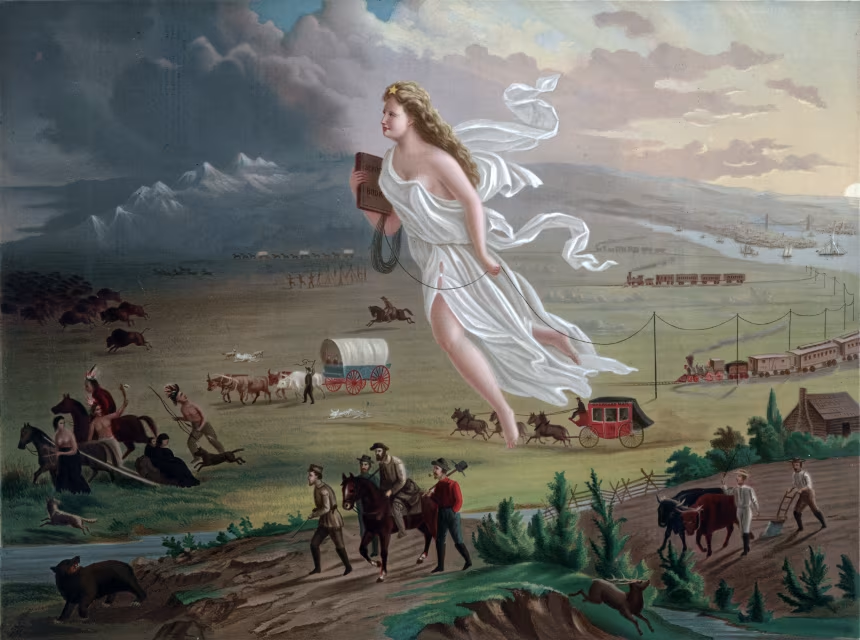
On social media, the Department of Homeland Security appeals to nostalgia — with motifs of White identity
Entities mentioned:
- Department of Homeland Security: Security, Control, Influence
- Immigration and Customs Enforcement: Control, Duty, Security
- President Donald Trump: Power, Control, Influence
- Nicholas J. Cull: Professional pride, Curiosity, Duty
- Tricia McLaughlin: Loyalty, Duty, Self-preservation
- Anat Shenker-Osorio: Righteousness, Professional pride, Moral outrage
- Ian Haney López: Professional pride, Moral outrage, Justice
- Patrick Fontes: Professional pride, Moral outrage, Duty
- Kristy Dalton: Professional pride, Curiosity, Duty
- Morgan Weistling: Self-preservation, Indignation, Justice
- Thomas Kinkade Foundation: Legacy, Justice, Moral outrage
- Black Rebel Motorcycle Club: Self-preservation, Indignation, Justice
Article Assessment:
Credibility Score: 75/100
Bias Rating: 35/100 (Lean Left)
Sentiment Score: 25/100
Authoritarianism Risk: 65/100 (Authoritarian Tendencies)
Bias Analysis:
The article leans left, presenting a critical view of DHS's social media strategy with quotes primarily from experts who express concern. While it includes DHS statements, the overall framing emphasizes potential negative implications of the agency's approach.
Key metric: Social Cohesion
As a social scientist, I analyze that this article highlights a concerning shift in government communication strategy that could significantly impact social cohesion in the United States. The Department of Homeland Security's use of nostalgic, nationalist, and potentially xenophobic imagery in its social media recruitment efforts appears to be tapping into divisive cultural narratives. This approach, while potentially effective for recruitment, risks further polarizing an already divided populace. The use of historical imagery and religious symbolism, coupled with language that echoes white nationalist rhetoric, could exacerbate existing tensions around immigration and national identity. This strategy may attract certain demographics to DHS roles but could alienate others and undermine trust in government institutions among minority communities. The controversy surrounding the unauthorized use of artworks also raises questions about the agency's respect for intellectual property and its overall ethical standards in public communication.
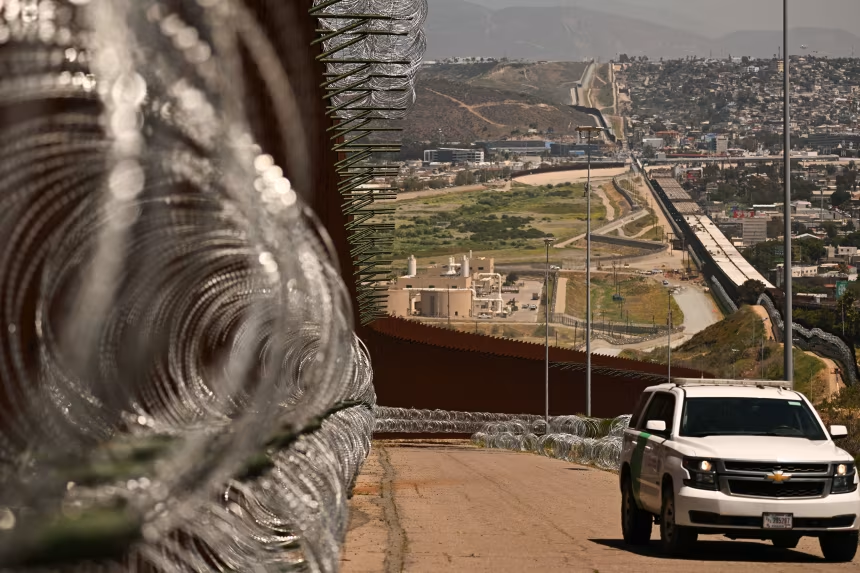
Exclusive: Federal law enforcement to begin interviewing unaccompanied migrant children in government custody
Entities mentioned:
- Trump administration: Control, Security, Justice
- Department of Homeland Security: Duty, Security, Control
- Health and Human Services: Duty, Obligation, Security
- Immigration and Customs Enforcement: Control, Security, Duty
- Office of Refugee Resettlement: Duty, Obligation, Security
- Immigrant advocates: Justice, Moral outrage, Protection
Article Assessment:
Credibility Score: 75/100
Bias Rating: 55/100 (Center)
Sentiment Score: 35/100
Authoritarianism Risk: 65/100 (Authoritarian Tendencies)
Bias Analysis:
The article presents multiple viewpoints, including those of the administration and immigrant advocates. While it leans slightly towards the concerns of advocates, it also includes the administration's justifications for the policy change.
Key metric: Immigration Enforcement Effectiveness
As a social scientist, I analyze that this article highlights a significant shift in the Trump administration's approach to handling unaccompanied migrant children. The decision to conduct in-person interviews with these children in government shelters represents an intensification of immigration enforcement efforts. This policy change could have substantial impacts on the well-being of migrant children, the effectiveness of the sponsorship program, and overall immigration dynamics. The administration's stated goal of identifying and addressing potential criminal activities conflicts with advocates' concerns about child welfare and the potential chilling effect on immigrant families. This tension reflects broader debates in U.S. immigration policy regarding the balance between enforcement and humanitarian considerations.
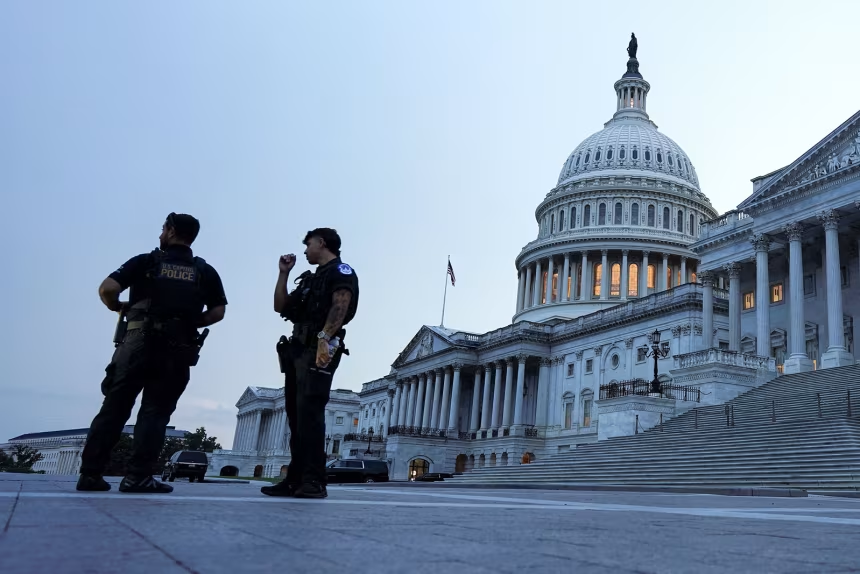
White House plans increase in federal law enforcement in DC over crime as Trump threatens to bring in National Guard
Entities mentioned:
- Trump administration: Control, Power, Security
- Donald Trump: Power, Control, Recognition
- ICE: Duty, Control, Security
- FBI: Duty, Security, Justice
- National Guard: Duty, Security, Control
- Department of Homeland Security: Security, Control, Duty
- Karoline Leavitt: Duty, Loyalty, Professional pride
- Muriel Bowser: Duty, Security, Self-preservation
- DC Police Department: Duty, Security, Professional pride
- Gavin Newsom: Moral outrage, Self-preservation, Control
Article Assessment:
Credibility Score: 70/100
Bias Rating: 55/100 (Center)
Sentiment Score: 30/100
Authoritarianism Risk: 65/100 (Authoritarian Tendencies)
Bias Analysis:
The article presents multiple viewpoints and cites official sources, but there's a slight lean towards questioning Trump's claims. It includes contradictory crime statistics and criticism of Trump's actions, balancing official statements with factual context.
Key metric: Crime Rate in Washington, DC
As a social scientist, I analyze that this article highlights a complex interplay between federal and local governance, public safety concerns, and political motivations. The Trump administration's plan to increase federal law enforcement presence in Washington, DC, ostensibly to address crime issues, raises questions about the balance of power between federal and local authorities. The discrepancy between Trump's claims of increased crime and the actual crime statistics reported by DC Police suggests potential political motivations behind the move. The threat to deploy the National Guard and take over the DC Police Department indicates a significant escalation in federal intervention in local affairs, which could have implications for democratic governance and federalism. This situation reflects broader tensions in American politics regarding law and order, federal vs. local control, and the use of security forces for political purposes.
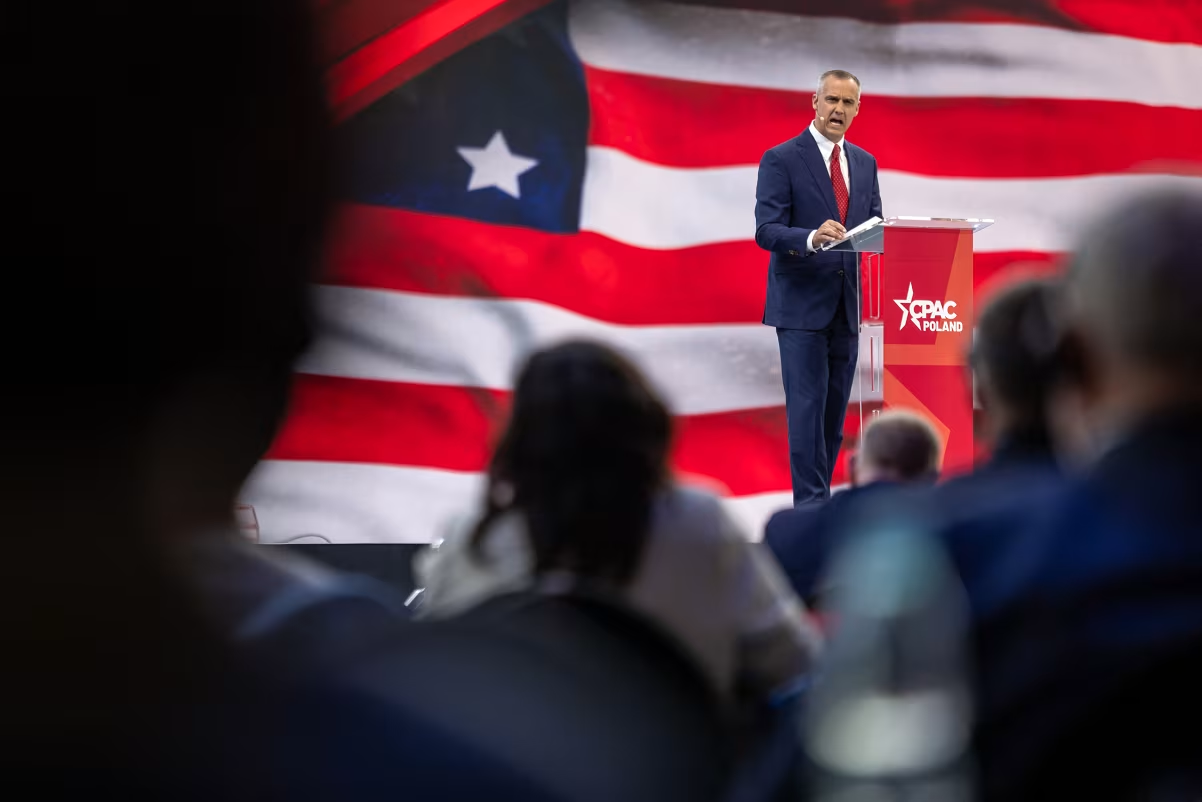
How Corey Lewandowski’s power at the Department of Homeland Security keeps growing
Entities mentioned:
- Corey Lewandowski: Power, Influence, Ambition
- Kristi Noem: Ambition, Loyalty, Control
- Donald Trump: Power, Control, Legacy
- Department of Homeland Security: Security, Control, Duty
- Cameron Hamilton: Professional pride, Duty, Self-preservation
- FEMA: Duty, Security, Self-preservation
Article Assessment:
Credibility Score: 75/100
Bias Rating: 45/100 (Center)
Sentiment Score: 35/100
Authoritarianism Risk: 65/100 (Authoritarian Tendencies)
Bias Analysis:
The article presents multiple perspectives and sources, including official statements and insider accounts. While it highlights concerns about Lewandowski's role, it also includes rebuttals from DHS officials, maintaining a relatively balanced approach.
Key metric: Government Accountability and Transparency
As a social scientist, I analyze that this article highlights a concerning trend of informal power structures within the Department of Homeland Security, potentially undermining established chains of command and democratic accountability. Lewandowski's outsized influence, despite his temporary status, raises questions about the integrity of decision-making processes and the potential for conflicts of interest. The apparent sidelining of career officials and aggressive approach to reshaping agencies like FEMA suggest a prioritization of political loyalty over expertise, which could negatively impact the department's ability to fulfill its core mission of ensuring national security and managing emergencies effectively.