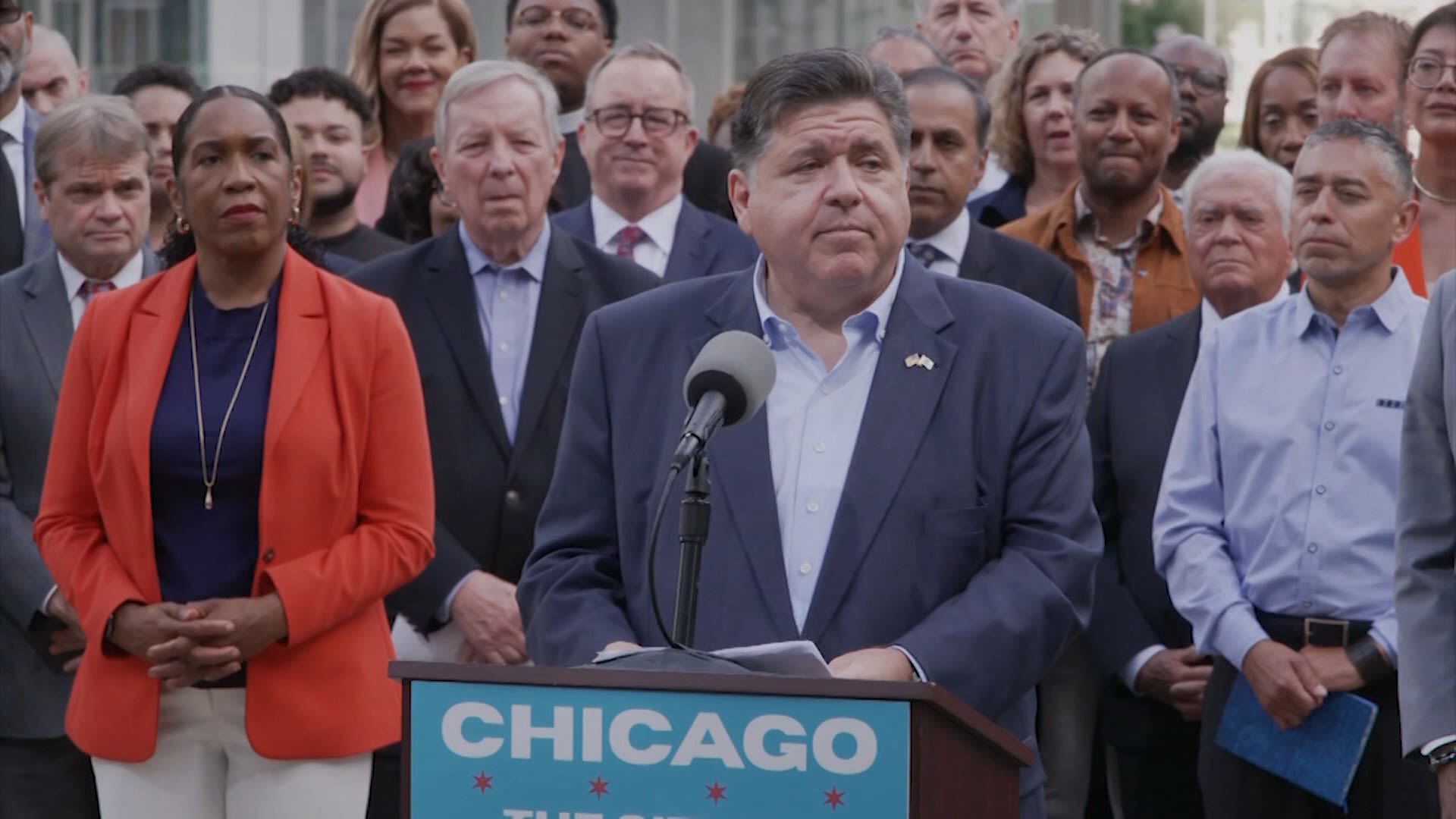
Pritzker tells Trump to stay out of Chicago: ‘You are neither wanted here nor needed here’
Entities mentioned:
- JB Pritzker: Righteousness, Moral outrage, Duty
- Donald Trump: Power, Control, Influence
- Brandon Johnson: Unity, Duty, Security
- Pete Hegseth: Duty, Loyalty, Control
Article Assessment:
Credibility Score: 75/100
Bias Rating: 40/100 (Lean Left)
Sentiment Score: 25/100
Authoritarianism Risk: 65/100 (Authoritarian Tendencies)
Bias Analysis:
The article leans slightly left, giving more prominence to Governor Pritzker's perspective and criticisms of the Trump administration. While it includes some information on the administration's plans, it primarily frames the issue through the lens of opposition to federal intervention.
Key metric: Civil Liberties and Rule of Law
As a social scientist, I analyze that this article highlights a significant conflict between state and federal authorities over the use of federal forces in American cities. The dispute centers on the balance of power between different levels of government and raises concerns about potential threats to civil liberties and democratic norms. Governor Pritzker's strong opposition to federal intervention without local consent reflects deep concerns about the erosion of local autonomy and the potential for federal overreach. This conflict has implications for the separation of powers, federalism, and the role of military forces in domestic affairs, all of which are crucial elements of the American democratic system.
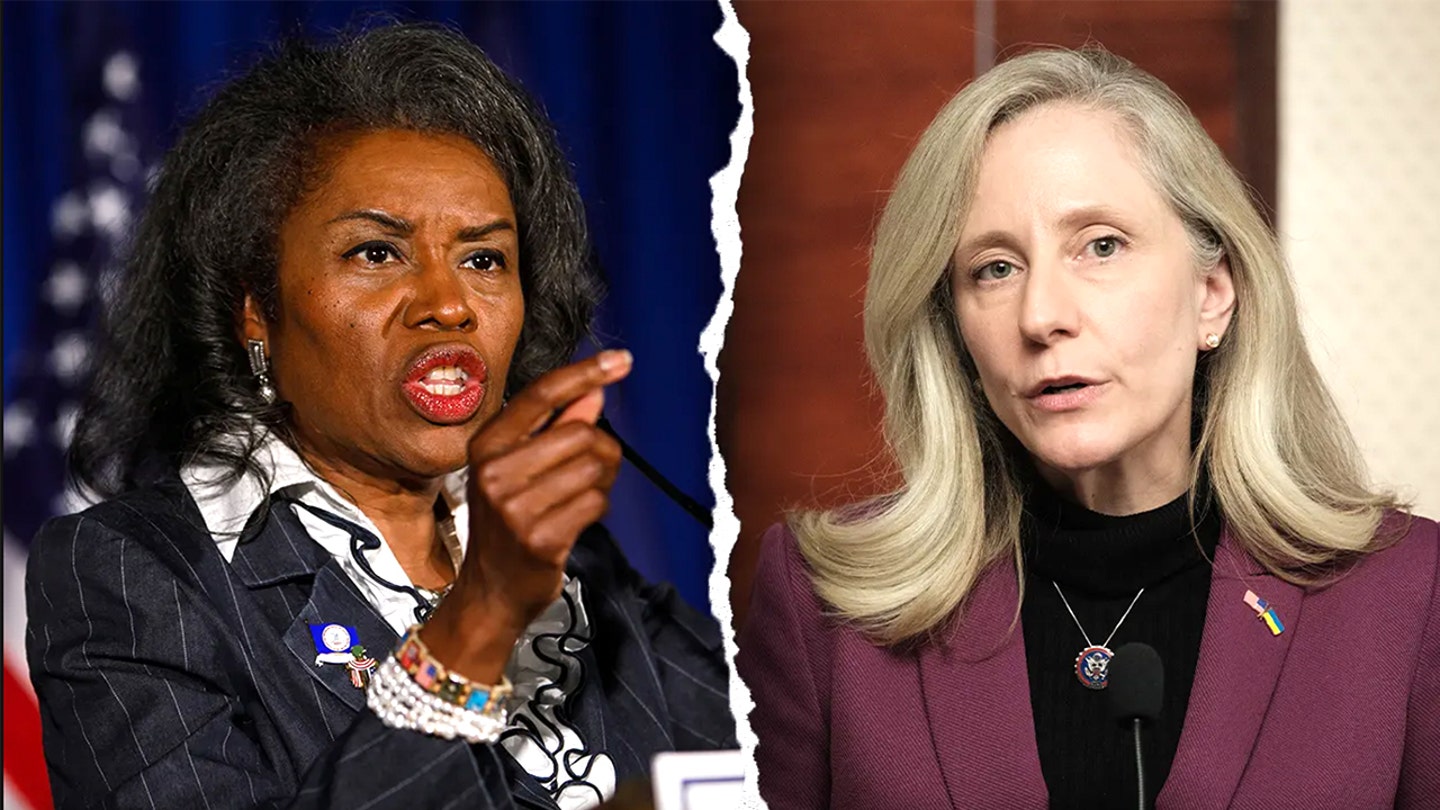
Political activist CJ Pearson says White liberals are starting to fear they're losing 'power' over Blacks
Entities mentioned:
- CJ Pearson: Righteousness, Moral outrage, Influence
- White liberals: Power, Control, Fear
- Winsome Earle-Sears: Determination, Duty, Self-respect
- Abigail Spanberger: Ambition, Self-preservation, Obligation
- Republican Party: Competitive spirit, Power, Influence
- Democratic Party: Power, Control, Self-preservation
Article Assessment:
Credibility Score: 65/100
Bias Rating: 70/100 (Lean Right)
Sentiment Score: 30/100
Authoritarianism Risk: 35/100 (Generally Democratic)
Bias Analysis:
The article leans right, primarily quoting conservative voices and framing liberal actions negatively. While it includes some opposing viewpoints, the overall narrative favors a conservative interpretation of events.
Key metric: Racial Political Alignment
As a social scientist, I analyze that this article highlights growing tensions in racial political alignment, particularly focusing on the perceived shift of Black voters away from the Democratic Party. The controversy surrounding the racist sign at a protest event serves as a focal point for discussing broader issues of race, politics, and voter loyalty. The article suggests a potential realignment of Black voters, which could significantly impact future elections and party strategies. The strong reactions from both conservative and liberal figures underscore the high stakes involved in maintaining or changing traditional voting blocs. This incident also reveals the complexities of intersectional politics, where race and gender identity issues collide in public discourse.
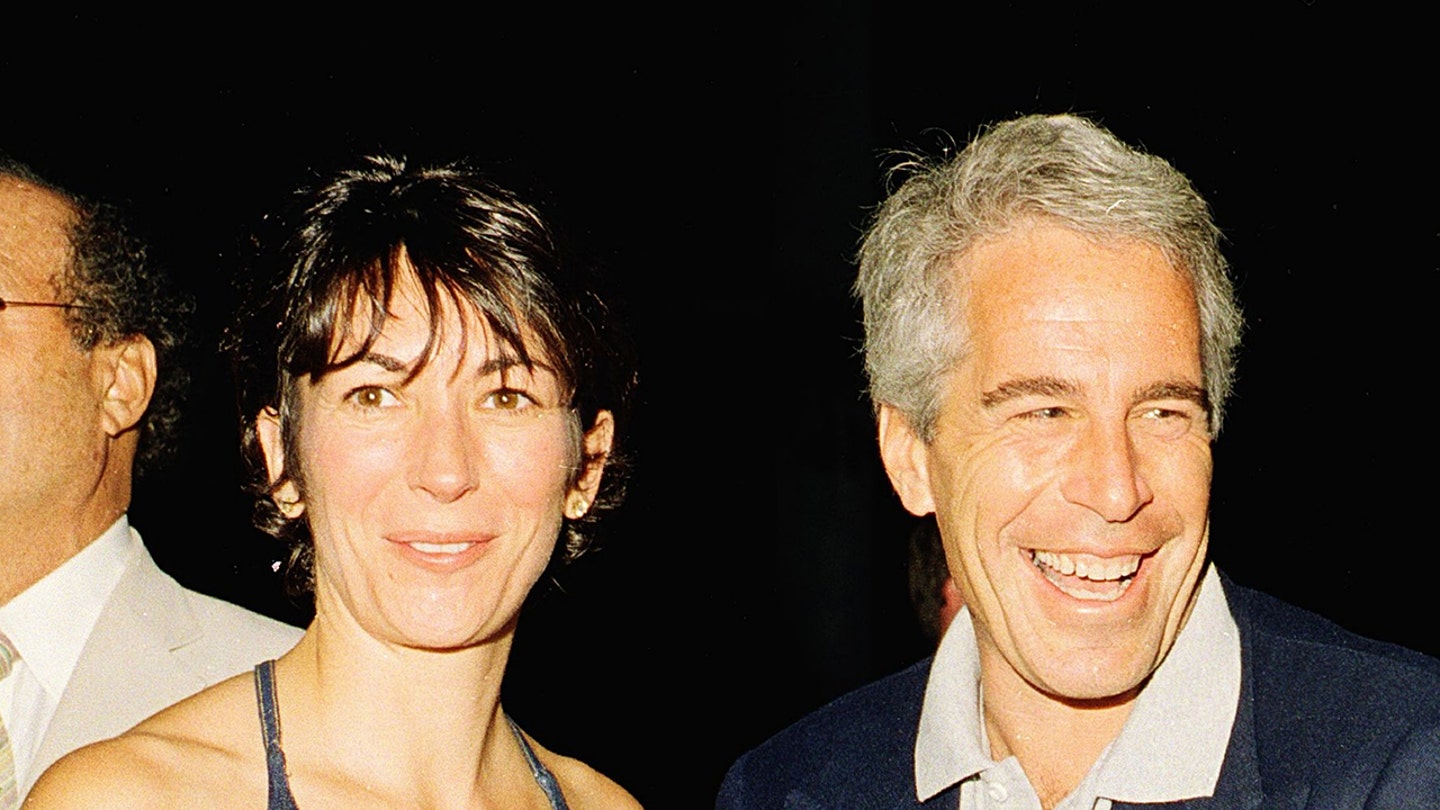
10 key takeaways from DOJ’s release of Ghislaine Maxwell's Epstein interviews
Entities mentioned:
- Ghislaine Maxwell: Self-preservation, Loyalty, Influence
- Jeffrey Epstein: Power, Control, Greed
- Department of Justice: Justice, Duty, Transparency
- Donald Trump: Power, Influence, Self-preservation
- Bill Clinton: Influence, Legacy, Self-preservation
- Prince Andrew: Self-preservation, Pride, Influence
- Virginia Giuffre: Justice, Recognition, Moral outrage
Article Assessment:
Credibility Score: 65/100
Bias Rating: 55/100 (Center)
Sentiment Score: 30/100
Authoritarianism Risk: 35/100 (Generally Democratic)
Bias Analysis:
The article presents multiple perspectives and quotes directly from the interviews, showing an attempt at balance. However, the selection of 'top takeaways' may reflect some editorial bias in highlighting certain aspects over others.
Key metric: Public Trust in Institutions
As a social scientist, I analyze that this article's release of Ghislaine Maxwell's interviews significantly impacts public trust in institutions. The revelations about high-profile individuals and alleged cover-ups may erode confidence in political, legal, and social elite circles. Maxwell's claims, while potentially self-serving, shed light on a complex network of relationships and activities that intersect with powerful institutions. This could lead to increased public skepticism and demands for accountability, potentially affecting how citizens view and interact with various governmental and social institutions.
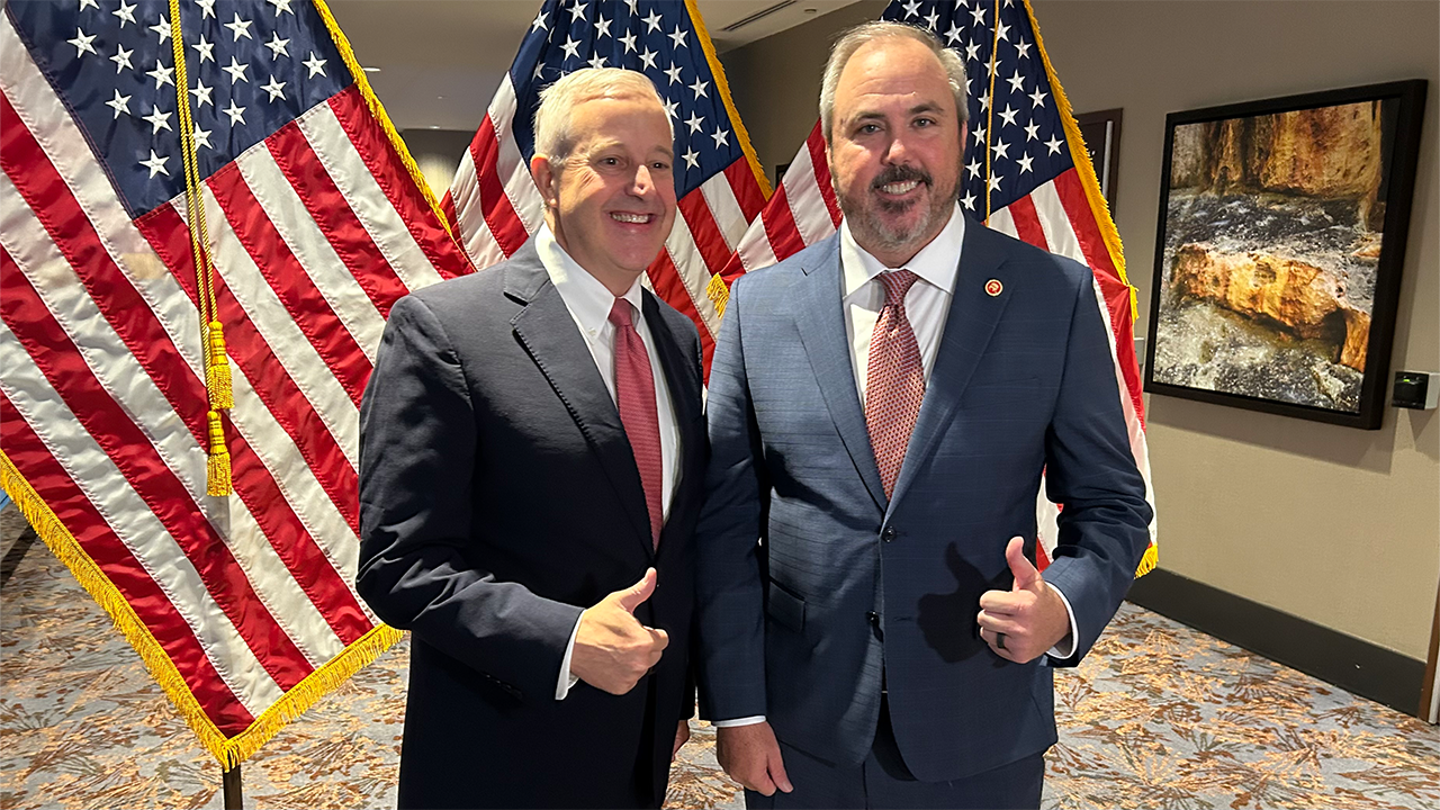
New RNC chair Joe Gruters vows to 'ride the president all the way to victory' in midterms
Entities mentioned:
- Joe Gruters: Ambition, Loyalty, Power
- Republican National Committee (RNC): Power, Control, Influence
- Donald Trump: Power, Control, Legacy
- Michael Whatley: Ambition, Loyalty, Power
- Democratic National Committee (DNC): Competitive spirit, Moral outrage, Power
- Republican Party (GOP): Power, Control, Unity
- Democratic Party: Competitive spirit, Moral outrage, Justice
Article Assessment:
Credibility Score: 65/100
Bias Rating: 70/100 (Lean Right)
Sentiment Score: 55/100
Authoritarianism Risk: 65/100 (Authoritarian Tendencies)
Bias Analysis:
The article leans right, primarily due to its focus on Republican perspectives and strategies. While it includes some Democratic critique, the majority of the content presents Republican viewpoints favorably, with limited counterbalance.
Key metric: Political Party Power and Influence
As a social scientist, I analyze that this article highlights the consolidation of power within the Republican Party under Donald Trump's influence. The appointment of Joe Gruters, a Trump loyalist, as RNC chair further cements Trump's control over the party apparatus. This move indicates a strategy to align the party closely with Trump's policies and persona for the upcoming midterm elections. The article also touches on significant policy changes, particularly in tax cuts and social welfare programs, which are likely to be key campaign issues. The GOP's focus on election integrity and voter mobilization suggests a concentrated effort to maintain and expand their political power. This shift in party dynamics and policy focus could have substantial implications for the balance of power in Congress and the direction of national policy.
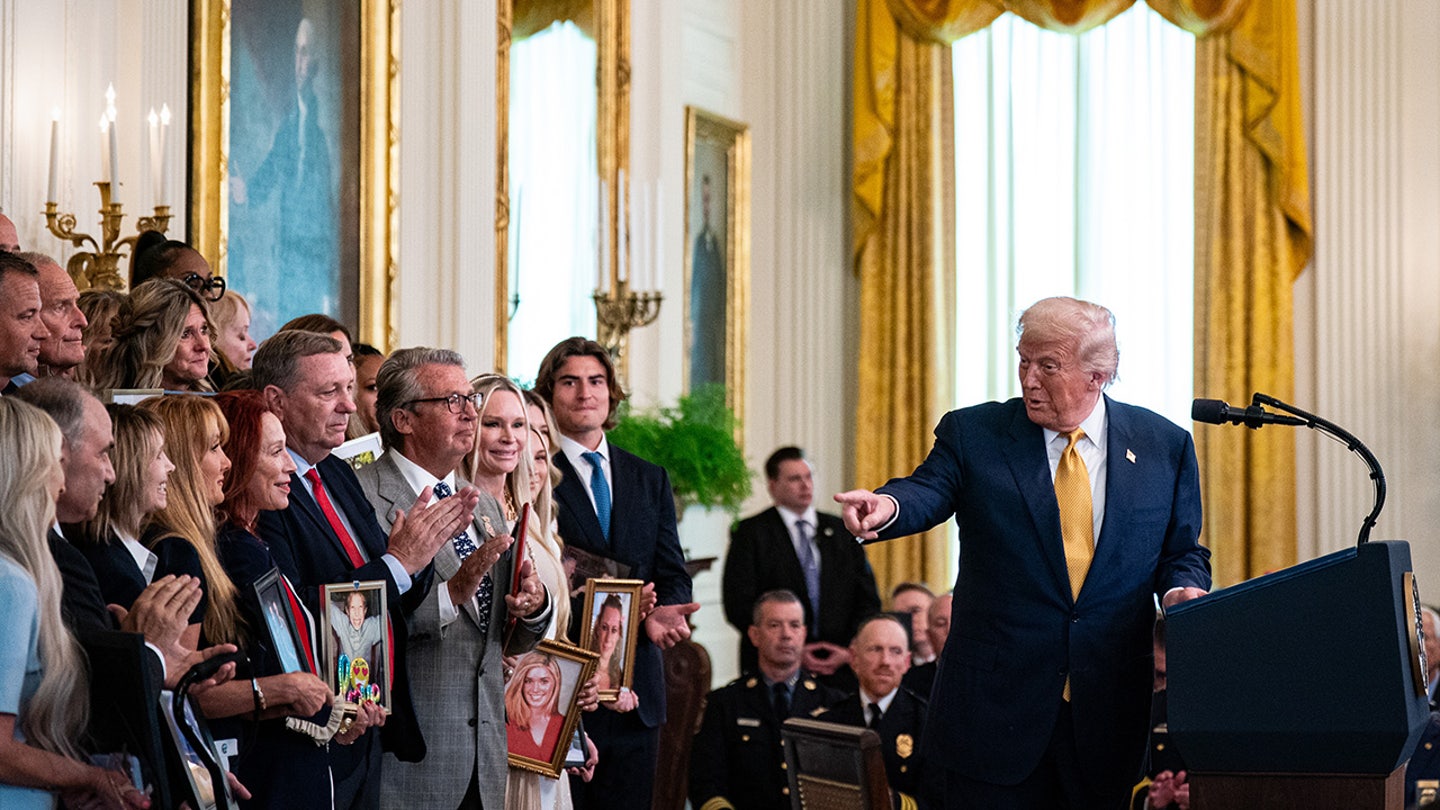
Scoop: 'Make America Fentanyl Free' campaign launches to help Trump lower overdose deaths
Entities mentioned:
- Donald Trump: Ambition, Legacy, Control
- Make America Fentanyl Free campaign: Righteousness, Duty, Influence
- Mexican drug cartels: Greed, Power, Control
- Trump administration: Control, Legacy, Security
- Democrats in California: Moral outrage, Justice, Security
Article Assessment:
Credibility Score: 65/100
Bias Rating: 70/100 (Lean Right)
Sentiment Score: 45/100
Authoritarianism Risk: 55/100 (Mixed/Neutral)
Bias Analysis:
The article leans right, primarily focusing on Trump's efforts and the new campaign supporting him. It presents criticism of Trump's approach briefly and near the end, giving more prominence to pro-Trump messaging.
Key metric: Drug Overdose Death Rate
As a social scientist, I analyze that this article highlights a new campaign aimed at supporting President Trump's efforts to combat fentanyl-related deaths in the United States. The campaign, 'Make America Fentanyl Free,' is presented as a privately-funded initiative to educate the public about fentanyl dangers and support Trump's policies. The article emphasizes Trump's past actions against fentanyl trafficking but also mentions criticism of his administration's approach. This campaign could potentially impact the drug overdose death rate by increasing public awareness and supporting stricter border control and law enforcement measures. However, the effectiveness of such campaigns in directly reducing overdose deaths is often debated in the scientific community.
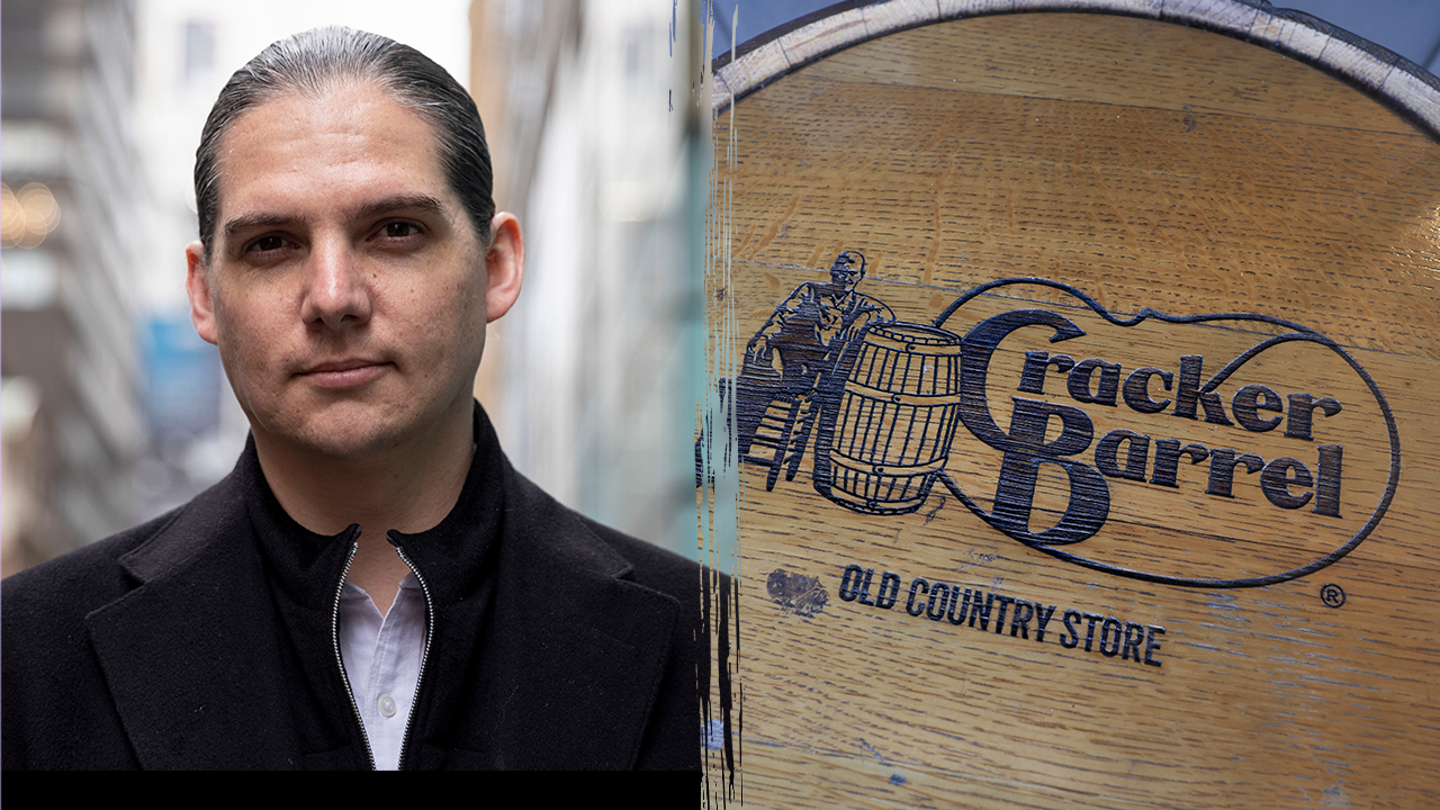
Conservative activist slams Cracker Barrel; company left reeling after logo redesign
Entities mentioned:
- Robby Starbuck: Righteousness, Moral outrage, Influence
- Cracker Barrel: Recognition, Influence, Unity
- Steve Smotherman: Professional pride, Influence, Recognition
- Rachel CampBell: Enthusiasm, Unity, Professional pride
- Gilbert Dávila: Influence, Recognition, Professional pride
- Human Rights Campaign (HRC): Justice, Influence, Recognition
Article Assessment:
Credibility Score: 55/100
Bias Rating: 75/100 (Lean Right)
Sentiment Score: 25/100
Authoritarianism Risk: 35/100 (Generally Democratic)
Bias Analysis:
The article leans right, primarily presenting the conservative activist's perspective with limited counterbalance. It uses charged language like 'anti-woke crusader' and 'devastating video takedown', indicating a sympathetic stance towards the conservative viewpoint.
Key metric: Cultural Polarization Index
As a social scientist, I analyze that this article highlights the growing cultural divide in America, particularly around corporate branding and LGBTQ+ inclusivity. The controversy surrounding Cracker Barrel's logo change and LGBTQ+ initiatives demonstrates how traditionally conservative-leaning brands are navigating changing social expectations. This situation likely increases the Cultural Polarization Index by intensifying the perceived conflict between traditional values and progressive corporate policies. The activist's call for boycotts and the framing of the issue as a broader cultural struggle could further entrench ideological divisions among consumers and potentially impact corporate decision-making in the future.

France summons US ambassador Charles Kushner over antisemitism allegations
Entities mentioned:
- France: Indignation, Justice, Moral outrage
- United States: Self-preservation, Influence, Control
- Charles Kushner: Duty, Self-preservation, Loyalty
Article Assessment:
Credibility Score: 70/100
Bias Rating: 50/100 (Center)
Sentiment Score: 35/100
Authoritarianism Risk: 30/100 (Generally Democratic)
Bias Analysis:
The article presents a factual headline without evident bias in its framing. The limited information provided maintains a neutral tone, not favoring either country's position or providing extensive context that might skew perception.
Key metric: US-France Diplomatic Relations
As a social scientist, I analyze that this incident highlights tensions in US-France relations over the sensitive issue of antisemitism. The summoning of a US ambassador is a significant diplomatic action, indicating France's serious concern about the allegations. This could potentially strain the typically strong alliance between the two nations, affecting cooperation on various international issues. The involvement of a high-profile figure like Charles Kushner adds complexity to the situation, given his connections to the previous US administration. This event may lead to increased scrutiny of both countries' approaches to combating antisemitism and could influence public opinion and policy discussions on both sides of the Atlantic.

GOP governors are sending troops to DC. Their states have 10 cities with higher crime rates
Entities mentioned:
- Republican Governors: Loyalty, Political ambition, Influence
- President Donald Trump: Power, Control, Legacy
- DC Mayor Muriel Bowser: Duty, Security, Professional pride
- Democratic lawmakers and activists: Moral outrage, Justice, Righteousness
- Sen. Thom Tillis: Criticism, Duty, Wariness
Article Assessment:
Credibility Score: 75/100
Bias Rating: 40/100 (Lean Left)
Sentiment Score: 35/100
Authoritarianism Risk: 55/100 (Mixed/Neutral)
Bias Analysis:
The article leans slightly left, evidenced by its critical stance towards Republican governors and Trump's actions. It provides contrasting viewpoints but gives more space to critics of the troop deployments.
Key metric: Violent Crime Rate
As a social scientist, I analyze that this article highlights the complex interplay between federal and state politics, crime statistics, and resource allocation. The deployment of National Guard troops to Washington, DC by Republican governors, despite their own states having cities with higher crime rates, suggests political motivations rather than a genuine focus on addressing crime. This action may be seen as an attempt to support President Trump's agenda and gain political favor, rather than addressing local crime issues. The article raises questions about the effectiveness of such deployments in reducing crime and the potential negative impacts on the communities these troops are leaving behind. It also underscores the importance of data-driven policy-making and the need for a more nuanced approach to addressing crime that goes beyond simply increasing law enforcement presence.
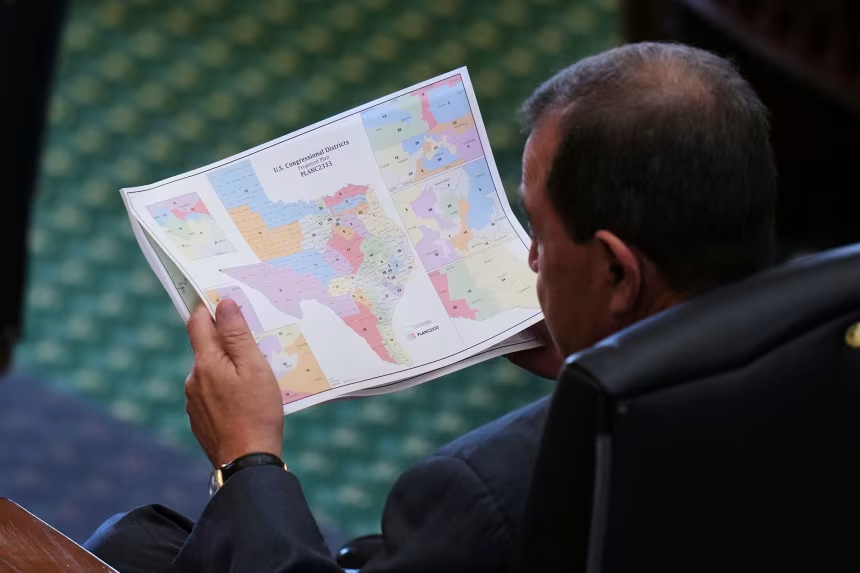
Texas nears final vote on new congressional maps as partisan redistricting race escalates
Entities mentioned:
- Texas Senate: Power, Control, Loyalty
- Texas Republicans: Ambition, Competitive spirit, Power
- Carol Alvarado: Determination, Justice, Moral outrage
- Donald Trump: Power, Influence, Control
- Greg Abbott: Power, Control, Loyalty
- California Democrats: Competitive spirit, Power, Justice
- Gavin Newsom: Ambition, Competitive spirit, Justice
- White House: Power, Control, Influence
- Kathy Hochul: Competitive spirit, Power, Justice
- Todd Hunter: Loyalty, Power, Competitive spirit
- Catherine Blakespear: Justice, Moral outrage, Competitive spirit
- Dustin Burrows: Control, Power, Loyalty
- Nicole Collier: Determination, Justice, Moral outrage
- Gene Wu: Justice, Determination, Moral outrage
- Lloyd Doggett: Self-preservation, Professional pride, Duty
- Charlie Geren: Control, Power, Loyalty
Article Assessment:
Credibility Score: 75/100
Bias Rating: 55/100 (Center)
Sentiment Score: 35/100
Authoritarianism Risk: 65/100 (Authoritarian Tendencies)
Bias Analysis:
The article presents perspectives from both Republican and Democratic sides, quoting various politicians and explaining their actions. While it leans slightly towards criticizing Republican efforts, it also details Democratic counter-measures, maintaining a relatively balanced approach.
Key metric: Congressional Seat Distribution
As a social scientist, I analyze that this article highlights the intensifying partisan struggle over redistricting in the United States, particularly in Texas and California. The actions taken by both Republican and Democratic-led state legislatures demonstrate a clear attempt to manipulate congressional districts to gain political advantage. This process, often referred to as gerrymandering, has significant implications for the balance of power in the U.S. House of Representatives. The unusual mid-decade redistricting efforts in Texas and California's response indicate an escalation in the use of this tactic, potentially setting a precedent for other states to follow. This could lead to increased political polarization, reduced electoral competitiveness, and a disconnect between the popular vote and seat distribution in Congress. The legal challenges mentioned in the article suggest that the judiciary may play a crucial role in determining the final outcome of these redistricting efforts, highlighting the complex interplay between state legislatures, voters, and the court system in shaping American democracy.
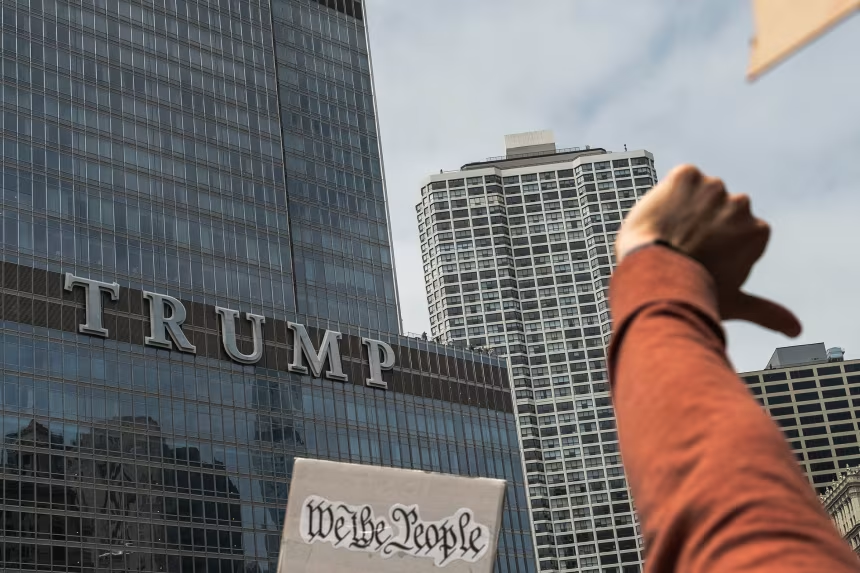
Trump says Chicago next up for federal crime crackdown
Entities mentioned:
- Donald Trump: Power, Control, Influence
- Muriel Bowser: Self-preservation, Control, Duty
- Brandon Johnson: Self-preservation, Duty, Security
- JB Pritzker: Moral outrage, Duty, Security
- Mike Johnson: Loyalty, Power, Influence
- John Thune: Loyalty, Power, Influence
Article Assessment:
Credibility Score: 65/100
Bias Rating: 55/100 (Center)
Sentiment Score: 30/100
Authoritarianism Risk: 70/100 (Authoritarian Tendencies)
Bias Analysis:
The article presents multiple viewpoints, including Trump's statements and responses from local officials. However, it leans slightly towards skepticism of Trump's claims, particularly in fact-checking crime statistics.
Key metric: Violent Crime Rate
As a social scientist, I analyze that this article highlights a potential shift in federal-local power dynamics regarding law enforcement. Trump's proposed actions in Chicago, following interventions in Washington D.C., suggest an expansion of federal authority over local policing. This approach could significantly impact the violent crime rate, either positively through increased law enforcement presence or negatively by escalating tensions. The conflicting narratives between federal and local officials about crime statistics and the effectiveness of interventions raise questions about data integrity and the actual impact on public safety. The president's rhetoric and actions also indicate a centralization of power that could alter the traditional balance between federal and local governance in law enforcement matters.