
81% of Americans see crime as a 'major problem' in big cities, new poll shows
Entities mentioned:
- Donald Trump: Power, Control, Recognition
- American Public: Security, Fear, Justice
- Pam Bondi: Duty, Professional pride, Control
- Iris Tao: Security, Self-preservation, Recognition
- Anna Giaritelli: Justice, Security, Moral outrage
- Gregg Pemberton: Professional pride, Security, Control
Article Assessment:
Credibility Score: 65/100
Bias Rating: 75/100 (Lean Right)
Sentiment Score: 30/100
Authoritarianism Risk: 70/100 (Authoritarian Tendencies)
Bias Analysis:
The article leans right, evidenced by its focus on Trump's actions and positive framing of his crime policies. It predominantly features perspectives supporting Trump's approach, with limited counterbalancing views.
Key metric: Crime Rate
As a social scientist, I analyze that this article highlights a significant public concern over crime rates in major US cities, with a strong emphasis on the Trump administration's approach to law enforcement. The poll data suggests widespread anxiety about crime across political affiliations, though with varying levels of support for Trump's methods. The personal anecdotes and support from law enforcement officials reinforce the narrative of a crime crisis, potentially influencing public perception and policy decisions. The federalization of local police forces represents a significant shift in crime-fighting strategy, which could have far-reaching implications for federal-state relations and civil liberties.
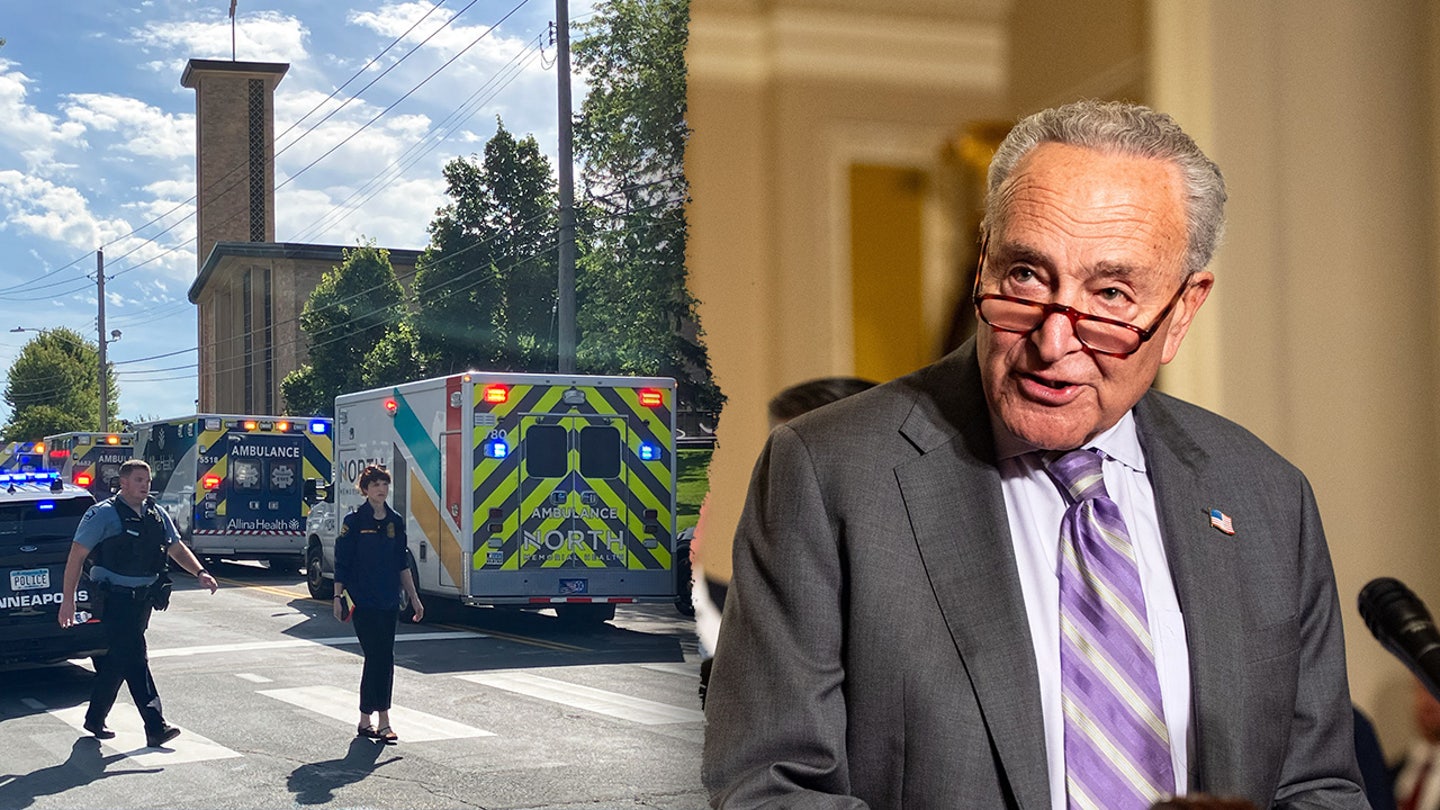
'Weapons of war': Dem lawmakers call for gun control after Minneapolis school shooting
Entities mentioned:
- Chuck Schumer: Moral outrage, Justice, Security
- Hakeem Jeffries: Moral outrage, Security, Justice
- Shri Thanedar: Moral outrage, Justice, Security
- Brian O'Hara: Duty, Security, Professional pride
- Tom Emmer: Duty, Empathy, Security
- Tina Smith: Moral outrage, Security, Empathy
- Amy Klobuchar: Justice, Security, Moral outrage
Article Assessment:
Credibility Score: 75/100
Bias Rating: 45/100 (Center)
Sentiment Score: 25/100
Authoritarianism Risk: 30/100 (Generally Democratic)
Bias Analysis:
The article presents statements from both Democratic and Republican lawmakers, providing a somewhat balanced view. However, there is more emphasis on Democratic calls for gun control, which slightly tilts the perspective.
Key metric: Gun Violence Incidence Rate
As a social scientist, I analyze that this article highlights the immediate political response to a school shooting incident, specifically focusing on calls for gun control from Democratic lawmakers. The shooting at Annunciation Catholic School in Minneapolis has reignited the debate on gun violence and school safety. Democratic leaders are using this tragedy to push for stricter gun control measures, framing it as a public safety and child protection issue. The responses from Republican representatives are more restrained, offering prayers without mentioning policy changes. This polarization reflects the ongoing partisan divide on gun control issues in the United States. The incident's impact on the Gun Violence Incidence Rate is likely to be significant, as school shootings tend to intensify public discourse and potentially influence policy decisions regarding gun control and school safety measures.
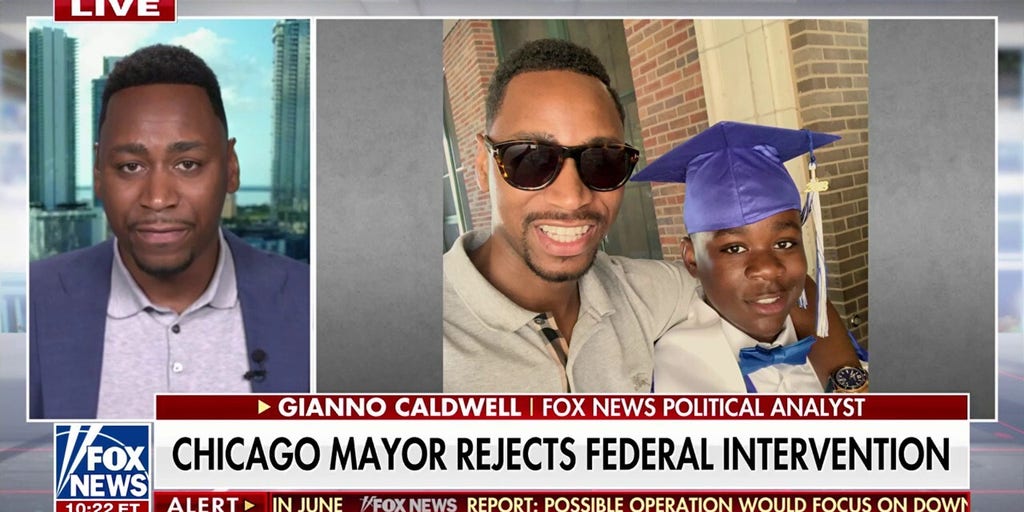
Chicago leaders ‘have a problem with the truth’ about crime: Gianno Caldwell
Entities mentioned:
- Gianno Caldwell: Justice, Moral outrage, Influence
- Jackie Guider: Justice, Moral outrage, Grief
- Chicago leaders: Control, Power, Self-preservation
- Fox News: Influence, Competitive spirit, Recognition
Article Assessment:
Credibility Score: 55/100
Bias Rating: 70/100 (Lean Right)
Sentiment Score: 30/100
Authoritarianism Risk: 35/100 (Generally Democratic)
Bias Analysis:
The article leans right due to its presentation on Fox News and the framing that criticizes city leadership. The use of emotive language and personal stories suggests a narrative that aligns with conservative critiques of urban governance.
Key metric: Violent Crime Rate
As a social scientist, I analyze that this article highlights ongoing concerns about crime in Chicago and suggests a disconnect between official narratives and public perception. The involvement of a political analyst and a victim's mother indicates a push for accountability and change in the city's approach to crime prevention and reporting. The suggestion of potential federal intervention implies a lack of confidence in local leadership's ability to address the issue effectively. This focus on Chicago's crime problem could impact national perceptions of urban safety and governance.
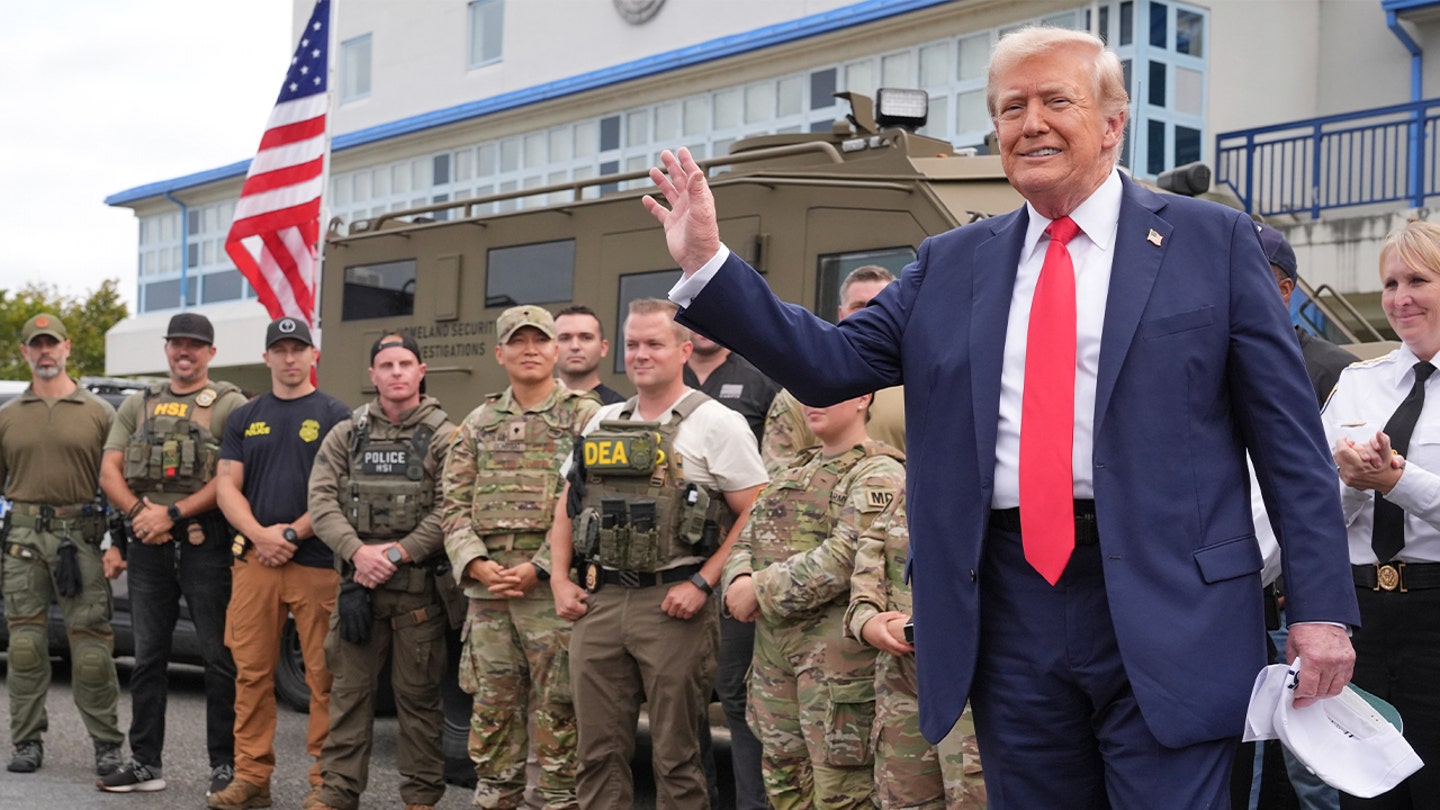
Trump, House GOP allies eye pathways to extend White House crime crackdown in DC
Entities mentioned:
- Donald Trump: Power, Control, Legacy
- House Republicans: Loyalty, Control, Security
- White House: Power, Control, Influence
- Rep. Andy Ogles: Security, Duty, Influence
- Rep. Anna Paulina Luna: Security, Control, Duty
- Rep. Andy Biggs: Security, Control, Influence
- Democrats: Righteousness, Freedom, Moral outrage
Article Assessment:
Credibility Score: 65/100
Bias Rating: 70/100 (Lean Right)
Sentiment Score: 55/100
Authoritarianism Risk: 75/100 (Authoritarian Tendencies)
Bias Analysis:
The article leans right, primarily quoting Republican sources and framing the issue from their perspective. While it mentions Democratic opposition, it doesn't provide equal space or depth to counter-arguments.
Key metric: Crime Rate in Washington D.C.
As a social scientist, I analyze that this article highlights a significant shift in the balance of power between federal and local government in Washington D.C. The proposed legislation aims to extend the President's authority over D.C.'s police force, potentially undermining local autonomy. This move could have far-reaching implications for federalism and urban governance in the U.S. The article suggests a decrease in homicides since federal intervention, but this claim requires further verification. The broader impact on crime rates, community-police relations, and local governance structures needs comprehensive study. This situation raises important questions about the limits of federal power, the rights of D.C. residents, and the potential precedent for federal intervention in other cities.
Dem lawmakers call for gun control after Minneapolis school shooting
Entities mentioned:
- Chuck Schumer: Moral outrage, Justice, Security
- Hakeem Jeffries: Moral outrage, Security, Justice
- Shri Thanedar: Moral outrage, Justice, Security
- Brian O'Hara: Duty, Security, Professional pride
- Tom Emmer: Duty, Empathy, Unity
- Tina Smith: Security, Moral outrage, Justice
- Amy Klobuchar: Justice, Security, Moral outrage
Article Assessment:
Credibility Score: 75/100
Bias Rating: 55/100 (Center)
Sentiment Score: 25/100
Authoritarianism Risk: 30/100 (Generally Democratic)
Bias Analysis:
The article presents views from both Democratic and Republican lawmakers, though it gives more space to Democratic perspectives on gun control. It maintains a factual tone while reporting on a sensitive issue, balancing political commentary with factual details about the incident.
Key metric: Gun Violence Incidents
As a social scientist, I analyze that this article highlights the immediate political response to a school shooting incident, particularly from Democratic lawmakers pushing for stricter gun control measures. The incident has reignited the ongoing debate about gun violence in America, especially in schools. Democratic leaders are using this tragedy to emphasize the need for legislative action, framing it as a matter of public safety and child protection. The Republican response, represented by Tom Emmer, focuses on offering prayers and support without mentioning gun control, illustrating the partisan divide on this issue. The article also shows how such incidents can quickly become politicized, with lawmakers using them to reinforce their policy positions. The impact on gun violence incidents as a metric is likely to be short-term increased attention to the issue, potentially leading to renewed calls for policy changes, but without immediate concrete effects on the metric itself.
‘Debilitating consequences’ in Uganda after USAID cuts – photo essay
Entities mentioned:
- Democrats: Complacency, Self-preservation, Obligation
- Maine oysterman: Moral outrage, Determination, Duty
- California governor: Competitive spirit, Righteousness, Indignation
- Donald Trump: Power, Self-preservation, Revenge
- Kilmar Ábrego García: Self-preservation, Security, Freedom
- US Government: Control, Security, Power
Article Assessment:
Credibility Score: 70/100
Bias Rating: 40/100 (Lean Left)
Sentiment Score: 30/100
Authoritarianism Risk: 55/100 (Mixed/Neutral)
Bias Analysis:
The headlines lean slightly left, critiquing Trump and highlighting opposition to his policies. However, they also present diverse viewpoints, including criticism of Democrats, which adds some balance.
Key metric: Immigration and Population Growth
As a social scientist, I analyze that this collection of headlines reflects a complex political landscape centered around immigration policy and its broader implications for US demographics and politics. The decline in immigrant population growth after 50 years of increase signifies a major shift in US population dynamics, likely influenced by stricter immigration policies. This change could have far-reaching effects on the economy, social fabric, and political balance of the country. The headlines also highlight the polarization in American politics, with different actors taking strong stances on immigration and related issues. The involvement of figures from various levels of government (local, state, federal) in these debates underscores the multi-faceted nature of the immigration issue in the US political system.
EPA urged by state AGs to axe funds for 'radical' climate project accused of training judges
Entities mentioned:
- Environmental Protection Agency (EPA): Control, Power, Duty
- Republican state attorneys general: Righteousness, Moral outrage, Justice
- Lee Zeldin: Control, Duty, Ambition
- Environmental Law Institute (ELI): Influence, Legacy, Recognition
- Climate Judiciary Project (CJP): Influence, Legacy, Professional pride
- Austin Knudsen: Righteousness, Moral outrage, Justice
- Donald Trump: Power, Control, Legacy
- American Energy Institute: Competitive spirit, Self-preservation, Influence
- Alliance for Consumers: Justice, Self-preservation, Influence
- Ted Cruz: Righteousness, Moral outrage, Competitive spirit
Article Assessment:
Credibility Score: 65/100
Bias Rating: 75/100 (Lean Right)
Sentiment Score: 30/100
Authoritarianism Risk: 45/100 (Mixed/Neutral)
Bias Analysis:
The article leans right, evidenced by its exclusive reliance on Republican sources and framing of environmental education as 'woke climate propaganda'. It presents the conservative perspective prominently while offering minimal counterbalance from the criticized organizations.
Key metric: Environmental Policy Effectiveness
As a social scientist, I analyze that this article highlights a significant conflict between conservative state officials and environmental organizations over the use of federal funds for climate education programs targeting judges. This controversy impacts environmental policy effectiveness by potentially influencing judicial decisions on climate-related cases. The dispute centers on allegations that the Climate Judiciary Project, funded partially by EPA grants to the Environmental Law Institute, is attempting to sway judges' opinions on climate issues under the guise of education. This situation reflects broader political tensions surrounding climate policy and the role of the judiciary in environmental decision-making. The involvement of multiple state attorneys general and the EPA's recent actions to cut funding for various environmental and social programs under the Trump administration indicate a shift in environmental policy priorities and implementation strategies.
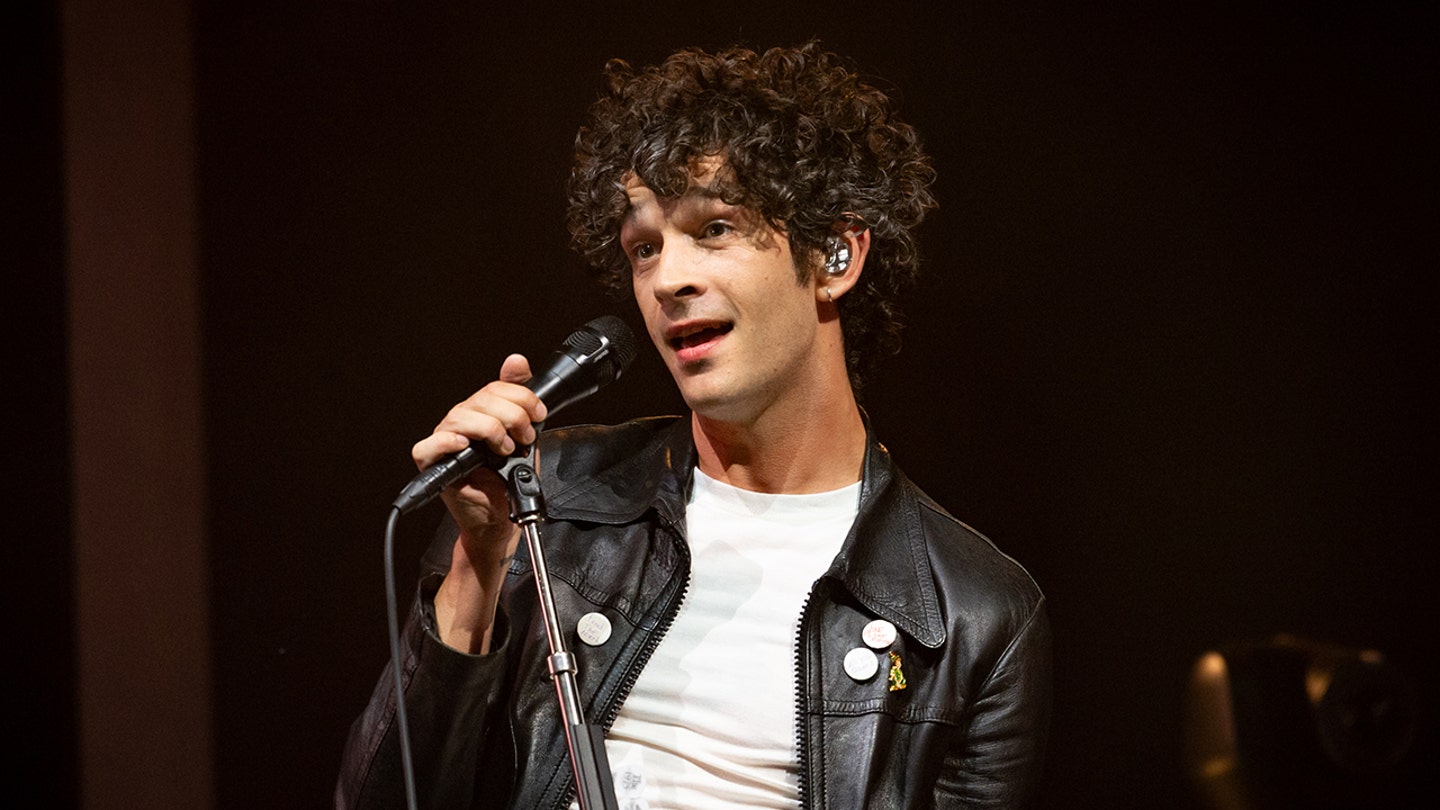
Singer rips 'very privileged' Matty Healy for wanting to stay away from politics as he is 'White and straight'
Entities mentioned:
- Jade Thirlwall: Moral outrage, Righteousness, Influence
- Matty Healy: Self-preservation, Influence, Legacy
- The 1975: Legacy, Influence, Professional pride
Article Assessment:
Credibility Score: 70/100
Bias Rating: 55/100 (Center)
Sentiment Score: 40/100
Authoritarianism Risk: 25/100 (Generally Democratic)
Bias Analysis:
The article presents both perspectives fairly, quoting both artists directly. However, the inclusion of Healy's past political actions slightly undermines his current stance, suggesting a subtle lean towards Thirlwall's position.
Key metric: Social Cohesion
As a social scientist, I analyze that this article highlights a growing tension between artists who view political engagement as a responsibility and those who prefer to focus on entertainment. Thirlwall's criticism of Healy reflects a broader societal expectation for public figures to use their platforms for social commentary. Healy's stance, emphasizing love and friendship over politics, may be seen as an attempt to maintain broader appeal but also risks being perceived as privileged indifference. This disagreement among artists could impact social cohesion by influencing public discourse on the role of entertainers in political and social issues.

DNC panel fails to advance dueling resolutions on Israel’s war in Gaza
Entities mentioned:
- Democratic National Committee: Unity, Influence, Control
- Ken Martin: Unity, Control, Duty
- Progressives: Moral outrage, Justice, Influence
- Israel: Self-preservation, Security, Control
- Hamas: Power, Control, Revenge
- Allison Minnerly: Moral outrage, Justice, Influence
- Democratic Majority for Israel: Loyalty, Security, Influence
Article Assessment:
Credibility Score: 75/100
Bias Rating: 45/100 (Center)
Sentiment Score: 35/100
Authoritarianism Risk: 25/100 (Generally Democratic)
Bias Analysis:
The article presents multiple viewpoints and includes direct quotes from various stakeholders, indicating an attempt at balanced reporting. However, there's slightly more emphasis on the progressive perspective, which may suggest a slight lean towards the center-left.
Key metric: Democratic Party Unity
As a social scientist, I analyze that this article highlights significant internal divisions within the Democratic Party over the Israel-Gaza conflict. The failure to advance either resolution and the decision to refer the issue to a task force demonstrates the party's struggle to find a unified stance on a highly contentious foreign policy issue. This internal conflict could potentially impact voter enthusiasm and party cohesion, especially among younger and more progressive Democrats who are increasingly critical of Israel's actions in Gaza. The party leadership's attempt to balance various factions' interests while maintaining traditional support for Israel is proving challenging, reflecting broader shifts in public opinion and generational differences within the party. This situation may have implications for Democratic electoral performance, particularly in mobilizing the party's base.
Marjorie Taylor Greene joins Bernie Sanders in urging US to end Gaza famine
Entities mentioned:
- Marjorie Taylor Greene: Ambition, Influence, Recognition
- Bernie Sanders: Righteousness, Justice, Moral outrage
- Donald Trump: Power, Control, Self-preservation
- California Governor: Competitive spirit, Determination, Professional pride
- Kilmar Ábrego García: Self-preservation, Security, Freedom
Article Assessment:
Credibility Score: 70/100
Bias Rating: 40/100 (Lean Left)
Sentiment Score: 30/100
Authoritarianism Risk: 45/100 (Mixed/Neutral)
Bias Analysis:
The headlines suggest a slight left-leaning bias, with more critical framing of Trump and conservative policies. However, diverse perspectives are represented, including conservative viewpoints, indicating an attempt at balanced coverage.
Key metric: Immigration and Integration
As a social scientist, I analyze that this collection of headlines reflects a complex political landscape surrounding immigration issues in the United States. The unexpected alignment of far-right Greene with progressive Sanders on Gaza indicates a potential shift in traditional party lines on international humanitarian issues. The Maine oysterman's Senate run suggests growing political engagement from non-traditional candidates, possibly due to dissatisfaction with current leadership. The California governor's confrontational stance against Trump highlights the intensifying political polarization. Trump's legal strategies and focus on immigration demonstrate his continued influence on Republican policy priorities. The decline in US immigrant population after 50 years of growth signifies a major demographic shift, likely influenced by stricter immigration policies and enforcement. This shift could have significant long-term impacts on the US economy, social fabric, and political landscape.