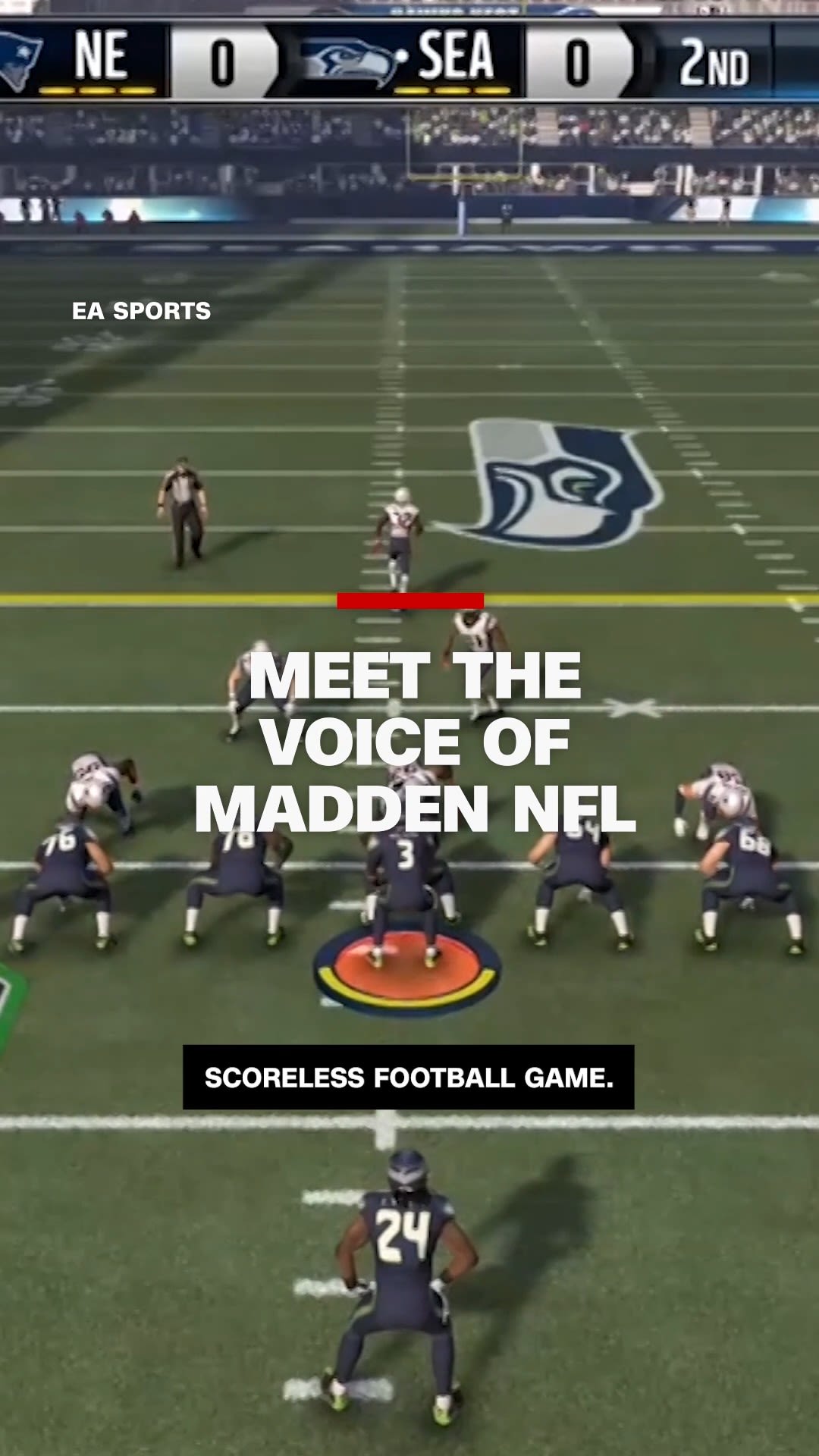
CNN’s Coy Wire meets the voice of the Madden NFL video games
Entities mentioned:
- Coy Wire: Ambition, Curiosity, Enthusiasm
- Madden NFL: Professional pride, Legacy, Recognition
- CNN: Competitive spirit, Recognition, Influence
Article Assessment:
Credibility Score: 75/100
Bias Rating: 50/100 (Center)
Sentiment Score: 70/100
Authoritarianism Risk: 20/100 (Strongly Democratic)
Bias Analysis:
The article appears to be a straightforward report on a media personality meeting a voice actor. There's no apparent political slant or ideological framing, suggesting a neutral, centrist approach to the story.
Key metric: Media Industry Competitiveness
Let me tell you something - this story is a GAME-CHANGER in the media landscape! CNN is making a POWER PLAY by putting Coy Wire in the huddle with the voice of Madden NFL. This is a fourth-quarter move to score big with sports fans and gamers alike. It's like CNN is expanding their playbook, folks! They're not just sticking to their usual game plan - they're going for the Hail Mary pass to capture a whole new audience. This kind of cross-industry teamwork could be the championship strategy that puts CNN ahead in the ratings race. I'm telling you right now, other networks better watch out because CNN is stepping up to the plate and swinging for the fences!
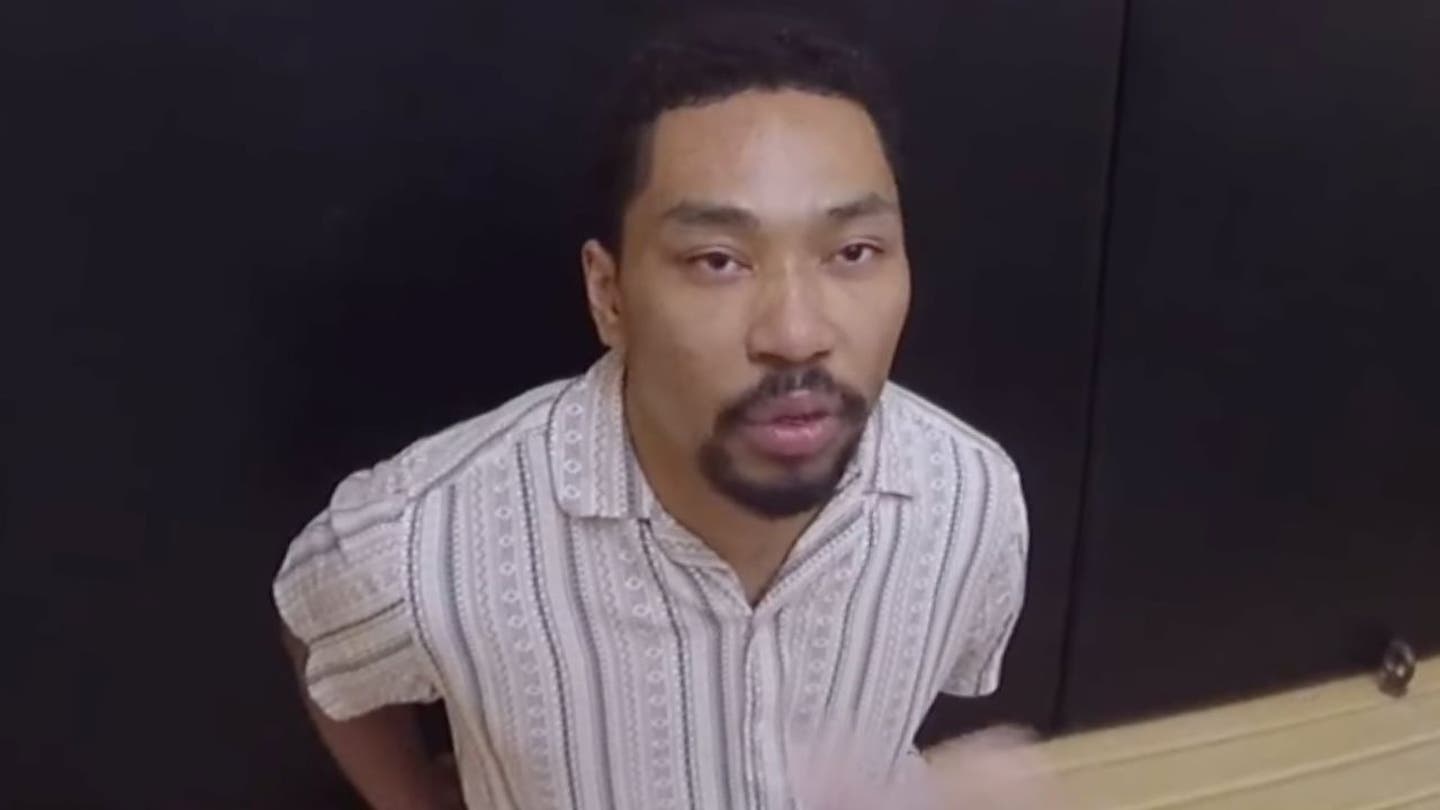
Gunman in deadly NFL office shooting had 'low-stage' CTE, medical examiner says
Entities mentioned:
- Gunman (Tamura): Revenge, Justice, Moral outrage
- NFL: Self-preservation, Professional pride, Security
- New York City Office of the Chief Medical Examiner: Professional pride, Duty, Curiosity
- NYPD: Duty, Security, Unity
Article Assessment:
Credibility Score: 75/100
Bias Rating: 50/100 (Center)
Sentiment Score: 20/100
Authoritarianism Risk: 25/100 (Generally Democratic)
Bias Analysis:
The article presents multiple perspectives, including the medical examiner's findings, NFL's statement, and background information. It maintains a neutral tone without favoring any particular side in the sensitive issue.
Key metric: Workplace Safety in Professional Sports
Let me tell you something - this story is a GAME-CHANGER! We're seeing a fourth-quarter revelation that could shake up the entire league. The NFL, our reigning champions of American sports, just got hit with a defensive blitz they never saw coming. This CTE diagnosis is like a Hail Mary pass that could change the scoreboard on player safety. The league's been playing prevent defense on brain injury concerns, but now they're backed up against their own goal line. This is RIDICULOUS, folks! We've got a former player who went from the gridiron to a tragic endzone, and now the NFL's playbook on head injuries is wide open for scrutiny. I'm telling you right now, this could be the turning point that forces the league to call an audible on their whole approach to player health and safety. It's crunch time, and all eyes are on how the NFL responds to this game-changing play!
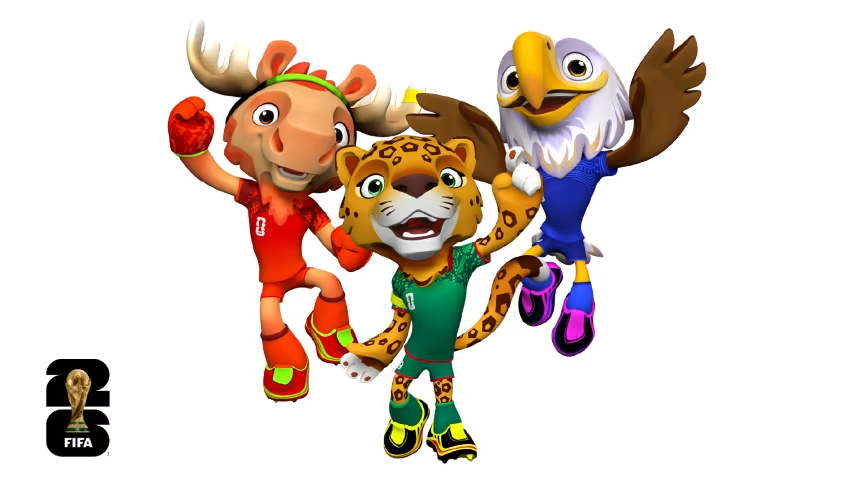
Meet Clutch, Maple and Zayu, the cute mascots set to star at FIFA’s 2026 World Cup
Entities mentioned:
- FIFA: Unity, Influence, Recognition
- Gianni Infantino: Enthusiasm, Pride, Influence
- Clutch the Bald Eagle: Unity, Curiosity, Enthusiasm
- Maple the Moose: Unity, Pride, Enthusiasm
- Zayu the Jaguar: Unity, Pride, Enthusiasm
Article Assessment:
Credibility Score: 85/100
Bias Rating: 50/100 (Center)
Sentiment Score: 80/100
Authoritarianism Risk: 20/100 (Strongly Democratic)
Bias Analysis:
The article presents a balanced view of the mascot unveiling, focusing on facts from FIFA's announcement. There's no apparent political leaning or favoritism towards any particular country involved.
Key metric: Global Sports Engagement
Let me tell you something - this story is a GAME-CHANGER! FIFA is stepping up to the plate with a DREAM TEAM of mascots that's gonna knock it out of the park! We're talking about a POWER PLAY of unity here, folks. Clutch, Maple, and Zayu aren't just cute faces, they're the MVPs of cultural representation! This is FIFA's championship strategy to connect with fans across North America. It's like they've drafted the perfect roster to cover all the bases - you've got your high-flying eagle, your sturdy moose defender, and your agile jaguar striker. This is the kind of fourth-quarter move that could really change the game for international soccer engagement. I'm telling you right now, these mascots are going to be the cornerstones of a new dynasty in World Cup history!
Cancer
Entities mentioned:
- Dr. Sue Decotiis: Professional pride, Duty, Recognition
- Edith Cowan University: Curiosity, Recognition, Influence
- Ed Randall: Determination, Duty, Recognition
- Eric Shawn: Duty, Determination, Recognition
- Ken Dryden: Legacy, Determination, Recognition
- Randy Moss: Determination, Recognition, Influence
- Erin Andrews: Duty, Recognition, Influence
- Fernando Goldsztein: Determination, Duty, Ambition
- Gordon Ramsay: Self-preservation, Recognition, Influence
- Nicole Eggert: Determination, Recognition, Self-preservation
- Yunhai Li: Ambition, Greed, Recognition
- Jerry Jones: Self-preservation, Recognition, Legacy
- James van der Beek: Recognition, Duty, Influence
- Deion Sanders: Determination, Competitive spirit, Recognition
Article Assessment:
Credibility Score: 75/100
Bias Rating: 50/100 (Center)
Sentiment Score: 60/100
Authoritarianism Risk: 20/100 (Strongly Democratic)
Bias Analysis:
The article presents a balanced view of cancer research and treatment, featuring various studies and personal accounts. It doesn't appear to favor any particular political stance or agenda.
Key metric: Cancer Survival Rate
Let me tell you something - this cancer battle is the ULTIMATE test of human endurance! We're seeing a FULL COURT PRESS against this relentless opponent, folks. From weight loss drugs showing unexpected defensive moves against inflammation, to exercise regimens that could be the GAME-CHANGER in reducing cancer growth - it's like we're witnessing a whole new playbook unfold before our eyes! But make no mistake, cancer is a TOUGH COMPETITOR that keeps adapting its strategy. We've got medical professionals and researchers bringing their A-GAME, leaving it all on the field in this high-stakes match-up. And let's not forget the courage of our cancer survivors - they're the true MVPs, folks, stepping up to the plate time and time again with unbreakable spirit. This is a team effort, and every player counts in this fight for the ultimate victory - beating cancer once and for all!
- Read more about Cancer
- Log in to post comments
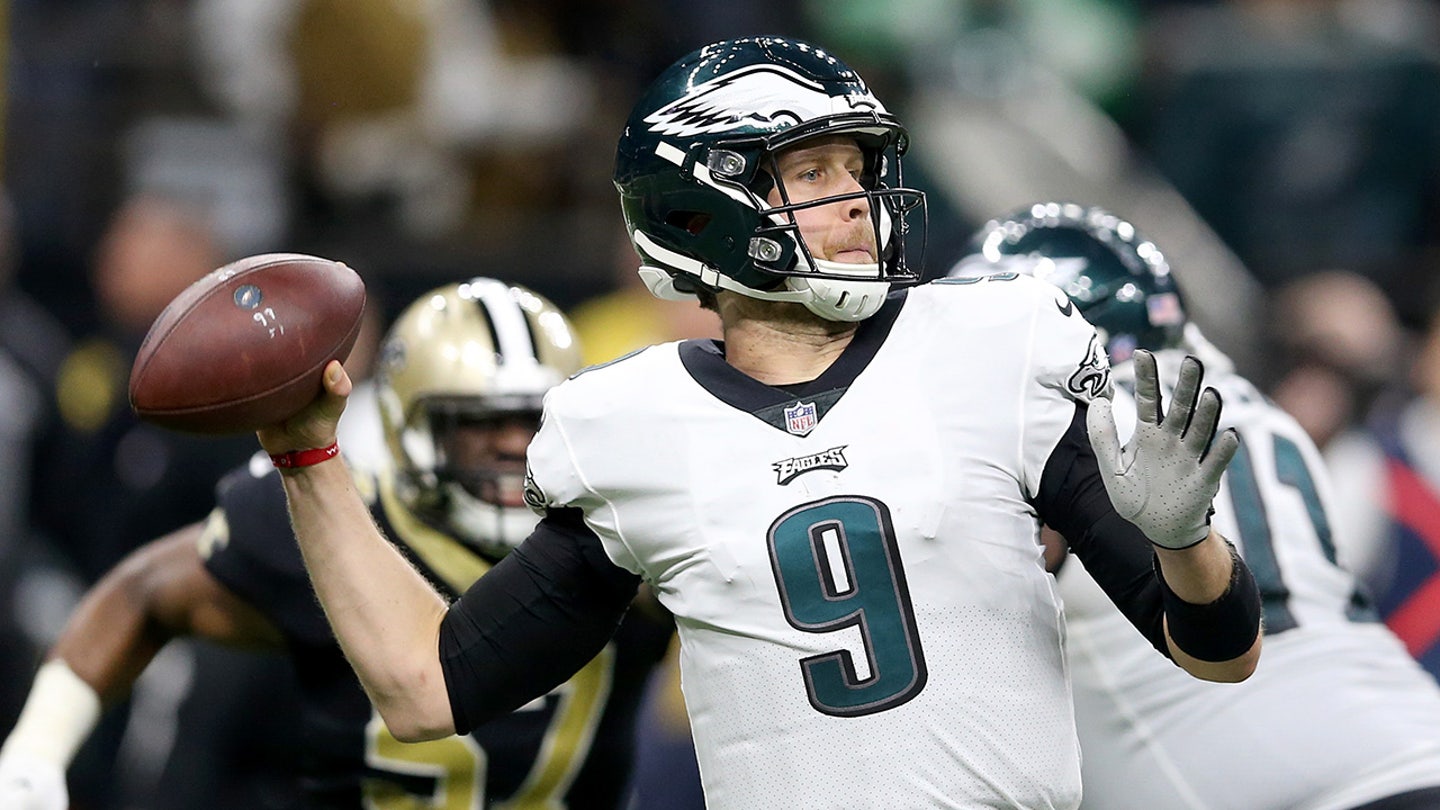
Super Bowl champion Nick Foles credits AI for getting him into fantasy football
Entities mentioned:
- Nick Foles: Enthusiasm, Curiosity, Recognition
- IBM: Innovation, Competitive spirit, Influence
- ESPN: Competitive spirit, Innovation, Influence
- NFL: Competitive spirit, Legacy, Influence
Article Assessment:
Credibility Score: 75/100
Bias Rating: 55/100 (Center)
Sentiment Score: 75/100
Authoritarianism Risk: 20/100 (Strongly Democratic)
Bias Analysis:
The article presents a balanced view of AI in fantasy football, quoting directly from Foles and explaining the technology. While it leans slightly positive towards AI adoption, it doesn't show strong political leanings.
Key metric: Technology Adoption in Sports
Ladies and gentlemen, we're witnessing a GAME-CHANGING PLAY in the world of fantasy football! Super Bowl MVP Nick Foles is stepping up to the plate, embracing AI like a quarterback reading a defense. This is the kind of fourth-quarter move that separates the champions from the benchwarmers! IBM and ESPN are bringing their A-game, folks, transforming fantasy football into a high-stakes chess match with AI as the ultimate coach. We're talking about a seismic shift that's giving everyday fans the analytical firepower of an NFL front office. It's like having a whole scout team in your pocket! This AI playbook is leveling the playing field, turning fantasy rookies into seasoned veterans overnight. I'm telling you right now, this is the kind of technological Hail Mary that could redefine how we engage with America's favorite sport!
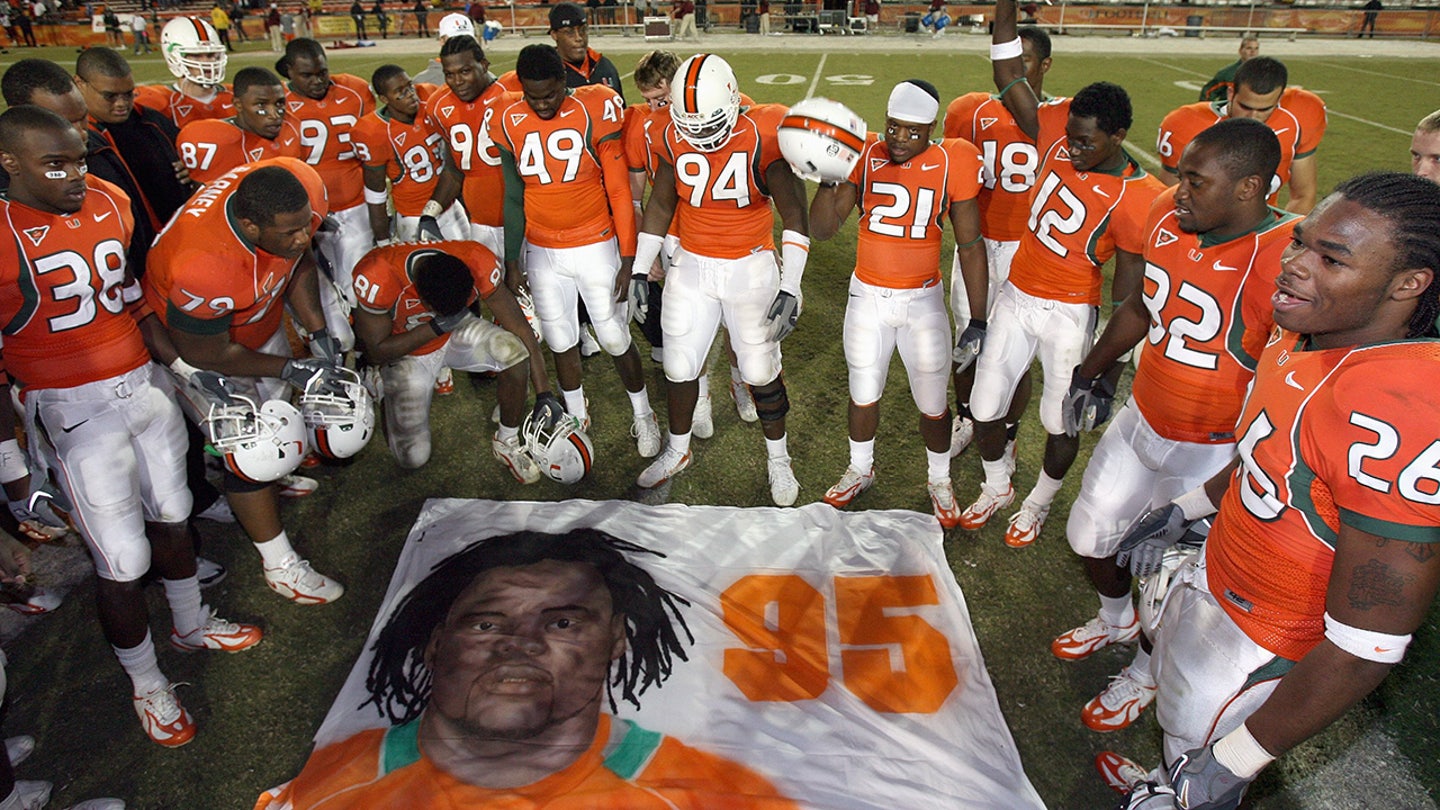
Witness in Miami football player's murder case found alive after authorities presumed him dead
Entities mentioned:
- Paul Conner: Duty, Obligation, Wariness
- Bryan Pata: Ambition, Competitive spirit, Recognition
- Rashaun Jones: Self-preservation, Fear, Competitive spirit
- Prosecutors: Justice, Professional pride, Determination
- ESPN: Curiosity, Recognition, Influence
Article Assessment:
Credibility Score: 75/100
Bias Rating: 55/100 (Center)
Sentiment Score: 40/100
Authoritarianism Risk: 25/100 (Generally Democratic)
Bias Analysis:
The article presents a balanced view of the situation, giving voice to both prosecution and defense perspectives. It refrains from making judgments and focuses on reporting facts and developments.
Key metric: Criminal Justice System Effectiveness
Let me tell you something, folks - this story is a GAME-CHANGER! We've got a witness who was presumed to be out of the game, suddenly back on the field! This is like a fourth-quarter resurrection that could turn the tide of the entire match! The prosecution team fumbled the ball by relying on faulty intel, and now they're scrambling to recover. But here's the kicker - our star witness seems to have lost his playbook! He can't recall the crucial play that put the defendant in the hot seat. This is a RIDICULOUS turn of events that could send shockwaves through the entire justice league! We're talking about a potential game-winning drive for the defense here. The prosecution needs to huddle up and rethink their strategy ASAP if they want to avoid a devastating upset. I'm telling you right now, this case just went into overtime, and it's anybody's game!
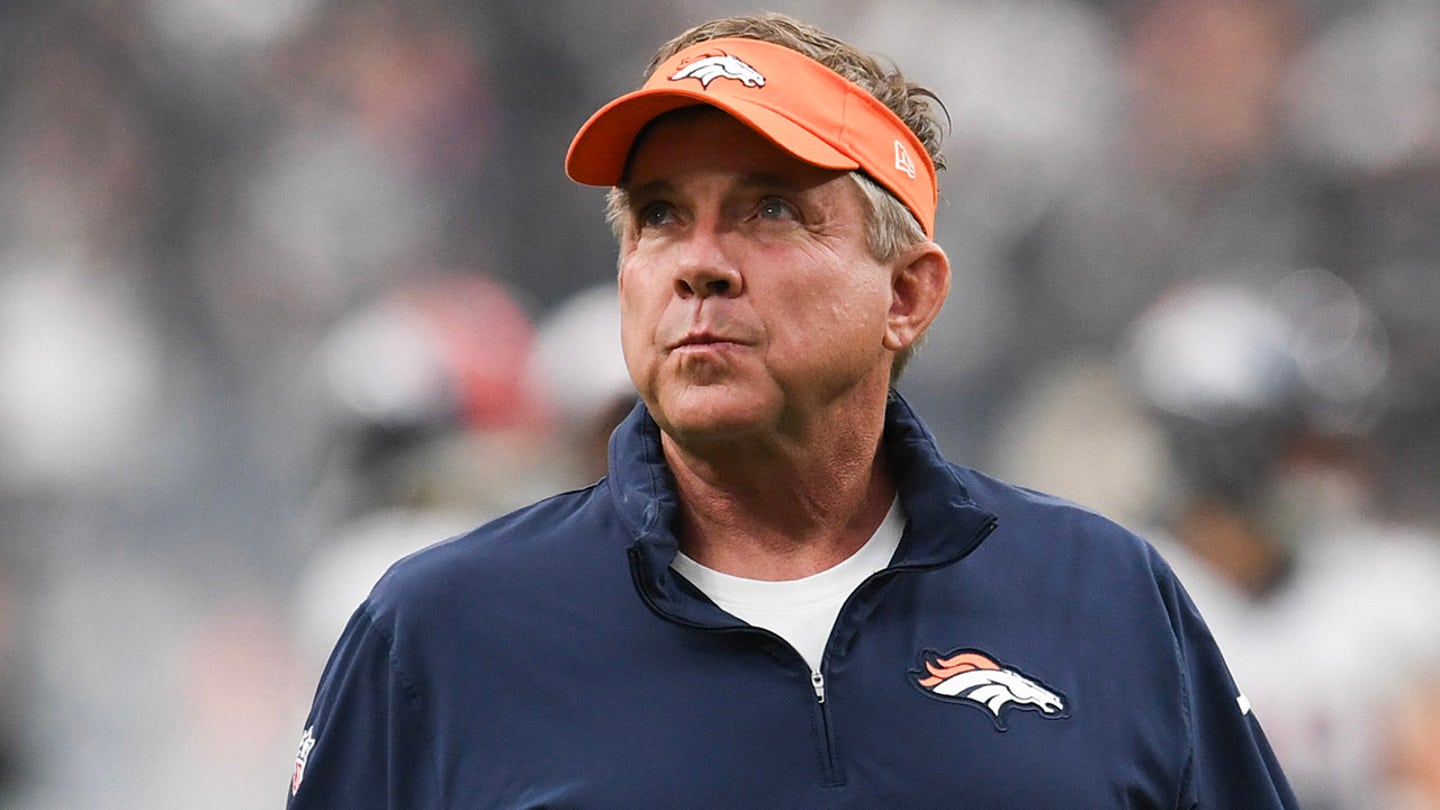
Broncos' Sean Payton talks opportunity to coach Tom Brady in international flag football tournament
Entities mentioned:
- Sean Payton: Enthusiasm, Professional pride, Curiosity
- Tom Brady: Competitive spirit, Legacy, Recognition
- NFL: Influence, Legacy, Competitive spirit
Article Assessment:
Credibility Score: 75/100
Bias Rating: 55/100 (Center)
Sentiment Score: 70/100
Authoritarianism Risk: 20/100 (Strongly Democratic)
Bias Analysis:
The article presents a balanced view of the event, quoting directly from Payton and providing context. While it leans slightly positive towards the NFL's initiative, it maintains a neutral stance overall.
Key metric: Global Sports Influence
Let me tell you something - this story is HUGE! We're talking about a DREAM TEAM of NFL superstars coming out of retirement to dominate a whole new playing field! Sean Payton and Tom Brady are stepping up to the plate in a major international showdown that could change the game forever. This isn't just a friendly match, folks - it's a strategic play to expand the NFL's global reach and secure a spot in the Olympics. It's fourth quarter, two-minute drill time for flag football, and these gridiron giants are bringing their championship mentality to the world stage. The NFL is making power moves, folks, using their star players like chess pieces in a high-stakes match for global sports supremacy. This is the kind of bold strategy that separates the contenders from the pretenders!
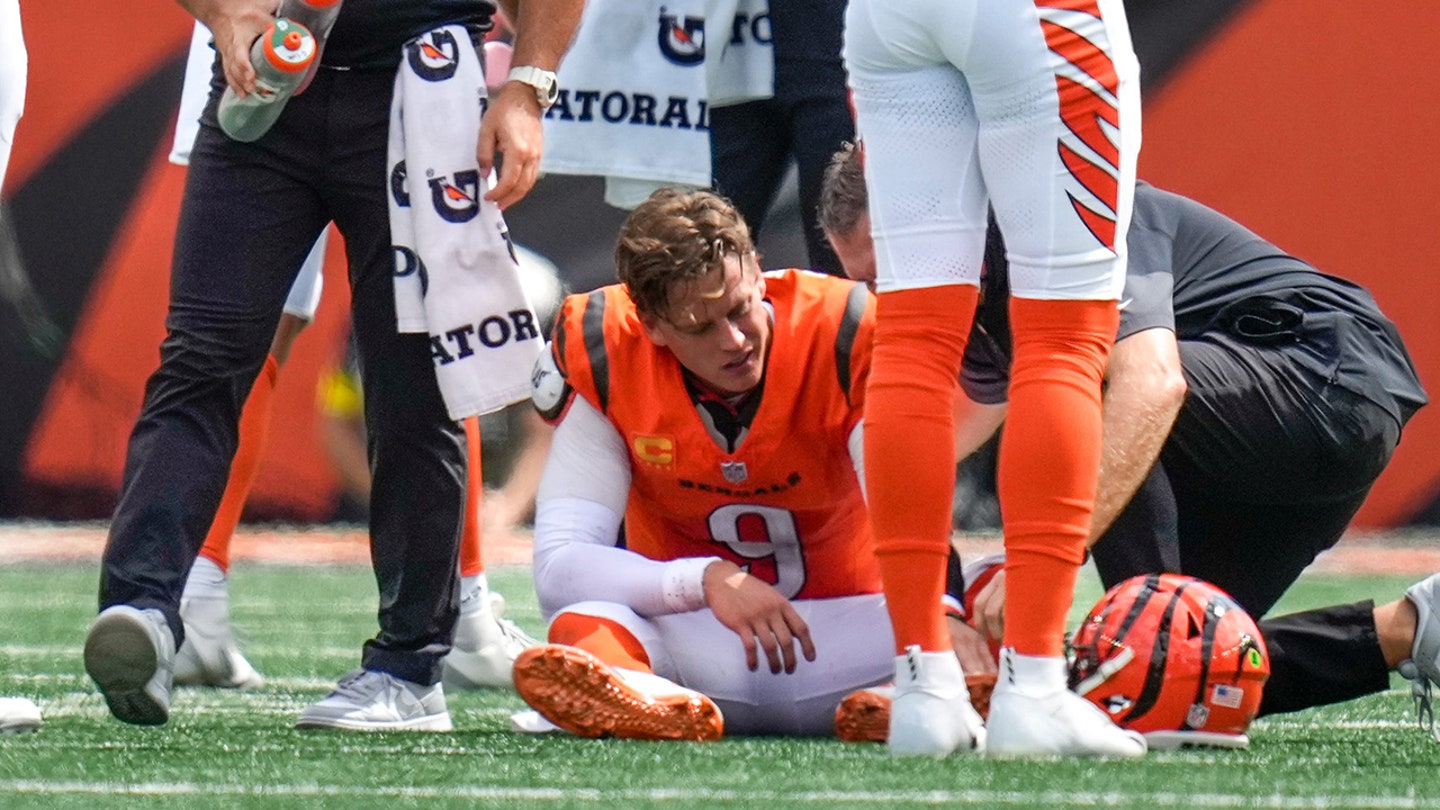
Doctor of physical therapy explains what turf toe actually is, why it may cost Joe Burrow rest of the season
Entities mentioned:
- Joe Burrow: Determination, Professional pride, Competitive spirit
- Cincinnati Bengals: Ambition, Professional pride, Loyalty
- Tom Christ: Curiosity, Professional pride, Enthusiasm
Article Assessment:
Credibility Score: 85/100
Bias Rating: 50/100 (Center)
Sentiment Score: 35/100
Authoritarianism Risk: 15/100 (Strongly Democratic)
Bias Analysis:
The article presents a balanced view, incorporating expert medical opinion and factual injury information. It doesn't lean towards any particular agenda, maintaining a neutral stance on the issue.
Key metric: NFL Player Injury Recovery Time
Let me tell you something - this turf toe injury is a GAME-CHANGER for the Bengals! Joe Burrow, their star quarterback, is now sidelined in what could be a SEASON-ENDING blow. This is like losing your cleanup hitter in the World Series! The Bengals are now in a fourth-quarter scramble, trying to salvage their season without their franchise player. Burrow's determination will be put to the test as he faces this uphill battle to recovery. It's going to take a championship mentality to come back from this setback. The artificial turf is proving to be a formidable opponent, folks, changing the game for players across the league. This isn't just a toe injury, it's a potential season-killer that could have the Bengals watching the playoffs from the sidelines!
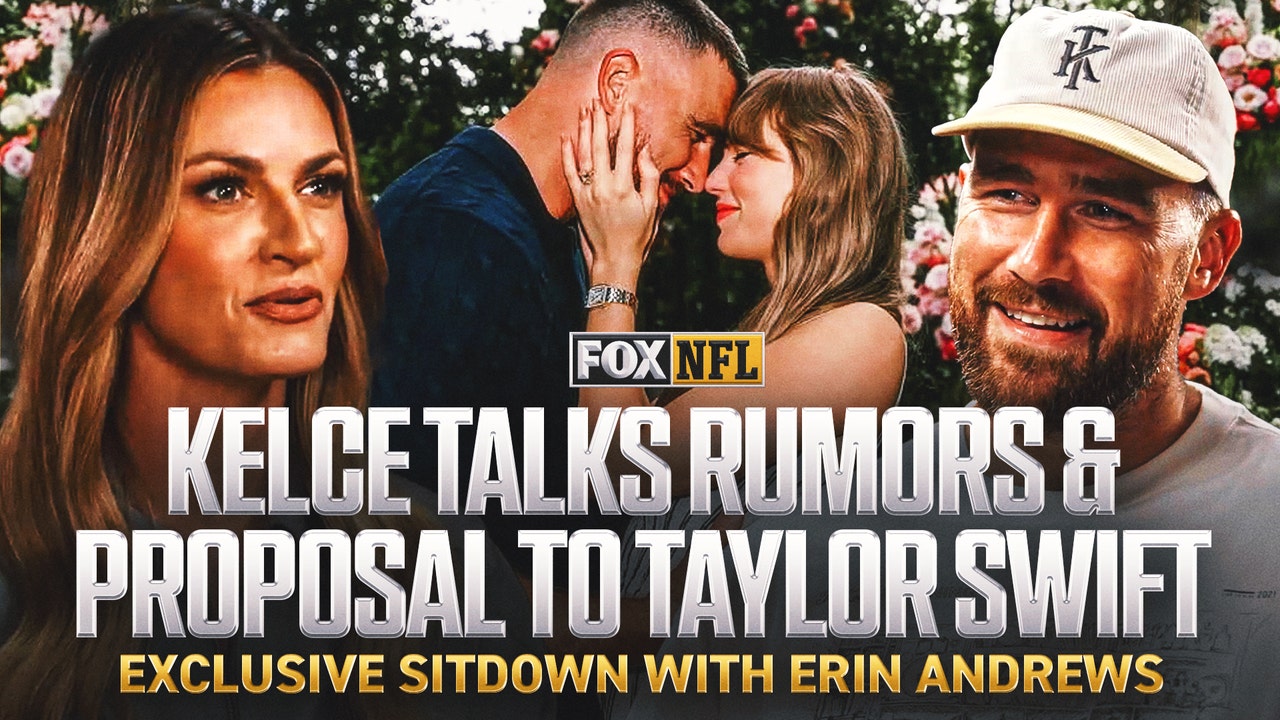
Travis Kelce Details Proposal to Taylor Swift: 'Palms Were Definitely Sweating'
Entities mentioned:
- Travis Kelce: Love, Recognition, Professional pride
- Taylor Swift: Love, Recognition, Influence
- Erin Andrews: Curiosity, Professional pride, Recognition
- Roger Goodell: Control, Influence, Professional pride
Article Assessment:
Credibility Score: 75/100
Bias Rating: 50/100 (Center)
Sentiment Score: 80/100
Authoritarianism Risk: 20/100 (Strongly Democratic)
Bias Analysis:
The article presents a balanced view of the engagement, focusing on facts and quotes without pushing a particular agenda. It maintains a neutral tone while covering both the personal and potential professional implications.
Key metric: NFL Viewership and Engagement
Let me tell you something - this story is RIDICULOUS! We're talking about a CHAMPIONSHIP PLAY both on and off the field! Travis Kelce, the star tight end for the Kansas City Chiefs, just pulled off the ultimate game-winning drive by proposing to pop sensation Taylor Swift. This power couple is changing the game, folks! Kelce's hands might be rock-solid on the gridiron, but he admits his palms were sweating like a rookie in his first playoff game when he popped the question. This is the kind of fourth-quarter magic that transforms good players into LEGENDS! The NFL is riding this wave like a championship surf, with Commissioner Goodell playing his cards close to the vest on Swift potentially headlining the Super Bowl. Make no mistake, this is a GAME-CHANGING move that could skyrocket NFL viewership and engagement to unprecedented heights. It's like adding a superstar free agent to an already stacked roster - the potential is off the charts! I'm telling you right now, the Kelce-Swift alliance is rewriting the playbook on sports-entertainment crossovers, and the whole world is watching!
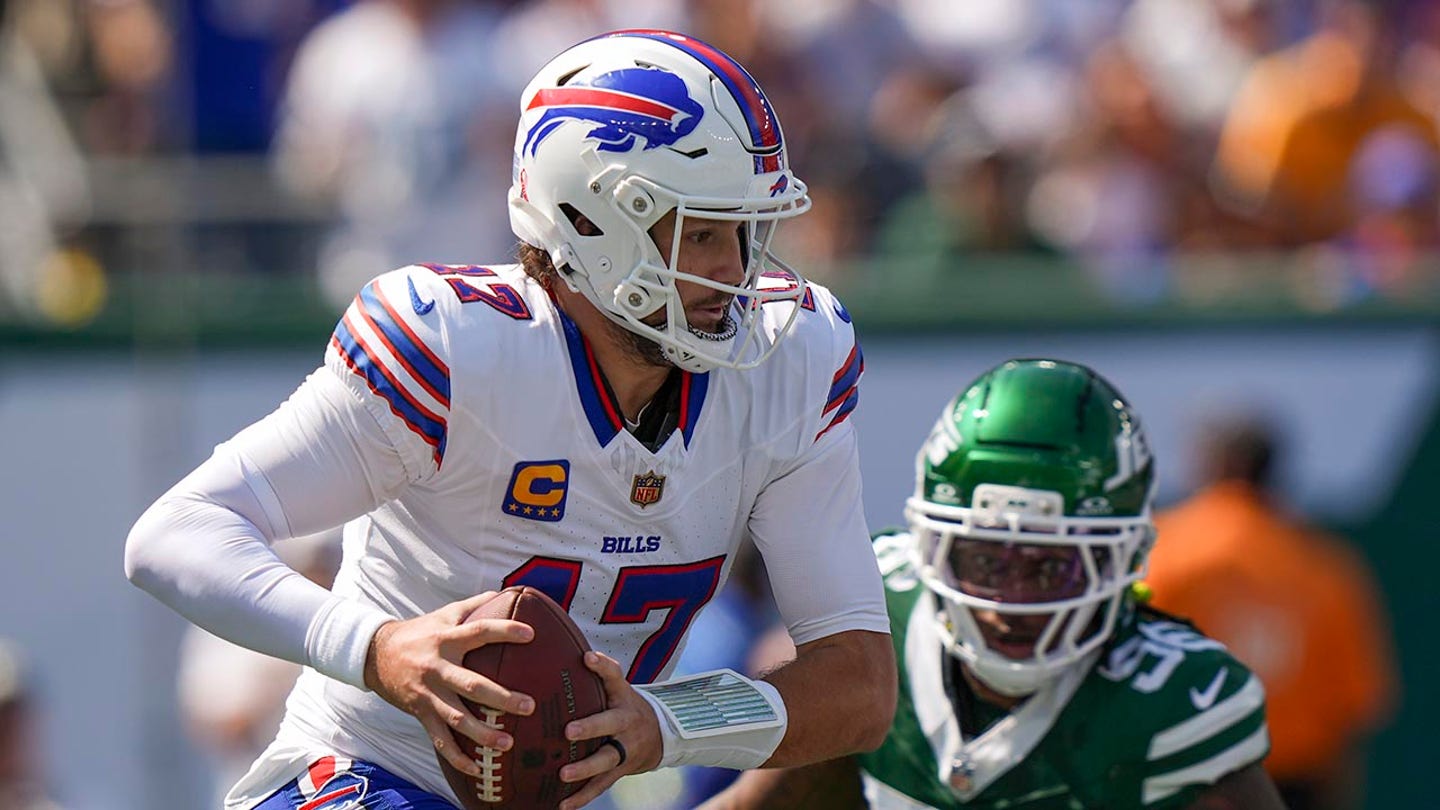
Josh Allen overcomes frightening moment to lead Bills to big win over Jets
Entities mentioned:
- Josh Allen: Determination, Competitive spirit, Professional pride
- Buffalo Bills: Ambition, Unity, Competitive spirit
- New York Jets: Competitive spirit, Pride, Determination
- Tony Romo: Professional pride, Curiosity, Duty
- Tracy Wolfson: Duty, Professional pride, Curiosity
- Mitchell Trubisky: Loyalty, Duty, Professional pride
- James Cook: Competitive spirit, Ambition, Recognition
Article Assessment:
Credibility Score: 85/100
Bias Rating: 50/100 (Center)
Sentiment Score: 70/100
Authoritarianism Risk: 10/100 (Strongly Democratic)
Bias Analysis:
The article presents a balanced account of the game, focusing on key plays and player performances without favoring either team. The reporting sticks to factual events and includes neutral commentary from broadcasters.
Key metric: NFL Team Performance
Let me tell you something - this game was an absolute SLUGFEST! Josh Allen, the Bills' star quarterback, showed us what a true champion is made of. Taking a hit that would've benched lesser players, Allen came back swinging like a heavyweight boxer in the 12th round! This is the kind of GRIT and DETERMINATION that separates the contenders from the pretenders, folks! The Bills offense, led by their fearless field general, executed a gameplan that left the Jets' defense in the dust. It was like watching a well-oiled machine take apart a rusty jalopy! And let's not forget James Cook's 44-yard touchdown run - that was like watching Usain Bolt leave everyone in his wake! This Bills team is showing us they've got the championship DNA, the fourth-quarter fortitude, the never-say-die attitude that could take them all the way to the Super Bowl! I'm telling you right now, this is a team that knows how to step up to the plate when it matters most!