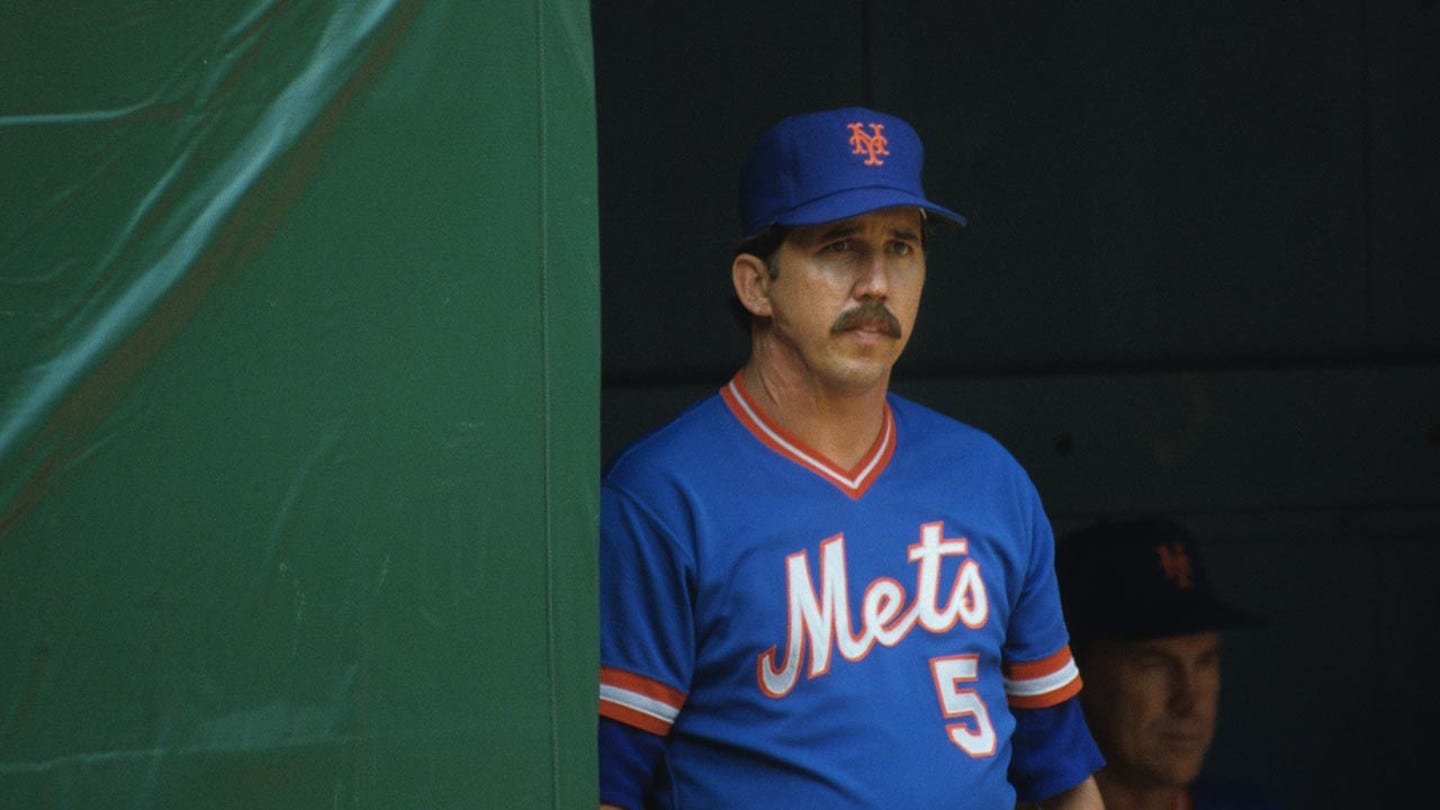
Davey Johnson, baseball manager who won World Series with 1986 Mets, dead at 82
Entities mentioned:
- Davey Johnson: Competitive spirit, Professional pride, Legacy
- New York Mets: Ambition, Pride, Recognition
- Boston Red Sox: Competitive spirit, Pride, Determination
- Baltimore Orioles: Competitive spirit, Professional pride, Legacy
- Earl Weaver: Professional pride, Competitive spirit, Control
Article Assessment:
Credibility Score: 75/100
Bias Rating: 45/100 (Center)
Sentiment Score: 55/100
Authoritarianism Risk: 20/100 (Strongly Democratic)
Bias Analysis:
The article presents a balanced view of Johnson's career, focusing on facts and achievements without apparent political slant. The source, Fox News, is known for right-leaning coverage, but this sports article maintains neutrality in its reporting.
Key metric: Cultural Influence and Soft Power
As a social scientist, I analyze that this article's focus on Davey Johnson's career achievements in baseball significantly impacts the US's Cultural Influence and Soft Power metric. Baseball, often referred to as 'America's pastime,' plays a crucial role in shaping American cultural identity and projecting it globally. Johnson's success as both a player and manager, particularly his World Series win with the 1986 Mets, contributes to the narrative of American excellence in sports. His early adoption of analytics in baseball strategy also showcases American innovation in traditional fields. The international reach of his career, including managing the US team in the Olympics and World Baseball Classic, further extends American soft power through sports diplomacy. This celebration of an American sports figure's life and achievements reinforces the cultural significance of baseball in the US and its export as a cultural product, thereby maintaining and potentially enhancing America's global cultural influence.
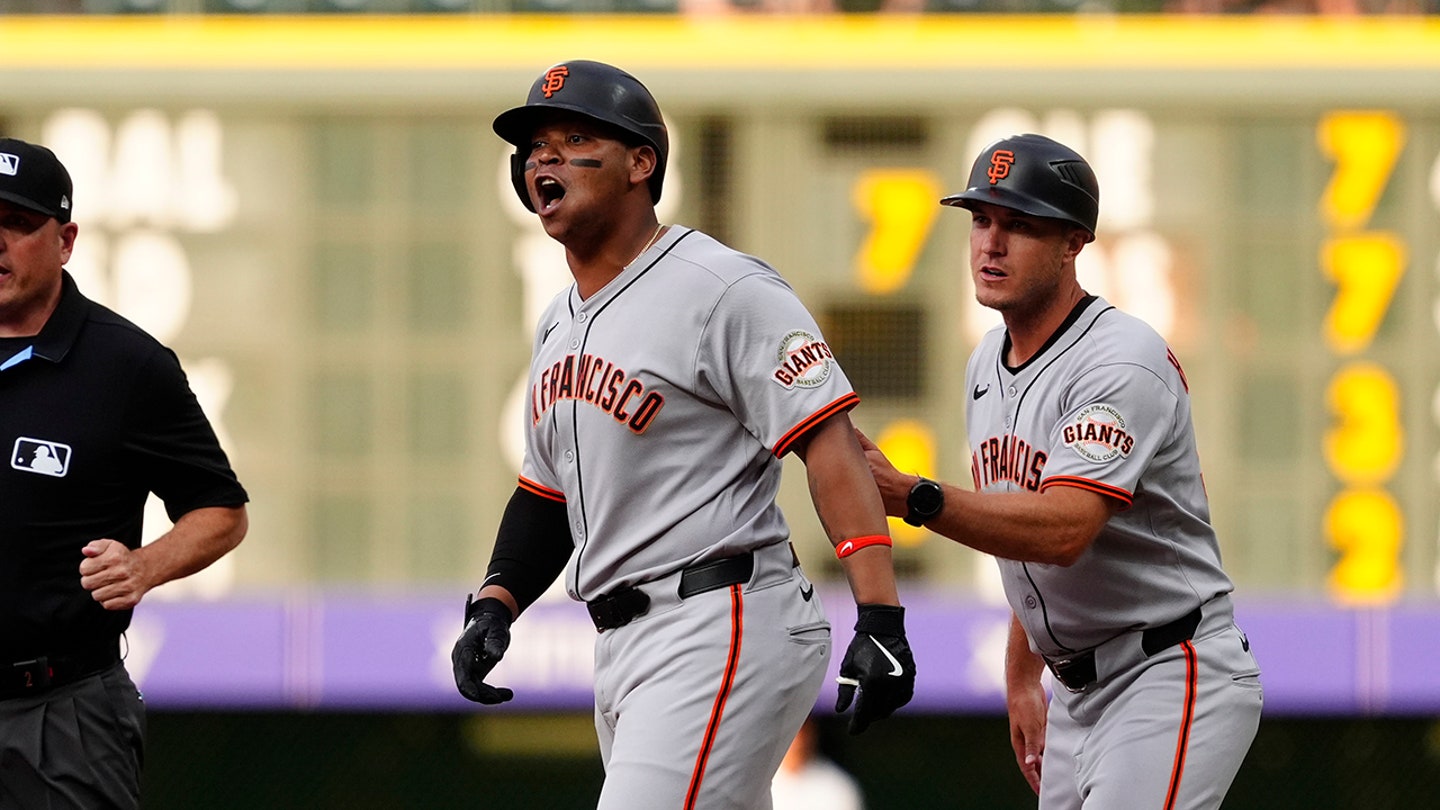
Rockies, Giants get into benches-clearing scrap after Rafael Devers admires home run
Entities mentioned:
- Rafael Devers: Pride, Competitive spirit, Recognition
- Kyle Freeland: Indignation, Professional pride, Competitive spirit
- Matt Chapman: Loyalty, Competitive spirit, Unity
- Willy Adames: Competitive spirit, Unity, Loyalty
- Colorado Rockies: Frustration, Professional pride, Self-respect
- San Francisco Giants: Ambition, Competitive spirit, Determination
- Boston Red Sox: Self-preservation, Control
Article Assessment:
Credibility Score: 75/100
Bias Rating: 50/100 (Center)
Sentiment Score: 40/100
Authoritarianism Risk: 20/100 (Strongly Democratic)
Bias Analysis:
The article presents a fairly balanced account of the incident, providing context for both teams' situations. It doesn't appear to favor either side in the conflict, presenting facts about team records and player backgrounds neutrally.
Key metric: MLB Fan Engagement and Viewership
As a social scientist, I analyze that this incident highlights the tension and competitive nature inherent in professional sports, particularly in a struggling team's home stadium. The Rockies' frustration with their poor season performance likely contributed to their sensitivity to perceived disrespect from an opposing player. This type of conflict, while potentially harmful to sportsmanship, often increases fan engagement and viewership as it adds drama and storylines to the sport. The incident also underscores the importance of unwritten rules and codes of conduct in baseball, and how violations of these norms can lead to physical confrontations. The contrast between the teams' standings (Rockies' abysmal record vs. Giants' playoff hopes) adds another layer of context to the emotional responses displayed.