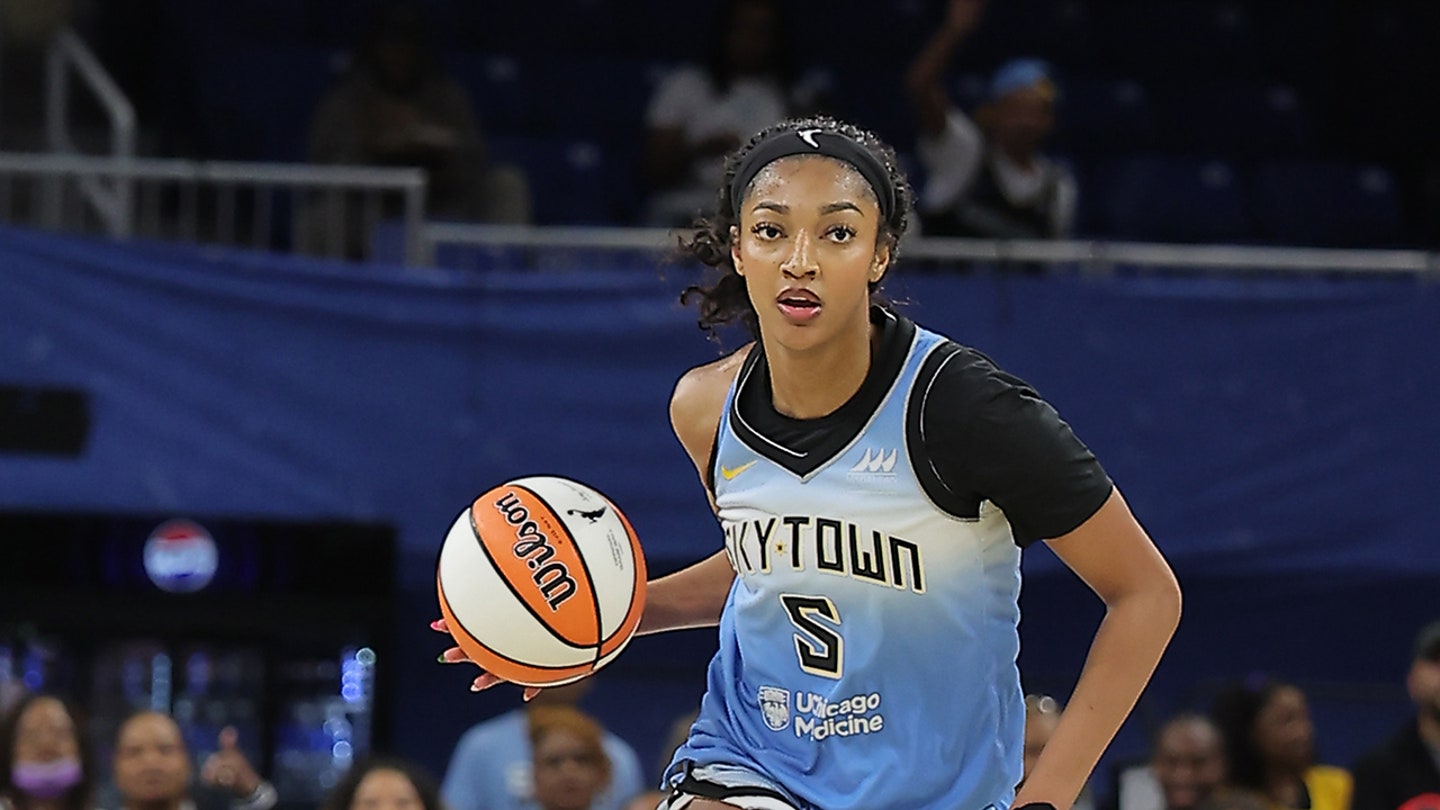
Sky suspend Angel Reese for half over comments deemed 'detrimental to the team'
Entities mentioned:
- Angel Reese: Self-respect, Ambition, Frustration
- Chicago Sky: Control, Professional pride, Unity
- WNBA: Duty, Professional pride, Control
Article Assessment:
Credibility Score: 75/100
Bias Rating: 50/100 (Center)
Sentiment Score: 35/100
Authoritarianism Risk: 40/100 (Generally Democratic)
Bias Analysis:
The article presents a balanced view of the situation, including quotes from both the player and the team. It provides context for the suspension and does not appear to favor either side, maintaining a neutral stance.
Key metric: Professional Sports League Reputation
As a social scientist, I analyze that this incident highlights the tension between player expression and team/league control in professional sports. The suspension of a high-profile player like Angel Reese for comments deemed detrimental to the team underscores the power dynamics within sports organizations. This situation may impact the WNBA's reputation and potentially influence future player-team relations. The league's approach to managing player dissent and maintaining team cohesion is being tested, which could have implications for player advocacy and team management strategies in the future.
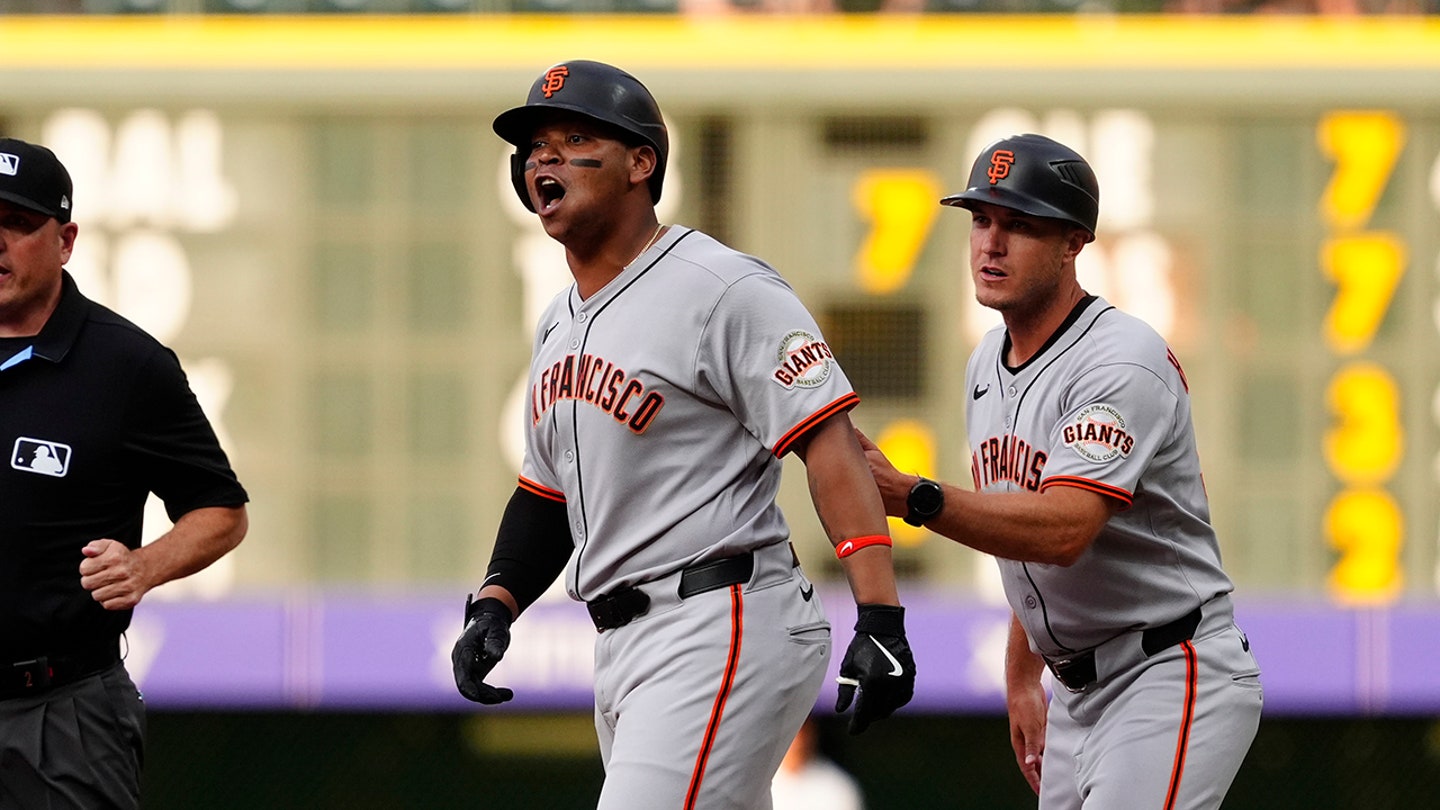
Rockies, Giants get into benches-clearing scrap after Rafael Devers admires home run
Entities mentioned:
- Rafael Devers: Pride, Competitive spirit, Recognition
- Kyle Freeland: Indignation, Professional pride, Competitive spirit
- Matt Chapman: Loyalty, Competitive spirit, Unity
- Willy Adames: Competitive spirit, Unity, Loyalty
- Colorado Rockies: Frustration, Professional pride, Self-respect
- San Francisco Giants: Ambition, Competitive spirit, Determination
- Boston Red Sox: Self-preservation, Control
Article Assessment:
Credibility Score: 75/100
Bias Rating: 50/100 (Center)
Sentiment Score: 40/100
Authoritarianism Risk: 20/100 (Strongly Democratic)
Bias Analysis:
The article presents a fairly balanced account of the incident, providing context for both teams' situations. It doesn't appear to favor either side in the conflict, presenting facts about team records and player backgrounds neutrally.
Key metric: MLB Fan Engagement and Viewership
As a social scientist, I analyze that this incident highlights the tension and competitive nature inherent in professional sports, particularly in a struggling team's home stadium. The Rockies' frustration with their poor season performance likely contributed to their sensitivity to perceived disrespect from an opposing player. This type of conflict, while potentially harmful to sportsmanship, often increases fan engagement and viewership as it adds drama and storylines to the sport. The incident also underscores the importance of unwritten rules and codes of conduct in baseball, and how violations of these norms can lead to physical confrontations. The contrast between the teams' standings (Rockies' abysmal record vs. Giants' playoff hopes) adds another layer of context to the emotional responses displayed.
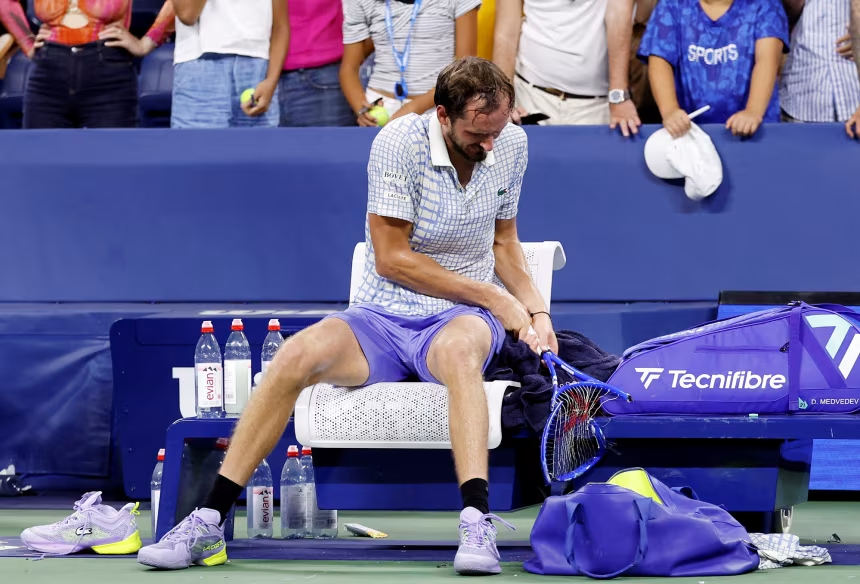
Daniil Medvedev fined $42,500 for unsportsmanlike misconduct and racket abuse after outburst at US Open
Entities mentioned:
- Daniil Medvedev: Self-respect, Pride, Frustration
- Benjamin Bonzi: Competitive spirit, Justice, Professional pride
- Greg Allensworth: Duty, Professional pride, Control
- United States Tennis Association: Control, Professional pride, Justice
- Andrey Rublev: Loyalty, Concern, Unity
- Frances Tiafoe: Empathy, Professional pride, Competitive spirit
Article Assessment:
Credibility Score: 85/100
Bias Rating: 50/100 (Center)
Sentiment Score: 30/100
Authoritarianism Risk: 20/100 (Strongly Democratic)
Bias Analysis:
The article presents a balanced view of the incident, including multiple perspectives from different players and officials. It provides factual information about the fines and sequence of events without apparent bias towards or against Medvedev.
Key metric: International Sporting Relations
As a social scientist, I analyze that this incident highlights the intense pressures and emotional volatility in professional tennis. Medvedev's outburst, resulting in significant fines, demonstrates the potential for high-stakes competition to negatively impact sportsmanship and international relations. The reaction from fellow players, particularly Rublev and Tiafoe, suggests a complex dynamic of competition and camaraderie within the sport. This event may influence perceptions of Russian athletes in international competitions, potentially affecting diplomatic sporting relations, especially given current geopolitical tensions. The USTA's swift action in revoking the photographer's credentials also underscores the importance of maintaining order and professionalism in major sporting events.

Dolphins GM Chris Grier says fans threatened his family in string of vile emails after team's lackluster year
Entities mentioned:
- Chris Grier: Professional pride, Duty, Self-preservation
- Miami Dolphins: Competitive spirit, Recognition, Ambition
- Dolphins fans: Moral outrage, Frustration, Loyalty
- Cam Smith: Professional pride, Ambition
- De'Von Achane: Competitive spirit, Determination
Article Assessment:
Credibility Score: 75/100
Bias Rating: 50/100 (Center)
Sentiment Score: 30/100
Authoritarianism Risk: 20/100 (Strongly Democratic)
Bias Analysis:
The article presents a balanced view, quoting Grier directly and providing context for the team's performance. It doesn't lean towards defending or criticizing the management, maintaining a neutral stance.
Key metric: Public Trust in Sports Leadership
As a social scientist, I analyze that this article highlights the intense pressure and scrutiny faced by sports executives, particularly when team performance falls short of expectations. The threats directed at Chris Grier's family demonstrate a concerning trend of fan behavior crossing ethical boundaries. This situation reflects broader issues of online harassment and the blurring of lines between professional criticism and personal attacks in the digital age. The article also touches on the delicate balance team management must strike between accountability to fans and maintaining a positive, forward-looking attitude. Grier's approach of acknowledging frustrations while remaining focused on team improvement showcases the complex interpersonal skills required in high-level sports management roles.
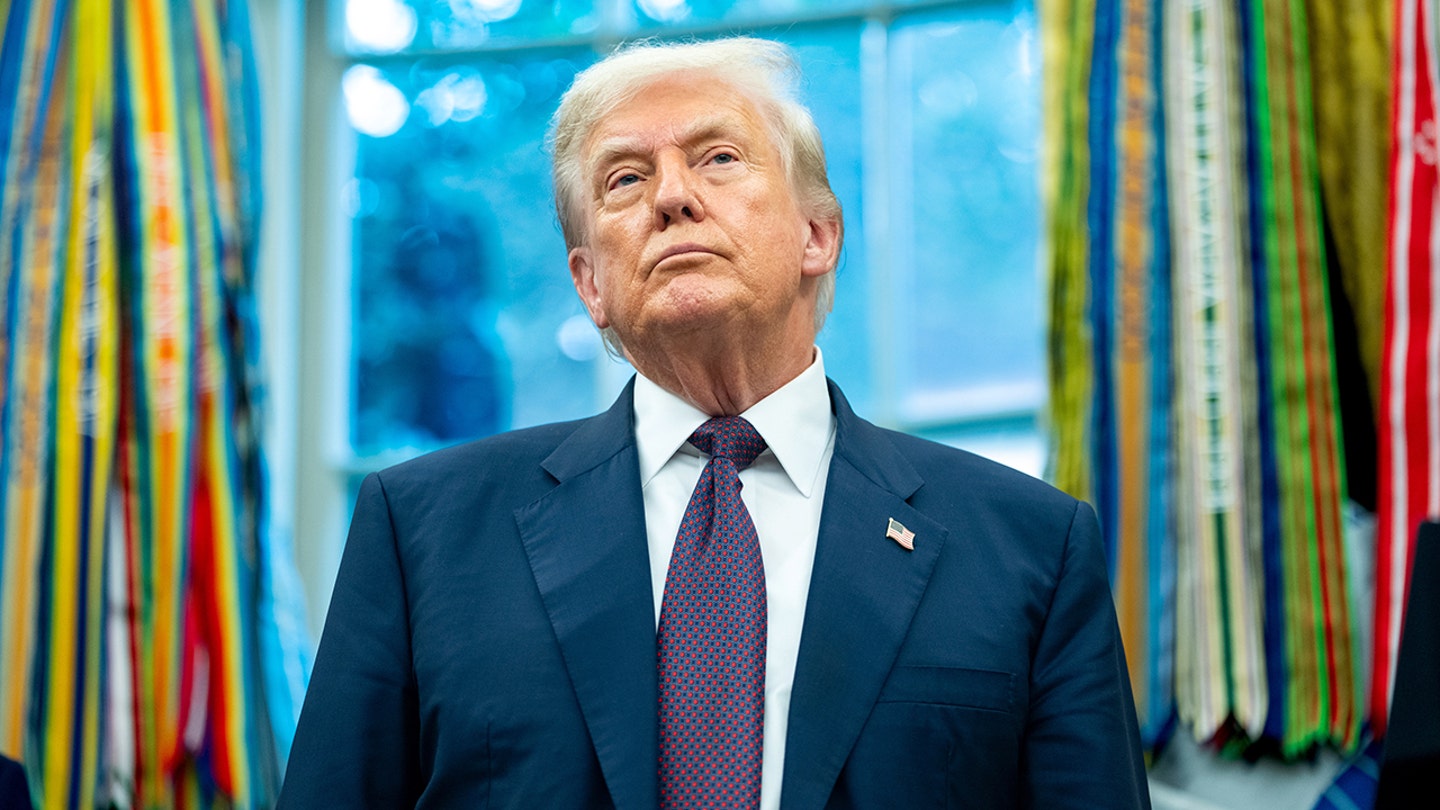
'Separated from reality': Senate Republicans fume as Dems use Epstein saga to block Trump's agenda
Entities mentioned:
- Senate Republicans: Determination, Frustration, Duty
- Congressional Democrats: Moral outrage, Justice, Control
- President Donald Trump: Power, Self-preservation, Influence
- Mike Johnson: Self-preservation, Control, Wariness
- Chuck Schumer: Moral outrage, Justice, Power
- Roger Marshall: Loyalty, Frustration, Righteousness
Article Assessment:
Credibility Score: 65/100
Bias Rating: 65/100 (Lean Right)
Sentiment Score: 30/100
Authoritarianism Risk: 45/100 (Mixed/Neutral)
Bias Analysis:
The article leans right in its framing, giving more space to Republican viewpoints and criticisms of Democrats. While it includes some Democratic perspectives, the tone and language used tend to favor the Republican stance on the issue.
Key metric: Government Effectiveness
As a social scientist, I analyze that this article highlights a significant political gridlock in the U.S. Senate, primarily centered around the Jeffrey Epstein case and its impact on the confirmation of presidential nominees. The Republicans' attempts to push through nominees are being obstructed by Democrats, who are using the Epstein saga as leverage. This impasse is affecting the government's ability to function efficiently, as key positions remain unfilled. The situation also reveals deep partisan divides, with each side accusing the other of ulterior motives. Republicans claim Democrats are obstructing progress, while Democrats argue for transparency in the Epstein case. This political maneuvering is likely to have a negative impact on government effectiveness, as it hinders the administration's ability to fully staff key positions and implement its agenda.
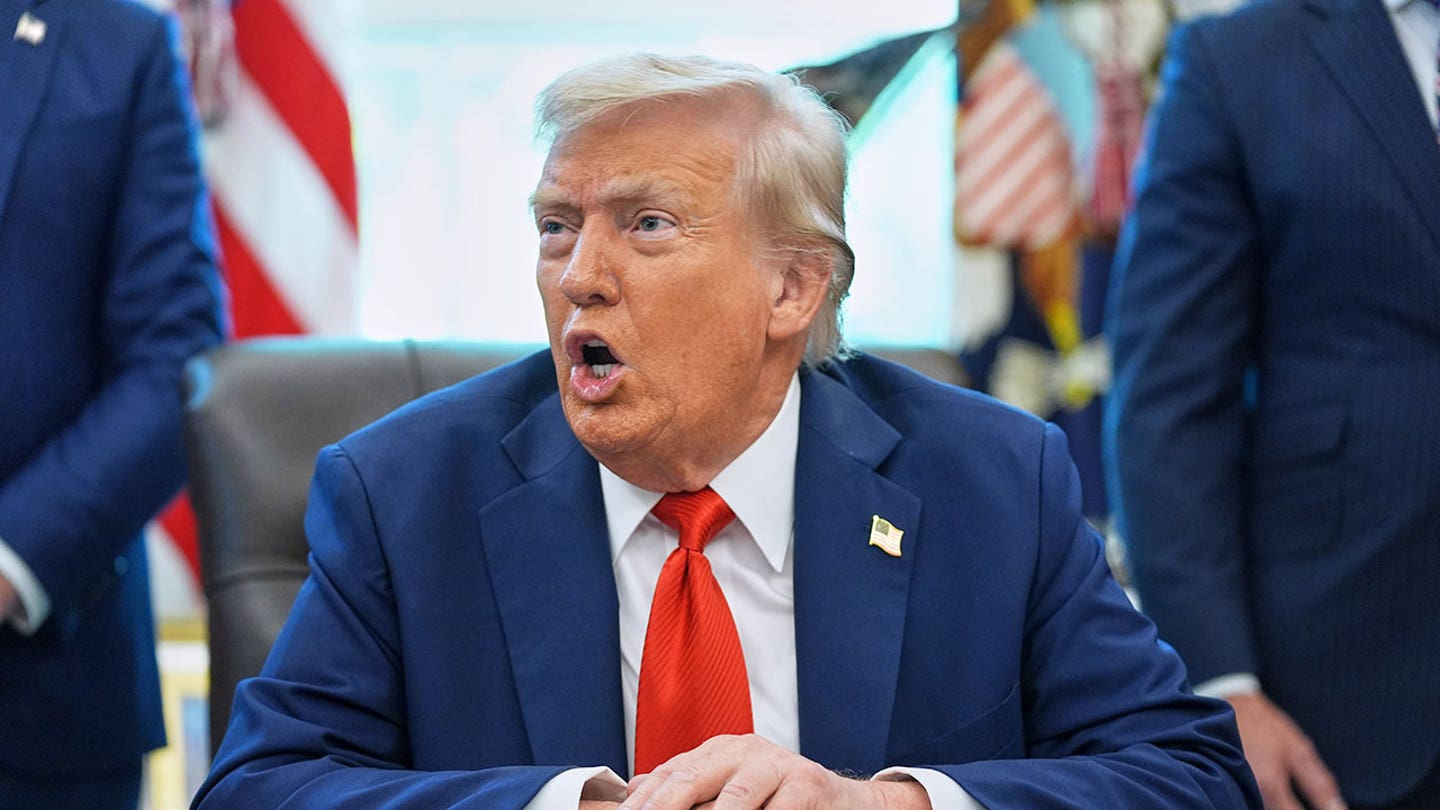
Trump threatens lawsuit over century-old Senate tradition delaying his nominees
Entities mentioned:
- Donald Trump: Power, Control, Frustration
- US Senate: Tradition, Control, Duty
- Chuck Grassley: Duty, Tradition, Loyalty
- Democratic Senators: Control, Opposition, Power
Article Assessment:
Credibility Score: 70/100
Bias Rating: 55/100 (Center)
Sentiment Score: 35/100
Authoritarianism Risk: 65/100 (Authoritarian Tendencies)
Bias Analysis:
The article presents Trump's perspective prominently but includes contextual information and opposing views. It sources from Fox News, which tends to lean conservative, but the content itself maintains a relatively balanced tone.
Key metric: Federal Judiciary Appointments
As a social scientist, I analyze that this article highlights a growing tension between executive power and legislative tradition. Trump's threat to sue over the blue slip process indicates an escalation in the ongoing struggle for control over judicial appointments. This conflict could potentially reshape the balance of power between branches and impact the speed and nature of judicial appointments. The president's frustration with what he perceives as obstruction may lead to increased polarization and potentially alter long-standing Senate practices.
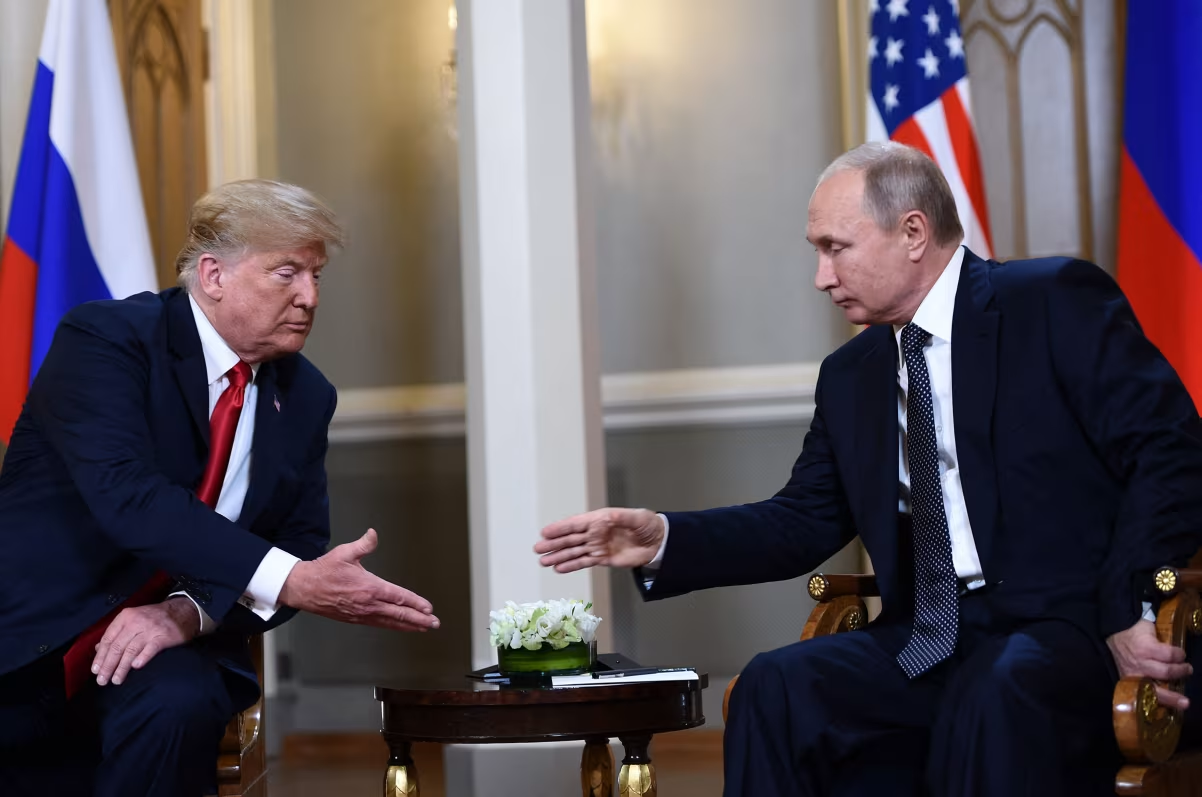
Ahead of summit, Trump questions what’s changed about Putin
Entities mentioned:
- Donald Trump: Ambition, Determination, Legacy
- Vladimir Putin: Power, Control, Ambition
- Volodymyr Zelensky: Self-preservation, Unity, Determination
- Steve Witkoff: Duty, Frustration, Determination
- Kyrylo Budanov: Professional pride, Wariness, Duty
- Angela Stent: Professional pride, Duty, Wariness
- Michael McFaul: Professional pride, Wariness, Duty
Article Assessment:
Credibility Score: 75/100
Bias Rating: 45/100 (Center)
Sentiment Score: 35/100
Authoritarianism Risk: 25/100 (Generally Democratic)
Bias Analysis:
The article presents multiple perspectives, including those of Trump, Putin, European allies, and intelligence officials. It balances Trump's optimism with skepticism from other sources, maintaining a relatively neutral stance.
Key metric: International Diplomatic Relations
As a social scientist, I analyze that this article highlights the complex dynamics surrounding the upcoming summit between Trump and Putin, focusing on Trump's evolving perspective on Putin and the challenges in negotiating an end to the Ukraine conflict. The article emphasizes the skepticism among intelligence communities and European allies regarding Putin's true intentions, suggesting that Putin may use any ceasefire to regroup and potentially escalate the conflict later. Trump's shift from a more naive approach to a more cautious stance towards Putin is noted, indicating a potential change in US-Russia relations. The article also underscores the difficulty in deciphering Putin's motivations and decision-making process, which complicates diplomatic efforts. This situation significantly impacts international diplomatic relations, as it involves multiple stakeholders with varying interests and concerns about the potential outcomes of the summit.