
Trump’s DC takeover produces moderate drop in crime — and huge spike in immigration arrests
Entities mentioned:
- Donald Trump: Power, Control, Influence
- Metropolitan Police Department: Duty, Professional pride, Security
- ICE (Immigration and Customs Enforcement): Duty, Control, Righteousness
- Muriel Bowser: Loyalty, Justice, Self-preservation
- Abigail Jackson: Loyalty, Duty, Righteousness
- Pam Bondi: Duty, Loyalty, Control
- JD Vance: Loyalty, Influence, Power
Article Assessment:
Credibility Score: 75/100
Bias Rating: 45/100 (Center)
Sentiment Score: 35/100
Authoritarianism Risk: 65/100 (Authoritarian Tendencies)
Bias Analysis:
The article presents multiple viewpoints and cites various data sources, indicating an attempt at balanced reporting. However, there is slightly more emphasis on critical perspectives of the federal intervention, which may suggest a slight lean towards skepticism of the Trump administration's actions.
Key metric: Crime Rate
As a social scientist, I analyze that the federal takeover of Washington D.C.'s police force has resulted in a complex situation with mixed outcomes. While there has been a moderate decrease in overall crime rates, particularly in property crimes and some violent crimes, there has been a significant increase in immigration arrests. This suggests that the federal intervention may be prioritizing immigration enforcement over other types of crime prevention. The stark contrast between the modest crime reduction and the tenfold increase in immigration arrests indicates a shift in law enforcement priorities that may not align with local community needs or preferences. The article also highlights tensions between federal and local authorities, as well as concerns about potential data manipulation and the long-term implications of this federal intervention on local governance and community relations. The public's opposition to the takeover, as indicated by the poll, suggests a disconnect between federal actions and local sentiments, which could lead to decreased trust in law enforcement and potential social unrest.
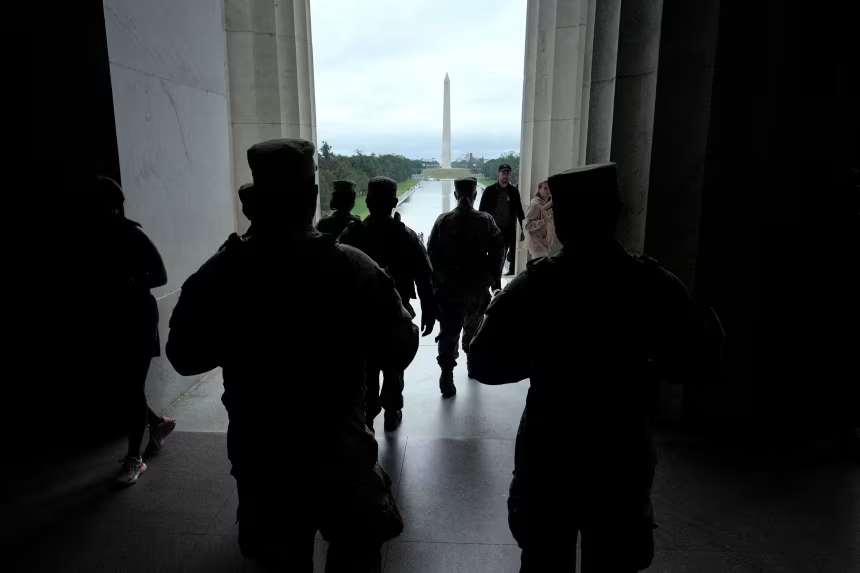
National Guard troops from GOP-led states begin arriving in DC as part of Trump’s crime crackdown
Entities mentioned:
- Donald Trump: Power, Control, Influence
- Republican Governors: Loyalty, Security, Duty
- Muriel Bowser: Wariness, Self-preservation, Indignation
- National Guard: Duty, Security, Obligation
- Democratic Governors: Moral outrage, Justice, Unity
Article Assessment:
Credibility Score: 75/100
Bias Rating: 45/100 (Center)
Sentiment Score: 35/100
Authoritarianism Risk: 65/100 (Authoritarian Tendencies)
Bias Analysis:
The article presents multiple viewpoints, including those of Trump administration officials and opposing Democratic leaders. While it leans slightly towards skepticism of the federal intervention, it maintains a relatively balanced approach by including facts and statements from various sources.
Key metric: Crime Rate
As a social scientist, I analyze that this article highlights a growing tension between federal and local authorities regarding crime control in Washington, DC. The deployment of National Guard troops from GOP-led states, at President Trump's request, represents an escalation of federal involvement in local law enforcement. This action impacts the crime rate metric by potentially altering policing strategies and resources in the capital. However, the article notes that overall crime numbers are lower than the previous year, suggesting a disconnect between the stated justification for the action and the actual crime situation. This discrepancy raises questions about the motivations behind the deployment and its potential effects on local governance, federal-state relations, and public perception of safety.
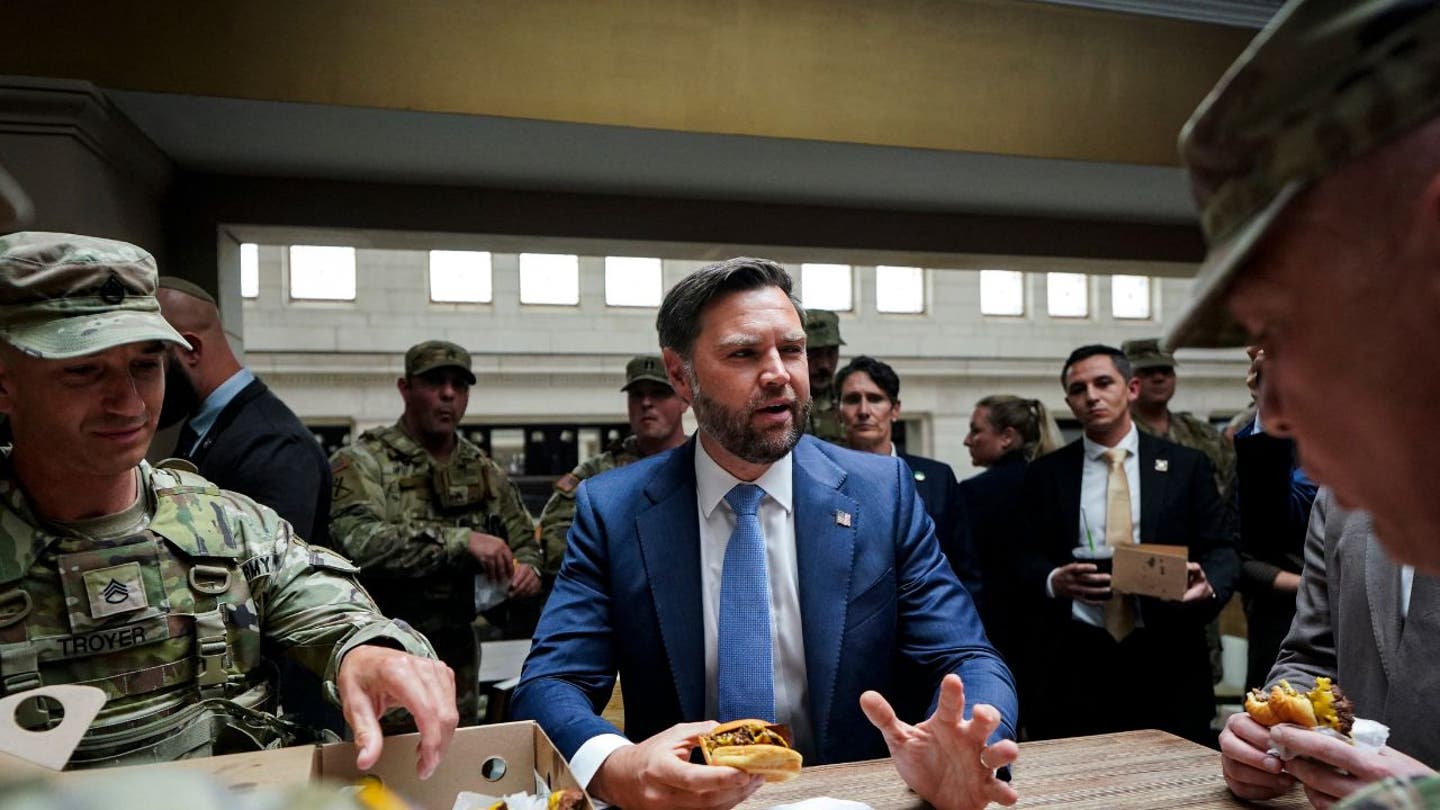
Vance says National Guard is 'busting their a--’ in Washington, floats mission extension
Entities mentioned:
- JD Vance: Righteousness, Duty, Professional pride
- Donald Trump: Power, Control, Security
- National Guard: Duty, Obligation, Security
- Metropolitan Police Department: Duty, Security, Professional pride
- Brian Schwalb: Justice, Indignation, Self-preservation
Article Assessment:
Credibility Score: 65/100
Bias Rating: 55/100 (Center)
Sentiment Score: 40/100
Authoritarianism Risk: 65/100 (Authoritarian Tendencies)
Bias Analysis:
The article presents both the administration's justification and local opposition, providing a somewhat balanced view. However, it gives more space to the administration's perspective and uses emotionally charged language when describing the situation at Union Station.
Key metric: Crime Rate
As a social scientist, I analyze that this article highlights a contentious federal intervention in local law enforcement in Washington, D.C. The deployment of National Guard troops and federalization of local police to address crime issues raises significant questions about the balance of power between federal and local authorities. The administration's actions, while framed as necessary for public safety, are being challenged legally as a potential overreach of federal power and a threat to local autonomy. This situation could have far-reaching implications for federal-local relations, public safety policies, and the interpretation of emergency powers. The extension of the mission beyond the initial 30-day period could further escalate tensions and potentially set new precedents for federal intervention in local affairs.
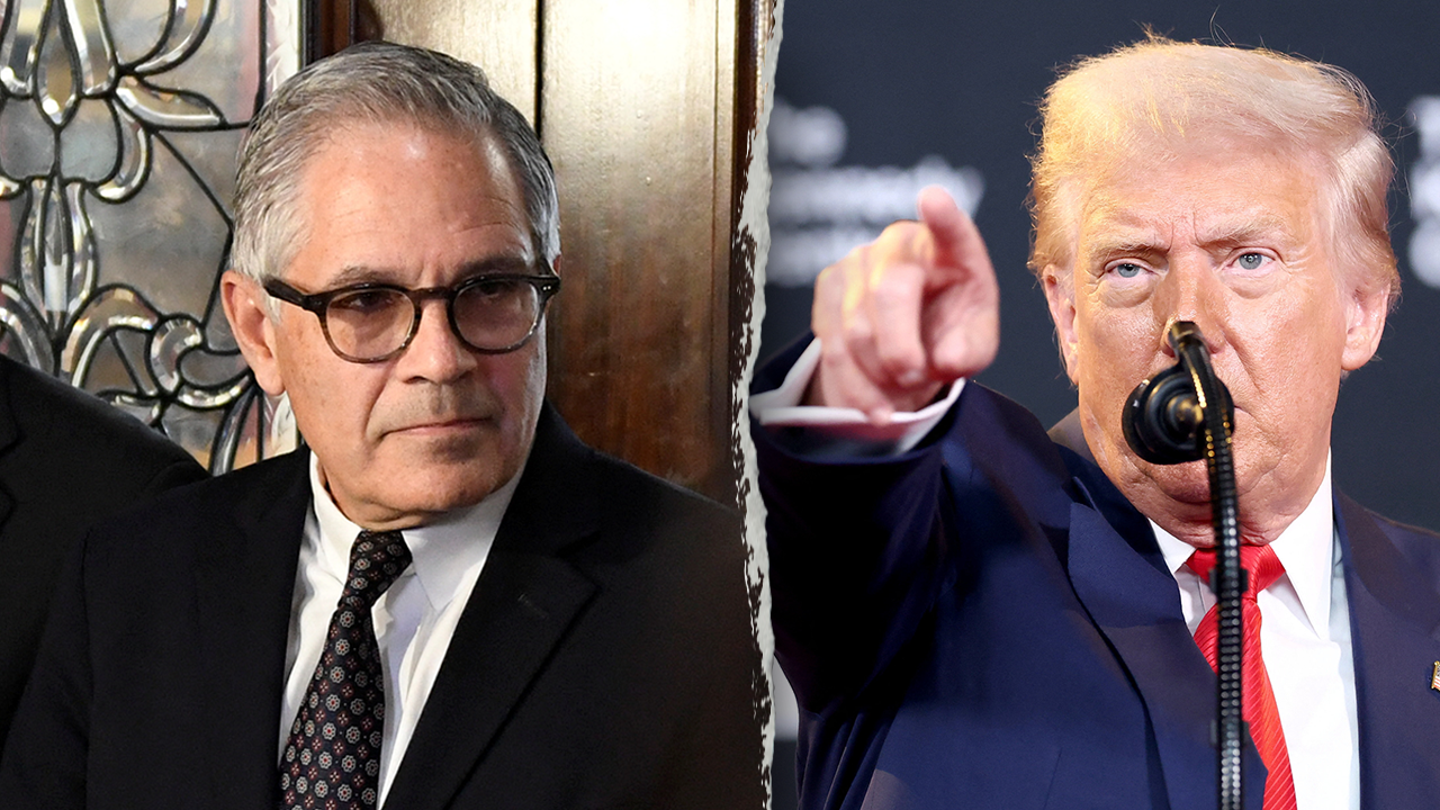
White House blasts far-left DA's warning that Trump 'better not try' DC-style takeover 'in Philly
Entities mentioned:
- White House: Control, Justice, Security
- Larry Krasner: Moral outrage, Righteousness, Justice
- Donald Trump: Power, Control, Influence
- Abigail Jackson: Loyalty, Professional pride, Duty
- George Soros: Influence, Ideology, Power
- Patrick Dugan: Justice, Ambition, Duty
- Bob Brady: Loyalty, Control, Unity
Article Assessment:
Credibility Score: 65/100
Bias Rating: 70/100 (Lean Right)
Sentiment Score: 30/100
Authoritarianism Risk: 45/100 (Mixed/Neutral)
Bias Analysis:
The article leans right, evidenced by its framing of the DA as 'far-left' and 'Soros-backed', terms often used critically by conservative media. It gives more space to White House criticism of Krasner than to Krasner's own statements, suggesting a rightward slant.
Key metric: Crime Rate
As a social scientist, I analyze that this article highlights the tension between federal and local approaches to crime management. The conflict between the White House and Philadelphia's DA represents a broader ideological divide on criminal justice reform. This impacts the crime rate metric by potentially influencing law enforcement strategies and resource allocation. The contrasting claims about Philadelphia's crime statistics underscore the politicization of crime data and its use in shaping public perception and policy. The article also touches on themes of democratic values and the balance of power between different levels of government, which could have long-term implications for crime management approaches.
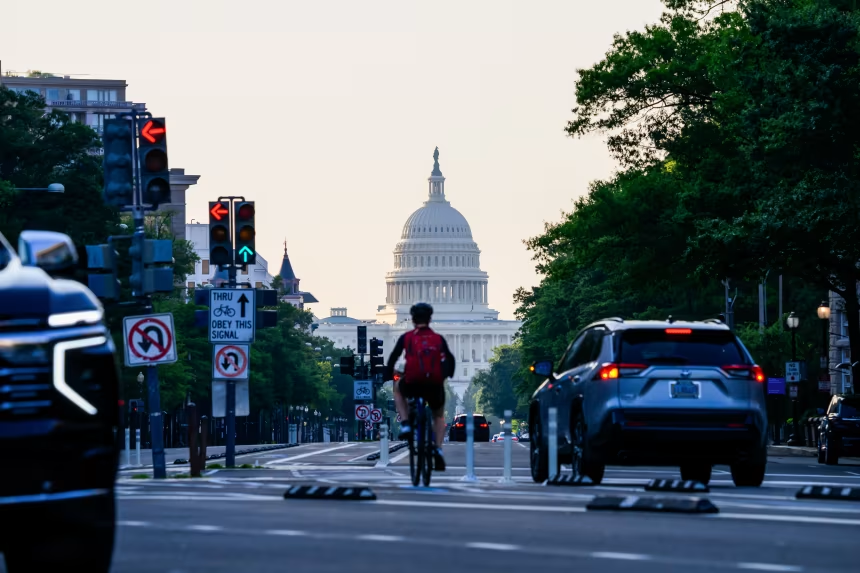
Trump reignites threat to take over DC after former DOGE worker assaulted in attempted carjacking
Entities mentioned:
- Donald Trump: Power, Control, Influence
- Edward Coristine: Self-preservation, Security, Fear
- DC Police Department: Duty, Security, Professional pride
- Elon Musk: Influence, Recognition, Ambition
- Muriel Bowser: Self-preservation, Duty, Security
- Jeanine Pirro: Loyalty, Influence, Justice
- Christina Henderson: Duty, Justice, Righteousness
Article Assessment:
Credibility Score: 70/100
Bias Rating: 55/100 (Center)
Sentiment Score: 30/100
Authoritarianism Risk: 65/100 (Authoritarian Tendencies)
Bias Analysis:
The article presents multiple viewpoints, including Trump's statements, local officials' responses, and conflicting crime statistics. However, there's slightly more emphasis on Trump's perspective and actions, potentially skewing the overall narrative.
Key metric: Crime Rate
As a social scientist, I analyze that this article highlights the complex interplay between federal and local governance in Washington, DC. Trump's threats to federalize the city's administration in response to a high-profile crime incident demonstrate a potential shift in federal-local relations. This could significantly impact the crime rate metric, as increased federal intervention might lead to stricter law enforcement but could also create tensions with local authorities and communities. The conflicting crime statistics presented (Trump's claims vs. official DC Police data) underscore the importance of data interpretation in shaping public policy and perception. The situation also reveals the delicate balance local leaders like Mayor Bowser must maintain between addressing crime concerns and preserving local autonomy, especially under pressure from federal authorities.