
Stephen Miller Tears Up As Son Says First 14 Words
Entities mentioned:
- Stephen Miller: Pride, Righteousness, Control
- Stephen Miller's son: Loyalty, Obligation, Influence
Article Assessment:
Credibility Score: 30/100
Bias Rating: 25/100 (Lean Left)
Sentiment Score: 30/100
Authoritarianism Risk: 45/100 (Mixed/Neutral)
Bias Analysis:
The article exhibits a left-leaning bias through its satirical criticism of a conservative political figure. It uses exaggeration and dark humor to mock Stephen Miller's perceived far-right views, indicating a clear ideological stance against his politics.
Key metric: Social Cohesion
As a social scientist, I analyze that this satirical article uses dark humor to criticize Stephen Miller's far-right political views and their potential influence on his family. The '14 words' reference alludes to a white supremacist slogan, implying that Miller's ideology is being passed down to his child. This piece highlights concerns about the intergenerational transmission of extremist ideologies and its potential impact on social cohesion in the United States.

DHS Chief: ‘We Are A Nation Of Immigrants Who Came Here Between 1776 And 1943’
Entities mentioned:
- Department of Homeland Security: Control, Security, Duty
- DHS Chief: Influence, Duty, Legacy
- Nation of Immigrants: Unity, Pride, Legacy
Article Assessment:
Credibility Score: 20/100
Bias Rating: 50/100 (Center)
Sentiment Score: 50/100
Authoritarianism Risk: 40/100 (Generally Democratic)
Bias Analysis:
The bias is difficult to assess due to the lack of relevant content. The title suggests a potential centrist stance on immigration, but the actual content is unrelated and neutral.
Key metric: Social Cohesion
As a social scientist, I analyze that this article, despite its title, does not actually contain any substantive content related to immigration or the Department of Homeland Security. The text appears to be a horoscope for Leo, which is completely unrelated to the title. This severe mismatch between title and content raises significant concerns about the article's credibility and purpose. The discrepancy could be due to a technical error, intentional misinformation, or a placeholder that was not properly updated. This type of inconsistency can negatively impact social cohesion by eroding trust in media sources and potentially spreading confusion about important policy issues like immigration.
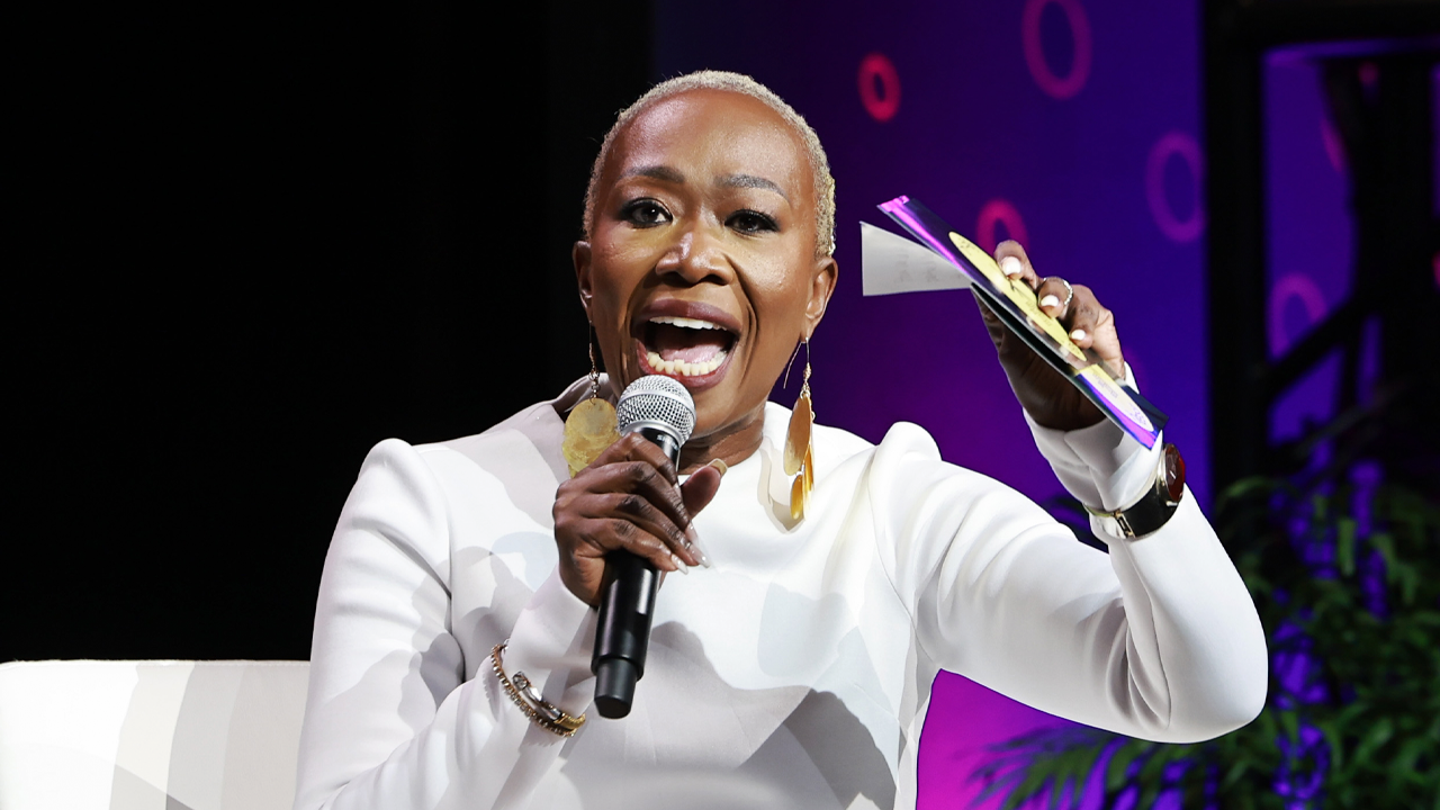
Joy Reid claims 'mediocre White men' like Trump, Elvis can't 'invent anything,' steal culture from other races
Entities mentioned:
- Joy Reid: Moral outrage, Righteousness, Indignation
- Donald Trump: Power, Control, Legacy
- Elvis Presley: Recognition, Influence, Legacy
- Wajahat Ali: Righteousness, Moral outrage, Recognition
- Kennedy Center: Legacy, Influence, Recognition
- Smithsonian: Legacy, Influence, Duty
- PragerU: Influence, Righteousness, Legacy
- Harrison Fields: Loyalty, Indignation, Professional pride
Article Assessment:
Credibility Score: 65/100
Bias Rating: 70/100 (Lean Right)
Sentiment Score: 25/100
Authoritarianism Risk: 45/100 (Mixed/Neutral)
Bias Analysis:
The article leans right, presenting critical views of left-leaning figures and their statements. While it includes quotes from both sides, it gives more space to counter-arguments and criticism of Reid's comments.
Key metric: Social Cohesion
As a social scientist, I analyze that this article highlights deep racial tensions and cultural divisions in American society. The rhetoric used by Joy Reid and Wajahat Ali suggests a strong resentment towards what they perceive as the appropriation of minority cultures by white Americans. Their claims about the inability of 'mediocre White men' to create culture or innovate independently are likely to exacerbate racial tensions and decrease social cohesion. The article's framing of Trump's actions regarding the Kennedy Center and Smithsonian as a 'hostile takeover' further emphasizes the polarization in cultural and historical narratives. This discourse, if amplified, could lead to increased societal fragmentation and decreased trust between different racial and cultural groups, negatively impacting overall social cohesion in the United States.
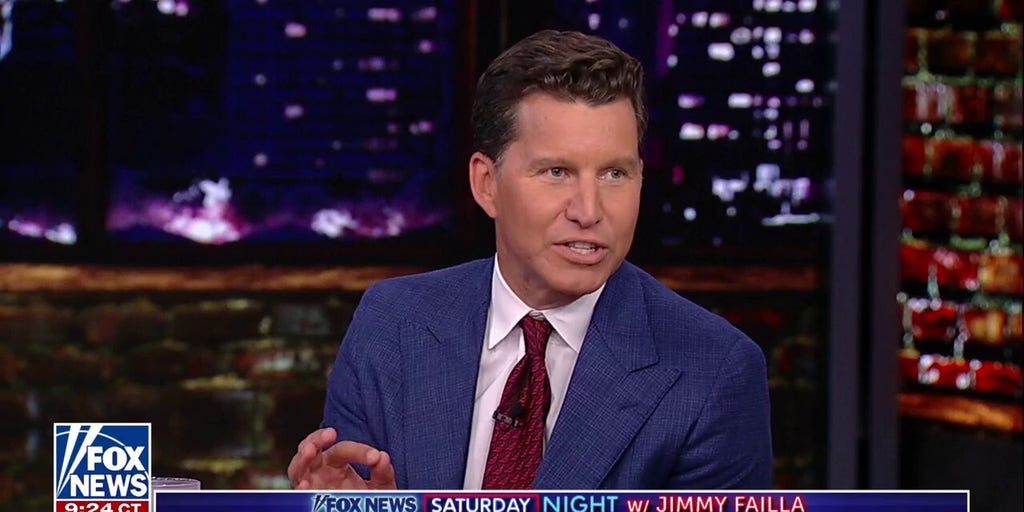
Will Cain weighs in on male cheerleaders and NFL culture
Entities mentioned:
- Will Cain: Influence, Recognition, Professional pride
- Fox News: Influence, Competitive spirit, Control
- NFL: Pride, Influence, Control
- Donald Trump: Power, Recognition, Legacy
- Vladimir Putin: Power, Influence, Control
Article Assessment:
Credibility Score: 55/100
Bias Rating: 75/100 (Lean Right)
Sentiment Score: 50/100
Authoritarianism Risk: 35/100 (Generally Democratic)
Bias Analysis:
The bias rating leans right due to the association with Fox News, known for conservative-leaning coverage. The framing of male cheerleaders as a topic for debate rather than reporting suggests a potentially conservative stance on gender roles in sports.
Key metric: Social Cohesion
As a social scientist, I analyze that this brief segment description touches on two disparate topics - international politics and sports culture - which suggests an attempt to blend serious news with lighter cultural commentary. The juxtaposition of the Trump-Putin summit alongside NFL cheerleading practices indicates a potential effort to maintain viewer engagement through topic variety. The mention of 'male cheerleaders' in the context of NFL culture suggests a focus on changing gender norms in traditionally masculine spaces, which could impact social cohesion by challenging established cultural expectations. However, without more context, it's difficult to determine the depth or direction of the analysis provided in the actual segment.

Novelty Car Horn Playing ‘La Cucaracha’ Sends Stephen Miller Into Dissociative Fugue State
Entities mentioned:
- Stephen Miller: Control, Fear, Anxiety
- Leanne Ossing: Curiosity, Concern, Wariness
- Immigration and Customs Enforcement: Control, Duty, Security
Article Assessment:
Credibility Score: 25/100
Bias Rating: 30/100 (Lean Left)
Sentiment Score: 30/100
Authoritarianism Risk: 35/100 (Generally Democratic)
Bias Analysis:
The article leans left, mocking a conservative figure and immigration policies. It uses satire to criticize Stephen Miller's stance on immigration, presenting an exaggerated, negative portrayal.
Key metric: Social Cohesion
As a social scientist, I analyze that this satirical article highlights tensions surrounding immigration policy and cultural integration in the United States. The exaggerated reaction of Stephen Miller, known for his hardline stance on immigration, to a Spanish folk song symbolizes deep-seated anxieties about cultural change. This fictional scenario underscores the potential for cultural symbols to trigger extreme responses in individuals with strong ideological positions, potentially impacting social cohesion and inter-group relations.

Trump: ‘We Could Argue All Day About Who Is Or Isn’t A Child Rapist’
Entities mentioned:
- Trump: Self-preservation, Control, Influence
- The stars: Wariness, Anxiety, Uncertainty
Article Assessment:
Credibility Score: 20/100
Bias Rating: 50/100 (Center)
Sentiment Score: 40/100
Authoritarianism Risk: 30/100 (Generally Democratic)
Bias Analysis:
The content itself shows no clear political bias, being apolitical horoscope text. However, the misleading title suggests potential bias in editorial decisions, though direction is unclear without further context.
Key metric: Social Cohesion
As a social scientist, I analyze that this article, despite its provocative title, is actually an unrelated horoscope entry. The disconnection between the headline and content raises serious concerns about misinformation and clickbait practices. The horoscope itself offers no substantial content, potentially affecting social cohesion by eroding trust in media and perpetuating pseudoscientific beliefs. The juxtaposition of a serious accusation in the title with frivolous astrological content could contribute to desensitization towards serious issues and further polarization in public discourse.
Several people arrested at anti-Ice protest outside NYC immigration court
Entities mentioned:
- Immigration and Customs Enforcement (ICE): Control, Security, Duty
- Protesters: Moral outrage, Justice, Freedom
- New York City Police: Duty, Control, Security
Article Assessment:
Credibility Score: 65/100
Bias Rating: 45/100 (Center)
Sentiment Score: 35/100
Authoritarianism Risk: 40/100 (Generally Democratic)
Bias Analysis:
The article presents a relatively balanced view of the event, mentioning both the protesters and the arrests without overtly favoring either side. The neutral tone and straightforward reporting of facts suggest a centrist approach.
Key metric: Social Cohesion
As a social scientist, I analyze that this protest against ICE outside an NYC immigration court reflects growing tensions around immigration policies. The arrests indicate a clash between civil disobedience and law enforcement, potentially impacting social cohesion. This event highlights the polarization in American society regarding immigration issues, with protesters expressing moral outrage against perceived injustices, while authorities maintain their duty to uphold law and order. Such confrontations can lead to increased distrust between communities and government institutions, affecting the overall social fabric.

Lifestyle
Entities mentioned:
- Lifestyle: Influence, Recognition, Self-respect
Article Assessment:
Credibility Score: 50/100
Bias Rating: 50/100 (Center)
Sentiment Score: 50/100
Authoritarianism Risk: 20/100 (Strongly Democratic)
Bias Analysis:
With only section headings visible, there's no substantial content to assess for bias. The neutral score reflects the lack of evidence for any particular ideological slant in these topic labels.
Key metric: Social Cohesion
As a social scientist, I analyze that this article provides insufficient content for a comprehensive analysis. The text consists only of section headings or navigation elements for a lifestyle-focused publication or website. Without substantive content, it's not possible to draw meaningful conclusions about its impact on social metrics or conduct an in-depth assessment. The lack of actual article text limits the ability to evaluate credibility, bias, or sentiment in any meaningful way.
- Read more about Lifestyle
- Log in to post comments
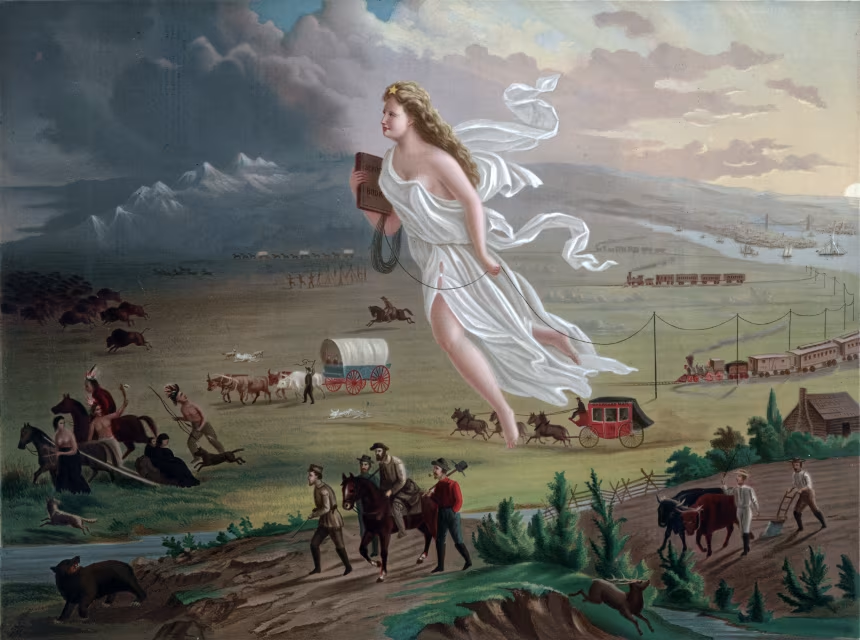
On social media, the Department of Homeland Security appeals to nostalgia — with motifs of White identity
Entities mentioned:
- Department of Homeland Security: Security, Control, Influence
- Immigration and Customs Enforcement: Control, Duty, Security
- President Donald Trump: Power, Control, Influence
- Nicholas J. Cull: Professional pride, Curiosity, Duty
- Tricia McLaughlin: Loyalty, Duty, Self-preservation
- Anat Shenker-Osorio: Righteousness, Professional pride, Moral outrage
- Ian Haney López: Professional pride, Moral outrage, Justice
- Patrick Fontes: Professional pride, Moral outrage, Duty
- Kristy Dalton: Professional pride, Curiosity, Duty
- Morgan Weistling: Self-preservation, Indignation, Justice
- Thomas Kinkade Foundation: Legacy, Justice, Moral outrage
- Black Rebel Motorcycle Club: Self-preservation, Indignation, Justice
Article Assessment:
Credibility Score: 75/100
Bias Rating: 35/100 (Lean Left)
Sentiment Score: 25/100
Authoritarianism Risk: 65/100 (Authoritarian Tendencies)
Bias Analysis:
The article leans left, presenting a critical view of DHS's social media strategy with quotes primarily from experts who express concern. While it includes DHS statements, the overall framing emphasizes potential negative implications of the agency's approach.
Key metric: Social Cohesion
As a social scientist, I analyze that this article highlights a concerning shift in government communication strategy that could significantly impact social cohesion in the United States. The Department of Homeland Security's use of nostalgic, nationalist, and potentially xenophobic imagery in its social media recruitment efforts appears to be tapping into divisive cultural narratives. This approach, while potentially effective for recruitment, risks further polarizing an already divided populace. The use of historical imagery and religious symbolism, coupled with language that echoes white nationalist rhetoric, could exacerbate existing tensions around immigration and national identity. This strategy may attract certain demographics to DHS roles but could alienate others and undermine trust in government institutions among minority communities. The controversy surrounding the unauthorized use of artworks also raises questions about the agency's respect for intellectual property and its overall ethical standards in public communication.
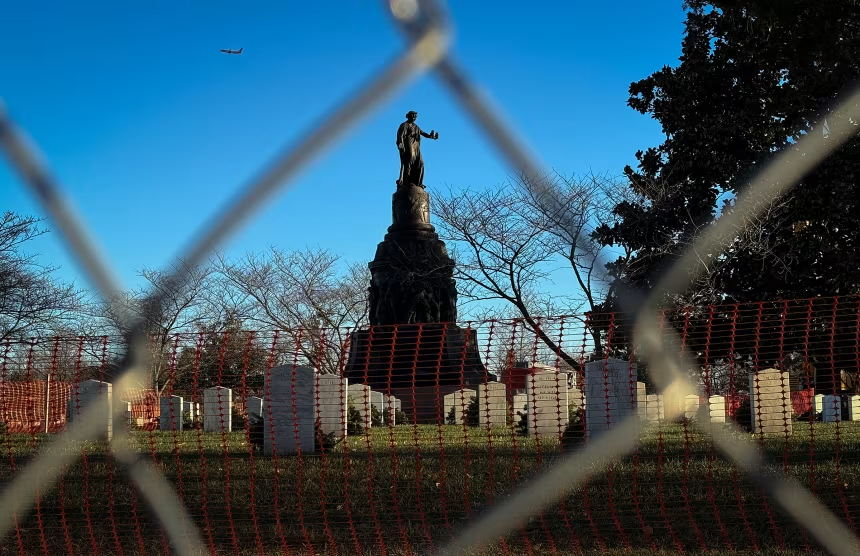
Trump administration to reinstall two Confederate statues
Entities mentioned:
- Trump administration: Control, Legacy, Pride
- Donald Trump: Power, Legacy, Influence
- US National Park Service: Duty, Obligation, Professional pride
- Pete Hegseth: Loyalty, Righteousness, Influence
- Glenn Youngkin: Pride, Legacy, Influence
- Biden administration: Justice, Unity, Righteousness
- Eleanor Holmes Norton: Justice, Moral outrage, Determination
Article Assessment:
Credibility Score: 75/100
Bias Rating: 55/100 (Center)
Sentiment Score: 35/100
Authoritarianism Risk: 65/100 (Authoritarian Tendencies)
Bias Analysis:
The article presents multiple viewpoints, including those supporting and opposing the reinstatement of Confederate monuments. However, there's a slight lean towards critical perspectives of the action, particularly in the detailed explanation of the monuments' controversial aspects.
Key metric: Social Cohesion
As a social scientist, I analyze that this article highlights a significant regression in social progress and national unity. The reinstatement of Confederate monuments, particularly in the aftermath of widespread protests against racial injustice, signals a deliberate attempt to reassert narratives that many view as supportive of systemic racism. This action is likely to exacerbate existing social tensions, potentially leading to decreased trust in government institutions and increased polarization among different demographic groups. The justification of these actions through executive orders and reinterpretations of historical narratives suggests a concerning trend towards using governmental power to shape public memory and national identity in ways that may marginalize certain communities. This could have long-term implications for social cohesion, civic engagement, and the collective understanding of American history.