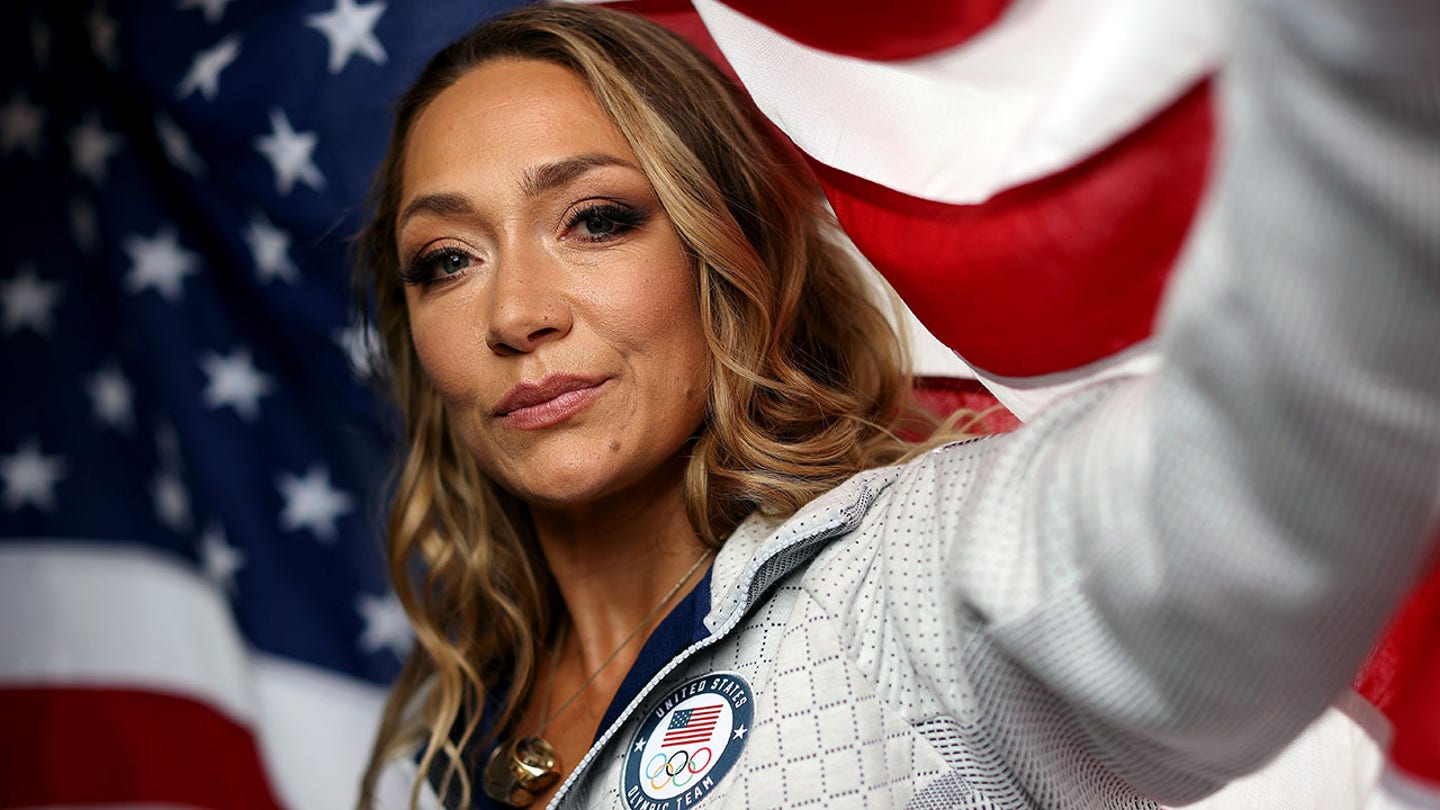
IOC responds to USOPC letter on Katie Uhlaender's petition for Olympic spot after Team Canada controversy
Entities mentioned:
- International Olympic Committee (IOC): Control, Influence, Professional pride
- United States Olympic and Paralympic Committee (USOPC): Loyalty, Justice, Competitive spirit
- Katie Uhlaender: Determination, Justice, Competitive spirit
- Team Canada: Competitive spirit, Strategy, Self-preservation
- International Bobsled and Skeleton Federation (IBSF): Control, Professional pride, Obligation
- JD Vance: Duty, Influence, Recognition
Article Assessment:
Credibility Score: 75/100
Bias Rating: 45/100 (Center)
Sentiment Score: 35/100
Authoritarianism Risk: 25/100 (Generally Democratic)
Bias Analysis:
The article presents multiple viewpoints, including IOC, USOPC, and athlete perspectives. While it gives more space to Uhlaender's position, it also includes Team Canada's rationale, maintaining a relatively balanced approach.
Key metric: Olympic Qualification Integrity
Let me tell you something, folks - this is a CLASSIC case of fourth-quarter strategy gone wrong! Team Canada's last-minute roster shuffle has completely blindsided veteran player Katie Uhlaender, knocking her out of Olympic contention faster than a knockout punch. The IOC, acting like a hesitant referee, is refusing to make the tough call and overturn this controversial play. Meanwhile, the USOPC is stepping up to the plate, going to bat for their star athlete with a Hail Mary petition. This is the kind of high-stakes drama that separates the champions from the also-rans, and I'm telling you right now, the integrity of the whole Olympic qualification game is on the line! Will Vice President Vance swoop in like a clutch player off the bench to save the day? The clock is ticking, and this nail-biter is going right down to the wire!

Winter Olympics skeleton controversy rolls on as US athlete looks to JD Vance for help
Entities mentioned:
- Katie Uhlaender: Justice, Determination, Professional pride
- Bobsleigh Canada Skeleton: Self-preservation, Competitive spirit, Control
- International Bobsleigh and Skeleton Federation (IBSF): Control, Self-preservation, Power
- United States Olympic and Paralympic Committee (USOPC): Loyalty, Justice, Competitive spirit
- JD Vance: Influence, Duty, Competitive spirit
Article Assessment:
Credibility Score: 75/100
Bias Rating: 45/100 (Center)
Sentiment Score: 35/100
Authoritarianism Risk: 25/100 (Generally Democratic)
Bias Analysis:
The article presents multiple perspectives, including Uhlaender's claims and the responses from various organizations. It maintains a balanced approach by including statements from different parties involved in the controversy.
Key metric: Olympic Participation and Integrity
Let me tell you something - this is a GAME-CHANGING play in the world of Olympic skeleton! Katie Uhlaender is stepping up to the plate like a true champion, fighting against what she sees as unsportsmanlike conduct by Team Canada. This isn't just about one athlete's shot at the Olympics, folks - it's about the very integrity of the sport! We're seeing a real David vs Goliath matchup here, with Uhlaender taking on the big leagues of the IBSF. But she's not alone in this fight - she's got a whole team of nations rallying behind her like it's the fourth quarter of the Super Bowl! The USOPC is coming in with a Hail Mary pass to the IOC, hoping to secure that wild card spot. And now, in a stunning twist, JD Vance might be suiting up to take this battle all the way to the Olympic committee! This is the kind of high-stakes, down-to-the-wire drama that defines the Olympic spirit, and I'm telling you right now, we're watching history in the making!
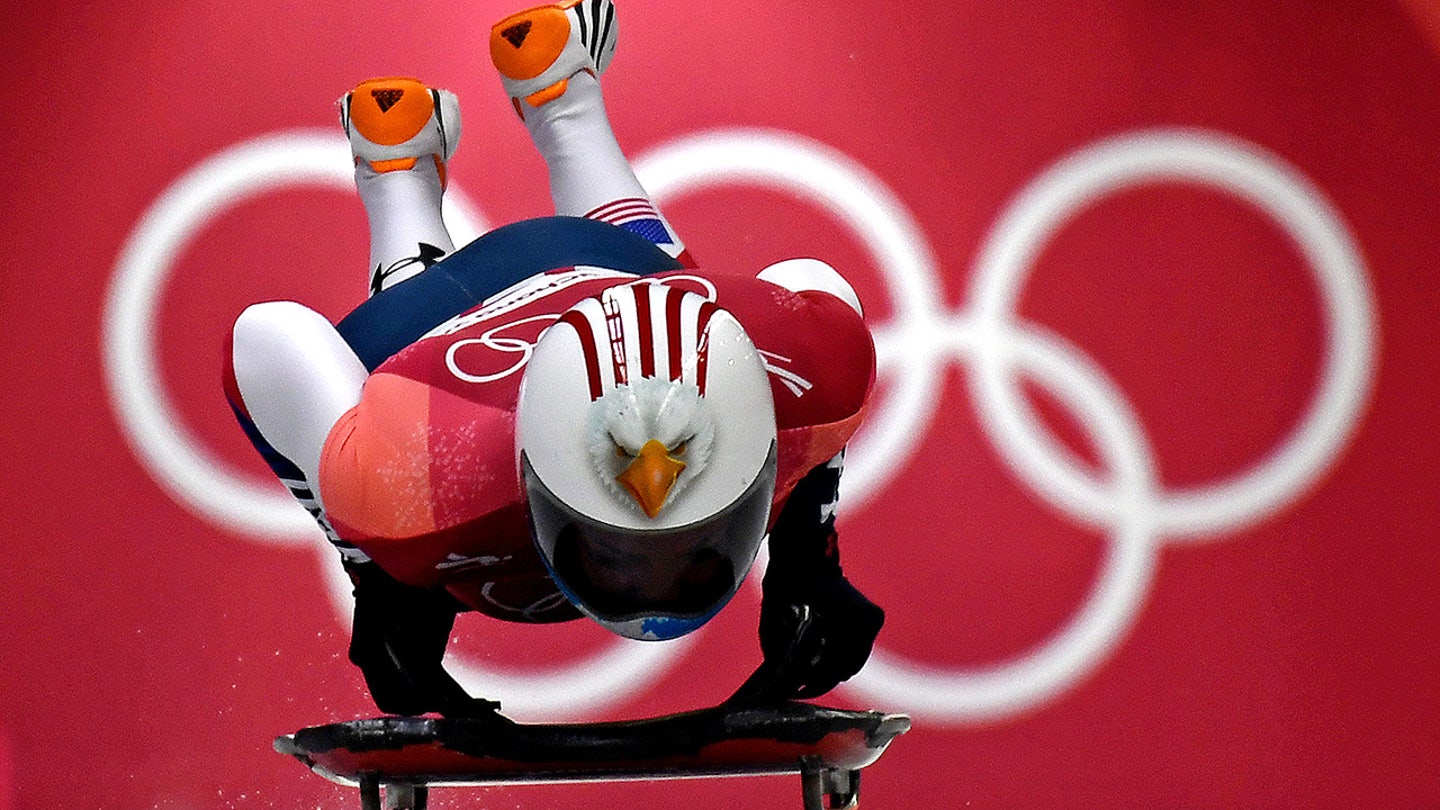
US Olympian speaks out after Team Canada withdrawal prevents her from qualifying for Milan-Cortina
Entities mentioned:
- Katie Uhlaender: Competitive spirit, Justice, Determination
- Team Canada: Competitive spirit, Professional pride, Self-preservation
- USOPC: Loyalty, Justice, Duty
- IBSF: Control, Professional pride, Obligation
- JD Vance: Duty, Influence, Recognition
Article Assessment:
Credibility Score: 75/100
Bias Rating: 55/100 (Center)
Sentiment Score: 35/100
Authoritarianism Risk: 25/100 (Generally Democratic)
Bias Analysis:
The article presents multiple viewpoints, including Uhlaender's perspective and Team Canada's explanation. However, it gives more space to Uhlaender's side, slightly tipping the balance while maintaining overall neutrality.
Key metric: Olympic Athlete Representation
Let me tell you something - this story is RIDICULOUS! We're seeing a fourth-quarter play that's changing the entire game! Katie Uhlaender, a veteran player with five Olympic appearances under her belt, was on the verge of making the championship team for a sixth time. But folks, Team Canada pulled a shocking defensive maneuver, withdrawing their athletes and shrinking the playing field! This isn't just a foul, it's a game-changer that's left Uhlaender and other athletes out in the cold! But Uhlaender isn't throwing in the towel - she's showing true championship mentality, rallying international support like a team captain inspiring her squad before the big game. The USOPC is stepping up to the plate, going to bat for their star player with a clutch letter to the IOC. This is the kind of team spirit that wins gold medals! Now, all eyes are on Vice President JD Vance as he heads into the diplomatic arena - will he score the game-winning point for Uhlaender? I'm telling you right now, this Olympic qualification battle is going into overtime, and it's anyone's game!

Trump sends big message in US-Canada ice hockey rivalry with delegation selections for Milan-Cortina Games
Entities mentioned:
- Donald Trump: Power, Competitive spirit, Pride
- JD Vance: Ambition, Loyalty, Recognition
- Marco Rubio: Duty, Influence, Professional pride
- U.S. Women's Ice Hockey Team: Competitive spirit, Pride, Determination
- Canadian Women's Ice Hockey Team: Competitive spirit, Pride, Revenge
- International Olympic Committee: Unity, Obligation, Professional pride
Article Assessment:
Credibility Score: 65/100
Bias Rating: 65/100 (Lean Right)
Sentiment Score: 30/100
Authoritarianism Risk: 55/100 (Mixed/Neutral)
Bias Analysis:
The article leans right, focusing heavily on Trump's actions and quoting U.S. athletes' aggressive stance. It provides less balanced coverage of Canadian perspectives or critique of the confrontational approach.
Key metric: U.S. International Sports Diplomacy
Let me tell you something, folks - this is a GAME-CHANGING play by Team Trump! The President is stepping up to the plate with a powerhouse delegation that's sending shockwaves through the international sports arena. By putting gold-medal ice hockey players on his roster, Trump's showing he's ready to go gloves-off in this high-stakes match against Canada. This isn't just about sports, it's about geopolitical power plays! The U.S. is hitting the ice with a championship mentality, ready to body-check any opposition. But watch out - this rivalry is heating up faster than a fourth-quarter comeback. With talks of potential fights on the ice, we're seeing a whole new level of intensity in this Olympic face-off. The IOC is trying to play referee, but make no mistake - this is turning into a no-holds-barred showdown that could redefine the entire game of international relations!

Trump awarded first-ever FIFA Peace Prize at World Cup final draw
Entities mentioned:
- Donald Trump: Recognition, Pride, Influence
- FIFA: Influence, Legacy, Unity
- Gianni Infantino: Influence, Recognition, Unity
- JD Vance: Ambition, Duty, Influence
- Rudy Giuliani's son: Ambition, Recognition, Professional pride
Article Assessment:
Credibility Score: 65/100
Bias Rating: 70/100 (Lean Right)
Sentiment Score: 75/100
Authoritarianism Risk: 55/100 (Mixed/Neutral)
Bias Analysis:
The article leans right, focusing heavily on Trump's achievements and positive framing. It lacks critical analysis or opposing viewpoints, presenting the award uncritically.
Key metric: International Relations Score
Let me tell you something - this story is RIDICULOUS! We're seeing a MAJOR PLAY in the international relations arena, folks! Trump is stepping up to the plate and hitting a grand slam with this FIFA Peace Prize. It's like he's just won the World Cup of diplomacy! The US is flexing its muscles as the captain of this North American team hosting the 2026 World Cup. Trump's on offense, showcasing his MVP status on the global stage. But hold onto your cleats, because this is more than just a trophy - it's a power play that could change the whole game of international politics. Trump's not just playing, he's DOMINATING the field with this move. I'm telling you right now, this is championship-level strategy that's going to have other world leaders scrambling to keep up!

JD Vance warns NFL referees against Chiefs favoritism after Travis Kelce-Taylor Swift engagement
Entities mentioned:
- JD Vance: Wariness, Competitive spirit, Duty
- NFL: Professional pride, Integrity, Control
- Travis Kelce: Recognition, Ambition, Love
- Taylor Swift: Recognition, Influence, Love
- Roger Goodell: Professional pride, Control, Integrity
- Scott Green: Professional pride, Integrity, Indignation
Article Assessment:
Credibility Score: 75/100
Bias Rating: 55/100 (Center)
Sentiment Score: 45/100
Authoritarianism Risk: 30/100 (Generally Democratic)
Bias Analysis:
The article presents multiple perspectives, including those of JD Vance, NFL officials, and the league commissioner. While it leans slightly towards highlighting concerns about favoritism, it also includes rebuttals and context, maintaining a relatively balanced approach.
Key metric: Public Trust in Sports Integrity
As a social scientist, I analyze that this article highlights the intersection of celebrity culture, sports, and politics, potentially impacting public trust in sports integrity. The engagement of a high-profile NFL player to a global pop star has raised concerns about potential favoritism in officiating, even drawing comments from a political figure. This situation underscores the complex relationships between entertainment, sports, and governance in American society. The NFL's integrity is being questioned, which could affect fan engagement and the perceived fairness of the sport. The involvement of a politician in this matter also reflects the broader trend of politics intersecting with popular culture and sports, potentially influencing public opinion on seemingly unrelated issues.

Trump’s DC takeover produces moderate drop in crime — and huge spike in immigration arrests
Entities mentioned:
- Donald Trump: Power, Control, Influence
- Metropolitan Police Department: Duty, Professional pride, Security
- ICE (Immigration and Customs Enforcement): Duty, Control, Righteousness
- Muriel Bowser: Loyalty, Justice, Self-preservation
- Abigail Jackson: Loyalty, Duty, Righteousness
- Pam Bondi: Duty, Loyalty, Control
- JD Vance: Loyalty, Influence, Power
Article Assessment:
Credibility Score: 75/100
Bias Rating: 45/100 (Center)
Sentiment Score: 35/100
Authoritarianism Risk: 65/100 (Authoritarian Tendencies)
Bias Analysis:
The article presents multiple viewpoints and cites various data sources, indicating an attempt at balanced reporting. However, there is slightly more emphasis on critical perspectives of the federal intervention, which may suggest a slight lean towards skepticism of the Trump administration's actions.
Key metric: Crime Rate
As a social scientist, I analyze that the federal takeover of Washington D.C.'s police force has resulted in a complex situation with mixed outcomes. While there has been a moderate decrease in overall crime rates, particularly in property crimes and some violent crimes, there has been a significant increase in immigration arrests. This suggests that the federal intervention may be prioritizing immigration enforcement over other types of crime prevention. The stark contrast between the modest crime reduction and the tenfold increase in immigration arrests indicates a shift in law enforcement priorities that may not align with local community needs or preferences. The article also highlights tensions between federal and local authorities, as well as concerns about potential data manipulation and the long-term implications of this federal intervention on local governance and community relations. The public's opposition to the takeover, as indicated by the poll, suggests a disconnect between federal actions and local sentiments, which could lead to decreased trust in law enforcement and potential social unrest.
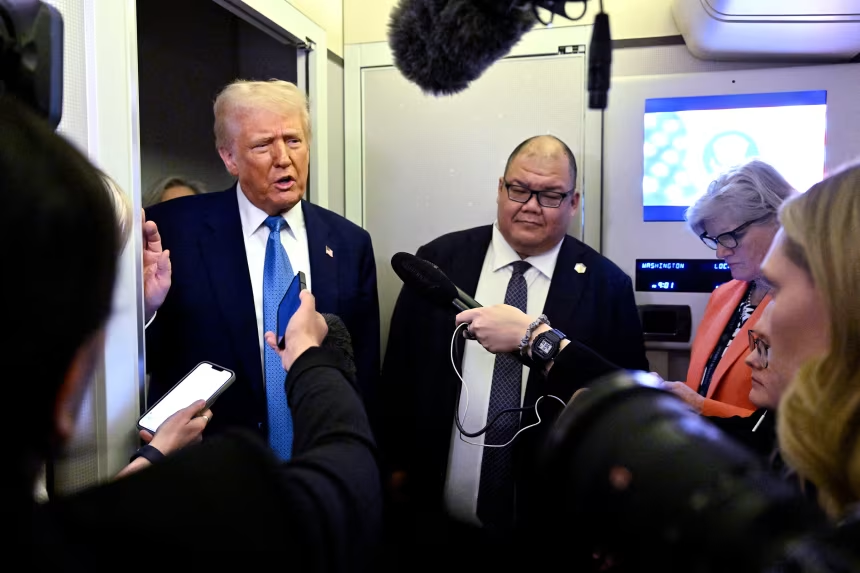
‘Clever and a little bit offensive’: Inside the White House’s norm-breaking social media strategy
Entities mentioned:
- Donald Trump: Power, Influence, Recognition
- White House: Influence, Control, Recognition
- Alex Bruesewitz: Loyalty, Professional pride, Influence
- JD Vance: Ambition, Recognition, Influence
- Gavin Newsom: Ambition, Competitive spirit, Influence
- Steven Cheung: Loyalty, Influence, Competitive spirit
- Abigail Jackson: Loyalty, Professional pride, Influence
Article Assessment:
Credibility Score: 75/100
Bias Rating: 55/100 (Center)
Sentiment Score: 50/100
Authoritarianism Risk: 35/100 (Generally Democratic)
Bias Analysis:
The article presents multiple perspectives, including critics and supporters of the new strategy. While it leans slightly towards skepticism of the approach, it provides balanced coverage of its effectiveness and implications.
Key metric: Public Opinion and Voter Engagement
As a social scientist, I analyze that this article highlights a significant shift in White House communication strategy, emphasizing a more informal, meme-driven approach to social media. This change reflects broader trends in political communication, particularly targeting younger demographics and leveraging online engagement. The strategy aims to increase voter engagement and shape public opinion, potentially at the cost of traditional norms of governmental communication. This approach may boost short-term engagement but risks undermining the perceived credibility of official White House communications. The long-term impact on public trust in government institutions and the quality of political discourse remains uncertain.
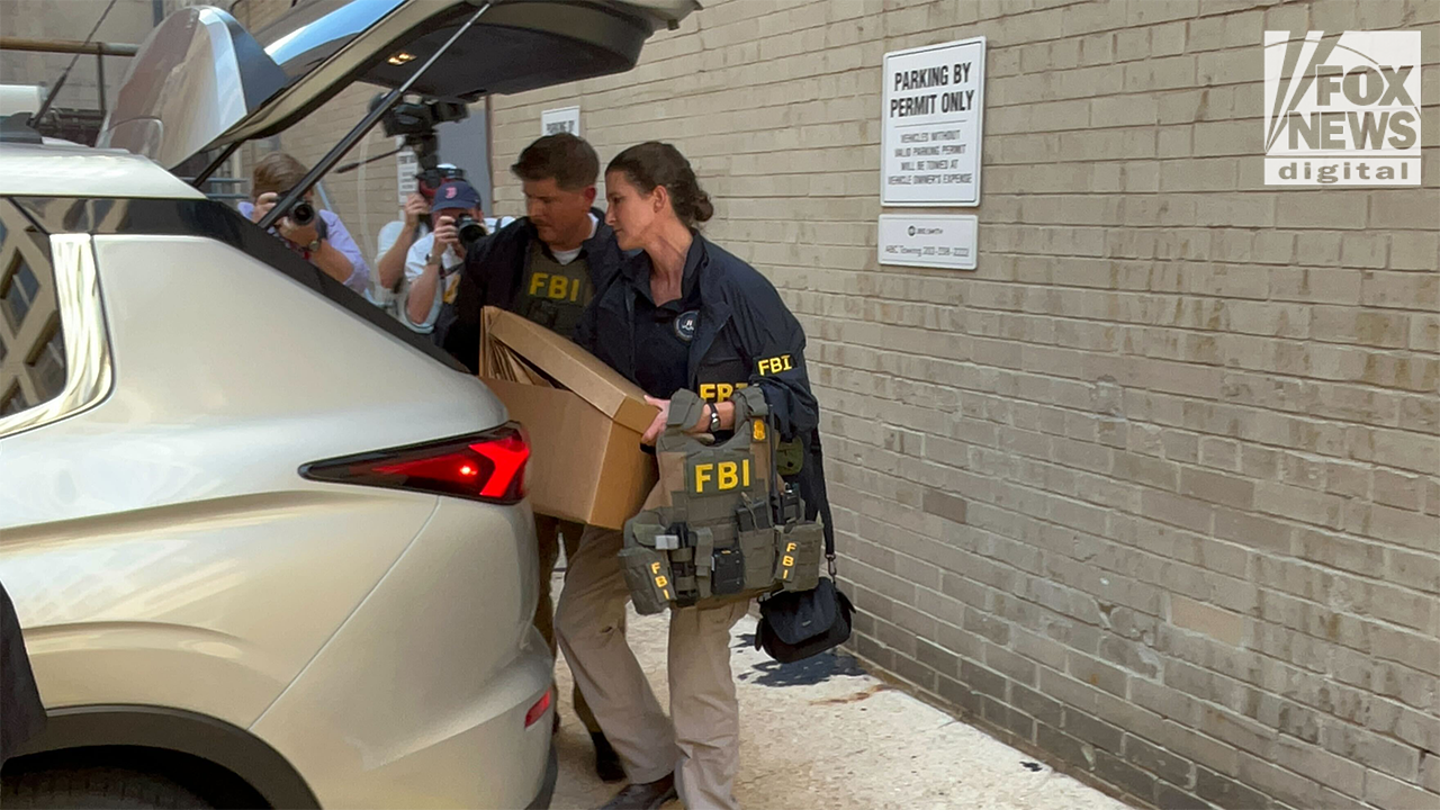
The history of how Trump and Bolton's relationship fell to tatters
Entities mentioned:
- John Bolton: Power, Influence, Self-preservation
- Donald Trump: Power, Control, Revenge
- FBI: Duty, Justice, Security
- Rex Tillerson: Duty, Professional pride
- Mike Pompeo: Loyalty, Influence
- Robert C. O'Brien: Duty, Ambition
- JD Vance: Duty, Loyalty
Article Assessment:
Credibility Score: 75/100
Bias Rating: 55/100 (Center)
Sentiment Score: 30/100
Authoritarianism Risk: 40/100 (Generally Democratic)
Bias Analysis:
The article presents a relatively balanced account of the Trump-Bolton relationship, including quotes from both sides. While it leans slightly towards emphasizing Trump's criticisms of Bolton, it also provides context for their initial positive relationship.
Key metric: Political Stability Index
As a social scientist, I analyze that this article highlights the volatile nature of high-level political relationships in the U.S. government, particularly within the Trump administration. The deterioration of the relationship between Trump and Bolton, culminating in FBI raids on Bolton's properties, demonstrates the potential instability in national security leadership. This can significantly impact the Political Stability Index by showcasing how quickly alliances can shift and how internal conflicts can lead to potential security risks, especially concerning the handling of classified information. The ongoing investigation into Bolton also raises questions about the management of sensitive documents by former officials, which could have implications for national security and governmental transparency.
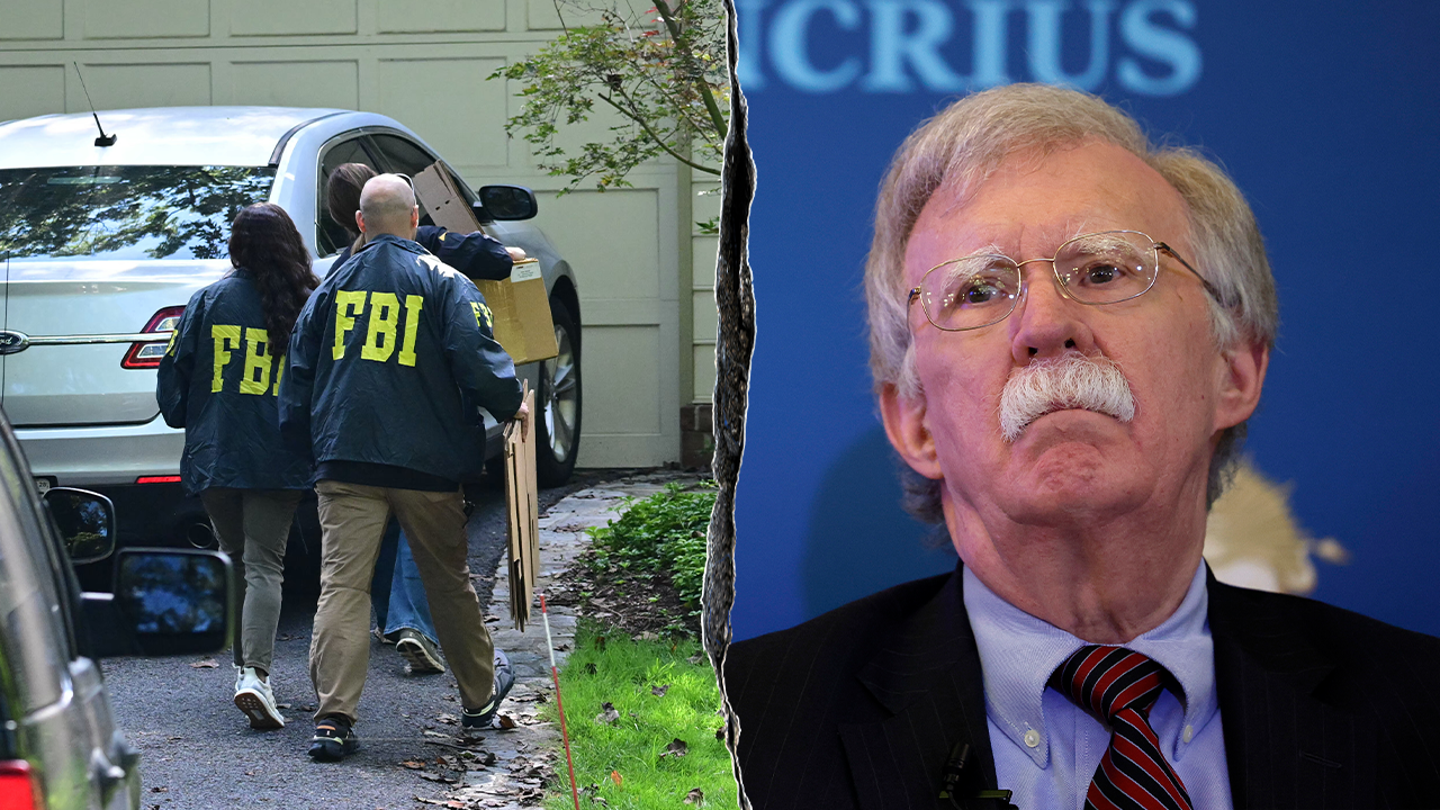
FBI raid of John Bolton's home reportedly linked to classified documents probe
Entities mentioned:
- John Bolton: Self-preservation, Influence, Recognition
- FBI: Justice, Duty, Professional pride
- Donald Trump: Revenge, Power, Control
- Kash Patel: Duty, Loyalty, Professional pride
- Dan Bongino: Justice, Duty, Professional pride
- JD Vance: Loyalty, Duty, Influence
Article Assessment:
Credibility Score: 65/100
Bias Rating: 55/100 (Center)
Sentiment Score: 30/100
Authoritarianism Risk: 45/100 (Mixed/Neutral)
Bias Analysis:
The article presents multiple viewpoints and sources, including both pro-Trump and anti-Trump perspectives. However, there's a slight lean towards emphasizing Trump's negative comments about Bolton, which could be seen as slightly center-right in framing.
Key metric: Government Transparency and Accountability
As a social scientist, I analyze that this article highlights ongoing tensions between political figures and government institutions, particularly concerning the handling of classified information. The raid on John Bolton's properties suggests a continued focus on document security and potential mishandling of sensitive information by former officials. This event may impact public perception of government transparency and accountability, as it demonstrates that even high-ranking former officials are subject to investigation. The involvement of the FBI and the public statements by current administration officials underscore the seriousness of the matter. However, the political context, including Bolton's criticized relationship with Trump, adds complexity to the interpretation of these events. This situation may further polarize public opinion on government institutions and their impartiality in conducting investigations, potentially affecting trust in these institutions.