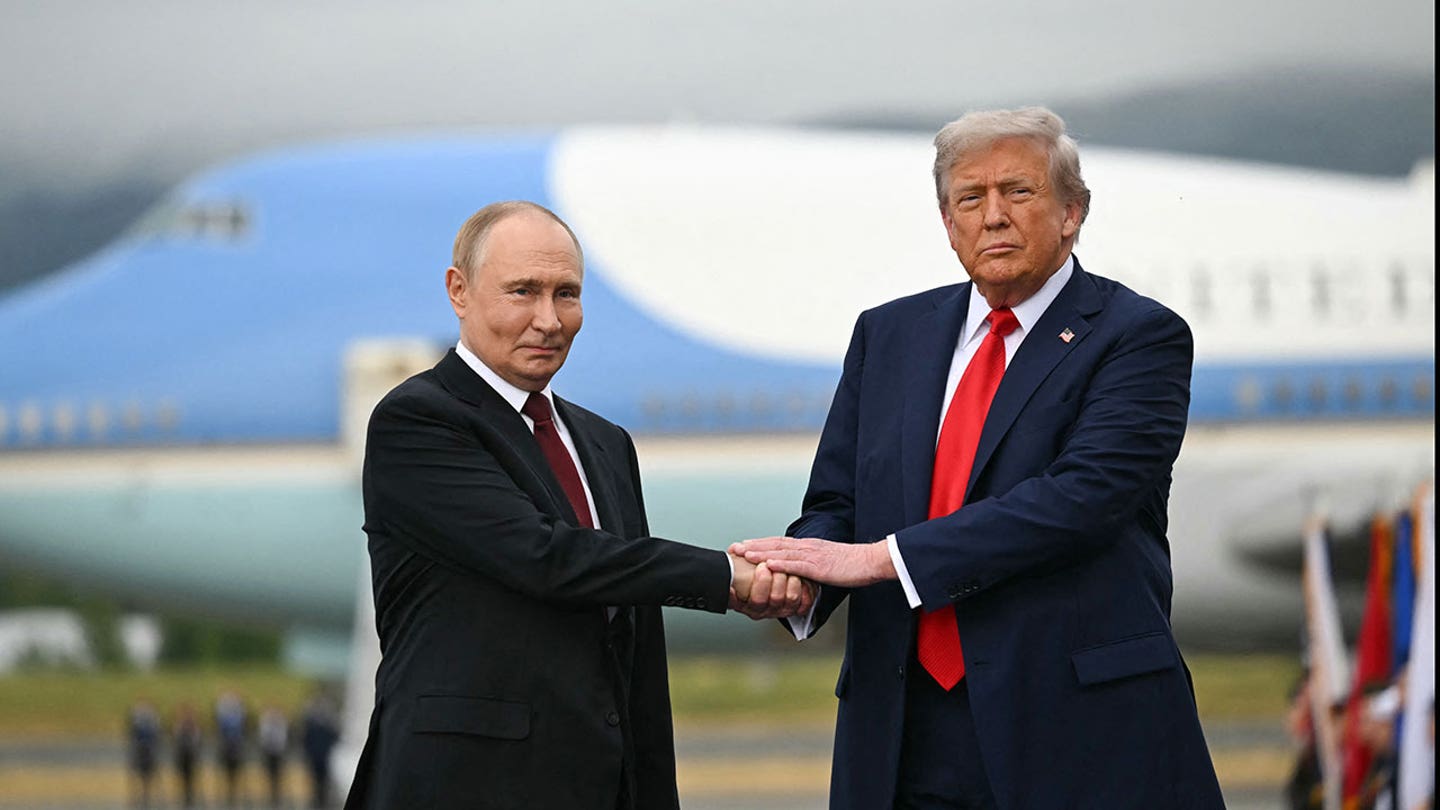
ROBERT MAGINNIS: What comes next for US, Russia and Ukraine after Alaska summit
Entities mentioned:
- Donald Trump: Power, Recognition, Legacy
- Vladimir Putin: Control, Power, Self-preservation
- Volodymyr Zelenskyy: Determination, Justice, Unity
- United States: Influence, Security, Power
- Russia: Control, Power, Self-preservation
- Ukraine: Self-preservation, Freedom, Justice
- NATO: Unity, Security, Influence
- China: Power, Influence, Wariness
Article Assessment:
Credibility Score: 75/100
Bias Rating: 55/100 (Center)
Sentiment Score: 45/100
Authoritarianism Risk: 30/100 (Generally Democratic)
Bias Analysis:
The article presents a balanced view of the summit, offering perspectives from multiple sides. While it leans slightly towards a Western viewpoint, it attempts to provide objective analysis of all parties' motivations and potential outcomes.
Key metric: International Diplomatic Influence
As a social scientist, I analyze that this summit represents a critical juncture in U.S.-Russia relations and the ongoing Ukraine conflict. The meeting, while not producing concrete agreements, establishes a foundation for potential future negotiations. The careful choreography and symbolism of the event underscore its significance in global diplomacy. The article highlights the delicate balance between pursuing peace and maintaining a strong negotiating position, particularly for the U.S. and Ukraine. The emphasis on sanctions as a key leverage point suggests that economic pressure remains a primary tool in international conflict resolution. The involvement of multiple stakeholders, including NATO and European allies, indicates the complex, interconnected nature of this geopolitical situation. The article also points to the broader implications of these negotiations, particularly in terms of global power dynamics and the potential impact on other international actors like China. The analysis provides a nuanced view of the challenges ahead, emphasizing the need for rigorous verification mechanisms and sustained diplomatic efforts.
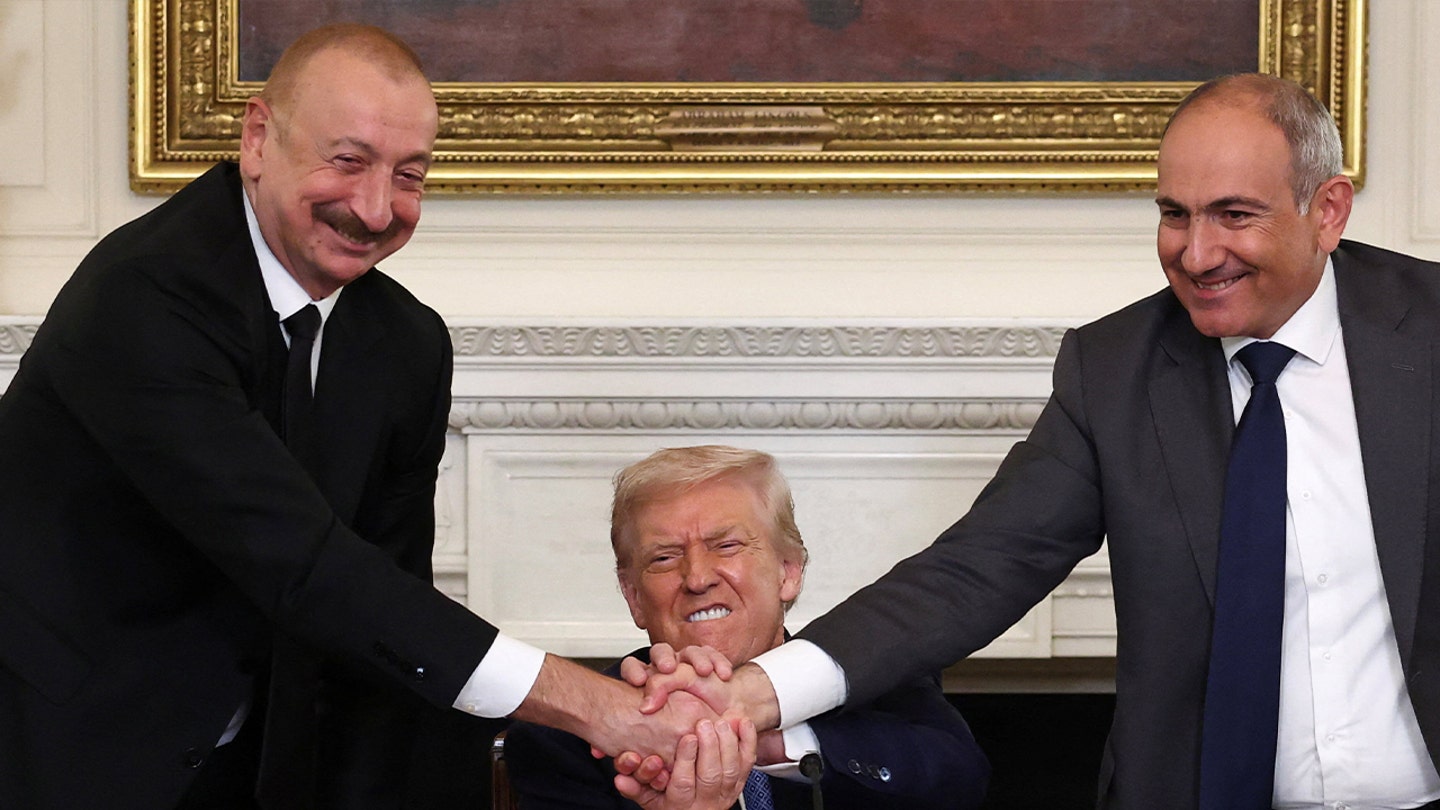
Armenia and Azerbaijan leaders seek to ease Russian and Iranian concerns after US-brokered peace deal
Entities mentioned:
- Nikol Pashinyan: Unity, Security, Legacy
- Ilham Aliyev: Unity, Influence, Legacy
- Donald Trump: Influence, Legacy, Recognition
- Russia: Influence, Control, Wariness
- Iran: Security, Influence, Wariness
- Armenia: Security, Unity, Self-preservation
- Azerbaijan: Unity, Security, Influence
- United States: Influence, Power, Control
- Armenian Apostolic Church: Loyalty, Righteousness, Moral outrage
Article Assessment:
Credibility Score: 75/100
Bias Rating: 55/100 (Center)
Sentiment Score: 60/100
Authoritarianism Risk: 35/100 (Generally Democratic)
Bias Analysis:
The article presents multiple perspectives, including those of Armenia, Azerbaijan, Russia, and Iran, indicating an attempt at balanced reporting. However, there's a slight emphasis on the positive aspects of US involvement, which may suggest a subtle pro-Western lean.
Key metric: US Global Influence Index
As a social scientist, I analyze that this article showcases a significant shift in regional power dynamics in the South Caucasus. The US-brokered peace deal between Armenia and Azerbaijan represents a strategic advancement of American influence in a traditionally Russian-dominated region. This development likely improves the US Global Influence Index by establishing a foothold through the TRIPP project. The deal challenges Russia's and Iran's regional influence, potentially altering geopolitical balances. However, it also risks domestic instability in Armenia and regional tensions with Iran. The agreement's long-term success depends on managing these challenges and maintaining the delicate balance between regional powers.
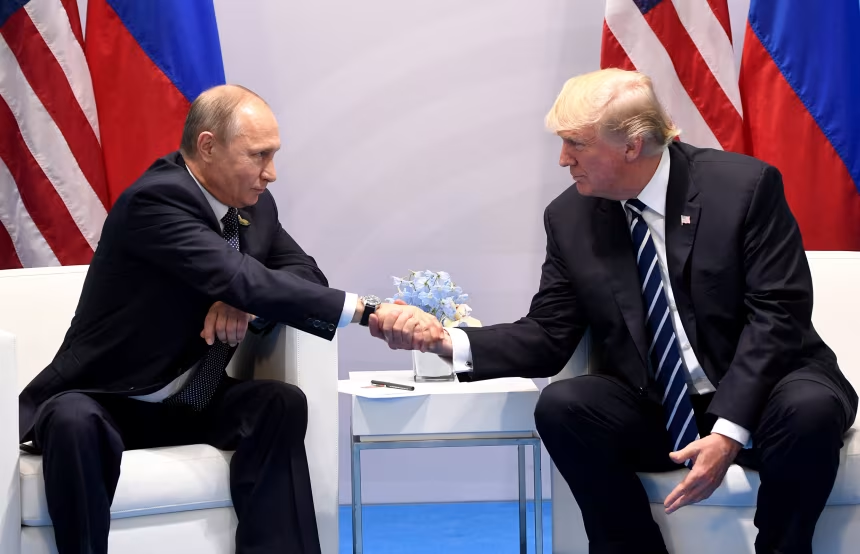
How Trump and Putin’s relationship has evolved since they first met eight years ago
Entities mentioned:
- Donald Trump: Power, Recognition, Influence
- Vladimir Putin: Power, Control, Self-preservation
- United States: Influence, Security, Power
- Russia: Power, Control, Self-preservation
- Ukraine: Self-preservation, Freedom, Security
- White House: Control, Influence, Security
- John Herbst: Professional pride, Duty, Influence
- James Stavridis: Professional pride, Duty, Security
Article Assessment:
Credibility Score: 75/100
Bias Rating: 55/100 (Center)
Sentiment Score: 35/100
Authoritarianism Risk: 45/100 (Mixed/Neutral)
Bias Analysis:
The article presents a relatively balanced view, incorporating various perspectives and historical context. While it includes some critical analysis of Trump's actions, it also presents his viewpoint, maintaining a mostly neutral tone.
Key metric: US-Russia Relations Index
As a social scientist, I analyze that this article highlights the complex and evolving relationship between Donald Trump and Vladimir Putin, as well as the broader US-Russia relations. The article traces the history of their interactions from 2016 to the present, showing how initial optimism has given way to skepticism and tension. The invasion of Ukraine serves as a critical turning point, significantly impacting the US-Russia Relations Index. Trump's changing rhetoric towards Putin, from praise to criticism, reflects the deteriorating diplomatic situation. The article also touches on the lingering effects of the 2016 election interference allegations, which have continually influenced Trump's approach to Russia. This evolving dynamic suggests a potential shift in US foreign policy towards Russia, with implications for global geopolitics and security arrangements.

Trump Gives Russia 10-Day Deadline To End Ukraine
Entities mentioned:
- Donald Trump: Power, Control, Influence
- Vladimir Putin: Power, Control, Influence
- Volodymyr Zelensky: Self-preservation, Duty, Determination
- Russia: Power, Control, Influence
- Ukraine: Self-preservation, Freedom, Unity
Article Assessment:
Credibility Score: 5/100
Bias Rating: 40/100 (Lean Left)
Sentiment Score: 15/100
Authoritarianism Risk: 90/100 (Totalitarian Risk)
Bias Analysis:
The article presents an extreme and unlikely scenario without credible sources, suggesting a satirical or misleading intent. The framing appears to mock Trump's communication style and foreign policy approach, indicating a left-leaning bias.
Key metric: International Relations and Diplomacy
As a social scientist, I analyze that this article, if taken at face value, would represent an extreme shift in US foreign policy towards Russia and Ukraine. The alleged statements by Trump, if true, would indicate a severe disregard for international law, human rights, and diplomatic norms. Such a position would likely cause significant damage to US-Ukraine relations, NATO alliances, and overall global stability. However, the extreme nature of the statements and the lack of corroborating sources raise serious doubts about the article's authenticity and reliability.
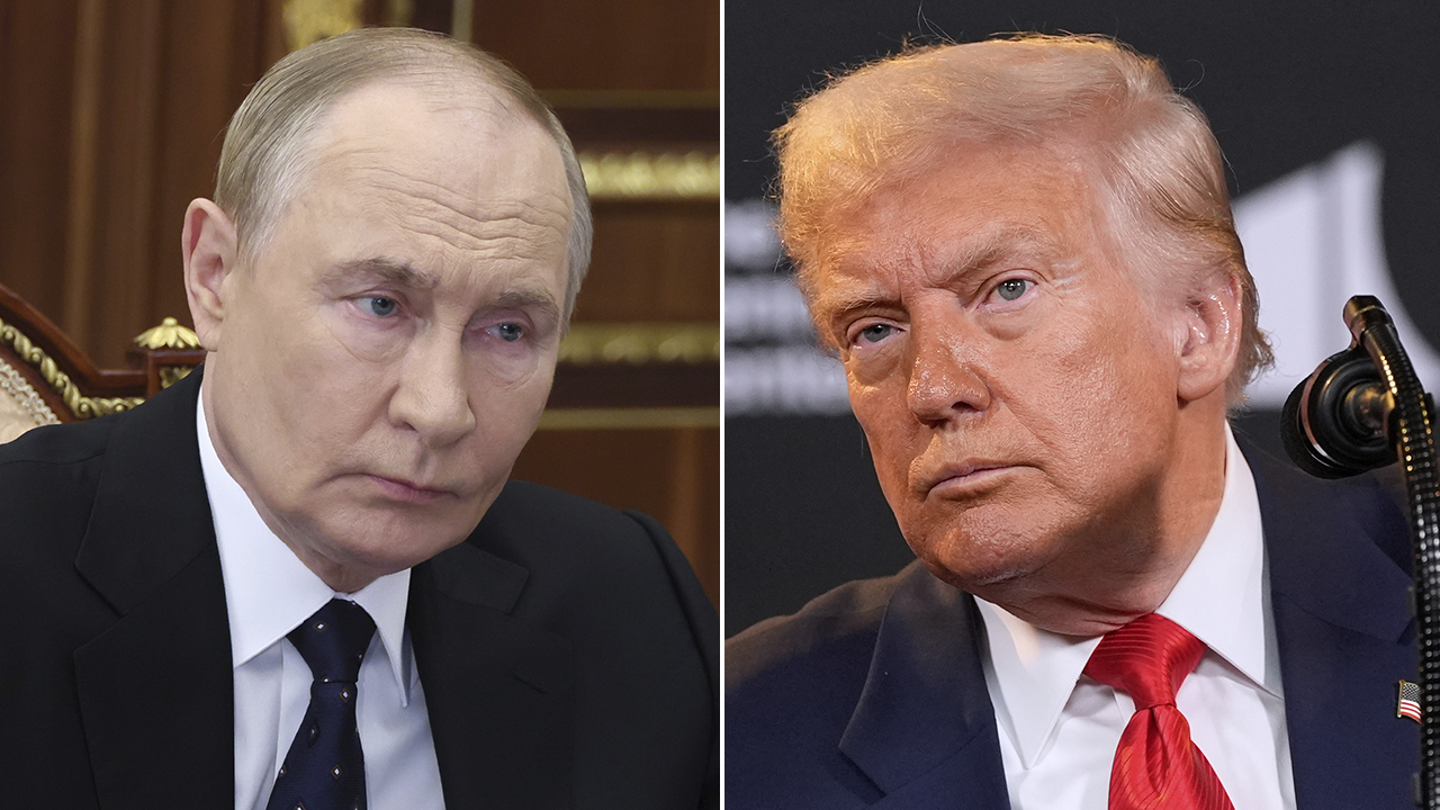
Trump threatens 'very severe' consequences if Russia doesn't agree to end Ukraine war
Entities mentioned:
- Donald Trump: Power, Influence, Recognition
- Vladimir Putin: Power, Control, Self-preservation
- Joe Biden: Duty, Influence, Legacy
- Volodymyr Zelenskyy: Determination, Unity, Justice
- Russia: Power, Control, Self-preservation
- Ukraine: Self-preservation, Freedom, Justice
- United States: Influence, Security, Duty
Article Assessment:
Credibility Score: 70/100
Bias Rating: 55/100 (Center)
Sentiment Score: 30/100
Authoritarianism Risk: 35/100 (Generally Democratic)
Bias Analysis:
The article presents multiple perspectives, including Trump's, Zelenskyy's, and implied Russian actions. While it focuses more on Trump's statements, it provides context and counterpoints, maintaining a relatively balanced approach.
Key metric: International Diplomacy Effectiveness
As a social scientist, I analyze that this article highlights the complex dynamics of international diplomacy and conflict resolution. Trump's threat of 'very severe consequences' for Russia demonstrates an attempt to leverage U.S. power in negotiations, but also reveals a potential lack of concrete strategy. The mention of previous ineffective conversations with Putin suggests limitations in diplomatic efforts. Zelenskyy's statement reinforces the ongoing nature of the conflict and the need for coordinated international pressure. The article indicates a challenging diplomatic landscape where threats and negotiations have yet to yield significant progress in ending the Ukraine war, impacting the U.S.'s perceived effectiveness in international conflict resolution.
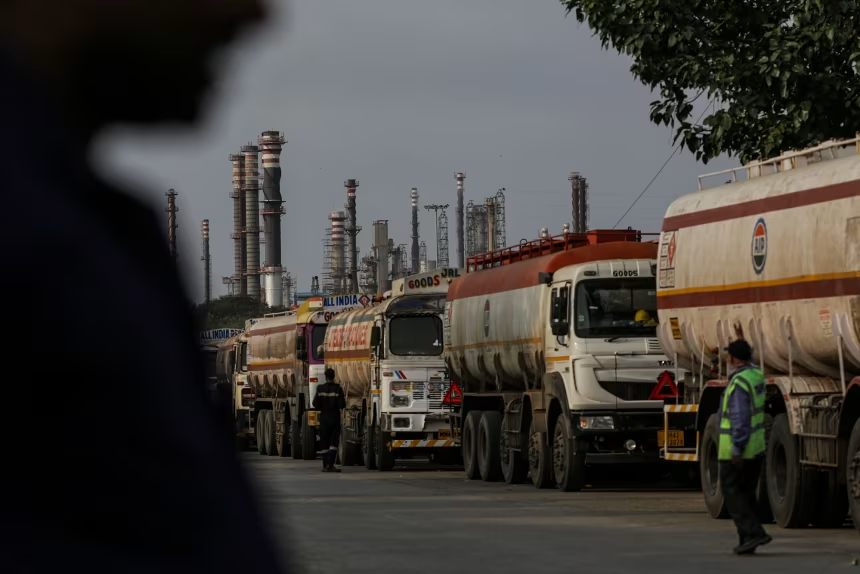
Trump threatens India with 50% tariff as negotiations fizzle and Modi keeps importing Russian oil
Entities mentioned:
- Donald Trump: Power, Control, Influence
- India: Self-preservation, Security, Independence
- Russia: Power, Influence, Self-preservation
- Steve Witkoff: Duty, Influence, Loyalty
- Vladimir Putin: Power, Control, Influence
- Joe Biden: Duty, Influence, Legacy
- Apple: Profit, Competitive spirit, Adaptation
Article Assessment:
Credibility Score: 75/100
Bias Rating: 55/100 (Center)
Sentiment Score: 30/100
Authoritarianism Risk: 65/100 (Authoritarian Tendencies)
Bias Analysis:
The article presents multiple perspectives, including Trump's stance, India's response, and contextual information about US-India trade. While it leans slightly towards criticizing Trump's approach, it maintains a relatively balanced tone by providing factual trade data and historical context.
Key metric: US-India Trade Balance
As a social scientist, I analyze that this article highlights a significant escalation in US-India trade relations, with potential far-reaching consequences for global trade dynamics and geopolitical alignments. The imposition of substantial tariffs by the US on Indian goods, particularly in response to India's continued purchase of Russian oil, signals a shift in US foreign policy that intertwines trade policy with geopolitical objectives. This move could potentially disrupt the growing US-India economic partnership, push India closer to alternative trade partners like Russia and China, and have ripple effects on global supply chains. The article also underscores the complexities of balancing economic interests with geopolitical considerations in an increasingly multipolar world. The potential for retaliatory measures from India further complicates the situation, possibly leading to a trade war that could negatively impact both economies and global trade at large.
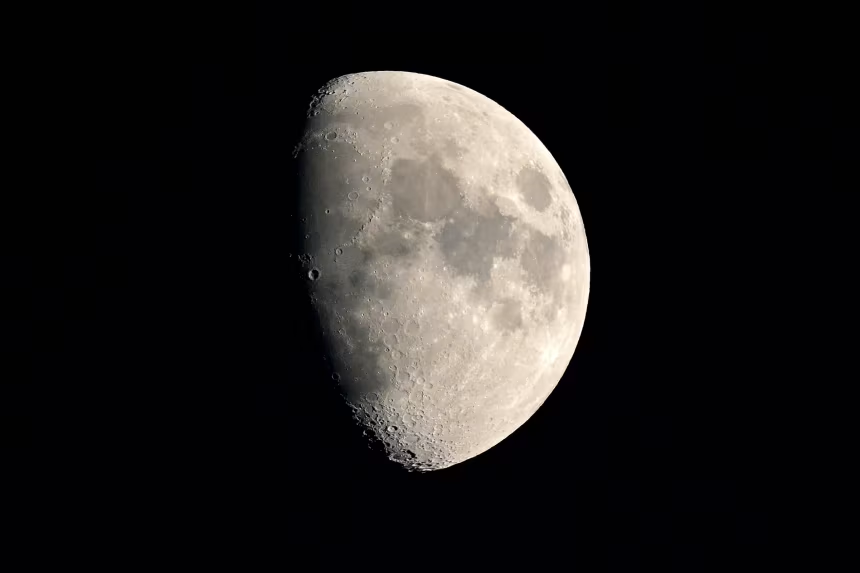
NASA wants US to be the first nation to put nuclear reactor on the moon
Entities mentioned:
- NASA: Ambition, Competitive spirit, Professional pride
- Sean Duffy: Ambition, Competitive spirit, Legacy
- United States: Competitive spirit, Power, Influence
- China: Competitive spirit, Power, Influence
- Russia: Competitive spirit, Power, Influence
- Department of Energy: Professional pride, Duty, Curiosity
Article Assessment:
Credibility Score: 75/100
Bias Rating: 45/100 (Center)
Sentiment Score: 55/100
Authoritarianism Risk: 35/100 (Generally Democratic)
Bias Analysis:
The article presents a balanced view of the situation, including multiple perspectives and factual information. While it focuses on US efforts, it also mentions competing nations' plans, maintaining a relatively neutral stance.
Key metric: Space Technology Leadership
As a social scientist, I analyze that this article highlights the escalating space race between the United States and its competitors, particularly China and Russia. The push for placing a nuclear reactor on the moon represents a critical technological advancement that could determine future lunar exploration capabilities and geopolitical influence in space. NASA's urgency in this matter reflects concerns about falling behind in space technology and potentially losing access to strategic lunar locations. This development could significantly impact the US's position in space exploration, scientific advancement, and global technological leadership. The initiative also underscores the increasing militarization and commercialization of space, raising questions about international space law and cooperation in the future.