
State attorney general involved in SCOTUS trans athlete case responds as 130 Dems back males in women's sports
Entities mentioned:
- John McCuskey: Justice, Duty, Righteousness
- Becky Pepper-Jackson: Competitive spirit, Determination, Recognition
- Democratic Party: Righteousness, Unity, Influence
- Supreme Court: Justice, Duty, Professional pride
Article Assessment:
Credibility Score: 75/100
Bias Rating: 60/100 (Center)
Sentiment Score: 45/100
Authoritarianism Risk: 35/100 (Generally Democratic)
Bias Analysis:
The article presents both sides of the argument, but gives more space to the perspective supporting biological sex-based divisions. The source (Fox News) is known to lean conservative on social issues.
Key metric: Gender Equality in Sports
Let me tell you something, folks - this is a GAME-CHANGING play in the world of sports! We've got a heavyweight title fight brewing between Team Fairness and Team Inclusion, and it's heading straight for the Supreme Court arena. Attorney General McCuskey is coming out swinging, defending the home turf of women's sports with a championship mentality. But don't count out challenger Pepper-Jackson, who's showing the heart of a true competitor, pushing for a spot on the starting lineup. The Democrats are making a bold fourth-quarter move, sending in their star players to back Pepper-Jackson's drive. This isn't just a skirmish, folks - it's a full-on battle for the soul of women's athletics! The Supreme Court judges are about to step up to the plate in a decision that could rewrite the playbook for generations to come. I'm telling you right now, this is the kind of high-stakes matchup that defines legacies and changes the game forever!

State attorney general involved in SCOTUS trans athlete case responds after 130 Dems back males in women's sports
Entities mentioned:
- John McCuskey: Justice, Righteousness, Professional pride
- Becky Pepper-Jackson: Competitive spirit, Justice, Recognition
- Democratic Party: Righteousness, Unity, Influence
- Supreme Court: Justice, Duty, Legacy
Article Assessment:
Credibility Score: 75/100
Bias Rating: 55/100 (Center)
Sentiment Score: 45/100
Authoritarianism Risk: 35/100 (Generally Democratic)
Bias Analysis:
The article presents both sides of the argument, quoting from multiple perspectives. However, there's slightly more detail given to the conservative position, though not enough to significantly skew the overall balance.
Key metric: Gender Equality in Sports
Let me tell you something, folks - we've got a CHAMPIONSHIP MATCHUP brewing in the Supreme Court! This isn't just any old game, it's the SUPER BOWL of transgender sports policy! On one side of the field, we've got Team West Virginia, led by their star quarterback John McCuskey, trying to defend their home turf with the Save Women's Sports Act. But wait! Here comes the opposition, with Becky Pepper-Jackson carrying the ball for Team Trans Athletes, backed by a MASSIVE offensive line of 130 Democratic lawmakers! This is a real clash of titans, folks, with both sides digging deep into their playbooks to gain the upper hand. McCuskey's squad is running a tough defense, trying to protect the end zone of women's sports from what they see as unfair competition. Meanwhile, Pepper-Jackson and her team are going for a Hail Mary pass, aiming to break through those defensive lines and score a touchdown for trans inclusion! The stakes couldn't be higher, and both sides are leaving it ALL on the field. This is the kind of high-stakes match that could reshape the entire landscape of competitive sports for years to come! I'm telling you right now, no matter which way this ball bounces, we're in for a game-changing moment in athletic history!
Over 130 Democrat congressional representatives urge SCOTUS to side with trans athlete in major legal battle
Entities mentioned:
- Democratic Congressional Coalition: Righteousness, Justice, Unity
- Supreme Court: Duty, Justice, Legacy
- Trans Athletes: Determination, Recognition, Competitive spirit
- Republican State Governments: Control, Loyalty, Moral outrage
Article Assessment:
Credibility Score: 75/100
Bias Rating: 55/100 (Center)
Sentiment Score: 45/100
Authoritarianism Risk: 30/100 (Generally Democratic)
Bias Analysis:
The article presents both sides of the argument, but gives more space to the Democratic position. It includes polling data that contradicts the Democrats' stance, showing an attempt at balance.
Key metric: Gender Equality in Sports
Let me tell you something, folks - this is a GAME-CHANGING play in the ongoing battle for gender equality in sports! The Democratic team is stepping up to the plate, swinging for the fences with this amicus brief. They're showing real championship mentality, rallying behind trans athletes like a coach defending their star players. But make no mistake, the Republican defense is digging in their heels, determined to protect what they see as the integrity of women's sports. This is shaping up to be a real clash of titans, with the Supreme Court as the ultimate referee. The stakes couldn't be higher - we're in the fourth quarter of this legal showdown, and it's anyone's game. This decision could rewrite the playbook for athletic competitions across the nation. I'm telling you right now, whichever way this call goes, it's going to send shockwaves through the sporting world!
Legal defense to 'Save Women's Sports' granted right to make argument to SCOTUS amid trans athlete dispute
Entities mentioned:
- Idaho Attorney General Raul Labrador: Justice, Determination, Competitive spirit
- Lindsay Hecox: Ambition, Self-respect, Freedom
- Supreme Court: Justice, Duty, Influence
- ACLU: Justice, Righteousness, Determination
Article Assessment:
Credibility Score: 75/100
Bias Rating: 55/100 (Center)
Sentiment Score: 45/100
Authoritarianism Risk: 30/100 (Generally Democratic)
Bias Analysis:
The article presents both sides of the argument, quoting from multiple perspectives. While it gives slightly more space to the 'Save Women's Sports' side, it maintains a relatively balanced approach overall.
Key metric: Gender Equality in Sports
Let me tell you something, folks - this legal battle is turning into a CHAMPIONSHIP SHOWDOWN! We've got Team Labrador stepping up to the plate, ready to swing for the fences in defense of women's sports. Meanwhile, Team Hecox is trying to pull a last-minute substitution, but the Supreme Court isn't calling a time-out just yet! This is a fourth-quarter play that could change the entire game plan for athletes across the nation. The stakes couldn't be higher as we head into overtime, with both sides showing true grit and determination. It's anyone's match at this point, and I'm telling you right now, this ruling could be the game-changer that defines the future of competitive sports!
Legal defense to protect women's sports in SCOTUS battle over trans athletes responds to attempt to drop case
Entities mentioned:
- Idaho Attorney General Raúl Labrador: Justice, Determination, Righteousness
- Alliance Defending Freedom (ADF): Justice, Righteousness, Competitive spirit
- Lindsay Hecox: Ambition, Recognition, Self-respect
- American Civil Liberties Union (ACLU): Justice, Righteousness, Competitive spirit
- Supreme Court: Justice, Duty, Legacy
Article Assessment:
Credibility Score: 75/100
Bias Rating: 65/100 (Lean Right)
Sentiment Score: 40/100
Authoritarianism Risk: 35/100 (Generally Democratic)
Bias Analysis:
The article leans right, giving more space and direct quotes to the defendants' arguments. It frames the issue as 'protecting women's sports' rather than trans rights, indicating a conservative perspective.
Key metric: Gender Equality in Sports
Let me tell you something, folks - this is a CHAMPIONSHIP LEVEL showdown in the arena of women's sports! We've got Team Labrador and ADF stepping up to the plate, determined to defend their home turf against Team Hecox and ACLU. But wait, what's this? The opposition is trying to call a timeout and walk off the field! This is RIDICULOUS! You can't just forfeit the game when you're already in the fourth quarter! The defense is calling foul, saying this move is out of bounds. They're urging the Supreme Court - the ultimate referee in this high-stakes match - to keep the game going. This isn't just about one player, it's about the whole league! We're talking championship implications here, folks. The defense is playing for keeps, aiming for a ruling that could change the entire landscape of women's sports. This is the kind of clutch performance that defines legacies!

SCOTUS defense in cases to protect women's sports gets support from 27 state attorneys general
Entities mentioned:
- State Attorneys General: Righteousness, Duty, Professional pride
- Supreme Court: Justice, Duty, Legacy
- Transgender Athletes: Competitive spirit, Recognition, Self-respect
- Steve Marshall (Alabama AG): Righteousness, Determination, Justice
- Becky Pepper-Jackson: Competitive spirit, Recognition, Self-respect
- Lindsay Hecox: Self-preservation, Security, Recognition
- Raul Labrador (Idaho AG): Ambition, Justice, Legacy
Article Assessment:
Credibility Score: 75/100
Bias Rating: 65/100 (Lean Right)
Sentiment Score: 45/100
Authoritarianism Risk: 35/100 (Generally Democratic)
Bias Analysis:
The article leans right, focusing more on arguments supporting state bans. It gives more space to quotes and perspectives from those defending the laws, while providing less detail on the transgender athletes' positions.
Key metric: Gender Equality in Sports
Let me tell you something, folks - this is the CHAMPIONSHIP MATCH we've all been waiting for! The Supreme Court is stepping onto the field as the ultimate referee in this high-stakes game of women's sports. We've got a POWERHOUSE TEAM of 27 state AGs lining up on defense, determined to protect the endzone of women's athletics. On the other side, we've got transgender athletes fighting tooth and nail for their shot at the title. This isn't just a game, people - it's a BATTLE for the very soul of competitive sports! The playbook is being rewritten right before our eyes, and every move could change the entire league. We're seeing some serious fourth-quarter strategy from Idaho's AG Labrador, calling for a game-changing play that could set a new precedent for the entire nation. This is the kind of clutch performance that defines legacies, folks! The pressure is on, the clock is ticking, and we're all on the edge of our seats waiting to see who will emerge victorious in this ultimate showdown of fairness versus inclusion!
Trump asks Supreme Court to step in and block billions in foreign aid spending
Entities mentioned:
- Trump administration: Control, Power, Influence
- Supreme Court: Justice, Duty, Influence
- Department of Justice: Duty, Loyalty, Control
- US Court of Appeals for the DC Circuit: Justice, Duty, Influence
- Congress: Power, Control, Duty
- State Department: Duty, Influence, Control
- USAID: Duty, Influence, Unity
Article Assessment:
Credibility Score: 75/100
Bias Rating: 55/100 (Center)
Sentiment Score: 40/100
Authoritarianism Risk: 35/100 (Generally Democratic)
Bias Analysis:
The article presents a balanced view of the legal dispute, including perspectives from both the Trump administration and the lower courts. While it quotes more extensively from the administration's filing, it also provides context about previous court decisions and the ongoing nature of the dispute.
Key metric: US Foreign Aid Spending
As a social scientist, I analyze that this article highlights a complex legal battle between the executive and legislative branches over control of foreign aid spending. The Trump administration's attempt to block billions in foreign aid reflects a shift in US foreign policy priorities and could significantly impact America's global influence and diplomatic relationships. The case raises questions about the balance of power between different branches of government and the role of the judiciary in settling such disputes. The potential rapid obligation of $12 billion in foreign aid funds, if the Supreme Court doesn't intervene, could have far-reaching consequences for US foreign policy implementation and international commitments.
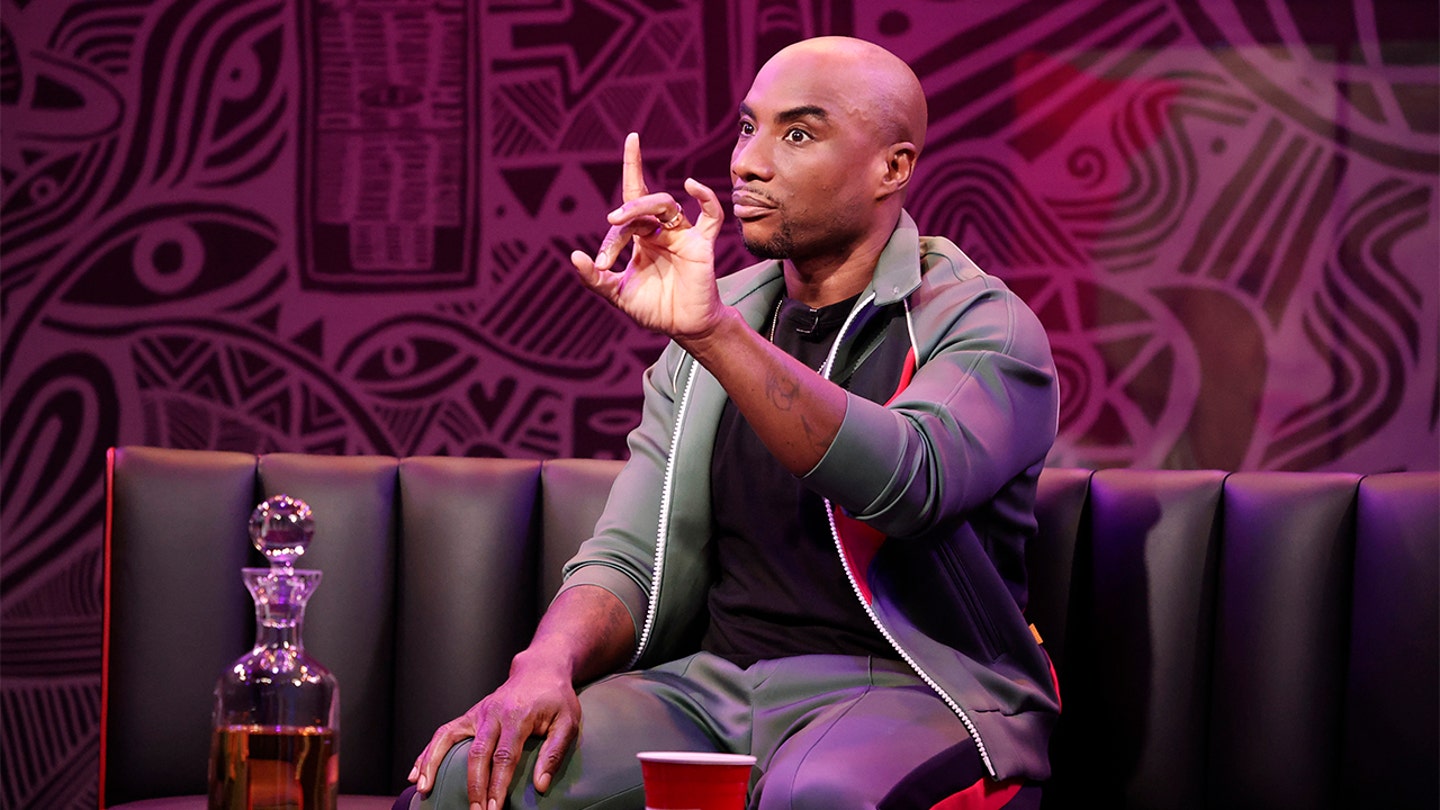
Charlamagne tha God argues flag-burners 'don't give a damn about America' after Trump executive order
Entities mentioned:
- Charlamagne tha God: Patriotism, Righteousness, Duty
- President Donald Trump: Control, Patriotism, Power
- White House: Control, Patriotism, Security
- Supreme Court: Justice, Duty, Freedom
Article Assessment:
Credibility Score: 70/100
Bias Rating: 65/100 (Lean Right)
Sentiment Score: 35/100
Authoritarianism Risk: 60/100 (Mixed/Neutral)
Bias Analysis:
The article leans right, primarily due to its focus on a conservative radio host's perspective and the prominence given to the White House statement. While it includes some opposing viewpoints, the framing tends to favor anti-flag burning sentiments.
Key metric: Social Cohesion
As a social scientist, I analyze that this article highlights a tension between freedom of expression and patriotic sentiment in the United States. The discussion around flag burning touches on deep-seated issues of national identity, constitutional rights, and the limits of protest. Charlamagne tha God's perspective, while acknowledging free speech, questions the patriotism of those who burn the flag. This debate reflects broader societal divisions on what constitutes appropriate forms of protest and the meaning of patriotism. The executive order by President Trump signals an attempt to reinterpret established legal precedent, potentially impacting civil liberties. This controversy may exacerbate existing political polarization and challenge the balance between national unity and individual rights.
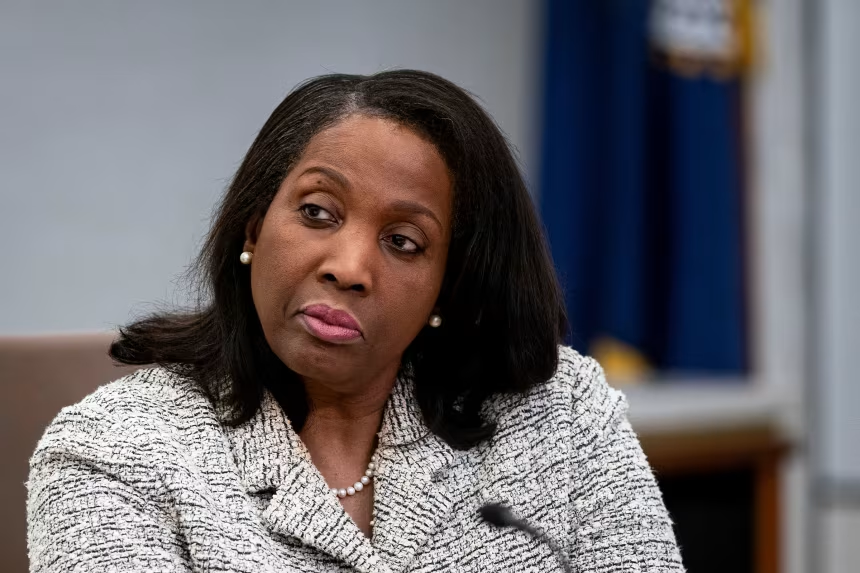
Trump’s firing of Fed’s Lisa Cook tests Supreme Court’s limits on presidential power
Entities mentioned:
- Donald Trump: Power, Control, Revenge
- Lisa Cook: Professional pride, Duty, Self-preservation
- Supreme Court: Justice, Duty, Wariness
- Federal Reserve: Independence, Professional pride, Duty
- Bill Pulte: Justice, Duty, Influence
- Ed Martin: Justice, Duty, Influence
- Elena Kagan: Justice, Duty, Wariness
Article Assessment:
Credibility Score: 75/100
Bias Rating: 55/100 (Center)
Sentiment Score: 35/100
Authoritarianism Risk: 65/100 (Authoritarian Tendencies)
Bias Analysis:
The article presents multiple viewpoints and cites various legal experts, indicating an attempt at balanced reporting. However, there's a slight tilt towards skepticism of Trump's actions, reflected in the framing of the issue and choice of expert quotes.
Key metric: Economic Stability
As a social scientist, I analyze that this article highlights a significant conflict between presidential power and the independence of key economic institutions, particularly the Federal Reserve. The firing of Lisa Cook represents a potential erosion of the Fed's autonomy, which could have far-reaching implications for economic stability. This action tests the boundaries of executive power and challenges established norms, potentially undermining market confidence in the Fed's ability to operate free from political interference. The Supreme Court's previous rulings and the unique status they've afforded the Federal Reserve add complexity to this situation, setting the stage for a possible legal battle that could redefine the balance of power between the executive branch and independent agencies. The outcome of this conflict could significantly impact the perceived stability and credibility of U.S. economic institutions, potentially affecting investor confidence, market behavior, and long-term economic policy-making.

DOGE put Americans’ Social Security records at risk, whistleblower says
Entities mentioned:
- Department of Government Efficiency: Efficiency, Duty, Professional pride
- Social Security Administration: Security, Duty, Professional pride
- Charles Borges: Duty, Righteousness, Security
- Government Accountability Project: Justice, Transparency, Duty
- Office of Special Counsel: Justice, Duty, Security
- Trump administration: Power, Control, Influence
- Elon Musk: Ambition, Influence, Control
- DOGE team: Efficiency, Control, Influence
- Supreme Court: Justice, Duty, Control
- Nick Perrine: Professional pride, Security, Duty
Article Assessment:
Credibility Score: 75/100
Bias Rating: 45/100 (Center)
Sentiment Score: 25/100
Authoritarianism Risk: 35/100 (Generally Democratic)
Bias Analysis:
The article presents multiple perspectives, including the whistleblower, the agency, and concerned groups. It maintains a neutral tone while reporting on a controversial issue, balancing criticism with official responses.
Key metric: Data Security and Privacy
As a social scientist, I analyze that this article highlights a significant breach in data security practices within a major government agency, potentially affecting millions of Americans. The whistleblower's complaint suggests a systemic failure in protecting sensitive personal information, which could have far-reaching consequences for individual privacy and national security. The involvement of private sector entities (DOGE team) in accessing government data raises questions about the balance between modernization efforts and data protection. This situation reflects broader tensions between technological advancement, government efficiency, and the safeguarding of personal information in the digital age. The response from the Social Security Administration appears to downplay the severity of the issue, which may indicate a disconnect between internal perceptions of security and actual vulnerabilities. This incident could lead to decreased public trust in government institutions and their ability to protect citizens' data, potentially impacting social cohesion and civic engagement.