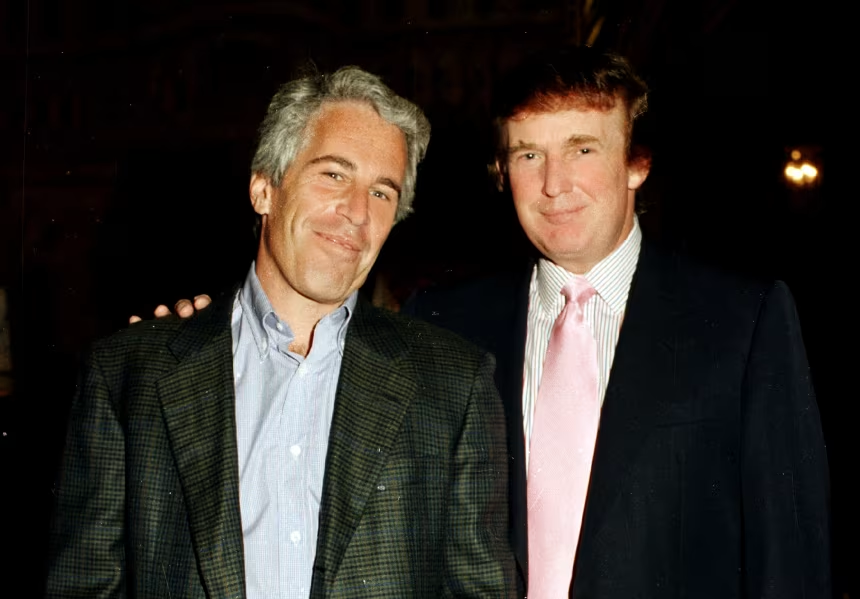
A judge’s brutal rebuke of Trump’s Epstein gambit
Entities mentioned:
- Trump administration: Control, Self-preservation, Influence
- Judge Paul Engelmayer: Justice, Duty, Righteousness
- Jeffrey Epstein: Power, Control, Self-preservation
- Ghislaine Maxwell: Self-preservation, Loyalty, Fear
- Donald Trump: Power, Self-preservation, Control
- Department of Justice: Control, Duty, Self-preservation
- Epstein's victims: Justice, Moral outrage, Indignation
Article Assessment:
Credibility Score: 75/100
Bias Rating: 40/100 (Lean Left)
Sentiment Score: 30/100
Authoritarianism Risk: 65/100 (Authoritarian Tendencies)
Bias Analysis:
The article leans slightly left, evidenced by its critical tone towards the Trump administration. While it presents factual information, the framing and language choices suggest skepticism of the administration's motives.
Key metric: Government Transparency and Accountability
As a social scientist, I analyze that this article highlights a significant issue in government transparency and accountability. The Trump administration's actions regarding the Epstein files appear to be a calculated attempt to create an illusion of transparency while actually withholding meaningful information. This behavior undermines public trust in government institutions and the justice system. The judge's rebuke exposes the administration's strategy as potentially deceptive, which could further erode confidence in the government's handling of high-profile cases. This situation also demonstrates the crucial role of the judiciary in maintaining checks and balances, as Judge Engelmayer's ruling serves as a counterweight to executive branch actions. The administration's reluctance to provide substantive information about the Epstein case, despite public interest and pressure, suggests a conflict between political self-interest and the public's right to information. This case may have long-lasting implications for how government transparency is perceived and demanded by the public, potentially leading to calls for stricter disclosure requirements and oversight mechanisms.

Vance calls out Democrats over Epstein files, reignites push for transparency
Entities mentioned:
- JD Vance: Loyalty, Righteousness, Competitive spirit
- Donald Trump: Transparency, Self-preservation, Power
- Democrats: Political opportunism, Control, Self-preservation
- Joe Biden: Self-preservation, Power, Control
- Jeffrey Epstein: Power, Control, Greed
- Justice Department: Duty, Transparency, Justice
- Pam Bondi: Duty, Justice, Professional pride
- Kash Patel: Duty, Professional pride, Loyalty
- House Oversight Committee: Justice, Transparency, Duty
Article Assessment:
Credibility Score: 65/100
Bias Rating: 65/100 (Lean Right)
Sentiment Score: 35/100
Authoritarianism Risk: 40/100 (Generally Democratic)
Bias Analysis:
The article leans right, primarily due to the prominence given to Vance's accusations against Democrats without equal space for rebuttal. While it includes some balancing information, the framing tends to favor the Trump administration's perspective.
Key metric: Government Transparency Index
As a social scientist, I analyze that this article highlights a complex political struggle over transparency and accountability in the Epstein case. The push for releasing documents is framed as a bipartisan issue, but with clear political motivations from both sides. The Trump administration, through Vance, is positioning itself as pro-transparency while accusing Democrats of inaction and possible connections to Epstein. This narrative serves to deflect criticism and potentially pre-empt damaging revelations. The Justice Department's moves towards releasing some information, along with the House Oversight Committee's subpoenas, indicate increasing pressure for disclosure. However, the conflicting accounts of White House meetings and the careful management of information release suggest ongoing tensions between transparency and potential political fallout. This situation may lead to incremental increases in government transparency, but also risks further polarization and erosion of public trust in institutions depending on how the information is ultimately handled and presented.

Federal judge rejects Trump DOJ’s bid to unseal grand jury materials in Ghislaine Maxwell case
Entities mentioned:
- Judge Paul Engelmayer: Justice, Duty, Professional pride
- Trump administration: Control, Influence, Self-preservation
- Department of Justice: Transparency, Duty, Influence
- Ghislaine Maxwell: Self-preservation, Control, Greed
- Jeffrey Epstein: Power, Control, Greed
- Victims: Justice, Self-respect, Security
- Attorney General Pam Bondi: Duty, Loyalty, Influence
- Judge Richard Berman: Justice, Duty, Professional pride
Article Assessment:
Credibility Score: 75/100
Bias Rating: 45/100 (Center)
Sentiment Score: 35/100
Authoritarianism Risk: 25/100 (Generally Democratic)
Bias Analysis:
The article presents a balanced view of the situation, quoting extensively from the judge's ruling. While it mentions the Trump administration's involvement, it doesn't appear to take a partisan stance.
Key metric: Public Trust in Government Institutions
As a social scientist, I analyze that this article highlights a significant tension between the judiciary and the executive branch, specifically the Department of Justice under the Trump administration. The judge's scathing rejection of the DOJ's request to unseal grand jury materials in the Maxwell case reveals a deep skepticism of the government's motives. This conflict could potentially erode public trust in government institutions, particularly the DOJ. The judge's emphasis on the lack of new information in the requested materials and the suggestion that the government's motion might be aimed at 'diversion' rather than transparency raises questions about the administration's true intentions. Furthermore, the mention of victims being used for 'political warfare' underscores the complex interplay between justice, politics, and media attention in high-profile cases. This incident may contribute to a growing perception of government institutions being used for political purposes rather than serving justice, potentially leading to decreased public confidence in the justice system and federal agencies.
Justice Department says it wants to release Epstein grand jury exhibits in addition to transcripts
Entities mentioned:
- Justice Department: Duty, Transparency, Obligation
- Jeffrey Epstein: Self-preservation, Power, Control
- Ghislaine Maxwell: Self-preservation, Loyalty, Control
- Pam Bondi: Duty, Obligation, Professional pride
- Todd Blanche: Duty, Professional pride, Obligation
- Jay Clayton: Duty, Professional pride, Justice
- Donald Trump: Self-preservation, Power, Control
- Richard Berman: Justice, Duty, Professional pride
- Paul Engelmayer: Justice, Duty, Professional pride
Article Assessment:
Credibility Score: 75/100
Bias Rating: 45/100 (Center)
Sentiment Score: 40/100
Authoritarianism Risk: 30/100 (Generally Democratic)
Bias Analysis:
The article presents a balanced view of the situation, including perspectives from multiple parties involved. While it mentions Trump's involvement, it does not appear to lean heavily towards any political stance, maintaining a mostly neutral tone.
Key metric: Government Transparency Index
As a social scientist, I analyze that this article highlights a significant tension between government transparency and individual privacy rights. The Justice Department's move to release grand jury materials in high-profile cases involving Jeffrey Epstein and Ghislaine Maxwell reflects an attempt to increase transparency, likely in response to public and political pressure. However, this effort is complicated by the need to protect victims' identities and respect legal processes. The involvement of high-profile figures, including former President Trump, adds a political dimension that may influence the handling and perception of the case. This situation tests the balance between public interest, individual rights, and the integrity of the justice system, potentially impacting public trust in governmental institutions and the judicial process.
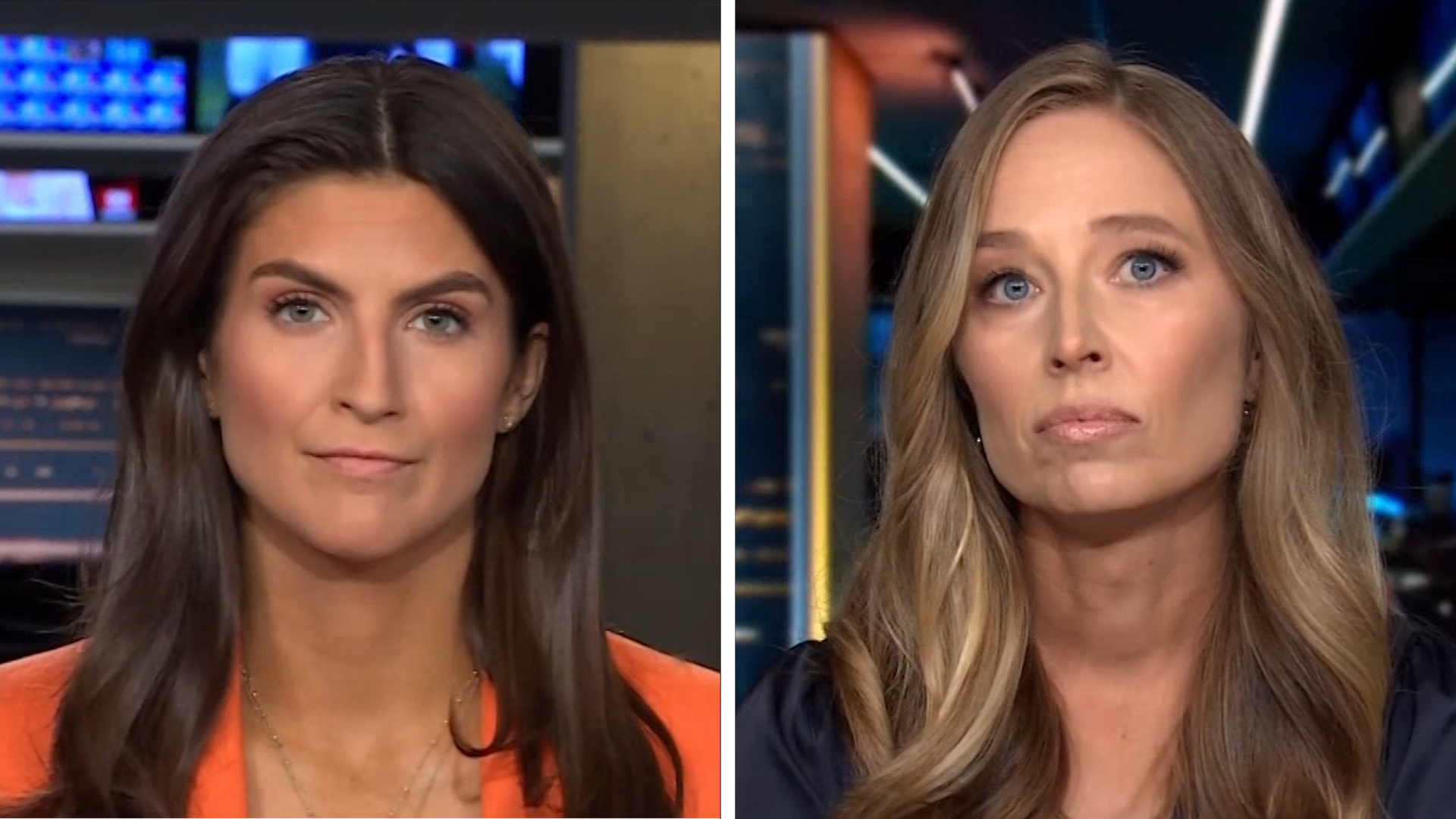
Epstein victims are a growing political threat to Trump
Entities mentioned:
- Jeffrey Epstein: Power, Control, Greed
- Donald Trump: Self-preservation, Power, Control
- Epstein victims: Justice, Recognition, Self-respect
- Pam Bondi: Loyalty, Duty, Self-preservation
- Ghislaine Maxwell: Self-preservation, Loyalty, Control
- Virginia Giuffre: Justice, Recognition, Self-respect
- Sky Roberts: Justice, Moral outrage, Recognition
- JD Vance: Loyalty, Ambition, Self-preservation
- Kash Patel: Loyalty, Duty, Self-preservation
- Annie Farmer: Justice, Recognition, Moral outrage
- Todd Blanche: Duty, Loyalty, Self-preservation
- Jennifer Freeman: Justice, Moral outrage, Professional pride
Article Assessment:
Credibility Score: 75/100
Bias Rating: 35/100 (Lean Left)
Sentiment Score: 25/100
Authoritarianism Risk: 45/100 (Mixed/Neutral)
Bias Analysis:
The article leans left, evidenced by its critical tone towards the Trump administration and sympathetic portrayal of Epstein's victims. While it presents factual information, the framing and language choices suggest a skeptical view of the administration's handling of the situation.
Key metric: Public Trust in Government Institutions
As a social scientist, I analyze that this article highlights a significant tension between political self-preservation and the pursuit of justice for victims of sexual abuse. The handling of the Epstein case by the Trump administration appears to prioritize political damage control over transparency and justice for the victims. This approach risks further eroding public trust in government institutions, particularly the Department of Justice. The victims' increasing vocalization and media attention could potentially shift public opinion and apply pressure on the administration to take more substantive action. The article suggests a growing political threat to Trump from the Epstein victims, which could impact his support base and overall public perception. The lack of representation of survivors in high-level meetings and the administration's apparent focus on political maneuvering rather than addressing victims' concerns indicate a disconnect between government actions and public expectations for justice and accountability.

Exclusive: Newly discovered photos and video shed fresh light on Trump’s ties to Jeffrey Epstein
Entities mentioned:
- Donald Trump: Self-preservation, Power, Control
- Jeffrey Epstein: Power, Influence, Greed
- Justice Department: Control, Duty, Obligation
- Steven Cheung: Loyalty, Professional pride, Duty
- Ghislaine Maxwell: Self-preservation, Loyalty, Power
Article Assessment:
Credibility Score: 75/100
Bias Rating: 45/100 (Center)
Sentiment Score: 35/100
Authoritarianism Risk: 25/100 (Generally Democratic)
Bias Analysis:
The article presents a balanced view, including statements from both sides and relying on verifiable evidence. However, the focus on Trump's connections to Epstein could be seen as slightly left-leaning, given the potential political implications.
Key metric: Public Trust in Government
As a social scientist, I analyze that this article significantly impacts public trust in government by revealing potentially compromising connections between a former U.S. president and a convicted sex offender. The newly uncovered evidence of Trump's association with Epstein, spanning decades, raises questions about judgment and character that could erode confidence in political leadership. The Justice Department's handling of Epstein-related files further complicates the issue, potentially fueling conspiracy theories and distrust in institutional transparency. This could lead to decreased civic engagement and increased polarization, as supporters and critics interpret the information through their respective ideological lenses.

Six months into Trump’s second term, voters remain divided
Entities mentioned:
- Donald Trump: Power, Control, Legacy
- Jaclyn Taylor: Loyalty, Pride, Enthusiasm
- Lawrence Malinconico: Moral outrage, Anxiety, Indignation
- Deven McIver: Self-preservation, Security, Wariness
- Pat Levin: Fear, Moral outrage, Anxiety
- Tonya Rincon: Moral outrage, Justice, Indignation
- Vladimir Putin: Power, Control, Influence
- Jeffrey Epstein: Power, Greed, Control
Article Assessment:
Credibility Score: 75/100
Bias Rating: 45/100 (Center)
Sentiment Score: 35/100
Authoritarianism Risk: 45/100 (Mixed/Neutral)
Bias Analysis:
The article presents views from both Trump supporters and opponents, providing a balanced perspective. While it includes more critical voices, it also fairly represents supportive opinions, maintaining a relatively centrist approach.
Key metric: Political Polarization Index
As a social scientist, I analyze that this article demonstrates the deep political divide in the United States six months into Trump's second term. The stark contrast in opinions between Trump supporters and opponents reflects a highly polarized electorate, with little middle ground. This polarization extends to various issues, including immigration, foreign policy, and economic matters. The article highlights how pre-existing views largely determine interpretations of current events, with supporters praising Trump's actions and opponents criticizing them. The Epstein saga appears to be a rare point of concern among some Trump supporters, though it hasn't significantly altered their overall support. The persistent high cost of living is a common concern across political lines, which could become a critical issue in the upcoming 2026 midterm elections. The article suggests that the political landscape remains deeply divided, with little evidence of a shift towards unity or bipartisanship.

In the Epstein scandal, like other Washington storms, the victims are an afterthought
Entities mentioned:
- Virginia Giuffre: Justice, Self-preservation, Recognition
- Jeffrey Epstein: Power, Control, Greed
- Ghislaine Maxwell: Power, Greed, Control
- Donald Trump: Self-preservation, Power, Control
- Prince Andrew: Self-preservation, Reputation, Denial
- Randee Kogan: Professional pride, Duty, Empathy
- Todd Blanche: Duty, Professional pride, Loyalty
Article Assessment:
Credibility Score: 75/100
Bias Rating: 40/100 (Lean Left)
Sentiment Score: 25/100
Authoritarianism Risk: 30/100 (Generally Democratic)
Bias Analysis:
The article leans slightly left, critiquing Trump and right-wing conspiracy theories more than other political actors. However, it maintains a focus on victims and includes multiple perspectives, balancing its overall presentation.
Key metric: Public Trust in Government Institutions
As a social scientist, I analyze that this article highlights the complex interplay between political power, media coverage, and the impact on victims in high-profile scandals. The Epstein case and its connections to influential figures like Trump and Prince Andrew demonstrate how victims' experiences can be overshadowed by political maneuvering and media sensationalism. This dynamic erodes public trust in government institutions, as it suggests that powerful individuals may escape scrutiny or consequences for their actions. The article's focus on the re-traumatization of victims and the dehumanizing effect of media coverage points to systemic issues in how society handles such cases, potentially leading to decreased faith in the justice system and political leadership.
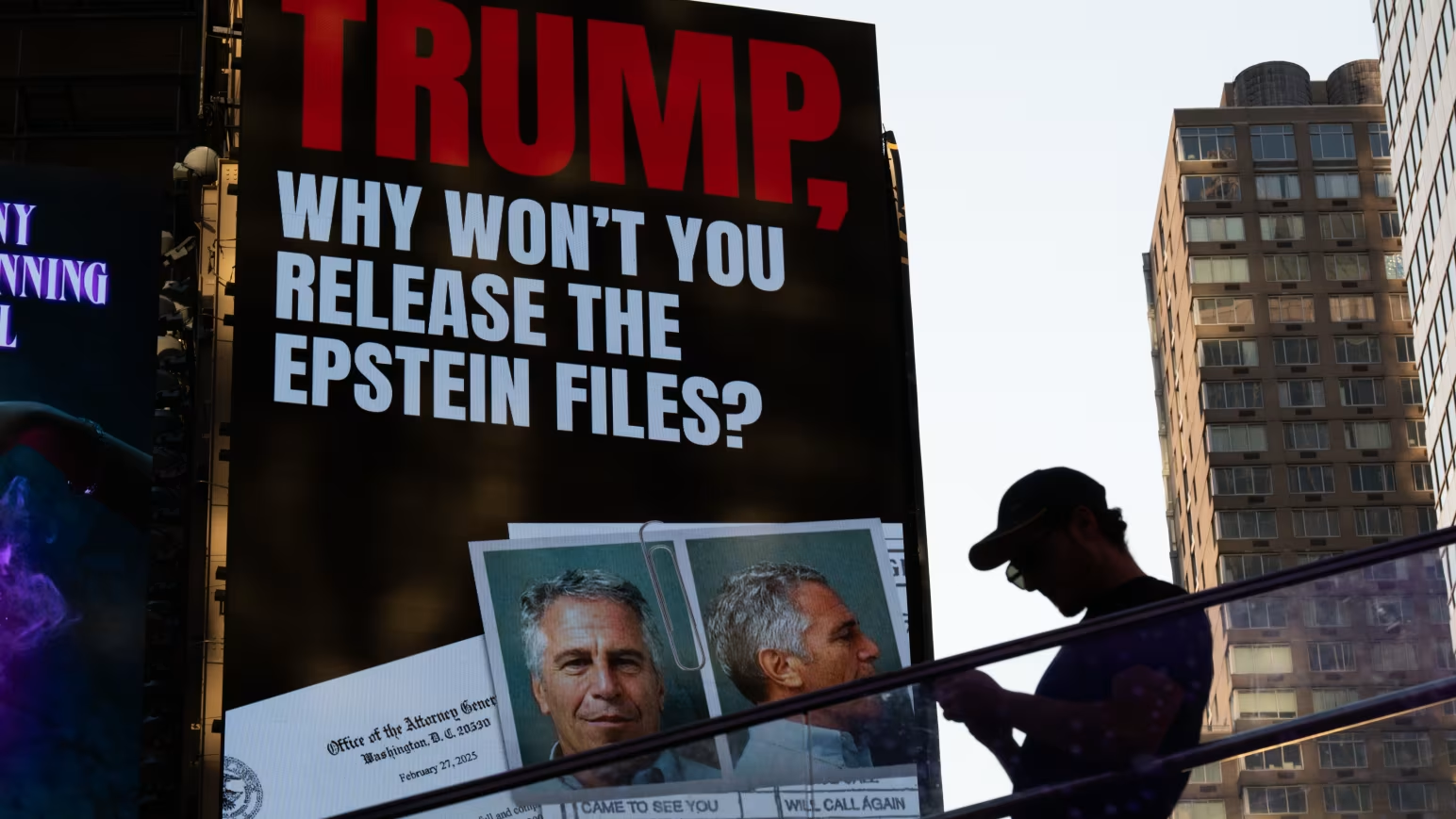
Tapes, transcripts, subpoenas, and legal twists: Trump’s Epstein storm deepens again
Entities mentioned:
- Donald Trump: Self-preservation, Power, Control
- Jeffrey Epstein: Power, Control, Greed
- Ghislaine Maxwell: Self-preservation, Loyalty, Fear
- Todd Blanche: Duty, Loyalty, Professional pride
- JD Vance: Loyalty, Ambition, Power
- House Oversight Committee: Justice, Duty, Influence
Article Assessment:
Credibility Score: 70/100
Bias Rating: 40/100 (Lean Left)
Sentiment Score: 30/100
Authoritarianism Risk: 55/100 (Mixed/Neutral)
Bias Analysis:
The article leans slightly left, evidenced by its critical tone towards the Trump administration and emphasis on potential wrongdoing. However, it also presents multiple perspectives and includes factual reporting on actions taken by various parties.
Key metric: Public Trust in Government
As a social scientist, I analyze that this article reveals a complex web of political maneuvering, legal challenges, and ethical concerns surrounding the Epstein case and its connection to the Trump administration. The ongoing scandal threatens to erode public trust in government institutions, particularly the Justice Department, as it raises questions about potential abuse of power and political interference in legal matters. The administration's handling of the Maxwell interviews and potential transcript release suggests a struggle between transparency and political self-interest, while the House Oversight Committee's selective subpoenas indicate partisan motivations in the investigation. This situation highlights the tension between democratic accountability and the potential for authoritarian tendencies in high-level government operations.
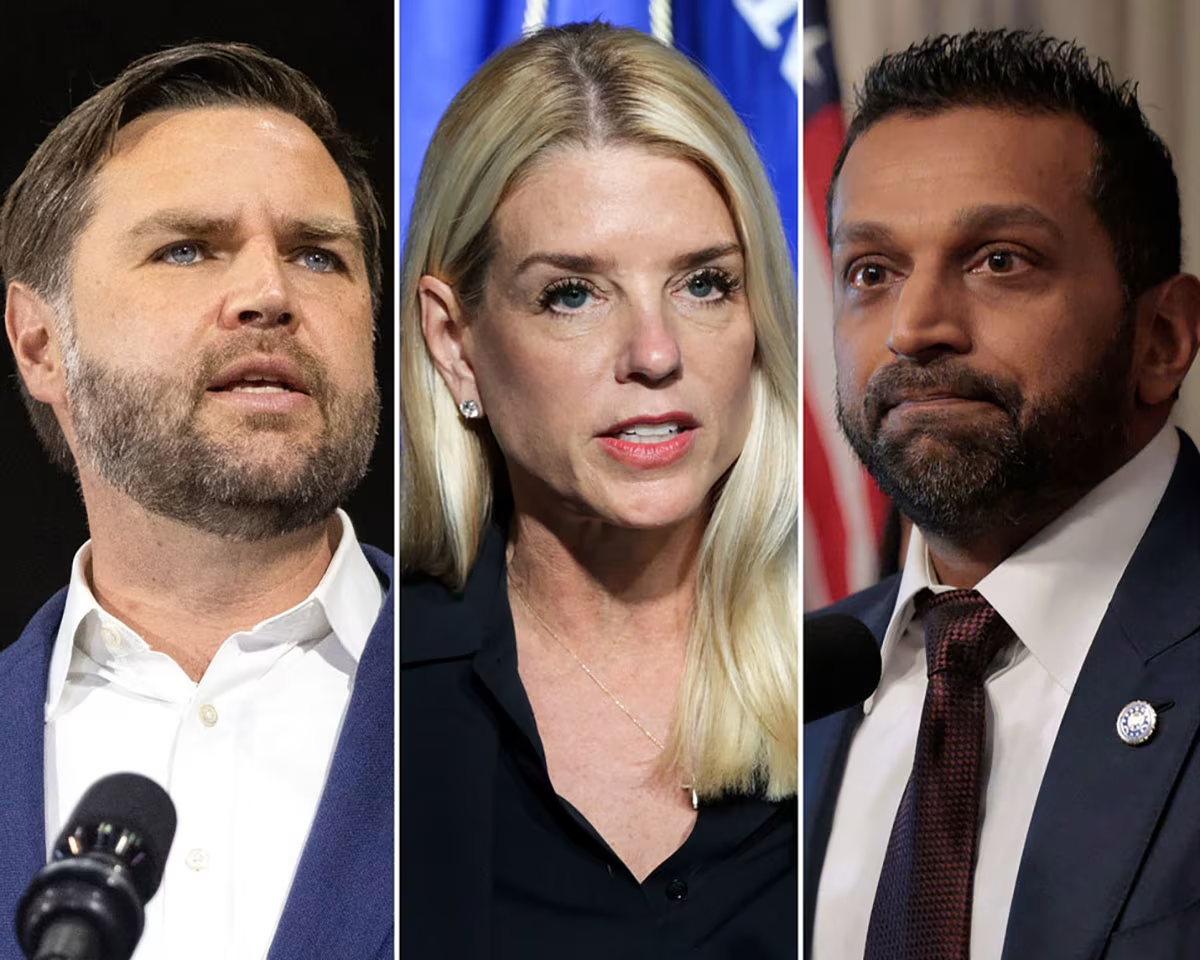
Top Trump officials discussed Epstein at White House meeting Wednesday night
Entities mentioned:
- Attorney General Pam Bondi: Justice, Professional pride, Power
- FBI Director Kash Patel: Duty, Control, Security
- Vice President JD Vance: Unity, Influence, Obligation
- White House chief of staff Susie Wiles: Control, Loyalty, Unity
- Deputy Attorney General Todd Blanche: Justice, Duty, Professional pride
- Deputy FBI Director Dan Bongino: Security, Control, Professional pride
- Jeffrey Epstein: Power, Greed, Control
- Ghislaine Maxwell: Self-preservation, Loyalty, Fear
Article Assessment:
Credibility Score: 65/100
Bias Rating: 50/100 (Center)
Sentiment Score: 35/100
Authoritarianism Risk: 55/100 (Mixed/Neutral)
Bias Analysis:
The article presents a balanced view of the situation, citing unnamed sources and reporting denied claims. It refrains from overtly partisan language or framing, maintaining a neutral stance in its reporting of the events and conflicts.
Key metric: Government Transparency and Accountability
As a social scientist, I analyze that this article reveals internal tensions and strategic disagreements within the Trump administration regarding the handling of the high-profile Epstein case. The last-minute change of meeting location to the White House suggests a desire for increased control over information and optics. The potential publication of the Maxwell conversation transcript indicates a struggle between transparency and strategic information management. The conflicts between top officials, particularly Bondi and Patel, highlight the challenges in coordinating a unified response to a sensitive and politically charged issue. This situation underscores the complexities of balancing justice, political considerations, and public perception in high-level government operations.