
Indiana Republican state lawmakers set to visit the White House amid Trump redistricting push
Entities mentioned:
- Republican legislators from Indiana: Power, Loyalty, Influence
- White House: Power, Control, Influence
- President Donald Trump: Power, Control, Ambition
- Democrats: Power, Competitive spirit, Self-preservation
- Rep. Frank Mrvan: Self-preservation, Duty, Loyalty
- Rep. Andre Carson: Self-preservation, Duty, Loyalty
- Todd Huston: Power, Loyalty, Influence
- Rodric Bray: Power, Loyalty, Influence
- Gov. Gavin Newsom: Power, Competitive spirit, Influence
- Gov. Greg Abbott: Power, Loyalty, Influence
- Vice President JD Vance: Loyalty, Influence, Power
- Gov. Mike Braun: Power, Loyalty, Wariness
Article Assessment:
Credibility Score: 75/100
Bias Rating: 55/100 (Center)
Sentiment Score: 40/100
Authoritarianism Risk: 65/100 (Authoritarian Tendencies)
Bias Analysis:
The article presents multiple perspectives, including both Republican and Democratic actions and concerns. While it focuses more on Republican efforts, it does so in the context of a Republican-led initiative, balancing this with mentions of Democratic counteractions and some Republican hesitancy.
Key metric: Electoral Competitiveness
As a social scientist, I analyze that this article highlights a significant push for redistricting efforts by the Republican Party, particularly driven by the White House under Trump's administration. This move aims to consolidate power in the House of Representatives by redrawing congressional maps in Republican-controlled states. The focus on Indiana as a potential 'test case' for mid-decade redistricting suggests a broader strategy that could have far-reaching implications for electoral competitiveness across multiple states. This effort, if successful, could significantly alter the balance of power in the House, potentially undermining the principle of fair representation and exacerbating political polarization. The involvement of high-level officials, including the President and Vice President, in pressuring state lawmakers indicates the high stakes and strategic importance placed on this initiative. However, the article also notes some resistance and skepticism among Republican operatives in Indiana, highlighting the complex political calculations involved in such a controversial move.
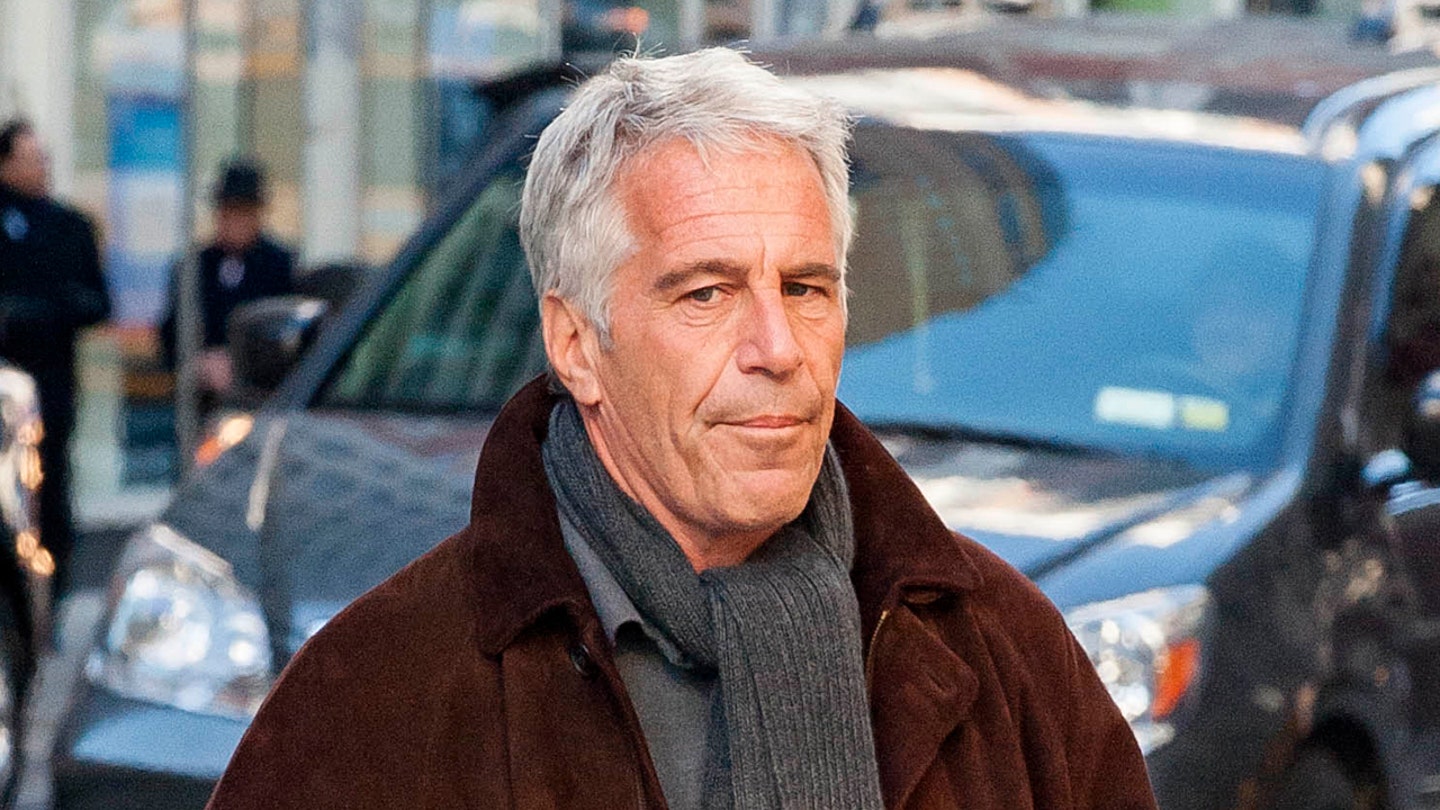
Ex-Bush attorney general faces House Oversight questions on controversial Epstein deal
Entities mentioned:
- Alberto Gonzales: Professional pride, Duty, Self-preservation
- House Oversight Committee: Justice, Duty, Influence
- James Comer: Ambition, Justice, Influence
- Jeffrey Epstein: Power, Control, Greed
- Department of Justice: Justice, Professional pride, Duty
- Democrats: Competitive spirit, Influence, Justice
- Republicans: Competitive spirit, Influence, Justice
Article Assessment:
Credibility Score: 75/100
Bias Rating: 55/100 (Center)
Sentiment Score: 35/100
Authoritarianism Risk: 25/100 (Generally Democratic)
Bias Analysis:
The article presents multiple perspectives and includes information from both Republican and Democratic sources. While it highlights some partisan disagreements, it maintains a relatively balanced tone in reporting the events and statements from different sides.
Key metric: Government Accountability and Transparency
As a social scientist, I analyze that this article highlights ongoing efforts to investigate the handling of the Jeffrey Epstein case, particularly focusing on the controversial non-prosecution agreement. The bipartisan nature of the investigation initially suggests a united front in seeking accountability, but the subsequent partisan divisions indicate the challenges in maintaining objectivity in high-profile political investigations. The involvement of multiple former high-ranking officials, including attorneys general and FBI directors, underscores the gravity and complexity of the case. This investigation could potentially impact public trust in government institutions and the justice system, depending on its outcomes and the level of transparency provided.
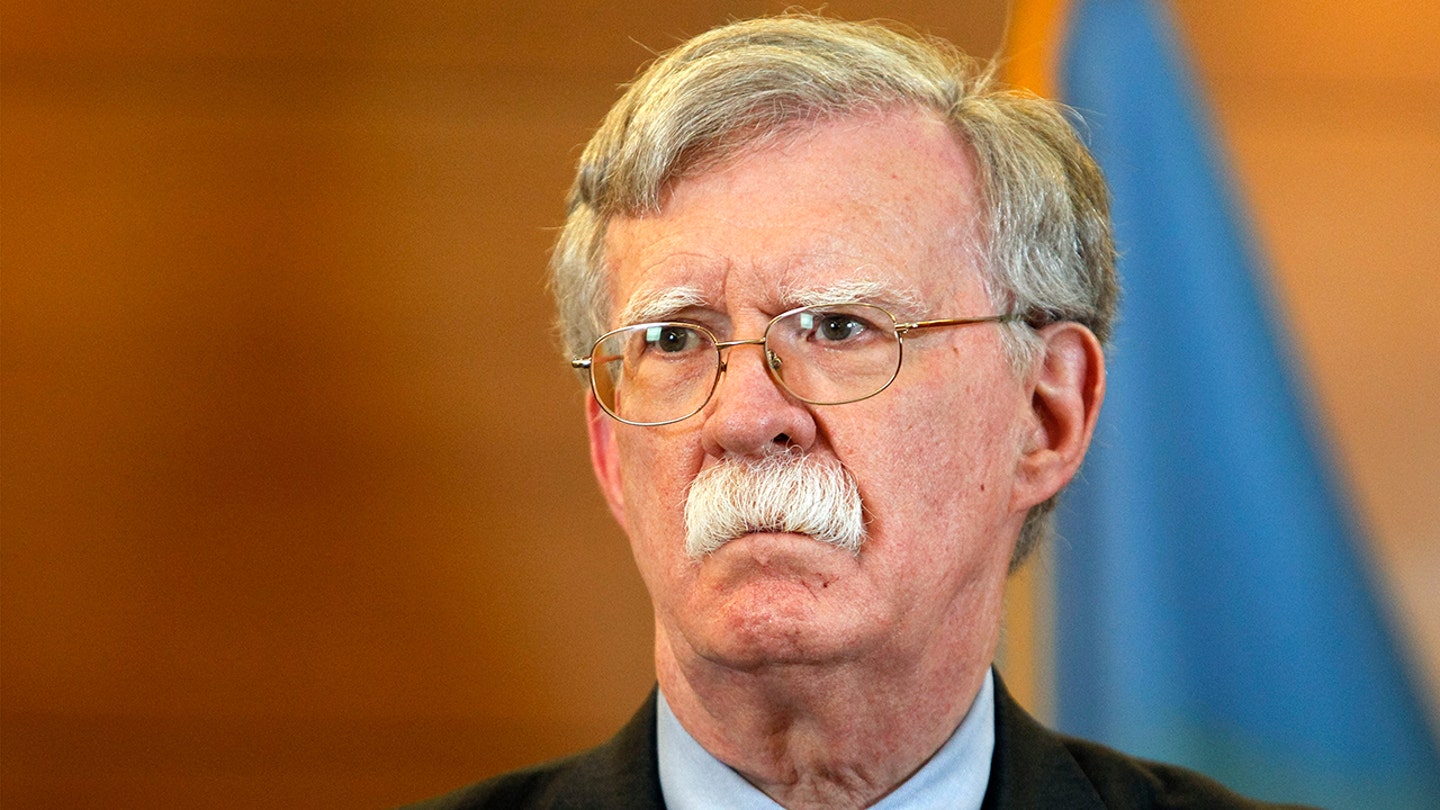
Democrats opposed John Bolton for years — until they sought him as an ally against Trump
Entities mentioned:
- John Bolton: Power, Influence, Professional pride
- Democrats: Political advantage, Justice, Moral outrage
- Donald Trump: Power, Control, Self-preservation
- Joe Biden: Duty, Justice, Competitive spirit
- George W. Bush: Power, Legacy, Security
- Adam Schiff: Justice, Duty, Competitive spirit
Article Assessment:
Credibility Score: 75/100
Bias Rating: 55/100 (Center)
Sentiment Score: 40/100
Authoritarianism Risk: 35/100 (Generally Democratic)
Bias Analysis:
The article presents multiple perspectives and historical context, showing a relatively balanced approach. However, there's a slight lean towards framing Democrats' actions as opportunistic, which could be interpreted as a center-right perspective.
Key metric: Political Polarization Index
As a social scientist, I analyze that this article highlights the complex and shifting nature of political alliances in the United States. The Democrats' evolving stance on John Bolton demonstrates how political motivations can override ideological consistency. This case study in political polarization shows how figures can be vilified or embraced based on their utility in opposing a common adversary, in this case, Donald Trump. The article underscores how the impeachment process and subsequent events have deepened partisan divides, with both sides willing to realign their allegiances for political gain. This flexibility in political positioning, while potentially pragmatic, may contribute to public cynicism about political consistency and principle, potentially eroding trust in democratic institutions.
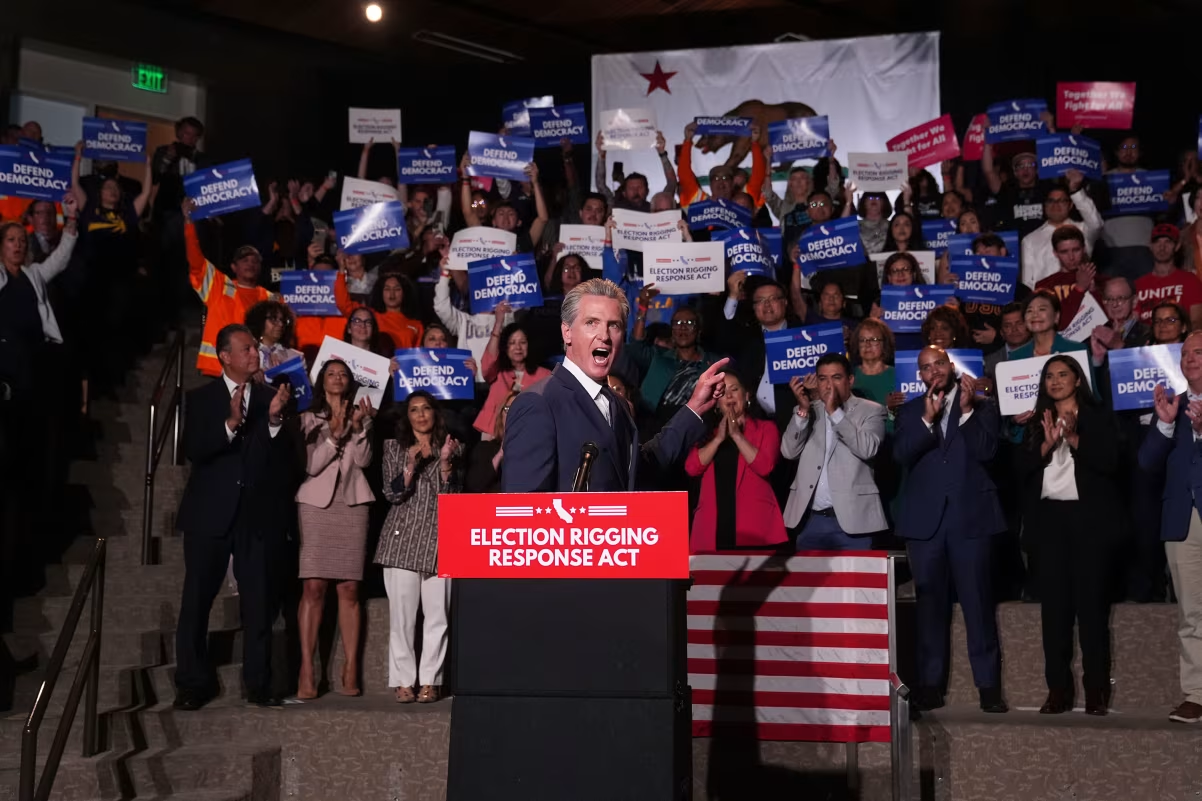
The Democrats go ‘Trump lite’ in latest plan to save democracy
Entities mentioned:
- Democrats: Power, Justice, Self-preservation
- Donald Trump: Power, Revenge, Self-preservation
- Gavin Newsom: Ambition, Competitive spirit, Power
- Barack Obama: Legacy, Influence, Duty
- Republican Party: Power, Control, Self-preservation
Article Assessment:
Credibility Score: 65/100
Bias Rating: 40/100 (Lean Left)
Sentiment Score: 35/100
Authoritarianism Risk: 55/100 (Mixed/Neutral)
Bias Analysis:
The article leans slightly left, focusing more on Democratic perspectives and strategies. While it does present some Republican viewpoints, the overall framing is more sympathetic to Democratic concerns about preserving democracy.
Key metric: Democratic Institutional Strength
As a social scientist, I analyze that this article highlights a significant shift in Democratic strategy in response to perceived threats to democratic institutions. The Democrats' adoption of more aggressive tactics, exemplified by Newsom's redistricting plan, indicates a departure from traditional approaches. This shift poses potential risks to democratic norms but is framed as a necessary response to Republican actions. The involvement of high-profile figures like Obama suggests a growing concern within the party about the effectiveness of conventional methods in preserving democratic institutions. This tactical evolution could have long-term implications for political norms and the stability of democratic processes in the US.
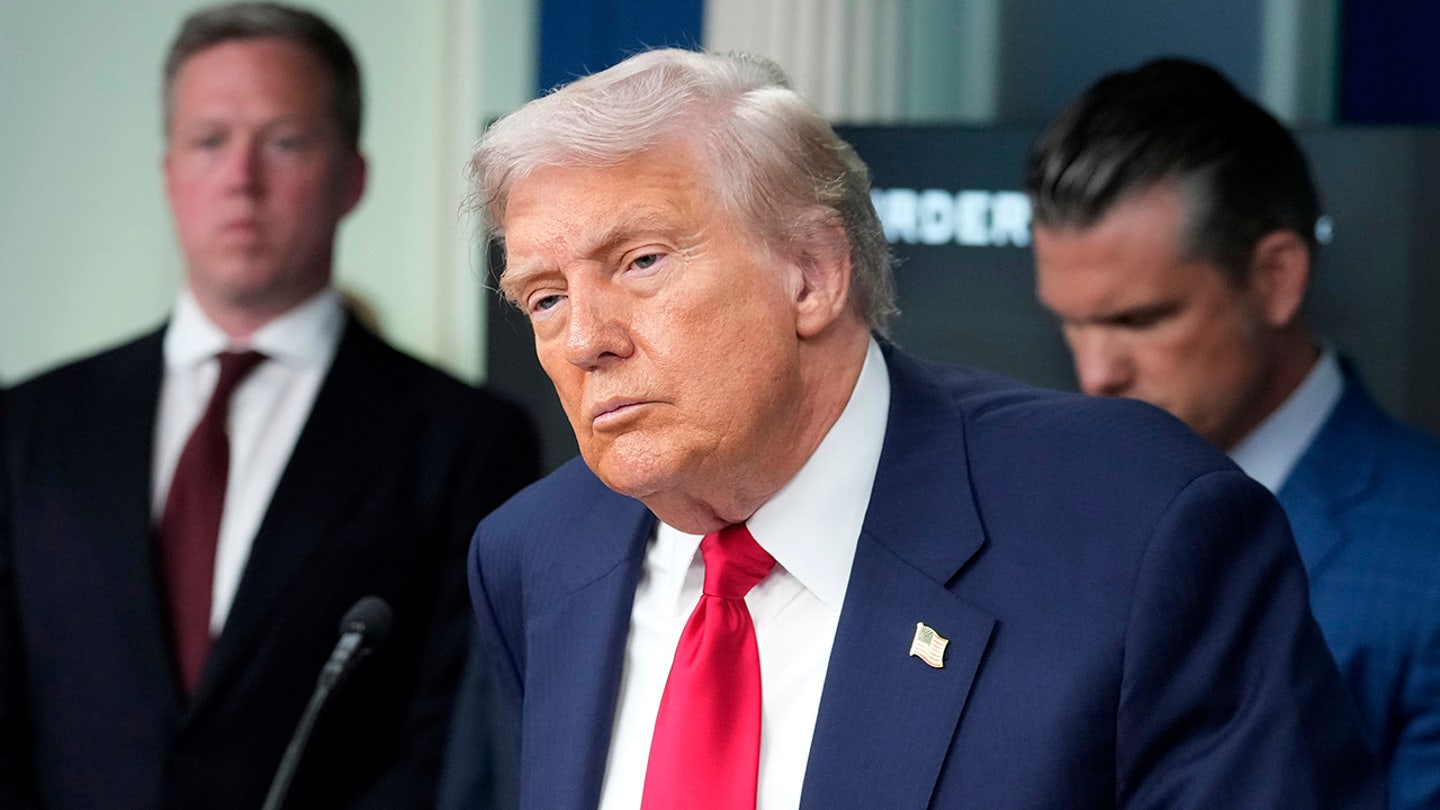
DC statehood debate intensifies as Trump flexes authority over local police
Entities mentioned:
- President Donald Trump: Power, Control, Security
- Democrats: Justice, Freedom, Righteousness
- Sen. Paul Strauss: Justice, Freedom, Duty
- Del. Eleanor Holmes Norton: Justice, Freedom, Duty
- White House: Control, Security, Power
- Sen. Tim Kaine: Justice, Freedom, Duty
- Sen. Chris Van Hollen: Justice, Freedom, Duty
- Rep. Jamie Raskin: Justice, Freedom, Duty
- Republicans: Power, Control, Security
Article Assessment:
Credibility Score: 75/100
Bias Rating: 45/100 (Center)
Sentiment Score: 35/100
Authoritarianism Risk: 55/100 (Mixed/Neutral)
Bias Analysis:
The article presents views from both sides of the debate, including quotes from Democrats and White House representatives. While it gives more space to pro-statehood arguments, it also includes counterarguments, maintaining a relatively balanced perspective.
Key metric: Democratic Index
As a social scientist, I analyze that this article highlights a significant tension between federal power and local autonomy in Washington D.C., impacting the Democratic Index. The president's actions to take control of local police forces have reignited the debate on D.C. statehood, which is fundamentally about democratic representation and self-governance. This situation exposes the unique and problematic status of D.C. as a non-state entity subject to federal control, potentially undermining democratic principles. The debate also reflects broader national tensions between federal and state powers, and partisan divides on issues of urban governance and law enforcement. The push for D.C. statehood, if successful, would significantly alter the balance of power in Congress and potentially impact future national elections, thus having far-reaching implications for the Democratic Index of the United States.
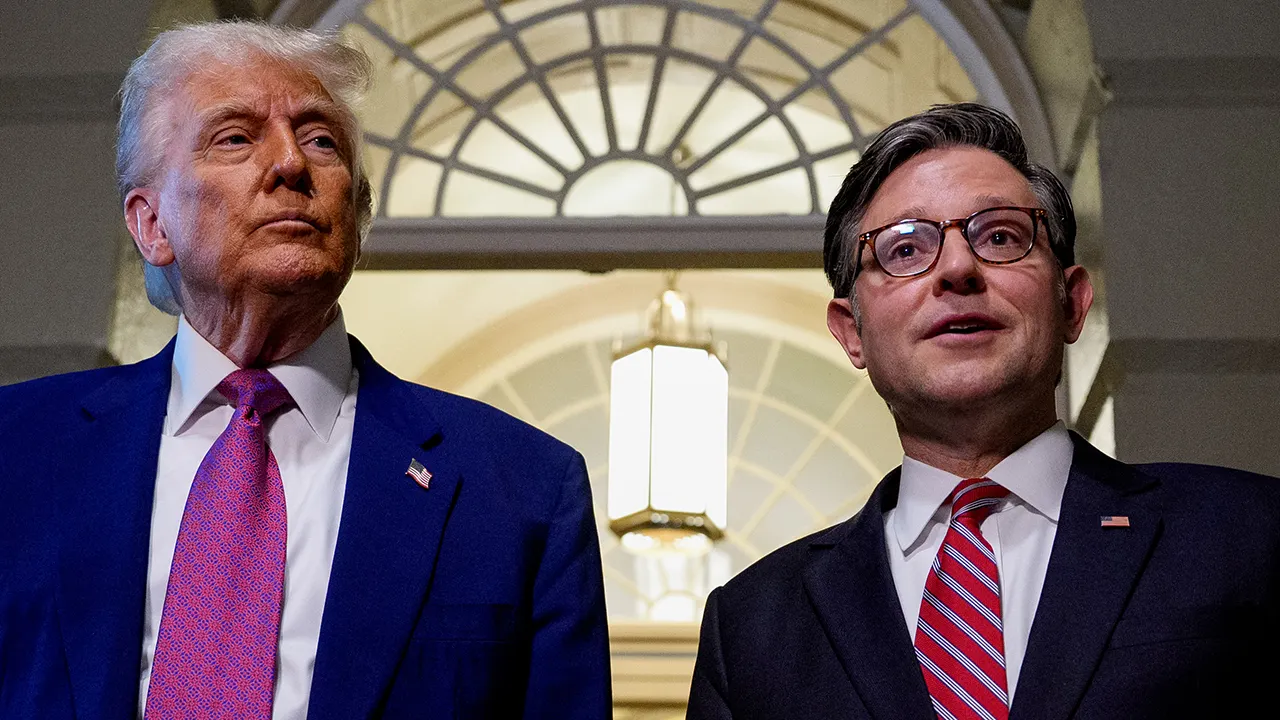
Midterm elections are as unpredictable as ever, as 2026 looms
Entities mentioned:
- Democrats: Power, Control, Legacy
- Republicans: Power, Control, Ambition
- Donald Trump: Power, Influence, Legacy
- Kevin McCarthy: Ambition, Power, Recognition
- Newt Gingrich: Influence, Recognition, Legacy
- Gavin Newsom: Power, Ambition, Control
Article Assessment:
Credibility Score: 70/100
Bias Rating: 55/100 (Center)
Sentiment Score: 45/100
Authoritarianism Risk: 35/100 (Generally Democratic)
Bias Analysis:
The article presents a balanced view of both parties' strategies and challenges. However, there's a slight lean towards Republican perspectives, with more detailed discussion of their potential strategies and concerns.
Key metric: Political Polarization Index
As a social scientist, I analyze that this article highlights the unpredictable nature of midterm elections in the United States. It emphasizes how various factors, including redistricting efforts, presidential popularity, and unforeseen events, can significantly impact election outcomes. The article suggests that traditional models for predicting midterm results may be less reliable in the current political climate. This unpredictability could potentially increase political polarization as parties struggle to maintain or gain control, leading to more aggressive tactics and rhetoric.

'There are 50 swamps': State Freedom Caucus Network helps conservatives fight the 'uniparty'
Entities mentioned:
- Andrew Roth: Righteousness, Determination, Influence
- State Freedom Caucus Network: Influence, Control, Righteousness
- Liberal Republicans: Power, Self-preservation, Ambition
- Democrats: Power, Influence, Self-preservation
- Blake Miguez: Ambition, Competitive spirit, Righteousness
- Bill Cassidy: Power, Self-preservation, Influence
Article Assessment:
Credibility Score: 65/100
Bias Rating: 75/100 (Lean Right)
Sentiment Score: 35/100
Authoritarianism Risk: 55/100 (Mixed/Neutral)
Bias Analysis:
The article leans right, primarily presenting the conservative perspective without significant counterbalancing views. It uncritically presents terms like 'swamp' and 'uniparty', which are typically used by right-wing groups.
Key metric: Political Polarization Index
As a social scientist, I analyze that this article highlights the increasing polarization within the Republican Party and across state legislatures. The State Freedom Caucus Network's efforts to identify and challenge what they perceive as insufficiently conservative Republicans could lead to more ideological purity within the party, but also potentially increase gridlock and reduce bipartisan cooperation. The organization's focus on 'exposing deceitful lawmakers' and labeling moderate Republicans as part of a 'uniparty' with Democrats suggests a strategy of ideological purification that could further entrench political divisions. This approach may intensify intra-party conflicts and potentially affect governance effectiveness at the state level.
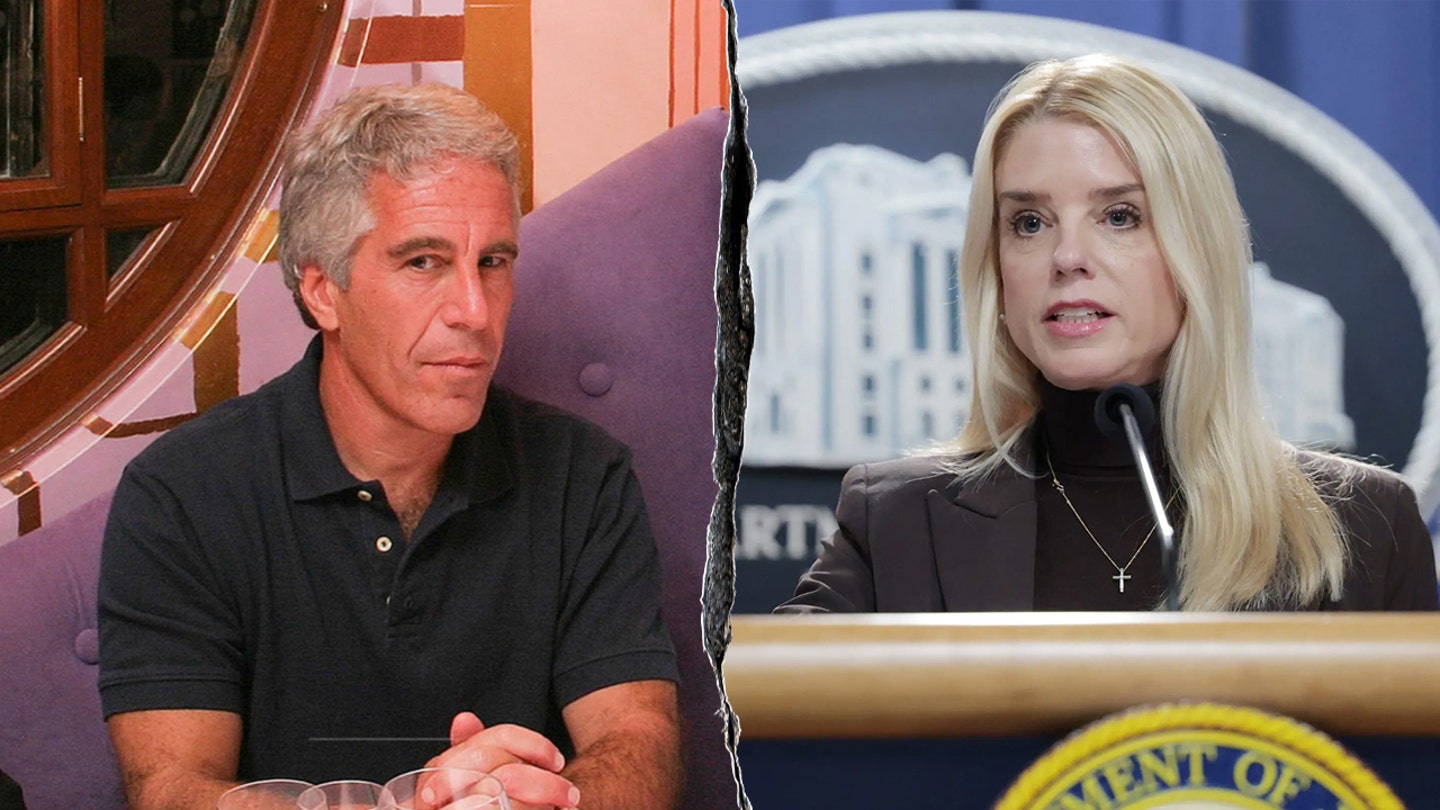
Trump DOJ to begin handing over Epstein files to House Oversight investigators
Entities mentioned:
- Department of Justice: Duty, Transparency, Control
- James Comer: Determination, Transparency, Duty
- House Oversight Committee: Duty, Justice, Transparency
- Trump administration: Transparency, Self-preservation, Control
- Jeffrey Epstein: Power, Greed, Control
- Ghislaine Maxwell: Power, Loyalty, Self-preservation
- Democrats: Competitive spirit, Self-preservation, Influence
- Republicans: Justice, Competitive spirit, Influence
- Jasmine Crockett: Duty, Self-preservation, Professional pride
Article Assessment:
Credibility Score: 75/100
Bias Rating: 55/100 (Center)
Sentiment Score: 45/100
Authoritarianism Risk: 25/100 (Generally Democratic)
Bias Analysis:
The article presents multiple perspectives, including both Republican and Democratic viewpoints, suggesting an attempt at balance. However, there is slightly more focus on Republican actions and statements, which nudges it just right of center.
Key metric: Government Transparency and Accountability
As a social scientist, I analyze that this article highlights a significant development in government transparency and accountability. The DOJ's willingness to release documents related to the Epstein case to the House Oversight Committee represents a step towards increased scrutiny of high-profile cases. This action may impact public trust in government institutions and the justice system. The bipartisan nature of the request suggests a unified interest in uncovering the truth, which could potentially strengthen democratic processes. However, the political undertones and varying priorities between parties indicate that the motivations behind this investigation are complex and multifaceted. The emphasis on protecting victims and handling sensitive information responsibly demonstrates a balance between transparency and ethical considerations. This case may set a precedent for how similar high-profile investigations are handled in the future, potentially influencing public expectations for government accountability.
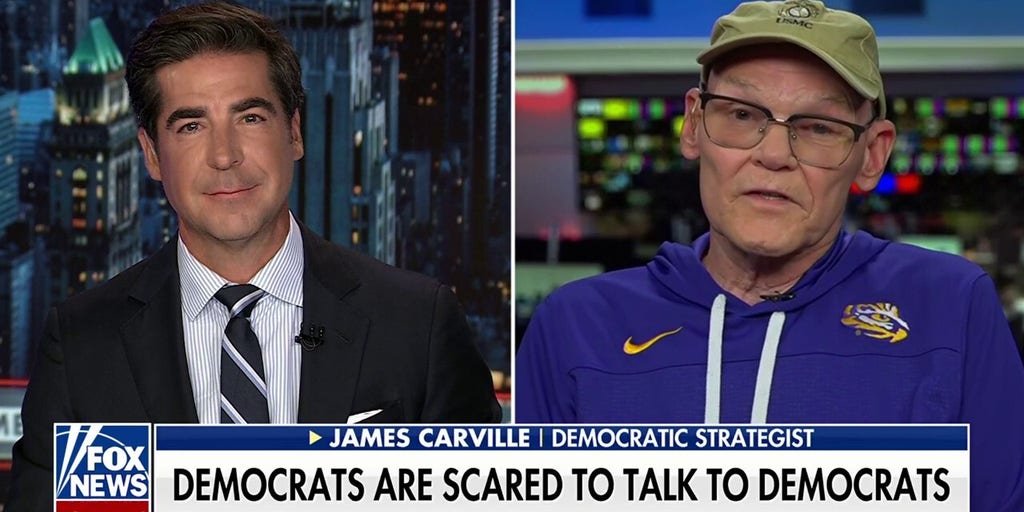
James Carville: Dems need a presidential nominee
Entities mentioned:
- James Carville: Influence, Recognition, Duty
- Democrats: Ambition, Power, Anxiety
- Bill Maher: Influence, Recognition, Freedom
- Donald Trump: Power, Control, Righteousness
- Jesse Watters: Influence, Recognition, Competitive spirit
Article Assessment:
Credibility Score: 55/100
Bias Rating: 65/100 (Lean Right)
Sentiment Score: 35/100
Authoritarianism Risk: 55/100 (Mixed/Neutral)
Bias Analysis:
The article leans right due to its framing on a Fox News program and focus on Democratic party weaknesses. The presentation of Carville's criticism of Democrats and the emphasis on Trump's actions suggest a right-leaning perspective.
Key metric: Political Polarization Index
As a social scientist, I analyze that this article highlights the growing political divide and communication challenges within the Democratic party. Carville's criticism of Democrats' reluctance to engage with media figures like Bill Maher suggests internal party tensions and strategic disagreements. The mention of Trump's federal takeover of D.C. police further emphasizes the polarization between parties and concerns over executive power. This discourse likely contributes to increased political polarization, as it underscores the lack of unified messaging within the Democratic party and the ongoing conflicts with the Republican administration.
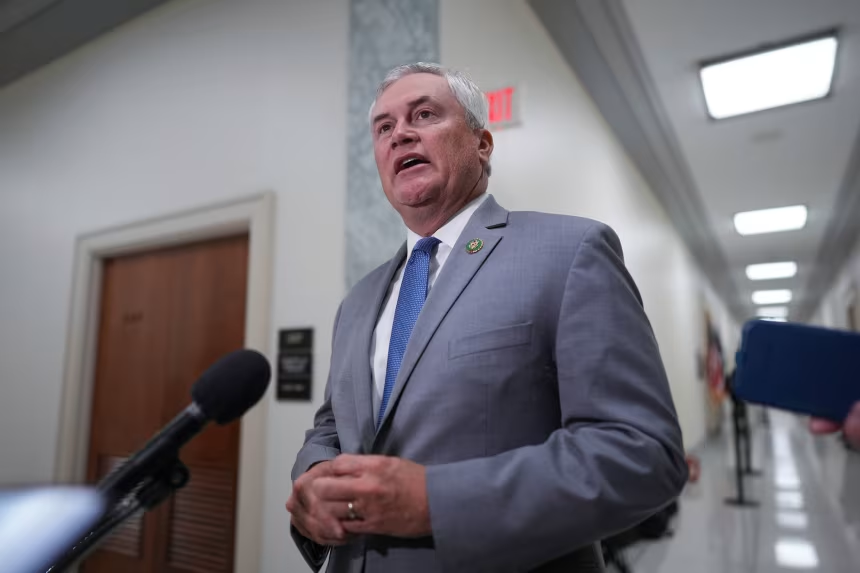
House Oversight Chair says Justice Department to start providing Epstein-related records on Friday
Entities mentioned:
- James Comer: Ambition, Justice, Influence
- Department of Justice: Duty, Control, Professional pride
- Bill Barr: Loyalty, Self-preservation, Duty
- Jeffrey Epstein: Power, Greed, Self-preservation
- Donald Trump: Power, Self-preservation, Legacy
- Democrats: Competitive spirit, Justice, Influence
- Republicans: Competitive spirit, Justice, Influence
- Mike Johnson: Control, Influence, Wariness
Article Assessment:
Credibility Score: 75/100
Bias Rating: 55/100 (Center)
Sentiment Score: 40/100
Authoritarianism Risk: 30/100 (Generally Democratic)
Bias Analysis:
The article presents multiple viewpoints, including both Republican and Democratic perspectives. While it gives slightly more space to Republican statements, it balances this with critical Democratic responses, maintaining a relatively centrist approach.
Key metric: Government Transparency and Accountability
As a social scientist, I analyze that this article highlights ongoing tensions between political parties and government institutions regarding the handling of sensitive information. The pursuit of Epstein-related records by the House Oversight Committee underscores a broader struggle for transparency and accountability in high-profile cases. The involvement of former high-ranking officials, including ex-Attorney General Bill Barr, suggests a complex interplay of political motivations, institutional responsibilities, and public interest. The differing perspectives between Republicans and Democrats on the investigation's authenticity and thoroughness reflect deeper partisan divides in addressing controversial issues. This situation may impact public trust in government institutions and the justice system, potentially influencing future policy-making and oversight processes.