
Trump administration might deport Kilmar Abrego Garcia to Uganda
Entities mentioned:
- Trump administration: Control, Power, Righteousness
- Kilmar Abrego Garcia: Self-preservation, Freedom, Justice
- Department of Homeland Security: Control, Security, Duty
- Simon Sandoval-Moshenberg: Justice, Moral outrage, Professional pride
- Judge Paula Xinis: Justice, Duty, Control
- Costa Rica government: Unity, Obligation, Security
- Judge Waverly Crenshaw: Justice, Duty, Impartiality
Article Assessment:
Credibility Score: 75/100
Bias Rating: 45/100 (Center)
Sentiment Score: 35/100
Authoritarianism Risk: 65/100 (Authoritarian Tendencies)
Bias Analysis:
The article presents multiple perspectives, including those of the government and Abrego Garcia's lawyers. While it gives more space to the defense's arguments, it also includes the government's actions and intentions, maintaining a relatively balanced approach.
Key metric: Immigration Enforcement Effectiveness
As a social scientist, I analyze that this case highlights the complex interplay between immigration policy, criminal justice, and international relations. The Trump administration's aggressive stance on immigration is evident in their attempt to deport Abrego Garcia to Uganda, a country with no apparent connection to him. This move suggests a prioritization of deportation over due process, potentially undermining the integrity of the justice system. The involvement of Costa Rica as a potential destination introduces diplomatic considerations and suggests some level of international negotiation in immigration cases. The lawyers' accusations of vindictive prosecution raise questions about the fairness of the legal process and the potential use of deportation as a punitive measure. This case could have significant implications for how immigration enforcement is perceived and conducted, potentially affecting public trust in the system and international relations.
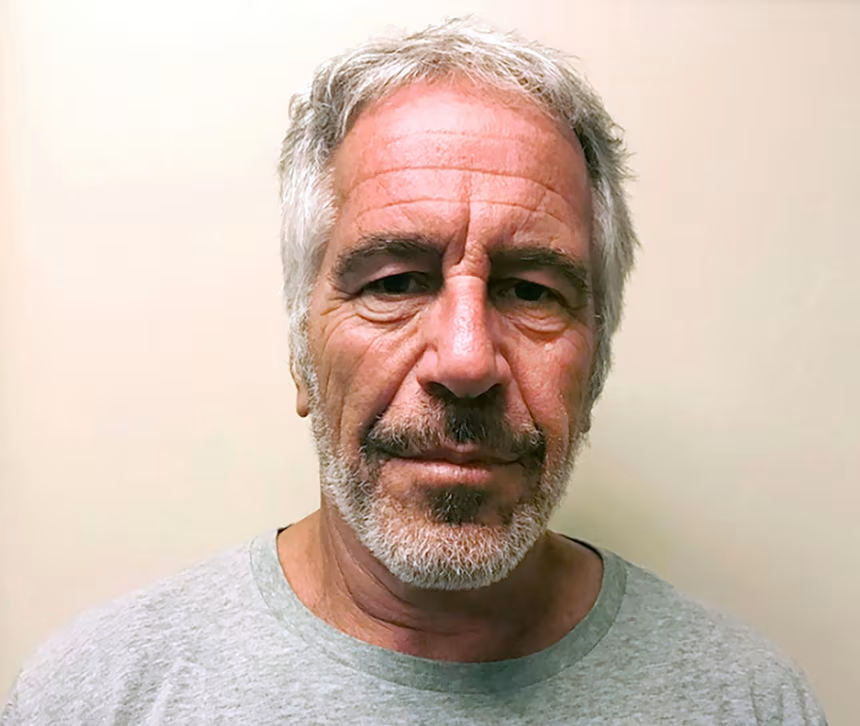
House Oversight Committee Democrats say most Epstein files turned over by DOJ were already public
Entities mentioned:
- House Oversight Committee Democrats: Transparency, Justice, Accountability
- Department of Justice: Control, Professional pride, Obligation
- Rep. Ro Khanna: Transparency, Justice, Moral outrage
- Rep. Summer Lee: Transparency, Justice, Indignation
- Jeffrey Epstein: Power, Control, Self-preservation
- House Oversight Committee: Duty, Transparency, Justice
- Donald Trump supporters: Loyalty, Suspicion, Justice
- Clintons: Self-preservation, Legacy, Influence
- Ghislaine Maxwell: Self-preservation, Loyalty, Control
- Rep. Robert Garcia: Transparency, Justice, Suspicion
Article Assessment:
Credibility Score: 70/100
Bias Rating: 45/100 (Center)
Sentiment Score: 35/100
Authoritarianism Risk: 30/100 (Generally Democratic)
Bias Analysis:
The article presents views from both Democrats and the DOJ, attempting to balance perspectives. However, it gives more space to Democratic criticisms, which slightly skews the overall presentation but not significantly enough to push it out of the center range.
Key metric: Government Transparency Index
As a social scientist, I analyze that this article highlights a significant tension between the legislative and executive branches of the US government regarding transparency and information sharing. The House Oversight Committee's frustration with the Department of Justice's perceived lack of new information in the Epstein files suggests a potential breakdown in inter-branch cooperation. This conflict could have broader implications for government accountability and public trust in institutions. The discrepancy between the committee's expectations and the DOJ's response raises questions about the effectiveness of congressional oversight and the executive branch's willingness to comply fully with legislative requests. This situation may lead to increased public skepticism about the government's handling of high-profile cases and its commitment to transparency, potentially impacting the Government Transparency Index negatively.
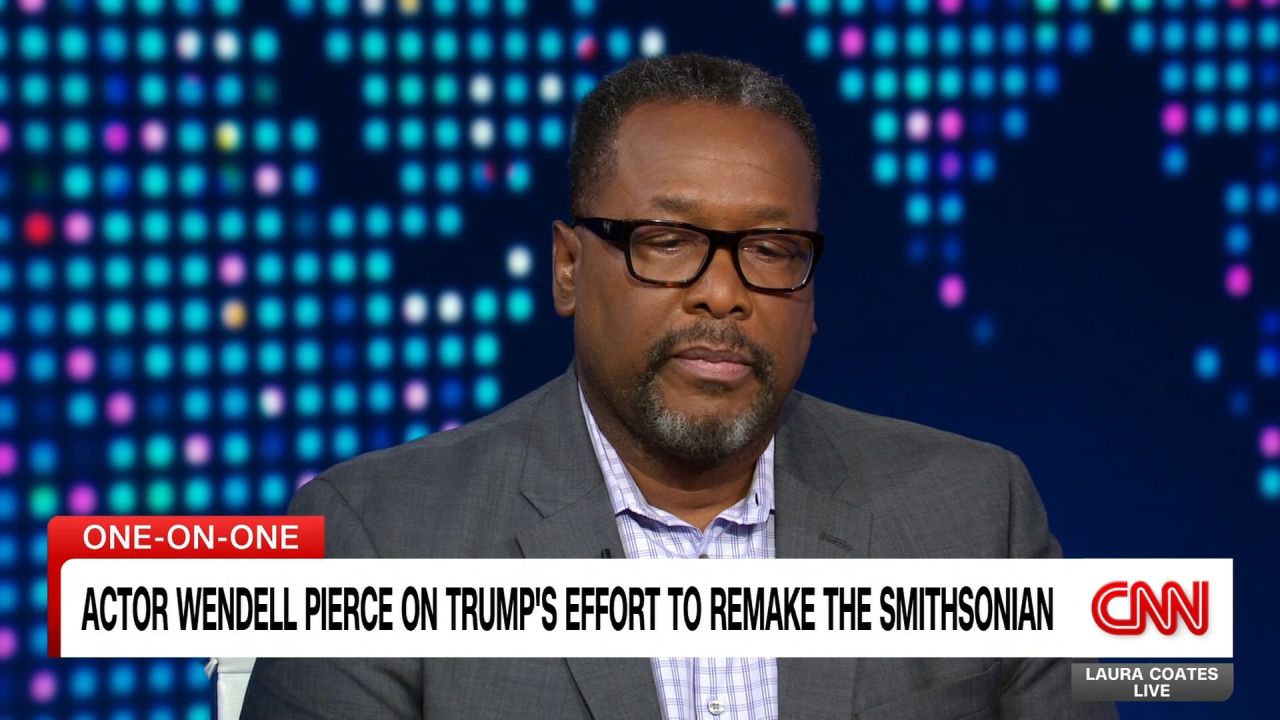
Actor Wendell Pierce on Trump’s effort to remake the Smithsonian
Entities mentioned:
- Wendell Pierce: Moral outrage, Justice, Righteousness
- Donald Trump: Power, Control, Legacy
- Smithsonian Institution: Professional pride, Legacy, Duty
- Laura Coates: Curiosity, Professional pride, Duty
Article Assessment:
Credibility Score: 65/100
Bias Rating: 35/100 (Lean Left)
Sentiment Score: 30/100
Authoritarianism Risk: 55/100 (Mixed/Neutral)
Bias Analysis:
The article leans left, evidenced by framing Trump's actions as a 'culture war' and featuring a critic of his policies. The choice of guest and language used suggests a perspective critical of the administration's approach to cultural institutions.
Key metric: Cultural Polarization Index
As a social scientist, I analyze that this article highlights the ongoing cultural tensions in the United States, particularly regarding the politicization of cultural institutions. Trump's efforts to reshape the Smithsonian, a revered national institution, suggest an attempt to influence the narrative of American history and culture. This move likely exacerbates existing divisions and contributes to increased cultural polarization. The involvement of a prominent actor like Wendell Pierce in discussing this issue on a news program indicates the broad reach and public interest in this cultural conflict, potentially amplifying its societal impact.

Trump’s new warnings about mail-in voting are the most sinister yet
Entities mentioned:
- Donald Trump: Power, Control, Self-preservation
- Vladimir Putin: Influence, Control, Power
- Republican Party: Power, Control, Self-preservation
- Democratic Party: Justice, Security, Freedom
- Karoline Leavitt: Loyalty, Duty, Professional pride
- Adrian Fontes: Justice, Duty, Wariness
- Katie Porter: Justice, Ambition, Moral outrage
- Volodymyr Zelensky: Duty, Security, Self-preservation
Article Assessment:
Credibility Score: 75/100
Bias Rating: 35/100 (Lean Left)
Sentiment Score: 25/100
Authoritarianism Risk: 70/100 (Authoritarian Tendencies)
Bias Analysis:
The article leans left in its framing, presenting Trump's actions as a clear threat to democracy. While it includes factual information, the tone and language choices (e.g., 'sinister', 'alarming') suggest a negative view of Trump and his allies.
Key metric: Electoral Integrity
As a social scientist, I analyze that this article highlights a significant threat to electoral integrity in the United States. Trump's renewed attacks on mail-in voting, coupled with his false claims of election fraud and attempts to influence future elections, pose a serious risk to democratic processes. The article suggests a pattern of behavior aimed at undermining faith in electoral systems, potentially to lay groundwork for contesting future election results. This could lead to decreased voter confidence, increased political polarization, and potential civil unrest. The involvement of foreign influence (Putin) in shaping domestic election narratives is particularly concerning, as it may exacerbate existing tensions and further erode trust in democratic institutions.
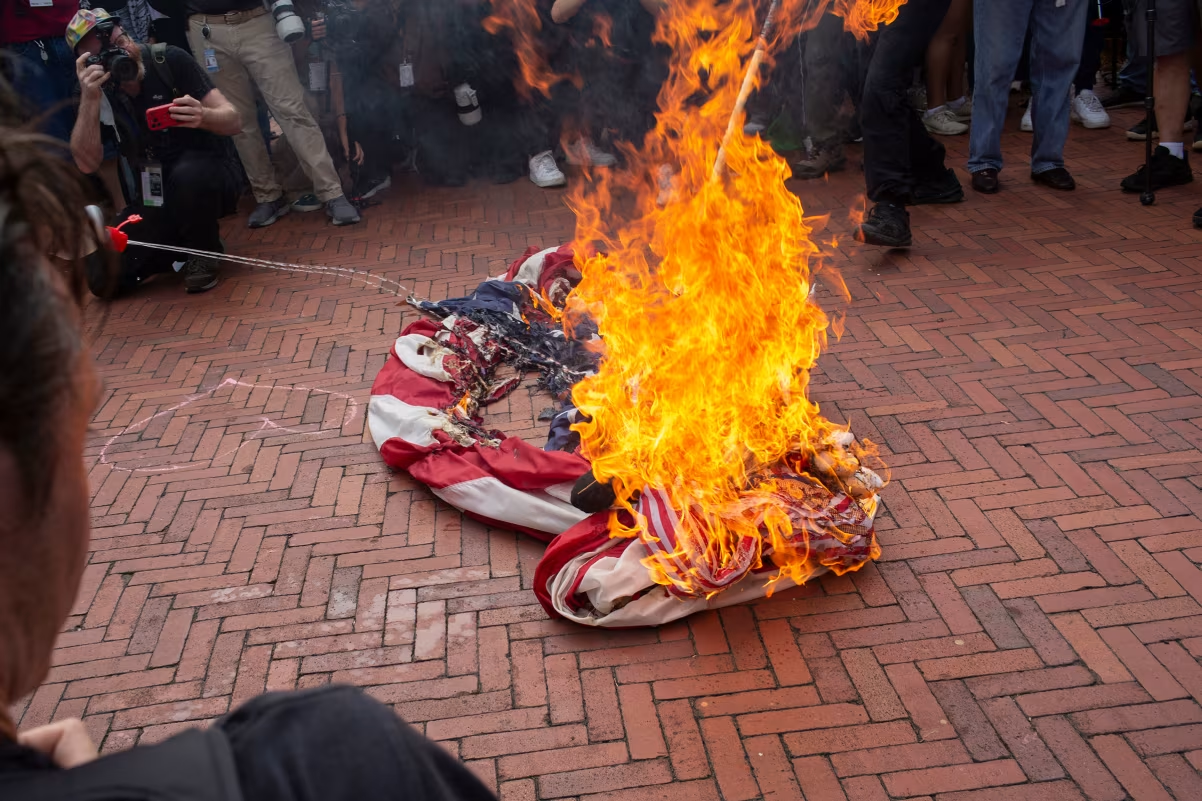
Donald Trump vs. Antonin Scalia on burning the American flag
Entities mentioned:
- Donald Trump: Control, Patriotism, Legacy
- Antonin Scalia: Justice, Duty, Professional pride
- Supreme Court: Justice, Duty, Freedom
- Gregory Lee Johnson: Moral outrage, Freedom, Influence
- Mitch McConnell: Freedom, Duty, Professional pride
- John Thune: Patriotism, Control, Influence
Article Assessment:
Credibility Score: 85/100
Bias Rating: 55/100 (Center)
Sentiment Score: 45/100
Authoritarianism Risk: 35/100 (Generally Democratic)
Bias Analysis:
The article presents multiple viewpoints and historical context, showing a relatively balanced approach. While it gives slightly more space to arguments supporting free speech, it also includes opposing views and poll data, maintaining overall centrism.
Key metric: First Amendment Protections
As a social scientist, I analyze that this article highlights the ongoing tension between free speech protections and patriotic symbolism in the United States. The debate over flag burning as protected speech reveals deep divisions in how Americans interpret the First Amendment and national identity. Trump's executive order attempts to circumvent established Supreme Court precedent, potentially challenging the balance of powers. This issue intersects with broader discussions on civil liberties, nationalism, and the limits of free expression in a polarized political climate. The varying opinions of political leaders and justices over time demonstrate the complexity of reconciling constitutional rights with popular sentiment and changing social norms.

Judge to require that Kilmar Abrego Garcia remain in the US while he challenges deportation to Uganda
Entities mentioned:
- Kilmar Abrego Garcia: Justice, Self-preservation, Freedom
- Judge Paula Xinis: Justice, Duty, Professional pride
- Trump administration: Control, Power, Determination
- US Immigration and Customs Enforcement (ICE): Duty, Control, Security
- Lydia Walther-Rodriguez (CASA): Justice, Moral outrage, Advocacy
- Simon Sandoval-Moshenberg: Justice, Professional pride, Duty
- Sen. Chris Van Hollen: Justice, Duty, Advocacy
Article Assessment:
Credibility Score: 75/100
Bias Rating: 40/100 (Lean Left)
Sentiment Score: 35/100
Authoritarianism Risk: 30/100 (Generally Democratic)
Bias Analysis:
The article leans slightly left, giving more space to perspectives sympathetic to Abrego Garcia and critical of the Trump administration. However, it does include factual information about the legal proceedings and some government perspectives, maintaining a degree of balance.
Key metric: Immigration Policy Effectiveness
As a social scientist, I analyze that this case highlights significant tensions in U.S. immigration policy and its implementation. The article portrays a complex legal battle involving multiple government entities and advocacy groups, centering on the rights of an individual facing deportation. The case of Kilmar Abrego Garcia exemplifies the challenges in balancing national security concerns with individual rights and due process. The involvement of a federal judge intervening in the deportation process suggests potential overreach or procedural issues within the immigration enforcement system. This case may have broader implications for immigration policy, potentially influencing future legal precedents and public perception of the immigration system's fairness and effectiveness.

Trump signs executive order establishing ‘specialized’ National Guard units to address crime in cities
Entities mentioned:
- Donald Trump: Power, Control, Legacy
- Pete Hegseth: Duty, Loyalty, Professional pride
- National Guard: Duty, Security, Control
- Rachel VanLandingham: Professional pride, Wariness, Justice
- Tammy Duckworth: Moral outrage, Justice, Duty
Article Assessment:
Credibility Score: 70/100
Bias Rating: 55/100 (Center)
Sentiment Score: 35/100
Authoritarianism Risk: 65/100 (Authoritarian Tendencies)
Bias Analysis:
The article presents multiple viewpoints, including critical perspectives, which contributes to a relatively balanced presentation. However, there's a slight lean towards emphasizing concerns and potential negatives of the executive order.
Key metric: Domestic Security and Civil Liberties Balance
As a social scientist, I analyze that this executive order represents a significant shift in the use of military forces for domestic law enforcement. The creation of 'specialized units' within the National Guard specifically for handling public order issues raises concerns about the militarization of civilian policing and potential infringement on civil liberties. The order's vague language and unclear implementation details leave room for potential misuse of these units, especially in politically motivated deployments. This move could impact the delicate balance between maintaining public safety and preserving individual freedoms, potentially leading to increased tension between federal and state authorities, as well as between the government and civilians. The focus on urban areas, particularly those led by Democrats, suggests a politicization of law enforcement efforts, which could further exacerbate political divisions and undermine public trust in both law enforcement and government institutions.
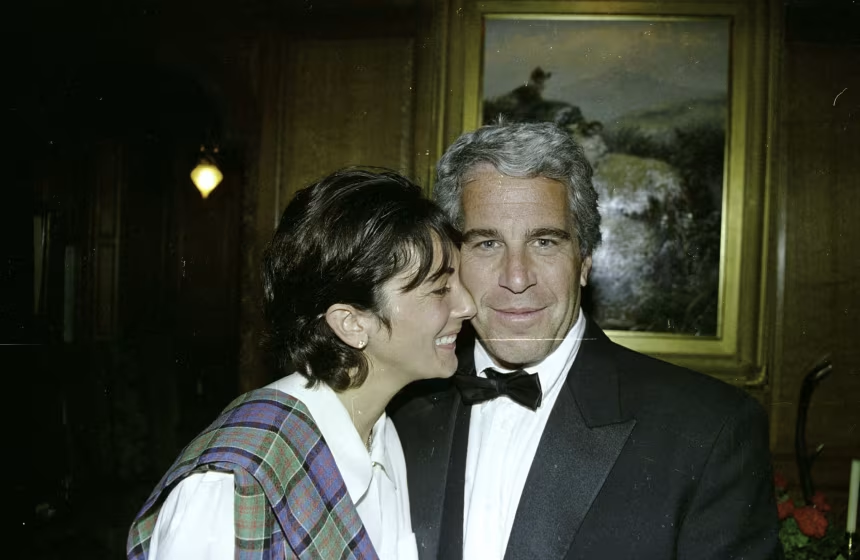
House GOP Oversight panel subpoenas Epstein estate for ‘birthday book,’ other documents
Entities mentioned:
- House Oversight Committee: Justice, Duty, Righteousness
- Jeffrey Epstein: Power, Control, Greed
- Donald Trump: Self-preservation, Reputation, Power
- James Comer: Duty, Justice, Ambition
- Alexander Acosta: Self-preservation, Professional pride, Duty
- Chuck Schumer: Moral outrage, Justice, Political influence
- Robert Garcia: Justice, Duty, Moral outrage
Article Assessment:
Credibility Score: 75/100
Bias Rating: 55/100 (Center)
Sentiment Score: 35/100
Authoritarianism Risk: 25/100 (Generally Democratic)
Bias Analysis:
The article presents a relatively balanced view, including perspectives from both Republican and Democratic members of the committee. While it mentions Trump's denial and lawsuit, it also includes critical views of his administration's handling of the Epstein case.
Key metric: Government Accountability
As a social scientist, I analyze that this investigation into Jeffrey Epstein's estate and associates represents a significant effort to enhance government accountability and transparency. The House Oversight Committee's actions, including subpoenaing Epstein's estate and scheduling an interview with Alexander Acosta, demonstrate a push for a more comprehensive understanding of Epstein's network and the handling of his case. This could potentially impact public trust in government institutions and the justice system. The bipartisan nature of the inquiry, with both Republicans and Democrats actively involved, suggests a united front in addressing this high-profile case. However, the political implications, especially concerning former President Trump, add complexity to the investigation's reception and potential outcomes. The focus on documents like the 'birthday book' and potential client lists indicates an attempt to uncover the full extent of Epstein's influence and activities, which could have far-reaching consequences for various public figures and institutions.

FEMA workers warn agency at risk of Hurricane Katrina-type failures
Entities mentioned:
- FEMA employees: Professional pride, Duty, Moral outrage
- Donald Trump: Control, Power, Ambition
- Kristi Noem: Control, Power, Loyalty
- David Richardson: Duty, Ambition, Loyalty
- Congress: Duty, Obligation, Oversight
Article Assessment:
Credibility Score: 75/100
Bias Rating: 40/100 (Lean Left)
Sentiment Score: 25/100
Authoritarianism Risk: 65/100 (Authoritarian Tendencies)
Bias Analysis:
The article leans slightly left, presenting a critical view of the Trump administration's policies. While it includes specific examples and cites concerns from FEMA employees, it doesn't present a balanced perspective from administration officials.
Key metric: Disaster Preparedness and Response Capability
As a social scientist, I analyze that this article highlights a significant regression in the United States' disaster preparedness and response capabilities. The dismantling of FEMA's authority, budget cuts, and appointment of inexperienced leadership suggest a potential return to pre-Katrina levels of inefficiency. This situation poses grave risks to public safety and national resilience in the face of natural disasters. The mass exodus of experienced staff and the imposition of bureaucratic obstacles further compound these risks. The proposed changes, if implemented, could lead to severe consequences during future disasters, potentially resulting in increased loss of life and property damage.
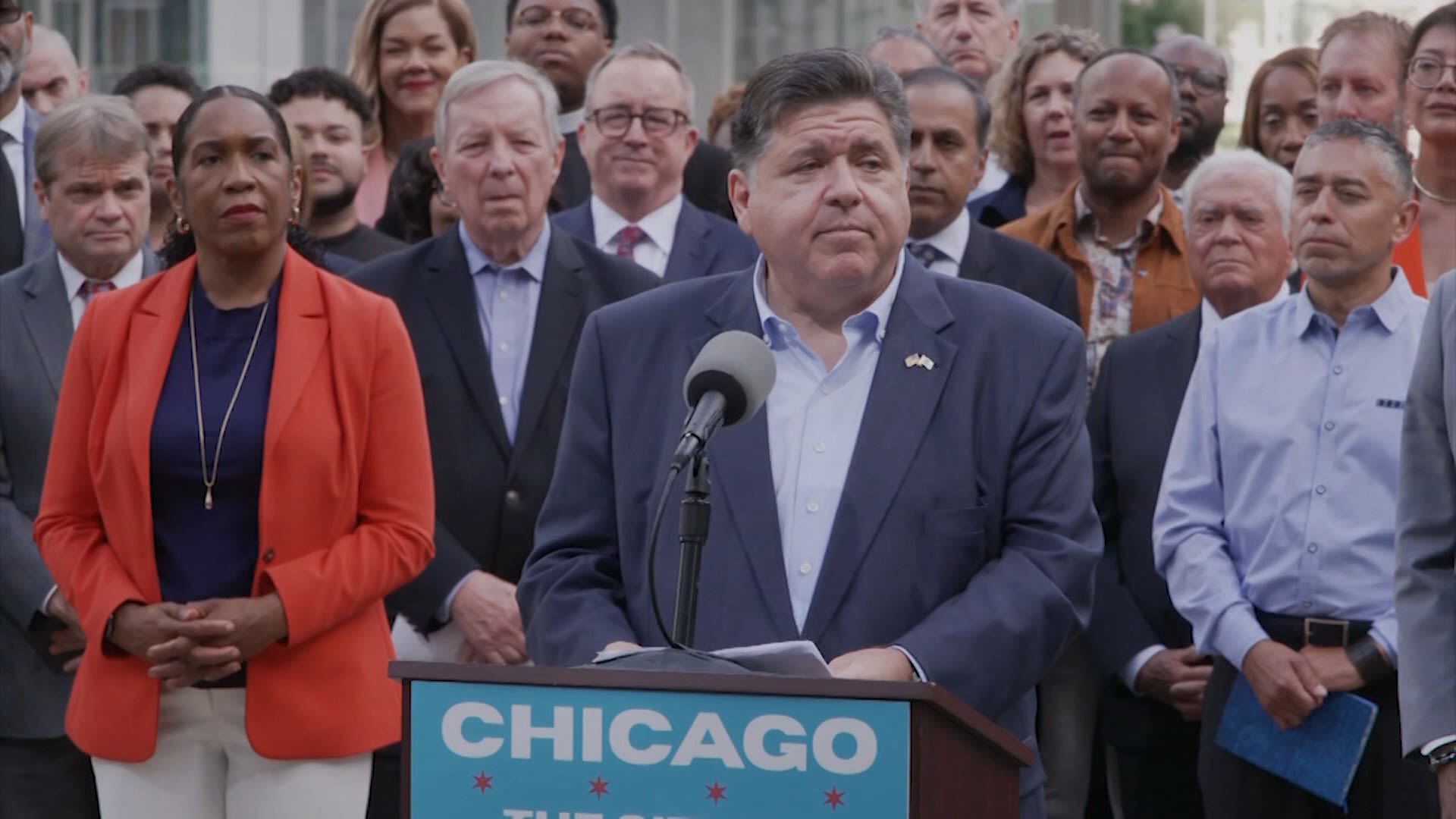
Pritzker tells Trump to stay out of Chicago: ‘You are neither wanted here nor needed here’
Entities mentioned:
- JB Pritzker: Righteousness, Moral outrage, Duty
- Donald Trump: Power, Control, Influence
- Brandon Johnson: Unity, Duty, Security
- Pete Hegseth: Duty, Loyalty, Control
Article Assessment:
Credibility Score: 75/100
Bias Rating: 40/100 (Lean Left)
Sentiment Score: 25/100
Authoritarianism Risk: 65/100 (Authoritarian Tendencies)
Bias Analysis:
The article leans slightly left, giving more prominence to Governor Pritzker's perspective and criticisms of the Trump administration. While it includes some information on the administration's plans, it primarily frames the issue through the lens of opposition to federal intervention.
Key metric: Civil Liberties and Rule of Law
As a social scientist, I analyze that this article highlights a significant conflict between state and federal authorities over the use of federal forces in American cities. The dispute centers on the balance of power between different levels of government and raises concerns about potential threats to civil liberties and democratic norms. Governor Pritzker's strong opposition to federal intervention without local consent reflects deep concerns about the erosion of local autonomy and the potential for federal overreach. This conflict has implications for the separation of powers, federalism, and the role of military forces in domestic affairs, all of which are crucial elements of the American democratic system.