
What polls show ahead of Friday’s Trump-Putin meeting
Entities mentioned:
- Donald Trump: Power, Influence, Legacy
- Vladimir Putin: Power, Control, Influence
- Americans: Security, Justice, Freedom
- Republicans: Loyalty, Security, Wariness
Article Assessment:
Credibility Score: 75/100
Bias Rating: 45/100 (Center)
Sentiment Score: 35/100
Authoritarianism Risk: 25/100 (Generally Democratic)
Bias Analysis:
The article presents data from multiple reputable polling sources and offers balanced commentary. While it focuses more on Republican shifts, it also provides overall American sentiment, maintaining a relatively centrist perspective.
Key metric: US Foreign Policy Effectiveness
As a social scientist, I analyze that this article highlights a significant shift in American public opinion, particularly among Republicans, regarding the Ukraine-Russia conflict. The data from multiple polls suggests an increasing hawkish stance towards Russia and greater support for Ukraine. This shift poses challenges for Trump's historically softer approach to Putin, potentially impacting US foreign policy effectiveness. The article indicates that Trump's recent criticism of Putin has somewhat aligned him with the changing Republican sentiment, but there remains skepticism about his ability to effectively manage the relationship with Russia. This evolving public opinion could pressure the administration to adopt a firmer stance against Russia, potentially influencing diplomatic strategies and international alliances.

Trump Shares Own Experiences As Victim Of White Genocide
Entities mentioned:
- Donald Trump: Moral outrage, Righteousness, Pride
- White South African farmers: Fear, Self-preservation, Justice
- Black president: Power, Control, Revenge
Article Assessment:
Credibility Score: 25/100
Bias Rating: 40/100 (Lean Left)
Sentiment Score: 30/100
Authoritarianism Risk: 65/100 (Authoritarian Tendencies)
Bias Analysis:
The article leans left, using satire to criticize right-wing narratives about white persecution. While exaggerating Trump's statements, it reflects liberal critiques of his rhetoric on race relations.
Key metric: Social Cohesion and Unity
As a social scientist, I analyze that this article, while satirical, highlights the potential for political rhetoric to exacerbate racial tensions and undermine social cohesion. The hyperbolic claims of 'white genocide' and persecution under a Black president serve to amplify existing racial anxieties and potentially legitimize extremist ideologies. This type of discourse, even in satire, can contribute to the polarization of society and erode trust in democratic institutions. The proposed 'White Genocide Museum' and the suggestion of razing other museums further emphasizes the divisive nature of such rhetoric, potentially impacting national unity and intercultural understanding.

Jasmine Crockett proclaims she hates the Heritage Foundation ‘with everything in my in my body’
Entities mentioned:
- Jasmine Crockett: Moral outrage, Righteousness, Indignation
- The Heritage Foundation: Influence, Power, Control
- Al Sharpton: Influence, Recognition, Justice
- Ayanna Pressley: Unity, Justice, Influence
- Supreme Court: Justice, Power, Legacy
Article Assessment:
Credibility Score: 70/100
Bias Rating: 30/100 (Lean Left)
Sentiment Score: 25/100
Authoritarianism Risk: 35/100 (Generally Democratic)
Bias Analysis:
The article leans left due to its focus on a Democratic representative's criticism of a conservative organization. While it includes some context, it primarily presents the perspective of Rep. Crockett without significant counterbalance from The Heritage Foundation.
Key metric: Political Polarization Index
As a social scientist, I analyze that this article highlights the increasing political polarization in the United States. Rep. Crockett's strong language against The Heritage Foundation, a conservative think tank, exemplifies the growing divide between left and right ideologies. The discussion of Project 2025 and abortion legislation further underscores the contentious nature of current political discourse. The comparison of political strategy to emotional manipulation in car sales suggests a cynical view of how public opinion is shaped, which could contribute to decreased trust in political institutions and processes. This intense polarization can hinder bipartisan cooperation and effective governance, potentially impacting the overall functioning of democracy.
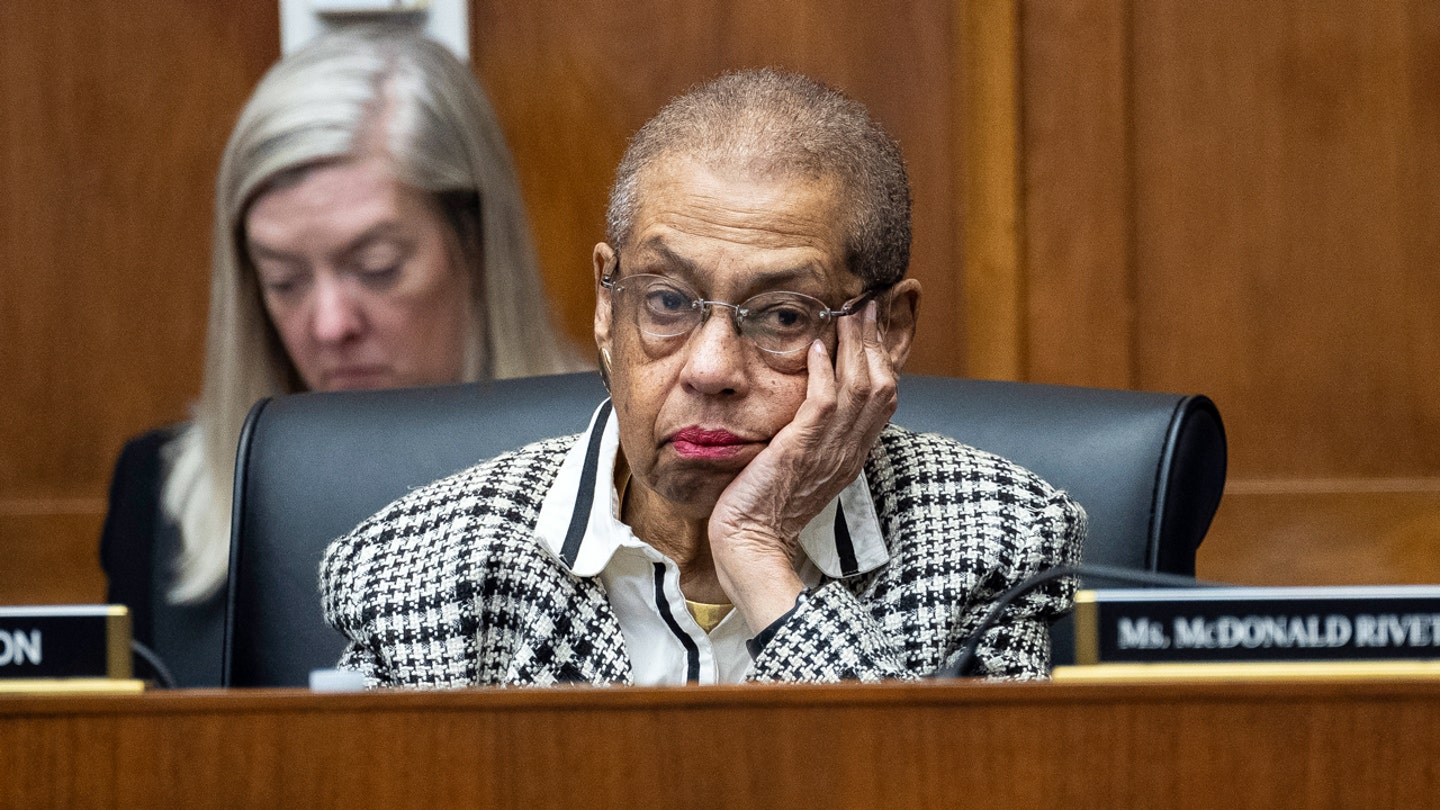
All eyes on Washington, and naught but deafening silence from the District's loudest defender
Entities mentioned:
- Eleanor Holmes Norton: Duty, Justice, Determination
- David Dreier: Control, Power, Influence
- Donald Trump: Power, Control, Influence
- Muriel Bowser: Duty, Self-preservation, Indignation
- Chris Van Hollen: Justice, Moral outrage, Duty
- Brandon Scott: Duty, Justice, Indignation
- Phil Mendelson: Loyalty, Wariness, Duty
- Hakeem Jeffries: Unity, Loyalty, Self-preservation
- Kinney Zalesne: Ambition, Justice, Competitive spirit
Article Assessment:
Credibility Score: 75/100
Bias Rating: 45/100 (Center)
Sentiment Score: 35/100
Authoritarianism Risk: 55/100 (Mixed/Neutral)
Bias Analysis:
The article presents multiple perspectives and quotes from various political figures, maintaining a relatively balanced approach. While it raises questions about Norton's recent inactivity, it also provides context and historical background, avoiding overtly partisan language.
Key metric: Democratic Representation
As a social scientist, I analyze that this article highlights a critical juncture in Washington D.C.'s struggle for full representation and local autonomy. The absence of Eleanor Holmes Norton's typically forceful advocacy during a time of federal intervention in local affairs underscores the precarious position of D.C.'s governance. This situation exemplifies the ongoing tension between federal control and local self-determination in the District, impacting the key metric of Democratic Representation. The deployment of federal forces without local consent and the relative silence of D.C.'s primary congressional advocate raise significant questions about the balance of power and the effectiveness of non-voting representation. This event may serve as a catalyst for renewed discussions on D.C. statehood and the broader implications for democratic representation in the U.S. political system.

20 officers came to arrest man charged with throwing sandwich at a police officer in DC, his lawyer says
Entities mentioned:
- Sean Charles Dunn: Moral outrage, Indignation, Justice
- Pam Bondi: Righteousness, Control, Loyalty
- Department of Justice: Control, Power, Professional pride
- Donald Trump: Power, Control, Influence
- Jeanine Pirro: Loyalty, Righteousness, Influence
- White House: Power, Control, Unity
Article Assessment:
Credibility Score: 70/100
Bias Rating: 55/100 (Center)
Sentiment Score: 30/100
Authoritarianism Risk: 75/100 (Authoritarian Tendencies)
Bias Analysis:
The article presents multiple viewpoints, including government officials and the accused's side. However, there's a slight lean towards questioning the government's actions, particularly in framing the response as disproportionate.
Key metric: Trust in Government Institutions
As a social scientist, I analyze that this incident reflects growing tensions between federal law enforcement and civilians in Washington, DC. The disproportionate response to a minor altercation (20 officers arresting one man for throwing a sandwich) suggests an escalation of authoritarian tactics and a potential abuse of power. The swift firing and felony charges against a DOJ employee for a relatively minor offense could be seen as an attempt to suppress dissent within government ranks. This event, coupled with the increased federal law enforcement presence and the President's takeover of local police, indicates a concerning trend towards centralized federal control and potential erosion of local governance. The rhetoric from officials like Bondi and Pirro emphasizes a 'with us or against us' mentality, which could further polarize public opinion and decrease trust in government institutions.

Texas Democrats signal they are ready to end redistricting standoff and return to state
Entities mentioned:
- Texas Democratic lawmakers: Justice, Influence, Righteousness
- Texas Republicans: Power, Control, Ambition
- Donald Trump: Influence, Power, Legacy
- California Democrats: Competitive spirit, Justice, Influence
- Greg Abbott: Control, Power, Determination
- Barack Obama: Influence, Unity, Justice
Article Assessment:
Credibility Score: 75/100
Bias Rating: 55/100 (Center)
Sentiment Score: 40/100
Authoritarianism Risk: 35/100 (Generally Democratic)
Bias Analysis:
The article presents perspectives from both Democrats and Republicans, though it provides more detailed coverage of Democratic actions and motivations. While it maintains a generally neutral tone, there's a slight lean towards framing the Democrats' actions more sympathetically.
Key metric: Electoral Competitiveness
As a social scientist, I analyze that this article highlights a significant political struggle over redistricting in Texas, with potential national implications for the balance of power in the U.S. House of Representatives. The Texas Democrats' temporary exodus to deny quorum was a strategic move to delay Republican-led redistricting efforts, which could result in additional Republican seats. This standoff reflects broader tensions in American democracy, particularly regarding voting rights and political representation. The involvement of other states, notably California, in potentially offsetting Texas' redistricting impact, demonstrates the interconnected nature of state-level political maneuvering in shaping national electoral outcomes. This situation underscores the critical role of redistricting in determining electoral competitiveness and representation, potentially affecting the overall health and fairness of the democratic process.
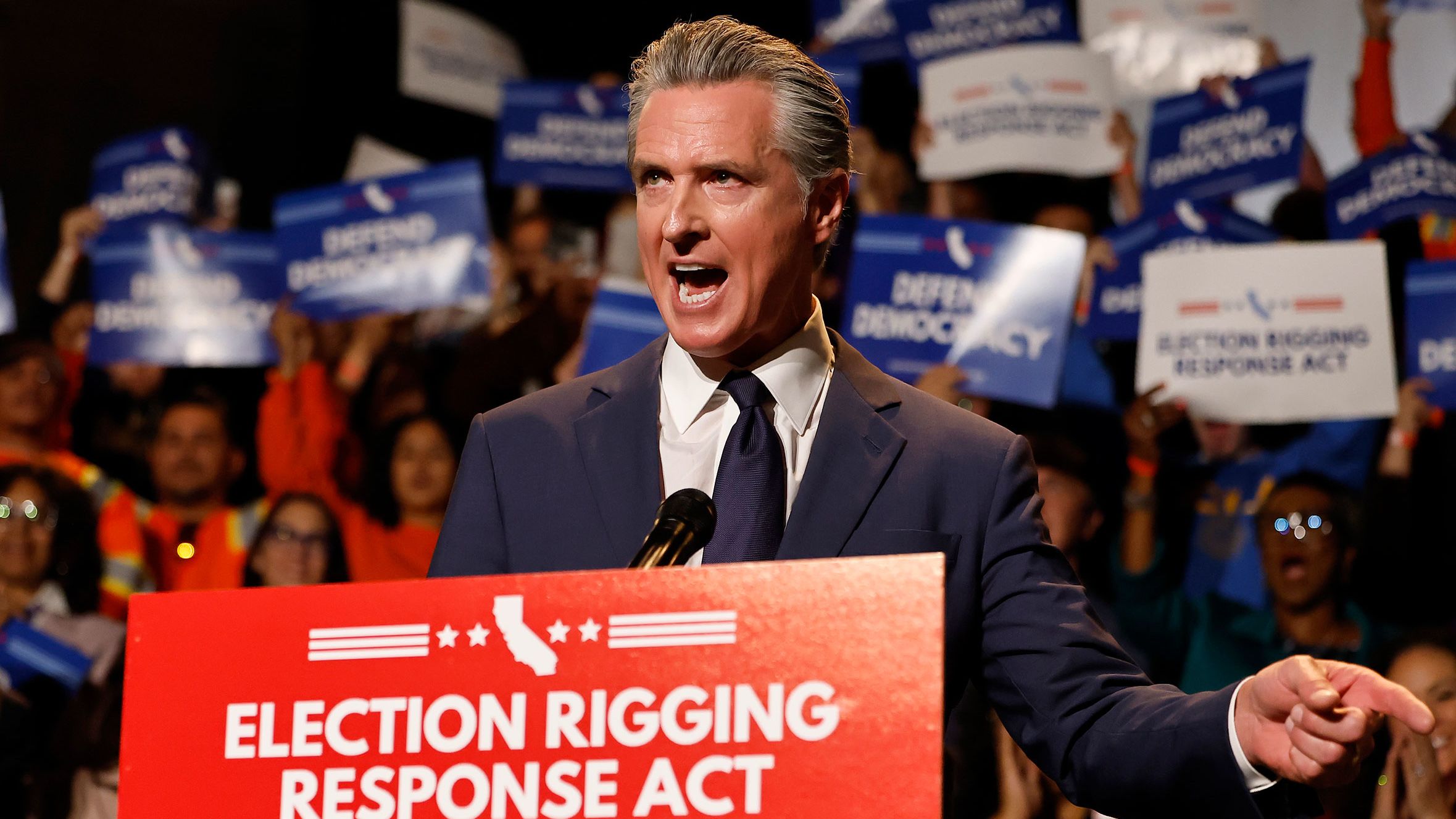
Newsom announces California redistricting push, setting up a standoff with GOP-led opponents
Entities mentioned:
- Gavin Newsom: Power, Justice, Competitive spirit
- Donald Trump: Power, Control, Influence
- Greg Abbott: Power, Control, Competitive spirit
- Arnold Schwarzenegger: Justice, Legacy, Righteousness
- Charles Munger Jr.: Justice, Influence, Legacy
- League of Women Voters: Justice, Duty, Righteousness
- Common Cause: Justice, Influence, Duty
- Steve Hilton: Ambition, Competitive spirit, Justice
- Kevin Kiley: Justice, Duty, Self-preservation
Article Assessment:
Credibility Score: 75/100
Bias Rating: 45/100 (Center)
Sentiment Score: 35/100
Authoritarianism Risk: 55/100 (Mixed/Neutral)
Bias Analysis:
The article presents multiple viewpoints and includes voices from both sides of the debate. While it gives slightly more space to Newsom's perspective, it also presents counterarguments and opposition views, maintaining a relatively balanced approach.
Key metric: Electoral Integrity
As a social scientist, I analyze that this article highlights a significant political conflict over redistricting in California, with potential national implications. Governor Newsom's push to redraw congressional maps is framed as a response to Republican efforts in other states, particularly Texas. This creates a complex dynamic where democratic principles (independent redistricting) are being challenged in the name of perceived fairness and political competition. The involvement of various political actors, advocacy groups, and former officials demonstrates the high stakes of this issue. The potential impact on Electoral Integrity is substantial, as it could affect the balance of power in Congress and set precedents for how states respond to redistricting efforts in other parts of the country. The article also touches on broader themes of partisanship, the role of independent commissions, and the tension between state-level democracy and national political strategy.
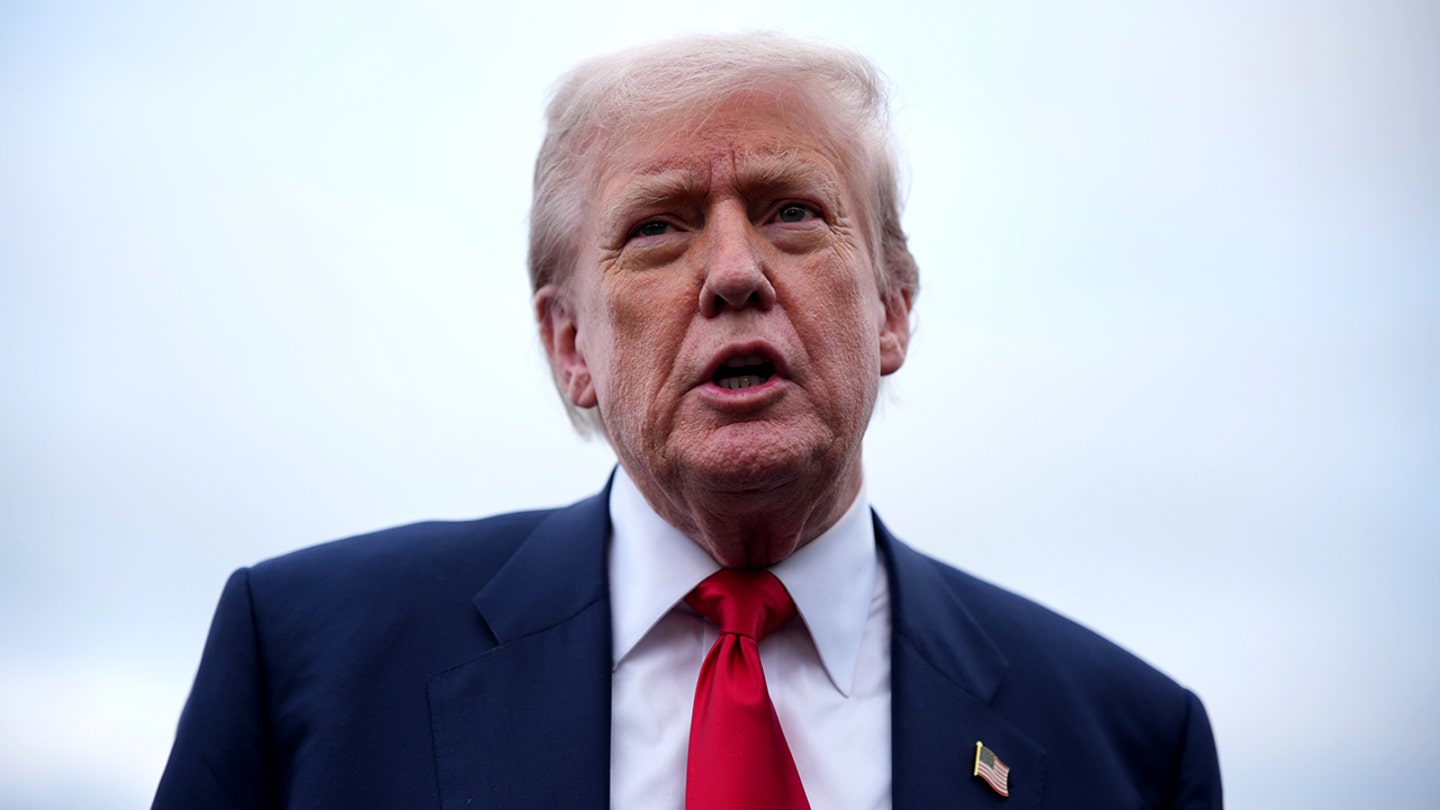
Capitol Hill prepares for high-stakes battle over Trump crime package, DC police authority
Entities mentioned:
- Donald Trump: Power, Control, Legacy
- Lindsey Graham: Loyalty, Influence, Professional pride
- Pam Bondi: Duty, Professional pride, Loyalty
- Katie Britt: Professional pride, Duty, Influence
- Chuck Schumer: Moral outrage, Opposition, Power
- Dick Durbin: Moral outrage, Opposition, Justice
- Republicans: Loyalty, Power, Control
- Democrats: Opposition, Justice, Freedom
Article Assessment:
Credibility Score: 70/100
Bias Rating: 55/100 (Center)
Sentiment Score: 35/100
Authoritarianism Risk: 65/100 (Authoritarian Tendencies)
Bias Analysis:
The article presents views from both Republican and Democratic sides, but gives slightly more space to Republican perspectives. It includes direct quotes from both parties, maintaining a relatively balanced approach despite the controversial nature of the topic.
Key metric: Crime Rate in Washington D.C.
As a social scientist, I analyze that this article highlights a growing political conflict over control of Washington D.C.'s law enforcement. President Trump's proposed crime package and desire to extend control over D.C. police signify a push for federal intervention in local affairs, framed as a necessary step to reduce crime. This move is supported by Republicans but strongly opposed by Democrats, who view it as an overreach of executive power. The conflict reflects broader tensions between federal and local authority, as well as partisan divides on approaches to crime and governance. The potential use of emergency powers to bypass Congress further escalates the situation, raising concerns about the balance of power and democratic processes. This conflict could significantly impact D.C.'s crime rates and policing practices, depending on which approach prevails.
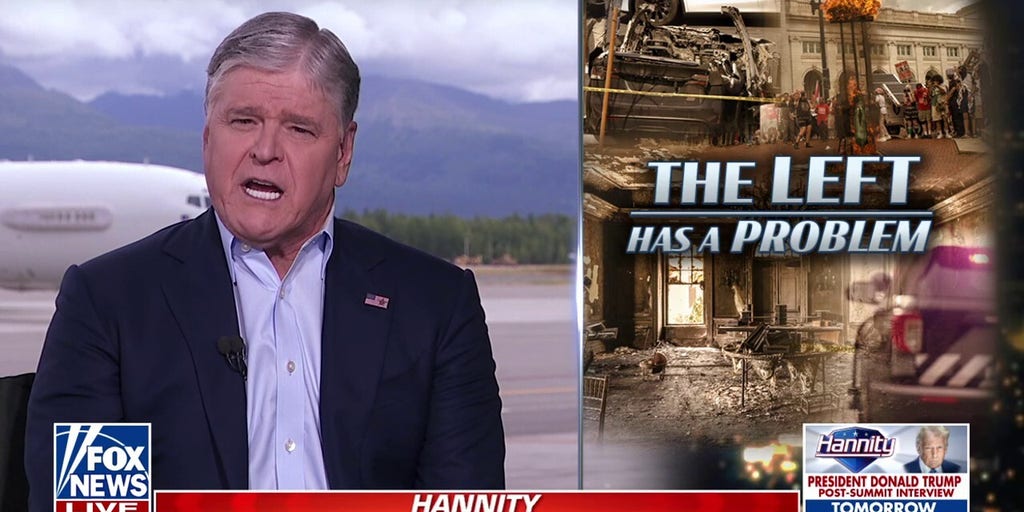
Sean Hannity: Democrats have picked the wrong side of an issue once again
Entities mentioned:
- Sean Hannity: Righteousness, Influence, Moral outrage
- Democrats: Moral outrage, Loyalty, Justice
- Trump administration: Control, Security, Law and order
- Protesters: Justice, Moral outrage, Indignation
Article Assessment:
Credibility Score: 35/100
Bias Rating: 75/100 (Lean Right)
Sentiment Score: 30/100
Authoritarianism Risk: 55/100 (Mixed/Neutral)
Bias Analysis:
The article leans strongly right, evidenced by its pro-Trump administration stance and criticism of Democrats and protesters. The language used, such as 'wrong side' and 'detached from reality', indicates a clear conservative bias in framing the issue.
Key metric: Political Polarization Index
As a social scientist, I analyze that this article likely contributes to increased political polarization in the United States. Hannity's characterization of protesters as 'detached from reality' and framing Democrats as being on the 'wrong side' of an issue promotes an us-vs-them mentality. This type of rhetoric can deepen existing political divides and make bipartisan cooperation more difficult. The focus on crime and protests also touches on sensitive issues that tend to elicit strong emotional responses from both sides of the political spectrum, potentially further entrenching existing beliefs and increasing animosity between political factions.
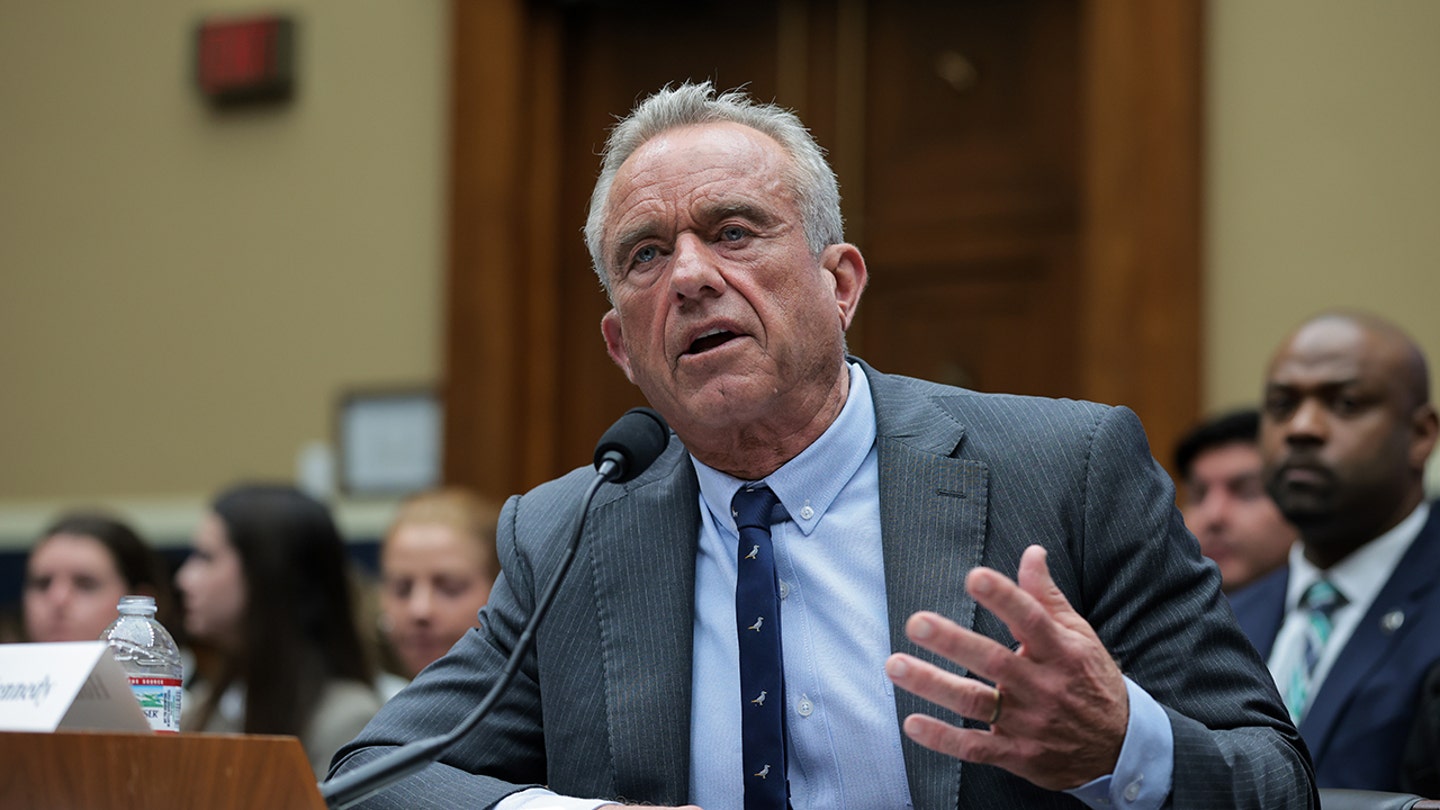
Judge orders RFK Jr's HHS to stop sharing Medicaid data with immigration officials
Entities mentioned:
- Judge Vince Chhabria: Justice, Duty, Righteousness
- Department of Health and Human Services (HHS): Control, Duty, Obligation
- Department of Homeland Security (DHS): Security, Control, Power
- Immigration and Customs Enforcement (ICE): Control, Security, Duty
- Robert F. Kennedy Jr.: Power, Control, Ambition
- Trump Administration: Control, Power, Security
- Rob Bonta: Justice, Righteousness, Duty
- Nick Brown: Justice, Duty, Righteousness
Article Assessment:
Credibility Score: 75/100
Bias Rating: 45/100 (Center)
Sentiment Score: 35/100
Authoritarianism Risk: 25/100 (Generally Democratic)
Bias Analysis:
The article presents multiple viewpoints, including those of the judge, government officials, and immigration advocates. While it leans slightly critical of the administration's actions, it maintains a relatively balanced tone by providing factual information and quoting various sources.
Key metric: Public Trust in Government Institutions
As a social scientist, I analyze that this court order significantly impacts public trust in government institutions. The judge's decision to halt the sharing of Medicaid data with immigration officials highlights a conflict between different government agencies and their respective mandates. This situation may lead to decreased trust in health services among vulnerable populations, particularly immigrants, who may fear seeking medical care due to potential immigration consequences. The court's intervention also underscores the importance of checks and balances in the US government system, potentially reinforcing public confidence in the judiciary's role in protecting individual rights and privacy. However, the revelation of previously undisclosed data-sharing agreements between HHS and DHS may erode trust in the transparency and ethical practices of these agencies, particularly among minority and immigrant communities.