
Rubio hails Trump as 'only leader in the world' who can broker Ukraine peace deal after talks
Entities mentioned:
- Marco Rubio: Loyalty, Influence, Competitive spirit
- Donald Trump: Power, Recognition, Influence
- Joe Biden: Obligation, Security, Duty
- Volodymyr Zelenskyy: Self-preservation, Duty, Determination
- Vladimir Putin: Power, Control, Influence
- NATO: Security, Unity, Duty
Article Assessment:
Credibility Score: 55/100
Bias Rating: 75/100 (Lean Right)
Sentiment Score: 65/100
Authoritarianism Risk: 45/100 (Mixed/Neutral)
Bias Analysis:
The article leans right, primarily due to its uncritical presentation of Republican viewpoints and criticism of the Biden administration. It relies heavily on Marco Rubio's statements without offering contrasting perspectives or fact-checking claims about Trump's peace-brokering abilities.
Key metric: Diplomatic Influence
As a social scientist, I analyze that this article presents a shift in the U.S. approach to the Ukraine-Russia conflict under the Trump administration. The narrative emphasizes Trump's alleged unique ability to broker peace, contrasting it with the perceived ineffectiveness of the Biden administration. This framing potentially impacts U.S. diplomatic influence by suggesting that Trump's personal relationships with world leaders are key to resolving international conflicts. The article's focus on changing dynamics in weapon supply and funding methods also indicates a potential shift in international perceptions of U.S. foreign policy. However, the heavy reliance on Rubio's statements without significant counterbalancing perspectives raises questions about the comprehensiveness of the analysis presented.
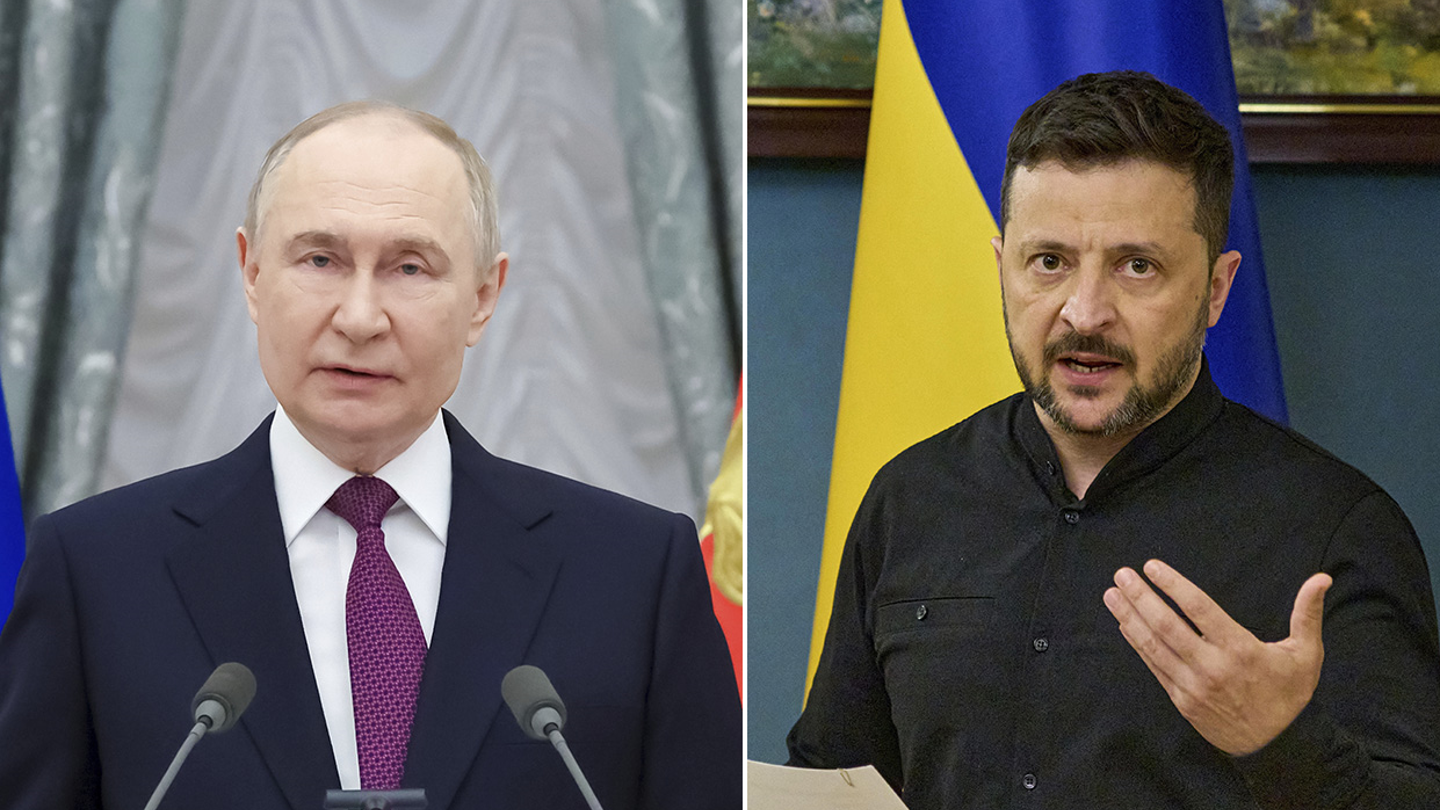
Trump’s push for Putin-Zelenskyy talks hinges on Kremlin's conditions
Entities mentioned:
- Donald Trump: Influence, Legacy, Power
- Vladimir Putin: Power, Control, Pride
- Volodymyr Zelenskyy: Self-preservation, Duty, Unity
- Ivana Stradner: Professional pride, Wariness, Duty
- Kurt Volker: Professional pride, Duty, Wariness
- Karoline Leavitt: Duty, Loyalty, Obligation
- Maria Snegovaya: Professional pride, Curiosity, Wariness
Article Assessment:
Credibility Score: 75/100
Bias Rating: 55/100 (Center)
Sentiment Score: 35/100
Authoritarianism Risk: 45/100 (Mixed/Neutral)
Bias Analysis:
The article presents multiple perspectives, including both US and Russian viewpoints, as well as expert opinions. While it leans slightly towards a Western perspective, it attempts to provide a balanced view of the diplomatic situation.
Key metric: International Diplomatic Influence
As a social scientist, I analyze that this article highlights the complex dynamics of international diplomacy surrounding the Russia-Ukraine conflict. Trump's initiative to arrange talks between Putin and Zelenskyy demonstrates the US's attempt to reassert its global diplomatic influence. However, the reluctance from the Russian side and the skepticism expressed by experts suggest significant challenges in achieving a diplomatic breakthrough. The article underscores the importance of power dynamics, with Putin's motivations centered on projecting Russian strength and equality with the US. The experts' analysis points to a potential stalemate, with Putin unlikely to compromise without significant concessions. This situation impacts the US's diplomatic influence by showcasing both its ability to initiate high-level talks and the limitations of its leverage over Russia. The article also highlights the broader implications for NATO and European security, suggesting that the outcome of this diplomatic effort could have far-reaching consequences for US global leadership and alliance structures.
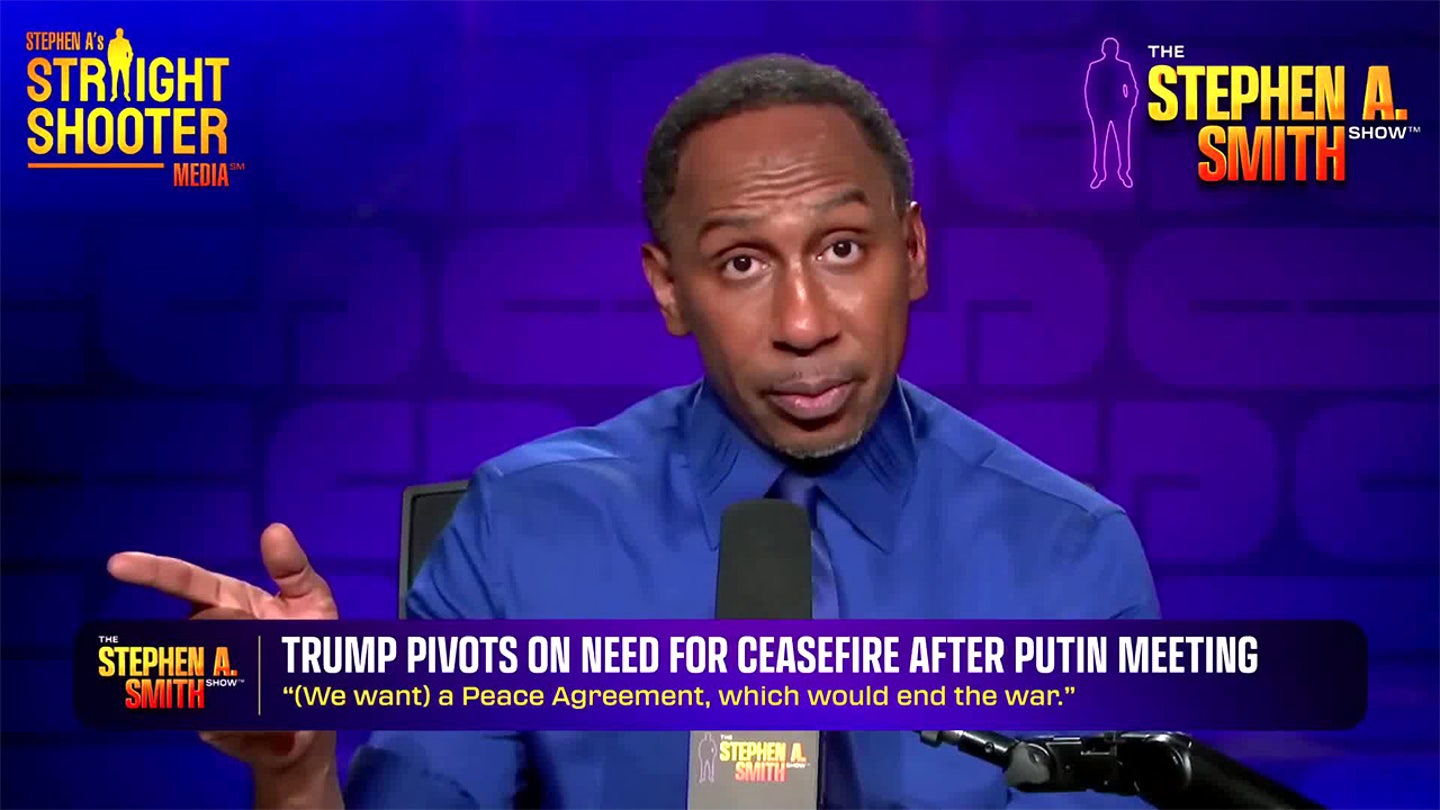
Trump didn’t cause Russia-Ukraine war, Stephen A. Smith says, blaming Biden, Obama and Clinton in fiery rant
Entities mentioned:
- Stephen A. Smith: Indignation, Justice, Duty
- Donald Trump: Self-preservation, Influence, Power
- Joe Biden: Obligation, Security, Legacy
- Barack Obama: Caution, Security, Legacy
- Bill Clinton: Influence, Security, Legacy
- Russia: Power, Control, Influence
- Ukraine: Self-preservation, Freedom, Security
Article Assessment:
Credibility Score: 65/100
Bias Rating: 55/100 (Center)
Sentiment Score: 30/100
Authoritarianism Risk: 35/100 (Generally Democratic)
Bias Analysis:
The article presents multiple viewpoints, including criticism of both Republican and Democratic administrations. However, it relies heavily on Stephen A. Smith's opinions without substantial counterarguments, potentially skewing the perspective.
Key metric: U.S. Foreign Policy Effectiveness
As a social scientist, I analyze that this article presents a complex view of U.S. foreign policy spanning multiple administrations and its impact on the Russia-Ukraine conflict. Smith's argument shifts blame from Trump to previous Democratic administrations, suggesting a long-term policy failure rather than a single administration's fault. This perspective challenges the common narrative and highlights the complexity of international relations and the long-term consequences of policy decisions. The article touches on critical events like the Crimea annexation and Ukraine's nuclear disarmament, which have significantly shaped the current geopolitical landscape. It also raises questions about the U.S.'s commitment to its international promises and the financial burden of these commitments on American taxpayers. This debate could influence public opinion on U.S. foreign policy effectiveness and potentially impact future policy decisions regarding international commitments and interventions.

Kristi Noem reveals striking new layer in Trump’s border wall strategy
Entities mentioned:
- Kristi Noem: Duty, Loyalty, Security
- Donald Trump: Control, Security, Influence
- Border Patrol: Duty, Security, Professional pride
- Walter Slosar: Security, Professional pride, Duty
- Biden administration: Righteousness, Moral outrage, Obligation
Article Assessment:
Credibility Score: 65/100
Bias Rating: 75/100 (Lean Right)
Sentiment Score: 70/100
Authoritarianism Risk: 65/100 (Authoritarian Tendencies)
Bias Analysis:
The article leans right, presenting the Trump administration's border policies in a positive light while criticizing the Biden administration. It relies heavily on statements from officials aligned with the current administration, offering limited counterpoints or alternative perspectives.
Key metric: Immigration and Border Security
As a social scientist, I analyze that this article highlights a significant shift in border security policy under the Trump administration. The decision to paint the border wall black represents a hardening of physical deterrents, while the reported decrease in apprehensions and 'gotaways' suggests increased effectiveness of enforcement measures. The stark contrast drawn between current policies and those of the Biden administration implies a narrative of improved security and law enforcement morale. However, this approach may exacerbate tensions surrounding immigration policy and human rights concerns. The emphasis on physical barriers and stricter enforcement could impact diplomatic relations with neighboring countries and influence public perception of immigrants. The long-term socioeconomic effects of these policies on both sides of the border warrant careful consideration.
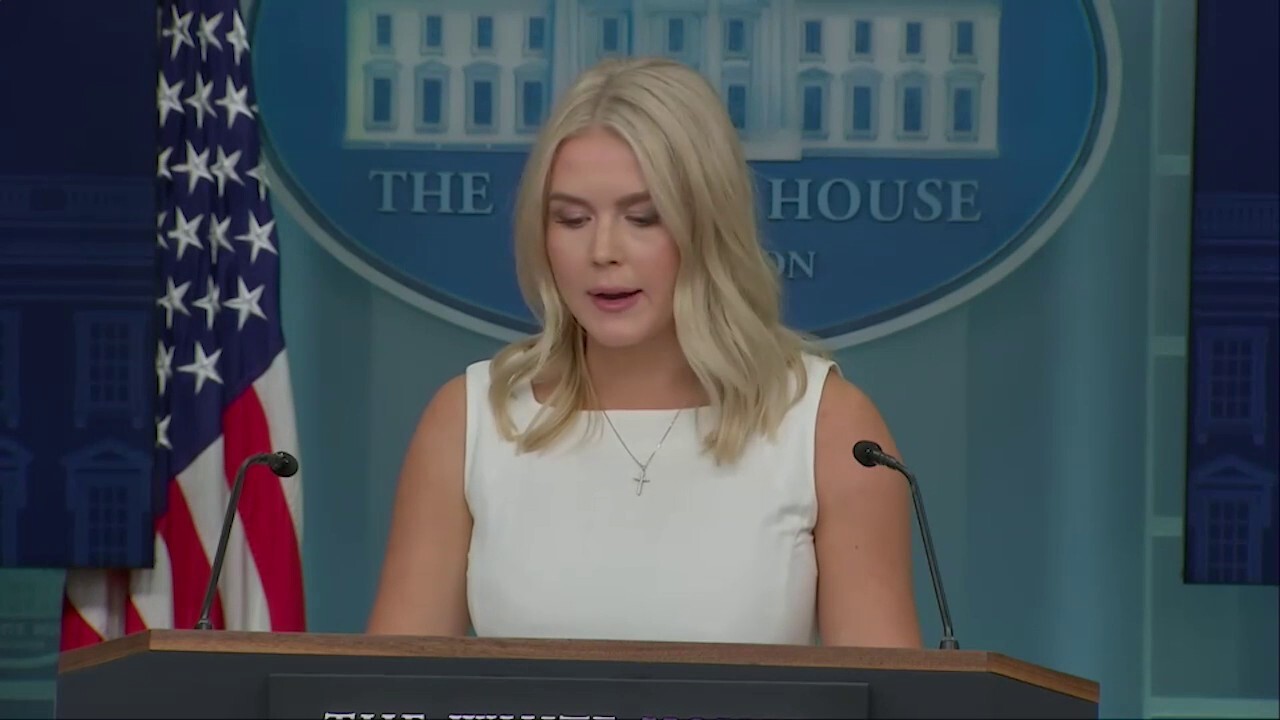
White House rejects ‘blank checks’ for Ukraine, presses NATO to shoulder costs
Entities mentioned:
- White House: Self-preservation, Control, Influence
- President Donald Trump: Ambition, Control, Influence
- Karoline Leavitt: Duty, Loyalty, Professional pride
- NATO: Security, Unity, Obligation
- Congress: Duty, Influence, Security
- JD Vance: Influence, Duty, Righteousness
- Volodymyr Zelenskyy: Self-preservation, Determination, Security
Article Assessment:
Credibility Score: 70/100
Bias Rating: 65/100 (Lean Right)
Sentiment Score: 45/100
Authoritarianism Risk: 35/100 (Generally Democratic)
Bias Analysis:
The article leans slightly right, focusing more on the Trump administration's perspective and quoting primarily Republican officials. While it includes some factual information, the framing tends to present the administration's view more prominently than alternative viewpoints.
Key metric: U.S. Military Spending
As a social scientist, I analyze that this article reflects a significant shift in U.S. foreign policy regarding military aid to Ukraine. The Trump administration is attempting to reduce direct U.S. financial involvement while maintaining support through alternative means, such as facilitating weapon sales through NATO. This approach aims to balance domestic fiscal concerns with international security commitments. The emphasis on European allies taking greater responsibility suggests a recalibration of U.S. global military engagement and spending priorities. This policy shift could have substantial implications for U.S. military spending, potentially reducing direct aid to Ukraine while promoting arms sales to NATO allies. The long-term impact on U.S. global influence and military strategy remains uncertain, as it depends on how effectively this new approach maintains stability in Eastern Europe and deters further Russian aggression.

Judges approve Trump’s pick as interim US Attorney in Manhattan
Entities mentioned:
- Jay Clayton: Ambition, Power, Professional pride
- Donald Trump: Control, Power, Influence
- Federal Court Judges (SDNY): Duty, Justice, Obligation
- Senators: Wariness, Control, Duty
- Alina Habba: Ambition, Power, Professional pride
- John Sarcone III: Ambition, Power, Professional pride
- Geoff Berman: Duty, Justice, Professional pride
Article Assessment:
Credibility Score: 75/100
Bias Rating: 55/100 (Center)
Sentiment Score: 45/100
Authoritarianism Risk: 35/100 (Generally Democratic)
Bias Analysis:
The article presents a fairly balanced view of the situation, including both successes and challenges in Trump's US Attorney appointments. While it notes controversies, it also acknowledges when appointments have been unchallenged, maintaining a generally neutral tone.
Key metric: Rule of Law Index
As a social scientist, I analyze that this article highlights the ongoing tension between executive power and judicial oversight in the appointment of US Attorneys. The approval of Jay Clayton by federal judges, despite his lack of prosecutorial experience, suggests a shift in the balance of power between the executive branch and the judiciary. This appointment, coupled with the resistance to other Trump nominees, indicates a complex interplay of institutional checks and balances. The article underscores the importance of judicial independence and the role of the Senate in confirming key legal positions, which directly impacts the Rule of Law Index. The varying responses of different district courts to Trump's interim appointments further illustrate the decentralized nature of the US legal system and the potential for regional variations in the application of federal law.

Trump: Europe will ‘take a lot of the burden’ in providing security guarantees for Ukraine
Entities mentioned:
- Donald Trump: Influence, Power, Legacy
- Volodymyr Zelenskyy: Security, Determination, Unity
- Vladimir Putin: Power, Control, Influence
- Steve Witkoff: Duty, Influence, Professional pride
- Emmanuel Macron: Unity, Security, Duty
- European allies: Security, Unity, Obligation
- United States: Influence, Power, Security
- Russia: Power, Control, Influence
- Ukraine: Security, Self-preservation, Freedom
- NATO: Security, Unity, Deterrence
Article Assessment:
Credibility Score: 65/100
Bias Rating: 55/100 (Center)
Sentiment Score: 45/100
Authoritarianism Risk: 35/100 (Generally Democratic)
Bias Analysis:
The article presents multiple perspectives, including those of Trump, Zelenskyy, and Macron, providing a relatively balanced view. However, it leans slightly towards emphasizing Trump's statements and positions, potentially reflecting a slight center-right bias in source selection and framing.
Key metric: Global Influence Index
As a social scientist, I analyze that this article highlights a significant shift in the dynamics of global security arrangements, particularly concerning Ukraine. The proposed security guarantees for Ukraine, with European nations taking a larger role and the U.S. offering support, indicate a potential realignment of international security responsibilities. This shift could impact the U.S.'s Global Influence Index by potentially reducing its direct involvement in Eastern European security while maintaining a supportive role. The discussions around territorial exchanges and Ukraine's NATO aspirations suggest complex negotiations that could reshape regional geopolitics. The emphasis on European nations taking 'a lot of the burden' in providing security guarantees may indicate a U.S. strategy to maintain influence while encouraging greater European autonomy in regional security matters. This approach could either strengthen or strain transatlantic relations, depending on its implementation and outcomes, thus directly affecting the U.S.'s global influence.
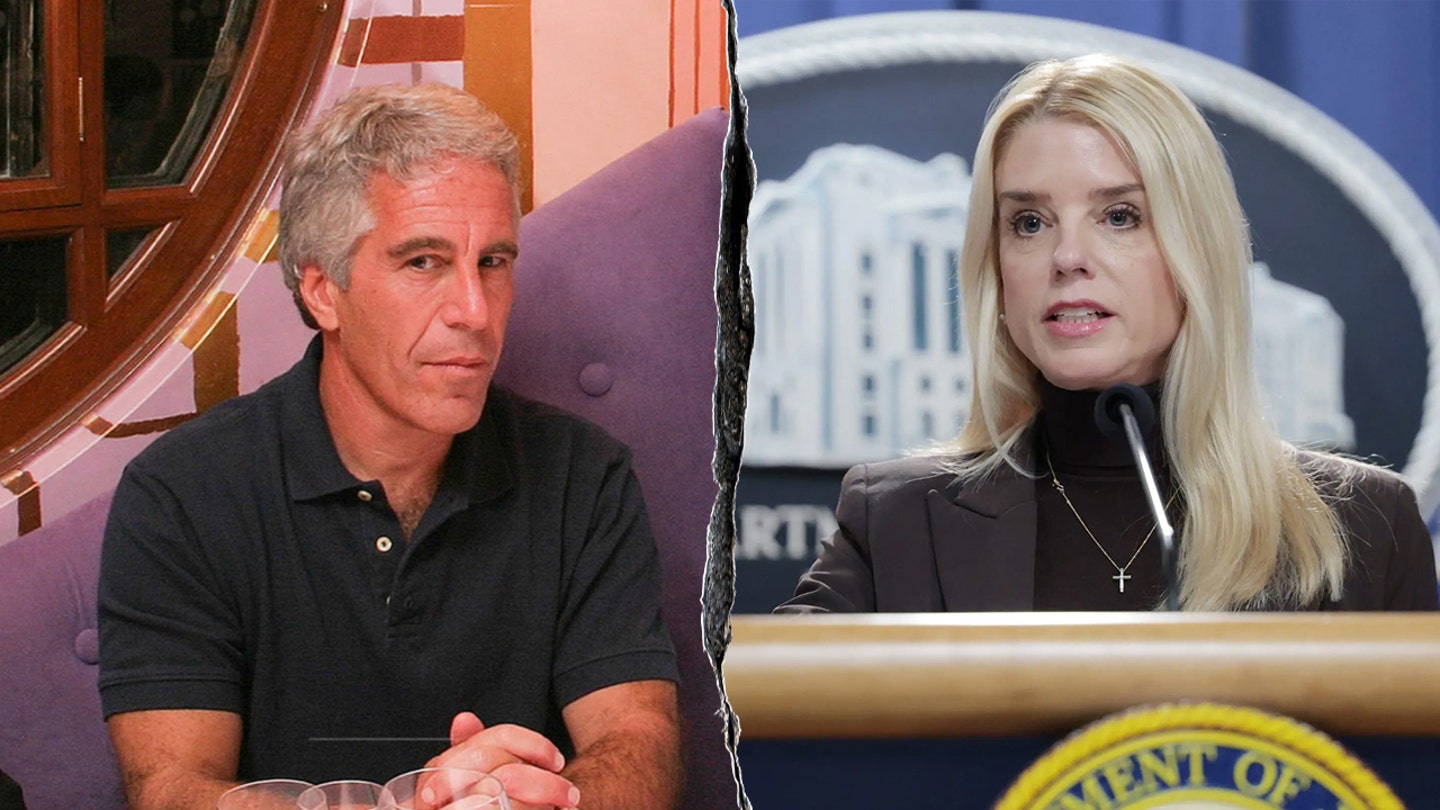
Trump DOJ handing Epstein documents to House Oversight Committee on Friday as subpoena deadline looms
Entities mentioned:
- Trump administration: Transparency, Obligation, Self-preservation
- House Oversight Committee: Justice, Duty, Influence
- James Comer: Determination, Professional pride, Righteousness
- Department of Justice: Duty, Obligation, Professional pride
- Jeffrey Epstein: Power, Greed, Control
- Ghislaine Maxwell: Self-preservation, Loyalty, Fear
- Bill and Hillary Clinton: Self-preservation, Legacy, Influence
- Bill Barr: Duty, Professional pride, Self-preservation
- Pam Bondi: Duty, Professional pride, Justice
Article Assessment:
Credibility Score: 75/100
Bias Rating: 55/100 (Center)
Sentiment Score: 45/100
Authoritarianism Risk: 25/100 (Generally Democratic)
Bias Analysis:
The article presents information from multiple perspectives, including both Republican and Democratic figures. While it gives more space to Republican Rep. Comer's statements, it also includes context about the Trump administration's actions, suggesting a relatively balanced approach.
Key metric: Government Transparency and Accountability
As a social scientist, I analyze that this article highlights a significant development in the ongoing investigation of Jeffrey Epstein's case, potentially impacting government transparency and accountability. The Trump administration's willingness to hand over documents to the House Oversight Committee suggests a move towards greater transparency in a high-profile case. This action could influence public trust in government institutions and their ability to handle sensitive investigations. The bipartisan nature of the investigation, involving both current and former administration officials, as well as prominent political figures, underscores the complexity and far-reaching implications of the Epstein case. The careful handling of sensitive information, including victim protection and redaction of certain materials, demonstrates a balance between transparency and privacy concerns. This process may set precedents for how similar high-profile cases are handled in the future, potentially strengthening oversight mechanisms and inter-branch cooperation.
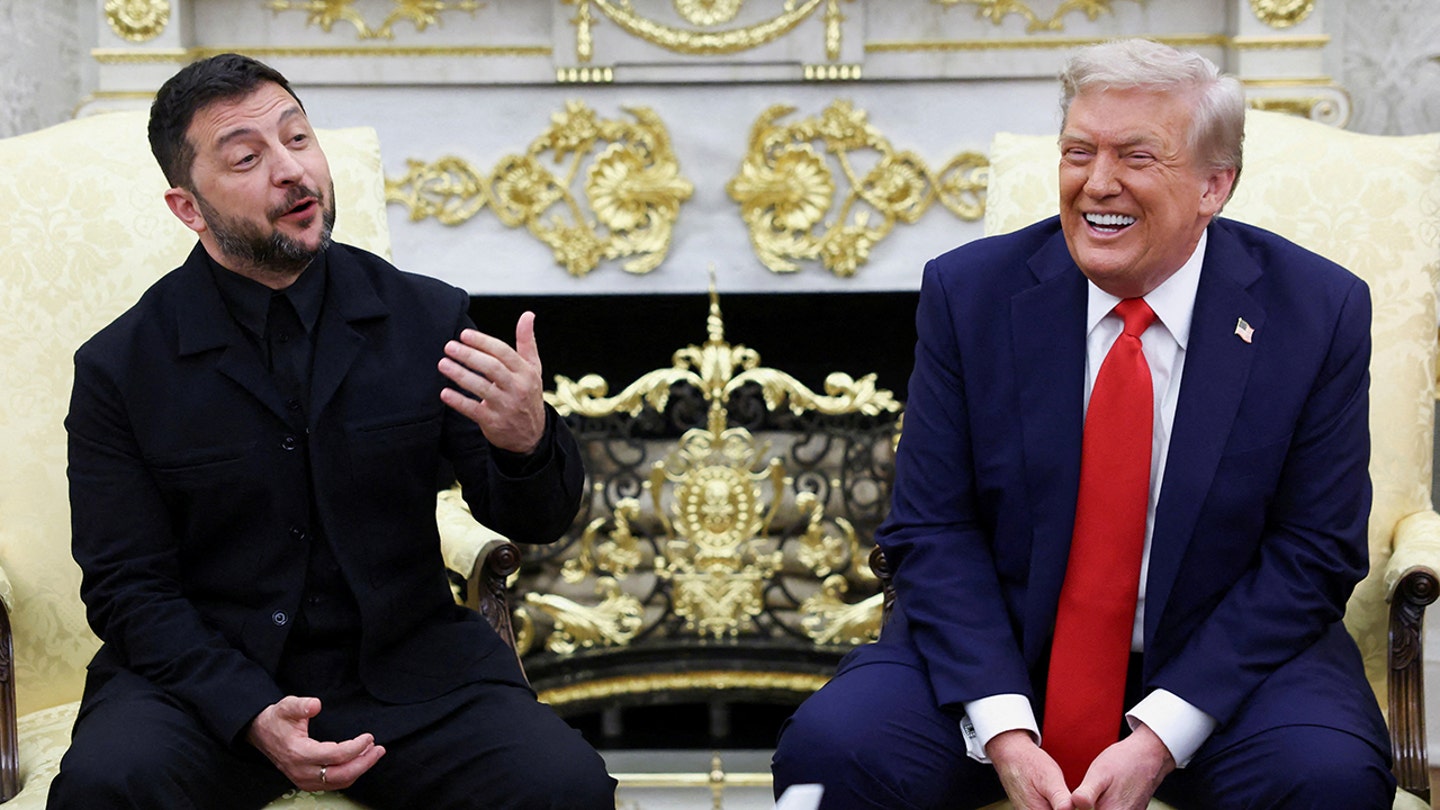
5 key moments inside Trump’s ‘big day’ with Zelenskyy, European leaders
Entities mentioned:
- Donald Trump: Power, Influence, Legacy
- Volodymyr Zelenskyy: Determination, Unity, Self-preservation
- Vladimir Putin: Power, Control, Influence
- JD Vance: Duty, Loyalty, Professional pride
- Ursula von der Leyen: Unity, Security, Peace
- Friedrich Merz: Unity, Security, Peace
- Emmanuel Macron: Unity, Security, Obligation
Article Assessment:
Credibility Score: 70/100
Bias Rating: 65/100 (Lean Right)
Sentiment Score: 65/100
Authoritarianism Risk: 35/100 (Generally Democratic)
Bias Analysis:
The article leans slightly right, focusing heavily on Trump's actions and portraying them in a generally positive light. While it includes multiple perspectives, the framing tends to emphasize Trump's leadership and diplomatic efforts.
Key metric: International Relations and Diplomacy
As a social scientist, I analyze that this article highlights a significant shift in diplomatic approach towards the Russia-Ukraine conflict. Trump's meetings with European leaders and Zelenskyy demonstrate an attempt to broker peace without a ceasefire, which is unconventional. The united European front and Trump's emphasis on Europe taking more responsibility for Ukraine's security indicate a potential realignment of international roles in the conflict. The article suggests a move towards more direct negotiations between conflicting parties, with the U.S. playing a facilitating role. This approach could significantly impact the trajectory of the conflict and reshape international diplomatic norms in conflict resolution.
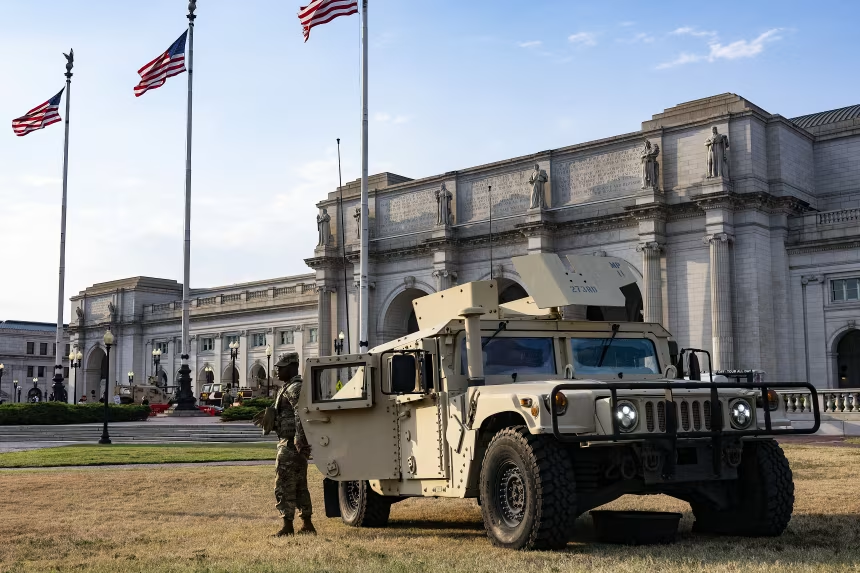
Five GOP-led states to send hundreds of National Guard troops to DC as White House escalates police takeover
Entities mentioned:
- Donald Trump: Power, Control, Security
- Patrick Morrisey: Duty, Loyalty, Security
- Henry McMaster: Loyalty, Duty, Security
- Mike DeWine: Duty, Security, Obligation
- Muriel Bowser: Self-preservation, Justice, Freedom
- Sean Curran: Duty, Security, Professional pride
- Robert White: Moral outrage, Justice, Freedom
- Alan Dent: Moral outrage, Justice, Freedom
- Pam Bondi: Power, Control, Loyalty
- Terry Cole: Duty, Power, Control
- Pamela Smith: Professional pride, Duty, Security
Article Assessment:
Credibility Score: 75/100
Bias Rating: 45/100 (Center)
Sentiment Score: 35/100
Authoritarianism Risk: 65/100 (Authoritarian Tendencies)
Bias Analysis:
The article presents multiple viewpoints, including those of the federal government, state governors, and local officials. While it includes criticism of the federal actions, it also provides the administration's justifications, maintaining a relatively balanced perspective.
Key metric: Political Stability Index
As a social scientist, I analyze that this article highlights a significant escalation in federal intervention in local law enforcement, particularly in Washington, DC. The deployment of National Guard troops from multiple states, coupled with the attempted federal takeover of the DC police force, suggests a dramatic shift in the balance of power between federal and local authorities. This move raises concerns about the erosion of local autonomy and the potential for increased authoritarianism. The justification of addressing crime rates, despite evidence of lower overall crime numbers, indicates a possible disconnect between the stated reasons and actual motivations for these actions. This situation could lead to increased tensions between federal and local governments, potentially impacting the overall political stability of the nation. The resistance from local officials and citizens, as well as legal challenges, demonstrates the complex interplay of federal power, states' rights, and local governance in the American system.