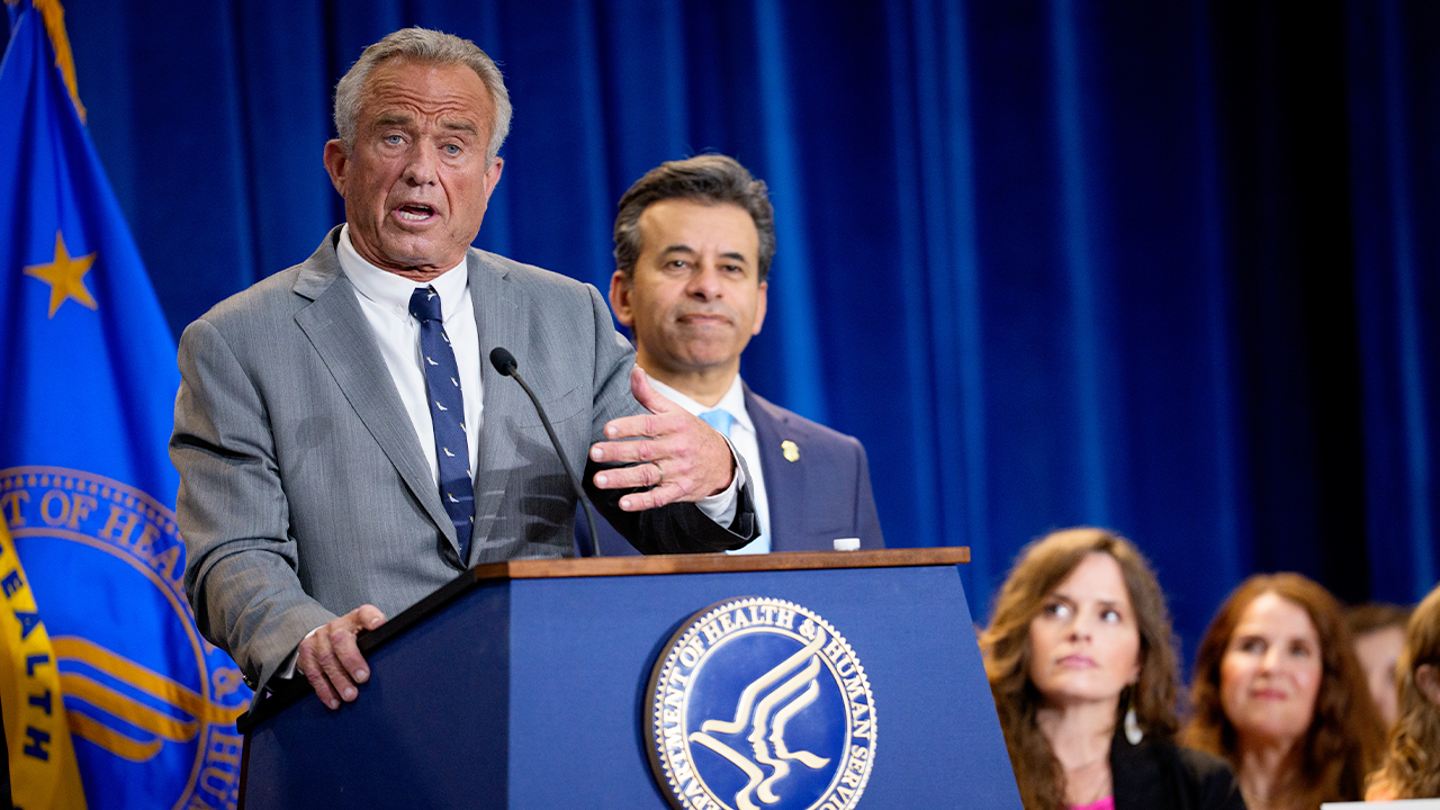
Trump-aligned legal group probes Biden-era organ transplant program over ethical concerns
Entities mentioned:
- America First Legal: Justice, Righteousness, Wariness
- Stephen Miller: Loyalty, Influence, Control
- Department of Health and Human Services: Duty, Professional pride, Security
- Centers for Medicare & Medicaid Services: Duty, Professional pride, Security
- Health Resources and Services Administration: Duty, Professional pride, Security
- Robert F. Kennedy Jr.: Righteousness, Moral outrage, Recognition
- Laura Stell: Justice, Righteousness, Professional pride
- Trump administration: Power, Control, Influence
Article Assessment:
Credibility Score: 70/100
Bias Rating: 65/100 (Lean Right)
Sentiment Score: 35/100
Authoritarianism Risk: 40/100 (Generally Democratic)
Bias Analysis:
The article leans right due to its focus on Trump-aligned groups and their concerns, as well as the 'FIRST ON FOX' label. While it presents some factual information about the organ transplant program, it gives more weight to criticisms from Trump-aligned sources.
Key metric: Healthcare System Effectiveness
As a social scientist, I analyze that this article highlights a conflict between the Biden administration's efforts to improve organ transplant access and concerns raised by Trump-aligned groups about potential ethical issues and outside influences. The investigation by America First Legal into the Increasing Organ Transplant Access Model reflects ongoing political tensions in healthcare policy. This situation could impact the Healthcare System Effectiveness metric by potentially delaying or altering the implementation of a program designed to increase organ transplant access. The controversy may lead to increased scrutiny of healthcare policies, which could either improve transparency and effectiveness or create obstacles to implementing potentially beneficial reforms. The political nature of the investigation also underscores the challenges of implementing major healthcare changes in a polarized environment.
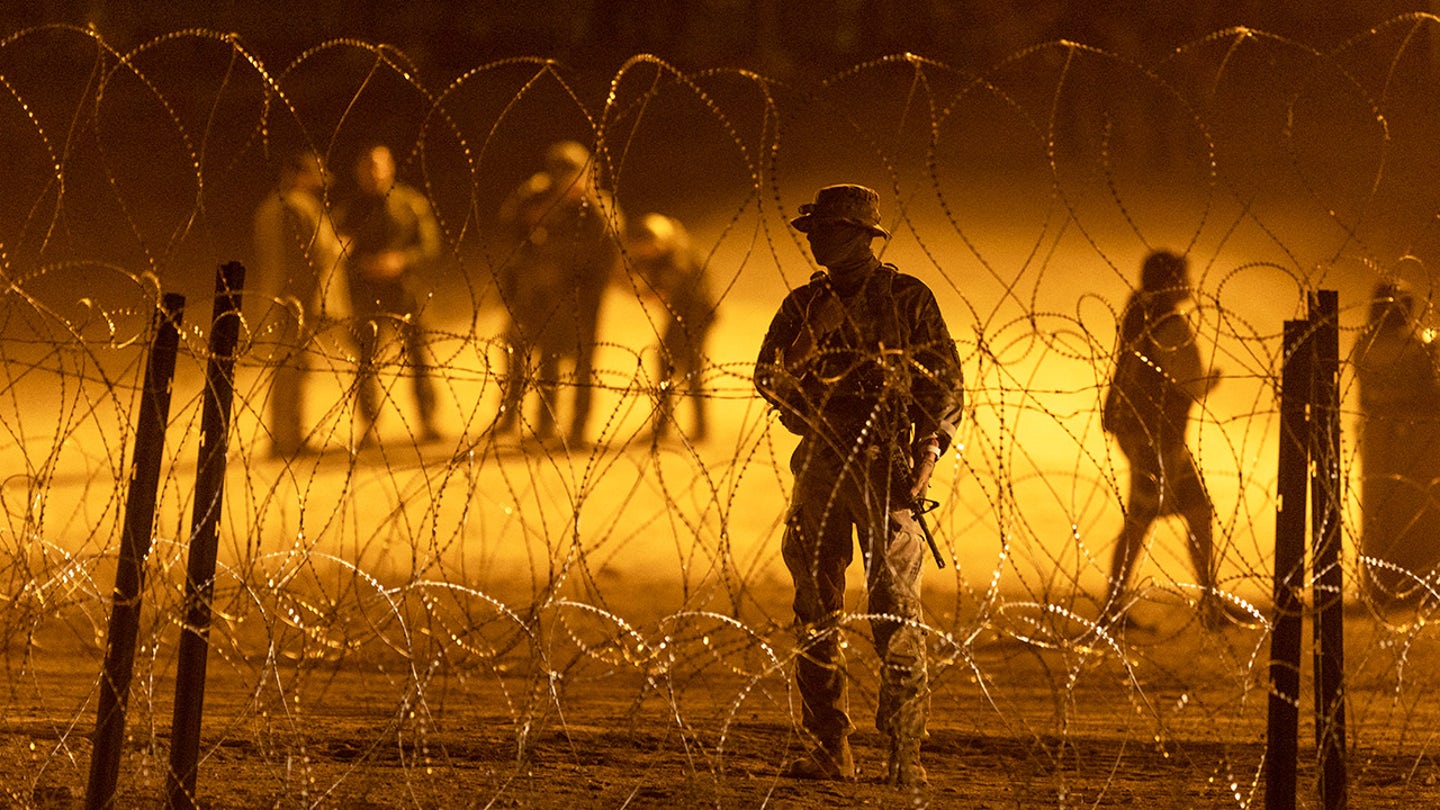
Pentagon unveils new medal for troops deployed in Trump’s southern border crackdown
Entities mentioned:
- Pentagon: Duty, Recognition, Professional pride
- President Donald Trump: Control, Security, Legacy
- U.S. Troops: Duty, Recognition, Patriotism
- Customs and Border Protection: Security, Control, Duty
- Joint Task Force Southern Border: Security, Control, Duty
- Air Force Gen. Gregory Guillot: Duty, Security, Professional pride
Article Assessment:
Credibility Score: 75/100
Bias Rating: 55/100 (Center)
Sentiment Score: 45/100
Authoritarianism Risk: 65/100 (Authoritarian Tendencies)
Bias Analysis:
The article presents mostly factual information from official sources, maintaining a relatively neutral tone. However, the inclusion of quotes from military officials without balancing perspectives may slightly favor the administration's stance on border security.
Key metric: Border Security and Immigration Enforcement
As a social scientist, I analyze that this article reflects a significant shift in how the U.S. military's role at the southern border is being recognized and potentially expanded. The creation of a new medal specifically for border operations elevates the perceived importance of this mission, potentially affecting troop morale and public perception of border security efforts. The establishment of 'national defense areas' along the border, granting military jurisdiction, represents a notable expansion of military authority in domestic law enforcement activities. This could have implications for civil liberties and the traditional separation between military and domestic policing roles. The article suggests an increasing militarization of border security, which may impact diplomatic relations with Mexico and domestic debates on immigration policy.

Zelenskyy seeks 'strong reaction' from US if Putin is not ready for bilateral meeting
Entities mentioned:
- Volodymyr Zelenskyy: Determination, Justice, Self-preservation
- Vladimir Putin: Power, Control, Influence
- Donald Trump: Ambition, Recognition, Influence
- United States: Influence, Security, Unity
- Russia: Power, Control, Influence
- Ukraine: Self-preservation, Freedom, Justice
Article Assessment:
Credibility Score: 75/100
Bias Rating: 45/100 (Center)
Sentiment Score: 40/100
Authoritarianism Risk: 35/100 (Generally Democratic)
Bias Analysis:
The article presents a relatively balanced view, quoting multiple sides and sources. It leans slightly towards a Western perspective but attempts to provide context from all parties involved.
Key metric: International Diplomatic Influence
As a social scientist, I analyze that this article highlights the complex diplomatic maneuvering in the ongoing Russia-Ukraine conflict, with the United States playing a central mediating role. Zelenskyy's call for a 'strong reaction' from the US if Putin declines a bilateral meeting suggests Ukraine's reliance on US support and pressure tactics. Trump's involvement indicates the US's continued influence in international affairs, despite potential domestic controversies. The article underscores the delicate balance of power dynamics, with each leader pursuing their own agenda while navigating the constraints of international diplomacy. The emphasis on territorial concessions and security guarantees reflects the high stakes involved in any potential peace agreement, highlighting the challenges in resolving long-standing geopolitical conflicts.
TikTok isn't enough to stop Gen Z from drifting to AOC. Trump must do 3 things next
Entities mentioned:
- President Trump: Power, Influence, Legacy
- Republican Party: Power, Control, Influence
- Alexandria Ocasio-Cortez: Influence, Justice, Ambition
- Zohran Mamdani: Ambition, Influence, Justice
- Kamala Harris: Power, Influence, Ambition
- Gen Z: Freedom, Justice, Security
Article Assessment:
Credibility Score: 55/100
Bias Rating: 75/100 (Lean Right)
Sentiment Score: 65/100
Authoritarianism Risk: 35/100 (Generally Democratic)
Bias Analysis:
The article leans heavily right, presenting a partisan viewpoint favoring Republican strategies. It frames Democratic approaches negatively while portraying Trump's methods as innovative and successful.
Key metric: Youth Voter Engagement and Party Affiliation
As a social scientist, I analyze that this article emphasizes the importance of digital platforms and direct engagement strategies in capturing the Gen Z vote. The author argues that Trump's success with young voters in 2024 was due to embracing new media formats like TikTok and podcasts. The proposed strategies - a White House podcast, campus tours, and active TikTok presence - aim to solidify and expand Republican support among youth. This approach recognizes the shift in media consumption patterns and the desire for authentic, unfiltered communication from political leaders. The article suggests that these tactics could prevent young voters from aligning with more progressive politicians, potentially reshaping long-term political affiliations and voting patterns.
'Leftist' taxpayer-funded academy sparks backlash after moving against Trump's rollback of key regulation
Entities mentioned:
- National Academies of Sciences, Engineering, and Medicine (NASEM): Influence, Professional pride, Legacy
- Environmental Protection Agency (EPA): Control, Duty, Security
- Shirley M. Tilghman: Influence, Professional pride, Righteousness
- Trump administration: Power, Competitive spirit, Freedom
- Arabella Advisors: Influence, Power, Control
- Lee Zeldin: Competitive spirit, Ambition, Freedom
Article Assessment:
Credibility Score: 65/100
Bias Rating: 75/100 (Lean Right)
Sentiment Score: 30/100
Authoritarianism Risk: 45/100 (Mixed/Neutral)
Bias Analysis:
The article leans right, evidenced by its framing of NASEM as 'leftist' and emphasis on conservative critiques. It prominently features perspectives from right-leaning think tanks and individuals, while giving less space to opposing viewpoints.
Key metric: Environmental Regulation Impact on Economic Growth
As a social scientist, I analyze that this article highlights the complex interplay between scientific institutions, political agendas, and environmental policy. The fast-tracking of NASEM's climate review appears to be a strategic move to counter the Trump administration's efforts to roll back Obama-era climate regulations. This situation underscores the politicization of scientific research and its potential impact on environmental policy and economic growth. The involvement of various entities with different motivations creates a multifaceted debate around the balance between environmental protection and economic interests. The controversy surrounding NASEM's funding sources and potential bias raises questions about the objectivity of scientific bodies and their role in shaping public policy. This debate is likely to have significant implications for future environmental regulations and their economic consequences.

Trump lays out timeline for Russia-Ukraine decision
Entities mentioned:
- Donald Trump: Power, Control, Influence
- Russia: Power, Influence, Control
- Ukraine: Self-preservation, Security, Freedom
Article Assessment:
Credibility Score: 65/100
Bias Rating: 50/100 (Center)
Sentiment Score: 50/100
Authoritarianism Risk: 45/100 (Mixed/Neutral)
Bias Analysis:
The article presents a neutral, factual statement without evident bias. It simply reports on an announcement without additional commentary or framing that would suggest a particular political leaning.
Key metric: International Relations and Diplomacy
As a social scientist, I analyze that this brief announcement suggests President Trump is positioning himself as a key decision-maker in the Russia-Ukraine conflict. The use of the Oval Office as the setting for this announcement underscores the gravity and official nature of the impending decision. This move likely impacts U.S. international relations, particularly with Russia and Ukraine, as well as with NATO allies. The timeline announcement may be an attempt to project decisiveness and control over foreign policy, potentially influencing both domestic and international perceptions of U.S. leadership in global affairs.
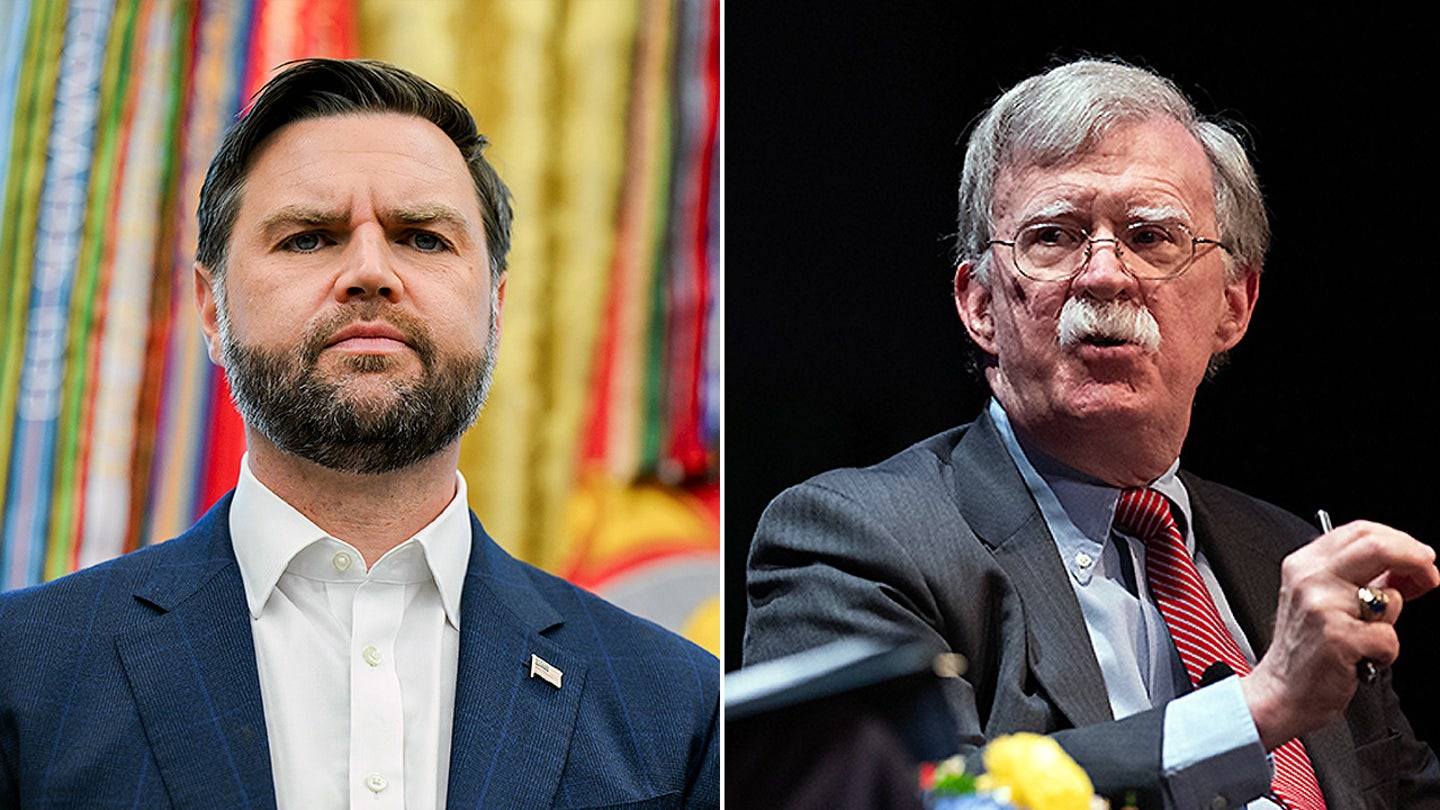
JD Vance insists FBI searching Bolton home ‘not at all’ about political retribution
Entities mentioned:
- JD Vance: Loyalty, Duty, Professional pride
- John Bolton: Self-preservation, Justice, Righteousness
- Donald Trump: Power, Control, Revenge
- FBI: Duty, Justice, Security
- Biden administration: Power, Control, Justice
Article Assessment:
Credibility Score: 70/100
Bias Rating: 55/100 (Center)
Sentiment Score: 35/100
Authoritarianism Risk: 60/100 (Mixed/Neutral)
Bias Analysis:
The article presents multiple viewpoints and includes context from various political perspectives. However, it relies heavily on quotes from Vance, a Trump administration official, which could slightly skew the narrative.
Key metric: Political Polarization Index
As a social scientist, I analyze that this article highlights the ongoing tension between political factions and the use of federal agencies in politically charged investigations. The raid on John Bolton's home, a former Trump administration official turned critic, raises questions about the potential weaponization of law enforcement for political purposes. Vice President Vance's denial of political motivation contrasts with the historical context of Bolton's criticism of Trump and the previous legal battles over his memoir. This event likely exacerbates political polarization, as it can be interpreted differently by various political groups, potentially reinforcing existing beliefs about government overreach or necessary accountability.
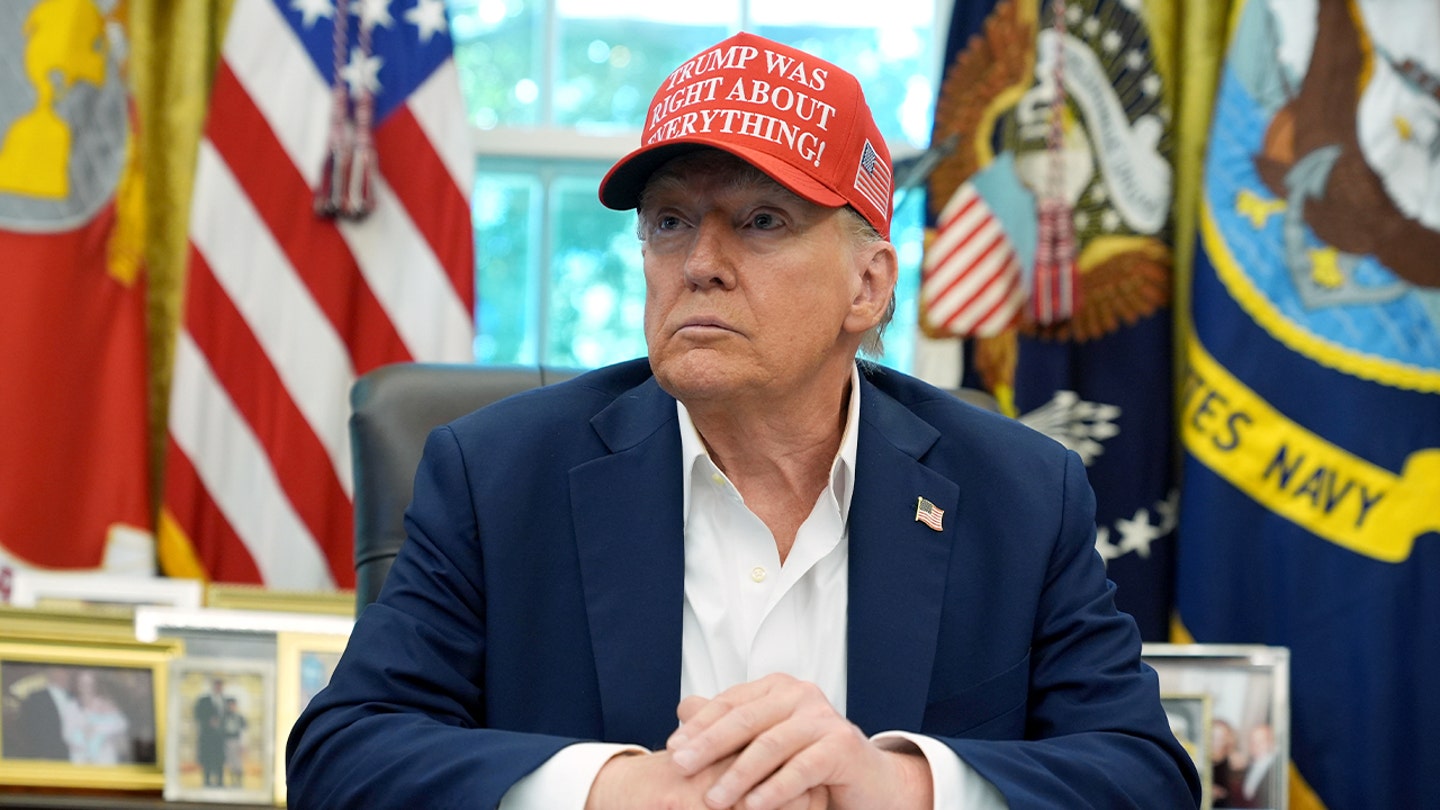
Trump hints at federal crackdown in Chicago amid anti-crime push in DC
Entities mentioned:
- Donald Trump: Power, Control, Righteousness
- Brandon Johnson: Obligation, Self-preservation
- Metropolitan Police Department: Duty, Professional pride
- Department of Government Efficiency: Duty, Security
Article Assessment:
Credibility Score: 65/100
Bias Rating: 70/100 (Lean Right)
Sentiment Score: 55/100
Authoritarianism Risk: 75/100 (Authoritarian Tendencies)
Bias Analysis:
The article leans right, presenting Trump's actions in a largely positive light without significant counterarguments. It relies heavily on Trump's statements and claims of success without substantial independent verification.
Key metric: Violent Crime Rate
As a social scientist, I analyze that this article highlights Trump's aggressive stance on crime reduction, particularly in urban areas. The federal intervention in Washington D.C. is presented as a successful model, with plans to expand to other cities like Chicago and New York. This approach represents a significant shift in federal-local relations regarding law enforcement, potentially impacting violent crime rates. However, the long-term effects and constitutionality of such interventions remain questionable. The article suggests a top-down, authoritarian approach to crime reduction, which may have immediate effects but could also lead to tensions between federal and local authorities.
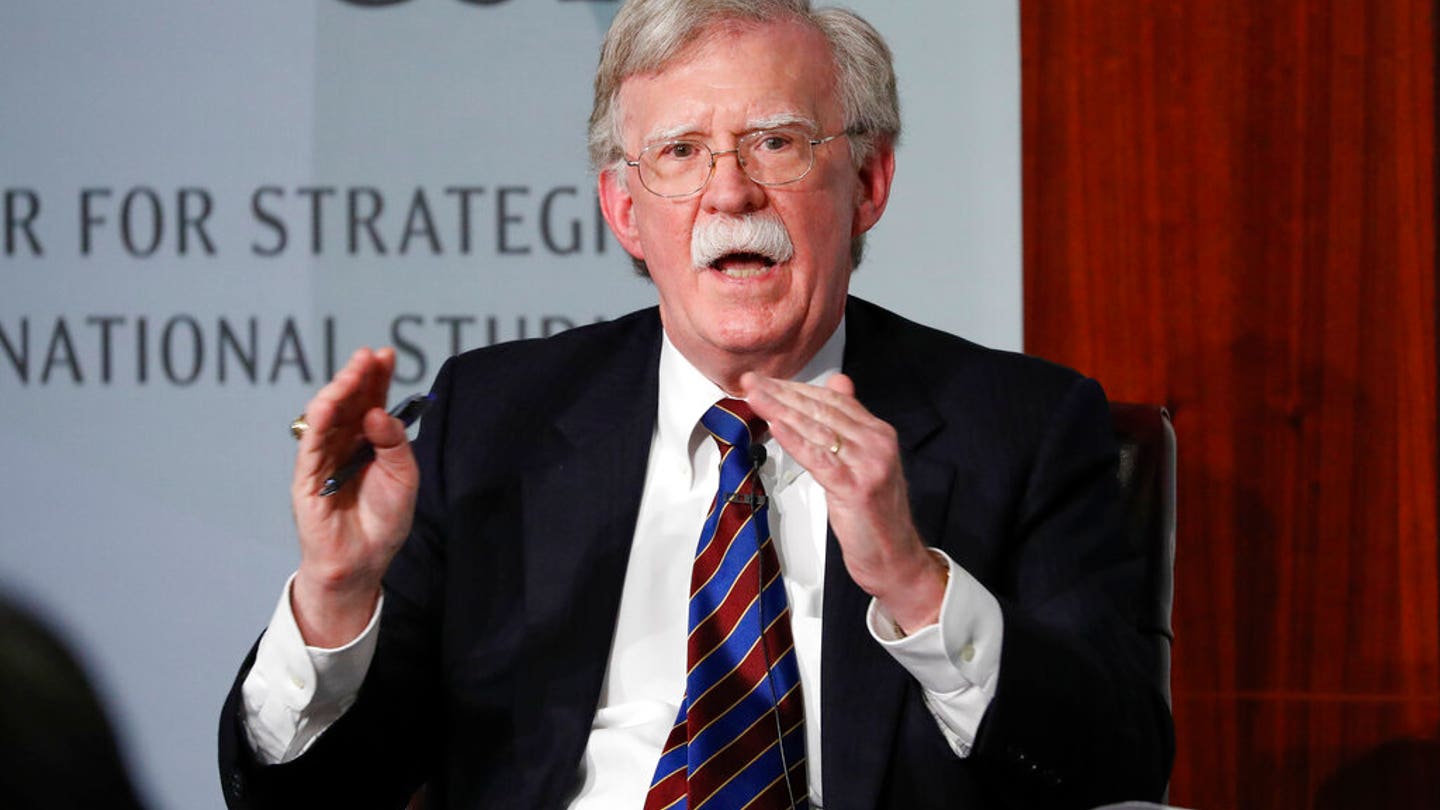
Trump–Bolton feud back in focus after FBI raid: 'Never had a clue … what a dope!'
Entities mentioned:
- Donald Trump: Power, Self-preservation, Revenge
- John Bolton: Recognition, Righteousness, Professional pride
- FBI: Duty, Justice, Security
- Justice Department: Security, Control, Duty
Article Assessment:
Credibility Score: 70/100
Bias Rating: 55/100 (Center)
Sentiment Score: 30/100
Authoritarianism Risk: 45/100 (Mixed/Neutral)
Bias Analysis:
The article presents perspectives from both Trump and Bolton, including direct quotes, which contributes to a relatively balanced view. However, there's a slight emphasis on Bolton's criticisms of Trump, potentially indicating a subtle lean towards anti-Trump sentiment.
Key metric: Political Polarization Index
As a social scientist, I analyze that this article highlights the increasing political polarization in the United States, particularly within the Republican party. The ongoing feud between former President Trump and his ex-National Security Advisor John Bolton exemplifies the internal conflicts and power struggles within conservative circles. The FBI raid on Bolton's property, coupled with Trump's revocation of Bolton's security clearance, suggests potential abuse of power and politicization of government agencies. This situation likely exacerbates public distrust in institutions and deepens partisan divides. The conflicting narratives presented by Trump and Bolton about their working relationship and Bolton's departure further contribute to political instability and confusion among voters. The publication of Bolton's memoir, despite attempts to block it, raises questions about government transparency and the balance between national security concerns and freedom of speech. Overall, this event is likely to increase political polarization by reinforcing negative perceptions of both Trump and the intelligence community among different segments of the population.
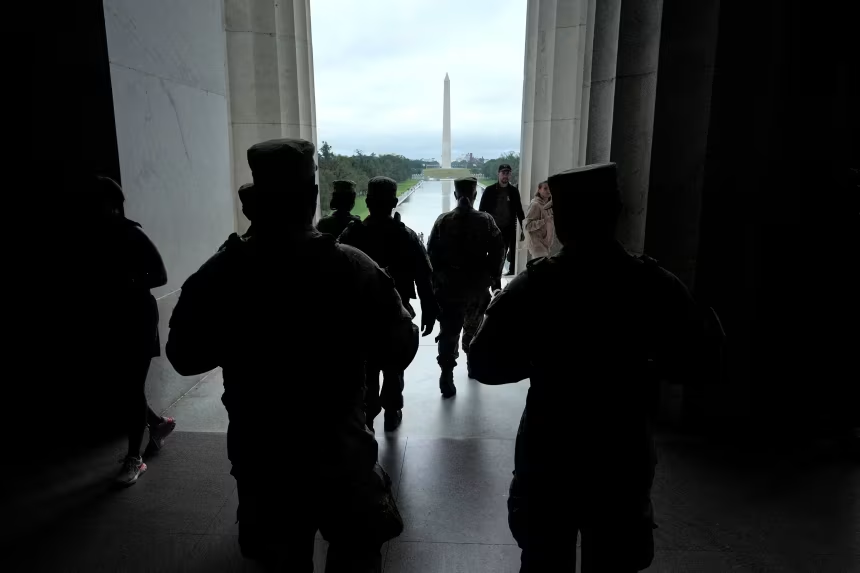
National Guard troops from GOP-led states begin arriving in DC as part of Trump’s crime crackdown
Entities mentioned:
- Donald Trump: Power, Control, Influence
- Republican Governors: Loyalty, Security, Duty
- Muriel Bowser: Wariness, Self-preservation, Indignation
- National Guard: Duty, Security, Obligation
- Democratic Governors: Moral outrage, Justice, Unity
Article Assessment:
Credibility Score: 75/100
Bias Rating: 45/100 (Center)
Sentiment Score: 35/100
Authoritarianism Risk: 65/100 (Authoritarian Tendencies)
Bias Analysis:
The article presents multiple viewpoints, including those of Trump administration officials and opposing Democratic leaders. While it leans slightly towards skepticism of the federal intervention, it maintains a relatively balanced approach by including facts and statements from various sources.
Key metric: Crime Rate
As a social scientist, I analyze that this article highlights a growing tension between federal and local authorities regarding crime control in Washington, DC. The deployment of National Guard troops from GOP-led states, at President Trump's request, represents an escalation of federal involvement in local law enforcement. This action impacts the crime rate metric by potentially altering policing strategies and resources in the capital. However, the article notes that overall crime numbers are lower than the previous year, suggesting a disconnect between the stated justification for the action and the actual crime situation. This discrepancy raises questions about the motivations behind the deployment and its potential effects on local governance, federal-state relations, and public perception of safety.