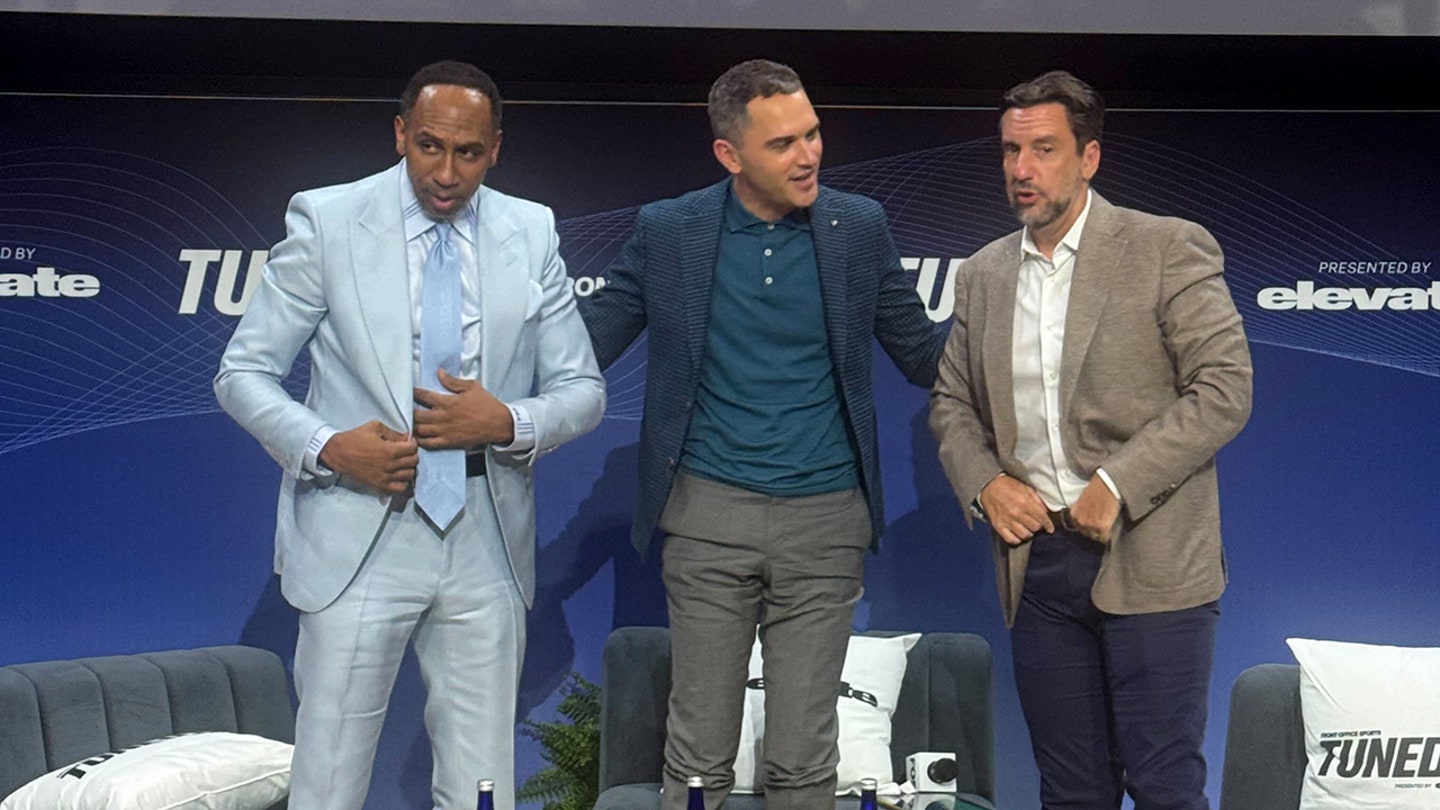
Clay Travis vs Stephen A Smith: Debate shows respectful discourse, like Charlie Kirk would have encouraged
Entities mentioned:
- Clay Travis: Competitive spirit, Pride, Influence
- Stephen A. Smith: Ambition, Recognition, Influence
- Donald Trump: Power, Control, Security
- Democratic Party: Control, Influence, Unity
Article Assessment:
Credibility Score: 75/100
Bias Rating: 55/100 (Center)
Sentiment Score: 70/100
Authoritarianism Risk: 35/100 (Generally Democratic)
Bias Analysis:
The article presents both conservative and liberal viewpoints fairly, with slight favor towards conservative positions. It gives more space to Clay Travis's arguments but balances with Stephen A. Smith's rebuttals.
Key metric: Political Polarization Index
Let me tell you something - this debate was a SLAM DUNK for civil discourse! We've got two heavyweight contenders, Clay Travis and Stephen A. Smith, stepping into the ring to tackle the tough issues. These media all-stars are showing us what a championship mentality looks like when it comes to respectful dialogue. They're going toe-to-toe on everything from politics in sports to Trump's game plan for urban areas. And let's not forget Stephen A's potential political playbook - he thinks he could take the Democratic nomination like LeBron takes over in the fourth quarter! Clay Travis isn't backing down though, folks. He's ready to throw his hat in the ring and go mano-a-mano if Stephen A decides to run. This is the kind of competitive spirit we need in our national discourse - two titans of talk battling it out with mutual respect. It's a whole new ballgame when it comes to bridging the political divide!
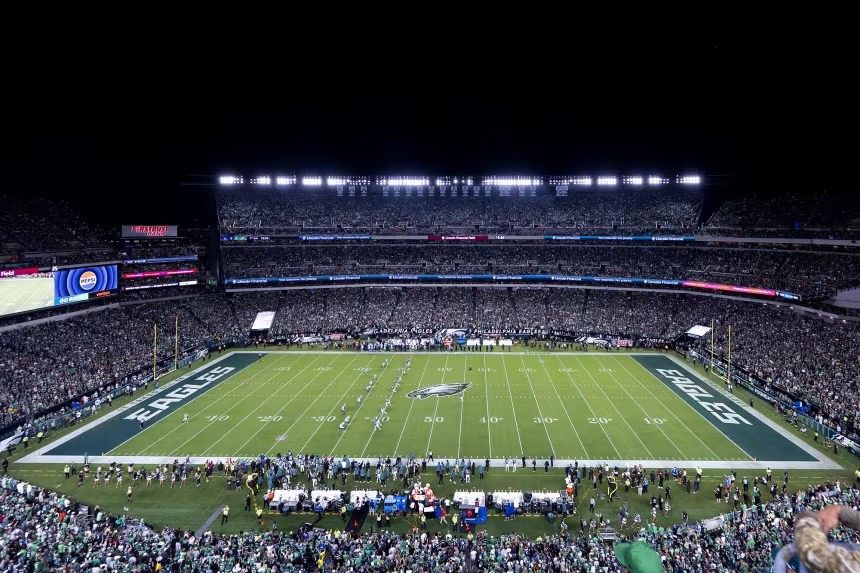
The NFL’s kickoff rule explained and how – despite what Donald Trump says – it made the sport safer
Entities mentioned:
- NFL: Professional pride, Security, Legacy
- Donald Trump: Indignation, Influence, Control
- Dr. Allen Sills: Professional pride, Duty, Security
Article Assessment:
Credibility Score: 85/100
Bias Rating: 55/100 (Center)
Sentiment Score: 70/100
Authoritarianism Risk: 30/100 (Generally Democratic)
Bias Analysis:
The article presents a balanced view, citing both supporters and critics. It relies heavily on NFL data but also mentions ongoing adjustments and player errors.
Key metric: Player Safety (Concussion Rate)
Let me tell you something, folks - this kickoff rule change is a GAME-CHANGER! The NFL has stepped up to the plate and hit a home run for player safety. We're seeing a 43% drop in concussions - that's like taking a linebacker out of the game on every play! Trump might be crying foul, but the stats don't lie. This is a championship-caliber move by the league. The players are still adjusting their playbooks, but mark my words - this new formation is creating a whole new ballgame. It's like they've added a safety net while keeping the excitement of a Hail Mary pass. The NFL is playing chess while the critics are playing checkers, and I'm telling you right now, this is the kind of fourth-quarter strategy that separates the champions from the also-rans!
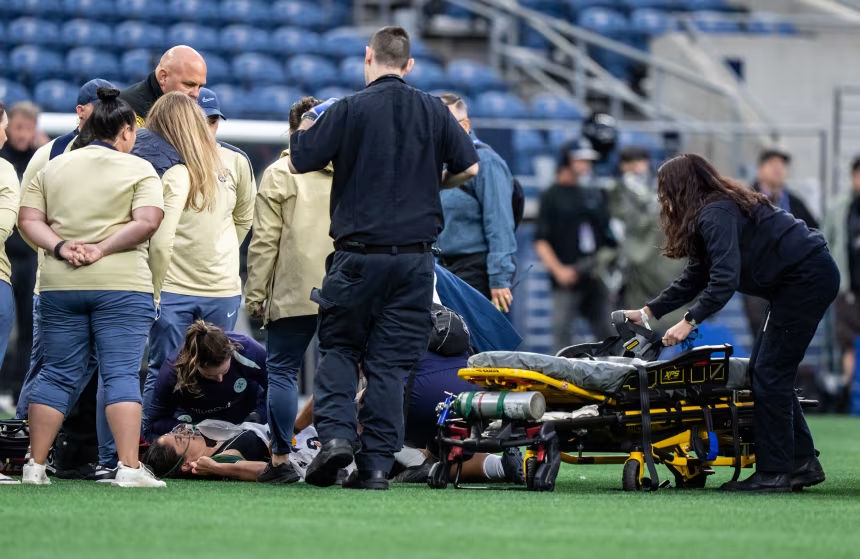
NWSL match abandoned after midfielder Savannah DeMelo collapses on field
Entities mentioned:
- Savannah DeMelo: Determination, Professional pride, Self-preservation
- Racing Louisville: Loyalty, Duty, Competitive spirit
- Seattle Reign: Competitive spirit, Professional pride
- NWSL: Duty, Professional pride, Security
Article Assessment:
Credibility Score: 85/100
Bias Rating: 50/100 (Center)
Sentiment Score: 30/100
Authoritarianism Risk: 20/100 (Strongly Democratic)
Bias Analysis:
The article presents a balanced account of the incident, focusing on factual reporting without favoring any particular viewpoint. It includes official statements and medical information, maintaining a neutral stance.
Key metric: Player Safety and Health Protocols in Professional Sports
Let me tell you something - this is a GAME-CHANGING moment for the NWSL! We're talking about a star player going down in the heat of battle, folks! Savannah DeMelo, a key player for Racing Louisville, collapsed on the field like she'd been hit with a knockout punch. This isn't just a time-out, it's a full-blown red flag situation that's forced the league to call the game! The NWSL is now in a fourth-quarter scramble to address player safety. They need to step up to the plate and show they've got that championship mentality when it comes to protecting their athletes. This isn't just about one player or one team - it's about the whole league showing they've got what it takes to go the distance in terms of health protocols. The ball is in their court now, and believe me, the whole sports world is watching to see if they'll score or fumble on this crucial play!
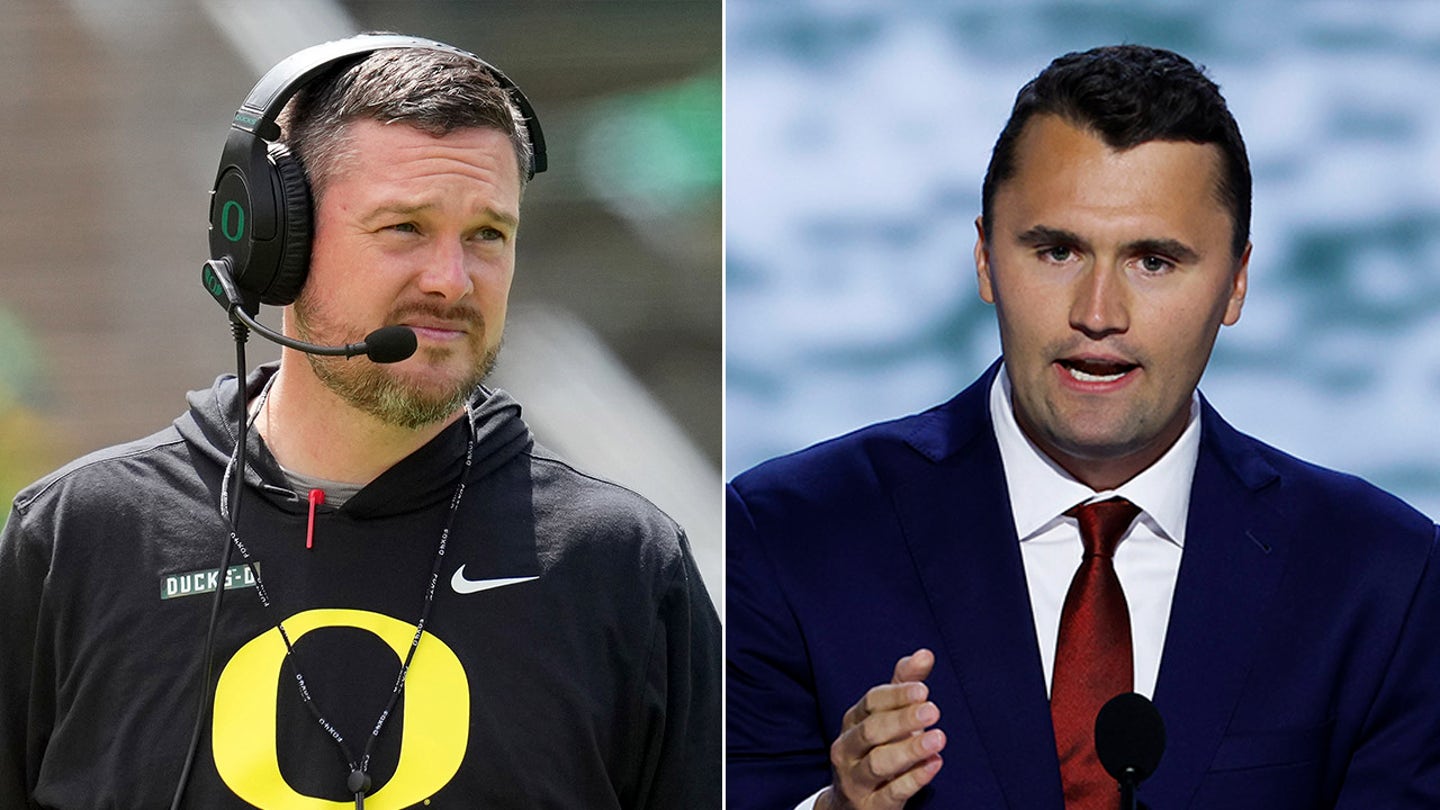
Oregon coach delivers powerful unity message after assassination of Ducks fan Charlie Kirk
Entities mentioned:
- Dan Lanning: Unity, Moral outrage, Righteousness
- Charlie Kirk: Legacy, Influence, Recognition
- Oregon Ducks Football Team: Unity, Competitive spirit, Determination
- United States: Unity, Security, Justice
Article Assessment:
Credibility Score: 75/100
Bias Rating: 45/100 (Center)
Sentiment Score: 35/100
Authoritarianism Risk: 25/100 (Generally Democratic)
Bias Analysis:
The article presents a balanced view of Lanning's statements, including both his calls for unity and his stance on gun control. It doesn't lean heavily towards either political side, maintaining a centrist approach.
Key metric: Social Cohesion Index
Let me tell you something - this story is a GAME-CHANGER! Coach Lanning is stepping up to the plate in a BIG way, folks. He's not just calling plays on the field, he's making a play for the heart and soul of America! This coach is showing true championship mentality, using his locker room as a blueprint for national unity. It's fourth quarter for our country's social fabric, and Lanning's got the ball. He's driving home a message of teamwork that could be the Hail Mary pass we need to bring this divided nation together. I'm telling you right now, if we can translate that locker room spirit to the big leagues of American society, we might just have a shot at winning the ultimate prize - a united, secure, and just nation. This is the kind of leadership that turns the tide when the scoreboard's looking grim!
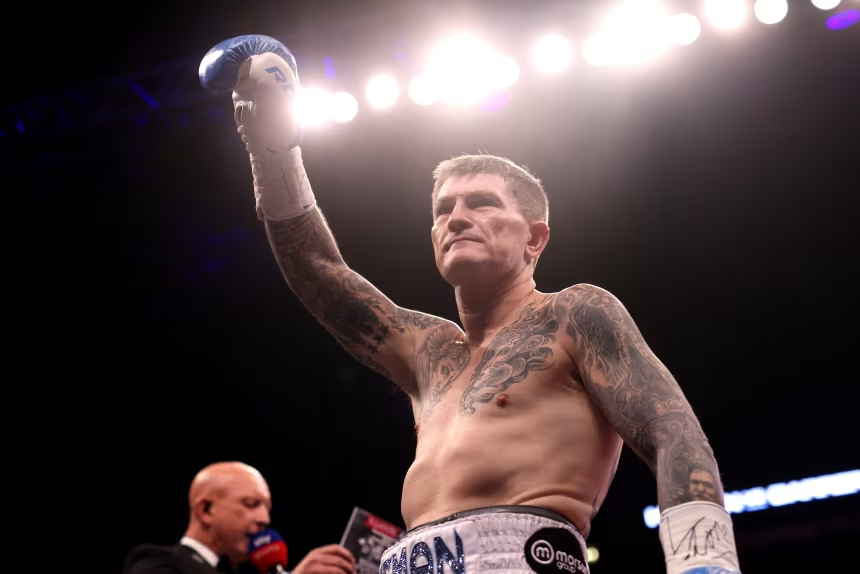
Former world boxing champion Ricky Hatton dies aged 46
Entities mentioned:
- Ricky Hatton: Competitive spirit, Pride, Legacy
- Greater Manchester Police: Duty, Professional pride, Security
- Amir Khan: Respect, Loyalty, Recognition
- Tyson Fury: Respect, Recognition, Professional pride
- Chris Eubank Jr.: Respect, Recognition, Professional pride
- Michael Owen: Respect, Recognition, Unity
Article Assessment:
Credibility Score: 75/100
Bias Rating: 50/100 (Center)
Sentiment Score: 35/100
Authoritarianism Risk: 20/100 (Strongly Democratic)
Bias Analysis:
The article presents a balanced view of Hatton's life and career, including both his achievements and struggles. Quotes from various figures provide diverse perspectives without favoring any particular stance.
Key metric: Boxing Legacy and Mental Health Awareness
Let me tell you something - this is a KNOCKOUT blow to the boxing world! Ricky 'The Hitman' Hatton was a true champion, folks, with a career record that had fans on their feet until that fateful bout with Mayweather. But let's not forget, even the greatest fighters face battles outside the ring. Hatton's openness about his struggles was a true display of championship mentality, showing that real strength isn't just about physical prowess. The outpouring of respect from fellow athletes proves that Hatton's impact reached far beyond the ropes. This is a reminder that in the sport of life, we're all on the same team when it comes to mental health. Hatton may have hung up his gloves, but his legacy as a fighter - both in and out of the ring - will continue to inspire future generations to step up to the plate and face their demons head-on. Rest in peace, champ - you fought the good fight until the final bell.
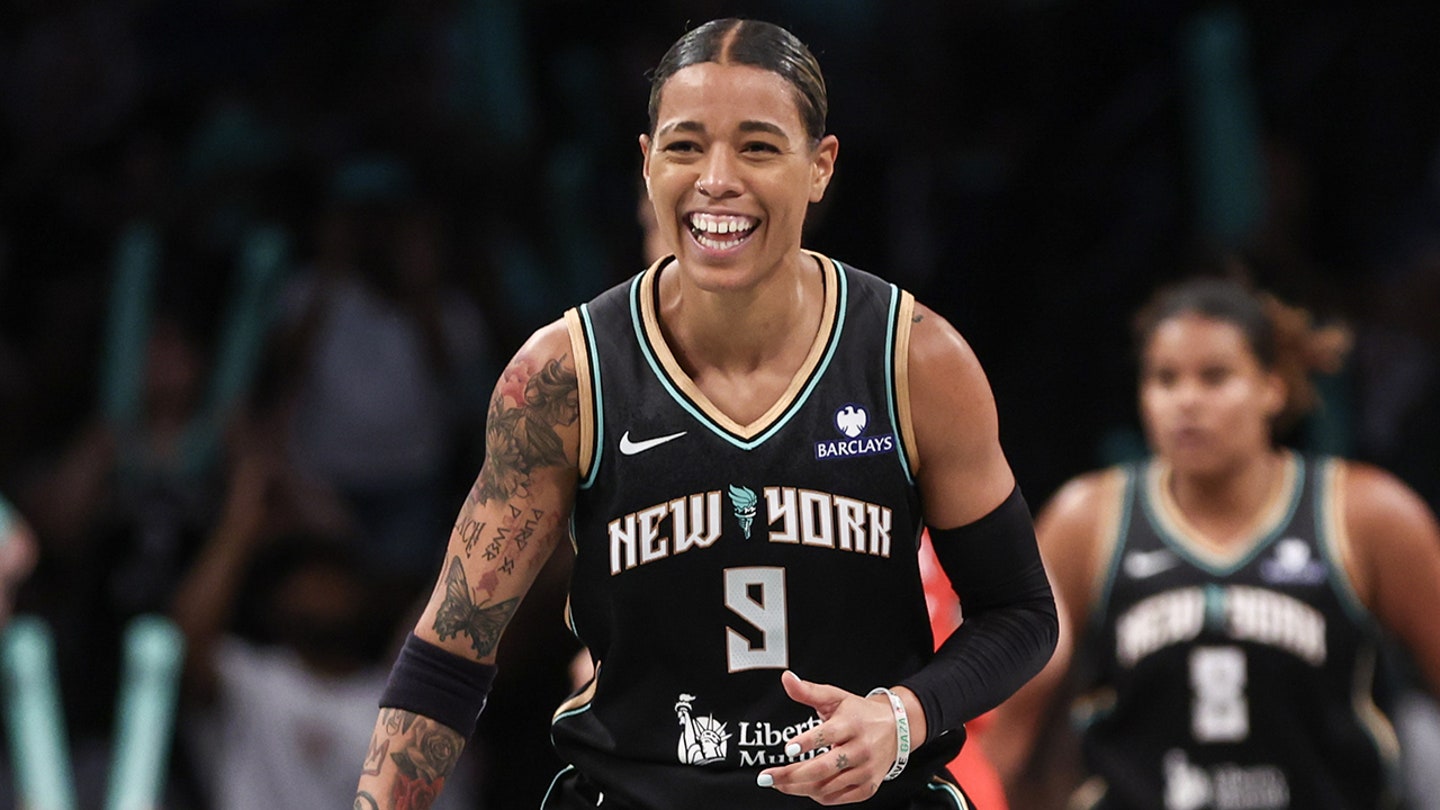
WNBA player Natasha Cloud deletes post about Charlie Kirk assassination suspect
Entities mentioned:
- Natasha Cloud: Moral outrage, Justice, Righteousness
- Charlie Kirk: Self-preservation, Influence, Power
- Tyler Robinson: Ambition, Indignation, Wariness
- Spencer Cox: Duty, Security, Professional pride
- New York Liberty: Competitive spirit, Unity, Professional pride
Article Assessment:
Credibility Score: 65/100
Bias Rating: 55/100 (Center)
Sentiment Score: 25/100
Authoritarianism Risk: 35/100 (Generally Democratic)
Bias Analysis:
The article presents multiple viewpoints but leans slightly right in its framing. It gives more space to critiques of Cloud's comments and includes conservative perspectives.
Key metric: Political Polarization Index
Let me tell you something, folks - this story is a POLITICAL BOMBSHELL that's shaking up the game! We've got Natasha Cloud, a star player for the New York Liberty, coming off the bench with some EXPLOSIVE comments that are dividing the court faster than a crossover dribble. She's playing offense against the right-wing playbook, but her aggressive style might just draw a technical foul from the refs of public opinion. Meanwhile, Charlie Kirk's team is on defense, trying to control the narrative like they're protecting a one-point lead in the final seconds. This is a classic matchup of offense versus defense, with both sides fighting for control of the political ball. It's fourth quarter action in the culture war championships, and I'm telling you right now, every move counts in this high-stakes game of ideological basketball!
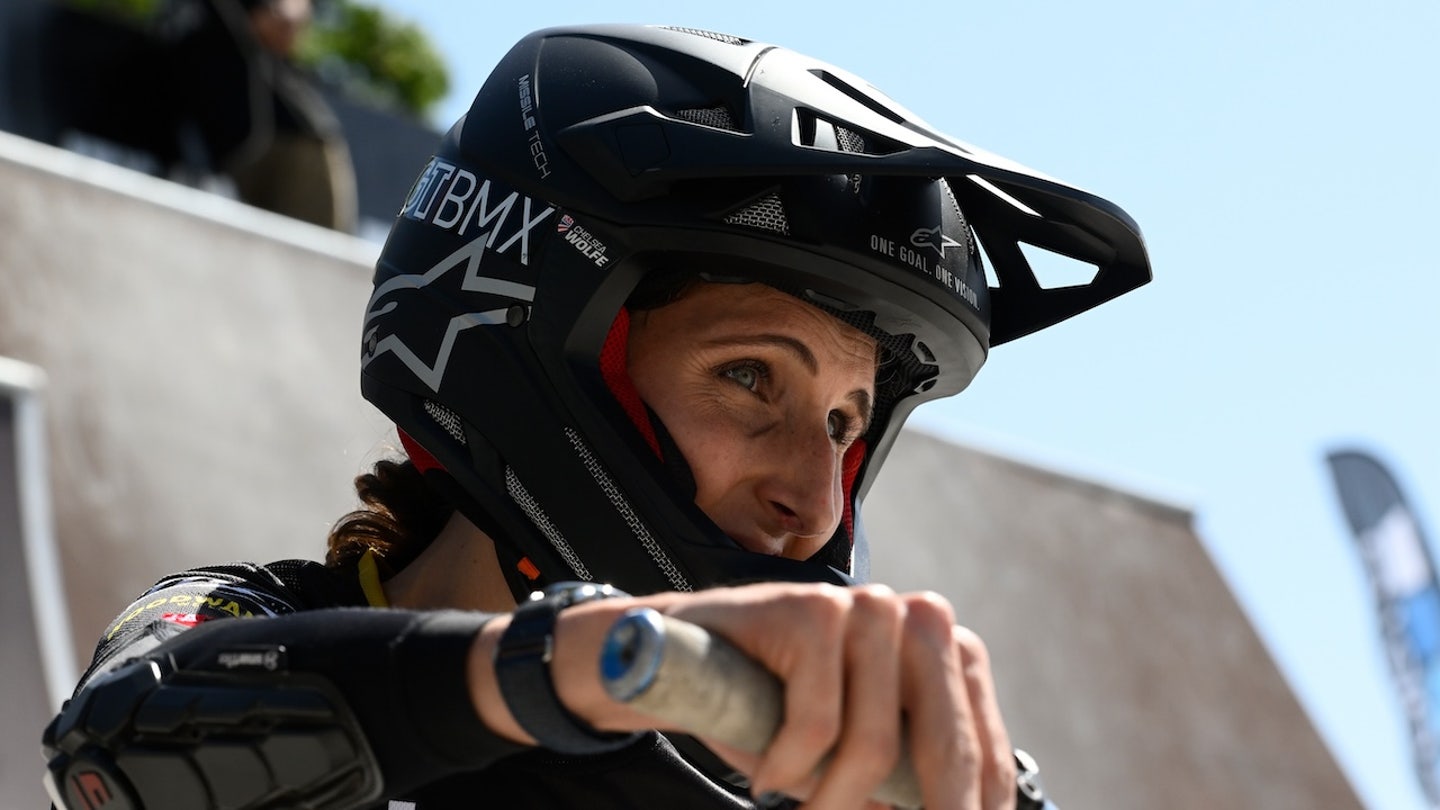
Transgender Team USA cyclist celebrates Charlie Kirk's assassination on social media
Entities mentioned:
- Chelsea Wolfe: Moral outrage, Righteousness, Recognition
- Charlie Kirk: Influence, Legacy, Competitive spirit
- USA Cycling: Professional pride, Obligation, Wariness
- Women's Sports Activists: Justice, Determination, Competitive spirit
- FBI: Duty, Justice, Security
Article Assessment:
Credibility Score: 65/100
Bias Rating: 65/100 (Lean Right)
Sentiment Score: 20/100
Authoritarianism Risk: 35/100 (Generally Democratic)
Bias Analysis:
The article leans right, giving more space to Kirk supporters and conservative viewpoints. It presents Wolfe's actions negatively while portraying Kirk sympathetically.
Key metric: Political Polarization Index
Let me tell you something, folks - this story is a GAME-CHANGER! We're seeing a political playing field that's more divided than a championship tug-of-war match! Chelsea Wolfe's celebratory posts are like an unsportsmanlike end zone dance after a tragedy, while Charlie Kirk's supporters are huddling up for a defensive play. The FBI is in full-court press mode, hunting down the shooter with the intensity of a coach searching for that game-winning strategy. This is the kind of political polarization that's turning our national dialogue into a no-holds-barred cage match, folks! It's RIDICULOUS how the left and right are squaring off like heavyweight contenders, with no referee in sight to call a fair game. I'm telling you right now, if we don't find a way to bring some sportsmanship back to our political arena, we're headed for a season-ending injury to our democracy!
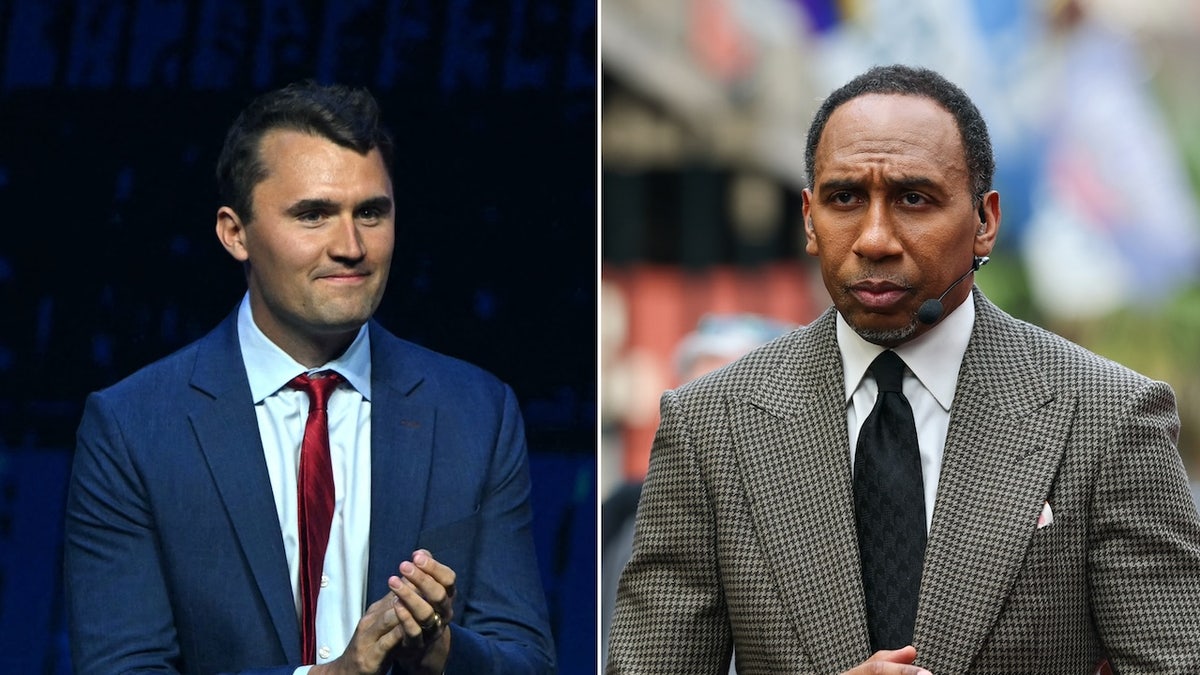
Stephen A Smith condemns anyone celebrating Charlie Kirk's assassination
Entities mentioned:
- Stephen A. Smith: Righteousness, Moral outrage, Professional pride
- Charlie Kirk: Ambition, Influence, Legacy
- New York Yankees: Respect, Unity, Professional pride
- Chelsea Wolfe: Moral outrage, Competitive spirit, Recognition
- FBI: Justice, Duty, Security
Article Assessment:
Credibility Score: 75/100
Bias Rating: 55/100 (Center)
Sentiment Score: 30/100
Authoritarianism Risk: 25/100 (Generally Democratic)
Bias Analysis:
The article presents multiple viewpoints, including condemnation of the assassination and reactions from various entities. While it leans slightly right due to the focus on conservative figure Kirk, it maintains a relatively balanced approach.
Key metric: Social Cohesion Index
Let me tell you something - this story is a GAME-CHANGER! Stephen A. Smith is stepping up to the plate and swinging for the fences against those celebrating Charlie Kirk's assassination. This is a fourth-quarter move that could shift the entire momentum of our nation's social cohesion. Smith's passionate defense is like a championship-caliber play, rallying the team to come together in a time of crisis. The New York Yankees are showing true sportsmanship with their moment of silence - that's the kind of class act we need in this divided league. But watch out, folks! We've got some players like Chelsea Wolfe making unsportsmanlike conduct moves that could get them ejected from the game of civil discourse. The FBI is now in full-court press mode to catch the perpetrator. This is RIDICULOUS, I'm telling you right now - we're in overtime, and every play counts in bringing our nation back together!
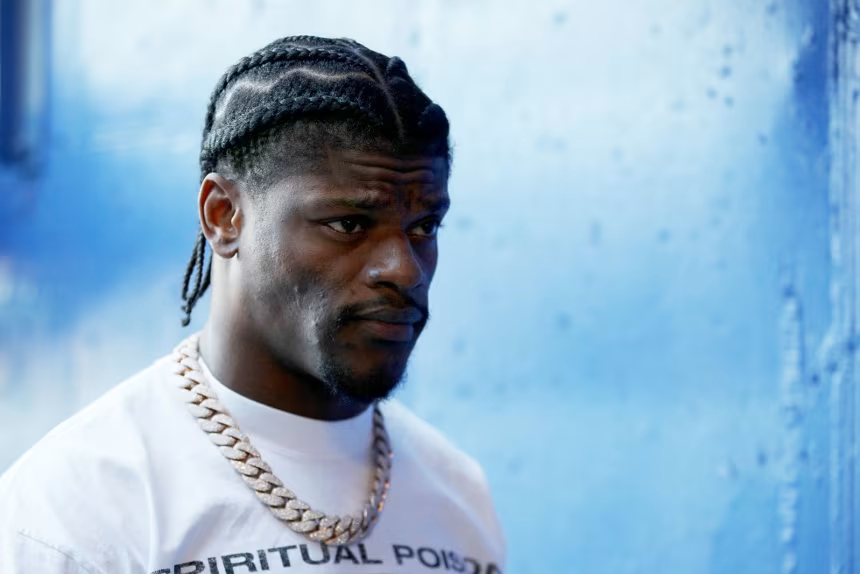
‘Just chill next time’: Ravens QB Lamar Jackson apologizes to fan he exchanged shoves with
Entities mentioned:
- Lamar Jackson: Self-respect, Professional pride, Obligation
- Baltimore Ravens: Competitive spirit, Unity, Determination
- Buffalo Bills: Competitive spirit, Pride, Ambition
- John Harbaugh: Leadership, Professional pride, Determination
- NFL: Control, Professional pride, Security
Article Assessment:
Credibility Score: 85/100
Bias Rating: 50/100 (Center)
Sentiment Score: 45/100
Authoritarianism Risk: 25/100 (Generally Democratic)
Bias Analysis:
The article presents a balanced view of the incident, including perspectives from Jackson, the Ravens, and the NFL. It doesn't lean towards favoring any particular side in the altercation.
Key metric: NFL Fan Engagement and Player Safety
Let me tell you something - this story is RIDICULOUS! We've got a championship-caliber quarterback like Lamar Jackson getting into a shoving match with a fan? That's like an umpire tackling a heckler! This is the big leagues, folks, not some backyard brawl! Jackson's apology is a clutch move, showing he's got the maturity of a true team captain. But let's not forget, fans crossing the line is like running onto the field - it's a major penalty! The Bills organization banning this fan is the equivalent of ejecting a player for unsportsmanlike conduct. It's a necessary play to keep the game clean and safe. The Ravens are coming off a gut-wrenching loss, but they're not letting it get in their heads. They're treating it like film study, focusing on improvement. That's the mindset of a playoff contender, folks! As we head into Week 2, all eyes will be on how the Ravens bounce back. It's early in the season, but these are the moments that separate the contenders from the pretenders!
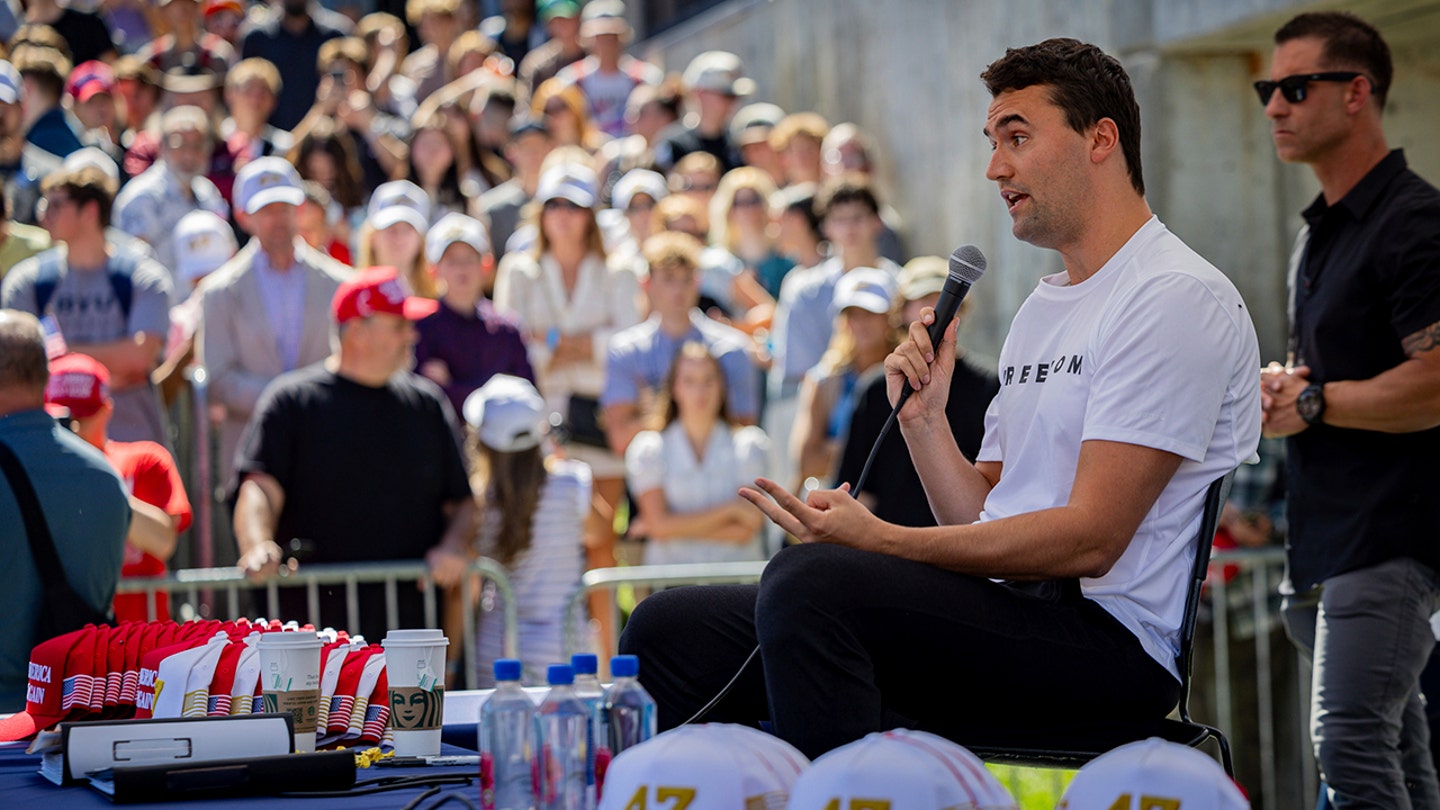
Trump attending Yankees game on 24th anniversary of Sept 11 attacks following Pentagon ceremony
Entities mentioned:
- Charlie Kirk: Influence, Recognition, Righteousness
- Donald Trump: Loyalty, Power, Influence
- FBI: Duty, Justice, Security
- Utah Valley University: Security, Duty, Obligation
- Turning Point USA: Influence, Competitive spirit, Righteousness
Article Assessment:
Credibility Score: 65/100
Bias Rating: 55/100 (Center)
Sentiment Score: 20/100
Authoritarianism Risk: 35/100 (Generally Democratic)
Bias Analysis:
The article presents multiple perspectives, including statements from various political figures. However, there's slightly more emphasis on conservative voices and reactions.
Key metric: Political Polarization Index
Let me tell you something - this story is an absolute GAME-CHANGER! The political arena just saw a devastating hit that's going to shake up the whole league. Charlie Kirk, a rising star player for Team Conservative, has been tragically taken out of the game in what can only be described as a brutal blindside tackle. This is the kind of play that changes the entire season, folks! The right-wing offense has lost a key player, and you better believe this is going to affect their playbook going forward. We're talking fourth quarter, clock ticking down, and suddenly the star quarterback is down! The political field is in absolute CHAOS right now, with both teams scrambling to adjust their strategy. This isn't just a game anymore - we're in sudden death overtime, and the stakes couldn't be higher. The refs are on high alert, the crowd is in shock, and every player on that field knows that this changes EVERYTHING. Buckle up, sports fans, because this political season just got a whole lot more intense!