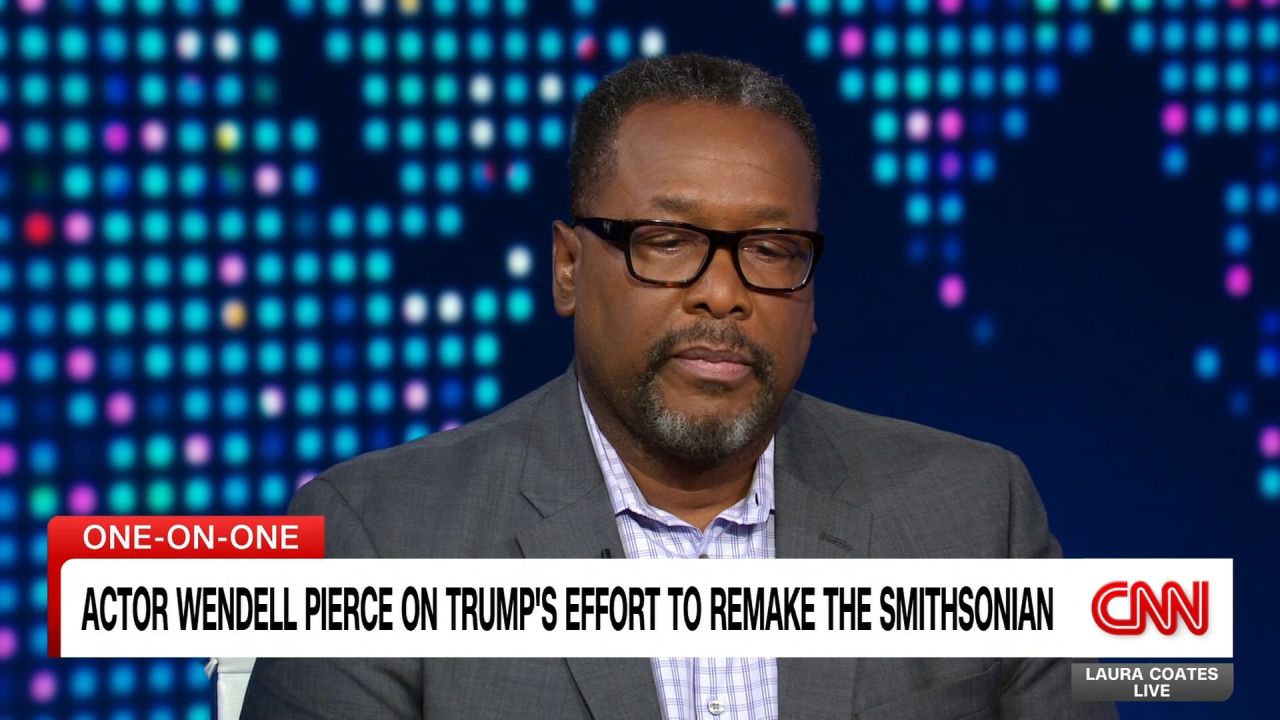
Actor Wendell Pierce on Trump’s effort to remake the Smithsonian
Entities mentioned:
- Wendell Pierce: Moral outrage, Justice, Righteousness
- Donald Trump: Power, Control, Legacy
- Smithsonian Institution: Professional pride, Legacy, Duty
- Laura Coates: Curiosity, Professional pride, Duty
Article Assessment:
Credibility Score: 65/100
Bias Rating: 35/100 (Lean Left)
Sentiment Score: 30/100
Authoritarianism Risk: 55/100 (Mixed/Neutral)
Bias Analysis:
The article leans left, evidenced by framing Trump's actions as a 'culture war' and featuring a critic of his policies. The choice of guest and language used suggests a perspective critical of the administration's approach to cultural institutions.
Key metric: Cultural Polarization Index
As a social scientist, I analyze that this article highlights the ongoing cultural tensions in the United States, particularly regarding the politicization of cultural institutions. Trump's efforts to reshape the Smithsonian, a revered national institution, suggest an attempt to influence the narrative of American history and culture. This move likely exacerbates existing divisions and contributes to increased cultural polarization. The involvement of a prominent actor like Wendell Pierce in discussing this issue on a news program indicates the broad reach and public interest in this cultural conflict, potentially amplifying its societal impact.
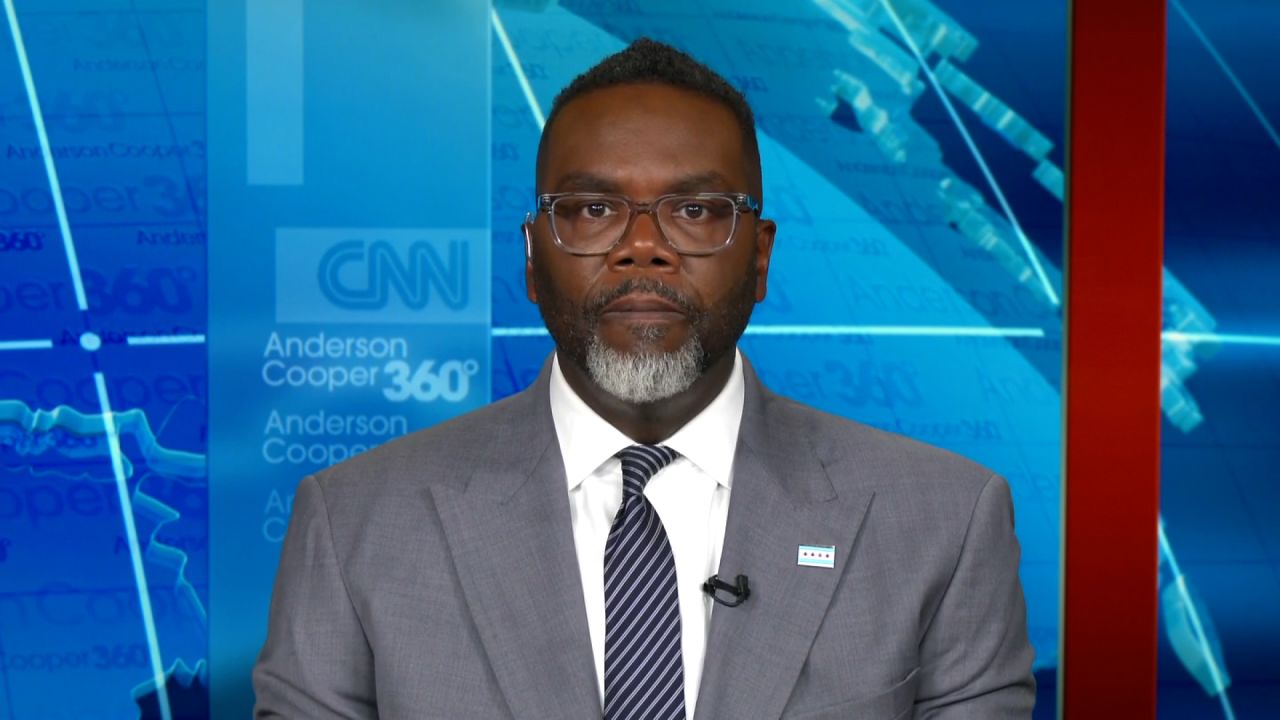
‘Military occupation’: Chicago mayor responds to Trump signaling he might send National Guard to the city
Entities mentioned:
- Brandon Johnson: Righteousness, Duty, Self-respect
- Donald Trump: Power, Control, Influence
- Anderson Cooper: Professional pride, Curiosity, Duty
- National Guard: Duty, Security, Control
Article Assessment:
Credibility Score: 70/100
Bias Rating: 45/100 (Center)
Sentiment Score: 35/100
Authoritarianism Risk: 55/100 (Mixed/Neutral)
Bias Analysis:
The article presents both sides of the issue by including the mayor's response and Trump's actions. However, the use of the term 'military occupation' in the headline may slightly frame the issue from the mayor's perspective.
Key metric: Public Safety and Crime Rate
As a social scientist, I analyze that this article highlights a potential conflict between federal and local authorities over crime control measures. The use of terms like 'military occupation' by the Chicago mayor suggests strong opposition to federal intervention, indicating a clash between local autonomy and centralized power. This situation could impact public safety metrics by either increasing law enforcement presence or creating tension that might exacerbate existing issues. The article raises questions about the effectiveness and appropriateness of using military-style interventions in urban crime scenarios, which could have significant implications for crime rates and public perception of safety.
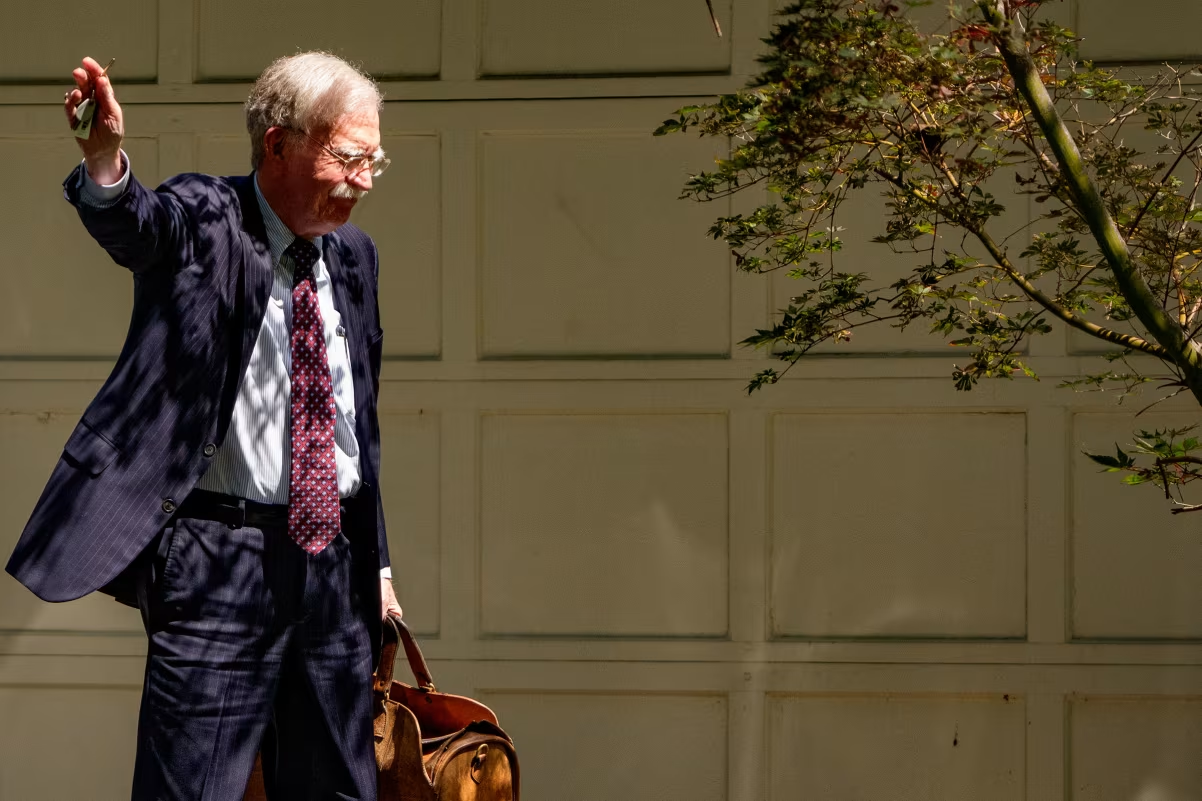
Who is John Bolton? What to know about Trump’s former national security adviser
Entities mentioned:
- John Bolton: Righteousness, Influence, Professional pride
- Donald Trump: Power, Control, Revenge
- FBI: Duty, Justice, Security
- Joe Biden: Ambition, Duty, Power
- George W. Bush: Power, Loyalty, Legacy
Article Assessment:
Credibility Score: 75/100
Bias Rating: 55/100 (Center)
Sentiment Score: 35/100
Authoritarianism Risk: 45/100 (Mixed/Neutral)
Bias Analysis:
The article presents a relatively balanced view of John Bolton's career and controversies, including criticism from both sides of the political spectrum. While it does highlight Trump's conflicts with Bolton, it also mentions Bolton's disagreements with Democrats, maintaining a centrist perspective.
Key metric: Political Polarization Index
As a social scientist, I analyze that this article highlights the complex interplay between political figures, institutions, and the justice system in the United States. The focus on John Bolton's career trajectory and his relationship with various administrations, particularly his tumultuous tenure under Trump, underscores the increasing polarization in American politics. The FBI's search of Bolton's property, allegedly related to his memoir, raises questions about the potential weaponization of government agencies against political opponents. This event could further erode public trust in institutions and exacerbate existing political divisions, potentially leading to an increase in the Political Polarization Index. The article also touches on broader themes of national security, foreign policy, and the delicate balance between transparency and classified information, all of which contribute to the overall political climate.
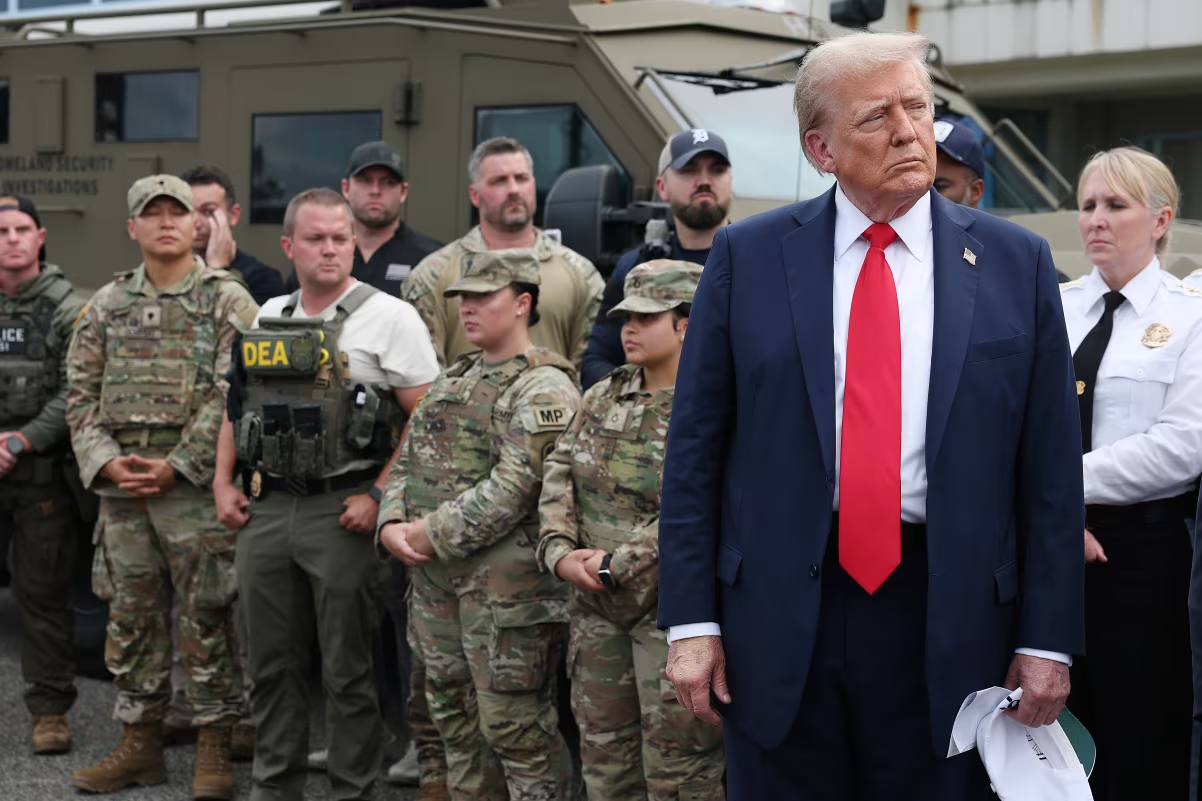
Trump’s ambition to take crime crackdown national will stoke tensions and legal showdowns
Entities mentioned:
- Donald Trump: Power, Control, Ambition
- Democratic Party: Righteousness, Justice, Self-preservation
- Hakeem Jeffries: Duty, Justice, Wariness
- Wes Moore: Duty, Justice, Ambition
- Rahm Emanuel: Professional pride, Wariness, Duty
- JB Pritzker: Duty, Self-preservation, Justice
- Kwame Raoul: Justice, Duty, Wariness
Article Assessment:
Credibility Score: 75/100
Bias Rating: 35/100 (Lean Left)
Sentiment Score: 30/100
Authoritarianism Risk: 65/100 (Authoritarian Tendencies)
Bias Analysis:
The article leans left in its framing, giving more space to Democratic voices and criticism of Trump's policies. While it includes some factual information, the language used often portrays Trump's actions in a negative light.
Key metric: Political Polarization Index
As a social scientist, I analyze that this article highlights a growing tension between federal and state powers, particularly concerning law enforcement and the use of military forces in domestic situations. Trump's approach to crime in major cities is presented as a potential overreach of presidential authority, which could exacerbate political divisions and challenge the balance of power between federal and state governments. The article suggests that Trump's actions may be more politically motivated than driven by actual crime statistics, potentially using the issue of public safety to appeal to his base and pressure Democratic-led cities. This situation is likely to increase political polarization, as it pits federal authority against state sovereignty, and Republican policies against Democratic governance in urban areas.
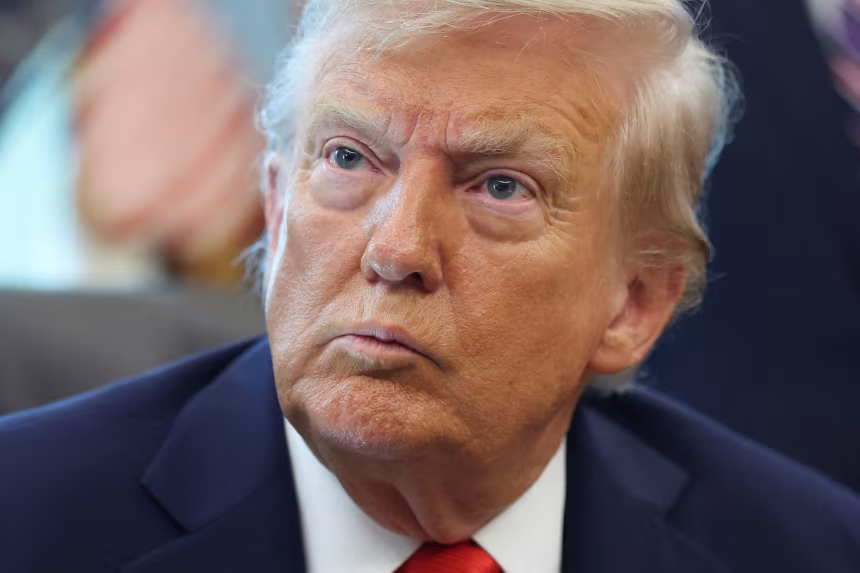
Trump’s tortured history of legally targeting his foes
Entities mentioned:
- Donald Trump: Revenge, Power, Control
- John Bolton: Loyalty, Professional pride, Self-preservation
- Chris Christie: Ambition, Competitive spirit, Self-preservation
- Greg Gutfeld: Loyalty, Righteousness, Indignation
- Kilmar Abrego Garcia: Self-preservation, Freedom, Justice
- Joe Biden: Self-preservation, Legacy, Duty
- Hunter Biden: Self-preservation, Recognition, Ambition
- John Durham: Professional pride, Duty, Justice
- William Barr: Loyalty, Power, Influence
Article Assessment:
Credibility Score: 75/100
Bias Rating: 40/100 (Lean Left)
Sentiment Score: 35/100
Authoritarianism Risk: 65/100 (Authoritarian Tendencies)
Bias Analysis:
The article leans slightly left, evidenced by its critical tone towards Trump and more sympathetic portrayal of his opponents. However, it does provide factual information and context, balancing its perspective somewhat.
Key metric: Rule of Law Index
As a social scientist, I analyze that this article highlights a concerning trend of potential weaponization of the justice system for political purposes. The contrast between the success rates of prosecutions against Trump and his allies versus Trump's allegations against his opponents suggests a pattern of using legal threats as a political tool without substantial evidence. This behavior risks eroding public trust in the justice system and could negatively impact the Rule of Law Index, which measures the extent to which a country adheres to the rule of law in practice. The article suggests that Trump's administration may be using investigations to intimidate critics rather than pursue legitimate justice, which could lead to a decline in the perception of government accountability and fair application of the law.
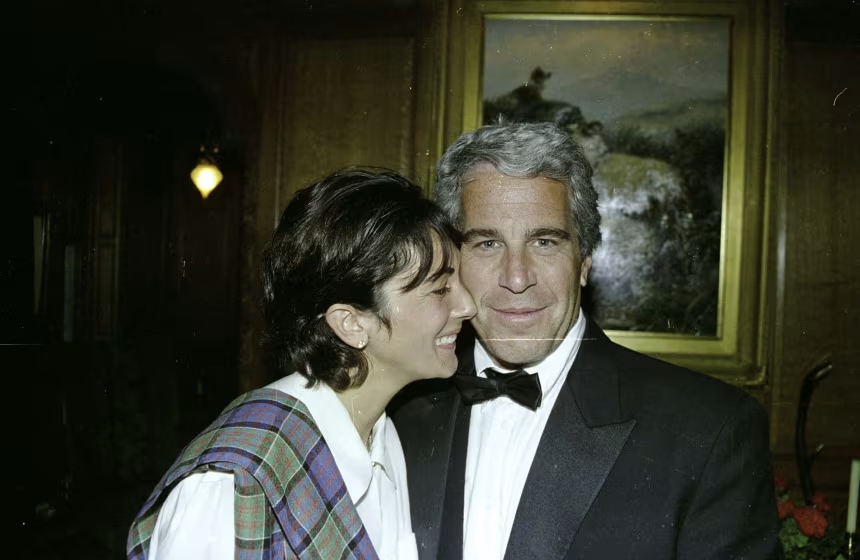
House GOP Oversight panel subpoenas Epstein estate for ‘birthday book,’ other documents
Entities mentioned:
- House Oversight Committee: Justice, Duty, Righteousness
- Jeffrey Epstein: Power, Control, Greed
- Donald Trump: Self-preservation, Reputation, Power
- James Comer: Duty, Justice, Ambition
- Alexander Acosta: Self-preservation, Professional pride, Duty
- Chuck Schumer: Moral outrage, Justice, Political influence
- Robert Garcia: Justice, Duty, Moral outrage
Article Assessment:
Credibility Score: 75/100
Bias Rating: 55/100 (Center)
Sentiment Score: 35/100
Authoritarianism Risk: 25/100 (Generally Democratic)
Bias Analysis:
The article presents a relatively balanced view, including perspectives from both Republican and Democratic members of the committee. While it mentions Trump's denial and lawsuit, it also includes critical views of his administration's handling of the Epstein case.
Key metric: Government Accountability
As a social scientist, I analyze that this investigation into Jeffrey Epstein's estate and associates represents a significant effort to enhance government accountability and transparency. The House Oversight Committee's actions, including subpoenaing Epstein's estate and scheduling an interview with Alexander Acosta, demonstrate a push for a more comprehensive understanding of Epstein's network and the handling of his case. This could potentially impact public trust in government institutions and the justice system. The bipartisan nature of the inquiry, with both Republicans and Democrats actively involved, suggests a united front in addressing this high-profile case. However, the political implications, especially concerning former President Trump, add complexity to the investigation's reception and potential outcomes. The focus on documents like the 'birthday book' and potential client lists indicates an attempt to uncover the full extent of Epstein's influence and activities, which could have far-reaching consequences for various public figures and institutions.
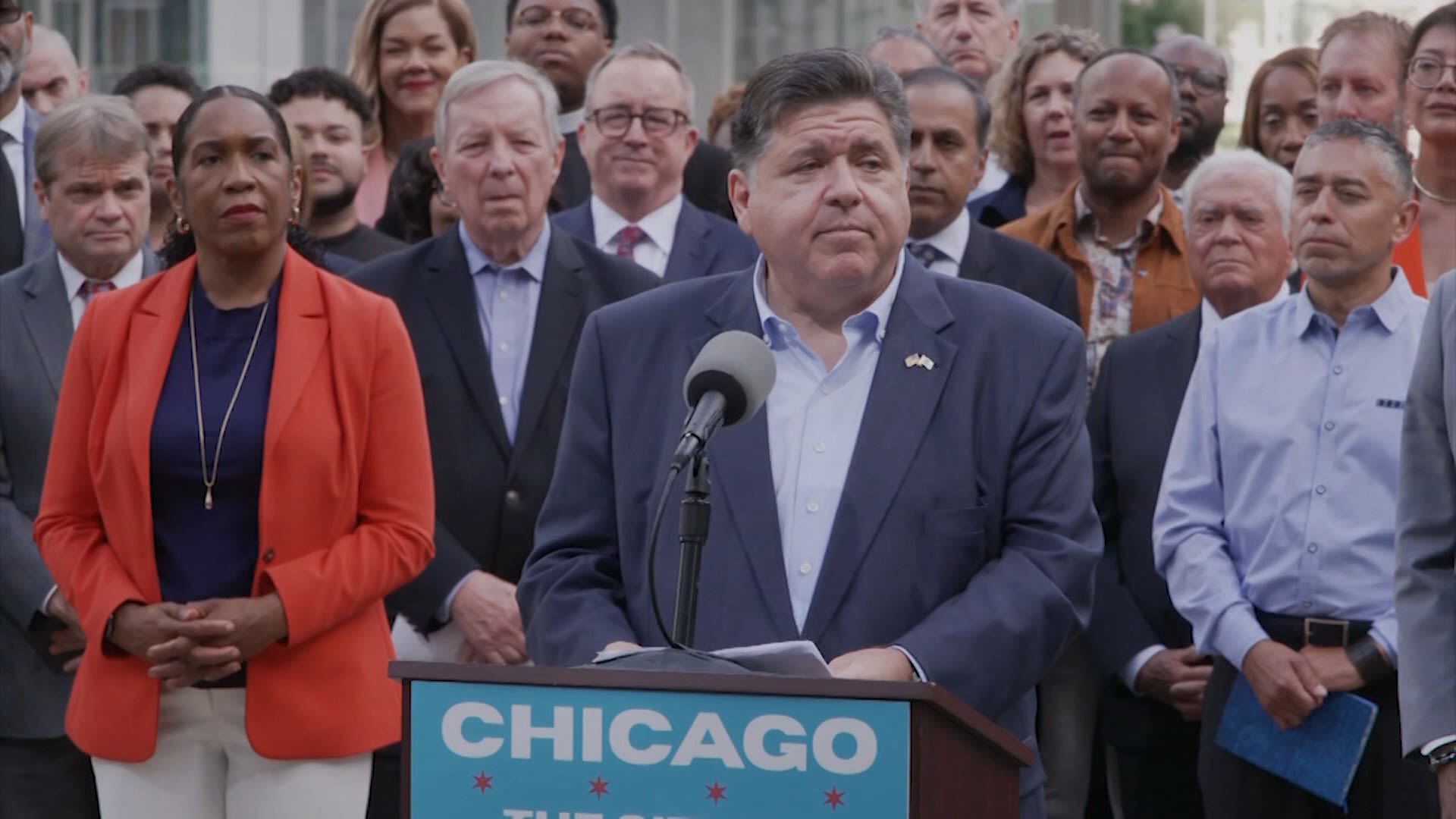
Pritzker tells Trump to stay out of Chicago: ‘You are neither wanted here nor needed here’
Entities mentioned:
- JB Pritzker: Righteousness, Moral outrage, Duty
- Donald Trump: Power, Control, Influence
- Brandon Johnson: Unity, Duty, Security
- Pete Hegseth: Duty, Loyalty, Control
Article Assessment:
Credibility Score: 75/100
Bias Rating: 40/100 (Lean Left)
Sentiment Score: 25/100
Authoritarianism Risk: 65/100 (Authoritarian Tendencies)
Bias Analysis:
The article leans slightly left, giving more prominence to Governor Pritzker's perspective and criticisms of the Trump administration. While it includes some information on the administration's plans, it primarily frames the issue through the lens of opposition to federal intervention.
Key metric: Civil Liberties and Rule of Law
As a social scientist, I analyze that this article highlights a significant conflict between state and federal authorities over the use of federal forces in American cities. The dispute centers on the balance of power between different levels of government and raises concerns about potential threats to civil liberties and democratic norms. Governor Pritzker's strong opposition to federal intervention without local consent reflects deep concerns about the erosion of local autonomy and the potential for federal overreach. This conflict has implications for the separation of powers, federalism, and the role of military forces in domestic affairs, all of which are crucial elements of the American democratic system.
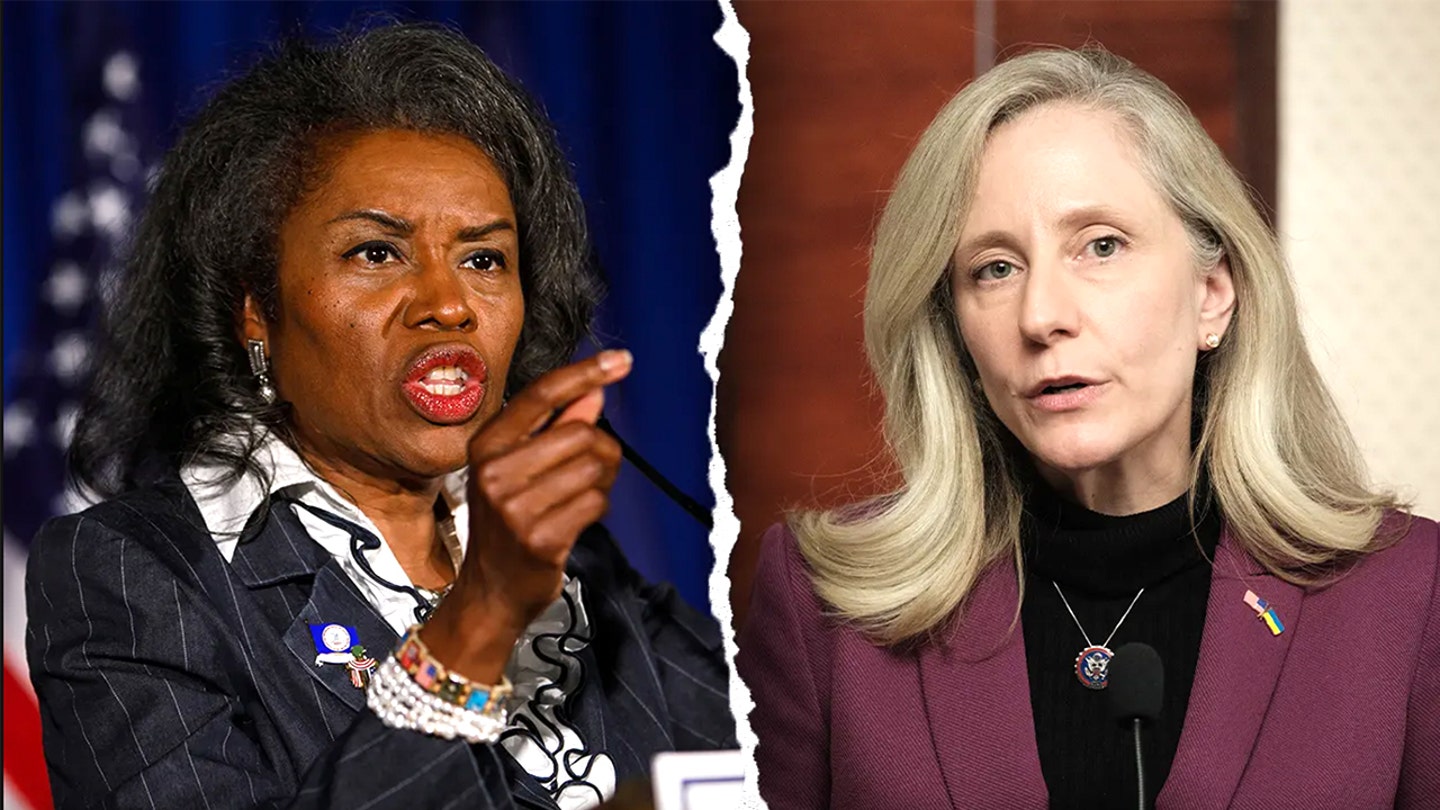
Political activist CJ Pearson says White liberals are starting to fear they're losing 'power' over Blacks
Entities mentioned:
- CJ Pearson: Righteousness, Moral outrage, Influence
- White liberals: Power, Control, Fear
- Winsome Earle-Sears: Determination, Duty, Self-respect
- Abigail Spanberger: Ambition, Self-preservation, Obligation
- Republican Party: Competitive spirit, Power, Influence
- Democratic Party: Power, Control, Self-preservation
Article Assessment:
Credibility Score: 65/100
Bias Rating: 70/100 (Lean Right)
Sentiment Score: 30/100
Authoritarianism Risk: 35/100 (Generally Democratic)
Bias Analysis:
The article leans right, primarily quoting conservative voices and framing liberal actions negatively. While it includes some opposing viewpoints, the overall narrative favors a conservative interpretation of events.
Key metric: Racial Political Alignment
As a social scientist, I analyze that this article highlights growing tensions in racial political alignment, particularly focusing on the perceived shift of Black voters away from the Democratic Party. The controversy surrounding the racist sign at a protest event serves as a focal point for discussing broader issues of race, politics, and voter loyalty. The article suggests a potential realignment of Black voters, which could significantly impact future elections and party strategies. The strong reactions from both conservative and liberal figures underscore the high stakes involved in maintaining or changing traditional voting blocs. This incident also reveals the complexities of intersectional politics, where race and gender identity issues collide in public discourse.
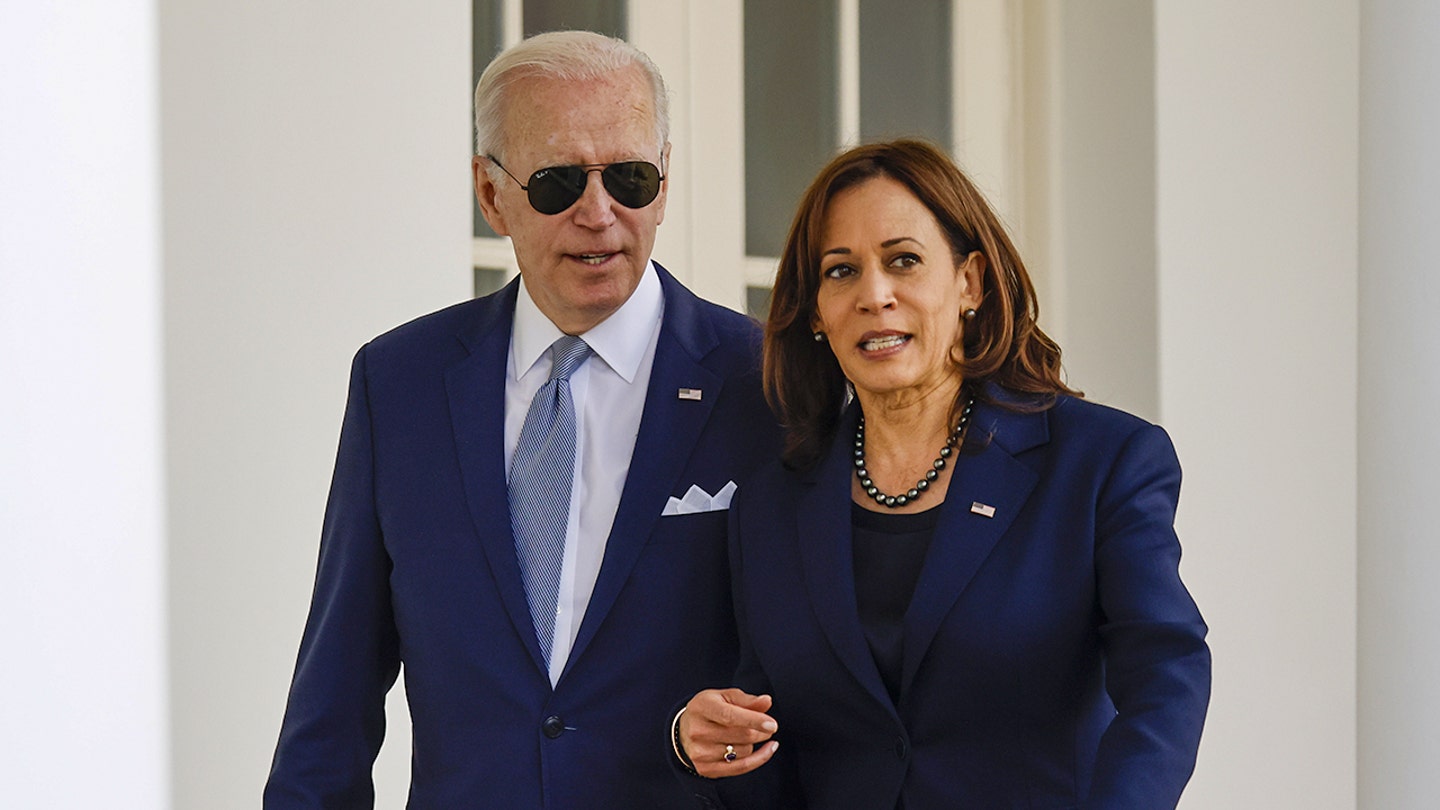
GOP senators push for Kamala Harris' testimony as House Oversight eyes subpoena
Entities mentioned:
- GOP senators: Accountability, Justice, Control
- Kamala Harris: Self-preservation, Loyalty, Duty
- House Oversight Committee: Accountability, Justice, Control
- Joe Biden: Self-preservation, Legacy, Power
- Roger Marshall: Professional pride, Righteousness, Influence
- James Comer: Accountability, Influence, Justice
- Richard Blumenthal: Loyalty, Duty, Self-preservation
- John Hoeven: Accountability, Duty, Influence
Article Assessment:
Credibility Score: 65/100
Bias Rating: 70/100 (Lean Right)
Sentiment Score: 30/100
Authoritarianism Risk: 45/100 (Mixed/Neutral)
Bias Analysis:
The article leans right due to its focus on Republican perspectives and allegations against the Biden administration. While it includes a brief Democratic counterpoint, the majority of the content amplifies GOP criticism and concerns.
Key metric: Political Polarization Index
As a social scientist, I analyze that this article highlights increasing political polarization in the U.S. The GOP's push for Harris' testimony and the focus on Biden's alleged cognitive decline demonstrate a partisan approach to oversight. This could potentially widen the divide between Democrats and Republicans, affecting public trust in institutions and inter-party cooperation. The emphasis on Biden's perceived weaknesses and their alleged impact on national security further intensifies the partisan narrative. This polarization could lead to decreased governmental effectiveness and increased public cynicism towards political processes.
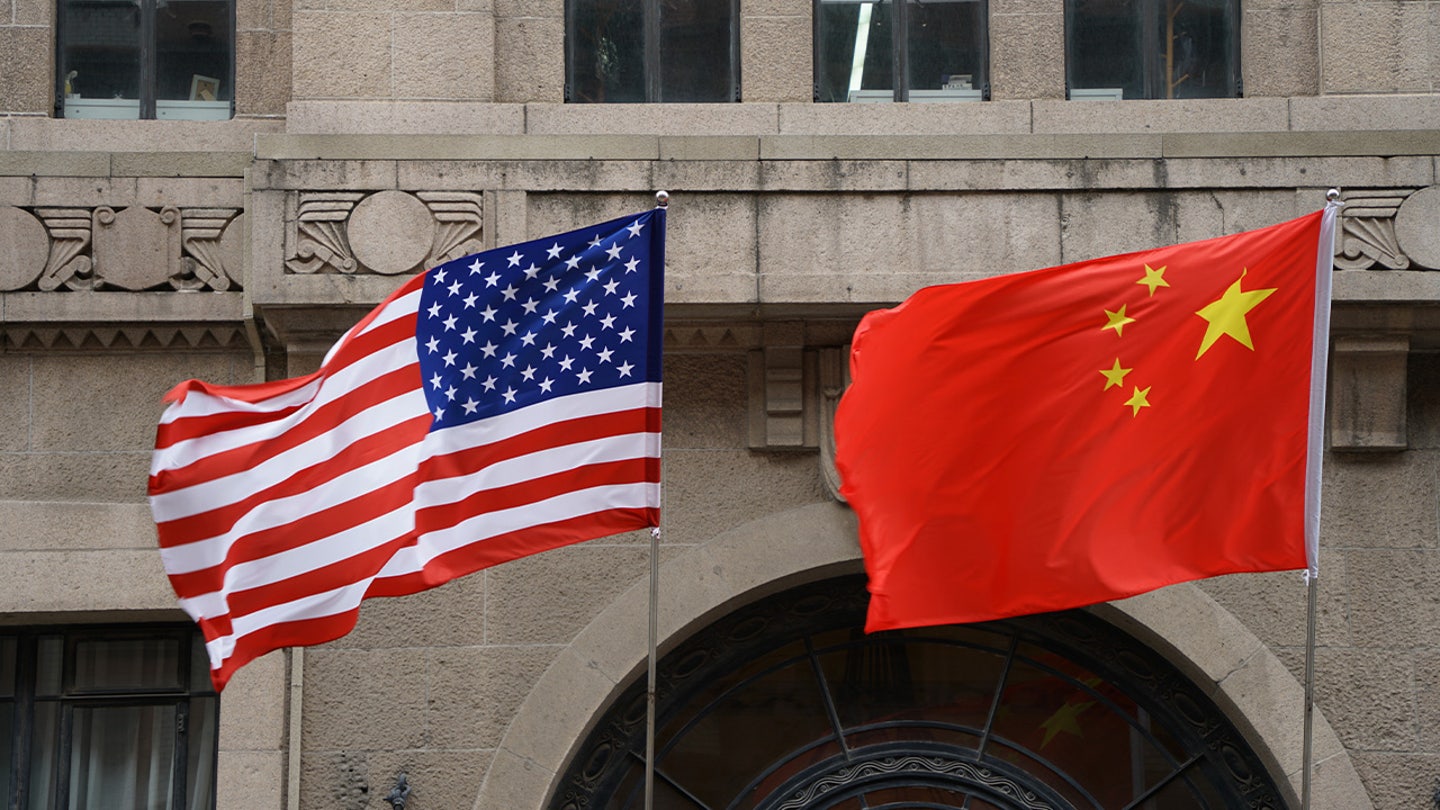
Trump learns a lesson grounded in faith, how best to stand tough on trade with China
Entities mentioned:
- Donald Trump: Power, Determination, Competitive spirit
- China: Control, Power, Competitive spirit
- Steven Mnuchin: Determination, Professional pride, Loyalty
- Rabbi Levi Yitzchok of Berditchev: Righteousness, Faith, Influence
Article Assessment:
Credibility Score: 55/100
Bias Rating: 75/100 (Lean Right)
Sentiment Score: 65/100
Authoritarianism Risk: 55/100 (Mixed/Neutral)
Bias Analysis:
The article leans heavily right, presenting Trump's policies in an overwhelmingly positive light without significant counterarguments. It uses religious rhetoric to support political positions, which is characteristic of right-wing messaging in the US.
Key metric: US-China Trade Balance
As a social scientist, I analyze that this article portrays a continuation of Trump's aggressive trade policies towards China in a hypothetical second term. The focus is on using tariffs and economic pressure to reshape the US-China trade relationship and reduce US dependence on Chinese goods and resources. The article suggests these policies are having some success in reshoring manufacturing and strengthening alliances, but acknowledges short-term economic costs. The integration of religious teachings into trade policy rationale is an unusual element that appears aimed at justifying potentially painful economic measures through appeals to faith and perseverance.